1. Hearing the Ice Cream Truck in the Distance
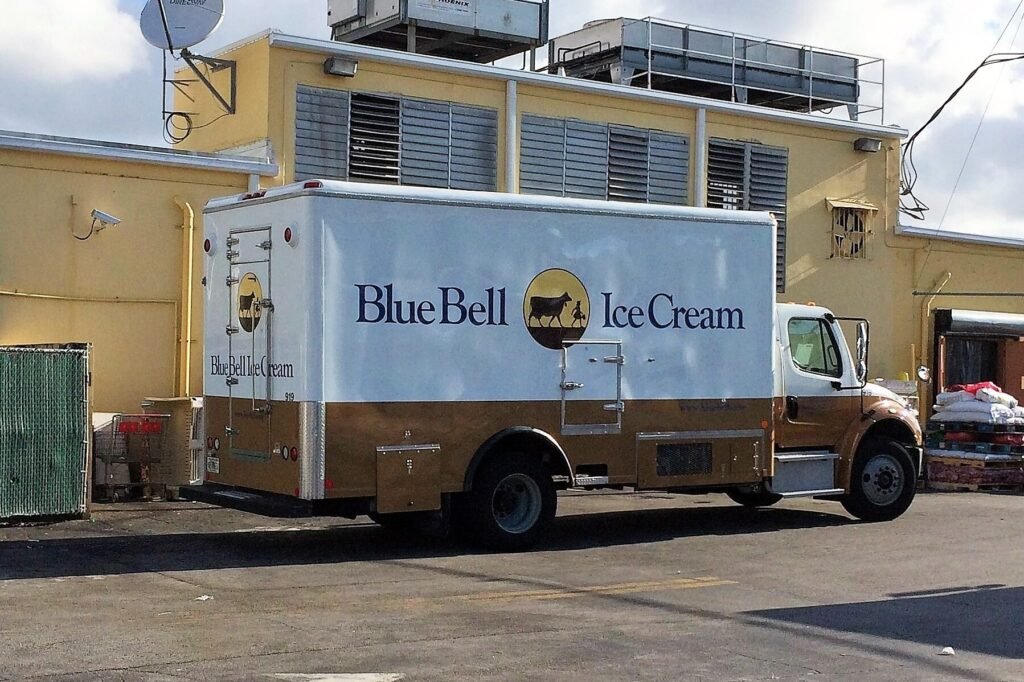
You didn’t need to see it to know it was coming. That faint, tinny version of “Turkey in the Straw” or another looping tune would drift through the neighborhood, and suddenly everything stopped. Kids would drop bikes in the grass or abandon whatever game they were in the middle of just to listen for it again. The sound alone was enough to trigger urgency, because if you waited too long, it would pass your street. It was one of those rare moments where time felt like it mattered.
Then came the scramble for change, digging through couch cushions or asking a parent for a few dollars. Standing in line behind other kids, staring at the picture menu on the side of the truck, always took longer than you wanted. The choices felt huge at the time, even if you usually picked the same thing. There was something specific about the taste of those treats, especially on a hot day. Even now, hearing that music instantly brings back that same feeling of excitement.
2. Saturday Morning Cartoons Before Anyone Else Was Awake
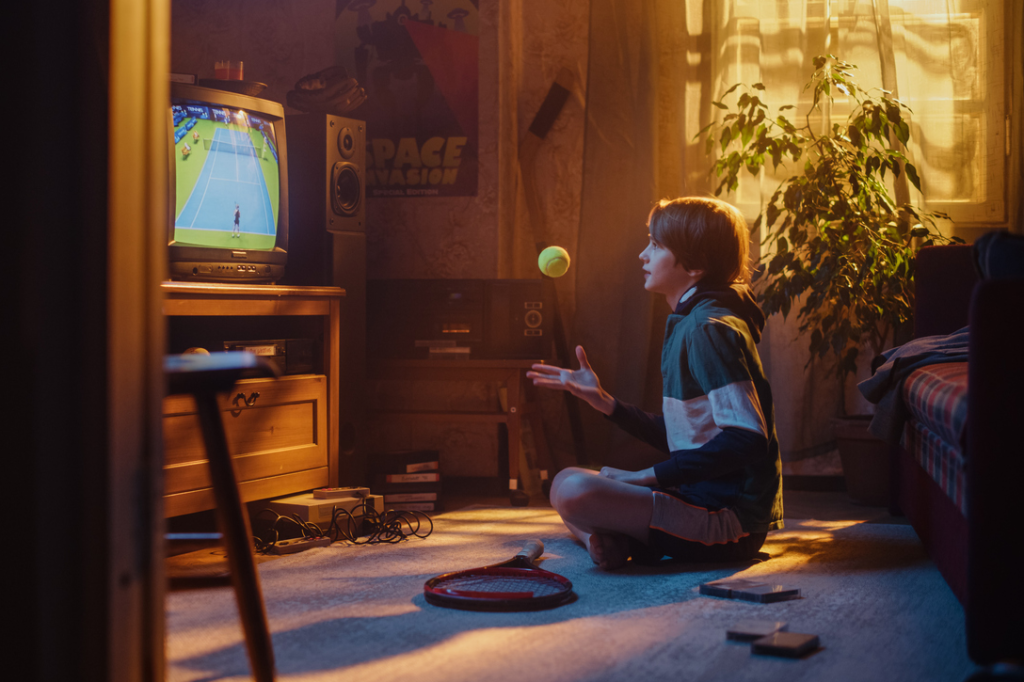
Waking up early on a weekend didn’t feel like a chore when cartoons were involved. You’d turn on the TV while the house was still quiet, sometimes sitting way too close to the screen. Networks had full blocks of animated shows, and it felt like they were made just for that moment. There was a routine to it, even if you never thought about it at the time. Certain shows aired at certain times, and missing one meant waiting an entire week.
Cereal usually went hand in hand with it, often something sugary that felt like part of the experience. Commercials were just as memorable, especially toy ads that made everything look essential. There was no pausing or rewinding, so you paid attention in a way that feels different now. Once the block ended, it was like the spell broke and the day really started. That window of time felt separate from everything else.
3. The Smell of a School Bus on the First Day Back
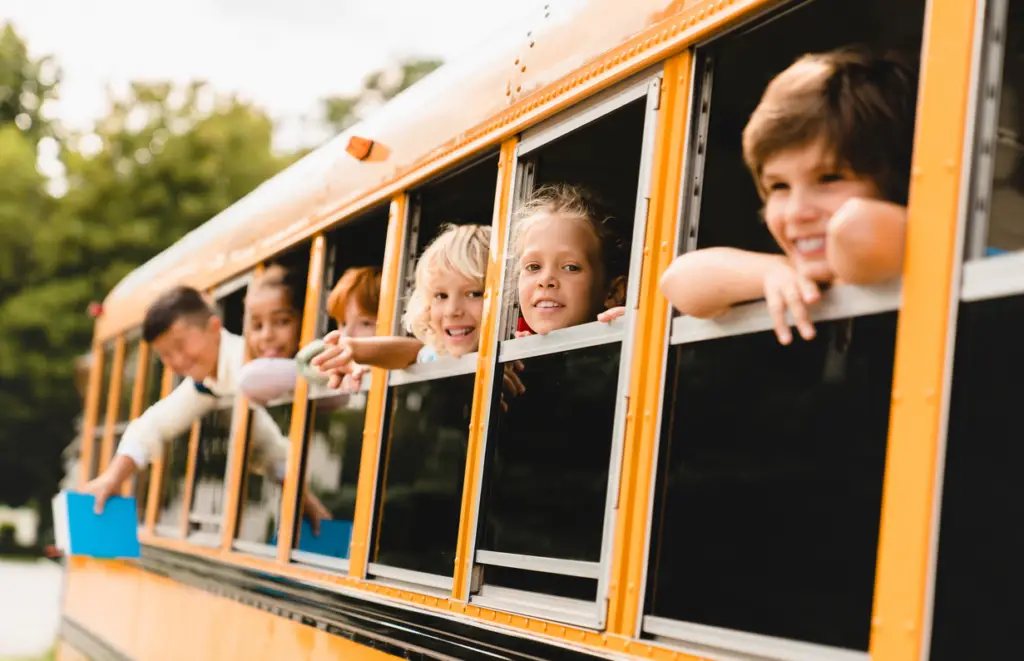
There’s a very specific smell when you step onto a school bus, a mix of vinyl seats, diesel fuel, and heat. It hits immediately, especially on that first day back after summer. Everything feels slightly unfamiliar again, even if it’s the same route and the same driver. You’re looking for a seat, deciding whether to sit alone or next to someone you know. It’s one of those small moments that quietly sets the tone for the school year.
The noise builds quickly as more kids get on, conversations overlapping and backpacks shifting around. The windows might be foggy in colder months or wide open in warmer ones. You’d watch your neighborhood pass by in a different way than you did the rest of the year. It wasn’t exactly relaxing, but it was predictable. Even years later, that smell alone can bring the whole memory back.
4. Rewinding VHS Tapes Before Returning Them
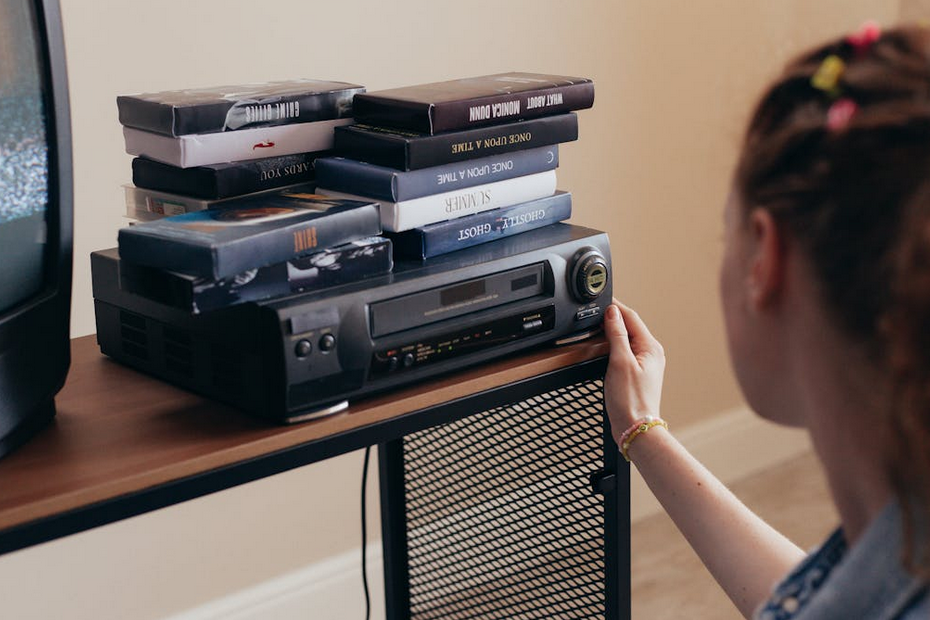
Before streaming, watching a movie at home involved physical steps that were easy to forget. If you rented a tape, there was a clear expectation that you would rewind it before returning it. Video stores even had signs reminding you, and sometimes a fee if you didn’t. The process itself took a few minutes, watching the numbers count backward or the screen flash by. It was a small task, but it felt important.
Some families had a separate tape rewinder, which somehow made it feel more official. The sound of the tape spinning fast became familiar. You might use that time to grab a snack or talk about the movie you just watched. It added a kind of closing ritual to the experience. Today, there’s nothing quite like that sense of finishing something before handing it back.
5. Hearing Your Favorite Song on the Radio at Just the Right Time

Before playlists and on-demand music, you had to wait to hear the songs you loved. That made it feel different when they finally came on the radio. Sometimes it happened while you were in the car, and everyone would either turn it up or recognize it instantly. Other times, you’d catch it at home and try to record it on a cassette tape. Timing mattered, and missing the beginning felt like a real loss.
There was also the anticipation, listening through other songs just in case yours might play next. DJs sometimes talked over the intro, which could be frustrating if you were trying to capture it cleanly. Still, that unpredictability made the moment feel earned. It wasn’t something you could control. That’s part of why those memories tend to stick.
6. Opening a Lunchbox to See What Was Packed
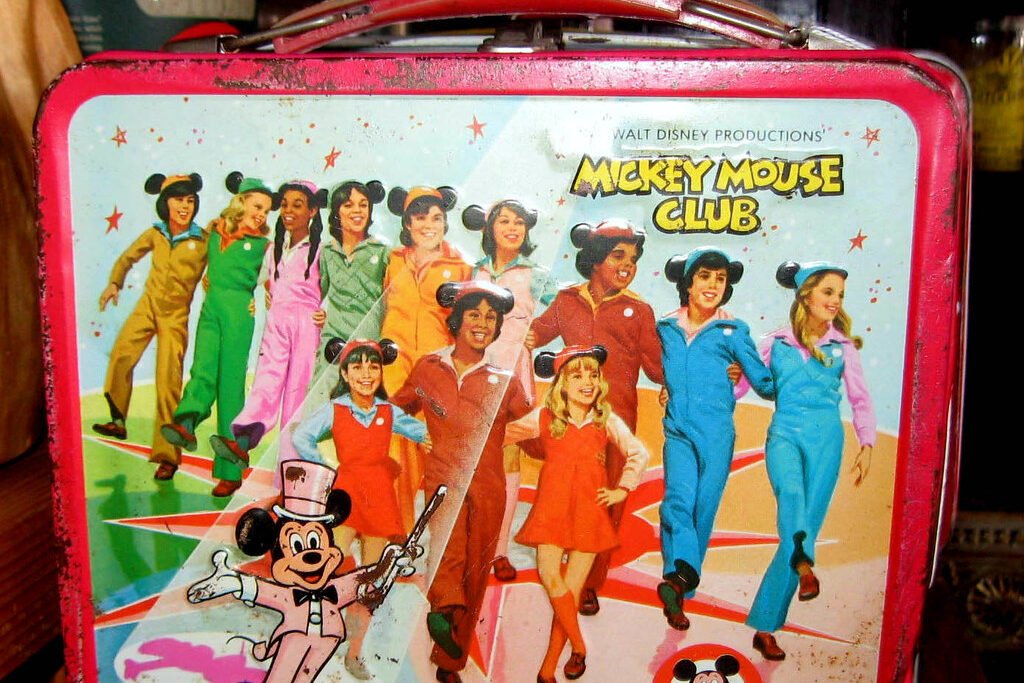
Lunch felt like a break in more ways than one. Opening your lunchbox was its own small reveal, especially if you didn’t pack it yourself. There might be a sandwich, a snack, and maybe something sweet if you were lucky. The packaging itself, from plastic baggies to foil-wrapped items, added to the routine. Even trading food with friends became part of the experience.
Some items felt especially tied to that time, like juice boxes or small bags of chips. You’d recognize what other kids had and compare without saying much. There was also the occasional surprise, like a note from a parent tucked inside. It wasn’t just about eating, it was about the break from structure. Those details are easy to overlook now, but they were consistent markers of the day.
7. Waiting for a Film Camera Roll to Be Developed
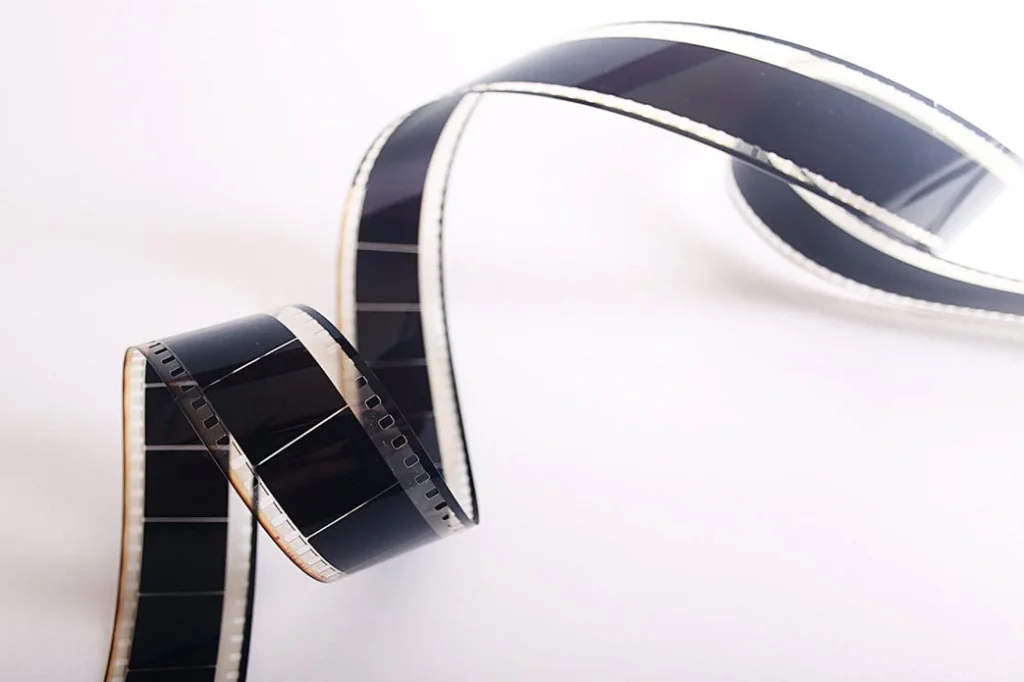
Taking photos used to involve patience that’s mostly gone now. You couldn’t see the picture right away, and sometimes you didn’t even remember exactly what you took. Once the roll was finished, it had to be dropped off at a store for development. Then came the waiting, which could take days. That gap made the results feel more significant when you finally got them back.
Looking through the printed photos was a shared activity. Some turned out great, others were blurry or overexposed, and there was no fixing them. You’d often find unexpected moments captured by accident. The physical prints gave everything a sense of permanence. It made each photo feel like something you had to commit to.
8. Riding Bikes Until the Streetlights Came On
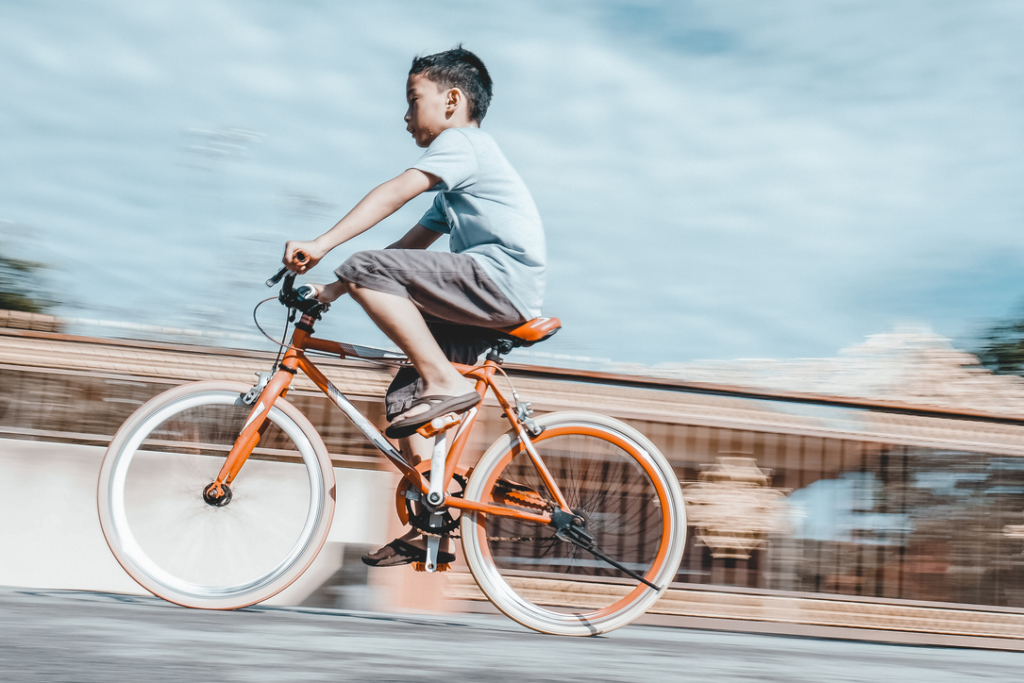
There was an unspoken rule in many neighborhoods that you stayed outside until the streetlights turned on. It gave the day a natural endpoint without needing a clock. Kids would ride bikes, play games, or just move from one yard to another. The boundaries were usually understood rather than explained. It created a sense of independence that felt normal at the time.
As the light started to change, you’d notice parents calling kids home one by one. The group would slowly break apart. There was often a final stretch of riding or talking before heading back. That transition from daylight to evening marked the end of something. It’s a rhythm that doesn’t feel as common now.
9. Flipping Through TV Channels with No Clear Plan
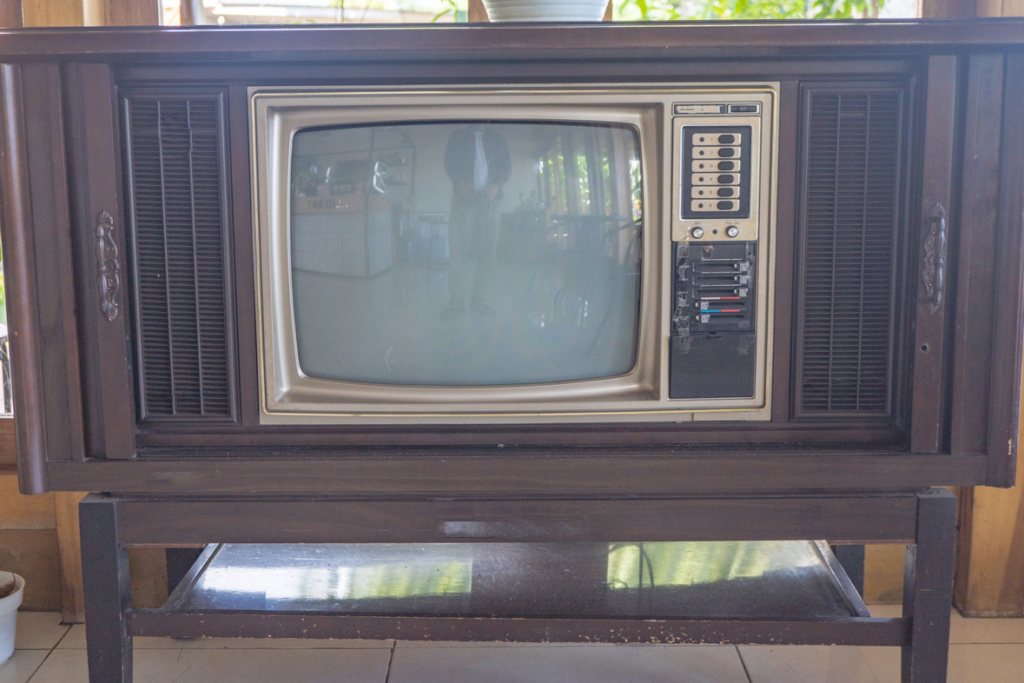
Channel surfing was its own kind of activity. You’d sit with a remote and move through channels, not necessarily looking for anything specific. Sometimes you landed on a movie halfway through or an episode you’d seen before. It didn’t matter, you stayed if it held your attention. The process was slower, and that made discovery feel different.
There were fewer options, but each one felt more distinct. You learned what was on at certain times without needing a guide. Commercial breaks became natural points to switch channels. It wasn’t efficient, but it was engaging in its own way. That kind of passive discovery is harder to replicate now.
10. Getting a New Pair of School Shoes
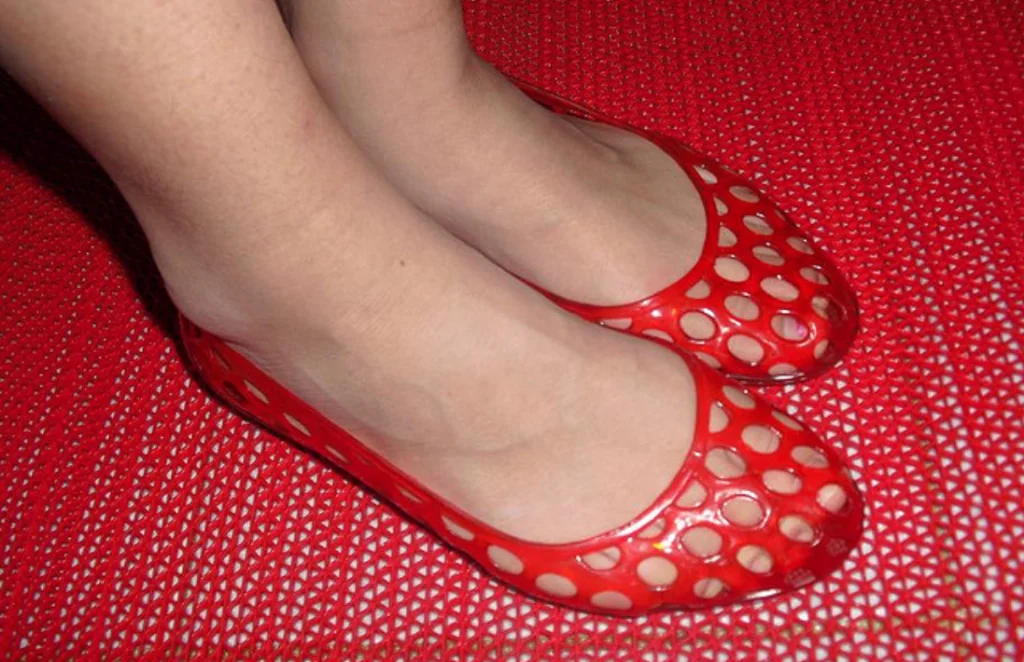
A new school year often meant new shoes, and there was something specific about that first wear. They felt stiff at first, not quite broken in yet. You’d notice the way they looked compared to what other kids had. Sometimes there was a popular brand or style that everyone seemed to recognize. It wasn’t just about comfort, it was about how they fit into the social environment.
By the end of the year, those same shoes would look completely different. They’d be worn down, scuffed, and shaped by daily use. That change happened gradually, so you didn’t always notice it right away. Looking back, it marked the passage of time in a simple way. It was a small but consistent part of growing up.
11. Playing Outside After a Fresh Snowfall
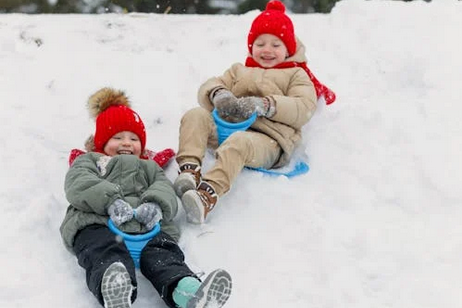
A fresh snowfall changed everything overnight. Familiar streets and yards looked completely different, quieter and more uniform. The first step into untouched snow always felt significant. Kids would head outside quickly, knowing the surface wouldn’t stay perfect for long. It created a short window where everything felt new.
Activities followed almost automatically, from building snowmen to making tracks or attempting sled runs. Gloves got wet, boots filled with snow, and none of it seemed to matter at the time. The cold was part of the experience rather than something to avoid. Eventually, you’d head back inside to warm up. That contrast made the whole thing more memorable.
12. Borrowing a Friend’s CD and Listening to It on Repeat
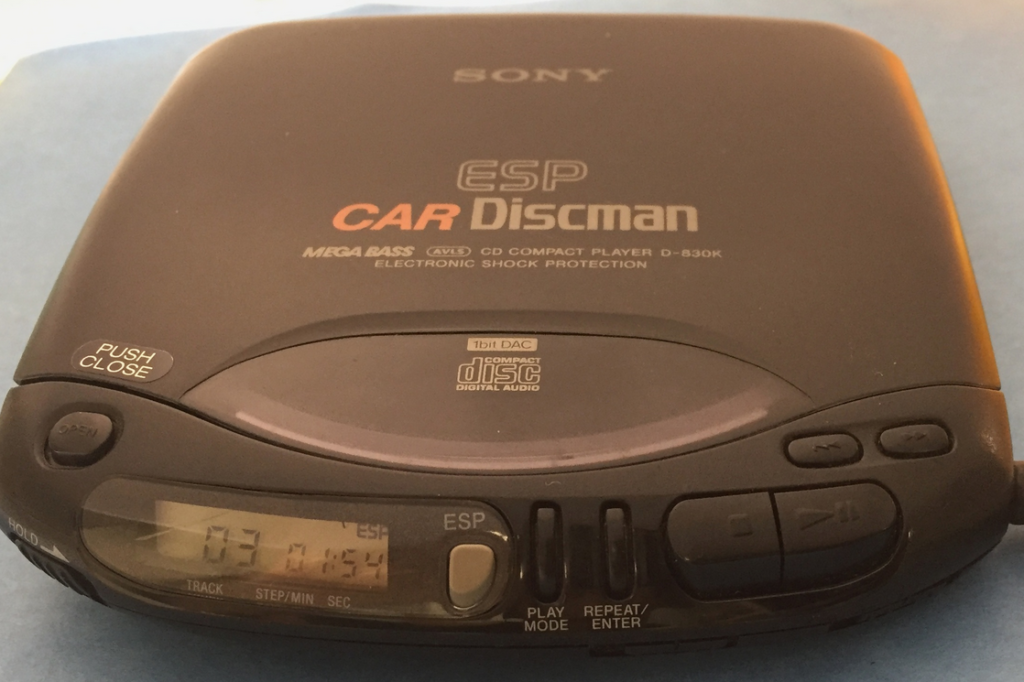
Sharing music used to be more physical. Borrowing a CD meant trusting someone else with something they owned. You’d take it home and play it through from start to finish, often more than once. The order of the songs mattered because you couldn’t easily skip around without thinking about it. It encouraged a different kind of listening.
Sometimes you’d discover tracks you liked more than the ones you expected. The album art and liner notes added context that felt important. Returning the CD often came with a conversation about what you thought. It made music feel more social in a direct way. Those exchanges built shared memories around specific albums.
13. The Feeling of the Last Day of School Before Summer
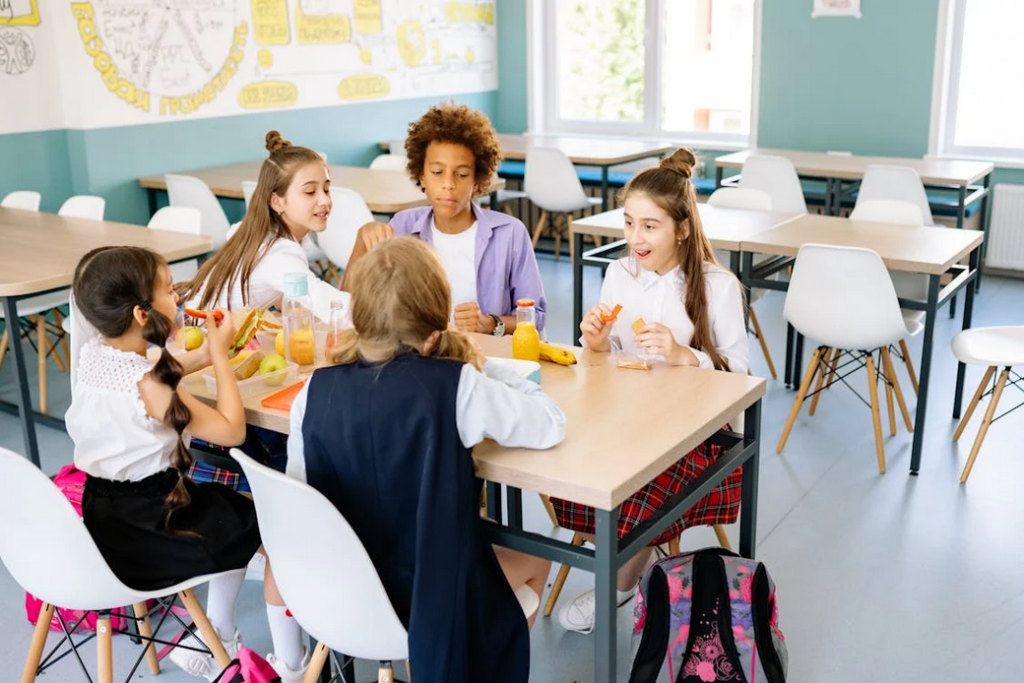
The last day of school had a distinct atmosphere. Classes were shorter or less structured, and there was a sense that rules were slightly relaxed. You knew that once the day ended, your schedule would change completely. That anticipation shaped how everything felt, even routine activities. It wasn’t just another day, even if it followed the same format.
Walking out at the end of that day carried a different kind of energy. There were plans being discussed, even if they were vague. The absence of immediate responsibilities felt noticeable. It marked the start of a stretch of time that felt open. That transition is one of the clearest markers of childhood.