
1. Electric Can Opener
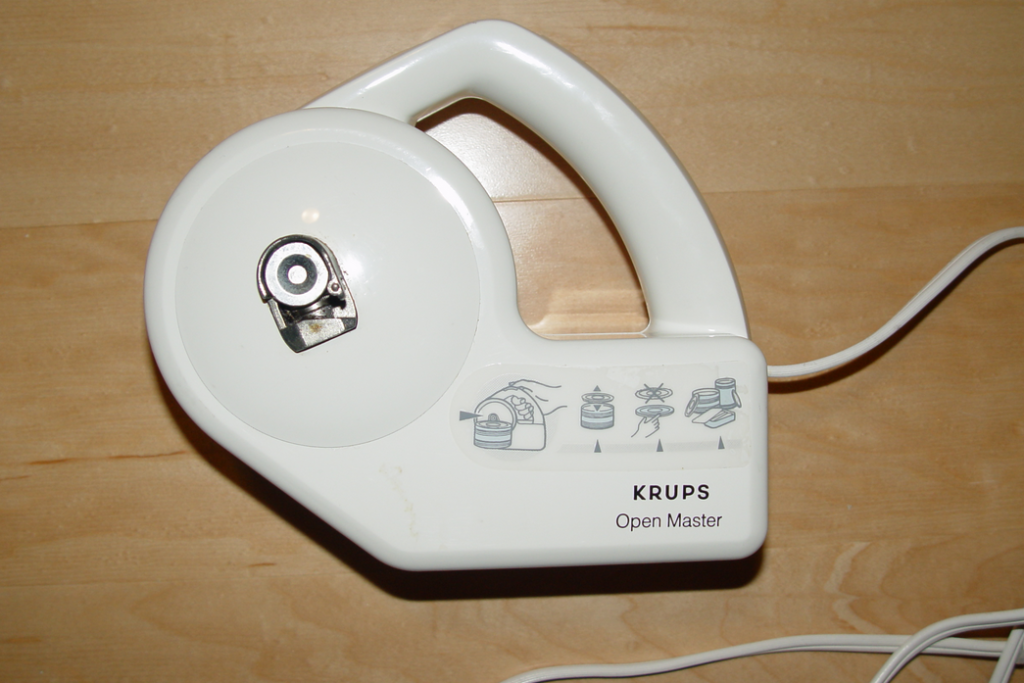
When electric can openers first appeared in home kitchens during the 1960s, they felt almost futuristic. Instead of wrestling with a stubborn handheld opener, you could simply set the can in place and let the machine do the work. The device would hum softly as it sliced cleanly through the lid. For many families, that tiny motorized motion felt like proof that the modern kitchen had truly arrived. Housewives loved anything that promised to save a little time during dinner prep. Suddenly opening canned vegetables or soup felt effortless. It quickly became a permanent fixture on kitchen counters across America.
Of course, looking back now, it seems like a simple tool. But in the ’60s, electric convenience carried a certain magic. Appliances were becoming symbols of progress, and this one fit right in. Kids were often fascinated watching the lid spin off. Some families even treated the gadget like a showpiece when guests came over. It was one more sign that the space-age future had reached the kitchen.
2. Electric Knife
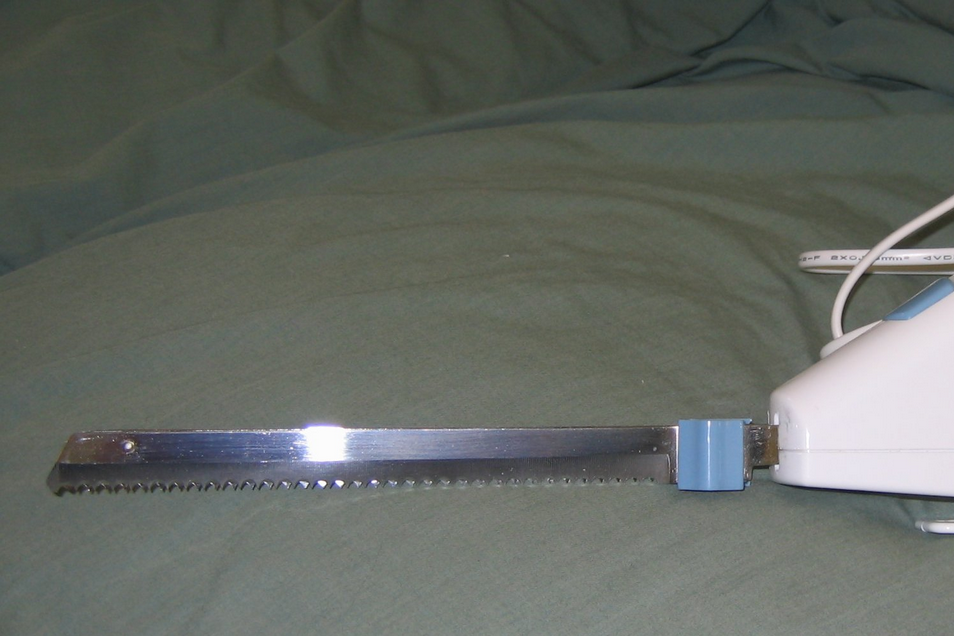
The electric carving knife arrived with a buzzing sound and a promise of perfectly sliced meat. It featured two serrated blades that moved back and forth rapidly once plugged in. For holiday dinners, it felt like a revelation. Instead of sawing awkwardly through a roast or turkey, the knife glided through with smooth precision. Hosts could carve right at the table and look impressively professional. The rhythmic hum became part of many Thanksgiving memories. It was marketed as both a convenience and a status symbol.
In reality, some cooks still preferred a traditional knife. But the electric version had undeniable appeal in a decade obsessed with new technology. Advertisements often showed smiling families gathered around perfectly sliced roasts. The gadget made ordinary meals feel a little more modern. It also fit nicely with the growing number of plug-in kitchen tools. Even today, many households still keep one tucked away for special occasions.
3. Fondue Set
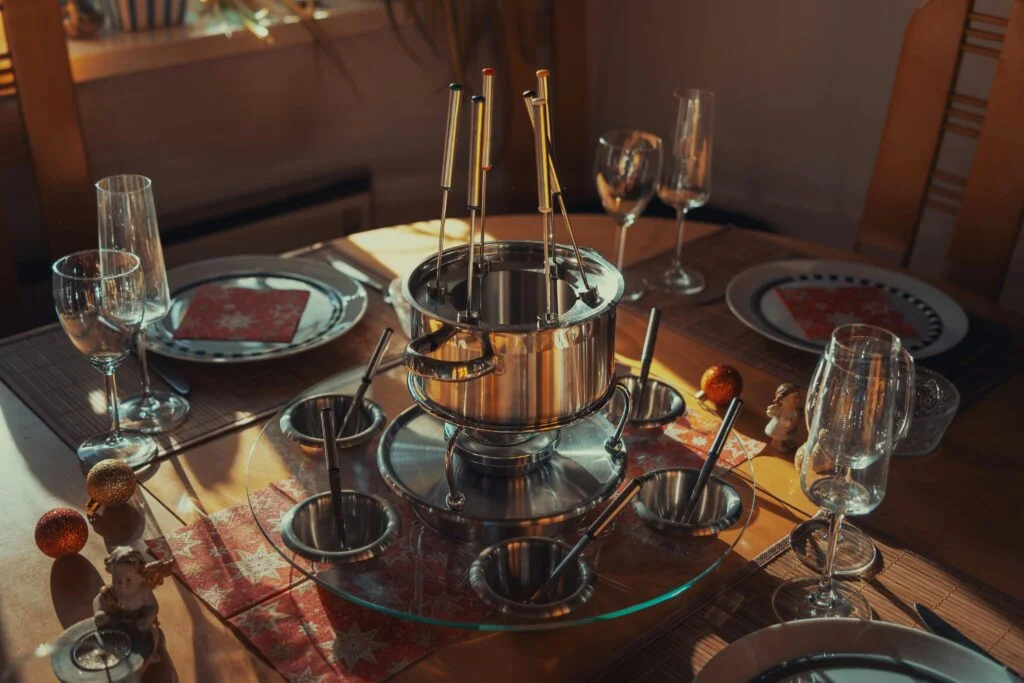
Fondue sets exploded in popularity during the 1960s, thanks to America’s growing fascination with international cuisine. The classic setup included a small pot, long forks, and a burner underneath. Families gathered around the table dipping bread cubes into melted cheese. It was part meal and part social activity. Suddenly dinner could feel like a party. Guests lingered longer because everyone was participating in the process. It made entertaining feel stylish and slightly exotic.
The fondue craze reflected the decade’s love of novelty. Cookbooks and magazines promoted endless variations. There were cheese fondues, oil fondues, and eventually chocolate desserts. Many households proudly displayed their fondue pots even when they weren’t in use. While the trend eventually cooled, the idea of communal dining stuck around. For a while, the fondue set made dinner feel like a fashionable event.
4. Salad Spinner

Before salad spinners existed, drying lettuce was surprisingly tedious. People either shook leaves in a towel or simply lived with watery salads. The arrival of the spinner introduced a clever solution. You placed washed greens inside, turned a handle, and centrifugal force flung the water away. It felt like a tiny science experiment happening right on the countertop. Suddenly salads looked crisp and restaurant-ready. The gadget quickly earned a place in kitchens that loved fresh vegetables.
During the health-conscious wave of the late ’60s, tools like this gained popularity. People were starting to pay more attention to lighter meals. The spinner made it easier to prepare them properly. It also added a sense of efficiency to meal prep. Kids sometimes begged to spin the handle just for fun. What had once been a dull chore suddenly felt oddly satisfying.
5. Percolator Coffee Maker
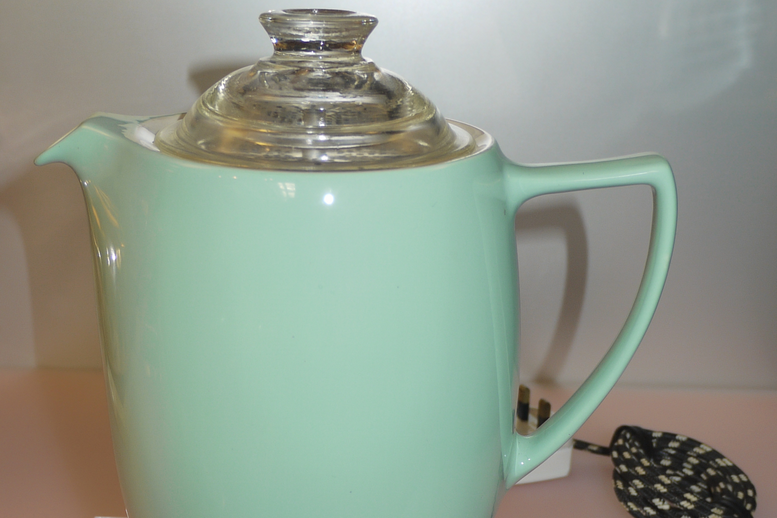
Electric percolators were a staple of many 1960s kitchens. The tall metal pot would sit on the counter bubbling away as coffee brewed inside. You could often see the liquid cycling through a little glass knob on the lid. That gentle burbling sound became part of morning routines. For many households, it meant the day was officially starting. Guests were often offered a cup as soon as they arrived. It created a comforting sense of hospitality.
Before automatic drip machines took over, the percolator represented modern convenience. It freed cooks from standing over the stove to monitor coffee. The aroma filled the kitchen within minutes. Many people still remember that distinct smell from childhood mornings. The device felt dependable and sturdy. For a generation, it defined what home-brewed coffee tasted like.
6. Hand Mixer
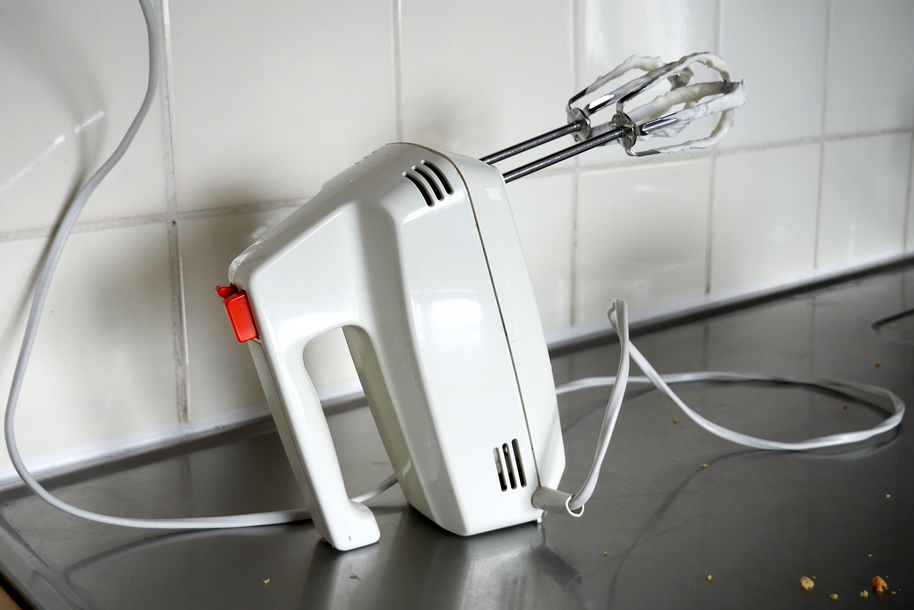
The electric hand mixer changed baking forever for many home cooks. Instead of beating batter by hand with a whisk, you could plug in the mixer and let it do the hard work. Two spinning beaters whipped eggs, cream, and cake batter in seconds. The device was lightweight enough to hold comfortably. For busy families, that speed mattered. Baking projects suddenly became easier and faster. It encouraged more people to try homemade desserts.
In the ’60s, convenience foods were becoming common, but baking from scratch still held strong. The mixer bridged those worlds nicely. It kept traditional cooking alive while adding a modern twist. Many came with chrome finishes and colorful handles. They looked stylish sitting on the counter. For countless kitchens, it became one of the most frequently used tools.
7. Electric Skillet
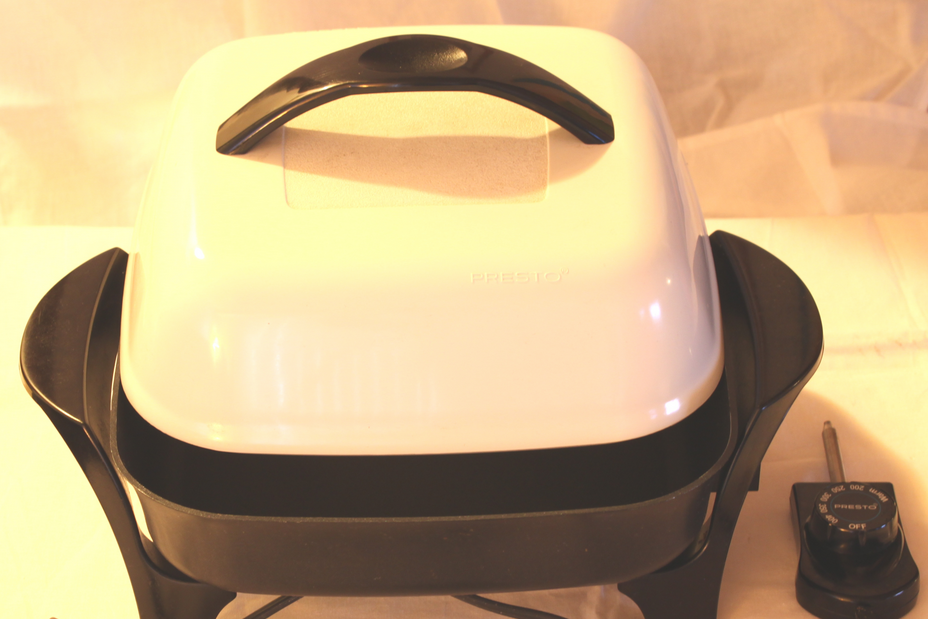
The electric skillet allowed cooks to prepare entire meals without turning on the stove. It plugged directly into the wall and heated evenly across the surface. Families used it for pancakes, fried chicken, and even casseroles. It was especially handy in smaller kitchens. Some people even brought it to the table for serving. That versatility made it feel almost revolutionary.
For busy households, the skillet offered flexibility. It could handle breakfast, lunch, or dinner with ease. Advertisements often showed it cooking multiple foods at once. The idea of portable cooking appealed to many families. It also became popular in dorm rooms and vacation cabins. In the ’60s kitchen, it symbolized efficiency and convenience.
8. Ice Crusher

Cocktail culture was alive and well in the 1960s, and the ice crusher fit right into that lifestyle. With a turn of a crank, solid cubes transformed into perfect crushed ice. Suddenly home drinks looked like something from a lounge or hotel bar. Hosts loved the extra flair it added to parties. A simple glass of soda or lemonade suddenly felt more sophisticated. It was a small gadget that elevated entertaining.
The device also captured the era’s love of stylish hosting. Many ice crushers came in bright colors or chrome finishes. They often matched bar sets and cocktail shakers. Guests sometimes took turns cranking the handle. The sound of crunching ice became part of the party atmosphere. For many homes, it was both practical and decorative.
9. Food Mill
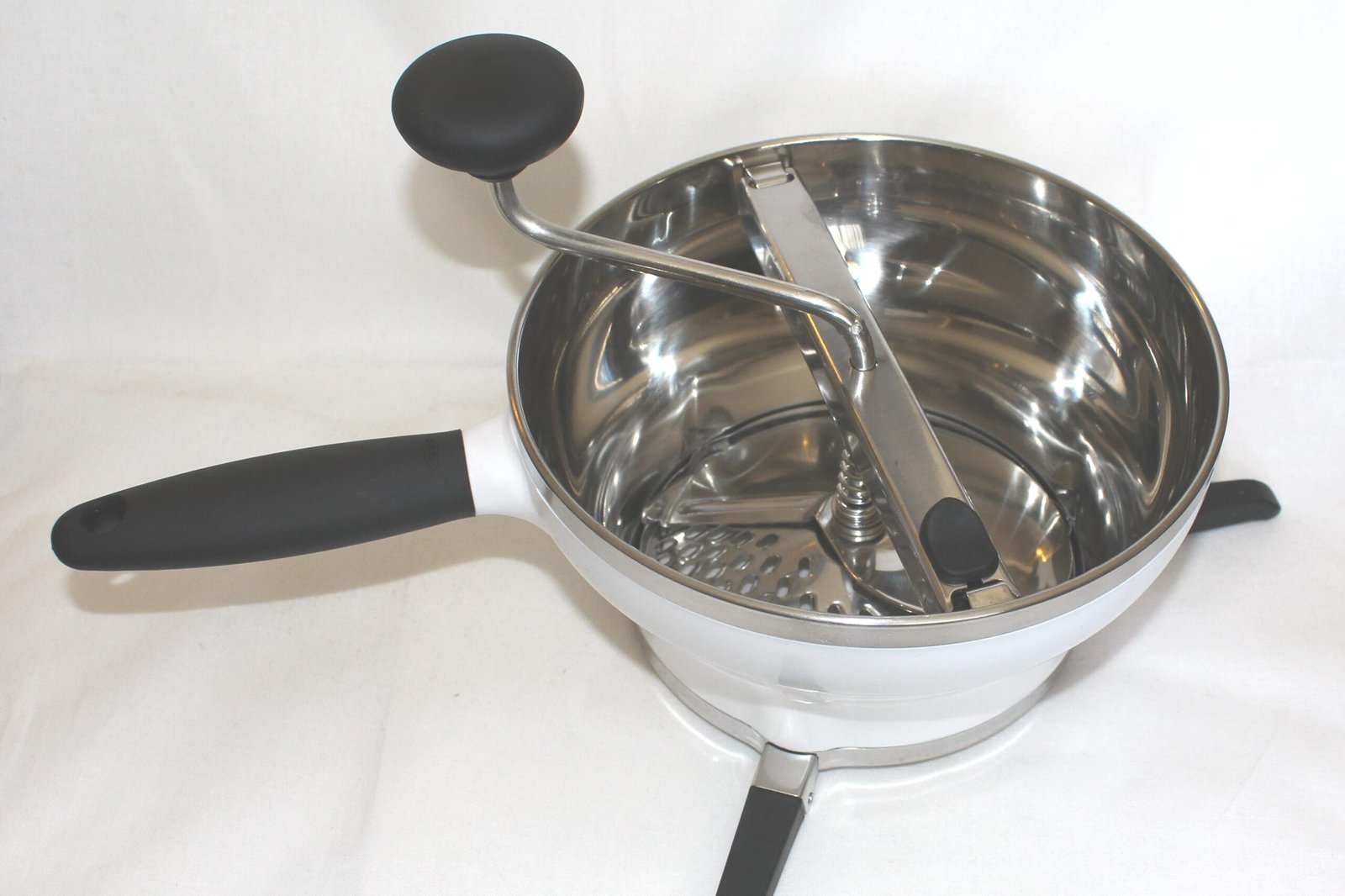
A food mill might look simple, but it solved several kitchen problems at once. It featured a bowl with a crank that pushed food through small holes. That process separated skins, seeds, and pulp from smooth sauces or purees. Tomatoes, apples, and potatoes were common ingredients. For home cooks making baby food or sauces, it was incredibly useful. The results felt smooth and professional.
Before blenders became widespread, tools like this were essential. The food mill helped create silky textures without electricity. Many cooks appreciated its reliability. It also allowed more control over consistency. Families making homemade applesauce often relied on it. In the 1960s kitchen, it quietly handled tasks that would otherwise take much longer.
10. Pressure Cooker
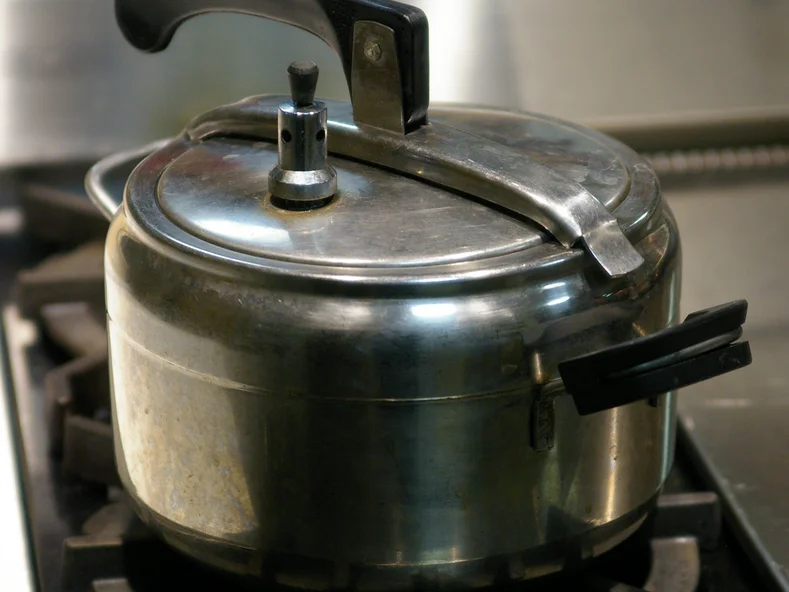
Pressure cookers gained serious attention in the 1960s because they promised faster meals. The heavy pot sealed tightly and trapped steam inside. That pressure raised the cooking temperature and dramatically shortened cooking times. Tough cuts of meat could become tender in under an hour. Busy families saw it as a miracle solution. Dinner could be ready much sooner than expected.
Of course, early models also had a reputation for being intimidating. The hissing steam and locking lids made some cooks nervous. Still, many households embraced the time-saving benefits. Cookbooks dedicated to pressure cooking became popular. The gadget symbolized efficiency in the modern kitchen. It paved the way for later appliances that focused on speed.
11. Jell-O Mold
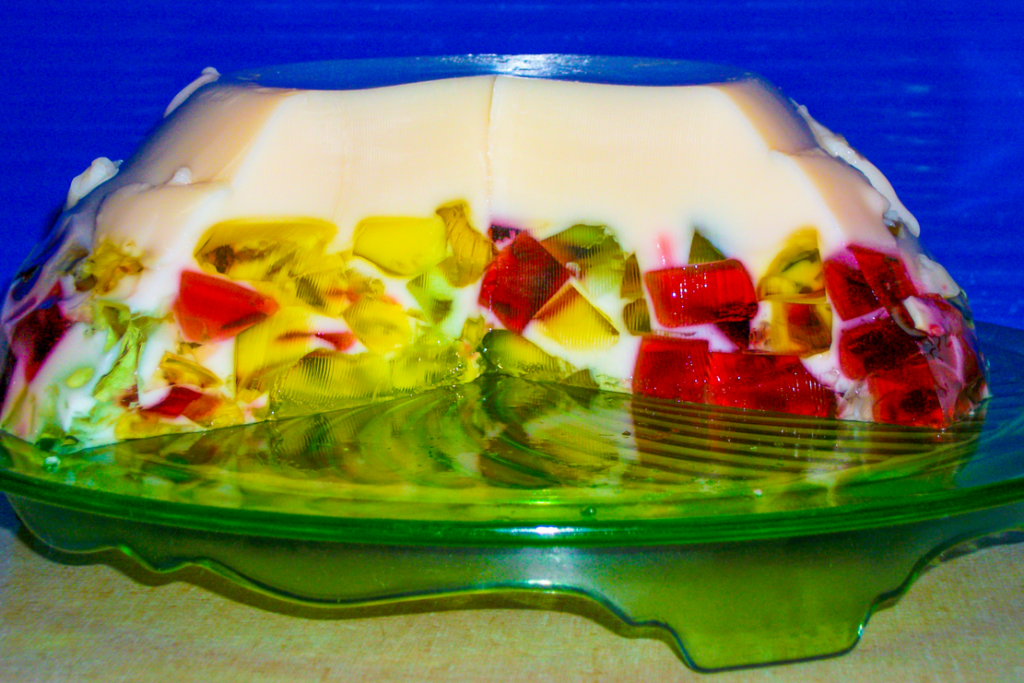
Jell-O molds were everywhere in the 1960s, and special molds made them look even more impressive. These decorative containers shaped gelatin into rings, domes, or elaborate patterns. Once unmolded, the dish looked almost like a sculpture. Housewives used them for salads, desserts, and even savory creations. The colorful results often became the centerpiece of the table. It was a playful way to present food.
Cookbooks from the era featured endless molded recipes. Some included fruit, vegetables, or even seafood suspended inside gelatin. While tastes have changed, the molds themselves were once essential. They reflected a love of presentation and creativity. Families often owned several shapes. For many holiday meals, the shimmering mold was a familiar sight.
12. Popcorn Popper
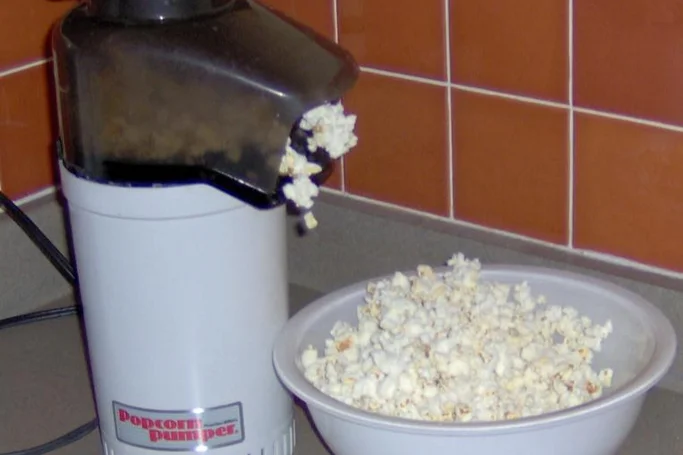
Home popcorn poppers turned snack time into an event. Instead of using the stovetop, these gadgets allowed kernels to pop inside a dedicated container. Some versions had a crank, while others used electric heat. Watching the kernels burst was part of the fun. The smell quickly filled the kitchen. Families gathered around waiting for the first bowl.
Popcorn became strongly associated with movie nights at home. The popper made the experience feel authentic. Kids loved hearing the popping sounds echo in the kitchen. It also gave families an inexpensive treat to share. The gadget helped turn ordinary evenings into small traditions. For many households, it was used again and again.
13. Citrus Juicer
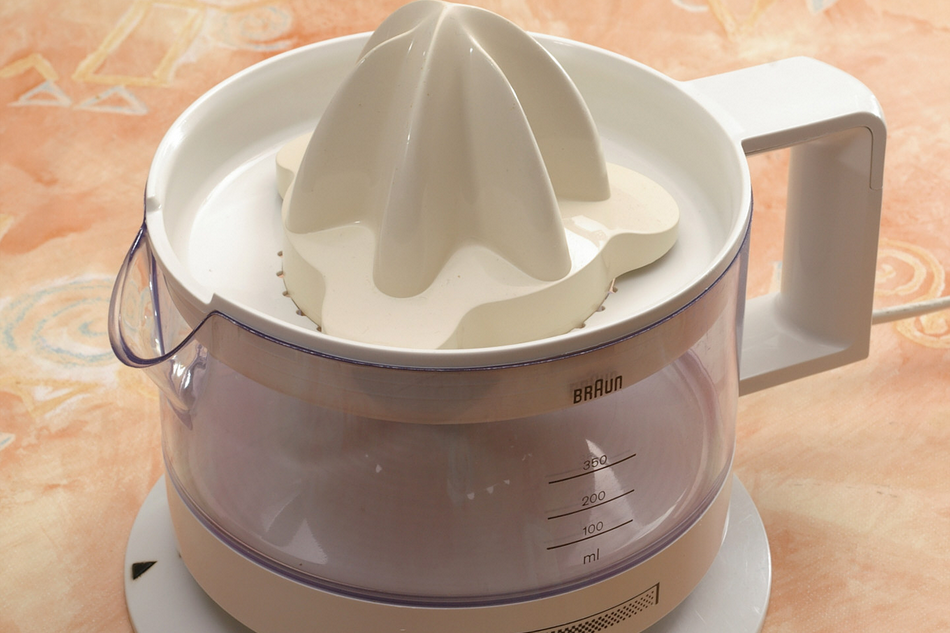
The citrus juicer made fresh juice easier to prepare at home. You simply pressed a halved orange or lemon onto the ridged cone and twisted. Juice flowed neatly into the container below. It felt satisfying and efficient. Morning breakfasts suddenly included freshly squeezed juice. The device helped families feel a little healthier.
During the ’60s, fresh ingredients were gaining attention again. Tools like the juicer supported that shift. It encouraged people to use real fruit instead of concentrates. The bright citrus flavor became a welcome addition to meals. Many models were simple but cleverly designed. Despite its simplicity, the juicer felt like a smart innovation.
14. Egg Slicer
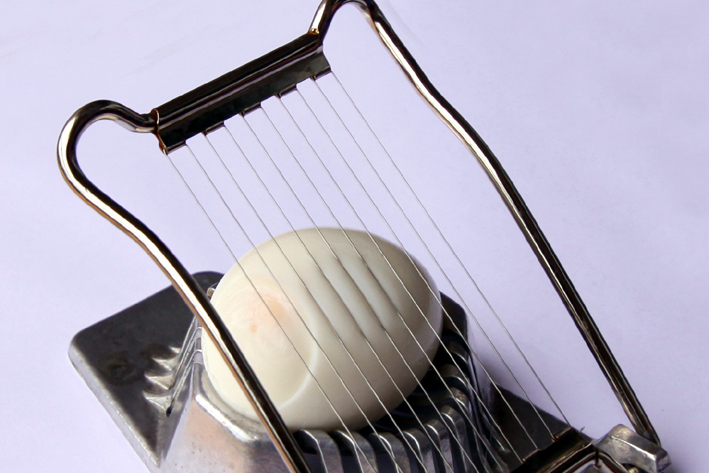
The egg slicer solved a small but surprisingly annoying problem. Hard-boiled eggs could be messy to cut evenly with a knife. This gadget used thin wires stretched across a frame. Pressing the top down sliced the egg into perfect rounds. The results looked tidy and uniform every time. It made salads and sandwiches look more polished.
In a decade that loved clever kitchen shortcuts, this little tool fit right in. It was inexpensive but highly satisfying to use. Many households kept one in the utensil drawer. Kids sometimes asked to operate it just for the novelty. It was simple engineering that delivered reliable results. Even today, the design has barely changed.
15. Rotary Cheese Grater
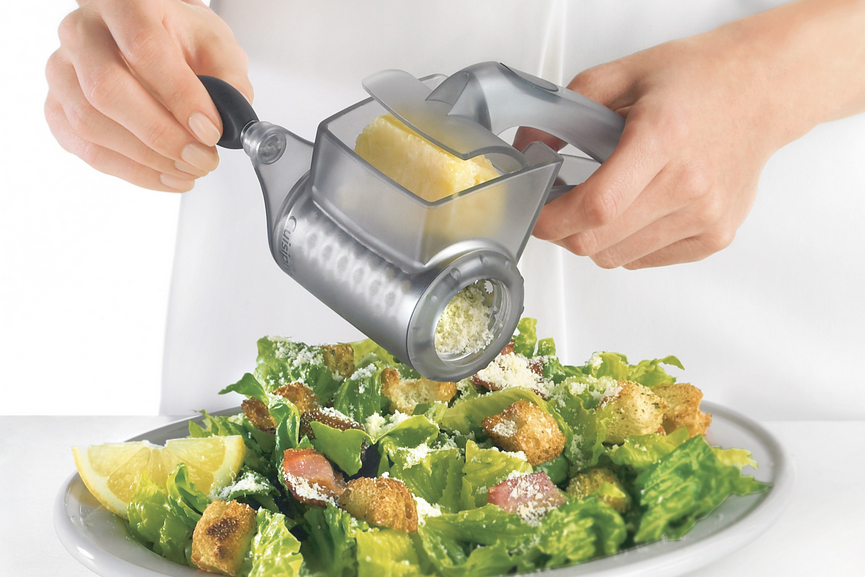
The rotary cheese grater introduced a much easier way to shred cheese. Instead of rubbing cheese against a flat grater, you placed it inside a small drum. Turning the handle rotated blades that grated it quickly. Cheese fell neatly into the dish below. The process was faster and less messy. For families that loved pasta or casseroles, it became indispensable.
The gadget also felt safer than traditional graters. Fingers stayed well away from the blades. Many models attached directly to bowls or plates. That efficiency appealed to busy cooks. It also looked charmingly mechanical with its turning crank. In many kitchens, it quickly replaced older graters.
16. Immersion Blender
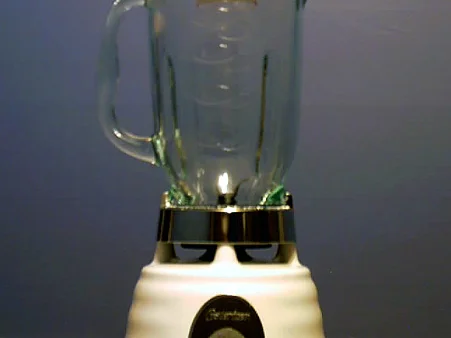
Early immersion blenders began appearing in the 1960s as a new way to blend food directly in the pot. Instead of transferring soup to a countertop blender, you could blend it right where it cooked. The handheld design felt innovative at the time. It simplified many recipes. Sauces and soups could become smooth in seconds. The convenience impressed many home cooks.
Although the device wasn’t yet common in every household, it hinted at the future of kitchen tools. Compact appliances were becoming more practical. The immersion blender showed how small devices could do big jobs. Over time, the design became more refined and widely adopted. What started as a novelty eventually became a modern staple.