
1. Always Having Change Ready
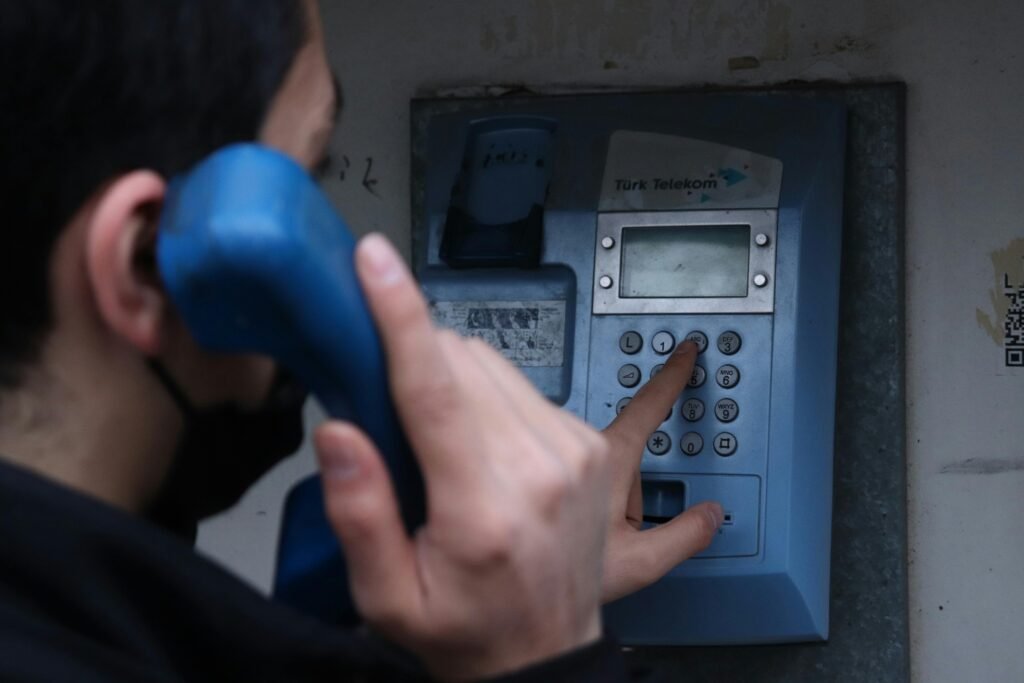
If you grew up before cell phones, loose change wasn’t just something that piled up in a jar, it actually had a purpose. Quarters were the most important, especially after local calls standardized at 25 cents in many areas during the late ’70s and ’80s. People got into the habit of checking their pockets before leaving the house, just in case they needed to make a call. It wasn’t unusual to see someone digging through their car’s ashtray or center console looking for spare coins. Some people even kept a small stash of quarters tucked into a wallet or purse just for emergencies.
Running out of change mid-call was a real possibility, and the phone would often give you a warning tone before disconnecting. That sound created a small burst of panic while you tried to feed in another coin quickly enough. If you didn’t have more money, the call would simply end, no exceptions. There was no backup option, no texting, no calling again instantly unless you found more change. It made every second of the conversation feel a little more urgent.
2. Memorizing Important Phone Numbers
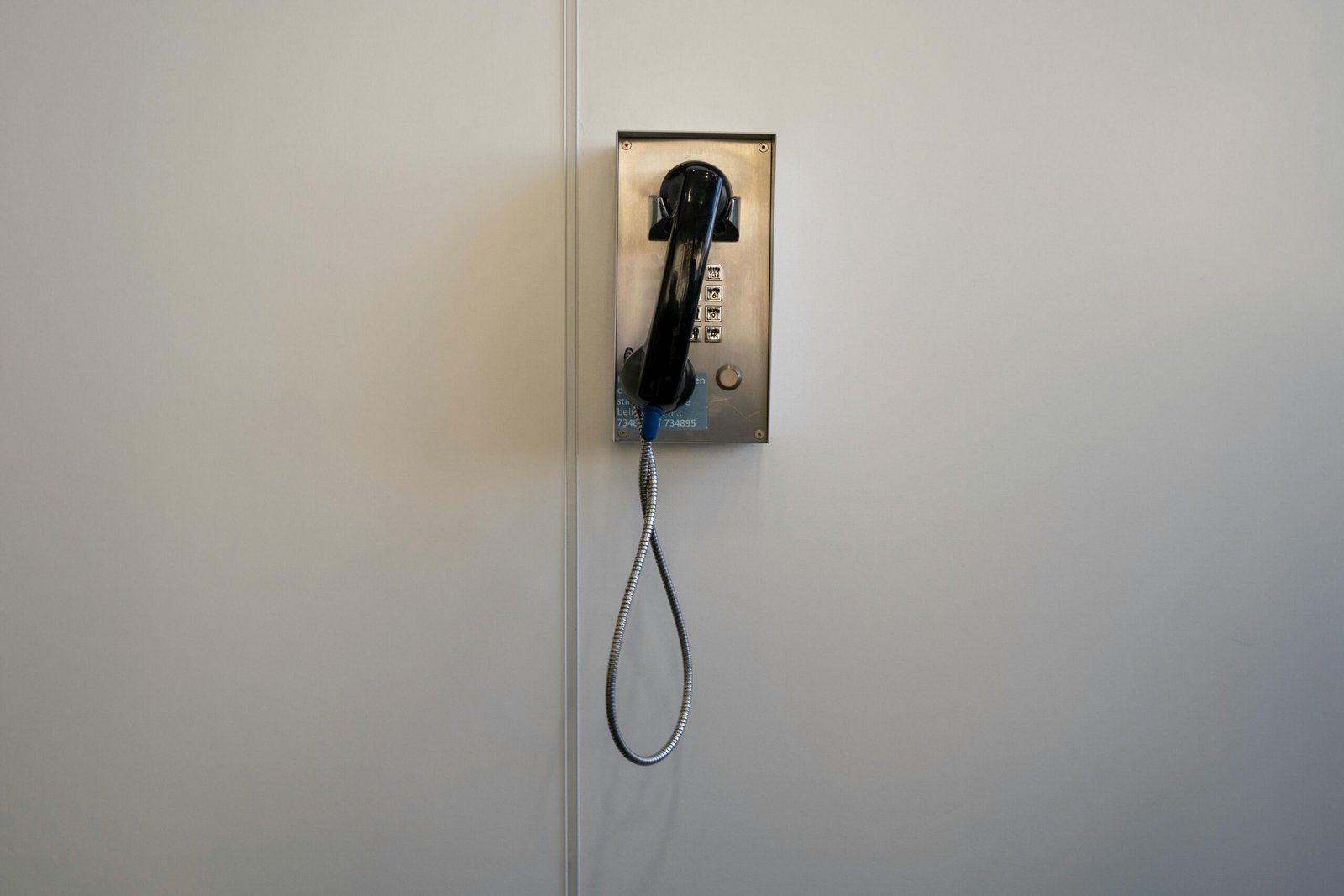
Before contact lists lived inside phones, people actually memorized numbers, especially the ones they used often. Home numbers, close friends, and a parent’s workplace were usually committed to memory without much effort. It wasn’t just convenience, it was necessary, because pay phones didn’t store anything for you. If you didn’t know the number, you needed to have it written down somewhere or you were out of luck.
Pay phones often had a small metal shelf or ledge where people would place a scrap of paper while dialing. You’d see handwritten numbers on receipts, envelopes, or even the back of a hand. Phone books were sometimes attached nearby, but they weren’t always reliable or up to date. The process slowed everything down in a way that feels almost unrecognizable now. It forced people to be a little more deliberate about who they were trying to reach.
3. The Operator as a Lifeline
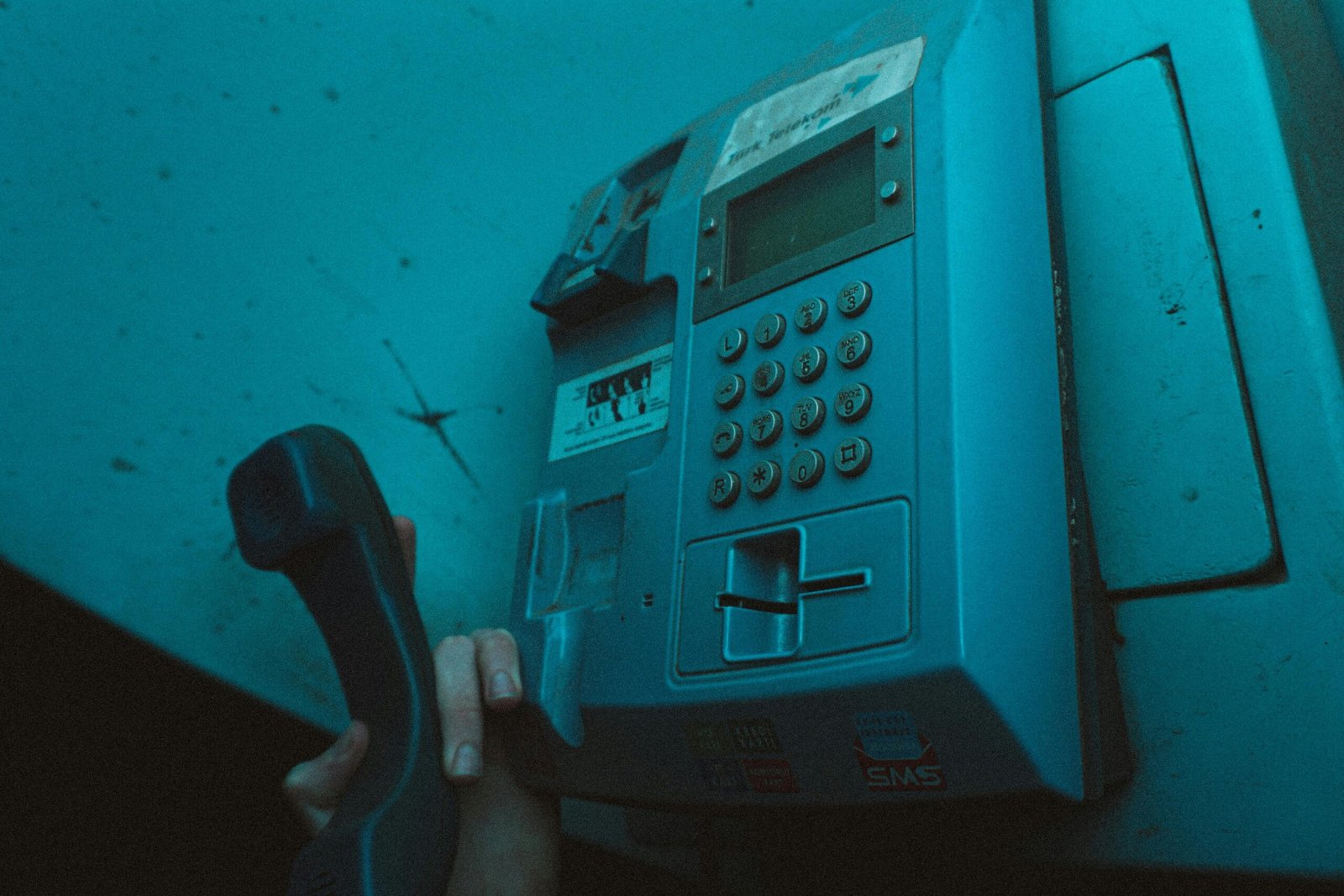
There was a time when pressing “0” connected you to a real person, not an automated system. Operators could help place calls, provide phone numbers, or even assist in emergencies. For many people, especially younger callers, that operator was a kind of safety net when they weren’t sure what to do. You could ask questions, clarify charges, or get help completing a call.
Collect calls were one of the most common operator-assisted services. You’d place a call and the person receiving it could choose whether to accept the charges. It became a quiet workaround for quick messages, like calling home and using your name to signal something specific before the call was declined. This wasn’t officially encouraged, but it was widely understood. It added a small layer of creativity to an otherwise straightforward system.
4. Waiting Your Turn in Public
Pay phones were often placed in high-traffic areas like gas stations, airports, or outside convenience stores. If someone was already using one, you had to wait, sometimes longer than you expected. There was an unspoken etiquette about giving people space while they talked, even if you were clearly in line. You might pace nearby, trying not to listen but inevitably catching parts of the conversation.
During busy times, especially in cities, it wasn’t unusual to see a short line form. People would glance at their watches or shift their weight impatiently, but there wasn’t much you could do. Everyone understood that once you had the phone, it was your moment. That brief window of privacy in a public space felt oddly important. It was one of the few times communication required both patience and timing.
5. The Distinct Sound of Coins Dropping
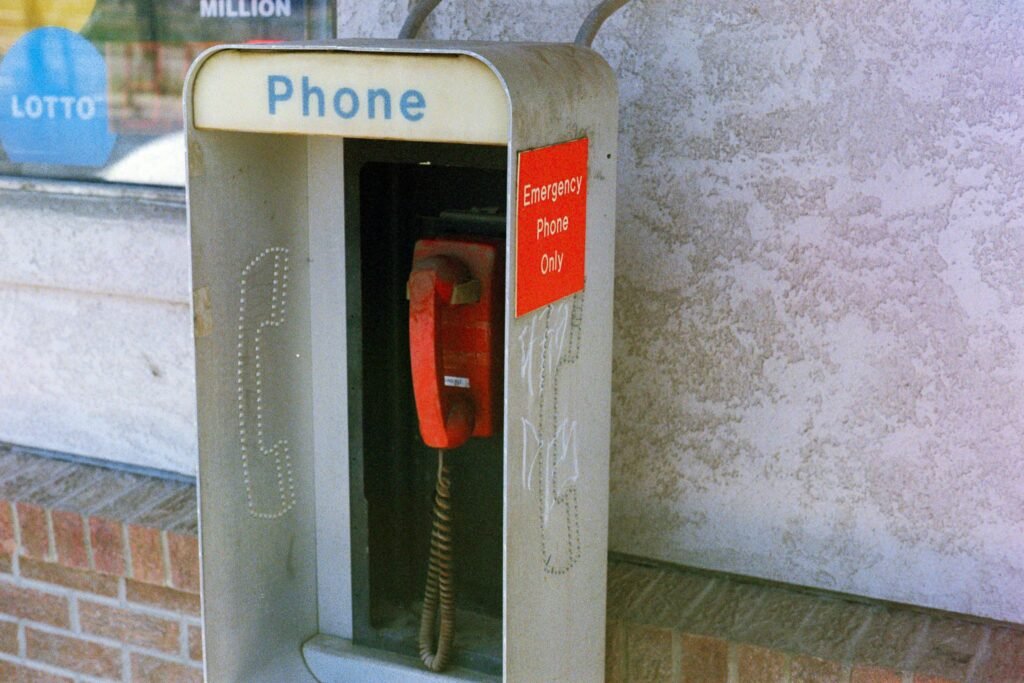
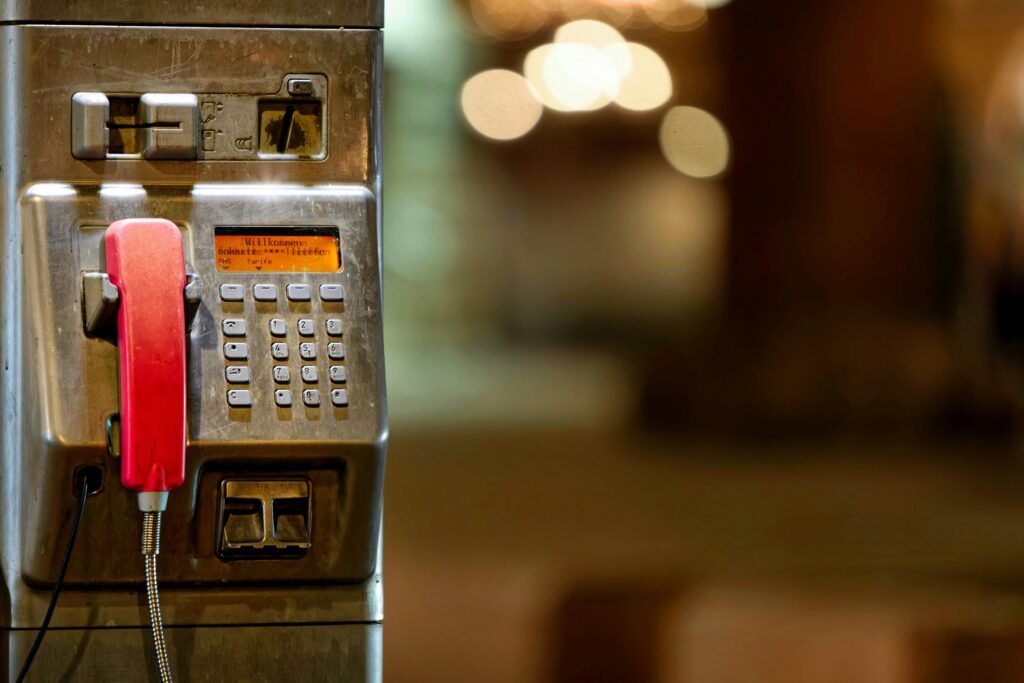
One of the most recognizable parts of using a pay phone was the sound of coins hitting the internal mechanism. It wasn’t subtle, it was a sharp, metallic clink that confirmed your money had been accepted. If the coin didn’t register properly, you had to try again or risk the call not going through. People learned quickly how to insert coins just right to avoid any issues.
That sound became tied to the experience itself, almost like a signal that the call was officially starting. When the call ended, some phones would return unused coins with a different, softer drop into the return slot. Checking that slot was second nature, just in case something came back. It was a small moment, but one that added a tactile element to something we now do entirely on screens.
6. Phone Booths as Semi-Private Spaces

While not every pay phone had a booth, many did, especially in earlier decades. These booths offered a bit of privacy in otherwise public settings, with glass panels and a folding door. Stepping inside felt like entering a small, temporary bubble where you could focus on your call. It also helped block out noise, which made conversations a little easier to manage.
Over time, many booths were removed or replaced with open-air pay phones, especially as maintenance costs increased. Still, the image of someone standing inside a phone booth became iconic, especially in movies and TV. It represented a very specific kind of communication, one that required you to stop, step aside, and be fully present. That physical separation doesn’t really exist anymore.
7. Emergency Calls Without Payment
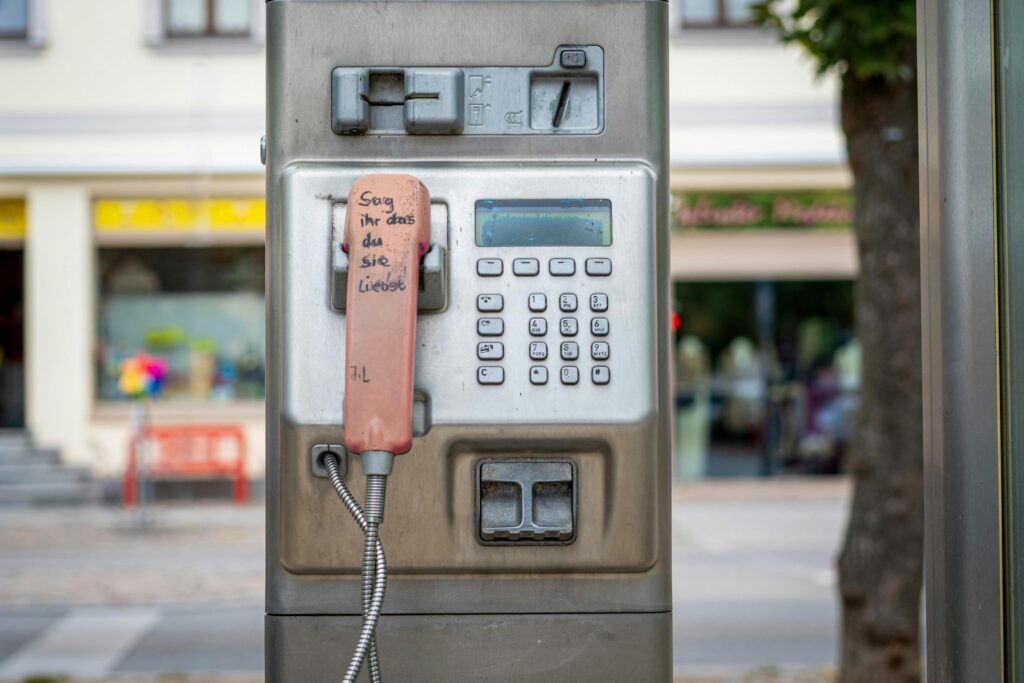
One consistent feature across most pay phones was the ability to dial emergency services without inserting money. In the United States, dialing 911 connected you directly, even if you had no coins at all. This made pay phones an important public safety tool, especially before mobile phones became widespread. People relied on them in urgent situations when no other option was available.
You’d often see pay phones located strategically for that reason, near highways, parks, or busy intersections. Some even had instructions clearly printed on them for emergency use. It reinforced the idea that these phones weren’t just for convenience, they were part of a broader infrastructure. Even people who rarely used them knew they were there if something went wrong. That sense of reliability mattered.
8. Long Distance Was a Bigger Deal
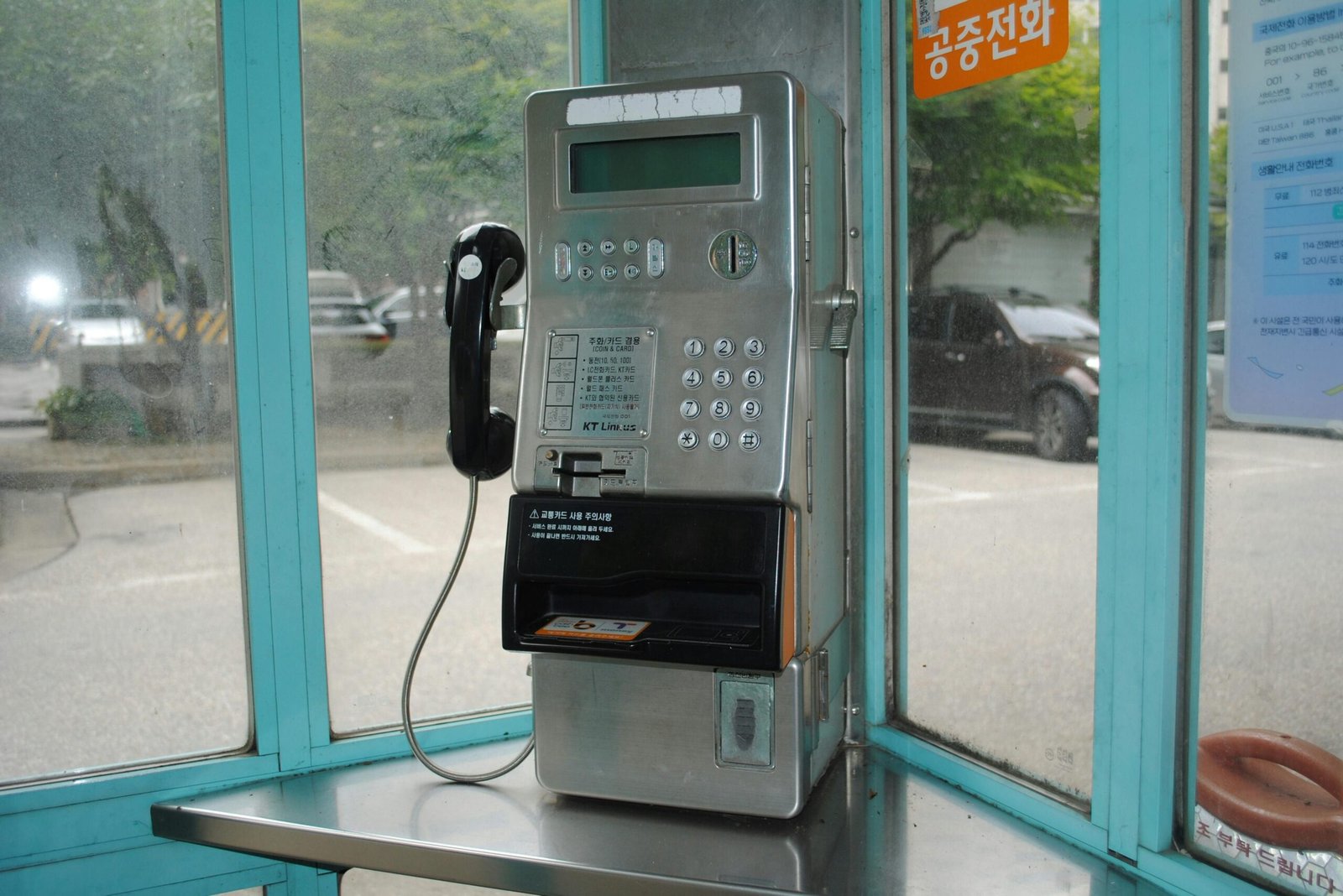
Calling someone outside your local area wasn’t something you did casually from a pay phone. Long-distance calls cost significantly more and often required operator assistance or special dialing codes. You had to think carefully before making that kind of call, because it could add up quickly. It wasn’t uncommon to keep those conversations short and to the point.
People sometimes waited until they got home to make longer calls, where rates might be lower depending on the time of day. Pay phones were more about quick check-ins than extended conversations. That limitation shaped how people communicated, focusing on essentials rather than small talk. It created a different rhythm, one where every minute had a noticeable cost.
9. Calling Home to Check In
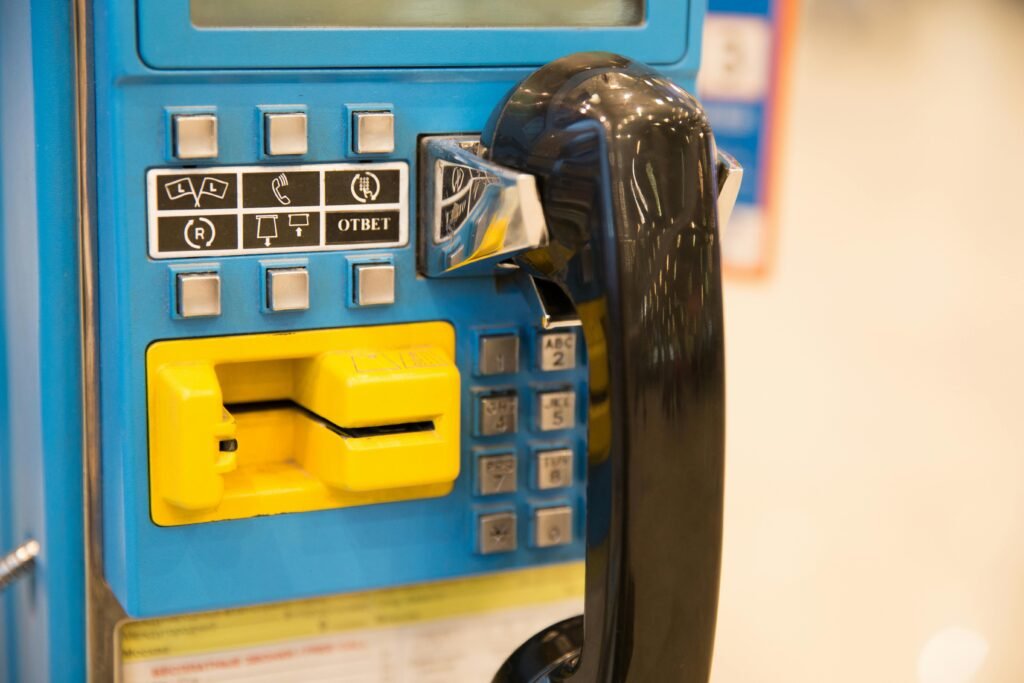
For many kids and teens, pay phones were the main way to check in with parents when they were out. Whether you were at the mall, a friend’s house, or a movie theater, making that call was often expected. It usually followed a simple script, letting someone know where you were and when you’d be back. That routine became part of everyday life.
Missing that check-in could lead to real concern, since there was no easy way to reach someone otherwise. Parents couldn’t track your location or send a quick message, they had to trust that you’d find a phone. It added a layer of responsibility that feels very different from today’s constant connectivity. The call itself was brief, but it carried a lot of weight.