
1. Michael Knight (Knight Rider)
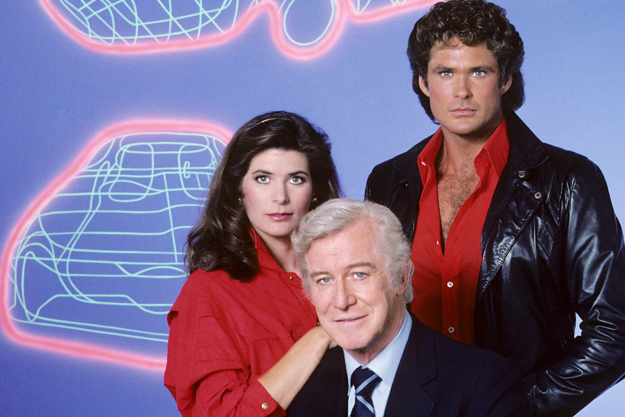
Michael Knight was the kind of hero who felt larger than life the moment he appeared on screen. With his leather jacket, cool confidence, and that signature calm under pressure, he embodied the sleek fantasy of ’80s television. He was a modern knight for a high tech age, solving crimes with a smile and just enough mystery. Even people who barely watched the show knew exactly who Michael Knight was.
What really pushed him into icon territory was his partnership with KITT, which made him feel unstoppable. Their banter gave the show personality and made Michael feel more human, not just another action hero. He represented independence, justice, and a very specific kind of ’80s cool. Once you saw him cruise onto the screen, he was impossible to forget.
2. J.R. Ewing (Dallas)
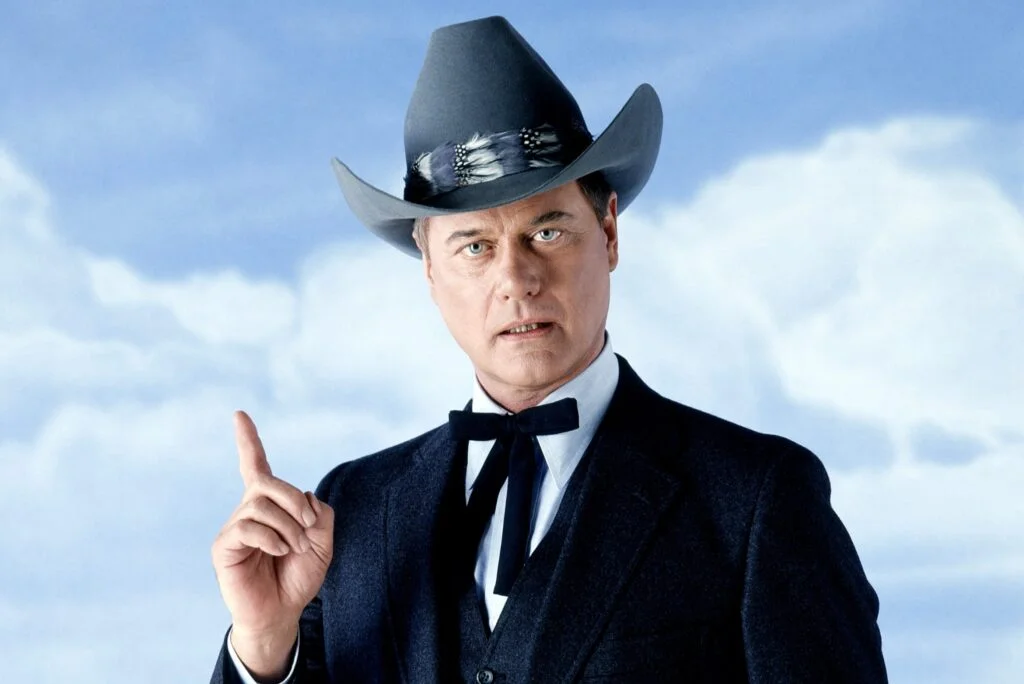
J.R. Ewing redefined what it meant to be a television villain, and viewers loved every minute of it. He was ruthless, charming, and always three steps ahead of everyone else in the room. You did not have to agree with him to be completely captivated by him. Watching J.R. scheme became a weekly ritual for millions of viewers.
His impact went far beyond the show itself, turning him into a pop culture phenomenon. People debated his motives, quoted his lines, and argued about his next move like he was a real person. He made being bad look entertaining, even irresistible. That mix of swagger and cruelty made J.R. instantly iconic.
3. Alex P. Keaton (Family Ties)
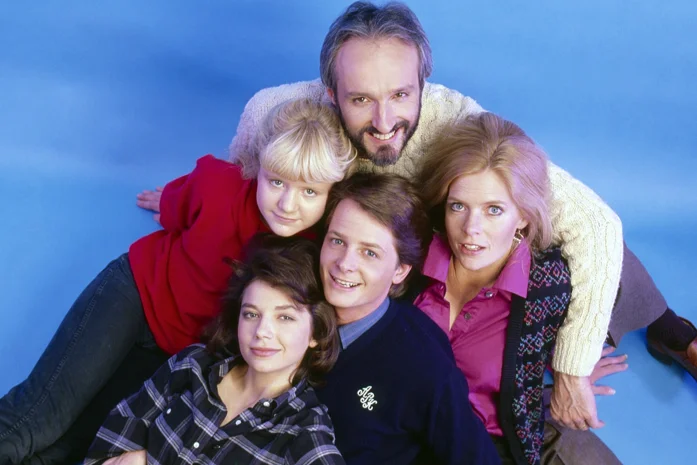
Alex P. Keaton stood out immediately because he felt so different from every other sitcom kid. While his parents embodied ’60s idealism, Alex leaned hard into ambition, capitalism, and conservative values. That contrast made him fascinating to watch and surprisingly relatable to a wide audience. He was serious, driven, and often unintentionally funny.
What made Alex iconic was how confidently he owned his personality. He was unapologetically himself, even when it caused friction at home. His sharp delivery and earnest intensity made him feel real, not just a punchline. By the end of the decade, Alex P. Keaton was shorthand for a very specific kind of ’80s teen.
4. Jessica Fletcher (Murder, She Wrote)
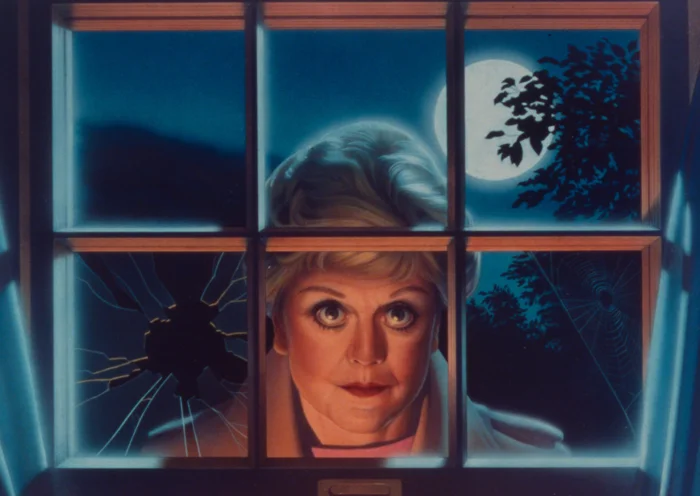
Jessica Fletcher proved that a primetime icon did not need flash or edge to leave a lasting impression. She was warm, observant, and endlessly curious, which made her feel instantly trustworthy. Viewers tuned in knowing she would solve the mystery, but also knowing she would do it with kindness. That consistency made her comforting as well as compelling.
She also quietly broke expectations about age and gender on television. Jessica was sharp, independent, and always the smartest person in the room. Her calm authority made her unforgettable. Once you met Jessica Fletcher, she felt like someone you had always known.
5. Sonny Crockett (Miami Vice)

Sonny Crockett looked like he stepped straight out of a music video, and that was part of his magic. With his pastel suits, stubble, and brooding presence, he changed how TV heroes dressed overnight. He felt modern, dangerous, and emotionally complex. You did not just watch Sonny Crockett, you absorbed his vibe.
Beyond the style, there was depth beneath the surface. Sonny carried the weight of his job in a way that felt serious and grounded. His struggles made him feel human despite the glossy presentation. That blend of fashion and feeling made him an instant ’80s icon.
6. Roseanne Conner (Roseanne)
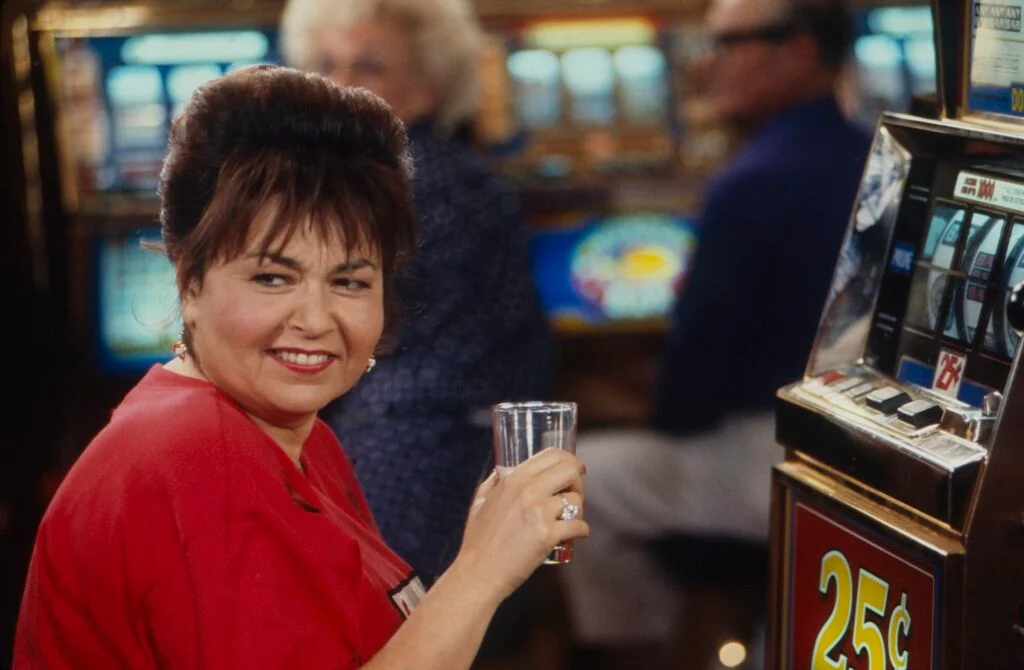
Roseanne Conner hit primetime like a breath of fresh air. She was loud, sarcastic, loving, and completely unpolished in a way TV had rarely embraced. Audiences recognized her immediately because she felt like someone they actually knew. She spoke her mind without apology.
Her honesty made her revolutionary. Roseanne did not fit the traditional sitcom mom mold, and that was exactly the point. She was flawed, funny, and deeply real. From the first episode, she became a symbol of everyday resilience.
7. Magnum P.I. (Magnum, P.I.)
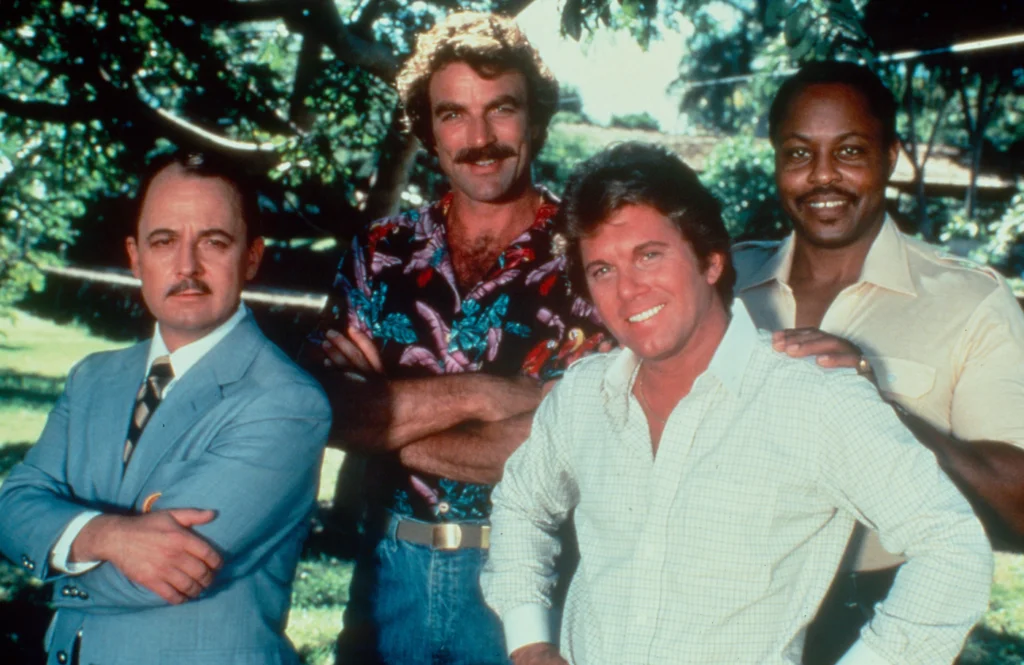
Thomas Magnum was instantly recognizable thanks to his mustache, Hawaiian shirts, and laid back charm. He felt relaxed and approachable, even while solving serious cases. That balance made him stand out in a decade full of intense crime dramas. Watching Magnum felt like spending time with a friend.
Underneath the humor, there was emotional depth. Magnum wrestled with loyalty, identity, and responsibility in ways that felt genuine. His warmth kept the show grounded. He became anchmark for easygoing heroism in the ’80s.
8. Blanche Devereaux (The Golden Girls)
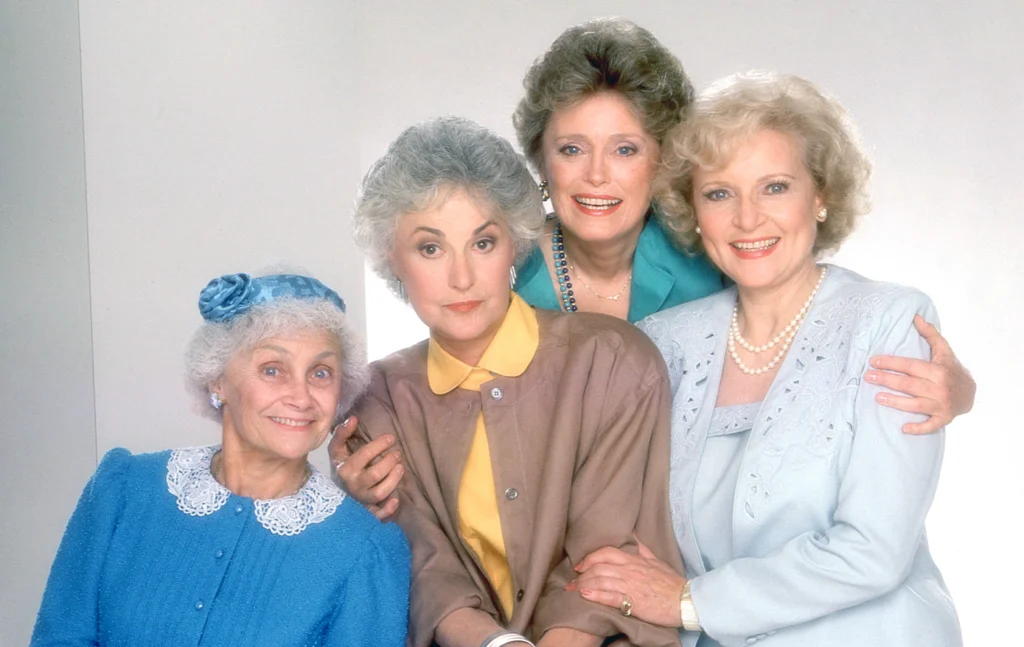
Blanche Devereaux owned the room the second she walked into it. She was confident, flirtatious, and completely comfortable with who she was. Her unapologetic approach to romance felt bold and refreshing. Blanche did not ask permission to enjoy her life.
What made her iconic was how much heart sat beneath the humor. She was vulnerable when it mattered and fiercely loyal to her friends. Her exaggerated confidence masked real emotion, which made her relatable. Blanche became a symbol of embracing life at any age.
9. Don Johnson as Sonny Crockett (Miami Vice)
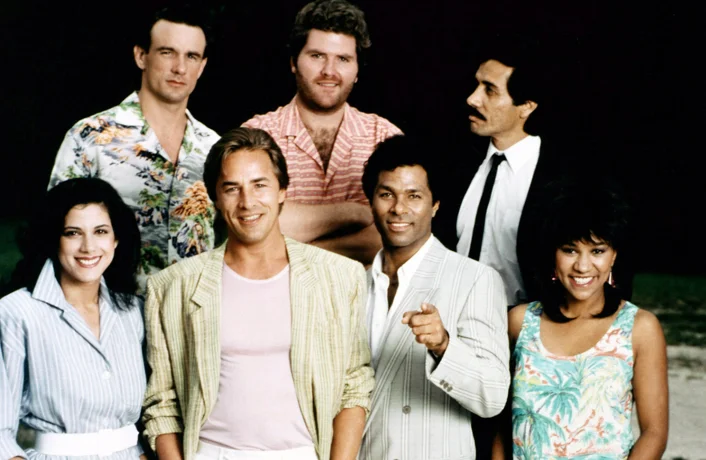
Sonny Crockett was not just a character, he was a movement. From his white suits to his intense stare, everything about him screamed ’80s cool. He blurred the line between actor and character in a way that felt new at the time. You could not separate Sonny from the show’s identity.
His emotional complexity made him more than just a style icon. He carried sadness, anger, and moral conflict in a way that resonated. Viewers connected to that depth. Sonny Crockett became the face of a new kind of television hero.
10. Sam Malone (Cheers)
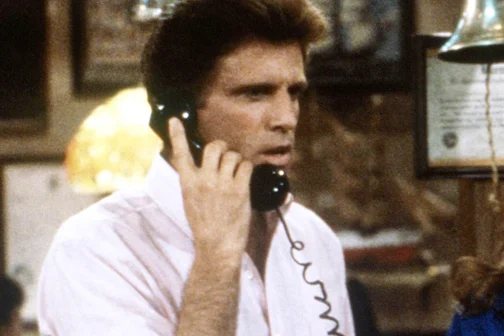
Sam Malone walked into Cheers already feeling iconic. He was charming, flawed, and just self aware enough to be lovable. His confidence hid a lot of insecurity, which made him relatable. You knew instantly he would be the emotional center of the bar.
Sam’s appeal came from his growth over time. He stumbled, learned, and tried again in ways that felt honest. His relationships drove the show’s heart. Sam Malone became the blueprint for the charismatic sitcom lead.
11. Cliff Huxtable (The Cosby Show)

Cliff Huxtable changed how America saw TV dads. He was playful, loving, and deeply involved in his kids’ lives. His warmth made family scenes feel natural instead of staged. Cliff felt like the kind of father everyone wanted.
He balanced humor with wisdom effortlessly. Cliff’s advice often came wrapped in jokes, which made it memorable. He helped redefine family television in the ’80s. That influence turned him into an instant icon.
12. Angela Bower (Who’s the Boss?)
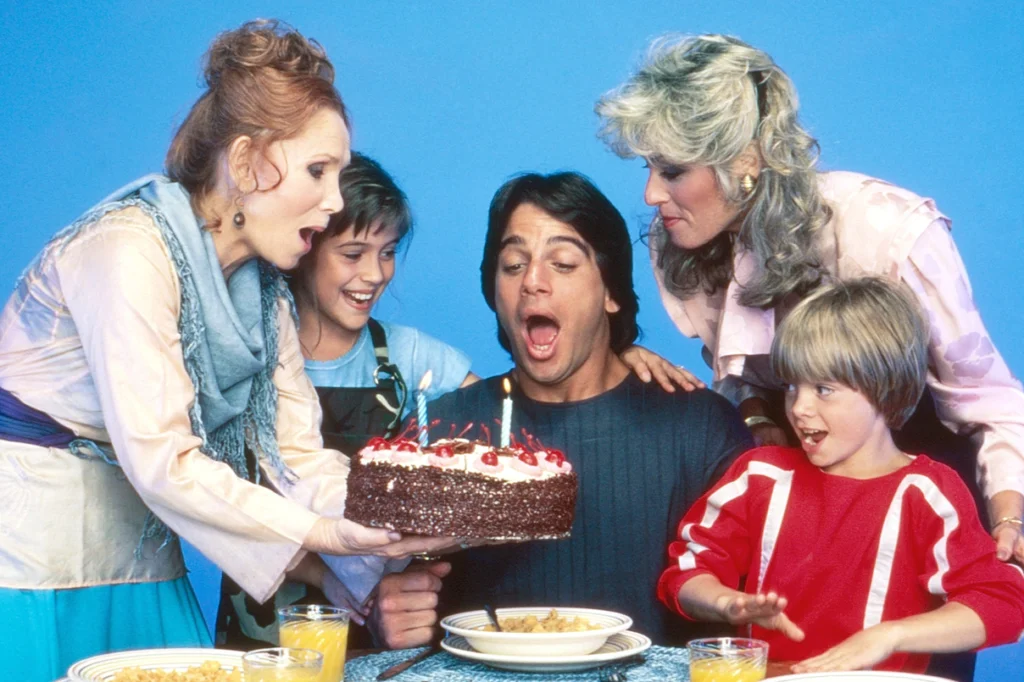
Angela Bower flipped expectations the moment she appeared. She was successful, confident, and unapologetically in charge. Her career mattered to her, and the show never treated that as a flaw. She represented a changing image of women on television.
Angela’s strength was paired with warmth and vulnerability. She was ambitious but deeply human. That balance made her feel authentic. Viewers connected to her instantly.
13. Alf (ALF)
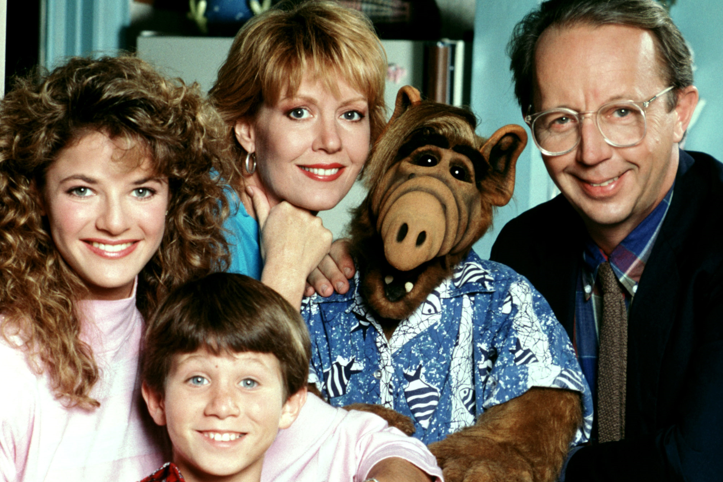
Alf was impossible to ignore, even if you tried. His sarcasm, appetite, and nonstop commentary made him feel like an unexpected houseguest you could not get rid of. He was loud, opinionated, and strangely charming. Kids loved him, and adults secretly did too.
What made Alf iconic was his personality, not just his novelty. He felt like a fully formed character, not a gimmick. His humor crossed generations effortlessly. Alf became one of the most recognizable faces of the decade.
14. MacGyver (MacGyver)
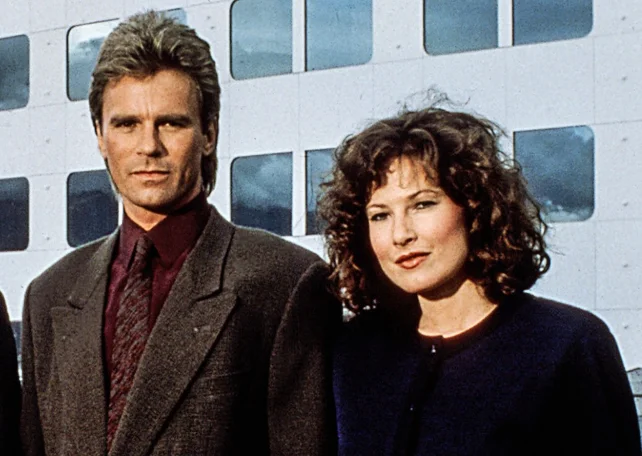
MacGyver stood out by solving problems without guns or brute force. His intelligence was his superpower, and that felt refreshing. Watching him think his way out of danger was thrilling. He made creativity feel heroic.
He also embodied calm under pressure. MacGyver rarely panicked, which made him trustworthy. His resourcefulness inspired a generation. The name itself became shorthand for ingenuity.
15. Laura Ingalls (Little House on the Prairie)
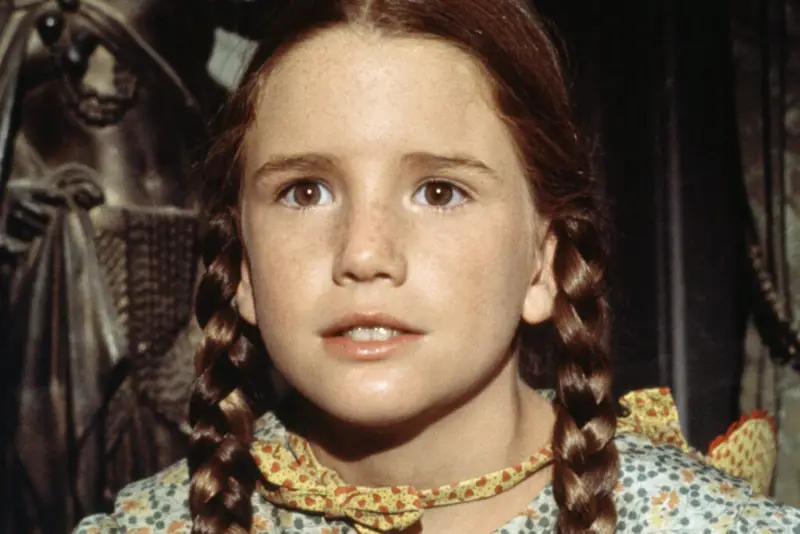
Laura Ingalls carried warmth and determination into the ’80s through reruns and new audiences. She was curious, stubborn, and deeply compassionate. Her emotional honesty made her unforgettable. Viewers grew up with her.
Laura’s strength came from her resilience. She faced hardship without losing kindness. That balance resonated across decades. She remained iconic long after the show originally aired.
16. Tony Micelli (Who’s the Boss?)
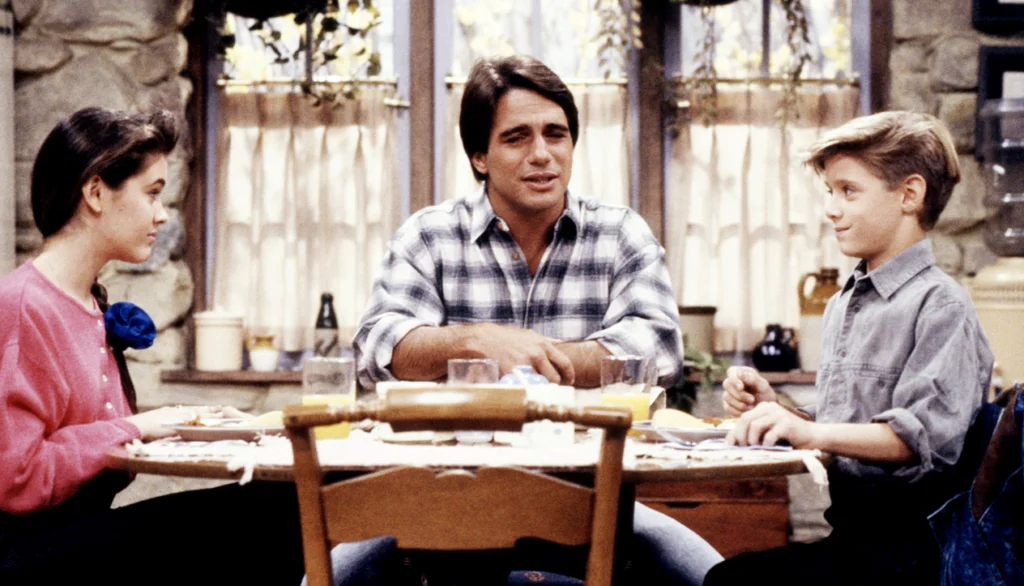
Tony Micelli challenged traditional gender roles simply by being himself. He was nurturing, responsible, and comfortable handling domestic life. That portrayal felt quietly groundbreaking. Tony made caregiving look strong.
His warmth anchored the show. Tony’s humor came from sincerity rather than sarcasm. Audiences trusted him immediately. That trust turned him into an ’80s icon.


