
1. They Were Cheap to Install
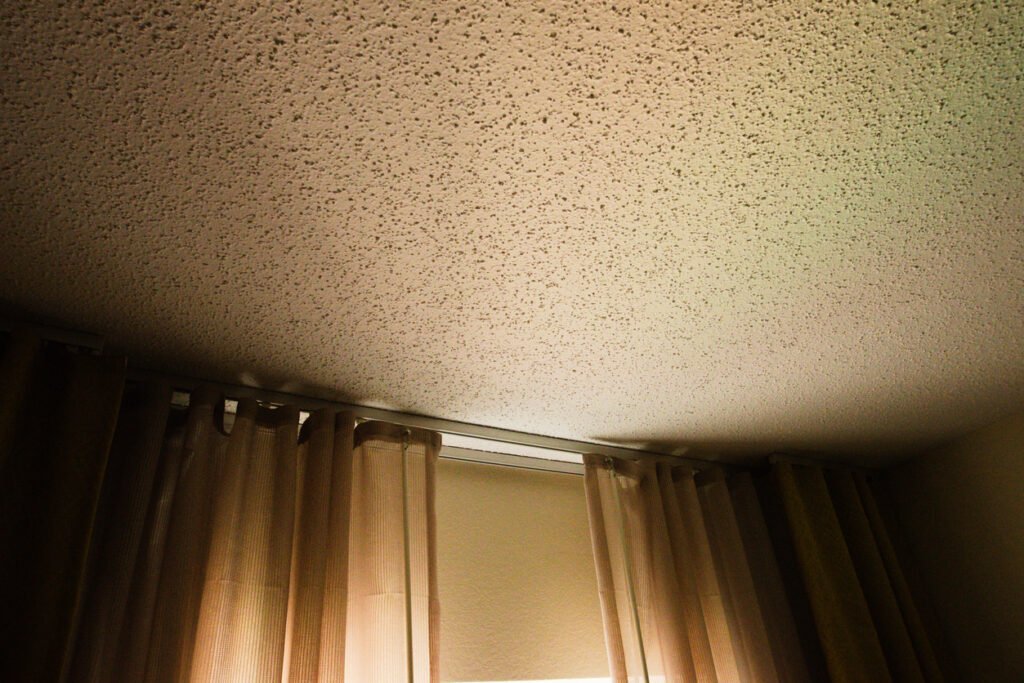
One of the biggest reasons popcorn ceilings became so common in the 1970s was simple economics. Builders could apply the textured spray quickly, often in a single pass, which saved both time and labor costs. Compared to the effort required to sand and smooth drywall perfectly, this method was far more efficient. It allowed contractors to finish homes faster, which mattered during the housing boom of that era. Developers working on large suburban neighborhoods leaned heavily into anything that kept costs down.
For homeowners, this translated into more affordable houses at a time when demand was rising quickly. The savings weren’t always obvious on paper, but they were built into the overall price of the home. Popcorn ceilings made it possible to stretch construction budgets without sacrificing square footage. In a decade defined by rapid suburban expansion, that mattered more than aesthetics.
2. They Hid Imperfections Easily
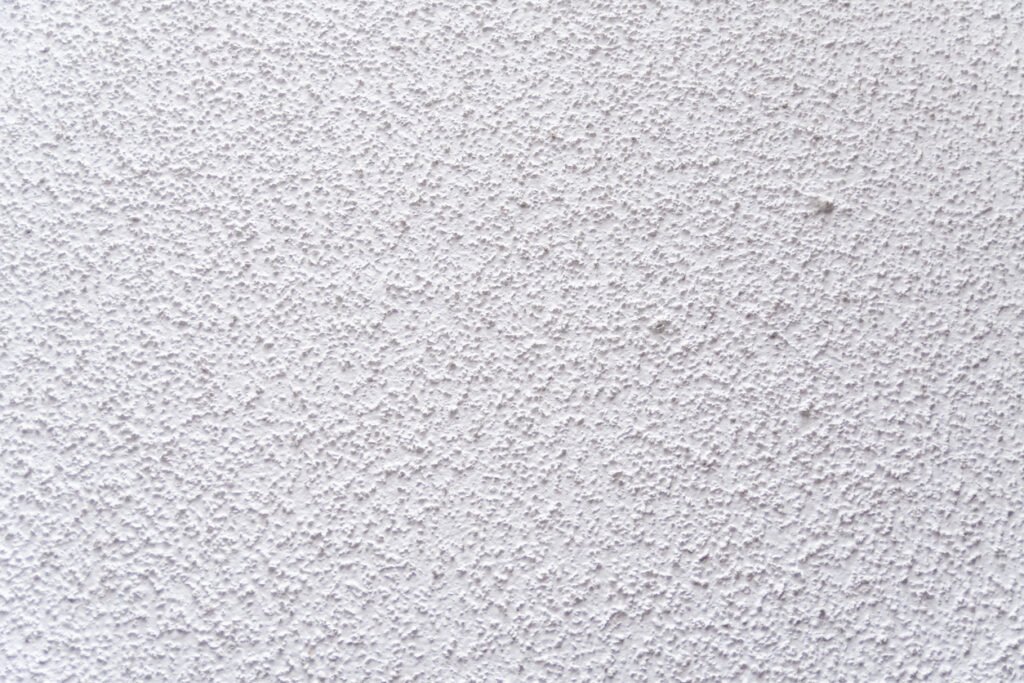
Drywall finishing is one of the most detail-sensitive parts of construction, and even small flaws can stand out on a smooth ceiling. Popcorn texture solved that problem almost instantly by covering seams, nail pops, and uneven surfaces. Builders didn’t have to worry about achieving a flawless finish underneath. The texture acted like a built-in disguise.
This was especially useful in large-scale developments where speed mattered more than perfection. Instead of spending hours sanding and correcting small issues, crews could move on to the next step. For homeowners, the result looked intentional rather than rushed. It gave ceilings a uniform appearance, even if the underlying work wasn’t perfect.
3. They Improved Sound Absorption
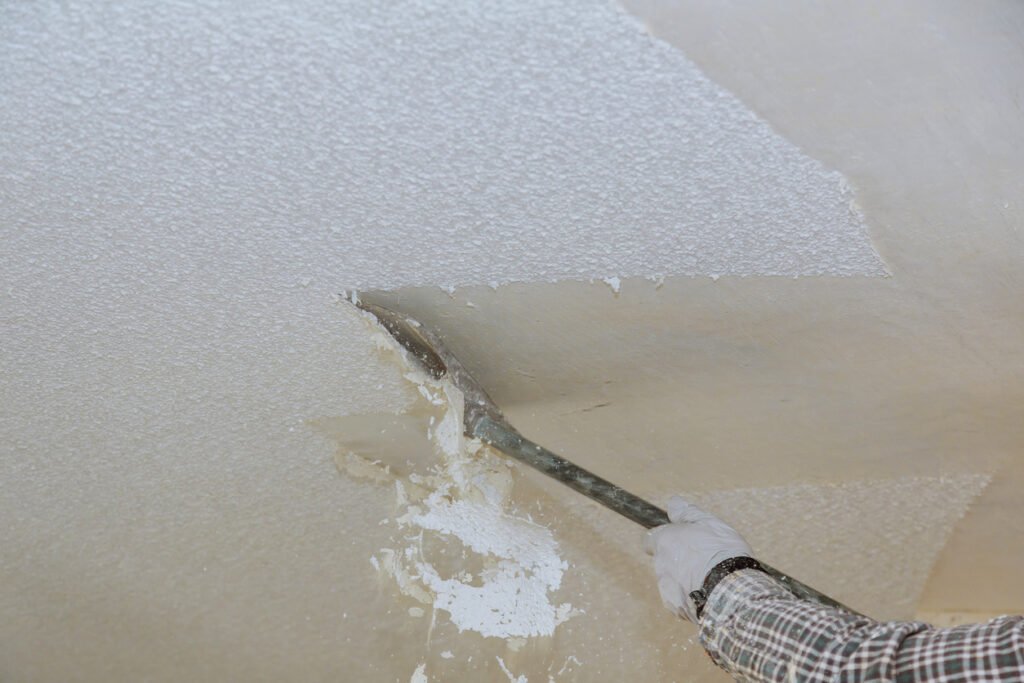
Popcorn ceilings weren’t just about looks or convenience, they also had a functional benefit. The uneven, bumpy surface helped absorb sound, reducing echoes inside a room. This made spaces feel quieter and more comfortable, especially in homes with hard flooring like tile or linoleum. In open-plan layouts, which were becoming more popular at the time, this was a noticeable advantage.
Families didn’t necessarily think of it in technical terms, but they could hear the difference. Conversations didn’t bounce around as much, and everyday noise felt slightly muted. In multi-level homes, the texture could also help reduce sound traveling between floors. It was a subtle feature, but one that added to the appeal.
4. They Were Considered Stylish at the Time
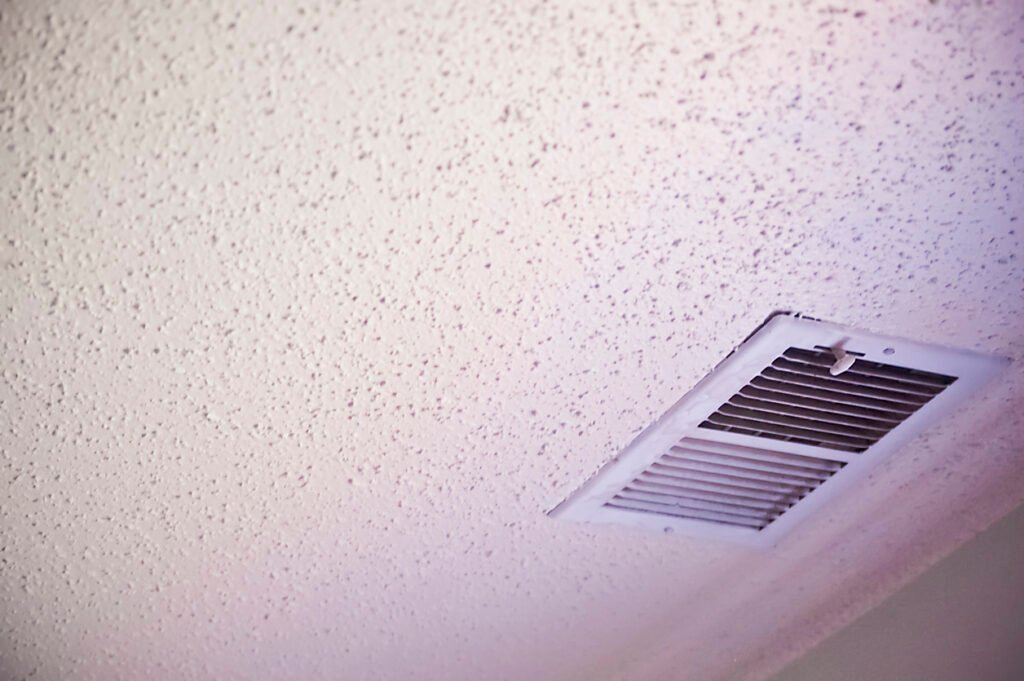
Today, popcorn ceilings are often seen as dated, but in the 1970s they were considered modern. Textured finishes fit right in with the broader design trends of the decade, which leaned toward earthy, tactile materials. Homes featured wood paneling, shag carpet, and other surfaces with noticeable texture. The ceiling was just another place to carry that aesthetic.
What feels outdated now once signaled that a home was up to date. Buyers didn’t see popcorn ceilings as a compromise, they saw them as a design choice. Builders marketed them as a feature, not a shortcut. That perception helped cement their popularity across the country.
5. They Required Less Maintenance
Smooth ceilings can show cracks, stains, and imperfections over time, especially as a house settles. Popcorn ceilings were more forgiving in that regard. The texture helped conceal minor issues that would otherwise stand out. Homeowners didn’t feel the need to touch up or repaint as often.
This made them appealing for busy families who didn’t want to deal with constant upkeep. Small blemishes blended into the surface instead of drawing attention. Even aging ceilings could still look acceptable without major repairs. That practicality added to their widespread use.
6. They Could Be Applied Quickly
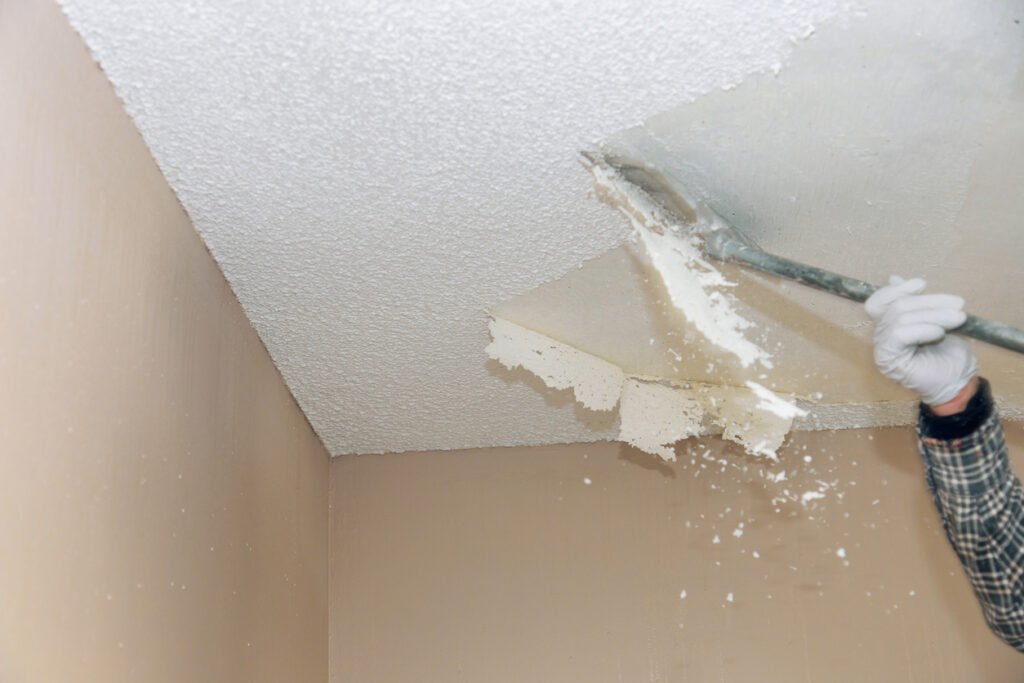
Speed was a major factor in 1970s home construction, especially in rapidly growing suburban areas. Popcorn ceilings could be sprayed on in a fraction of the time it took to finish a smooth surface. Crews didn’t need specialized tools or long drying times between steps. This efficiency helped keep construction schedules tight.
In large developments, that time savings added up quickly. Builders could complete more homes in less time, which increased profitability. The technique also required less precision, making it easier to train workers. It was a system that fit perfectly with high-volume construction.
7. They Helped Meet Fire Safety Standards
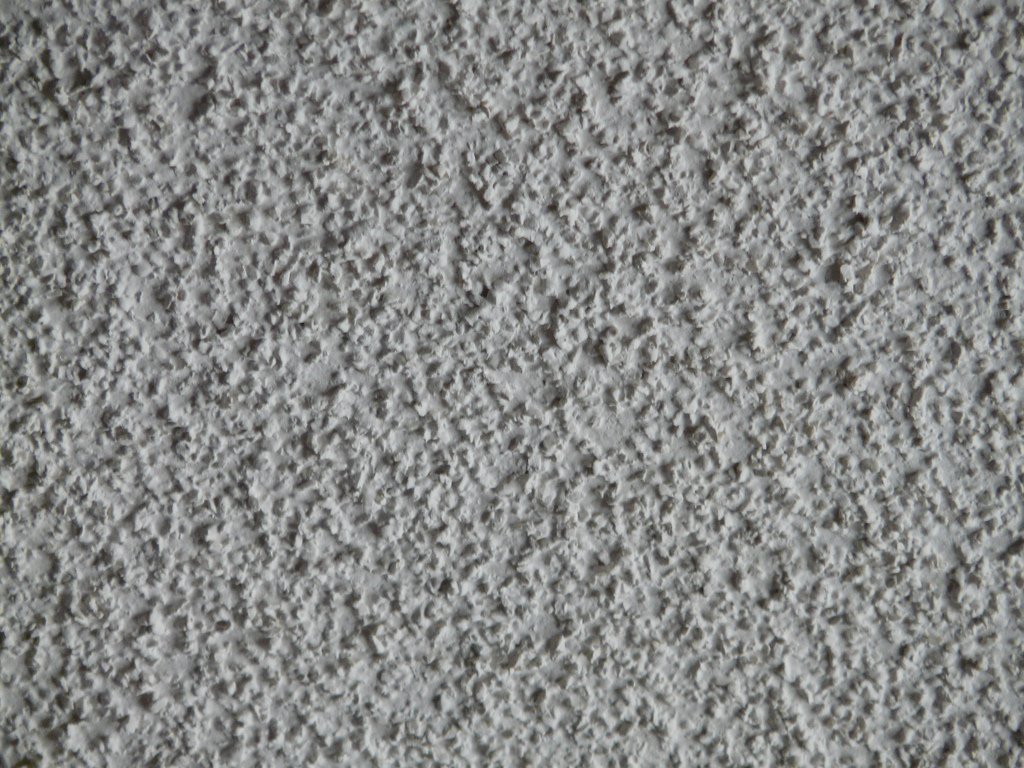
Some popcorn ceiling materials were marketed as having fire-resistant properties. The texture itself wasn’t the main factor, but the materials used in certain formulations could slow the spread of flames. This gave builders another selling point when promoting new homes. Safety features were becoming more important to buyers during this period.
It’s important to note that not all popcorn ceilings had the same composition. Some older versions even contained asbestos, which was later recognized as hazardous and phased out in residential use by the late 1970s. At the time, though, many homeowners associated the ceilings with added protection. That perception contributed to their popularity.
8. They Fit Mass Production Housing Trends
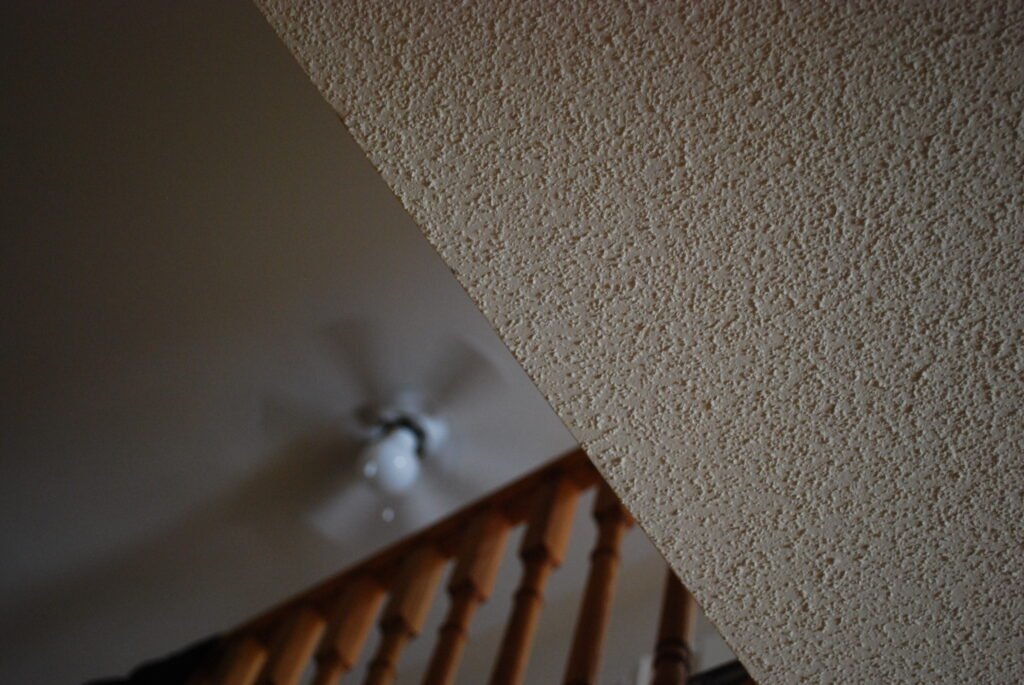
The 1970s saw a continuation of large-scale suburban development that began in earlier decades. Builders were focused on producing homes quickly and consistently across entire neighborhoods. Popcorn ceilings fit neatly into that model because they were easy to standardize. Every home could receive the same treatment with minimal variation.
This consistency helped streamline the construction process. Crews could move from one house to the next without changing techniques. Materials were easy to source in bulk, which further reduced costs. It was a practical solution for an industry focused on efficiency.
9. They Reduced Lighting Glare
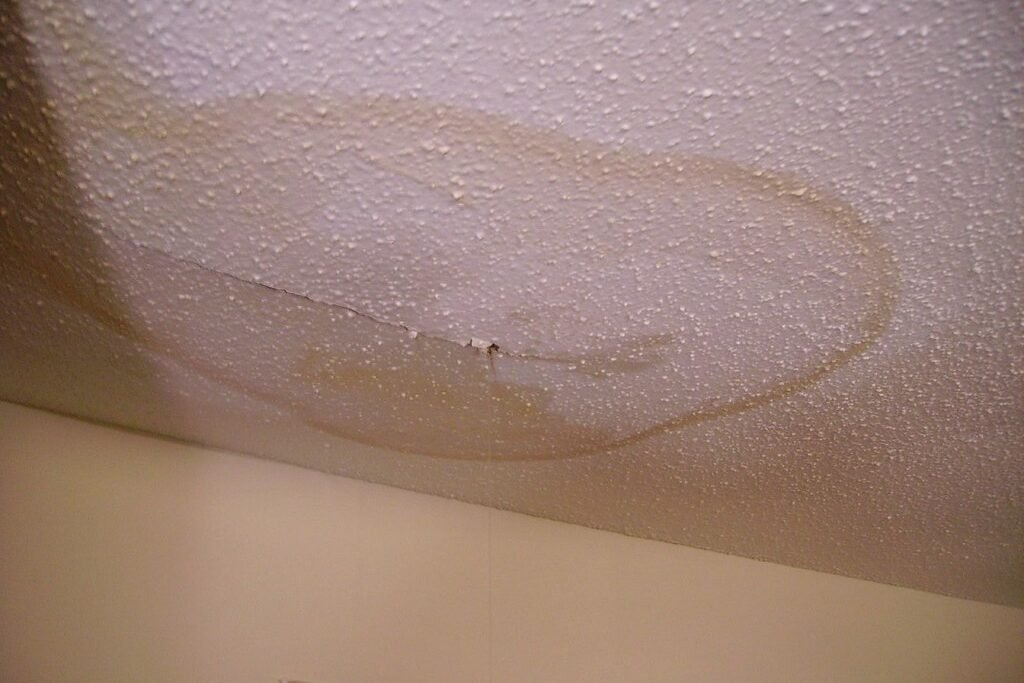
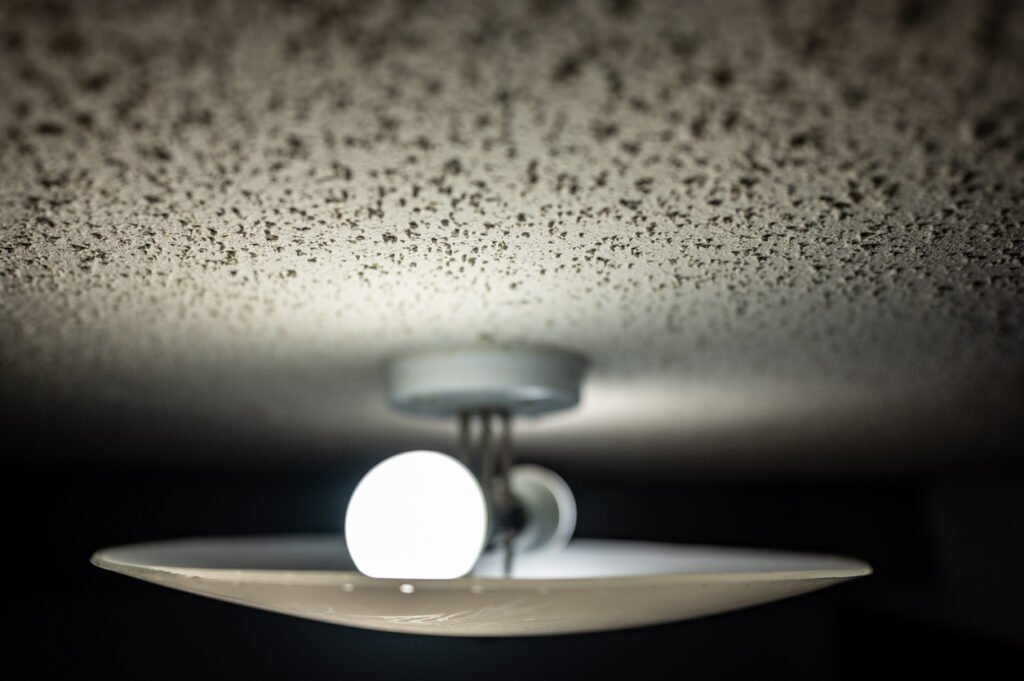
Another lesser-known benefit of popcorn ceilings was how they interacted with light. Smooth ceilings can reflect light directly, sometimes creating glare from overhead fixtures. The textured surface of a popcorn ceiling scattered light in multiple directions. This produced a softer, more diffused effect.
In homes with bright ceiling lights, this made rooms feel more comfortable. The lighting appeared less harsh, especially in the evening. While not always a primary selling point, it was a noticeable difference. Over time, it became another reason builders stuck with the style.
10. They Paired Well with Popular Materials
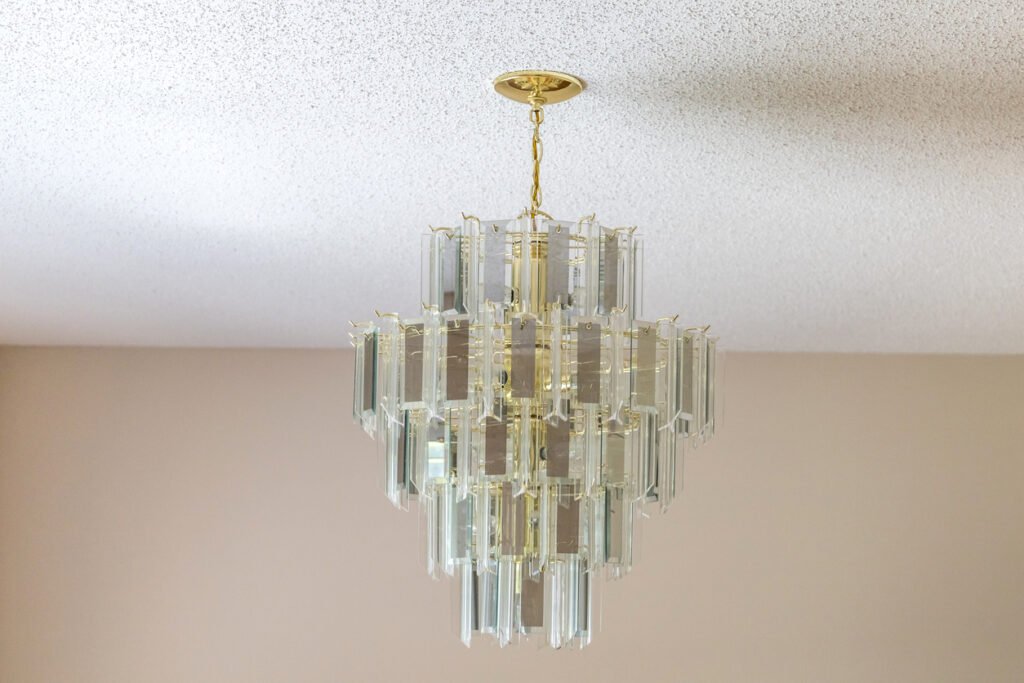
Interior design in the 1970s leaned heavily toward natural and textured materials. Wood beams, brick accents, and heavy fabrics were all common features. Popcorn ceilings complemented these elements rather than clashing with them. The overall look felt cohesive within the design trends of the time.
Homebuyers weren’t looking for sleek, minimalist spaces. They wanted warmth and texture, and the ceiling played a role in that. The finish blended into the broader aesthetic rather than standing out. That harmony made it an easy choice for builders and designers alike.
11. They Required Minimal Skill to Apply
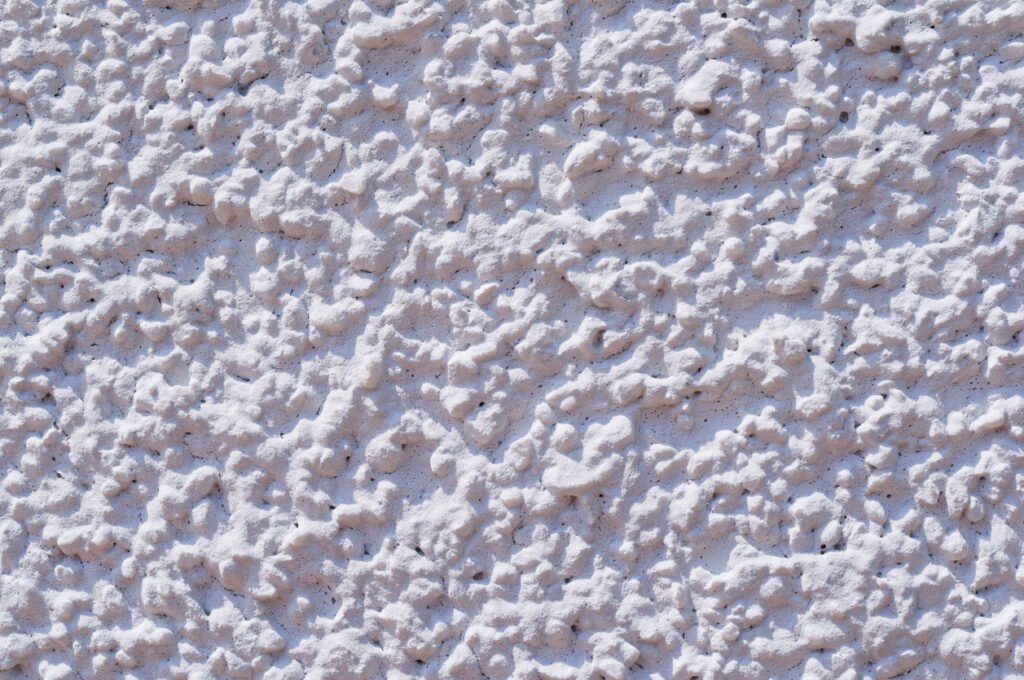
Compared to traditional plastering or smooth drywall finishing, popcorn ceilings were relatively easy to apply. Workers could be trained quickly, which helped builders scale up labor during busy periods. The spraying process didn’t demand the same level of craftsmanship as hand-finishing a ceiling. This made it accessible to a wider workforce.
For construction companies, that flexibility was valuable. They didn’t need highly specialized crews for every stage of the job. The process also reduced the risk of visible mistakes. Even less experienced workers could produce acceptable results.
12. They Were Widely Marketed by Builders
During the 1970s, builders and developers actively promoted features that made homes feel modern and efficient. Popcorn ceilings were often included in that messaging. They were presented as a practical upgrade that improved both appearance and performance. Sales materials rarely emphasized cost savings, focusing instead on benefits like sound reduction and style.
This marketing helped shape public perception. Buyers came to expect textured ceilings in new homes. What started as a cost-saving measure became a standard feature. Over time, it felt like the norm rather than an option.
13. They Became a Default Industry Standard
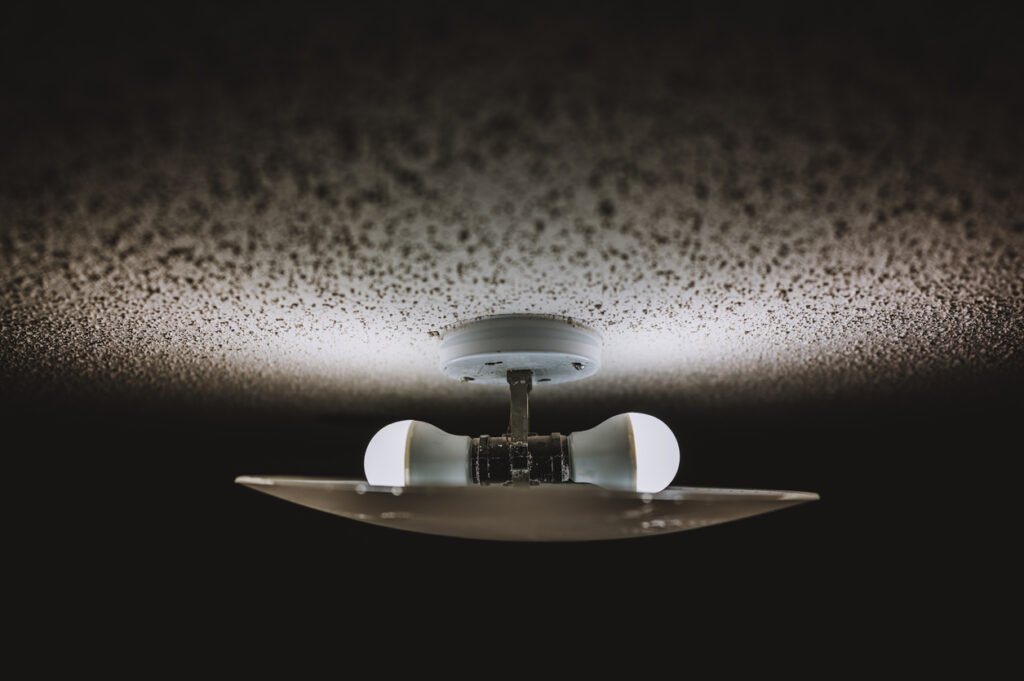
Once popcorn ceilings gained traction, they quickly became the default choice in many regions. Builders tend to stick with methods that are proven, cost-effective, and easy to replicate. By the mid-to-late ’70s, textured ceilings checked all those boxes. There was little incentive to switch back to more labor-intensive finishes.
As more homes were built with popcorn ceilings, the style reinforced itself. New buyers saw it everywhere and accepted it as typical. It became part of the visual identity of the era’s housing. Only later did tastes shift, leading to their gradual decline in popularity.