
1. The Smurfs (1981–1989)
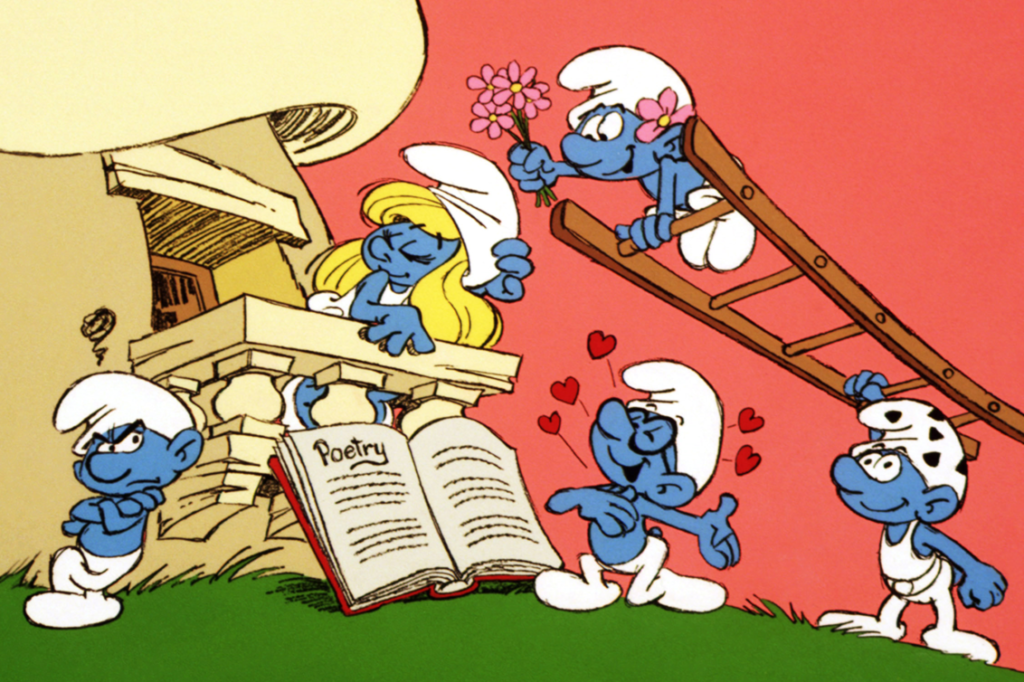
If you grew up in the early ’80s, there’s a good chance your Saturday morning started in a little blue village. The Smurfs followed Papa Smurf, Smurfette, and the rest of the crew as they tried to outwit the ever-frustrated Gargamel. The show was based on Belgian comics by Peyo, but for a lot of American kids, the cartoon was their introduction. It aired on NBC and became one of the most successful animated series of the decade. Its mix of fantasy, simple morals, and memorable characters made it easy to settle into week after week.
What really stuck was how consistent it felt. The stakes were never too high, but there was always just enough tension to keep you watching. Gargamel’s constant failures became part of the charm, and the Smurfs’ teamwork was the obvious takeaway. It also helped that the theme song was nearly impossible to forget. Even now, people who haven’t seen it in decades can still hum it without thinking.
2. Super Friends (1973–1986)
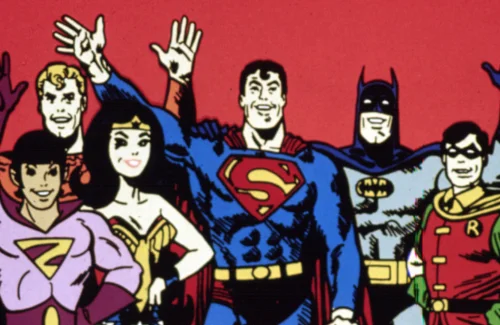
Even though it started in the ’70s, Super Friends remained a Saturday morning staple well into the ’80s. This was where a lot of kids first met DC heroes like Superman, Batman, and Wonder Woman. The show simplified the characters for younger audiences, but that didn’t make it any less exciting. Episodes often focused on teamwork and problem-solving rather than just action. It aired in several different versions over the years, keeping it fresh enough to stay relevant.
There was something reassuring about how structured it felt. The heroes always showed up, worked together, and saved the day without fail. For kids, it made these larger-than-life characters feel approachable. The Legion of Doom era, in particular, added a stronger sense of conflict. It wasn’t flashy by today’s standards, but at the time, it was a gateway into superhero fandom.
3. He-Man and the Masters of the Universe (1983–1985)
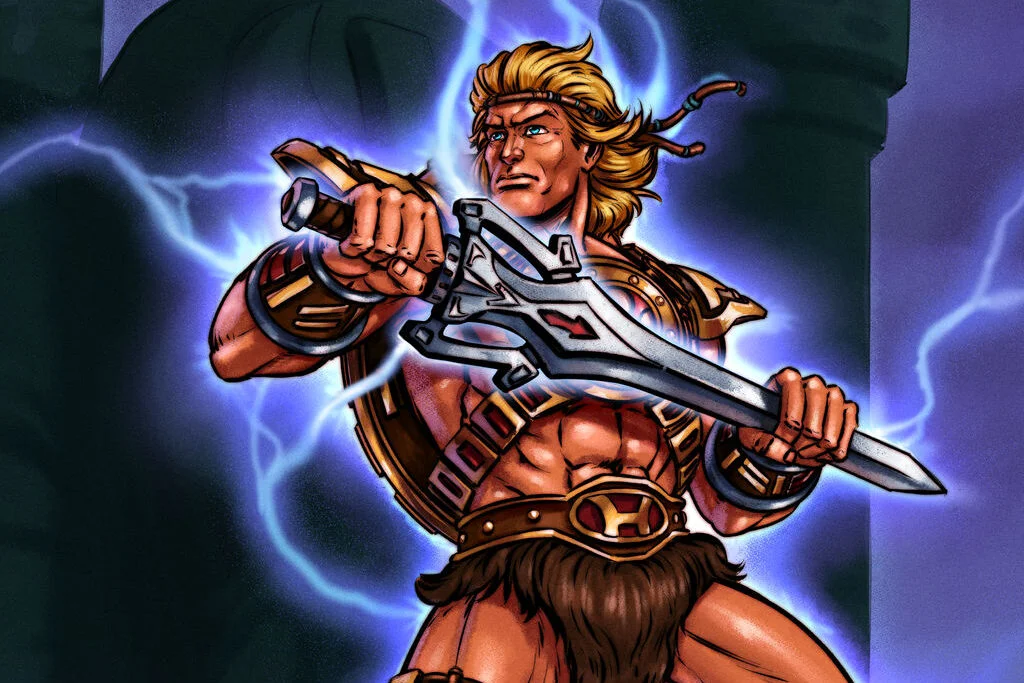
By the time He-Man and the Masters of the Universe hit, it felt bigger and louder than most cartoons around it. Prince Adam transforming into He-Man was the kind of moment kids waited all episode for. The show was tied closely to Mattel’s toy line, which helped it explode in popularity. It aired in syndication rather than just on a single network, so it was easy to find. The mix of fantasy, sci-fi, and action gave it a unique edge.
What made it stand out was its tone. It took itself just seriously enough to feel epic, but it still ended with a moral lesson each time. Skeletor became one of those villains you loved to watch, even when you knew he’d lose. The animation had its limitations, but the storytelling carried it. For a lot of kids, this was peak ’80s imagination.
4. The Real Ghostbusters (1986–1991)
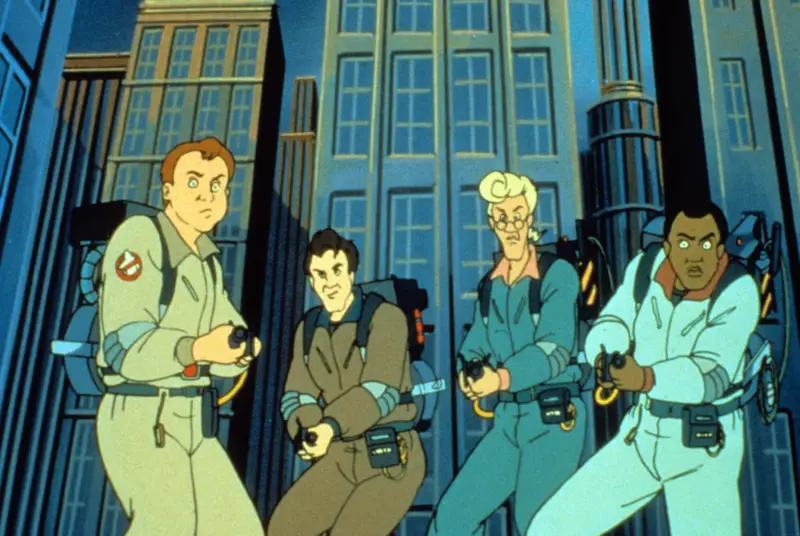
After Ghostbusters became a hit in 1984, it didn’t take long for the animated version to follow. The Real Ghostbusters expanded the world with new ghosts, gadgets, and storylines. It aired on ABC and quickly became a Saturday morning favorite. The show leaned more into supernatural adventures than the film’s comedy, which gave it a slightly darker tone. Still, it kept the personalities of Peter, Ray, Egon, and Winston intact.
It felt like you were getting more of a movie you already loved. Slimer, in particular, became a bigger presence and a kind of mascot for the series. The animation improved over time, especially in later seasons. It balanced humor and genuinely creepy moments in a way few cartoons managed. That combination is a big part of why it stuck around for so long.
5. Transformers (1984–1987)
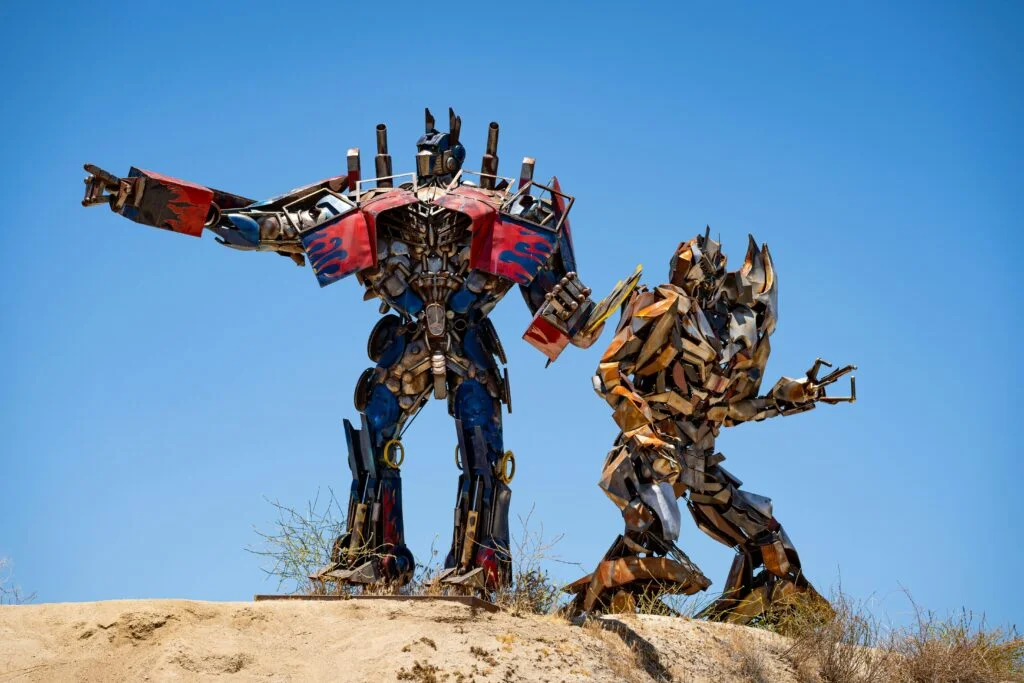
Transformers turned a toy concept into a full-blown universe almost overnight. Autobots and Decepticons battling on Earth gave kids a storyline to go along with the figures they already owned. The show originally aired in syndication but became closely associated with Saturday mornings. Optimus Prime quickly became one of the most recognizable heroes of the decade. The series mixed action, sci-fi, and ongoing story arcs in a way that felt more serialized than many cartoons.
What made it memorable was the scale. Battles felt bigger, and the stakes felt higher than in simpler shows. Characters came and went, and storylines sometimes carried over, which kept viewers invested. It wasn’t just about selling toys, even though that was clearly part of it. For a lot of kids, it was their first experience with a larger fictional universe.
6. G.I. Joe: A Real American Hero (1983–1986)
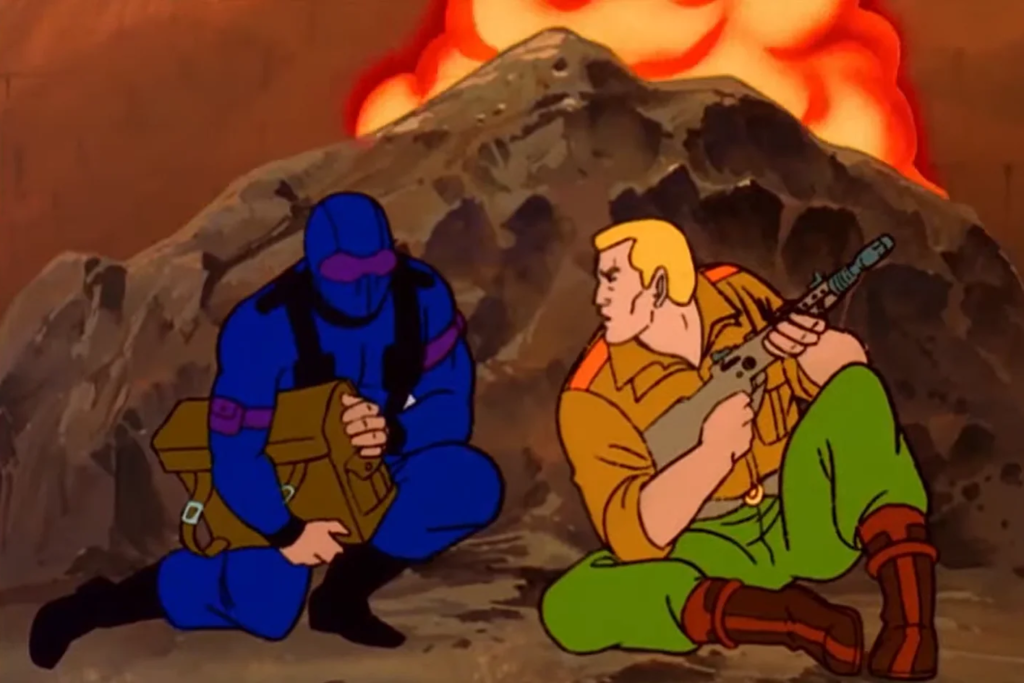
Like Transformers, G.I. Joe: A Real American Hero was built around a toy line, but it developed a surprisingly rich world. The Joes battled Cobra in missions that mixed military action with over-the-top villains. It aired in syndication and became a major part of weekend viewing. Each episode ended with a short PSA, reminding kids of practical safety lessons. The phrase “Knowing is half the battle” became instantly recognizable.
The show leaned into action but still kept things accessible for younger viewers. Characters like Duke and Snake Eyes gave it personality beyond just the battles. Cobra Commander, with his distinctive voice, was a standout villain. It had a sense of continuity that made it feel more engaging than one-off stories. That balance helped it stay popular throughout the decade.
7. Scooby-Doo and Scrappy-Doo (1979–1984)
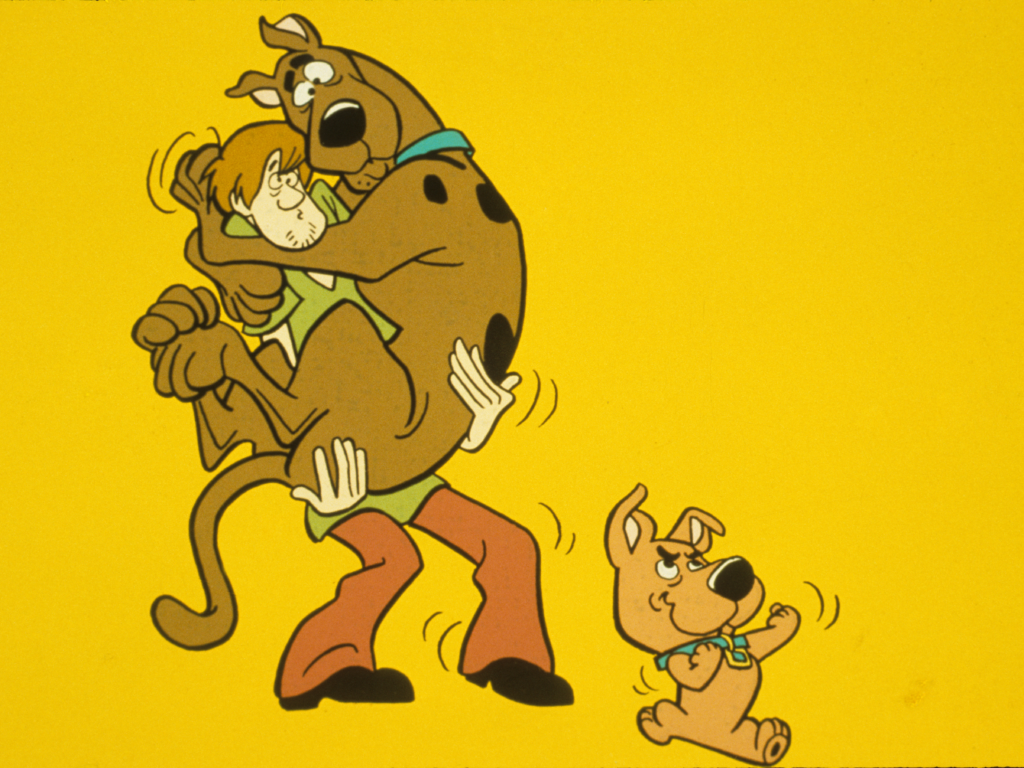
By the ’80s, Scooby-Doo had already been around for years, but the addition of Scrappy-Doo changed the dynamic. Scrappy’s fearless attitude contrasted with Scooby and Shaggy’s usual reluctance. The show aired in different formats, but it remained a Saturday morning fixture. The mystery formula stayed mostly the same, with a few variations. It kept the franchise alive for a new generation.
Some viewers loved Scrappy, others didn’t, but he definitely made an impression. The shorter episodes and shifting formats kept things moving quickly. Even with changes, the core idea of solving mysteries stayed intact. It was familiar in the best way, something you could drop into at any point. That consistency is what kept it going.
8. ThunderCats (1985–1989)
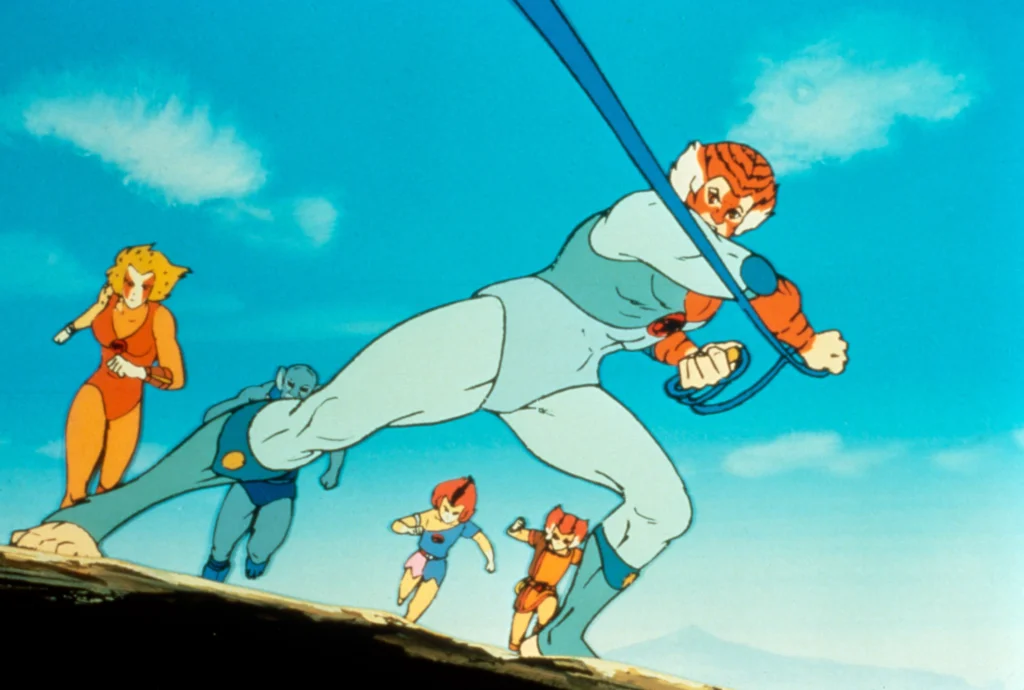
ThunderCats had a different feel right from the start. The animation was more detailed, and the storytelling leaned toward epic adventure. Lion-O and the ThunderCats battling Mumm-Ra gave it a strong central conflict. It aired in syndication and became a standout among action cartoons. The show mixed science fiction with fantasy elements in a way that felt ambitious.
It also had a slightly more serious tone than many of its peers. Episodes sometimes explored themes like leadership and responsibility. The opening sequence alone was enough to pull viewers in. It felt like something bigger than a typical cartoon. That sense of scale helped it stand out in a crowded lineup.
9. Alvin and the Chipmunks (1983–1990)
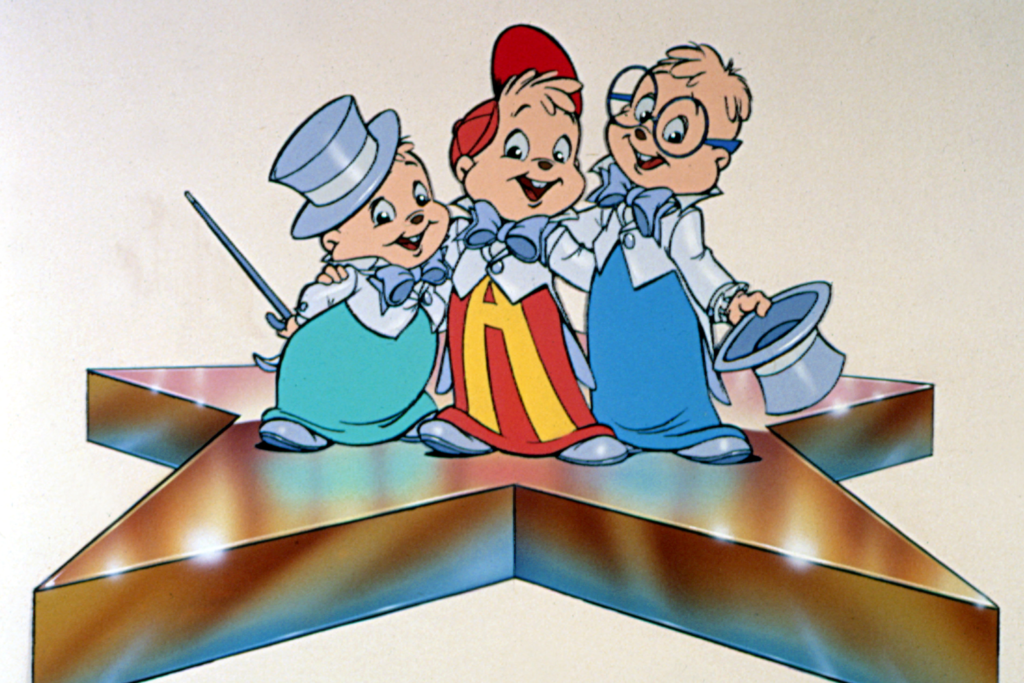
Alvin and the Chipmunks brought a lighter, music-driven energy to Saturday mornings. Alvin, Simon, and Theodore were already established characters, but this version modernized them for the ’80s. The show aired on NBC and combined humor with original songs. Dave Seville’s role as the overwhelmed guardian added a relatable element. It balanced comedy with occasional life lessons.
The musical segments were a big part of its appeal. Kids could watch and then immediately want to hear the songs again. The personalities of the three chipmunks were clearly defined, which made the dynamics fun to follow. It wasn’t as action-heavy as other shows, but it didn’t need to be. It filled a different niche in the lineup.
10. The Bugs Bunny & Tweety Show (1986–2000)
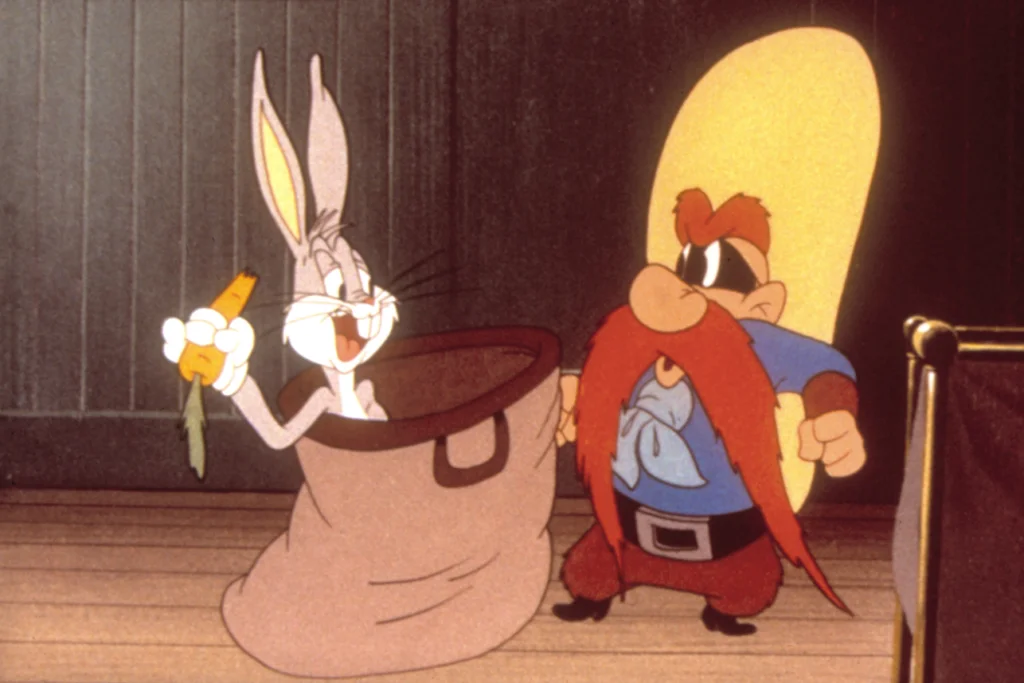
Classic Looney Tunes found new life on Saturday mornings through The Bugs Bunny & Tweety Show. It compiled older theatrical shorts featuring characters like Bugs Bunny, Daffy Duck, and Tweety. For many kids, this was their first exposure to those earlier cartoons. The show aired on ABC and later other networks. It bridged generations by bringing older animation into a new context.
The humor still worked, even decades after the shorts were originally made. Slapstick, wordplay, and timing all held up surprisingly well. It felt different from newer cartoons because it was rooted in theatrical animation. That difference made it stand out. It was both nostalgic and new at the same time.
11. DuckTales (1987–1990)
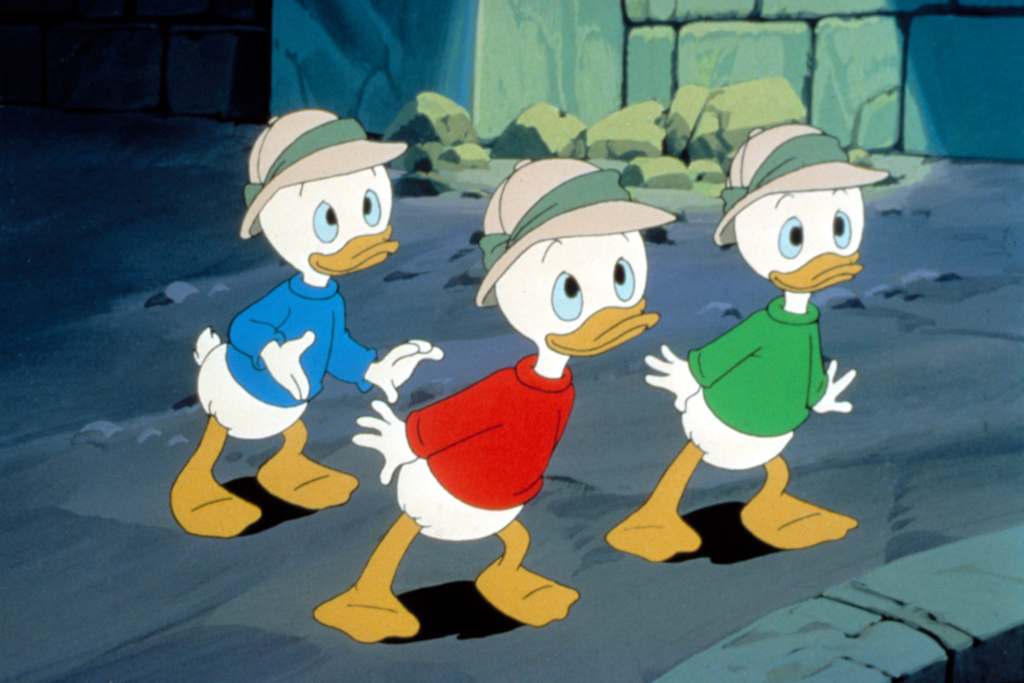
DuckTales followed Scrooge McDuck and his nephews on globe-trotting adventures. It debuted in syndication and quickly became one of the most popular cartoons of the late ’80s. The show combined adventure, humor, and surprisingly complex storytelling. Episodes often involved treasure hunts, ancient civilizations, and clever problem-solving. The theme song alone became iconic.
It felt more ambitious than many other cartoons at the time. Scrooge wasn’t just comic relief, he was a fully developed character with motivations and flaws. The writing often included layered plots that rewarded attention. It appealed to both kids and adults in a way that wasn’t always common. That broader appeal helped it stand the test of time.
12. Garfield and Friends (1988–1994)
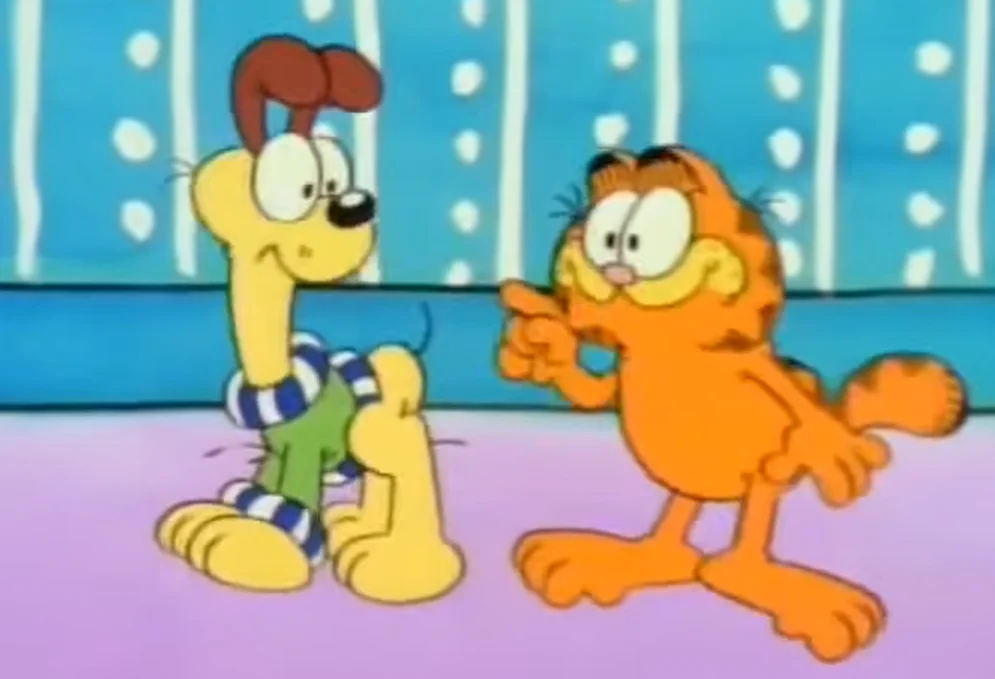
Garfield and Friends brought Jim Davis’s comic strip to life in a format that mixed segments. Garfield’s lazy, sarcastic personality carried the show, along with Jon and Odie. It aired on CBS and quickly became a staple of weekend viewing. The show also included the U.S. Acres segments, adding variety. Its humor leaned more toward wit than action.
Garfield’s commentary made it feel a little more self-aware than other cartoons. The pacing was quick, with multiple segments in each episode. It didn’t rely on big adventures to keep viewers interested. Instead, it focused on character-driven humor. That approach gave it a different kind of staying power.
13. The Jetsons (1985–1987 revival)
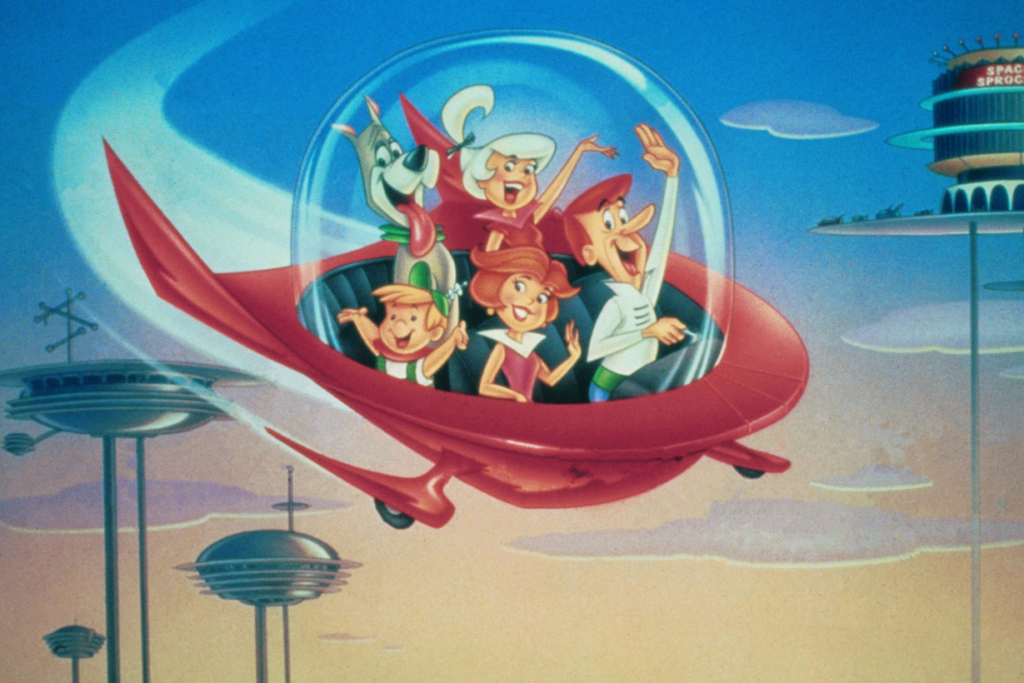
Although it originally aired in the ’60s, The Jetsons returned in the mid-’80s with new episodes. The revival introduced the futuristic family to a new generation. It aired in syndication and fit naturally into Saturday morning lineups. The show’s vision of the future, with flying cars and robotic helpers, remained a big draw. George, Jane, Judy, Elroy, and Rosie all returned.
The updated episodes kept the original tone while adding more modern pacing. It still leaned heavily on humor rooted in futuristic inconveniences. For kids, it was a fun way to imagine what the future might look like. For adults, it had a layer of satire about everyday life. That dual appeal helped it remain relevant.
14. Teenage Mutant Ninja Turtles (1987–1996)
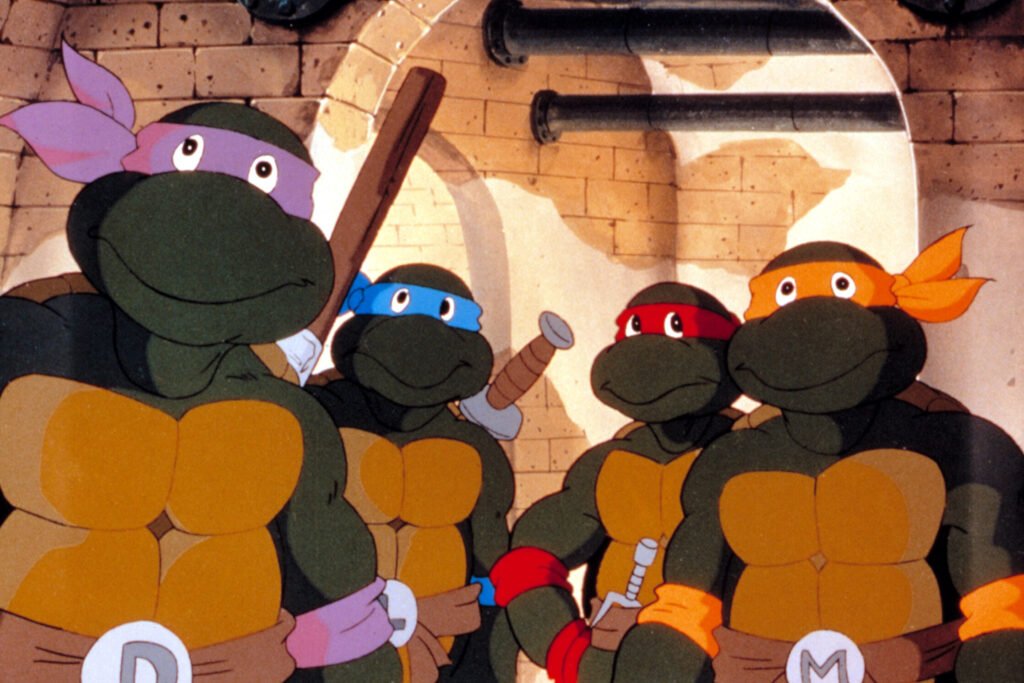
By the late ’80s, Teenage Mutant Ninja Turtles had become unavoidable. Leonardo, Michelangelo, Donatello, and Raphael quickly turned into pop culture icons. The show aired in syndication and dominated Saturday mornings. It blended action, comedy, and catchphrases in a way that clicked immediately. Villains like Shredder and Krang added to its appeal.
It also tied into a massive wave of merchandise, from toys to lunchboxes. The humor made it accessible, even with all the action. Each turtle had a distinct personality, which made it easy for kids to pick a favorite. The show’s energy matched the decade perfectly. It wasn’t subtle, but it didn’t need to be.