1. Wearing Green to Avoid Getting Pinched
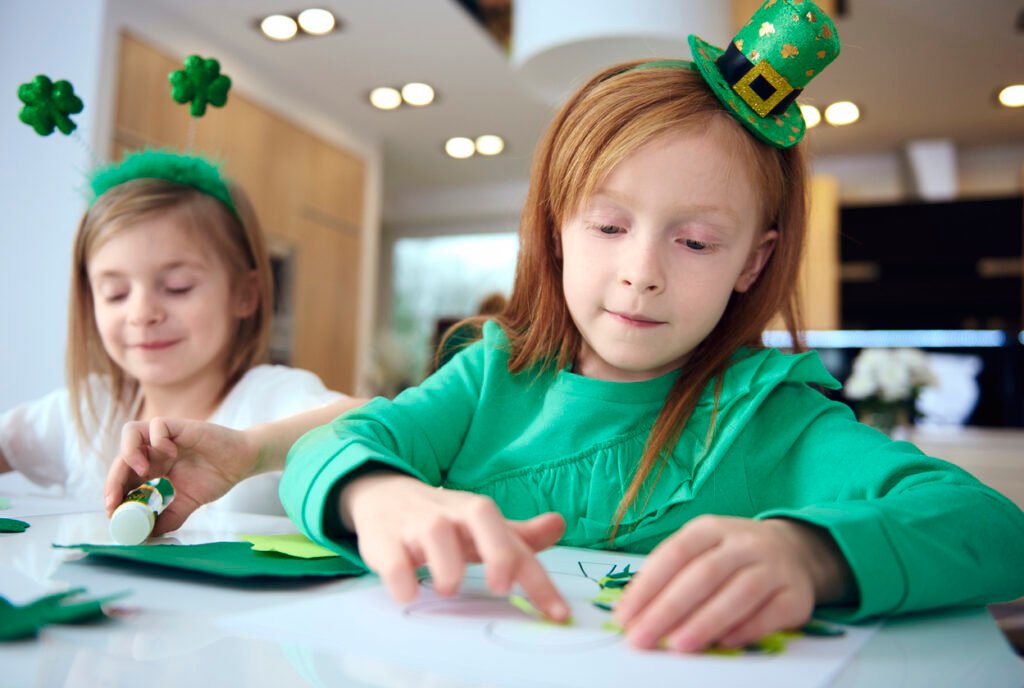
Every kid knew the rule, if you didn’t wear green on St. Patrick’s Day, you were fair game for a pinch. It wasn’t an official school policy, but it might as well have been, because everyone took it seriously. You’d see kids checking each other the second they walked in the classroom, scanning for even a tiny bit of green. Some got strategic, like wearing green socks or a small patch just to stay safe. Others went all out with bright green shirts or homemade outfits.
The threat of getting pinched kept the tradition alive all day long. Even teachers sometimes joined in, though usually in a more playful way. It was one of those odd little social rules that everyone just accepted without question. By lunchtime, most kids had either survived unscathed or learned their lesson for next year.
2. Construction Paper Shamrock Crafts
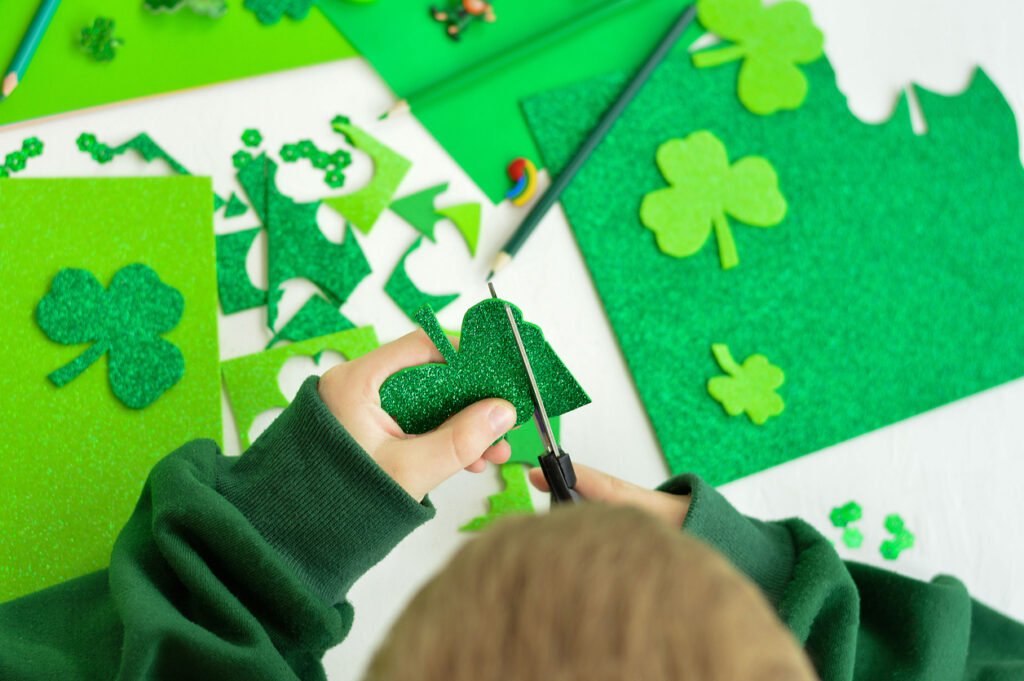
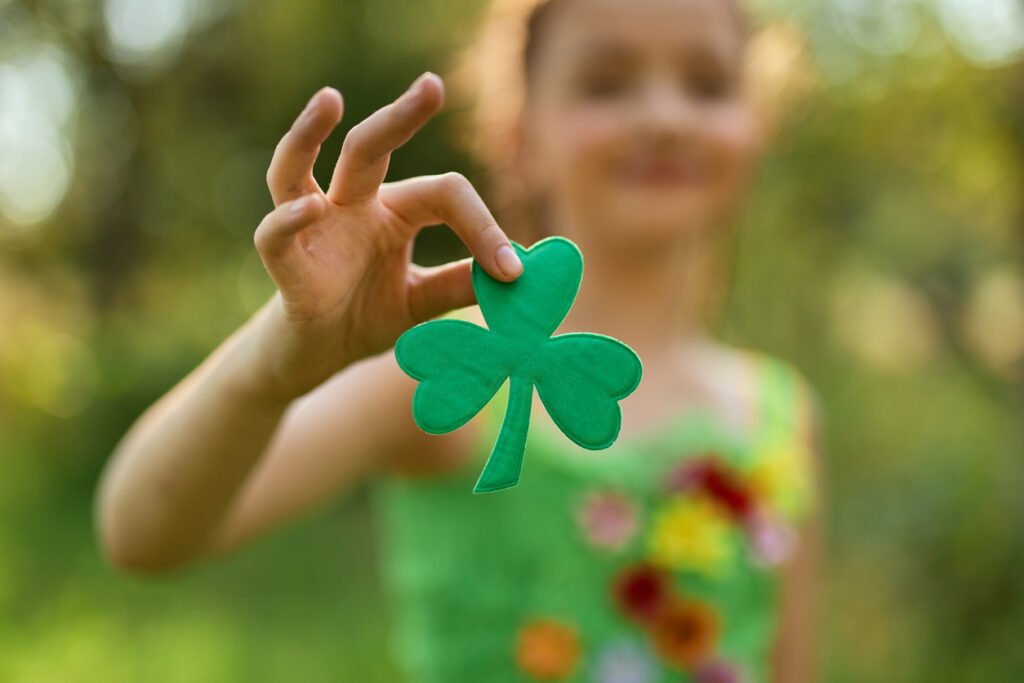
Art time almost always meant shamrocks cut from bright green construction paper. Teachers would hand out stacks of paper along with safety scissors and glue, and suddenly the whole room was covered in clover shapes. Some kids tried to make perfect three-leaf designs, while others went for big, lopsided ones. Glitter often made an appearance, whether teachers liked it or not.
Those shamrocks usually ended up taped to windows, bulletin boards, or sent home to parents. It was a simple craft, but it felt like a big part of the day. The smell of glue and the scraps of green paper on desks were just part of the experience. Even kids who weren’t into art still got pulled into it.
3. Leprechaun Traps That Never Quite Worked
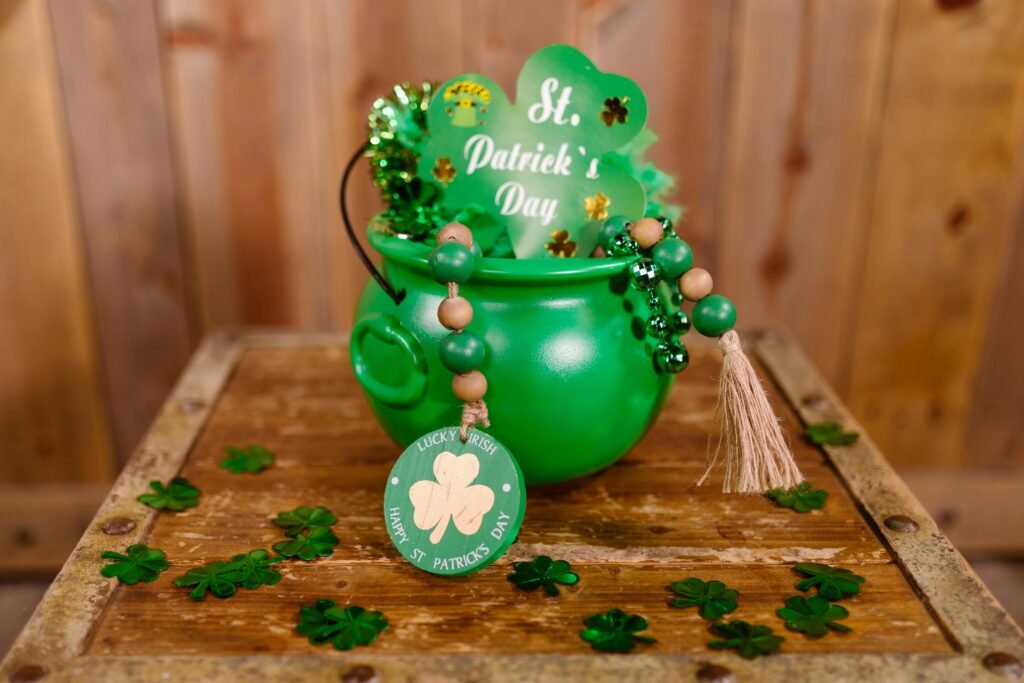
Some classrooms encouraged kids to build leprechaun traps out of shoeboxes and whatever materials they could find. The idea was that you might actually catch a leprechaun overnight, even though no one ever did. Kids would bring in elaborate setups with ladders, fake gold, and tiny doors. It sparked a lot of imagination, even if the results were always the same.
By the next morning, the traps were empty, but sometimes teachers added little surprises. A few classrooms would have fake gold coins or green footprints as “evidence” that a leprechaun had visited. It kept the magic alive just enough. Even if you knew it wasn’t real, you still kind of hoped it might be.
4. Green Milk in the Cafeteria
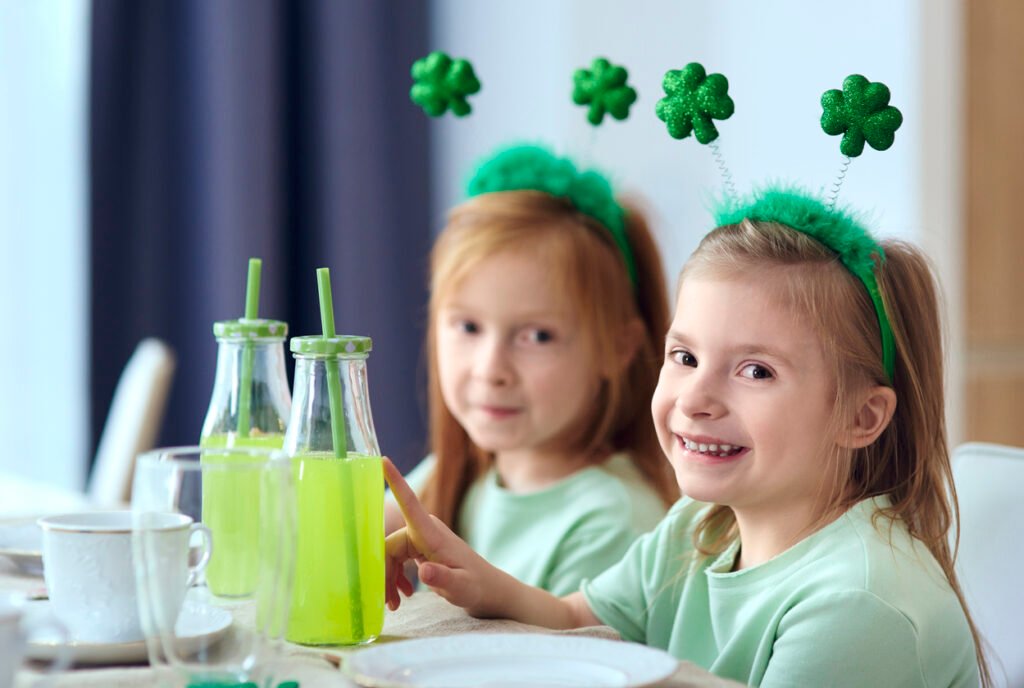
Lunch on St. Patrick’s Day often came with a surprise, green milk. It was just regular milk with food coloring, but it felt like something completely different. Kids would line up just to see it, some excited and others a little suspicious. There was always at least one kid who refused to drink it.
For everyone else, it was part of the fun. You’d take a sip and confirm it tasted exactly the same, but that didn’t matter. The novelty made it memorable. It was one of those small details that turned an ordinary school lunch into something special.
5. Teachers Telling Leprechaun Stories
Storytime often shifted to Irish folklore, especially tales about leprechauns and pots of gold. Teachers would read books or tell stories that felt a little more magical than usual. Kids would sit a little quieter, leaning into the idea that something mischievous might be happening just out of sight.
Those stories added a layer of mystery to the day. Even older kids who claimed they didn’t believe still paid attention. It wasn’t just about the stories themselves, it was about the atmosphere they created. For a little while, the classroom felt different.
6. Decorating the Classroom with Rainbows and Gold
Classrooms didn’t stay plain on St. Patrick’s Day. Teachers and students worked together to cover walls with rainbows, pots of gold, and green streamers. Bulletin boards often turned into full scenes, with clouds, coins, and cartoon leprechauns. It gave the whole room a festive look that stood out from the rest of the school year.
Even simple decorations made a difference. Paper chains, hand-drawn rainbows, and gold foil cutouts were everywhere. Kids took pride in pointing out what they had helped make. It turned the classroom into something a little more fun and colorful for the day.
7. Singing Irish-Themed Songs in Music Class

Music class usually leaned into the holiday with Irish-themed songs. Kids might learn simple tunes about shamrocks or sing traditional songs adapted for school. The melodies stuck in your head long after the day was over. Some classes even added hand motions or clapping to go along with the music.
It wasn’t about perfect singing, it was about participating. Even the kids who were shy usually joined in because everyone else was doing it. The songs became part of the memory of the day. Years later, you might still remember a line or two without knowing why.
8. Coloring Pages of Leprechauns and Pots of Gold
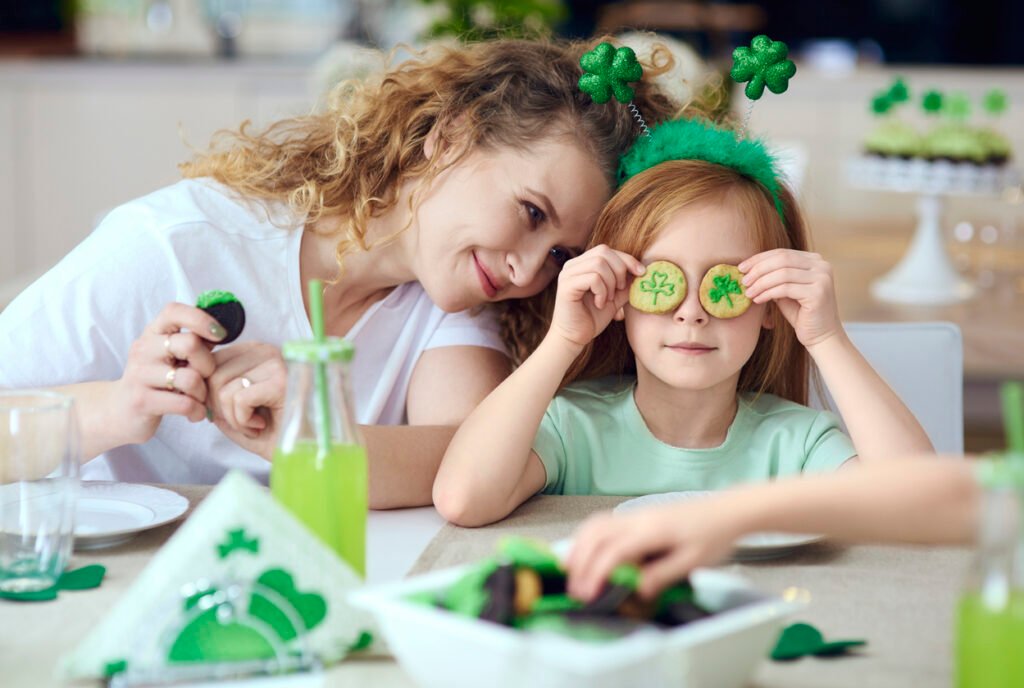
Worksheets and coloring pages often replaced regular assignments for at least part of the day. Kids would get pages filled with leprechauns, rainbows, and gold coins to color in. Crayons in every shade of green were suddenly in high demand. Some kids stayed neatly inside the lines, while others didn’t worry about it at all.
It was a quiet activity, but still felt festive. Teachers used it as a way to keep things manageable while still celebrating. By the end of the day, desks were covered in colorful pages. Many of those ended up on refrigerators at home.
9. Shamrock-Themed Math Worksheets
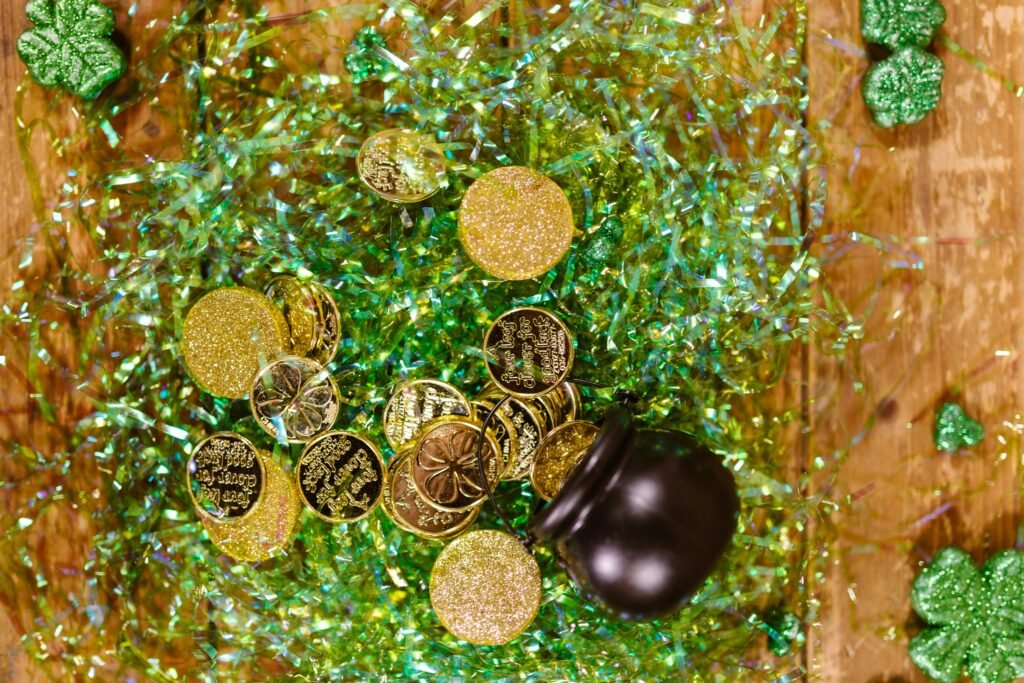
Even math got a holiday twist. Instead of regular problems, worksheets featured shamrocks, gold coins, or rainbows as part of the exercises. You might be counting clovers or solving problems tied to imaginary pots of gold. It made the work feel a little less like work.
Teachers used it to keep lessons on track while still acknowledging the holiday. Kids didn’t always notice they were doing the same kind of math as usual. The themed visuals made it more engaging. It was a small change, but it worked.
10. Wearing Homemade Pins and Accessories

Some kids showed up with handmade pins, hats, or necklaces covered in green. These were often made at home or during class the day before. Buttons with shamrocks or paper badges pinned to shirts were common. It gave kids a chance to show a little creativity.
Those accessories also doubled as protection from pinches. The more green you had, the safer you felt. It became a bit of a competition to see who could be the most festive. Even simple designs got noticed.
11. Classroom Parties with Green Snacks

Some teachers organized small classroom parties with themed snacks. Cookies with green frosting, cupcakes, or green-colored treats made an appearance. Parents sometimes contributed homemade items, adding to the variety. It broke up the regular routine in a way everyone appreciated.
Even something as simple as green punch or dyed popcorn felt exciting. Kids would gather around desks or tables and enjoy the change of pace. It wasn’t elaborate, but it didn’t need to be. The shared experience was what made it memorable.
12. Searching for “Gold” Around the Classroom
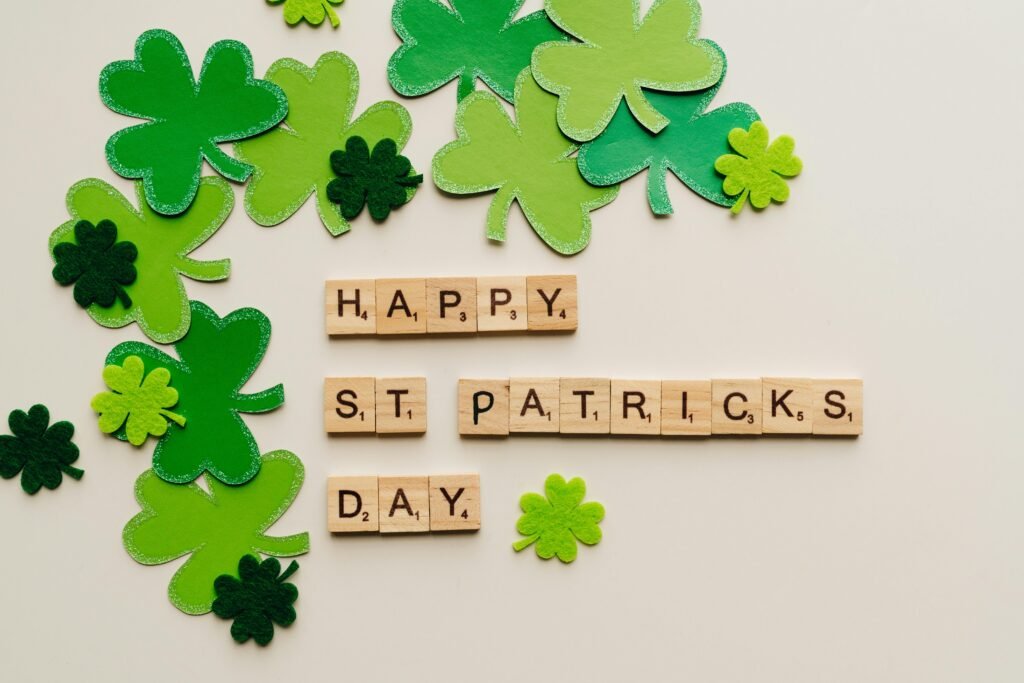
Teachers sometimes hid chocolate coins or small prizes around the room. Kids would search for them like a mini treasure hunt. It added a sense of excitement, especially for younger students. Everyone wanted to find at least one piece of “gold.”
The search usually didn’t last long, but it didn’t have to. The thrill was in the moment. Even finding just one coin felt like a win. It gave kids a reason to stay engaged and have fun.
13. Green Chalkboard Drawings
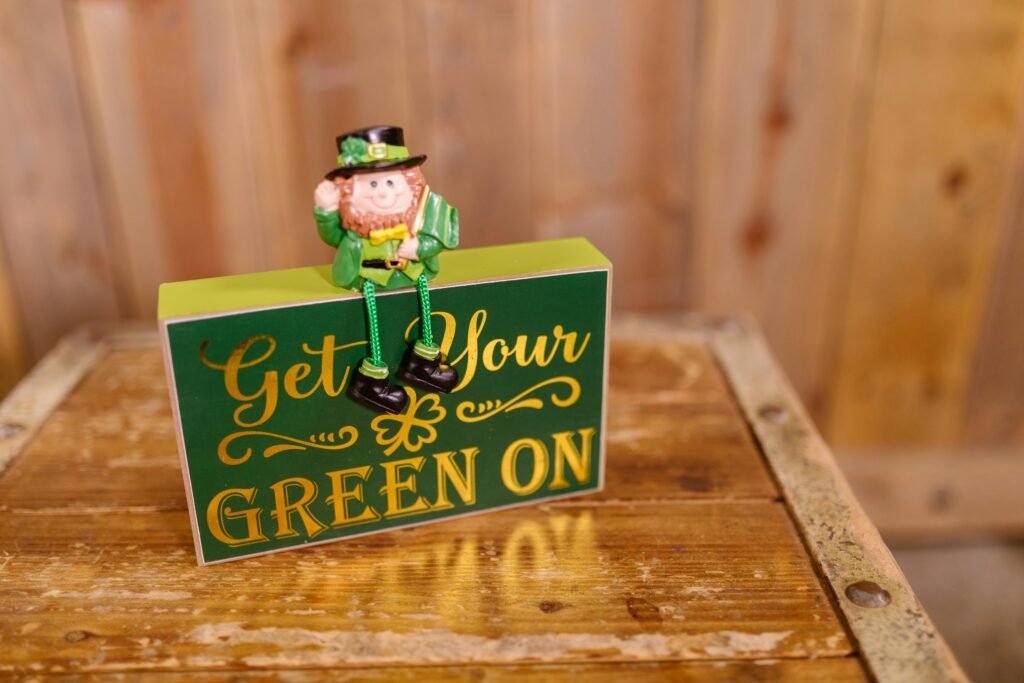
Before whiteboards took over, chalkboards often became part of the celebration. Teachers would draw shamrocks, rainbows, or festive messages in green chalk. Some were simple, while others were surprisingly detailed. It set the tone as soon as you walked into the room.
Kids sometimes got a chance to add their own drawings too. It made the classroom feel more interactive. The chalk dust and bright colors were part of the experience. By the end of the day, the board looked completely different from usual.
14. Writing About Luck in English Class
Writing assignments sometimes focused on the idea of luck. Kids might be asked to write about what they would do if they found a pot of gold or how they felt lucky in their lives. It gave them a chance to be creative in a different way. Some stories were imaginative, others more personal.
Teachers used it to tie the holiday into regular lessons. It kept things educational while still feeling relevant to the day. Reading those stories out loud often led to a lot of laughs. It was a simple but effective activity.
15. Teachers Playing Along with Leprechaun Mischief

Some teachers added a playful twist by pretending a leprechaun had visited the classroom. Desks might be slightly moved, or small items rearranged overnight. It wasn’t anything dramatic, just enough to spark curiosity. Kids would come in and immediately start noticing what was different.
The idea of a mischievous visitor made the day more exciting. Even skeptical kids got caught up in it. Teachers leaned into the fun without overdoing it. It created a shared moment everyone remembered.
16. Ending the Day Still Checking for Green

By the end of the school day, the green-checking habit hadn’t gone away. Kids were still glancing at each other’s clothes, just in case someone had slipped up. It became almost automatic, like part of the rhythm of the day. Even on the bus ride home, the game sometimes continued.
It was a small thing, but it tied the whole day together. From morning to afternoon, the tradition stayed consistent. It gave St. Patrick’s Day a kind of continuity that other school holidays didn’t always have. And for a lot of kids, it’s one of the first things they still remember.