
1. Trapper Keeper
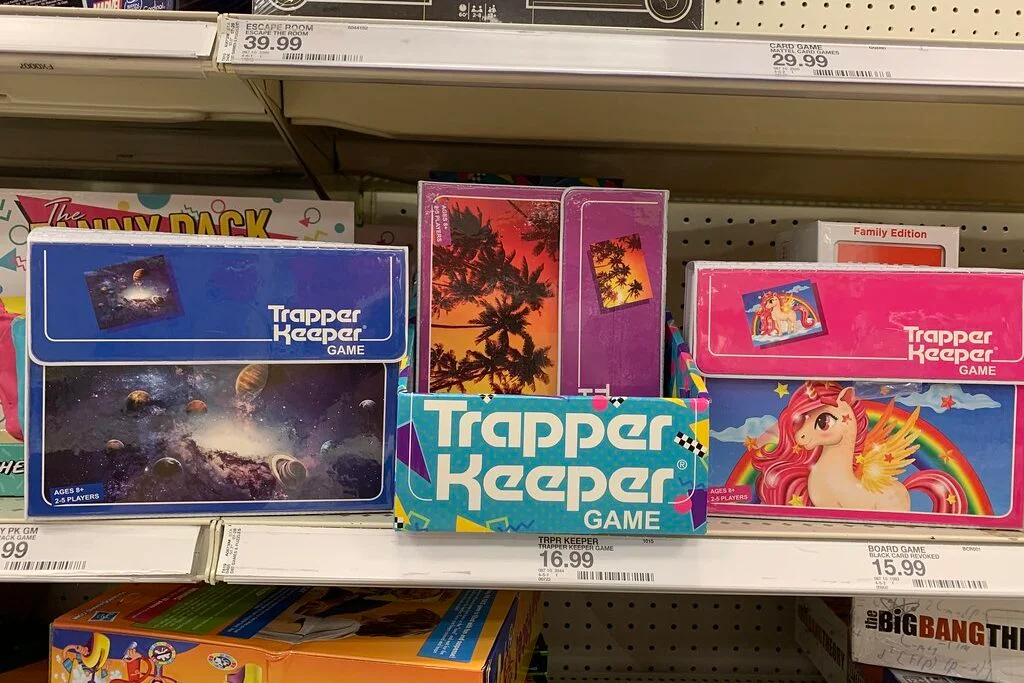
There was something about walking into class with a Trapper Keeper that just felt important. The Velcro flap made that unmistakable ripping sound every time you opened it, and everyone nearby heard it whether they wanted to or not. The designs were just as memorable, from neon geometric patterns to racing cars and puppies. It was less about organization and more about showing off your personality.
Inside, papers were held in place with those signature folders that actually trapped them, which felt oddly satisfying. It was one of the few supplies that made staying organized seem almost cool. Of course, they got bulky fast once you stuffed them with worksheets and notes. Still, for a lot of kids, it was the ultimate back-to-school status symbol.
2. Lisa Frank Folders
If you had a Lisa Frank folder, chances are it was bright enough to spot from across the classroom. The colors were almost impossibly vivid, covered in unicorns, dolphins, and wide-eyed animals that looked like they lived in a candy-colored dream world. They made even the most boring homework feel slightly more fun just by association.
Most of them didn’t survive the full school year without bending or tearing, but that didn’t really matter. They were more about expression than durability. You’d open your desk and see that burst of color, and it instantly lifted your mood. For a lot of kids, they were the highlight of school supply shopping.
3. Mechanical Pencils
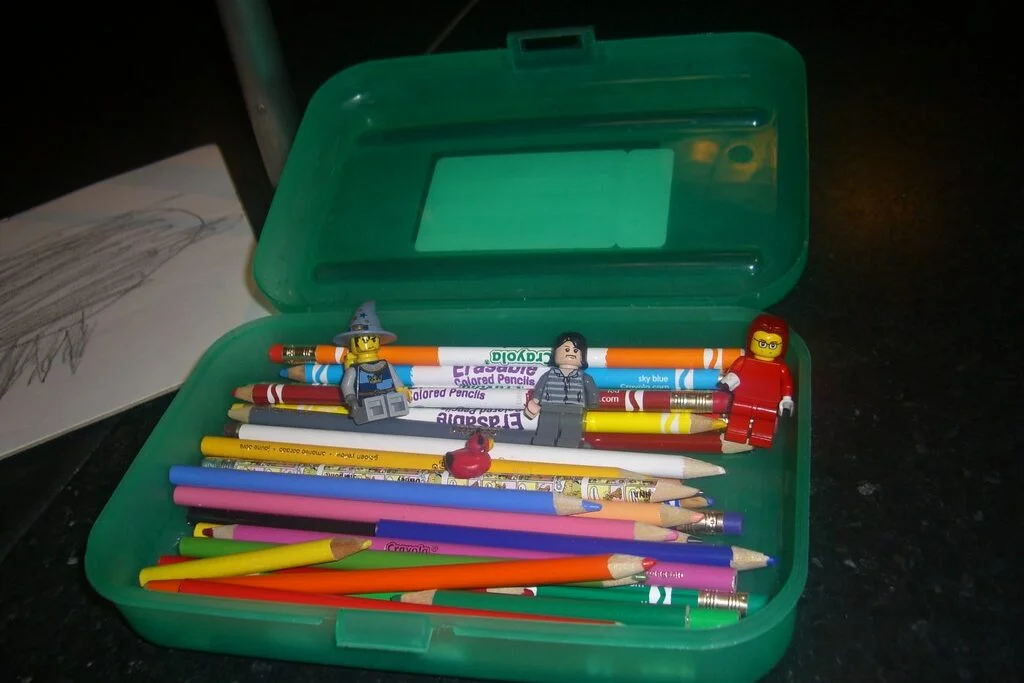
Mechanical pencils felt like a big step up from regular wooden ones. You didn’t have to deal with sharpening, and clicking out fresh lead felt oddly satisfying every single time. There was always that one kid who had the really fancy one with a grip and a clip, and everyone noticed.
Of course, they came with their own problems, like the lead snapping at the worst possible moment. You also had to remember to carry extra lead refills, which not everyone did. Still, the clean, consistent writing made them a favorite for tests and notes. They just felt a little more grown up.
4. Scented Markers
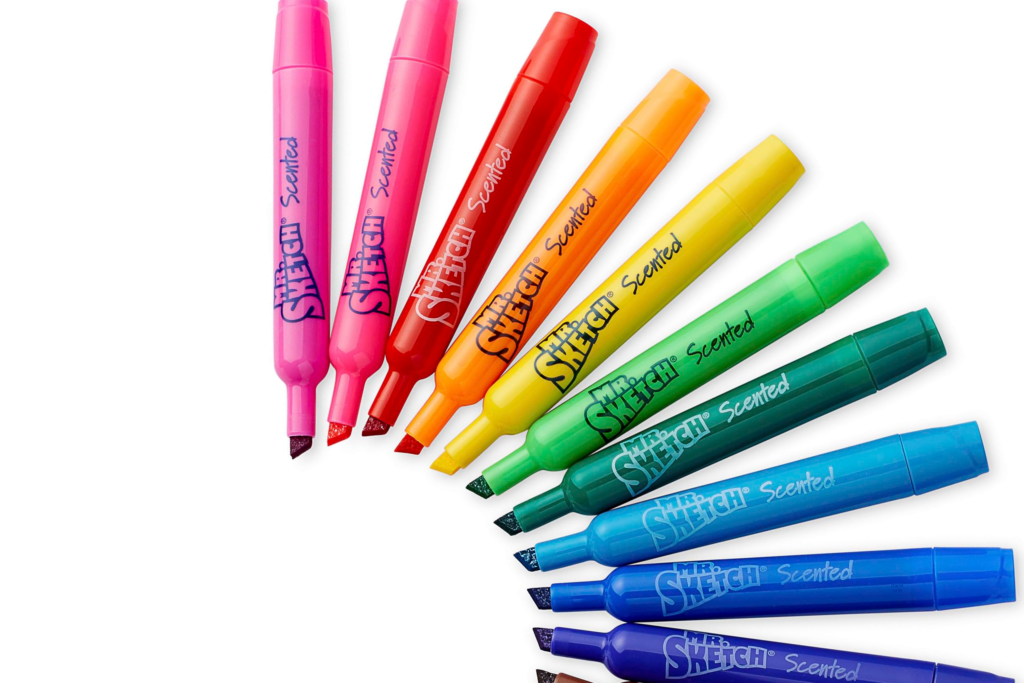
Scented markers turned coloring time into a full sensory experience. Each color had its own smell, from fruity scents like grape and cherry to ones that were supposed to be mint or chocolate. Sometimes they smelled exactly right, and sometimes they definitely didn’t, but that didn’t stop anyone from sniffing them anyway.
They were as much about the novelty as they were about actually drawing. Kids would pass them around just to compare scents and argue over which one was the best. Teachers occasionally had to remind everyone they were markers, not something to inhale all day. Still, they made art class feel a lot more fun.
5. Crayola 64 Crayon Box
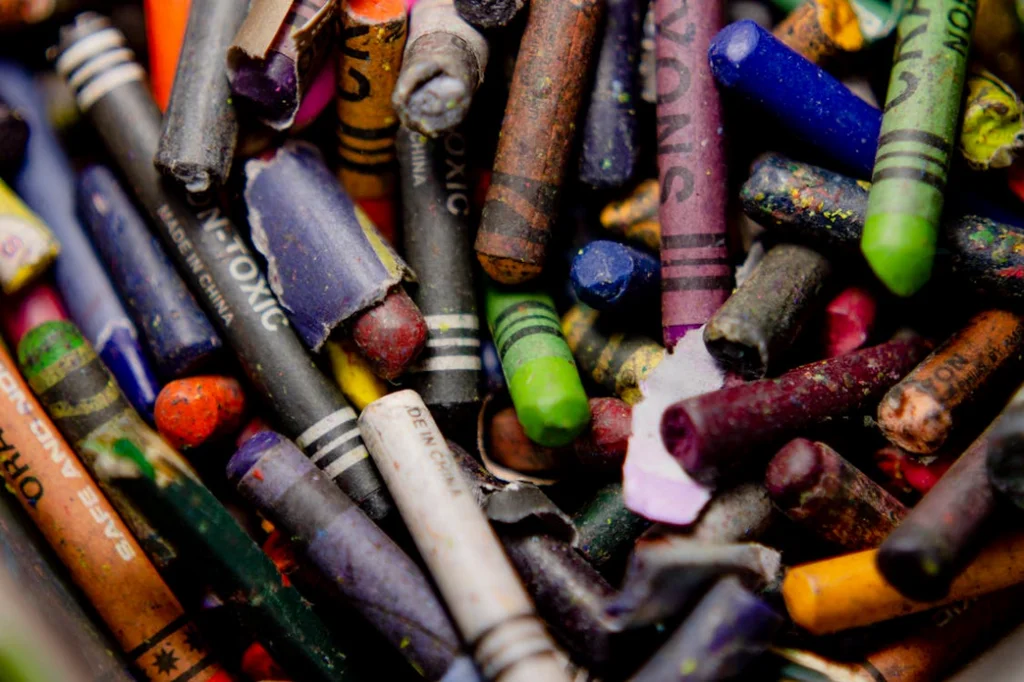
Opening a fresh box of 64 crayons felt like a major moment. The built-in sharpener on the back made it feel even more official, like you had everything you needed in one place. Seeing all those colors lined up perfectly was oddly satisfying, especially when you tried not to mess them up too quickly.
There were always a few colors everyone gravitated toward, like “Cerulean” or “Burnt Sienna,” even if you didn’t really know what they were. Eventually, the tips would break and the labels would peel, but that first day with a new box was unmatched. It made coloring feel like a serious activity. For a lot of kids, it was the gold standard of crayons.
6. Eraser Caps
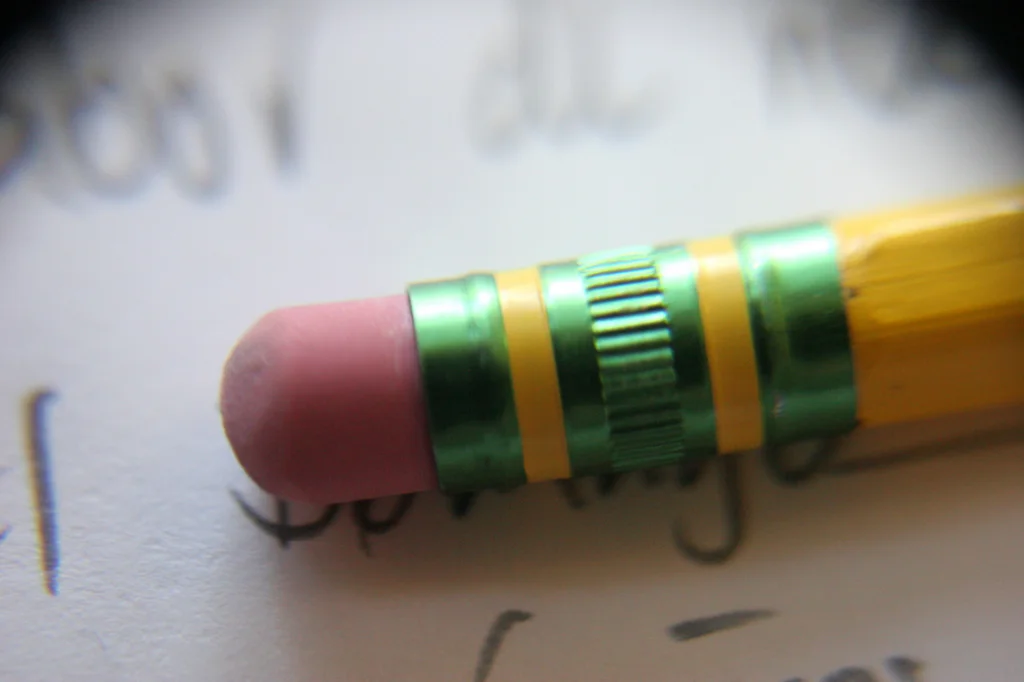
Eraser caps were one of those small things that felt surprisingly essential. You’d slide them onto the end of your pencil to replace the worn-down eraser, instantly giving it a second life. They came in bright colors, which made even fixing mistakes feel a little more fun.
They didn’t always stay on perfectly, and sometimes they’d fall off and disappear under a desk. Still, they were a quick solution when your pencil’s eraser was completely gone. Kids would trade them or collect different colors just because they could. It was a simple upgrade that made a big difference.
7. Composition Notebooks
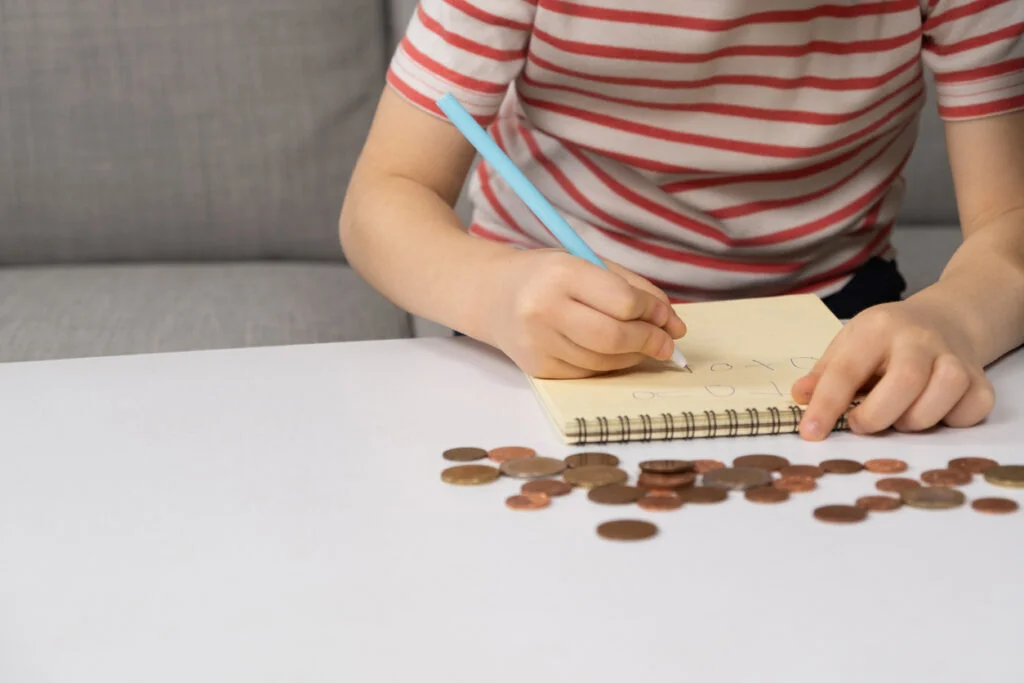
Those black-and-white marbled composition notebooks were everywhere. They had a very specific look that never really changed, which somehow made them feel official. Teachers often required them for certain subjects, so you’d end up with a stack of them in your backpack.
Inside, the pages had that slightly rough texture that made writing feel different than loose-leaf paper. The inside cover sometimes had helpful charts or facts that you’d glance at during class. Over time, they’d get bent and worn, especially at the corners. Still, they held everything from notes to doodles to random thoughts.
8. Gel Pens
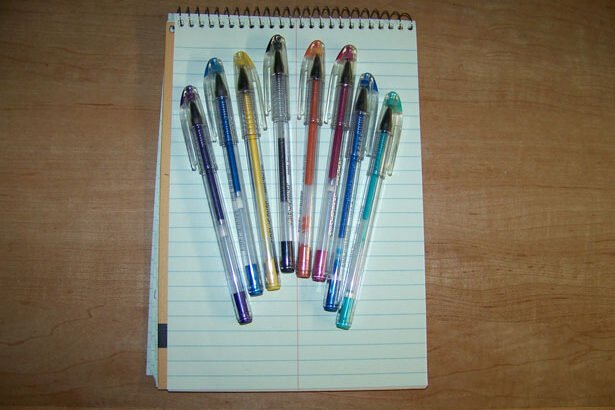
Gel pens made writing feel a lot more exciting than it probably should have. The ink flowed smoothly, and the colors were brighter and more varied than standard pens. Some even had glitter or metallic finishes, which felt like a big deal at the time.
They weren’t always practical, especially when the ink smudged or took too long to dry. Still, people used them for everything from notes to decorating notebooks. There was always that one color everyone wanted to borrow. They turned everyday writing into something a little more creative.
9. Pencil Boxes
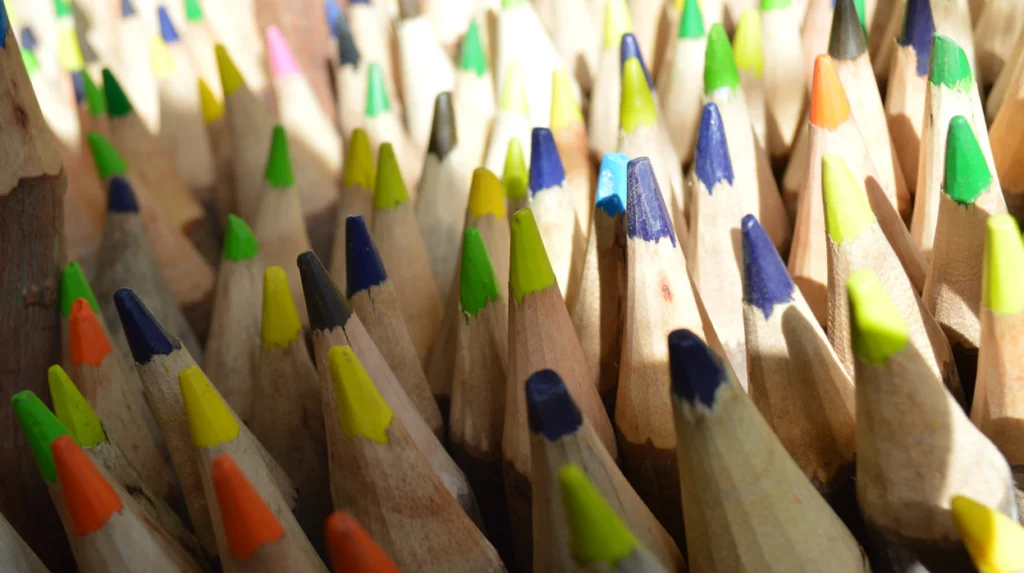
Pencil boxes were like a mini storage unit for your desk supplies. They usually snapped shut with a plastic latch, and opening them revealed a mix of pencils, erasers, and whatever else you managed to fit inside. Some had trays or compartments, which made organizing feel more official.
Over time, they became a bit of a catch-all for random items, from paper clips to tiny notes. The plastic ones sometimes cracked, especially if they got dropped too many times. Still, they kept everything in one place, which was half the battle. For a lot of kids, it was their personal little workspace.
10. Book Covers

Book covers were a rite of passage at the start of every school year. Some were store-bought with bright designs, while others were made from paper grocery bags. Decorating them was part of the fun, whether you drew on them or covered them in stickers.
They helped protect textbooks, but they also became a canvas for creativity. Over time, they’d get wrinkled or torn, especially the homemade ones. Still, they gave each book a personal touch. You could spot your own from across the room.
11. Highlighters
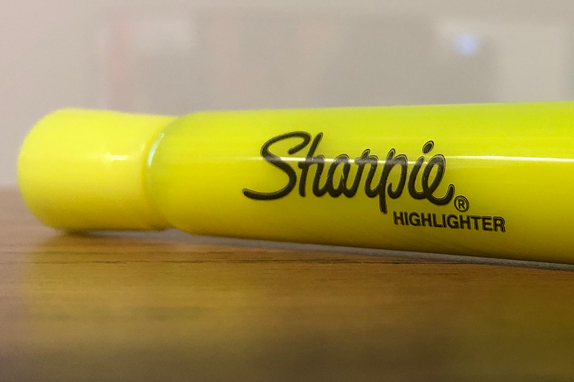
Highlighters made studying feel a little more organized, even if you weren’t entirely sure what you were doing. The bright neon colors stood out on the page, making key information easier to find later. Yellow was the classic choice, but pink, green, and blue were always in the mix.
Sometimes people went a little overboard and highlighted almost everything. Still, they were useful for breaking down notes and textbooks. The chisel tip made it easy to switch between thick and thin lines. They quickly became a staple in older grades.
12. Three-Ring Binders
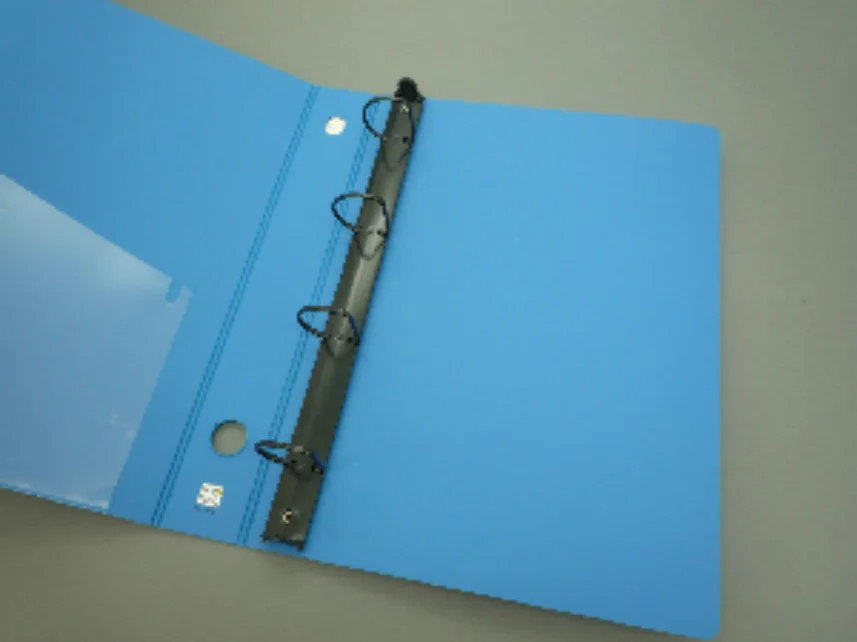
Three-ring binders were the backbone of staying organized, or at least trying to. You could open the rings and add or remove pages whenever you needed, which made them more flexible than notebooks. Many had clear covers where you could slide in your own designs or schedules.
They did get heavy, especially when packed with multiple subjects’ worth of papers. The rings sometimes misaligned, making it frustrating to turn pages smoothly. Still, they kept everything together in one place. For many students, they were essential for managing a busy schedule.
13. Loose-Leaf Paper
Loose-leaf paper was one of the most basic supplies, but you couldn’t do much without it. It fit perfectly into binders, making it easy to organize notes by subject. The blue lines and red margin became instantly recognizable.
It had a tendency to tear if you weren’t careful pulling it out of a notebook. Still, it was versatile and always in demand. Borrowing a sheet from someone was a common classroom exchange. It was simple, but completely necessary.
14. Glue Sticks
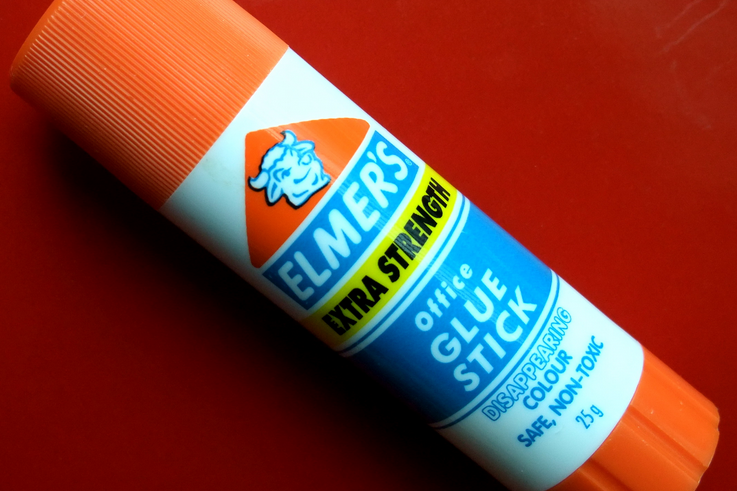
Glue sticks made arts and crafts a lot less messy than liquid glue. You could twist them up and apply just enough adhesive without worrying about spills. They were especially popular for projects that involved cutting and pasting.
They did dry out if you forgot to put the cap back on, which happened more often than anyone admitted. Still, they were quick, clean, and easy to use. Kids liked them because they were less frustrating than traditional glue. They were a small but important part of many school projects.


