1. Waiting for Saturday Morning Cartoons
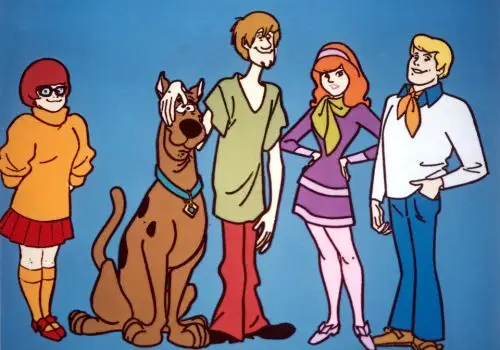
There was something almost ceremonial about waking up early on a Saturday, pouring a bowl of cereal, and planting yourself in front of the TV. You didn’t have a remote full of options or a streaming queue waiting, you had a lineup, and if you missed it, you missed it. Shows like Looney Tunes and Scooby-Doo felt like a reward after a long school week.
It made those cartoons feel more special because they weren’t always available. You’d talk about them later with friends who watched the same episodes at the same time. That shared experience is hard to replicate now when everyone is watching something different, on demand, at any hour. It wasn’t just about the cartoons, it was about the anticipation leading up to them.
2. Hearing the Ice Cream Truck From Blocks Away
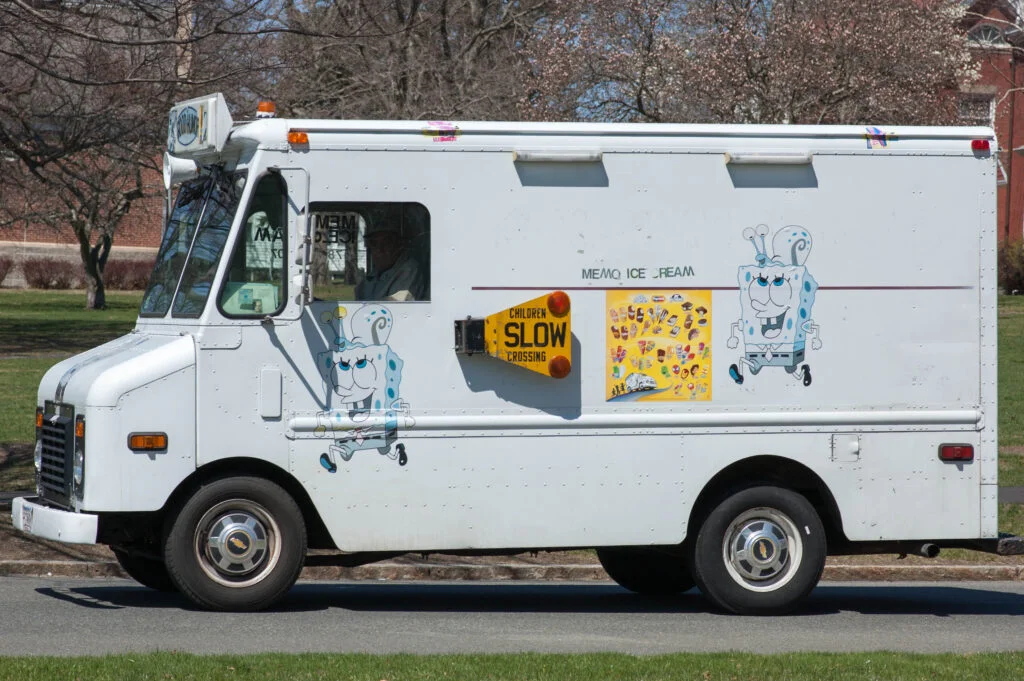
You could be doing anything, playing outside, riding your bike, or just sitting on the porch, and then you’d hear that distant music. It didn’t matter how faint it was, you knew exactly what it meant. Kids would suddenly scatter, running home to grab a few dollars or digging through couch cushions for change.
The ice cream truck felt like a moving celebration, even if all you got was a simple popsicle. There was no app to track it, no guarantee it would come down your street again that day. You had to act fast or miss your chance entirely. That urgency made even the smallest treat feel like a big event.
3. Rewinding VHS Tapes Before Returning Them
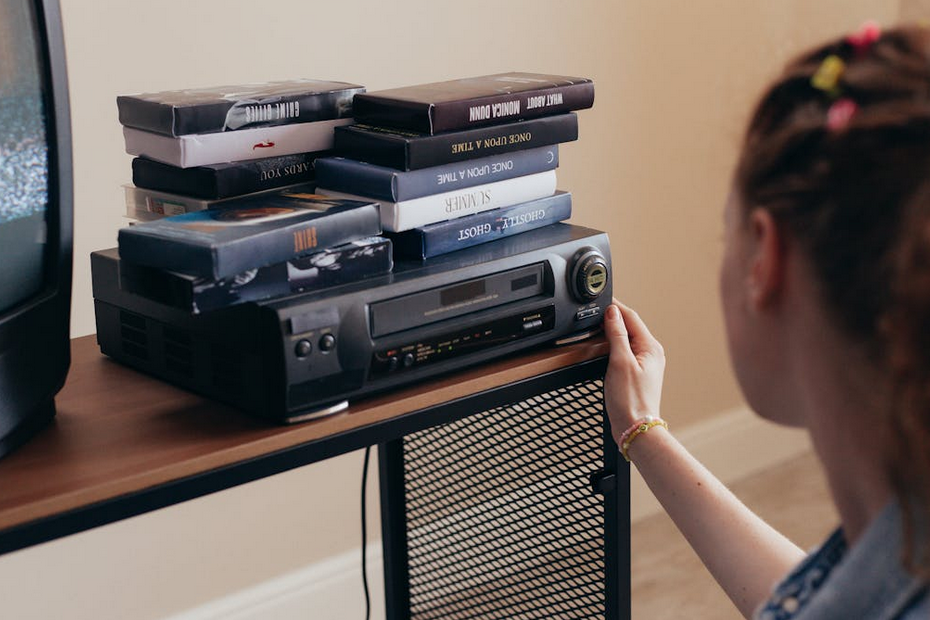
Renting a movie used to come with responsibility, and one of the unspoken rules was rewinding the tape before returning it. If you forgot, you risked that little sticker warning or even a fee. Sitting there watching the tape slowly rewind felt like part of the ritual.
It also meant the next person could start the movie right away, which somehow felt like a courtesy you owed a stranger. Today, everything just resets automatically, and no one thinks twice about it. Back then, it was a small but meaningful habit that made you feel like part of a shared system. It added a strange sense of accountability to movie night.
4. Calling a Friend’s House and Talking to Their Parents First

When you called a friend, you didn’t get them right away, you got whoever answered the phone. That often meant an awkward but polite conversation with their mom or dad. You’d carefully ask, “Is so-and-so home?” and hope you sounded respectful enough.
It taught a kind of social skill that texting has mostly erased. You had to be comfortable speaking to adults and navigating those brief exchanges. Sometimes you’d even end up chatting for a minute before your friend came to the phone. It made communication feel a little more formal, but also more personal.
5. Riding Bikes Until the Streetlights Came On
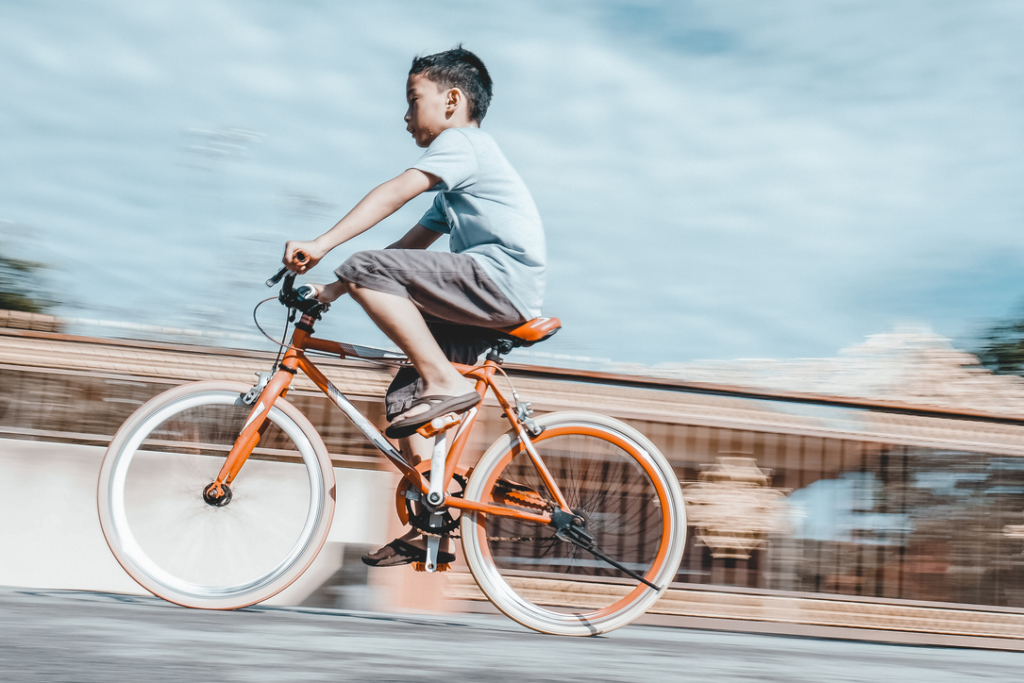
There was a universal understanding in many neighborhoods that when the streetlights flickered on, it was time to head home. Until then, kids had a kind of freedom that felt wide open. You’d ride bikes, explore nearby streets, and lose track of time completely.
No one was constantly checking in with a phone or tracking your location. Your boundaries were set by familiarity and trust rather than technology. It gave you a sense of independence that built naturally over time. That simple routine marked the rhythm of long summer days.
6. Passing Notes in Class
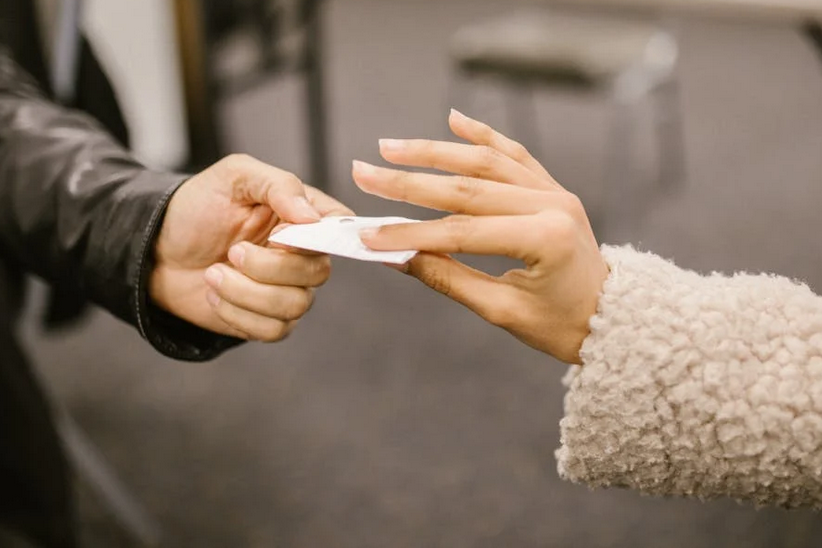
Before texting, if you had something to say during class, you wrote it down and carefully folded the paper. Passing it along without getting caught was almost an art form. There was always a little thrill in seeing if it would make it to its destination.
Sometimes the message itself wasn’t even that important, it was the act of sending it. Teachers would occasionally intercept them, which only added to the risk. It made communication feel a little more creative and a lot more exciting. Even the folds and doodles became part of the memory.
7. Blowing Into Video Game Cartridges
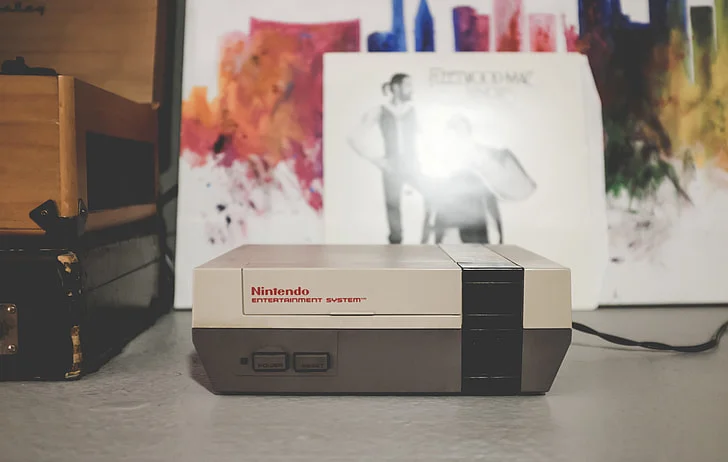
If a game wouldn’t load, there was one go-to solution: take it out and blow into the cartridge. Whether or not it actually worked every time, it felt like it did. You’d slide it back in, press power, and hope for the best.
It became such a shared habit that almost everyone believed in it. There was no troubleshooting guide or quick online fix, just trial and error. When the game finally started, it felt like you had solved something. That small victory made playing even more satisfying.
8. Recording Songs Off the Radio

If you loved a song, you had to wait for it to come on the radio and be ready to record it. That meant sitting near the stereo with your finger hovering over the record button. Timing was everything, and sometimes you still caught the DJ talking at the beginning or end.
Those imperfections didn’t matter because it was your version of the song. You created your own mix tapes this way, track by track. It took patience and a bit of luck to build a good collection. That effort made the final tape feel personal in a way playlists rarely do now.
9. Using a TV Guide to Plan What to Watch

Instead of scrolling endlessly, you flipped through a TV Guide to see what was coming on. You’d circle shows you didn’t want to miss or memorize the times. Planning your viewing felt like part of the experience.
If two shows you liked were on at the same time, you had to choose. There was no easy way to watch both unless you recorded one. It made you more intentional about what you watched. That sense of planning gave even simple TV nights a bit of structure.
10. Getting Film Developed and Waiting for Photos
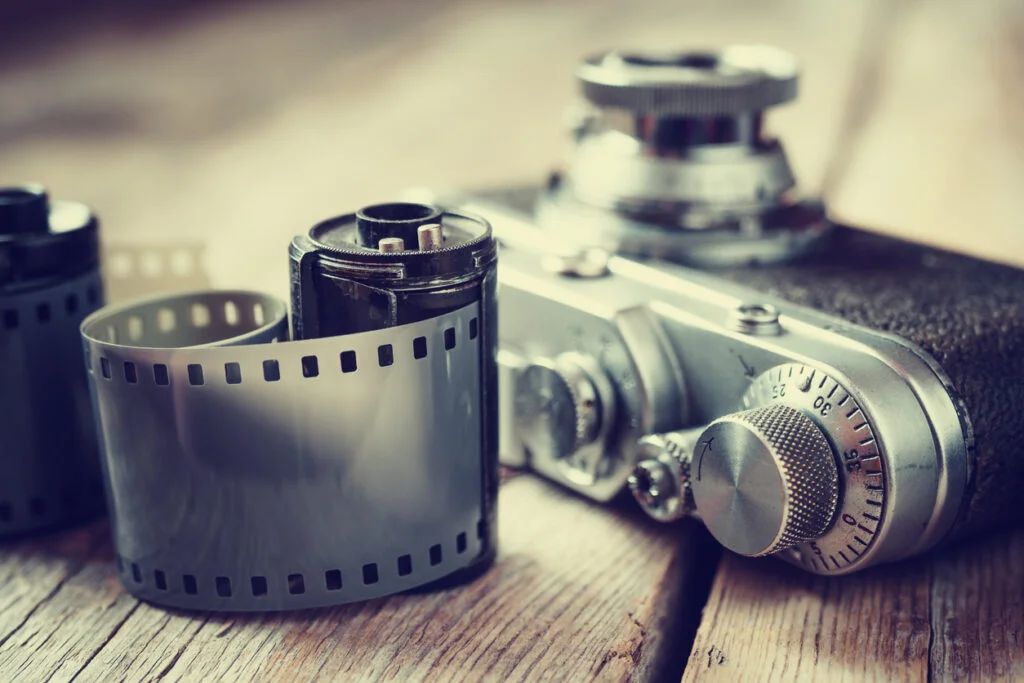
Taking pictures used to come with a waiting period that could last days or even weeks. You’d drop off a roll of film and then wait to see how everything turned out. There was always a mix of excitement and uncertainty.
Sometimes half the photos didn’t come out, and you wouldn’t know until later. But the good ones felt even more meaningful because they weren’t instant. You’d gather around and flip through them together. That delayed payoff made the memories feel more tangible.
11. Playing Outside Without a Schedule
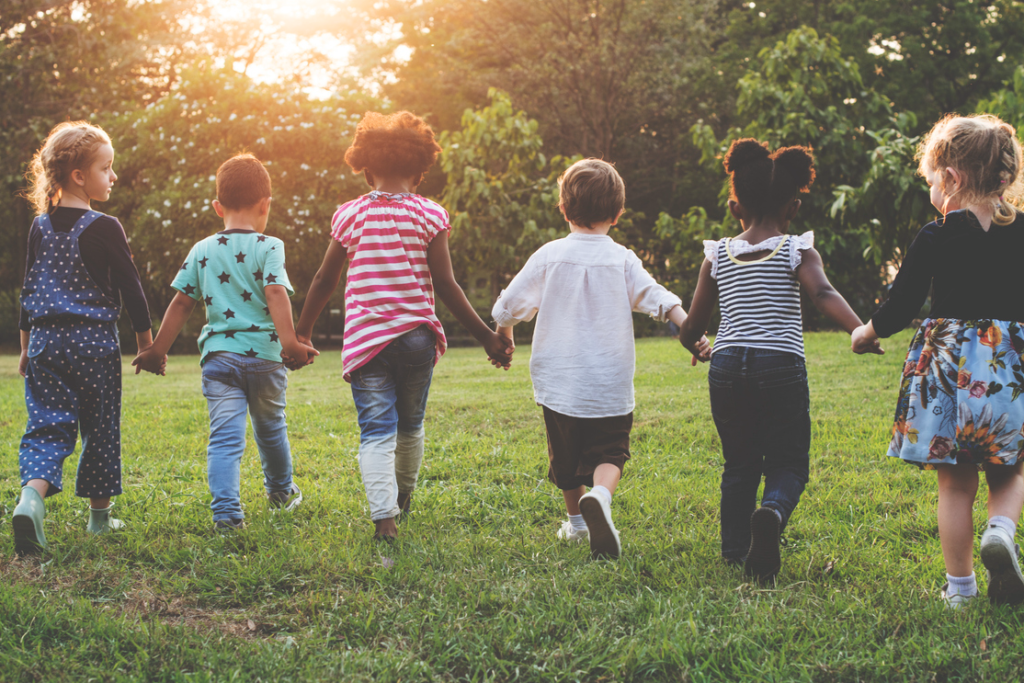
Kids often spent hours outside with no strict plan, just figuring things out as they went. You’d knock on a friend’s door or just see who was already outside. The day unfolded naturally.
There wasn’t a constant stream of organized activities or digital distractions pulling you inside. Imagination filled in the gaps, whether you were making up games or exploring. It gave you space to be bored, which often led to creativity. That kind of unstructured time is harder to come by now.
12. Memorizing Phone Numbers
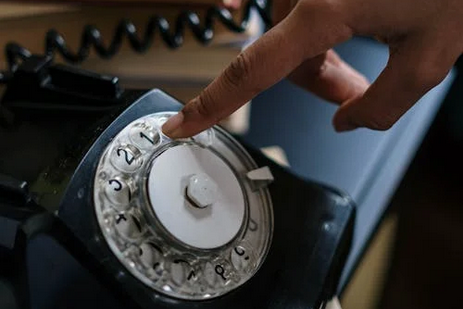
Before smartphones stored everything, you actually knew people’s phone numbers by heart. It wasn’t unusual to remember several numbers without thinking about it. Repetition made them stick.
If you needed to call someone, you just dialed from memory. There was a certain confidence that came with that. Now, most people rely entirely on contacts lists. That small mental exercise has mostly disappeared.
13. Renting Movies at a Video Store
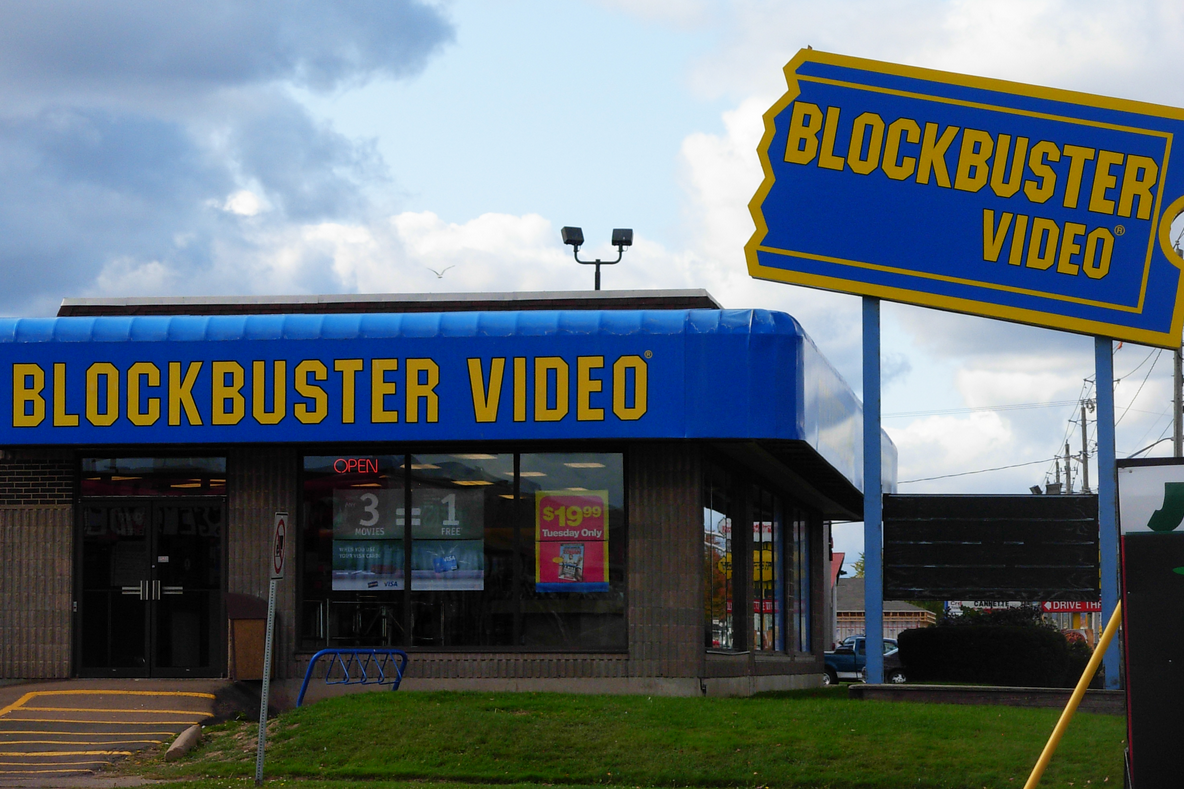
Walking into a video store meant browsing shelves, reading the backs of cases, and debating what to pick. New releases were often checked out, so you had to have backup options. It turned choosing a movie into an event.
You might end up picking something unexpected just because it was available. That element of chance sometimes led to discovering favorites. The physical act of browsing made it more interactive. It wasn’t just about watching a movie, it was about the experience of choosing it.
14. Writing Letters to Friends or Pen Pals
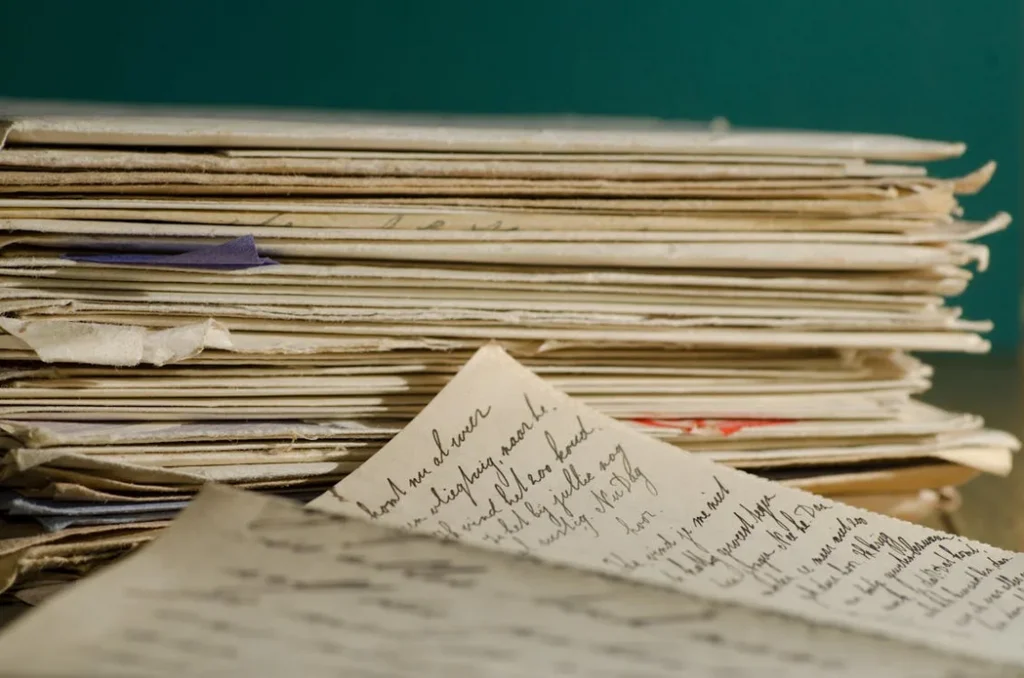
Staying in touch sometimes meant sitting down and writing a letter by hand. You’d think carefully about what to say because it might be days before you got a response. It made communication feel slower but more thoughtful.
Opening a letter felt different from reading a text. You could see someone’s handwriting and maybe even little drawings or extras inside. It added a personal touch that digital messages don’t always capture. That slower pace gave conversations a different kind of depth.
15. Sharing a Single Family Computer

Many households had just one computer, often in a shared space like the living room or a corner of the house. If you wanted to use it, you had to wait your turn. That naturally limited how much time anyone spent on it.
It also meant everyone had a general awareness of what others were doing online. There was less isolation compared to having personal devices. The internet felt more like a shared activity than a private one. That dynamic has shifted significantly over time.
16. Waiting for Your Favorite Song on MTV

You couldn’t just search for a music video, you had to wait for it to be played. Channels like MTV controlled the schedule, and you hoped your favorite song would come on. When it did, it felt like perfect timing.
Sometimes you’d sit through several other videos just to catch the one you wanted. That made finally seeing it more satisfying. It also exposed you to songs you might not have chosen yourself. That mix of patience and discovery is mostly gone now.
17. Using Encyclopedias for School Projects

Research often meant pulling out a heavy set of encyclopedias and flipping through volumes. You’d look up topics alphabetically and take notes by hand. It required more effort but also more focus.
There was no quick search bar to jump directly to an answer. You often stumbled across other interesting information along the way. That process encouraged curiosity in a different way. It made learning feel a bit more like an exploration.
18. Waiting for Dial-Up Internet to Connect
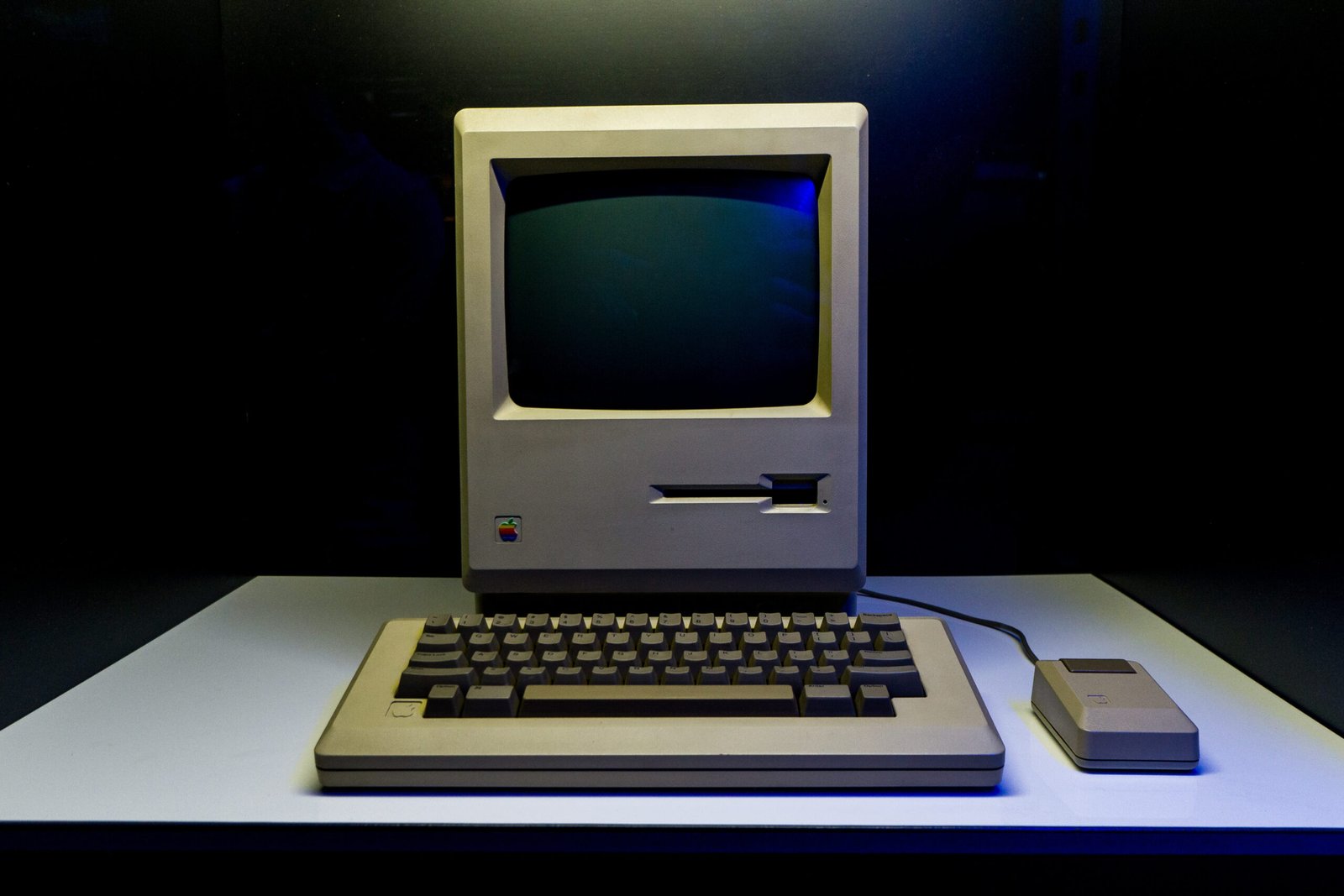
Connecting to the internet used to involve a series of unmistakable sounds from a dial-up modem. You had to wait while it established a connection, and you couldn’t use the phone at the same time. It was a slower, more deliberate process.
Once you were online, you tried to make the most of it because it wasn’t always convenient. Pages loaded gradually, and patience was required. That limitation made access feel more intentional. It’s a stark contrast to the constant, high-speed connectivity people expect today.
19. Collecting and Trading Cards
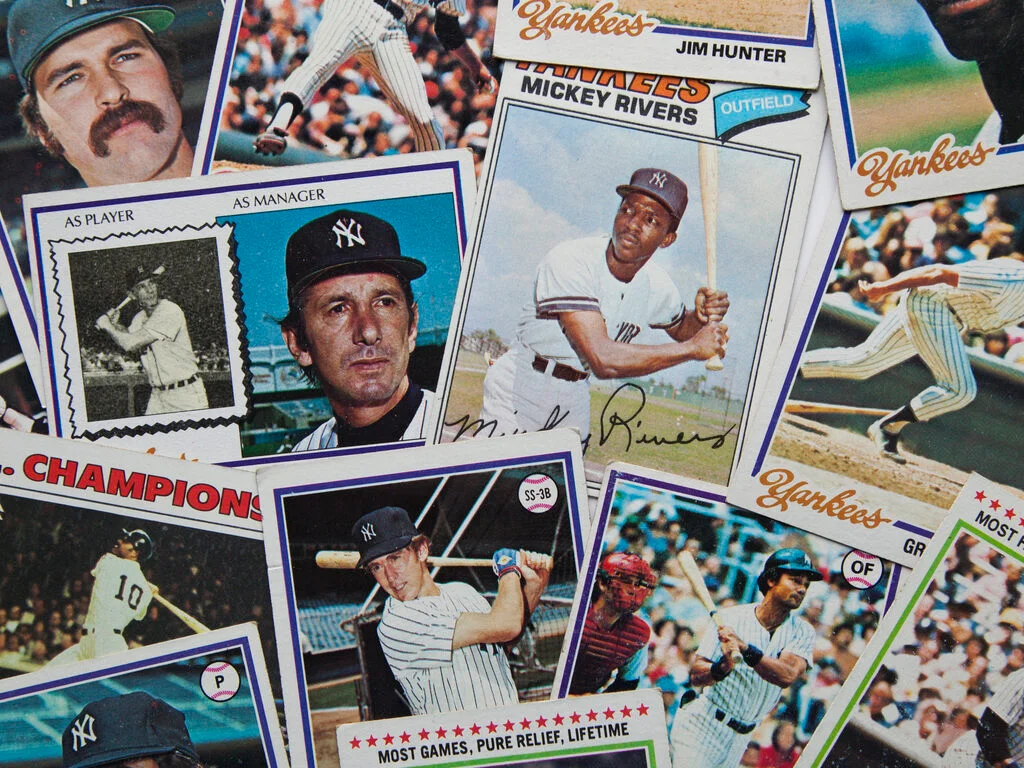
Whether it was baseball cards or trading card games, collecting had a social element. You’d compare what you had with friends and negotiate trades. Finding a rare card felt like a major win.
It wasn’t just about owning the cards, it was about the conversations around them. You learned to value things differently based on scarcity and demand. That hands-on trading experience taught basic negotiation skills. It also gave you something tangible to share.
20. Watching a Movie Without Pausing It

Once a movie started, that was it, you were committed. There was no pausing to grab snacks or check your phone. If you missed something, you either lived with it or waited to watch it again another time.
It encouraged you to pay closer attention from start to finish. The experience felt more immersive because there were fewer interruptions. Watching something became a dedicated activity rather than something you multitasked. That level of focus is harder to maintain now.