1. Arnold’s Drive-In (Happy Days)
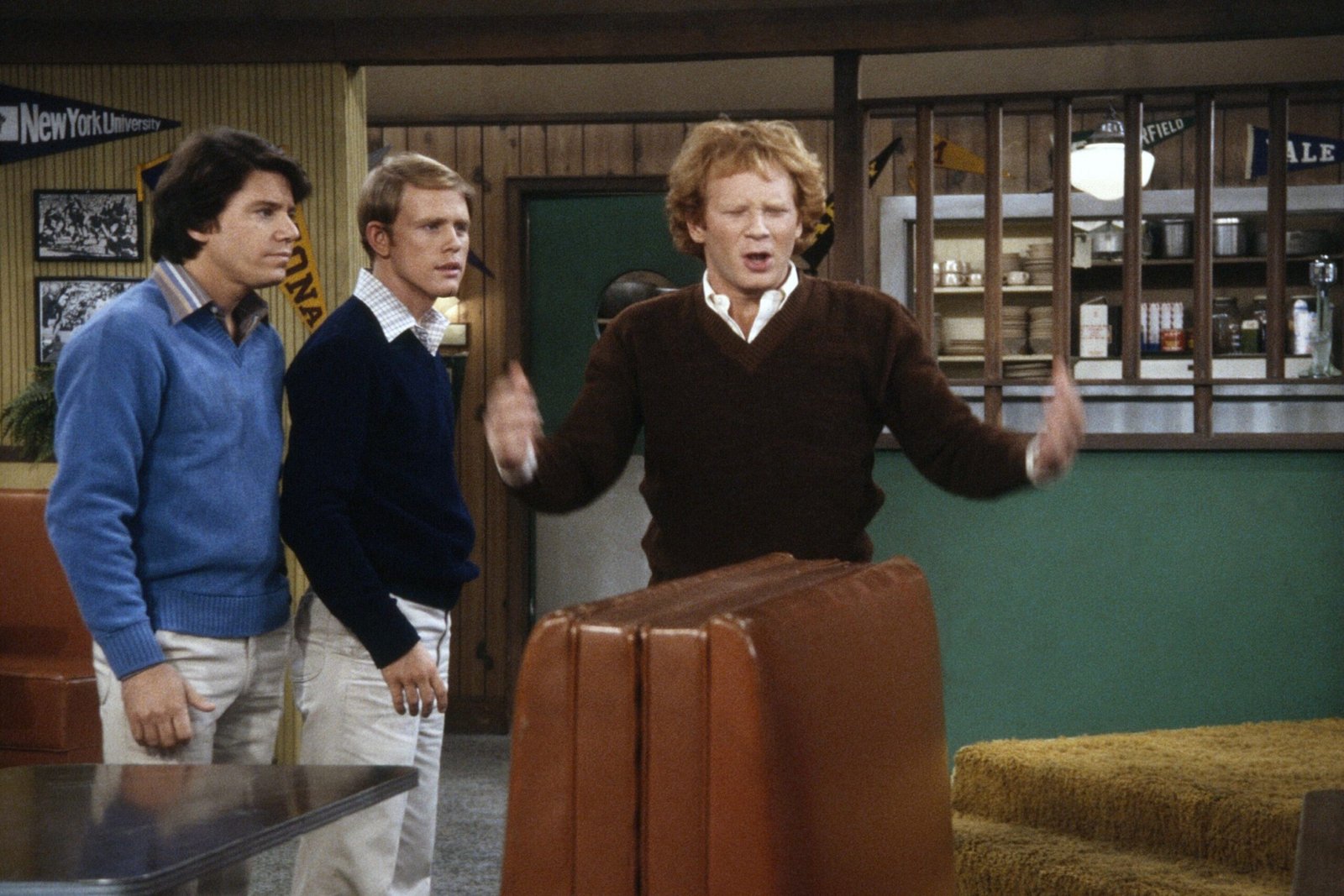
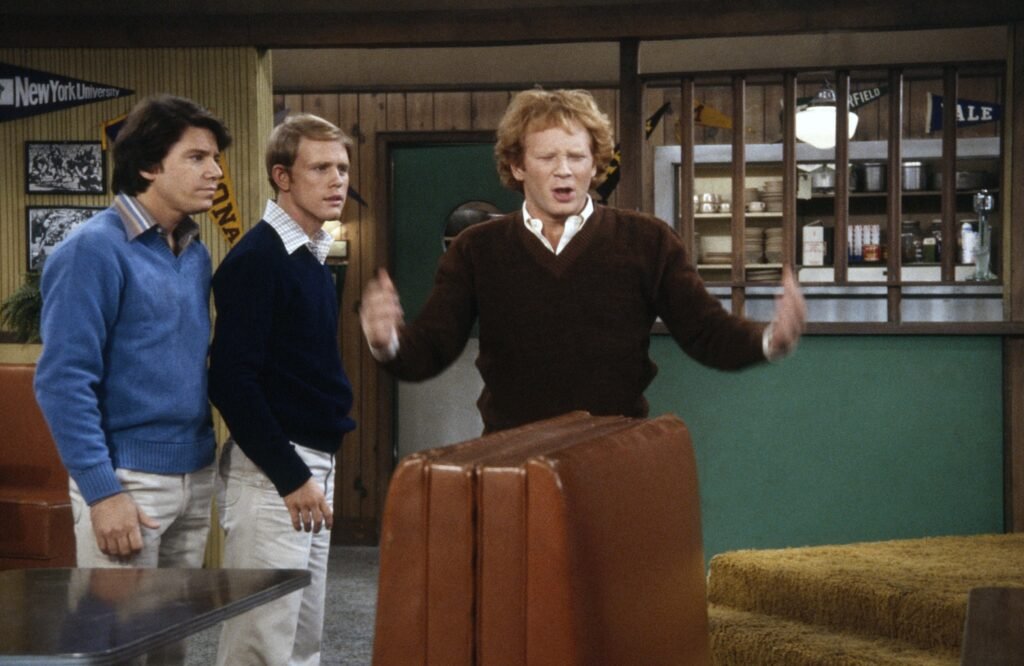
Arnold’s wasn’t just a burger joint, it was the center of the universe in Happy Days. Everyone ended up there eventually, whether they were celebrating, sulking, or waiting for Fonzie to make an entrance. The booths felt like safe ground where problems could be talked through over fries and milkshakes. Even when nothing much was happening, you still wanted to hang out there.
What made Arnold’s special was how it blended routine with excitement. You never knew who would walk in or what small-town drama would unfold next. It felt friendly, familiar, and completely welcoming. If you lived in that world, you’d probably have your usual seat.
2. The Apartment on Santa Monica Boulevard (Three’s Company)

Jack, Janet, and Chrissy’s apartment looked like nonstop fun from the outside. People were always popping in unannounced, usually at the worst possible moment. The misunderstandings practically lived in the living room. Somehow, it still felt like the place you wanted to be.
The apartment had that lived-in, slightly chaotic energy that made it feel real. It was messy in a way that suggested laughter happened there daily. You could picture yourself perched on the couch, overhearing everything. It felt like the kind of place where boredom never lasted long.
3. The Mess Tent (M*A*S*H)
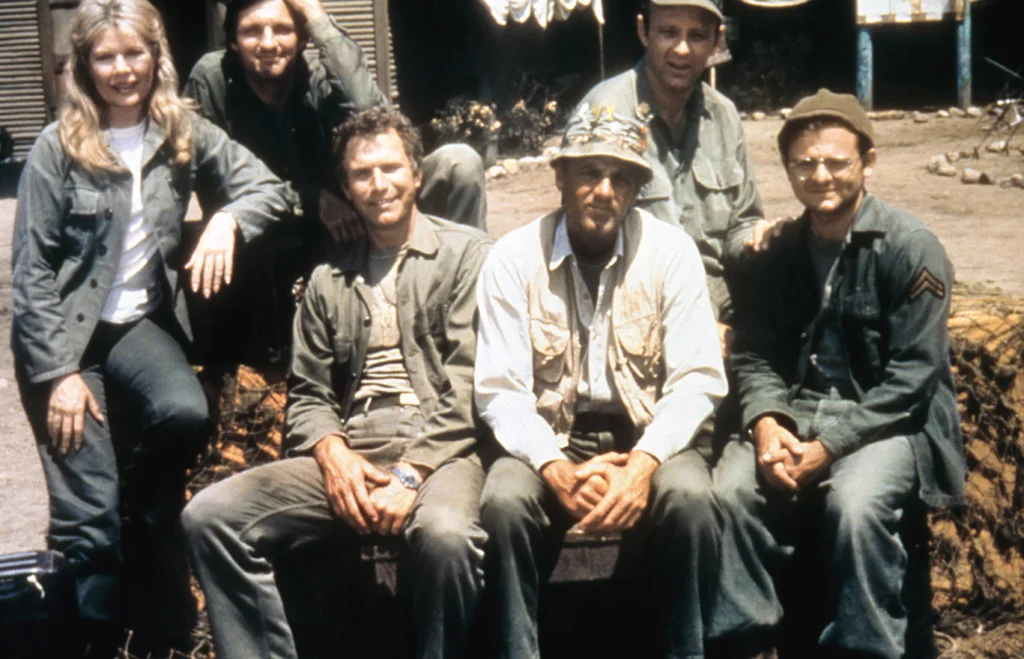
The mess tent was where the doctors and nurses of M*A*S*H truly came alive. It was loud, sarcastic, and full of emotional whiplash. One minute you were laughing at a joke, the next you were confronting something heavy. That mix made it unforgettable.
Despite the war outside, the tent felt like a strange kind of refuge. It was where friendships formed and tension was released. You didn’t go there for peace and quiet, you went for connection. That’s why it stuck with viewers.
4. The Brady House Living Room (The Brady Bunch)

The Brady living room felt endlessly calm and reassuring. Problems were always solved there, usually before the episode ended. Everyone fit on that staircase or couch somehow. It was the ultimate family gathering spot.
What made it appealing was its predictability. You knew tough moments would be handled kindly. The space felt warm without being flashy. It was the kind of room where you felt safe just sitting and listening.
5. The Pizza Bowl (Laverne & Shirley)
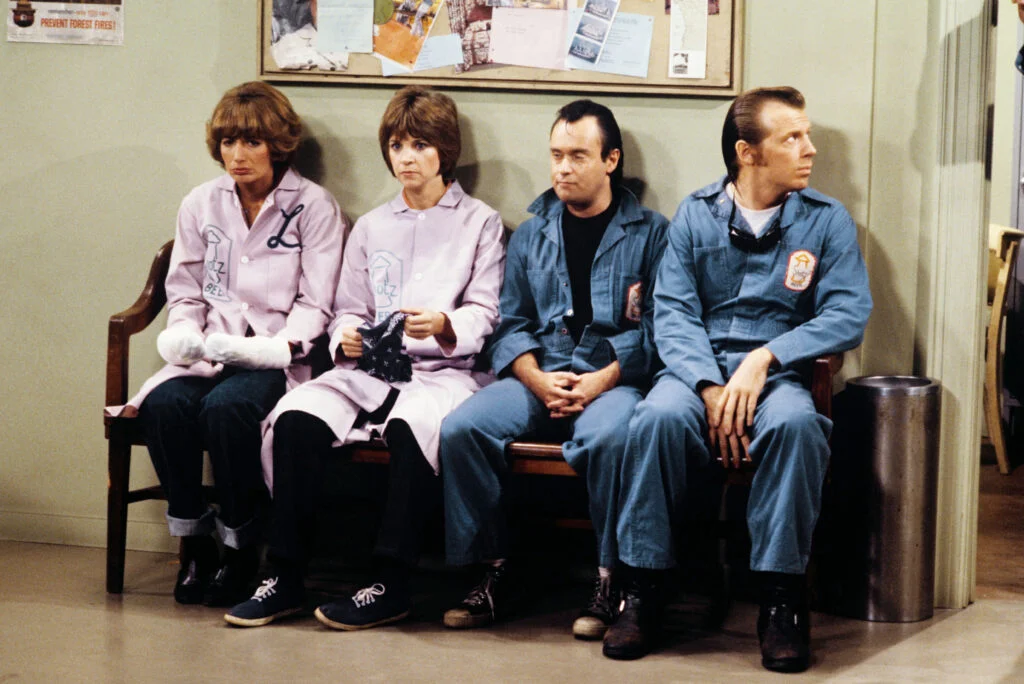
The Pizza Bowl was loud, greasy, and full of personality. Laverne and Shirley didn’t just work there, they lived a lot of their lives there. Friends wandered in, bosses hovered, and conversations flowed easily. It never pretended to be anything fancy.
That’s exactly why it was so appealing. It felt like a real place where real people hung out after long days. You could imagine the smell of pizza lingering in the air. It was comfort food in location form.
6. The Sunshine Cab Company Garage (Taxi)

The garage in Taxi wasn’t glamorous, but it was where everyone regrouped. Drivers drifted in and out, killing time and sharing stories. It was part break room, part therapy session. Somehow, it became cozy.
The appeal came from its honesty. No one was pretending their life was perfect there. It was messy, cramped, and full of heart. You wanted to sit on those worn chairs and listen.
7. The WJM-TV Newsroom (The Mary Tyler Moore Show)
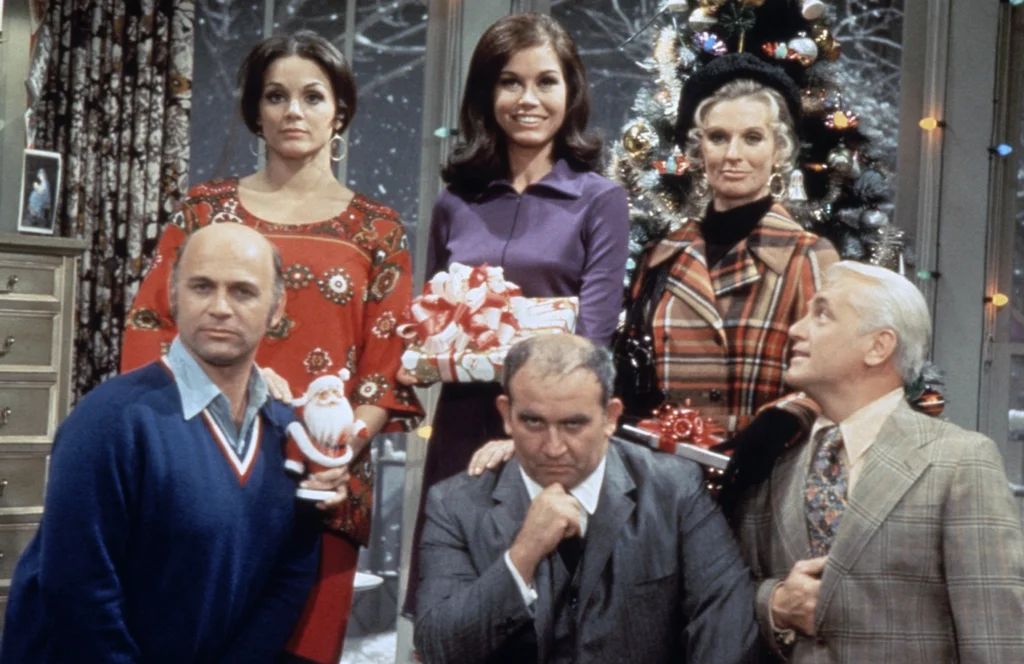
The newsroom felt busy but supportive at the same time. Deadlines loomed, jokes flew, and everyone seemed genuinely invested in one another. It made work look meaningful and even fun. That was a powerful fantasy.
You wanted to be there because it felt purposeful. People argued, but they respected each other. There was a sense of belonging that came from shared effort. It made office life seem oddly inviting.
8. Archie Bunker’s Living Room (All in the Family)
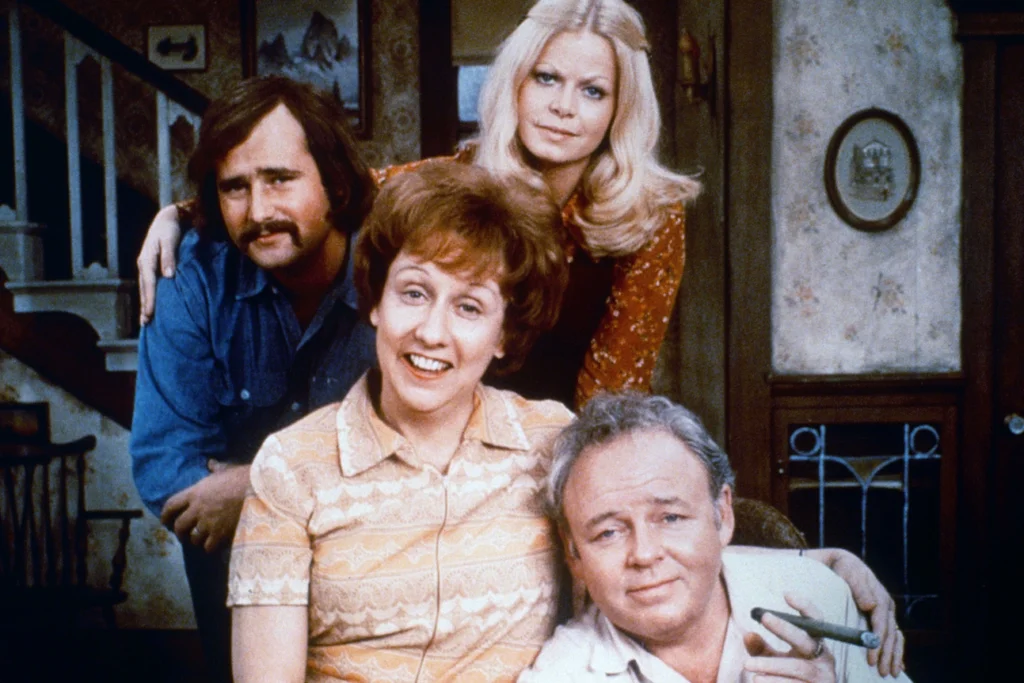
That living room was the battleground of opinions. Conversations were loud, uncomfortable, and often hilarious. People didn’t always agree, but they kept talking. It felt electric because of that tension.
You didn’t want to be there for comfort, you wanted to be there for honesty. It was a place where real issues were aired out. The space forced interaction. It made watching feel like eavesdropping on something important.
9. The Jeffersons’ Apartment (The Jeffersons)
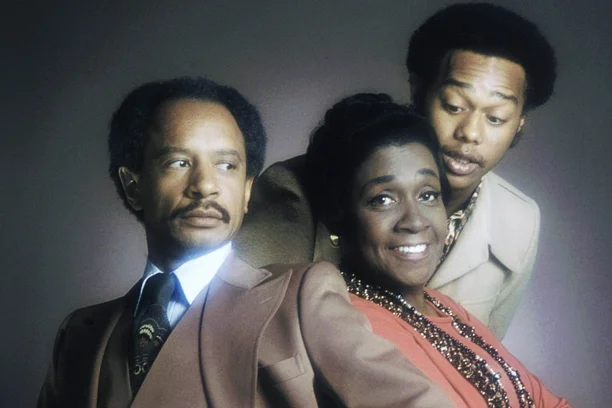
The Jeffersons’ apartment represented success and pride. It was stylish, bright, and full of energy. Friends and neighbors constantly passed through. The space felt alive with ambition.
What made it appealing was the confidence it radiated. You could feel how far the characters had come just by standing there. It was celebratory without being stiff. You wanted to hang out and soak that in.
10. The Evans Family Apartment (Good Times)
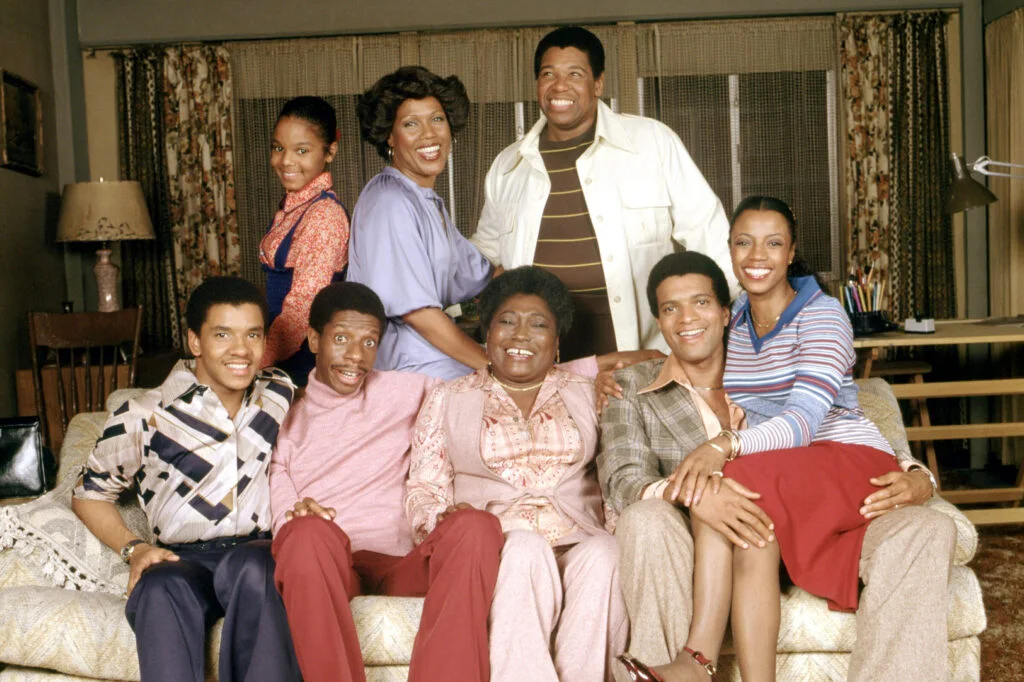
The Evans apartment was small, but it held enormous heart. Family and neighbors gathered there to talk things through. Laughter and hardship existed side by side. That honesty made it powerful.
You wanted to be there because it felt genuine. People supported one another in that space. It wasn’t about comfort, it was about resilience. That made it memorable.
11. Mr. Kotter’s Classroom (Welcome Back, Kotter)
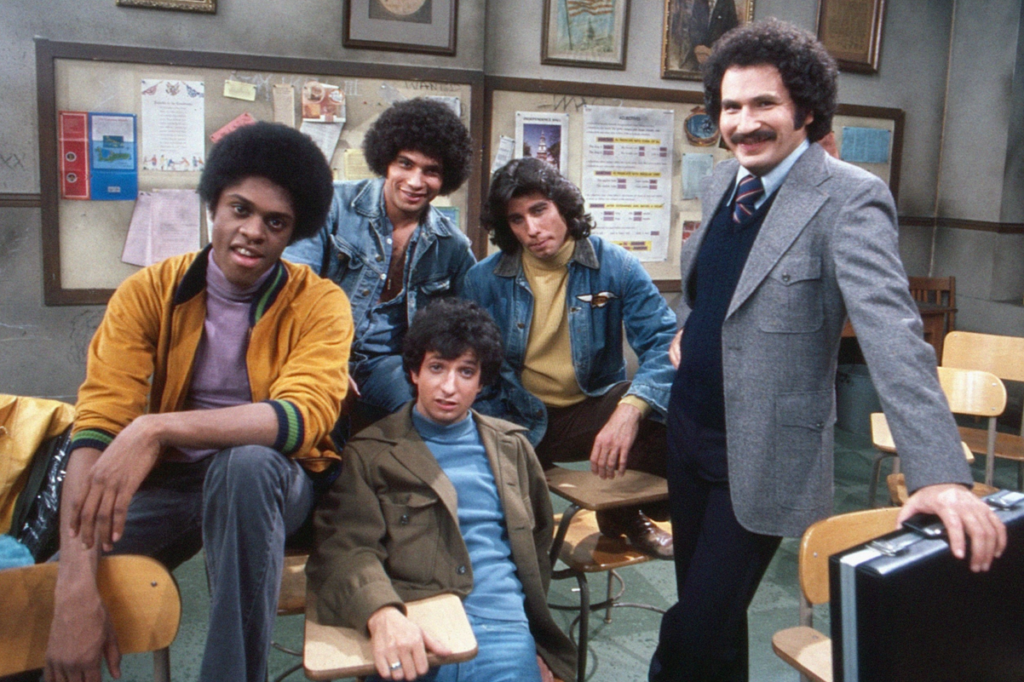
This classroom didn’t feel like school as much as a clubhouse. Students talked back, joked around, and actually seemed heard. Mr. Kotter made it feel safe to be yourself. That was rare.
You wanted to be there because it broke the rules in the best way. It was chaotic, but caring. Learning happened almost accidentally. That made it appealing.
12. Sanford and Son’s Junkyard (Sanford and Son)
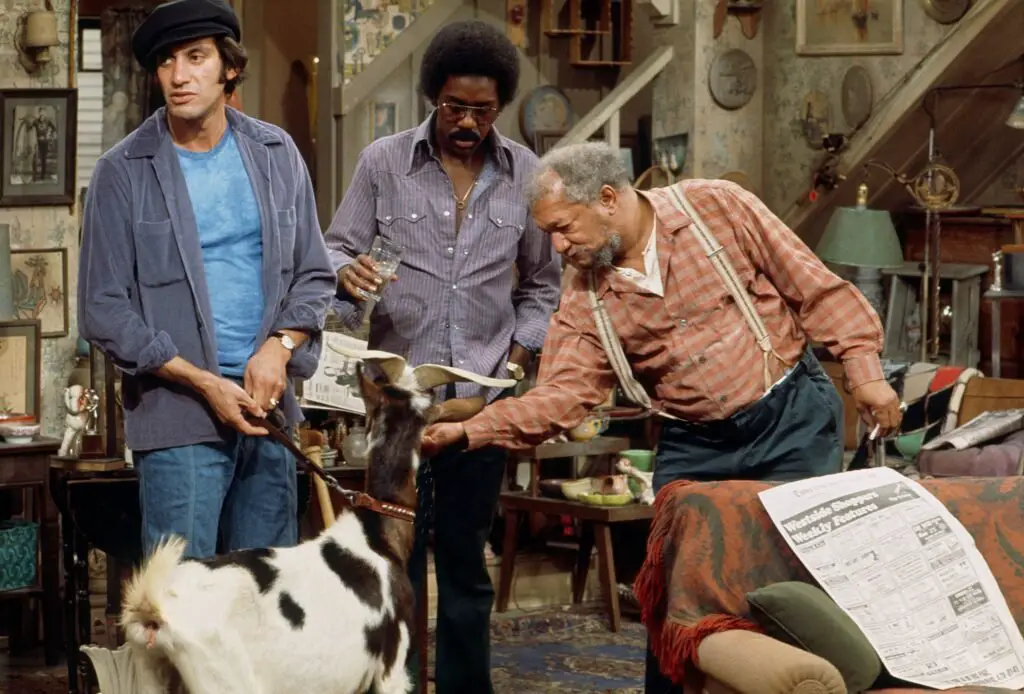
The junkyard was cluttered, loud, and full of personality. Friends wandered through constantly, usually uninvited. Arguments erupted and resolved just as fast. It felt oddly homey.
What made it inviting was the warmth beneath the chaos. You knew you’d be entertained just standing there. Every object felt like it had a story. It was messy, but full of life.