
1. Julie Andrews
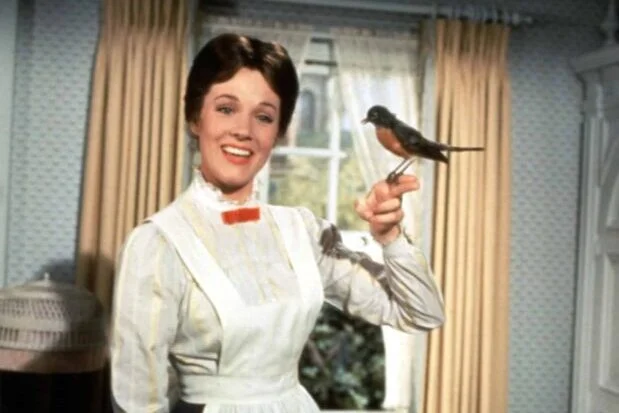
Julie Andrews was one of those rare performers who seemed physically incapable of being bad at anything. She could sing with precision, act with warmth, and move with a grace that made even stiff choreography feel natural. In the early ’60s, she stepped effortlessly between stage and screen, bringing a sense of intelligence to roles that could have easily been one note. Audiences trusted her immediately, which is not something you can train.
What really set Andrews apart was how seriously she took her craft without ever seeming distant. She could anchor a family musical one moment and bring emotional depth to a dramatic scene the next. Her timing was impeccable, whether she was delivering a joke or holding a quiet pause. It felt like she was always fully in control, but never showy about it.
2. Sidney Poitier
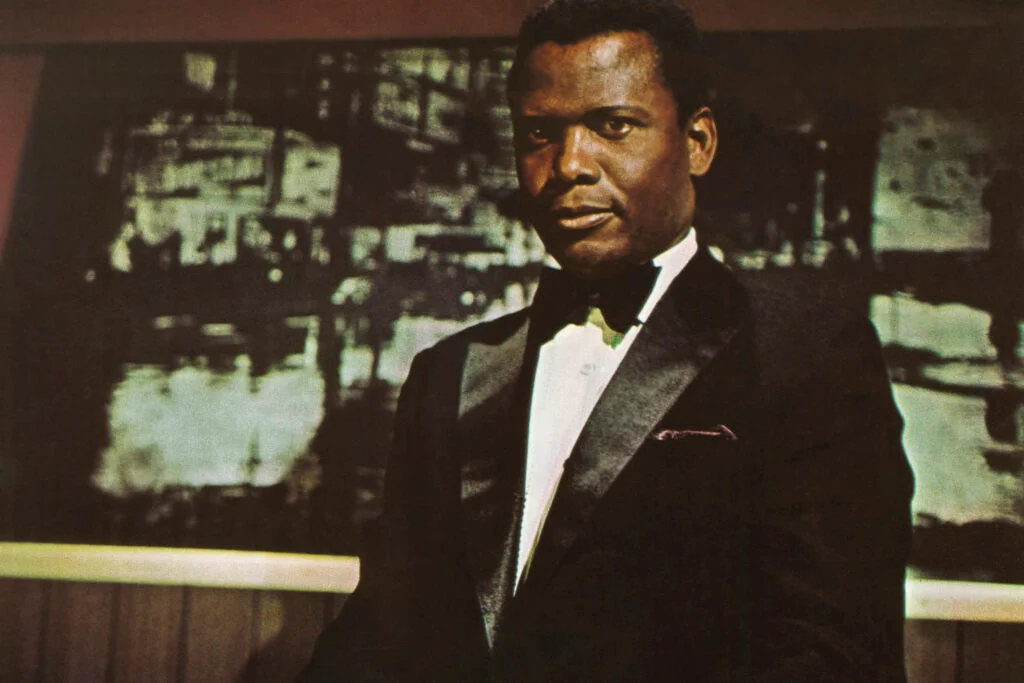
Sidney Poitier had a presence that went far beyond the roles he played. He was a commanding dramatic actor who could carry an entire film through restraint alone. In the ’60s, he became a symbol of intelligence, dignity, and moral complexity at a time when Hollywood rarely allowed that space. His performances asked audiences to lean in rather than be entertained passively.
Poitier also understood the power of subtlety. He didn’t rely on grand gestures to make his point, and that confidence made his work feel timeless. Off screen, he carried himself with the same thoughtfulness, which only deepened his impact. You always got the sense that he knew exactly what he was doing, and why it mattered.
3. Barbra Streisand
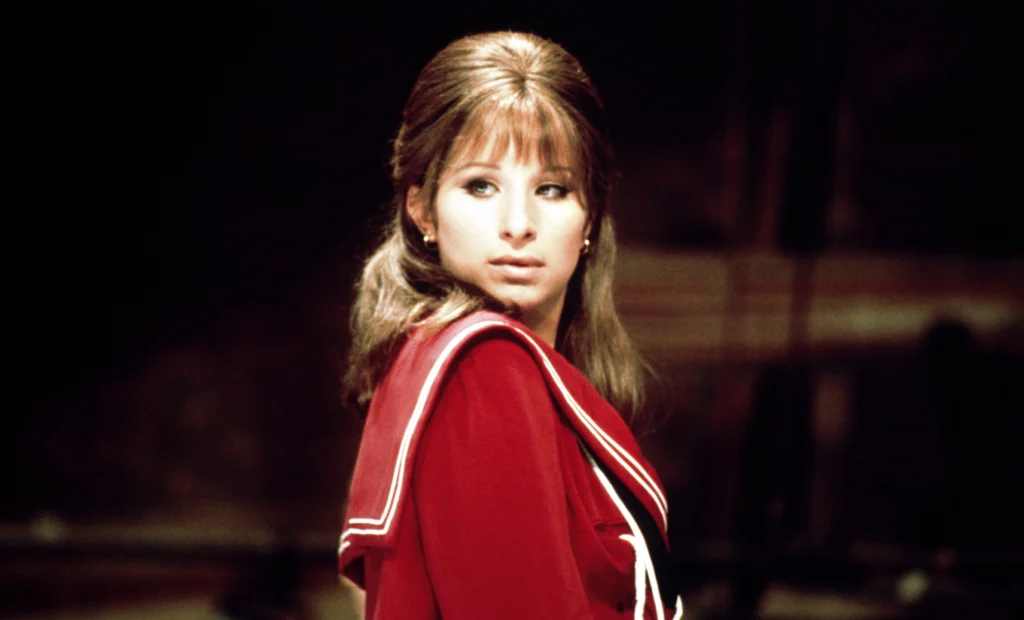
Barbra Streisand entered the ’60s already sounding like no one else. She could sing with emotional force, deliver comedy with sharp timing, and hold the screen with an unshakeable sense of self. Her acting felt personal, almost conversational, even when the material was heightened. That combination made her impossible to ignore.
Streisand also had a clear vision for her career early on. She understood how to shape her image without sanding down her edges. Whether she was performing live or acting on film, she brought a level of intention that set her apart from her peers. You could feel her ambition, and it was thrilling rather than intimidating.
4. Paul Newman
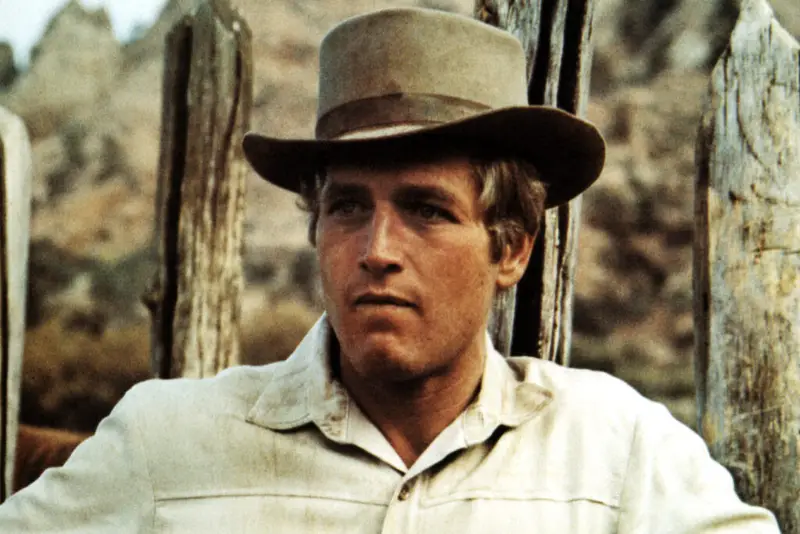
Paul Newman had the rare ability to be both movie star handsome and emotionally accessible. He could play intense drama, dry comedy, and romantic leads without changing his core authenticity. In the ’60s, he balanced charisma with vulnerability in a way that made his characters feel lived in. He never seemed to be performing for approval.
What made Newman especially compelling was his intelligence. He understood subtext and let silence do a lot of the work. Off screen, his interests and values added depth to his public image rather than distracting from it. He felt like a fully rounded person, not just a face on a poster.
5. Diana Ross
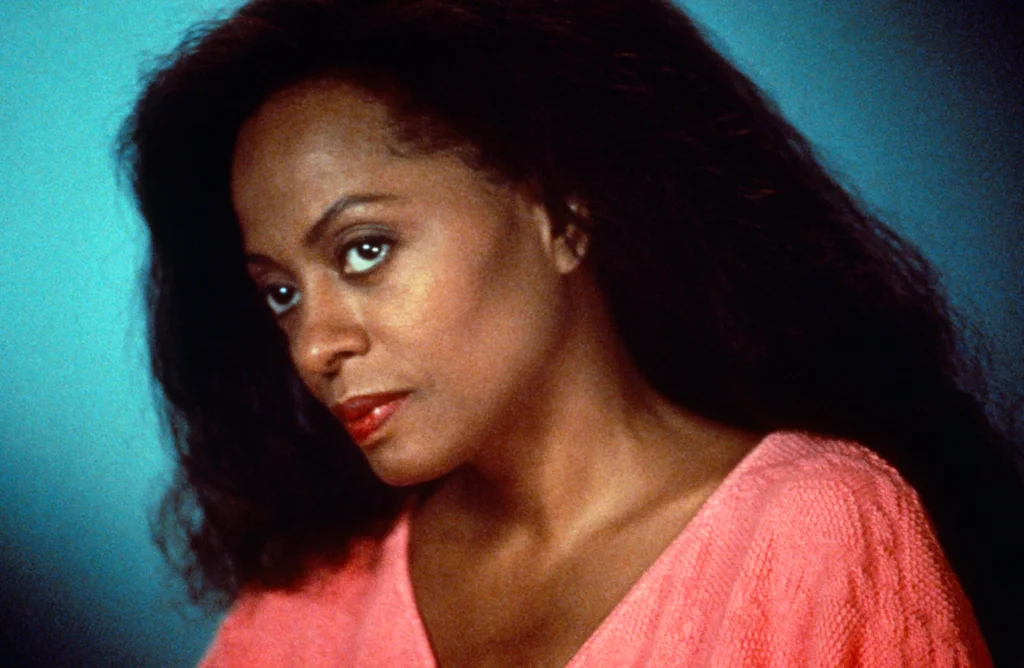
Diana Ross began the ’60s as a magnetic singer and grew into a commanding performer. She had a voice that carried emotion clearly, even in upbeat songs. Onstage, she understood how to use stillness just as effectively as movement. That awareness translated naturally when she moved into acting.
Ross also had an instinct for reinvention. She knew when to step forward and when to let the music speak. Her confidence was never loud, but it was unmistakable. Watching her perform always felt intentional, like she was shaping the moment rather than reacting to it.
6. Dick Van Dyke
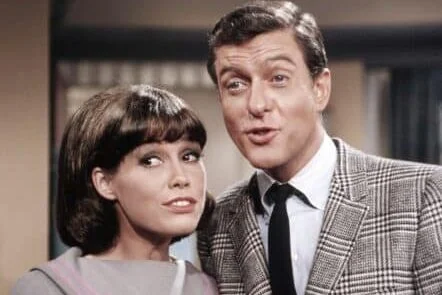
Dick Van Dyke made physical comedy look effortless, which is usually a sign of intense discipline. He could sing, dance, act, and still make everything feel loose and spontaneous. In the ’60s, his energy felt fresh and unforced, especially compared to more rigid performers of the era. He brought warmth to comedy without sacrificing precision.
What really worked was his relatability. Van Dyke never talked down to the audience or played for easy laughs. He trusted timing and character to do the work. That trust made his performances feel welcoming, like you were in on the joke with him.
7. Rita Moreno
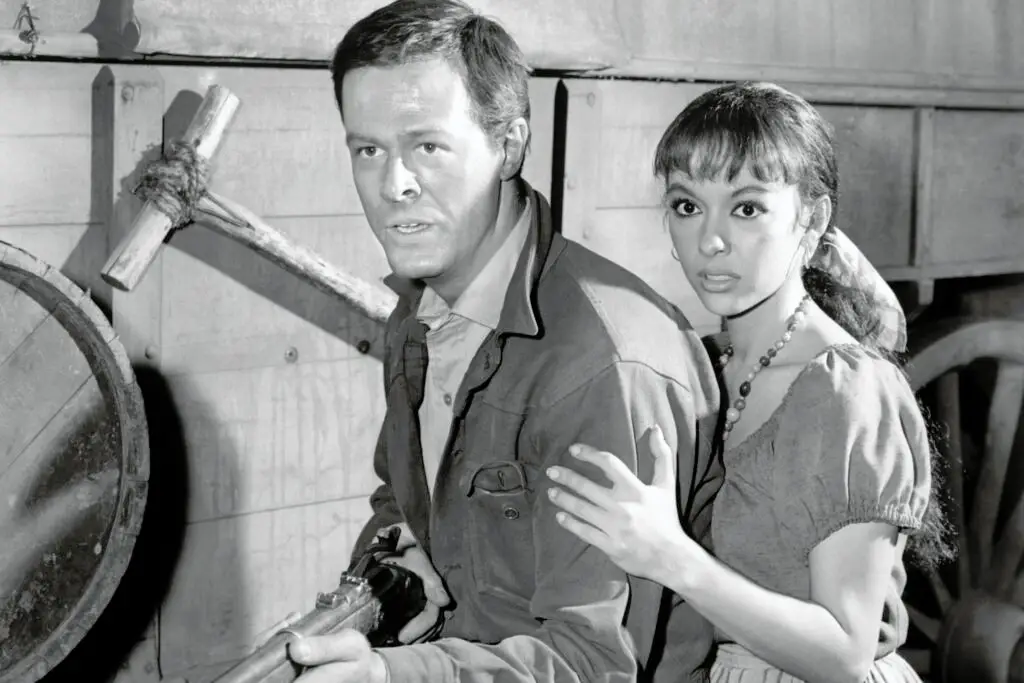
Rita Moreno was a powerhouse who refused to be boxed in. She could dance with ferocity, sing with clarity, and act with emotional depth. In the ’60s, she often did all three at once, sometimes within the same scene. Her performances were charged with intelligence and intensity.
Moreno also carried herself with a sharp awareness of the industry she was navigating. She brought complexity to roles that were often written too narrowly. Even when the material failed her, she never disappeared. You always remembered her, which says everything.
8. Steve McQueen
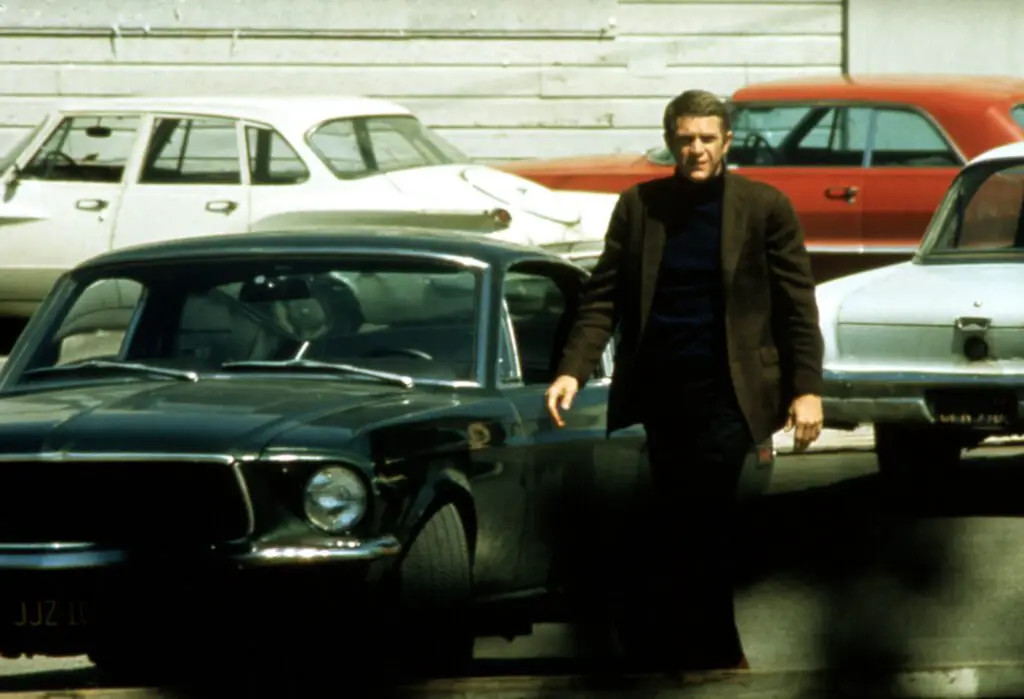
Steve McQueen had a quiet magnetism that made him endlessly watchable. He could act with minimal dialogue and still communicate everything you needed to know. In the ’60s, his physicality played a huge role in his appeal, but it was his control that really stood out. He knew when not to act.
McQueen also understood rhythm. He moved through scenes with confidence, never rushing a moment. That sense of timing made his performances feel grounded rather than flashy. He trusted the audience to keep up, and they did.
9. Jane Birkin
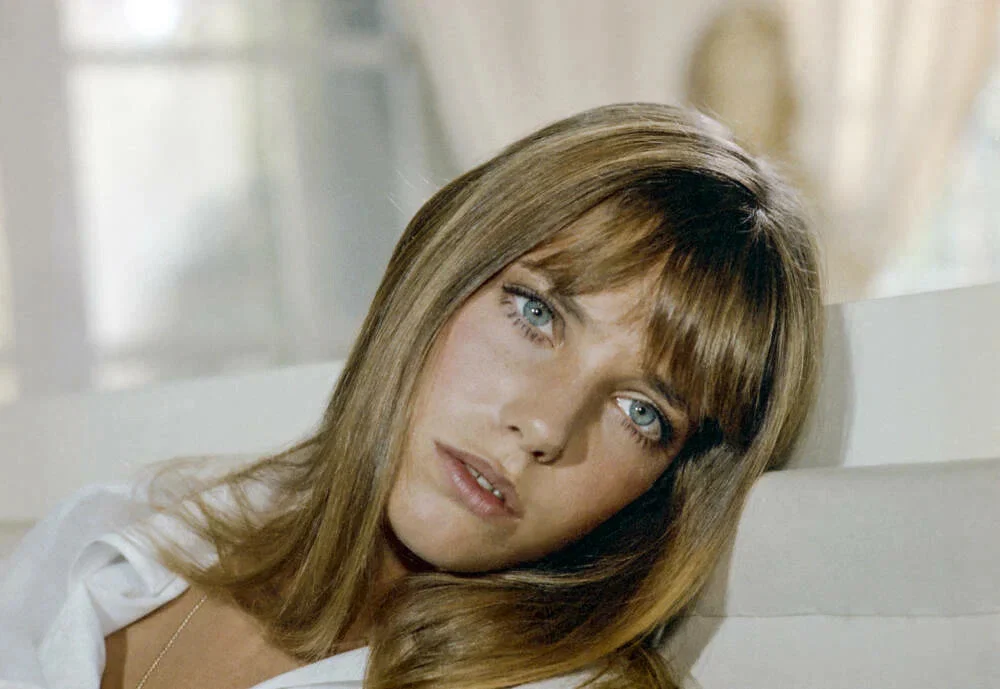
Jane Birkin embodied a kind of effortless cool that defined the late ’60s. She could act with naturalism, sing with intimacy, and move through scenes as if she were barely trying. That ease was part of her appeal. It felt like she was being herself, even when she wasn’t.
Birkin also had an instinct for tone. She understood when to pull back and when to lean in emotionally. Her performances often felt conversational, like overhearing something private. That subtlety made her unforgettable.
10. Sammy Davis Jr.
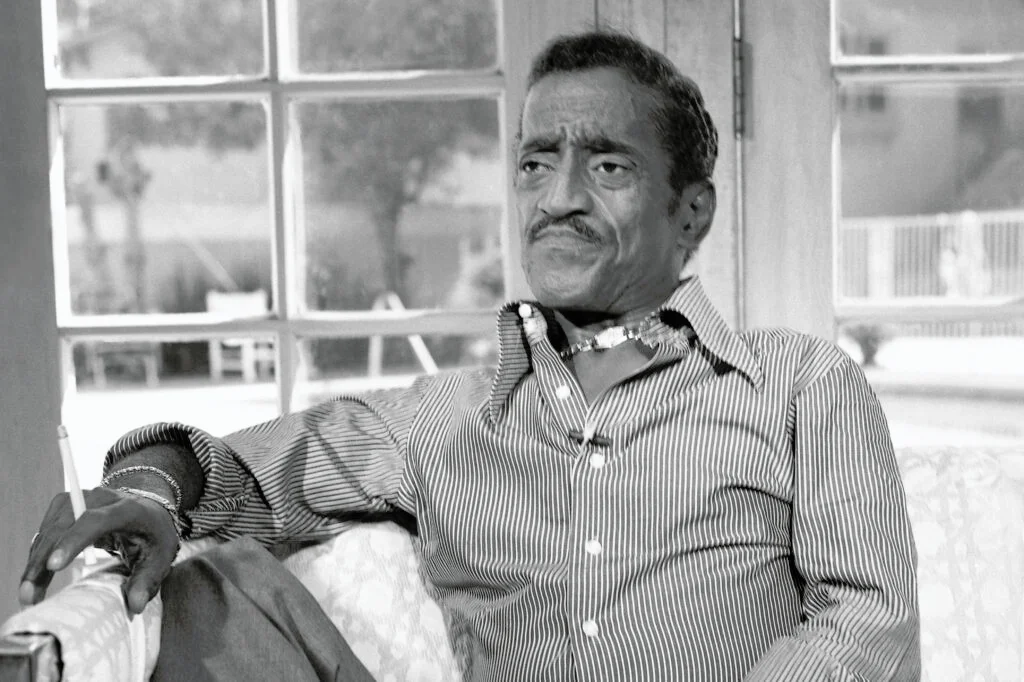
Sammy Davis Jr. truly did everything, and he did it well. He could sing, dance, act, do impressions, and command a live audience without breaking a sweat. In the ’60s, his versatility was unmatched, especially on stage. Watching him perform felt like watching someone completely at ease in their talent.
What made Davis remarkable was his discipline. Every move felt intentional, even when it looked spontaneous. He understood performance from every angle. That mastery made him endlessly rewatchable.
11. Audrey Hepburn
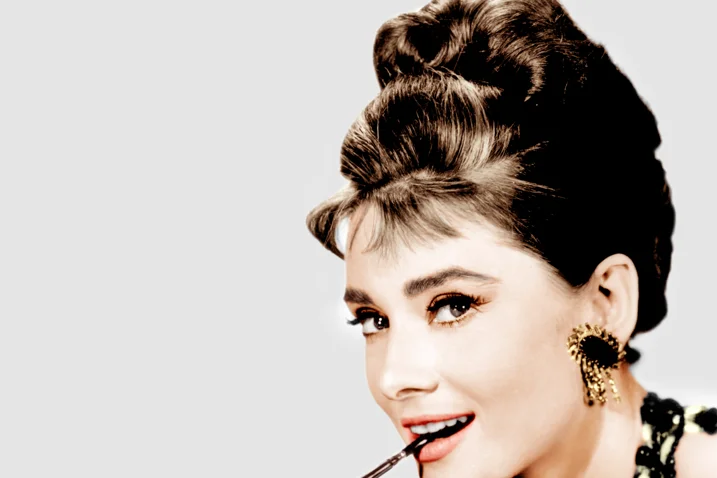
Audrey Hepburn brought a unique combination of elegance and emotional honesty. She could handle comedy, drama, and romance without losing her sense of self. In the ’60s, she had an instinct for choosing roles that highlighted her intelligence as much as her beauty. She never played a character as shallow.
Hepburn also understood physical storytelling. Her posture, expressions, and movement all added layers to her performances. She didn’t need grand speeches to communicate emotion. Often, a look was enough.
12. Elvis Presley
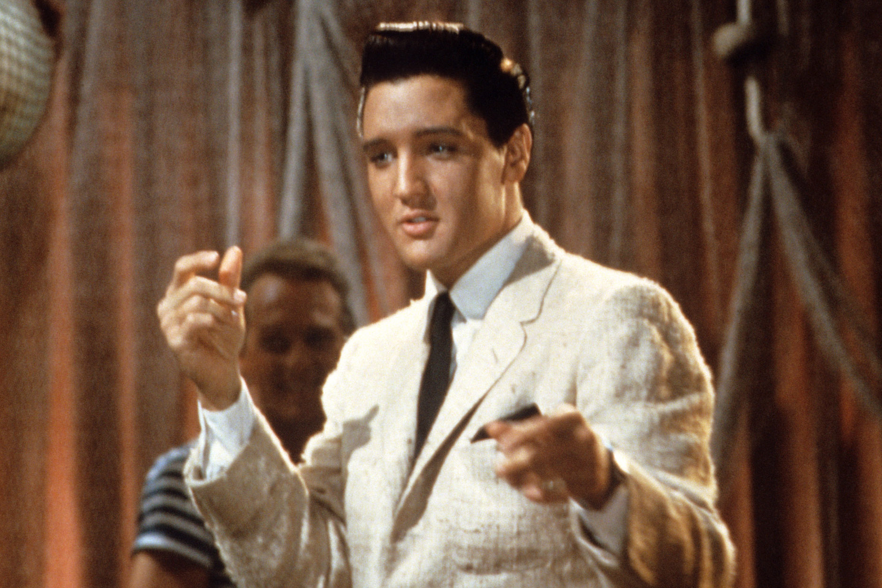
Elvis Presley was already a musical force, but the ’60s showed how comfortable he was on screen. He could sing, act, and use his physical presence to carry a scene. Even in lighter films, his natural charisma kept things engaging. He knew exactly how to hold attention.
Presley also had a sharp sense of rhythm that went beyond music. His timing in dialogue and movement showed real instinct. While not every role challenged him, his ability was always clear. He made it look easy.
13. Anne Bancroft
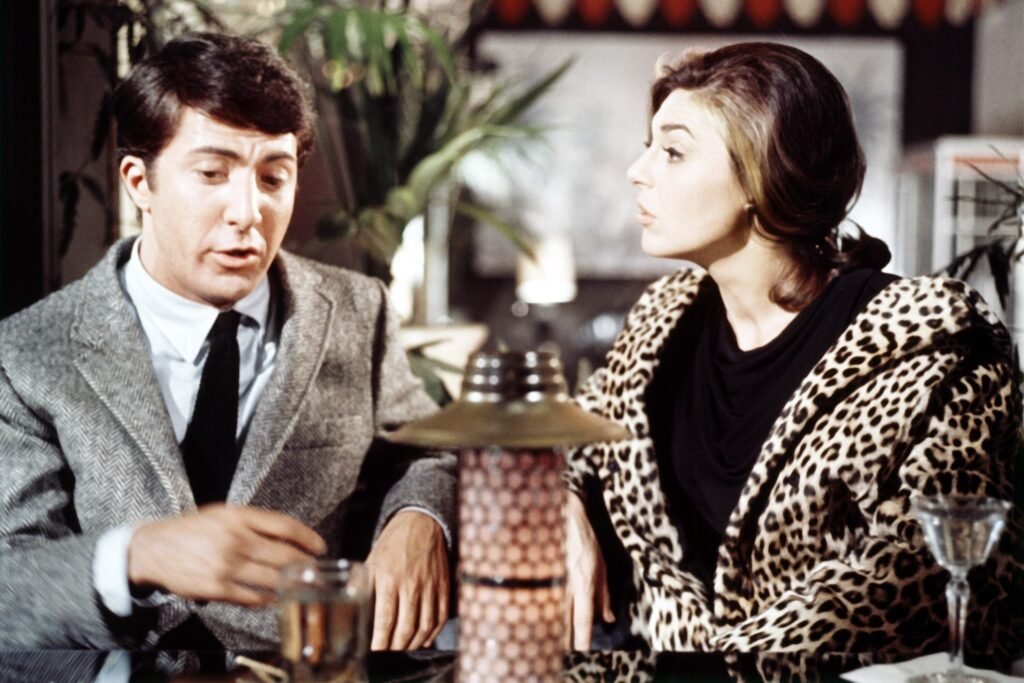
Anne Bancroft could shift from comedy to drama without missing a beat. She had a sharp wit that made her comedic roles sparkle. In the ’60s, she also delivered performances filled with emotional risk and intelligence. She wasn’t afraid to be uncomfortable on screen.
Bancroft trusted her instincts. She let characters be flawed and complicated. That honesty made her performances feel modern, even now. You believed every choice she made.
14. Frank Sinatra
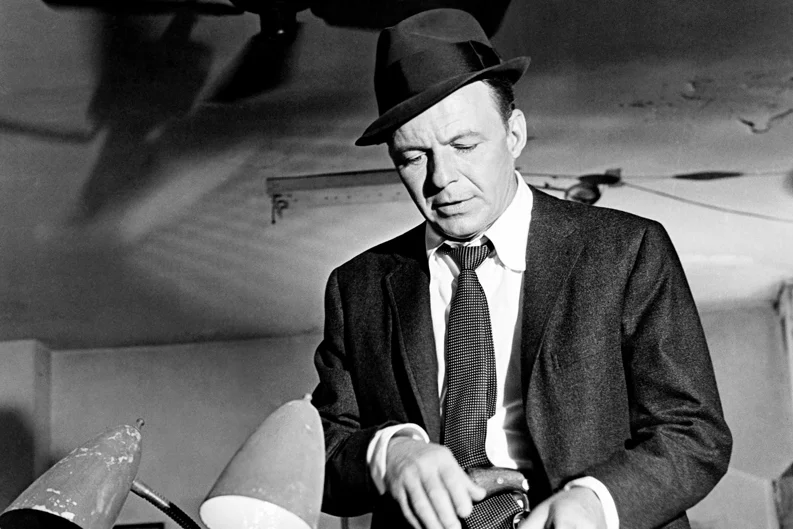
Frank Sinatra balanced music and film with surprising ease. He could deliver a song with emotional nuance and then turn around and anchor a dramatic scene. In the ’60s, he brought maturity to both mediums. He wasn’t trying to prove anything, which made his work stronger.
Sinatra also understood storytelling. Whether singing or acting, he focused on meaning rather than volume. That restraint gave his performances weight. You felt like he knew the power of holding back.
15. Cher
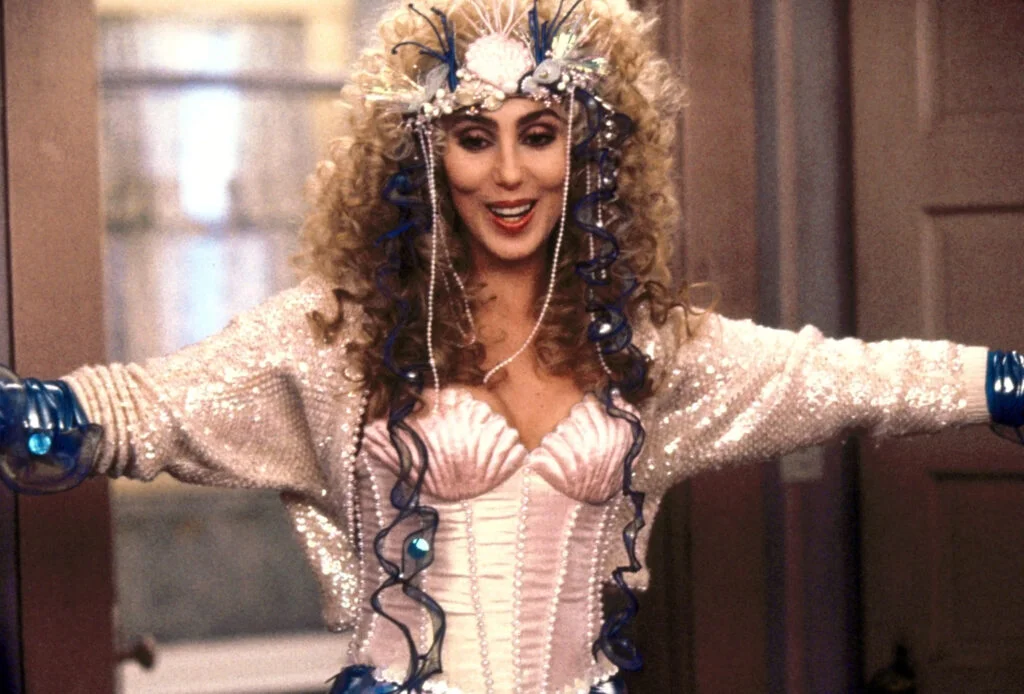
Cher entered the public eye as a singer, but her instincts went far beyond music. She had a natural sense of timing and presence that translated well to acting. In the late ’60s, you could already see her range taking shape. She wasn’t content staying in one lane.
Cher also had a strong sense of self. She understood her strengths and leaned into them. That confidence made her compelling to watch. It felt like she was always evolving.
16. James Garner
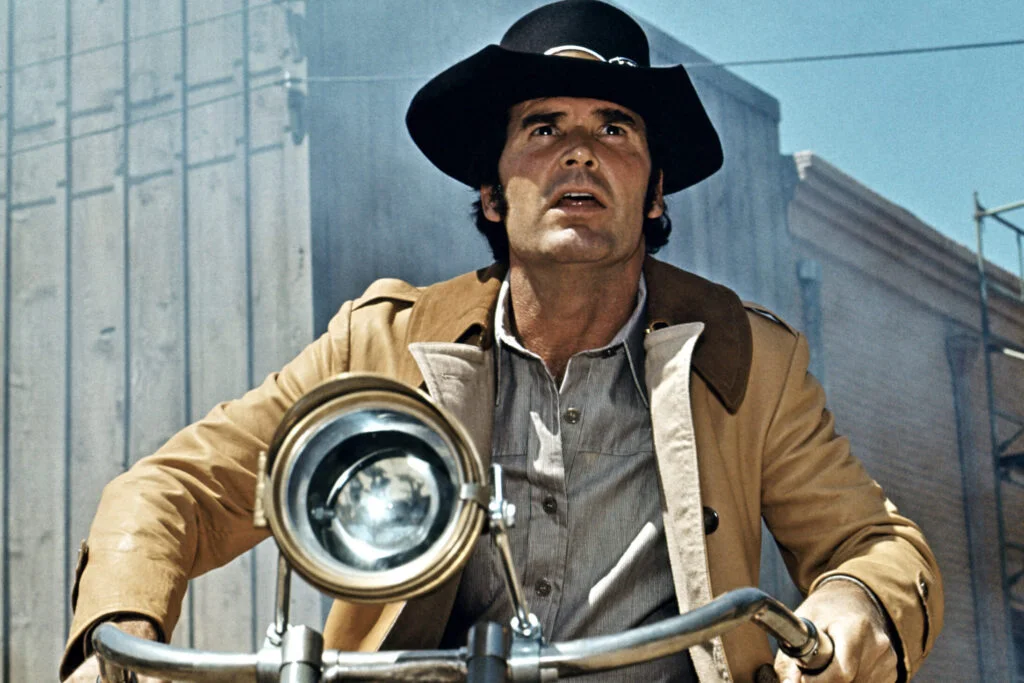
James Garner had an easy charm that made him believable in almost any role. He could handle drama, comedy, and action without changing his tone. In the ’60s, he brought intelligence and warmth to television and film alike. He never seemed to strain for effect.
Garner also trusted understatement. He didn’t oversell moments, which made them land harder. His performances felt relaxed but purposeful. That balance is harder than it looks.
17. Julie Christie
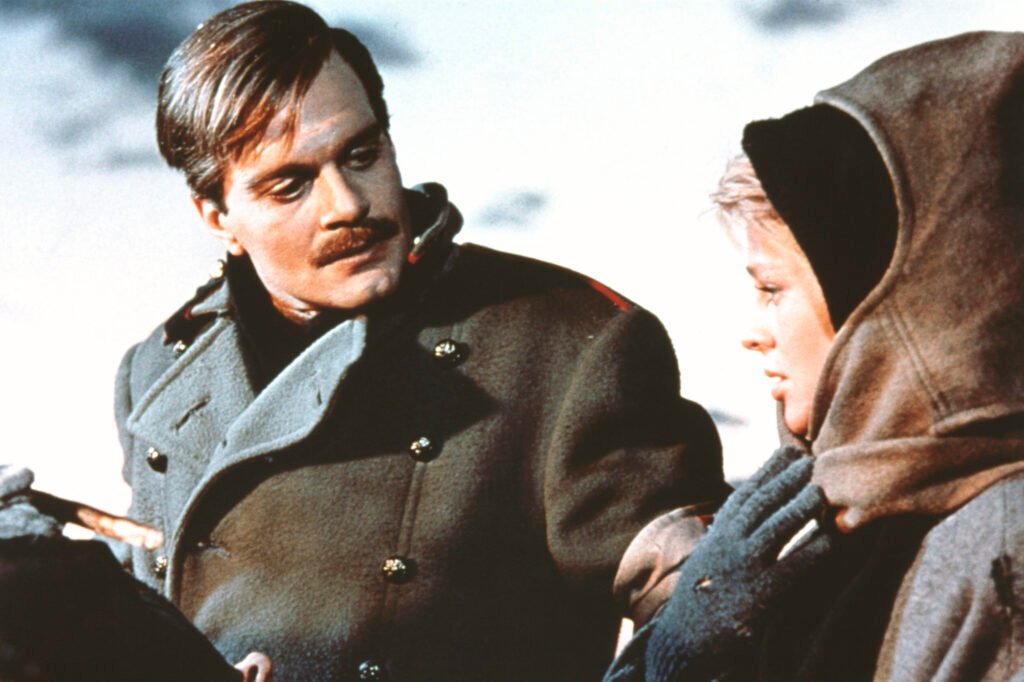
Julie Christie brought a modern sensibility to ’60s cinema. She could act with emotional openness while maintaining a strong sense of control. Her performances often felt spontaneous, even when carefully crafted. That unpredictability kept audiences engaged.
Christie also had a sharp understanding of character. She let contradictions exist without explanation. That honesty made her work feel real rather than polished. She trusted viewers to find meaning on their own.