1. Grace Kelly
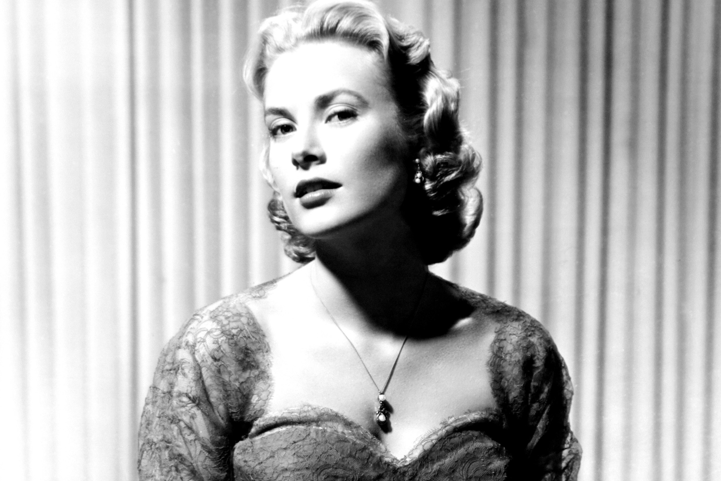
When Grace Kelly married Rainier III, Prince of Monaco in 1956, it felt like Hollywood had written its own royal fairy tale. Kelly was already an Oscar-winning actress with films like Rear Window and To Catch a Thief, and her transition into Princess of Monaco was followed closely around the world. The wedding itself was broadcast globally and became one of the first modern media spectacles tied to royalty. She retired from acting and fully embraced her royal duties, focusing on philanthropy and cultural initiatives in Monaco. For many, her story remains the gold standard of a glamorous royal marriage.
But her life was not without difficulty. Kelly had to give up her acting career entirely, something she reportedly missed deeply. She also faced intense scrutiny from both the press and the Monegasque public, especially early in her marriage. The pressures of royal life and motherhood under constant attention created a more complex reality than the fairy tale image suggested. Her life ended tragically in 1982 following a car accident, adding a somber note to an otherwise iconic story.
2. Meghan Markle
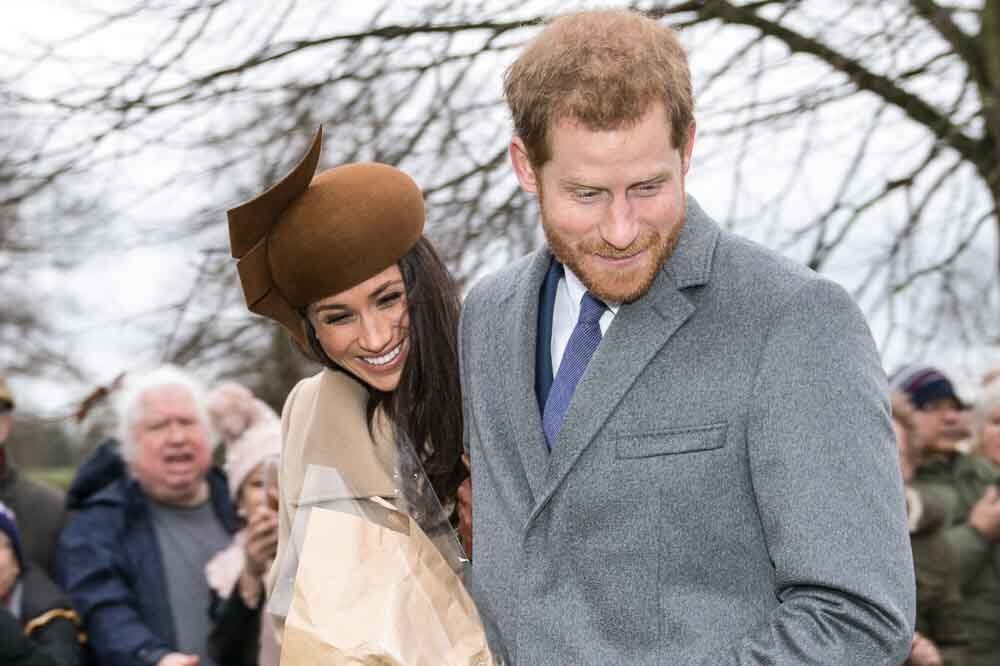
Meghan Markle was a working actress best known for Suits when she married Prince Harry, Duke of Sussex in 2018. Their wedding at Windsor Castle was watched by millions and initially positioned as a modernizing moment for the British royal family. Markle brought a different background into the monarchy, including her biracial identity and career in television. Early on, the couple seemed committed to reshaping what royal life could look like. They were widely seen as relatable and forward-thinking.
However, the marriage quickly became one of the most scrutinized royal relationships in recent history. Markle faced intense media criticism, much of which she later described as unfair and damaging. In 2020, she and Harry stepped back from senior royal duties, relocating to the United States. Their subsequent interviews and projects revealed significant tensions with the royal institution. While they remain married, their story is far from a traditional fairy tale and continues to evolve publicly.
3. Rita Hayworth
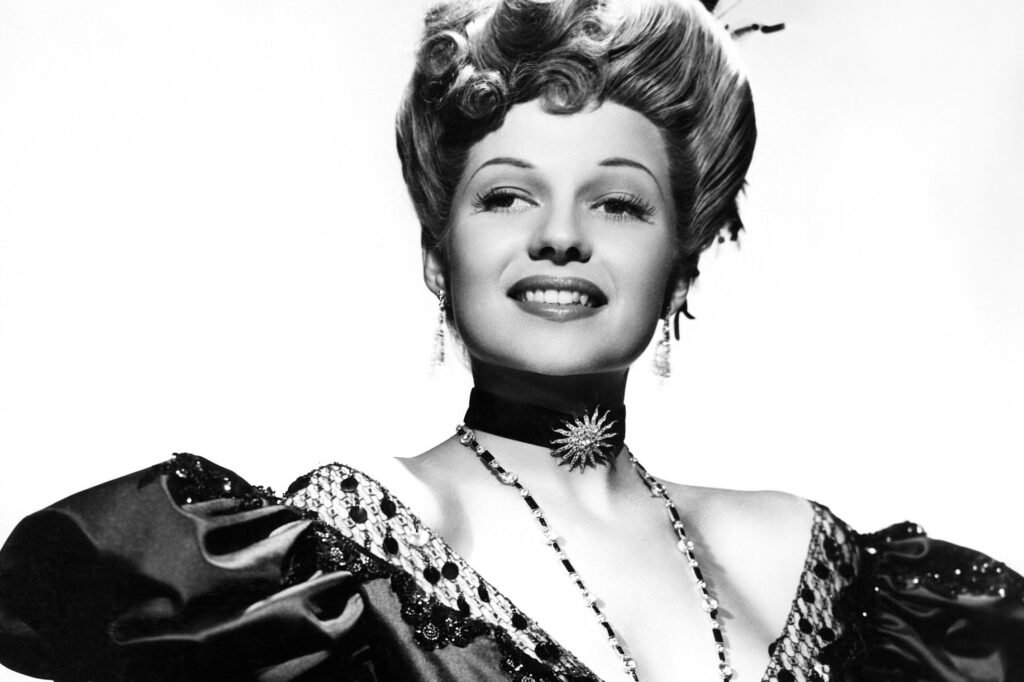
Rita Hayworth shocked Hollywood when she married Prince Aly Khan in 1949. At the time, Hayworth was one of the biggest movie stars in the world, known for films like Gilda. The marriage brought together Hollywood glamour and international royalty in a way that fascinated the public. She converted to Islam and moved into a very different cultural environment. Their daughter, Princess Yasmin Aga Khan, was born the same year.
The relationship, however, was short-lived. Khan was known for his playboy lifestyle, and the marriage was marked by infidelity and instability. Hayworth struggled with the transition away from her career and the expectations placed on her as a princess. They divorced in 1953, ending what had initially seemed like a glamorous union. In retrospect, it is often cited as one of the earliest examples of a Hollywood star discovering that royal life could be isolating.
4. Olivia Wilde

Olivia Wilde married Tao Ruspoli, a member of an Italian aristocratic family, in 2003. Although Ruspoli was technically a prince, his lifestyle was far removed from traditional royal expectations. The couple lived in a converted school bus at one point, embracing a bohemian lifestyle rather than aristocratic formality. Wilde was early in her career at the time, and the relationship was relatively low-profile. Their marriage represented a more unconventional version of “marrying into royalty.”
The relationship eventually ended in divorce in 2011. Wilde later spoke about how young she was when she married and how much she grew during that period. The marriage did not involve the pressures of a royal institution in the traditional sense, but it still highlighted the contrast between expectation and reality. It is often remembered as an unusual footnote in her life rather than a defining chapter. Unlike others on this list, the fairy tale aspect was never really present to begin with.
5. Zsa Zsa Gabor

Zsa Zsa Gabor married Frederic Prinz von Anhalt in 1986. Gabor was already famous for her multiple marriages and glamorous persona. Von Anhalt, however, was not born into royalty but adopted into a German princely family as an adult. This made his title controversial and somewhat unconventional. The marriage drew attention partly because of this unusual background.
Their relationship lasted until Gabor’s death in 2016, but it was often surrounded by legal disputes and financial controversies. Von Anhalt became known for his eccentric behavior and public statements. The marriage did not resemble a traditional royal partnership in any meaningful way. Instead, it became more of a media curiosity than a romantic ideal. It is rarely viewed as a fairy tale, despite the royal title involved.
6. Lee Radziwill
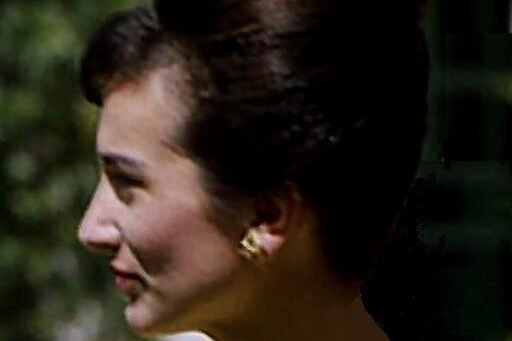
Lee Radziwill, sister of Jacqueline Kennedy Onassis, married Prince Stanisław Albrecht Radziwiłł in 1959. The Radziwiłł family was part of an old European aristocracy, giving Lee a legitimate princess title. She moved within elite social circles in both Europe and the United States. Her marriage seemed to place her firmly within a glamorous, international aristocratic world.
However, the relationship was not especially stable. The couple divorced in 1974 after years of personal difficulties. Radziwill’s life was marked by both privilege and personal challenges, including the pressures of constant comparison to her more famous sister. While she retained her title socially, the marriage itself did not endure. It reflects how status and glamour do not necessarily guarantee lasting happiness.
7. Charlene Wittstock
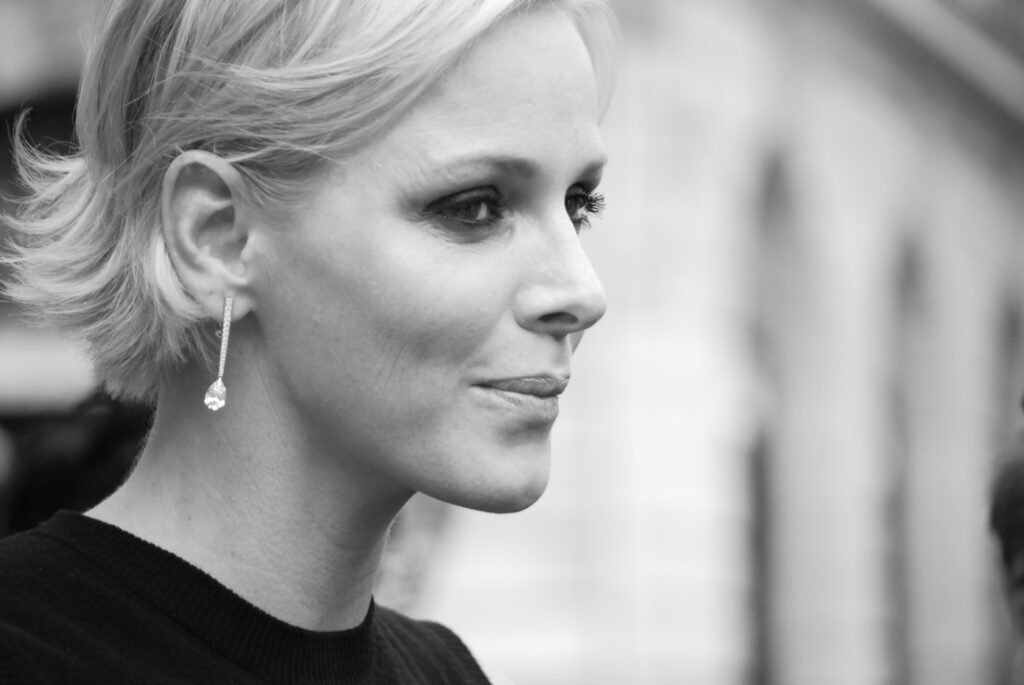
Charlene, Princess of Monaco married Albert II, Prince of Monaco in 2011. A former Olympic swimmer, Charlene transitioned into royal life in Monaco decades after Grace Kelly had set a precedent. The wedding was widely covered, though reports of hesitation before the ceremony surfaced in the media. Charlene took on royal duties and became a public figure in her own right.
Her time as princess has been marked by extended absences due to health issues and persistent speculation about her relationship with Albert. She spent significant time away from Monaco in recent years, fueling rumors about marital strain. While the couple remains married, the narrative around their relationship has often been tense rather than romantic. The contrast with Grace Kelly’s story is frequently noted. It is a modern example of how royal life can be complicated behind the scenes.
8. Letizia Ortiz
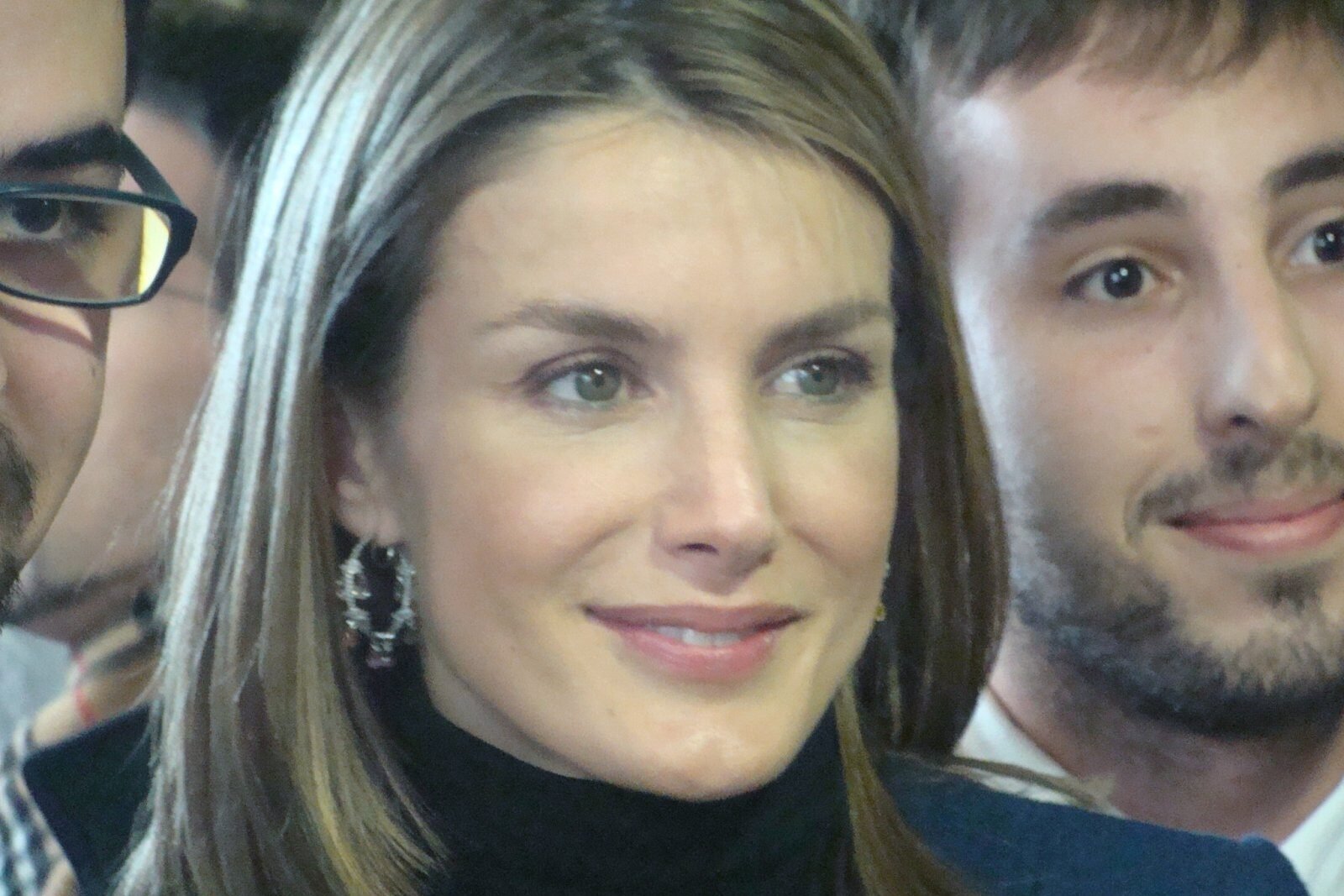
Letizia, Queen of Spain married Felipe VI in 2004. Before becoming queen, Letizia was a respected journalist and news anchor. Her marriage represented a shift toward a more modern, merit-based image of royalty in Spain. She adapted quickly to royal responsibilities and became known for her professionalism. Over time, she gained respect as a capable and engaged queen.
Unlike many others on this list, her marriage is generally considered stable. While she has faced scrutiny, particularly early on, there have been no major public scandals involving the relationship itself. Letizia’s transition into royalty is often cited as one of the more successful modern examples. The challenges have been present, but not overwhelming. In many ways, her story comes closest to a functional version of the fairy tale.
9. Wallis Simpson
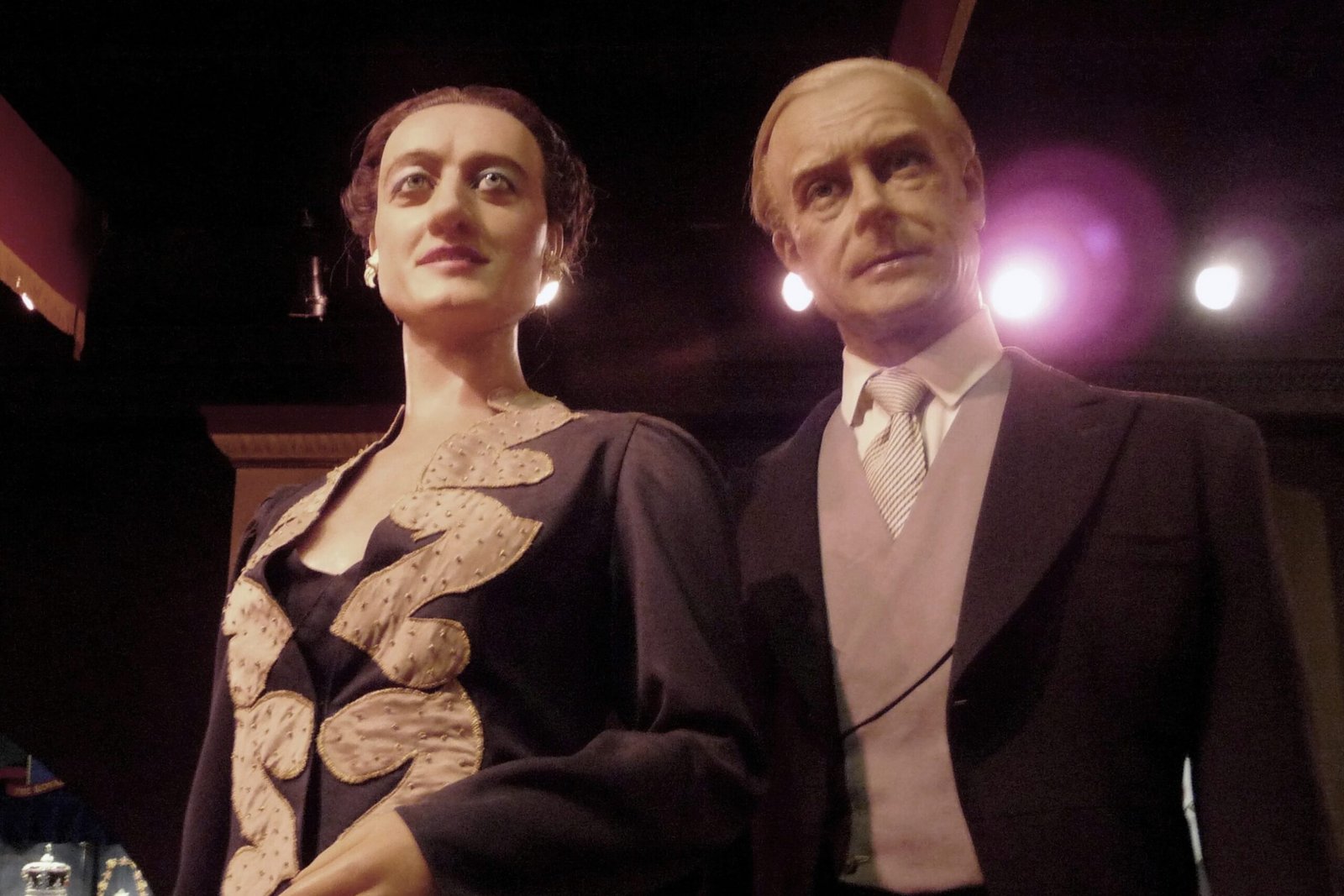
Wallis Simpson married Edward VIII in 1937. Their relationship led to one of the most dramatic events in British royal history, the abdication of the throne. Edward gave up his position as king in order to marry Simpson, who had been divorced twice. The couple became the Duke and Duchess of Windsor and lived mostly abroad.
Despite the grand romantic gesture, their life together was complicated. They were largely excluded from official royal duties and lived in a kind of social exile. Their relationship has been analyzed extensively, with some accounts suggesting it was less harmonious than it appeared. Simpson faced ongoing criticism and never fully gained acceptance within British society. The story is often remembered more for its controversy than its romance.
10. Soraya Esfandiary-Bakhtiary
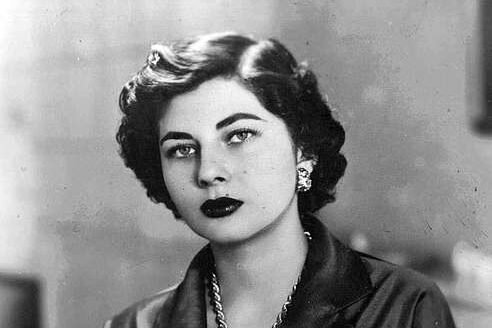
Soraya Esfandiary-Bakhtiary married Mohammad Reza Pahlavi in 1951. Known for her beauty, Soraya quickly became a global figure. Their marriage was initially celebrated, and she was seen as a modern queen. However, the union faced a major issue, the couple could not produce an heir. This created intense pressure within the royal court.
Eventually, the marriage ended in divorce in 1958. Soraya later described the experience as deeply painful, as she still loved the Shah. The separation was driven largely by political necessity rather than personal choice. Her story is often cited as one of the most tragic royal marriages of the 20th century. It illustrates how duty can override personal happiness in royal life.
11. Alexandra of Denmark
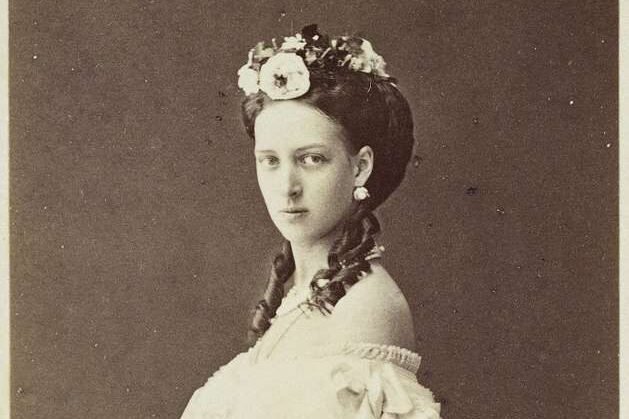
Alexandra, Countess of Frederiksborg married Prince Joachim of Denmark in 1995. Born in Hong Kong, Alexandra brought an international background into the Danish royal family. She became popular with the public and was known for her elegance and dedication to royal duties. The marriage produced two sons and initially appeared stable.
The couple divorced in 2005, marking a rare modern royal separation in Denmark. Despite the split, Alexandra retained her title as countess. The divorce was handled relatively quietly, but it still reflected the pressures of royal life. While not scandalous, it showed that even well-regarded royal marriages can end. The fairy tale, in this case, was short-lived.
12. Masako Owada
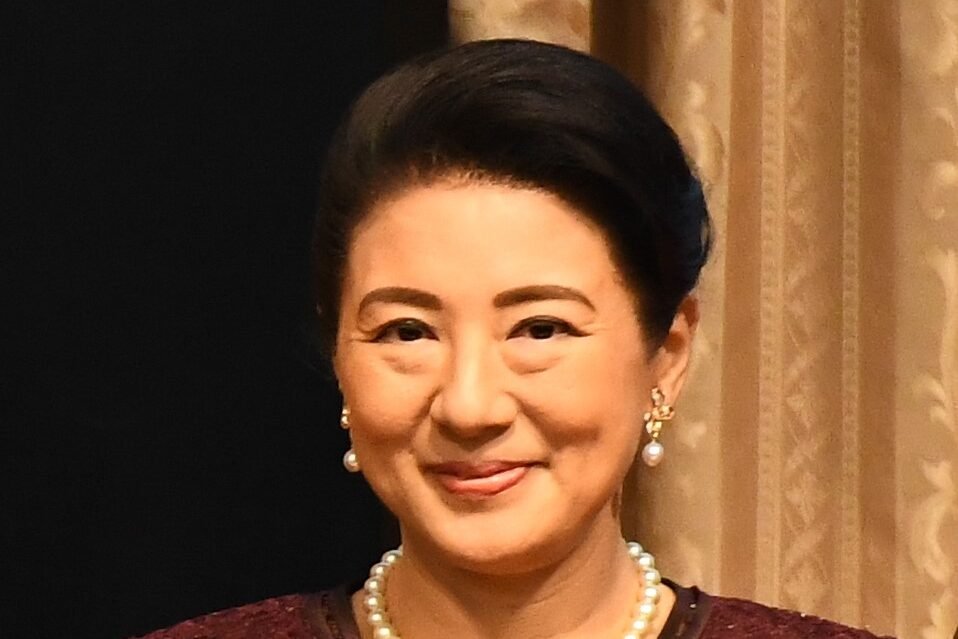
Masako, Empress of Japan married Naruhito in 1993. Masako was a highly educated diplomat before joining the imperial family. Her marriage was seen as a significant moment for modernizing Japan’s monarchy. However, the transition proved extremely difficult for her. The rigid expectations of imperial life limited her independence.
Masako struggled with mental health challenges, which were publicly acknowledged in the early 2000s. The pressure to produce a male heir added further strain. Over time, she has gradually resumed public duties, especially after Naruhito became emperor in 2019. Her story is often cited as an example of the emotional cost of royal expectations. It is far from a traditional fairy tale narrative.
13. Marie Cavallier
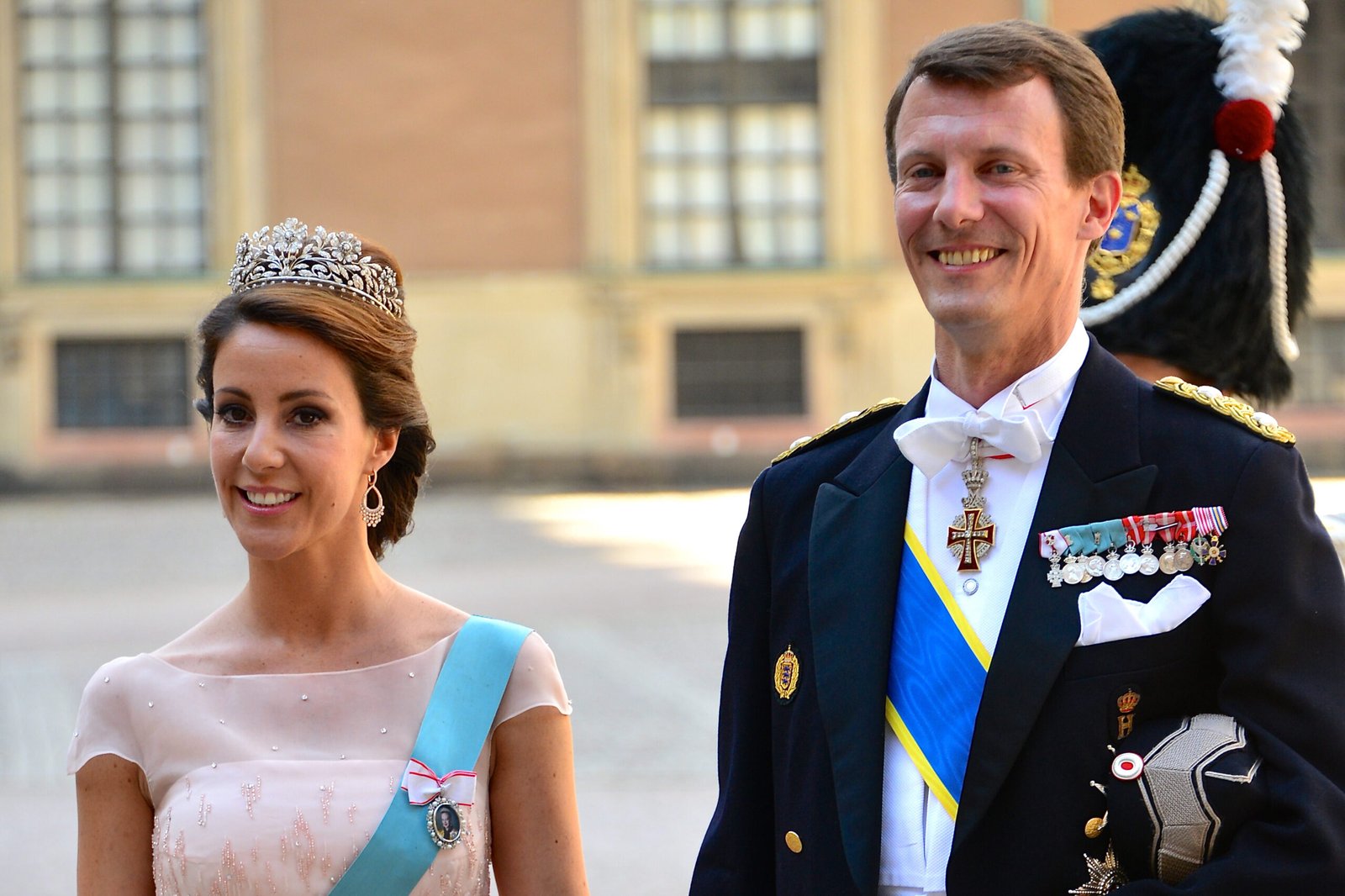
Marie, Princess of Denmark married Prince Joachim of Denmark in 2008. Marie entered the Danish royal family after Joachim’s first marriage had ended. She adapted to royal life and became involved in various charitable causes. Her presence helped stabilize Joachim’s public image after his divorce.
Their marriage has remained relatively low-profile and stable. While not heavily romanticized, it has avoided major controversy. Marie has maintained a consistent role within the royal family without drawing excessive media attention. The relationship is often seen as practical rather than dramatic. It represents a quieter, more sustainable version of royal marriage.
14. Jetsun Pema
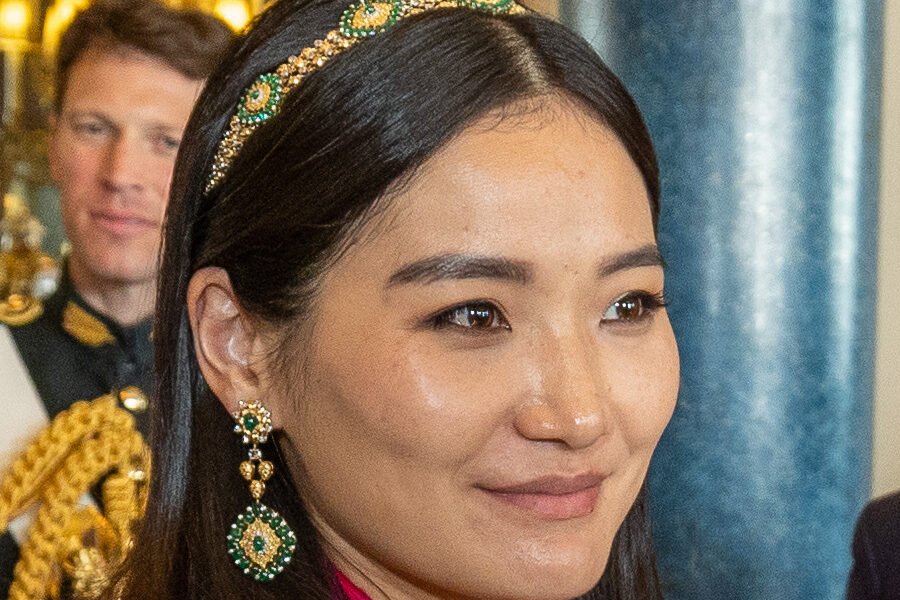
Jetsun Pema married Jigme Khesar Namgyel Wangchuck in 2011. Often called the “Kate Middleton of the Himalayas,” Pema became queen at a young age. The Bhutanese royal family is known for its relatively modest and modern approach compared to other monarchies. Their marriage has been widely admired within Bhutan and internationally.
Unlike many other royal unions, theirs has remained consistently positive in public perception. The king has publicly expressed his devotion, and the couple presents a united image. Pema has embraced her role while maintaining a sense of approachability. While no marriage is without challenges, there is no confirmed evidence of major issues. This is one of the clearer examples of a modern royal success story.
15. Charlene Tilton (Brief Royal Connection)
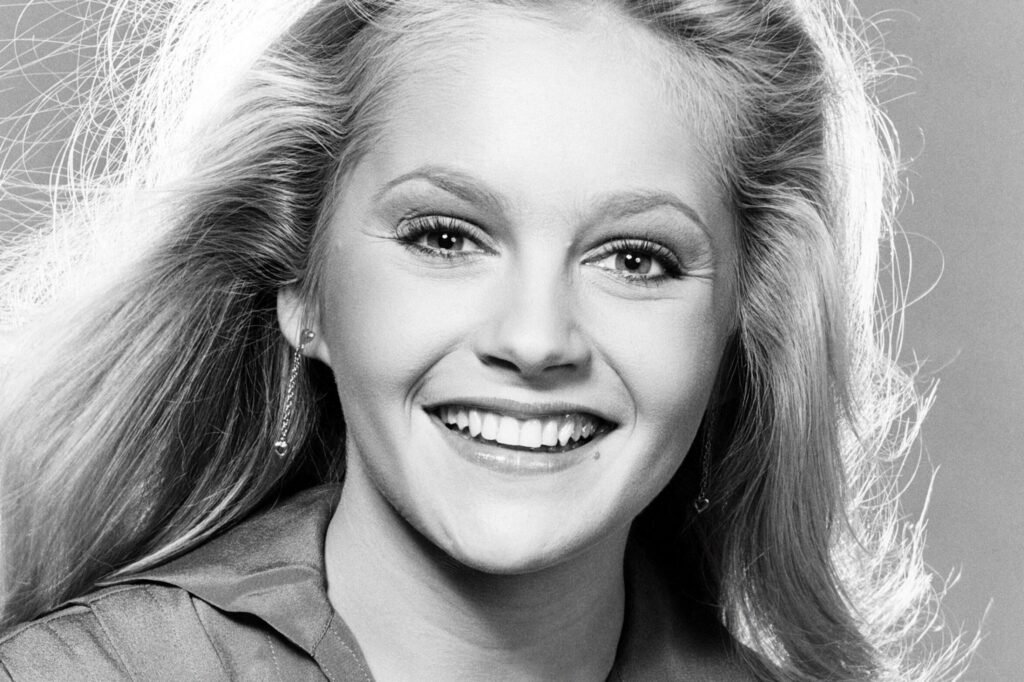
Charlene Tilton did not formally marry into royalty, but her relationship with European aristocracy has often been noted in media discussions of celebrity and nobility. Best known for Dallas, Tilton moved in social circles that occasionally overlapped with titled families. While not a princess, her experience reflects how the idea of “royalty” can extend into aristocratic networks.
Her story is included here as a contrast to more formal royal marriages. It highlights how proximity to aristocracy does not carry the same expectations or pressures. Unlike others on this list, she retained full independence over her career and personal life. There was no institutional framework shaping her choices. In that sense, it underscores how unique and demanding true royal marriages can be.