
1. It Started as a Counterculture Idea in the Late ’60s
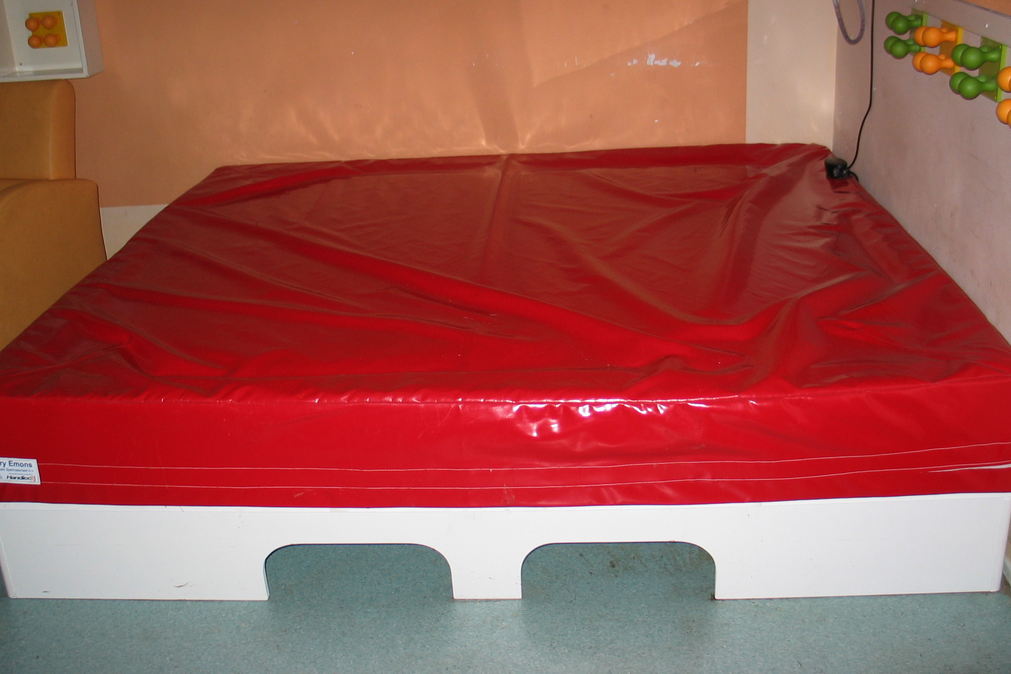
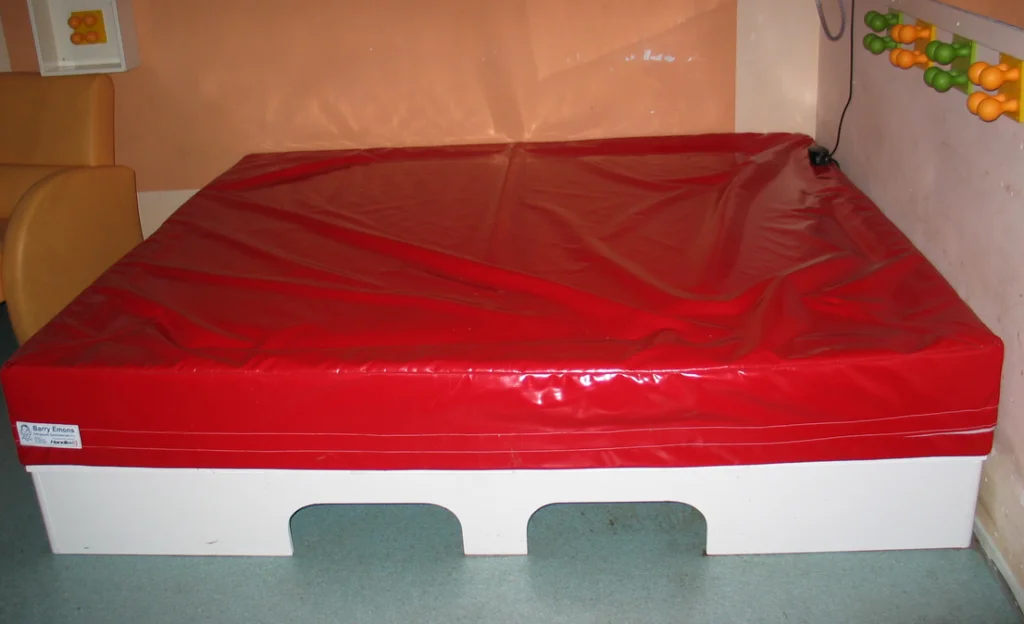
The modern waterbed traces back to 1968, when Charles Hall created one as part of his design thesis at the San Francisco State College. Hall initially experimented with chairs filled with cornstarch and gelatin before settling on water as a practical option. His final design used a vinyl mattress filled with water, which conformed to the body in a way traditional mattresses did not. At the time, this fit neatly into the broader counterculture movement that embraced unconventional living and personal comfort. The idea quickly drew attention for being both novel and oddly practical. It wasn’t just a gimmick, it actually felt different in a noticeable way. Early adopters were drawn to its futuristic feel. That sense of novelty became a major driver of early demand.
The late ’60s and early ’70s were full of experimentation in home design, and the waterbed fit right in. It became associated with a more relaxed, unconventional lifestyle that contrasted sharply with traditional suburban norms. Some people saw it as a symbol of freedom and individuality. Others just liked how it relieved pressure points during sleep. Either way, it quickly moved beyond a student project and into the consumer market. Hall went on to commercialize the product, helping launch an entirely new industry. Within a few years, waterbeds were no longer fringe. They were becoming mainstream.
2. Early Designs Were Surprisingly Complicated
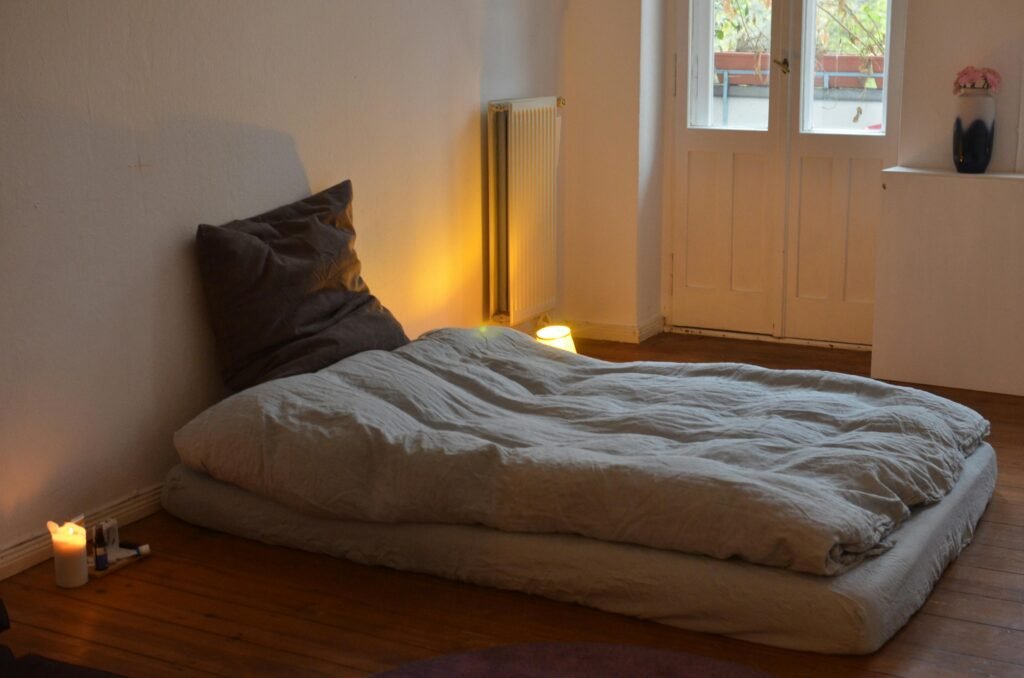
The first commercially available waterbeds were not easy to set up or maintain. They required a sturdy frame, often made of wood, to support the weight of the filled mattress. A standard waterbed could weigh over 1,500 pounds once filled, which raised concerns about structural support in some homes. Filling and draining the mattress also took time and effort, often involving hoses connected to a tap. Temperature control was another issue, since water naturally adjusts to room temperature. Without a heater, the bed could feel uncomfortably cold.
To address that, most waterbeds eventually included electric heating elements to keep the water at a consistent temperature. Even with improvements, leaks were always a possibility, especially in early models. A small puncture could lead to a slow but frustrating mess. Owners had to use special conditioners to prevent algae and bacteria growth inside the mattress. Maintenance became part of the experience, whether people liked it or not. For some, the extra effort was worth it. For others, it quickly became a dealbreaker.
3. The ’70s Turned Them Into a Cultural Phenomenon
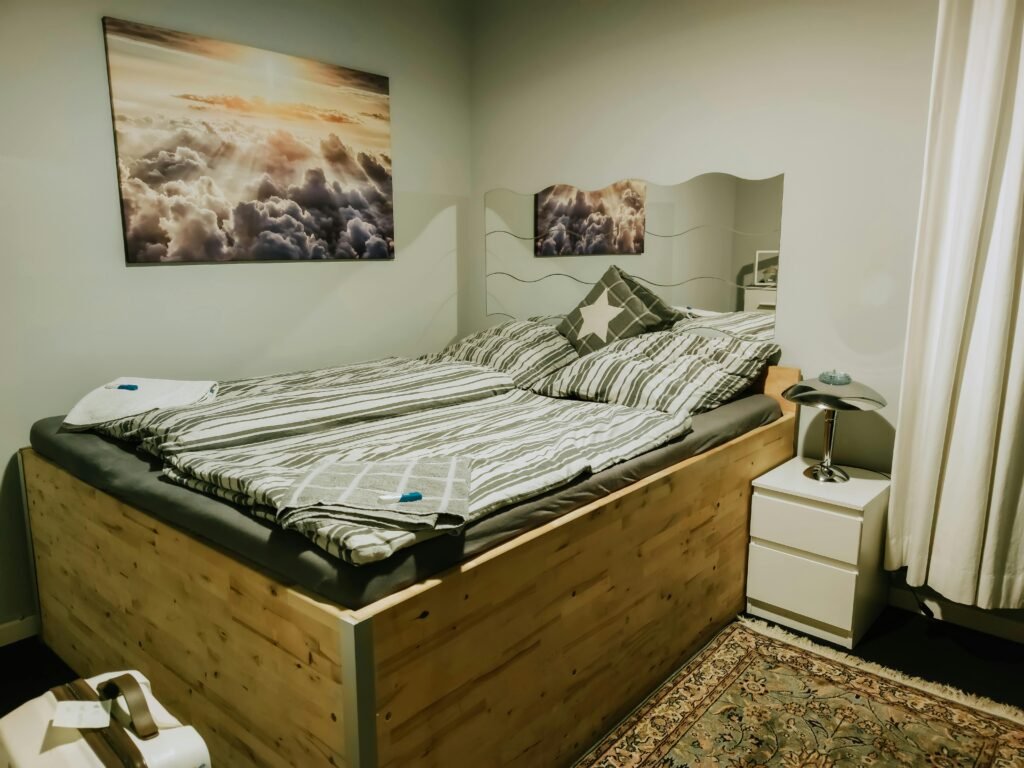
By the mid-’70s, waterbeds had moved firmly into the mainstream. They appeared in movies, TV shows, and advertisements as a symbol of modern living. The design also aligned with the era’s fascination with bold interiors and new materials. Waterbeds were often paired with mirrored walls, shag carpeting, and low-slung furniture. They became a staple of bachelor pads and trendy homes alike. At their peak, they were seen as both stylish and slightly rebellious.
Sales numbers reflected that popularity, with millions of units sold throughout the decade. Some estimates suggest that by the late ’70s, waterbeds accounted for a significant portion of mattress sales in the United States. They were especially popular among younger buyers looking for something different. The motion of the water added a distinct sensory experience that traditional mattresses couldn’t match. It felt almost like floating, which became part of the appeal. Retailers leaned heavily into that imagery in their marketing. For a time, it worked extremely well.
4. They Promised Better Sleep and Health Benefits

One of the biggest selling points was comfort. Waterbeds distributed body weight more evenly than traditional spring mattresses, which could reduce pressure on joints. This made them appealing to people with back pain or circulation issues. Some doctors even recommended them in certain cases, though not universally. The adjustable temperature also added a therapeutic element, especially in colder climates. Warm water could help relax muscles and improve sleep quality.
Marketing campaigns emphasized these benefits heavily. Advertisements often framed waterbeds as a healthier alternative to conventional mattresses. While some claims were overstated, there was real comfort value for certain users. The lack of pressure points was a genuine advantage. However, the constant motion could also be disruptive for some sleepers. Couples sometimes found it difficult to adjust to the movement. Over time, these mixed experiences began to shape public perception.
5. The “Free Flow” Motion Became a Double-Edged Sword

One of the defining features of early waterbeds was the “free flow” design. Without internal supports, the water moved freely inside the mattress. This created a distinctive wave-like motion whenever someone shifted position. For some people, it was relaxing and even soothing. For others, it felt unstable and difficult to sleep on. The movement could also be exaggerated if one partner moved more than the other.
Manufacturers eventually introduced “waveless” designs to address this issue. These used internal baffles or fiber layers to reduce motion. While this improved stability, it also reduced the original floating sensation that made waterbeds unique. In trying to fix one problem, they softened one of their main selling points. Some longtime fans preferred the original feel. New customers, however, often wanted something more practical. This tension between novelty and usability became a recurring theme.
6. Pop Culture Gave Them a Lasting Reputation

Waterbeds became shorthand for a certain kind of lifestyle in movies and television. They were often associated with luxury, romance, or even a slightly over-the-top sense of style. By the late ’70s and early ’80s, they had a reputation that was both glamorous and a little kitschy. This dual image helped keep them in the public eye. Even people who didn’t own one knew what they were.
That visibility helped sales for a while, but it also locked waterbeds into a specific cultural moment. As tastes changed, that association became less appealing. What once felt modern began to feel dated. The same features that made them stand out started to work against them. Pop culture can elevate a product quickly, but it can also make it seem outdated just as fast. Waterbeds would eventually face that shift head-on.
7. Safety Concerns Started to Surface

As waterbeds became more common, practical concerns began to emerge. The weight of a filled mattress raised questions about floor strength, especially in older homes or apartments. Some landlords even banned waterbeds outright due to the risk of leaks and structural damage. Insurance companies sometimes charged higher premiums or excluded coverage for waterbed-related issues. These factors made ownership more complicated.
There were also concerns about electrical components, particularly the heaters used to warm the water. While generally safe when used correctly, they introduced another layer of risk. Over time, these concerns chipped away at the carefree image waterbeds once had. Buyers began to weigh convenience more heavily. The idea of dealing with potential damage or liability became less appealing. That shift in mindset played a role in declining interest.
8. The ’80s Brought Peak Popularity

Waterbeds reached their commercial peak in the 1980s. At one point, they accounted for an estimated 15 to 20 percent of mattress sales in the United States. Dedicated waterbed stores were common, and the industry generated billions in revenue. Manufacturers expanded their offerings with different sizes, styles, and features. Some models included padded tops or hybrid designs to appeal to a broader audience.
Despite their success, signs of saturation were already appearing. Many households that wanted a waterbed already had one. Repeat purchases were less frequent compared to traditional mattresses. The novelty factor also began to fade. What once felt cutting-edge was becoming familiar. As the decade progressed, competition from improved conventional mattresses started to increase. The market was beginning to shift.
9. Traditional Mattresses Started Catching Up
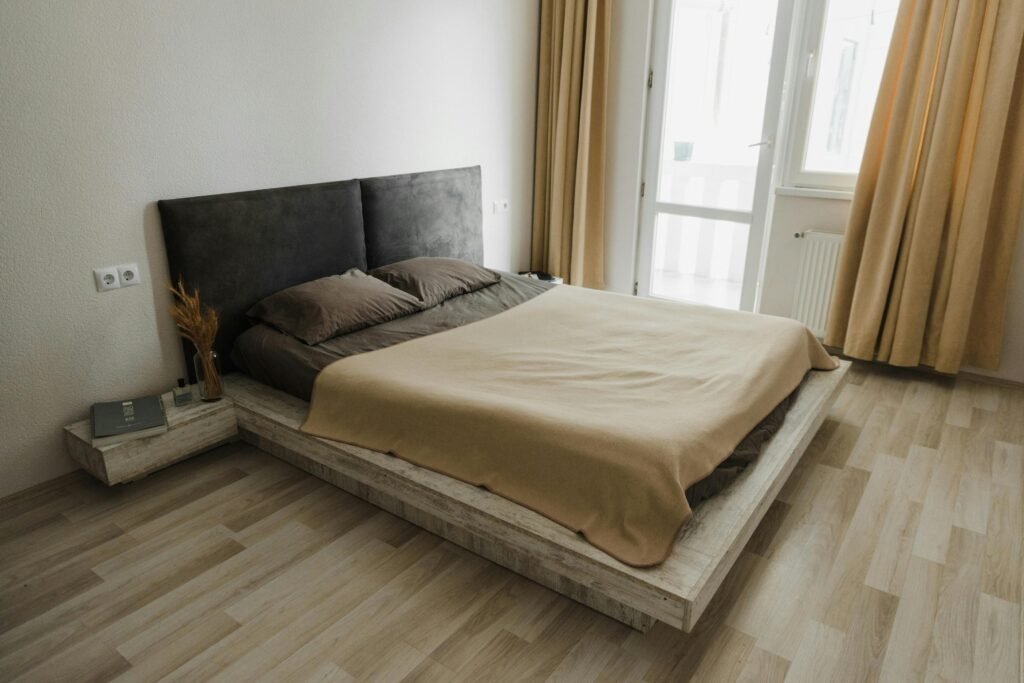
Advances in mattress technology began to erode one of the waterbed’s key advantages. New materials, including improved innerspring systems and early foam designs, offered better support and comfort. These mattresses required far less maintenance and posed fewer risks. They also became more affordable and widely available. Consumers started to notice that they could get similar comfort without the drawbacks.
This shift was gradual but significant. As alternatives improved, the unique selling points of waterbeds became less compelling. Retailers began to allocate more space to newer mattress types. Marketing also shifted toward convenience and reliability. Waterbeds, by comparison, started to feel like a niche product. The broader market was moving in a different direction.
10. Maintenance Became a Major Turnoff

Owning a waterbed required ongoing care. Conditioners had to be added periodically to prevent microbial growth inside the mattress. Draining and refilling the bed for moves or repairs was time-consuming. Even minor issues could become frustrating to deal with. For many people, the effort simply wasn’t worth it.
As lifestyles became busier, convenience started to matter more. Consumers wanted products that required minimal upkeep. Waterbeds did not fit that trend. The perception of them as high-maintenance became widespread. Even those who liked the feel began to reconsider. Over time, this practical concern outweighed the initial appeal.