
1. Diff’rent Strokes and the Very Weird “Bike Shop” Episodes
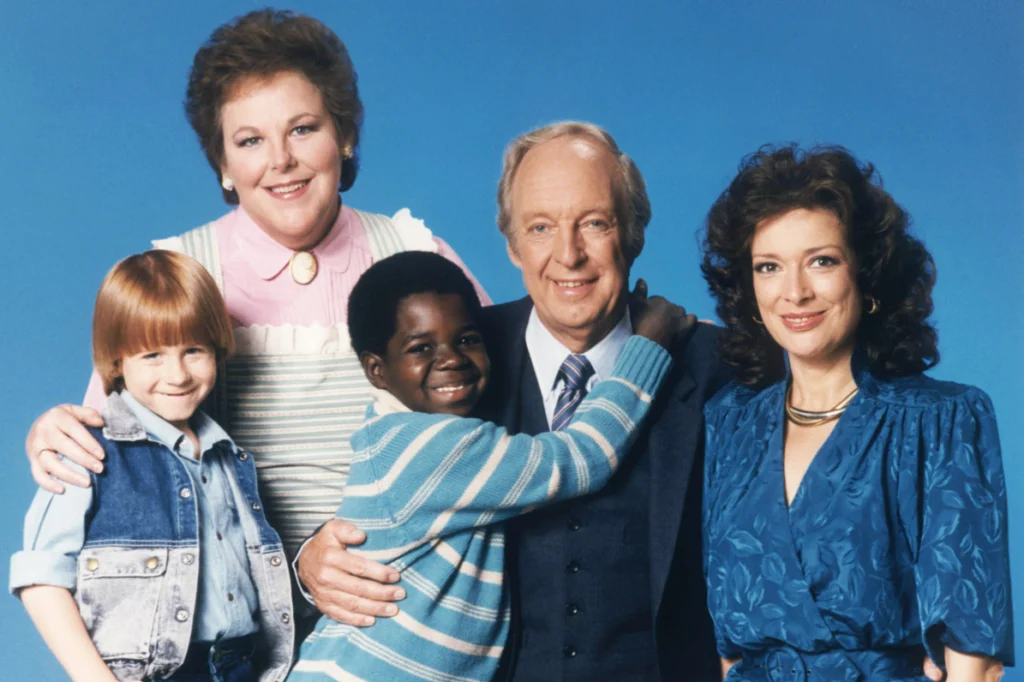
The two-part storyline where Arnold and Dudley get trapped in a bike shop with a predatory owner is one of the most unsettling episodes of the entire ’80s. It was meant as a warning, but the tone swings so abruptly that it still catches viewers off guard. Today, the mix of comedy and such serious subject matter would feel wildly inappropriate on a family sitcom. In the ’80s, though, writers seemed to believe they could teach any lesson if they wrapped it in jokes. The episode is remembered for being bold, but it’s also remembered for being jarringly out of place. Modern audiences would expect a very different approach to such a sensitive topic. Shows now would use a warning, a special format, or a dedicated drama, not a laugh-tracked sitcom. It’s one of those “how did this even air?” moments of the decade.
The fact that it was a two-parter made it even more dramatic. Kids tuning in for a typical night of lighthearted fun suddenly found themselves in a deeply stressful situation. The tonal clash makes it feel like two different shows stitched together. Even though the message mattered, the delivery would never pass today’s standards. Not only is it too intense for a sitcom, but it also handles the seriousness in a way that lacks the sensitivity now expected. The entire plot remains a time capsule of ’80s television trying to do too much at once. Viewers today still debate whether it was brave or misguided. Either way, it’s unforgettable.
2. Full House Has Jesse Marry Becky After a Fight Over a Skydiving Stunt
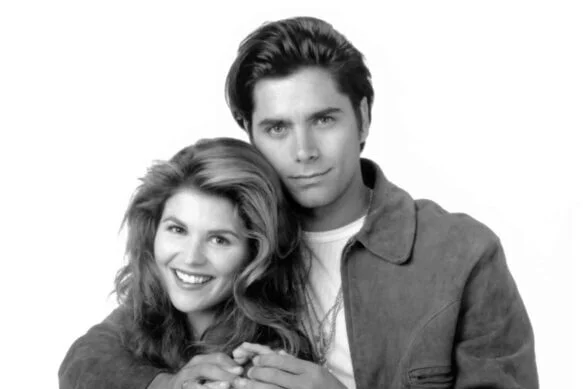
One of the strangest setups in Full House is when Jesse gets cold feet, goes skydiving, lands in a tree, and still makes it to his wedding. It’s pure ’80s energy, overflowing with sitcom chaos that somehow still ends in romance. Today, writers would likely tone down the physical comedy for a major moment like a wedding. But back then, nothing said “true love” like an emergency rescue followed by a mad dash to the aisle. It’s the kind of plotline that leaves viewers laughing even while asking why any of it was necessary. Jesse’s daredevil stunt feels more like an unrelated B-plot than part of a wedding episode. It’s over the top in a way that only this era could pull off. Still, it remains one of the most memorable parts of the show.
In a modern series, major relationship moments usually lean more grounded. Today’s audiences expect emotional conversations, not parachute mishaps. The episode is a reminder of how many ’80s sitcoms relied on physical humor to push stories forward. Even if the plot feels completely unrealistic, fans still love the big, wild energy of it. It’s nostalgia at its most exaggerated. And while it probably wouldn’t air now without a rewrite, it fits perfectly into the world of Full House. That’s why fans can’t help smiling every time it comes up.
3. ALF Kidnaps the Neighbor’s Cat
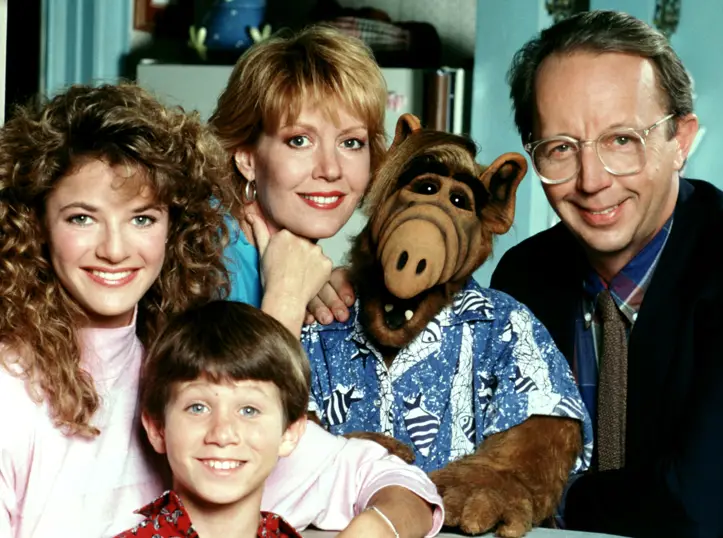
ALF was already a bizarre show, but there’s an episode where the furry alien actually kidnaps the neighbor’s cat. Though played for laughs, the whole premise would set off alarms today. Modern audiences are far more sensitive to jokes involving harming or abducting pets. In the ’80s, though, the writers leaned into the running gag that ALF wanted to eat cats. It’s one of those jokes that worked back then but feels extremely uncomfortable now. Even though the cat is ultimately fine, the storyline still lands strangely. The humor doesn’t age well, especially for animal lovers.
Nowadays, viewers expect family TV to handle pets with extra care. The joke would probably get cut long before reaching the script stage. The idea of using the threat of an animal being eaten as humor just wouldn’t fly. And the image of ALF sneaking around with someone’s pet feels more creepy than funny now. This plot is a prime example of ’80s comedy pushing boundaries in ways that wouldn’t make it past modern standards. Still, fans look back on it as a quirky part of what made ALF such an oddball favorite. It remains memorable, even if totally out of step with today’s norms.
4. The Facts of Life Sends the Girls to a Cult
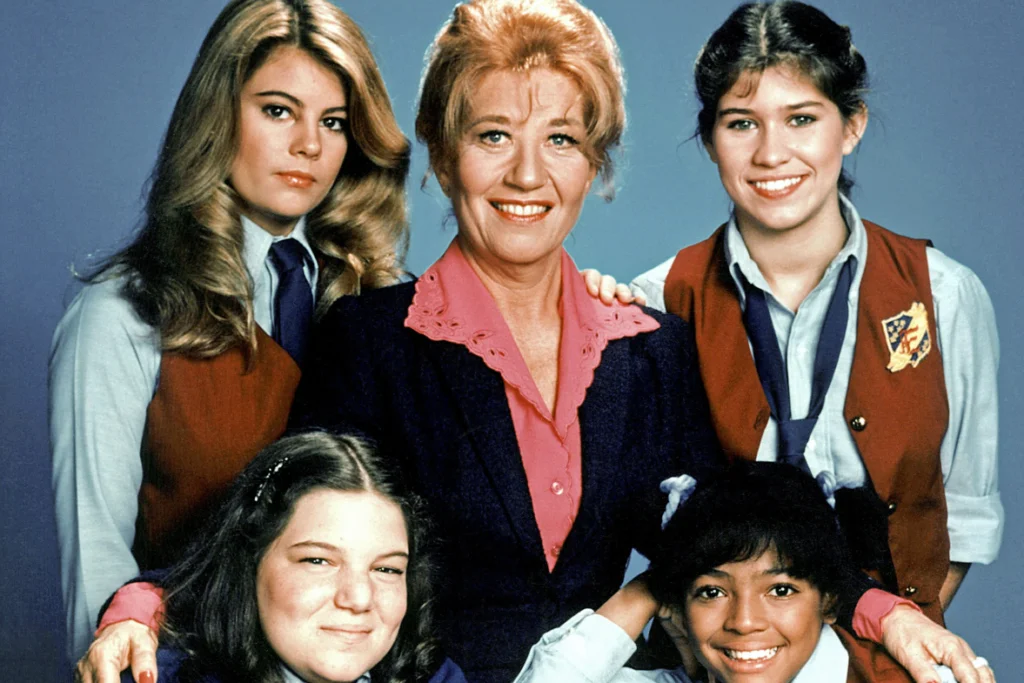
There’s an episode where Blair, Jo, Natalie, and Tootie accidentally fall in with a cult. It’s meant to be a dramatic “very special” moment, but the presentation feels like a strange mix of after-school special and sitcom. The tone is unsettling because the show tries to squeeze serious danger into a half-hour format. Today, cult storylines usually get handled with long-form drama or true-crime care. In a sitcom setting, it feels rushed, oddly lighthearted, and almost surreal. The girls escape, of course, but the journey there is chaotic. It’s a classic example of ’80s TV trying to address everything, even when it didn’t quite fit.
If this plot aired today, it would likely be part of a bigger, more dramatic arc. Viewers now expect nuance and time to process heavier topics. Instead, the episode jumps from jokes to real dangers in seconds. The pacing makes it feel unintentionally comedic at times. It also pushes the limits of what family audiences expect from sitcom episodes. Even so, it stays burned into fans’ memories for how strangely ambitious it was. The ’80s had a knack for throwing “topic episodes” into any series, whether it matched the tone or not.
5. Small Wonder Has Vicki Malfunctioning in Public
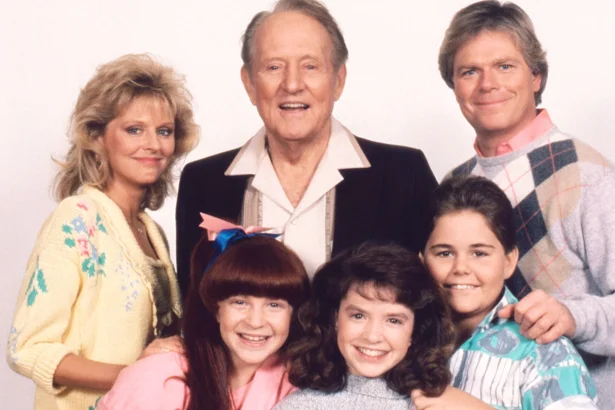
Small Wonder already had one of the strangest premises of the ’80s, centered around a family hiding a robot child. But one bizarre plotline involves Vicki malfunctioning in public and everyone pretending she’s totally normal. Today, viewers would expect a more grounded explanation, or at least better special effects. The episode instead relies on awkward stiff acting and repetitive jokes about hiding her true identity. The comedy feels far too broad by modern standards. It’s also one of those plots that makes you wonder how no one ever figured out she was a robot. The entire situation is awkward, dated, and incredibly funny in hindsight.
Nowadays, shows with sci-fi elements usually develop richer world-building rules. Back then, the writers just hoped the audience would roll with it. The result is a storyline that feels more like a sketch than a real episode. It’s a reminder of how far TV has come in terms of tone, realism, and effects. Fans who grew up watching Vicki freeze mid-sentence still look back on it fondly, mostly because of how absurd it was. It’s a type of quirky weirdness that could only come from that decade. And it still gets referenced for its unintentionally hilarious logic gaps.
6. Knight Rider Features a Car Falling in Love
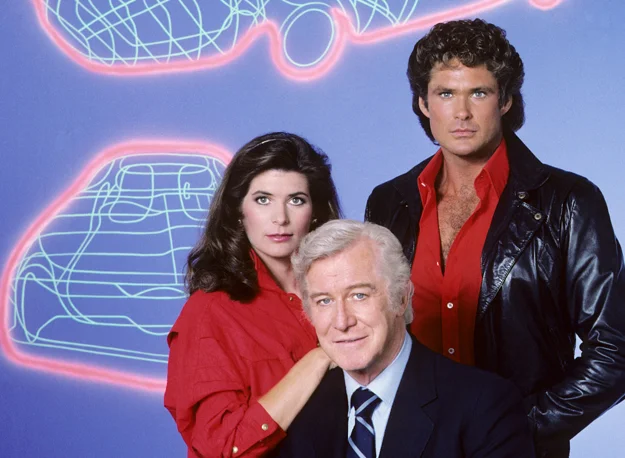
There’s an episode of Knight Rider where KITT becomes infatuated with another artificial intelligence. It’s surprisingly emotional for a show about a talking car. But the idea of machines experiencing romantic feelings feels very ’80s and very unlikely to appear today in the same tone. The writers leaned hard into the melodrama, complete with jealous moments and heartbreak. It’s a storyline that modern audiences would likely find too cheesy or odd. Yet somehow, the show makes you care. It’s a prime example of how sci-fi storytelling took big swings during that era. And fans still remember it for being as sweet as it was strange.
In current TV, romance arcs for AI usually come with deeper ethical layers. This episode treats it more like high-school drama between cars. The simplicity is charming, but it also feels wildly out of step with today’s sci-fi storytelling. It’s also a reminder that ’80s action shows often mixed genres without hesitation. One minute viewers were watching explosions, the next they were watching a mechanical love story. As bizarre as it sounds, the storyline still has a nostalgic charm. It’s unforgettable because of how boldly unusual it was.
7. The A-Team Makes Everyone Believe Murdock Is a Ventriloquist Dummy
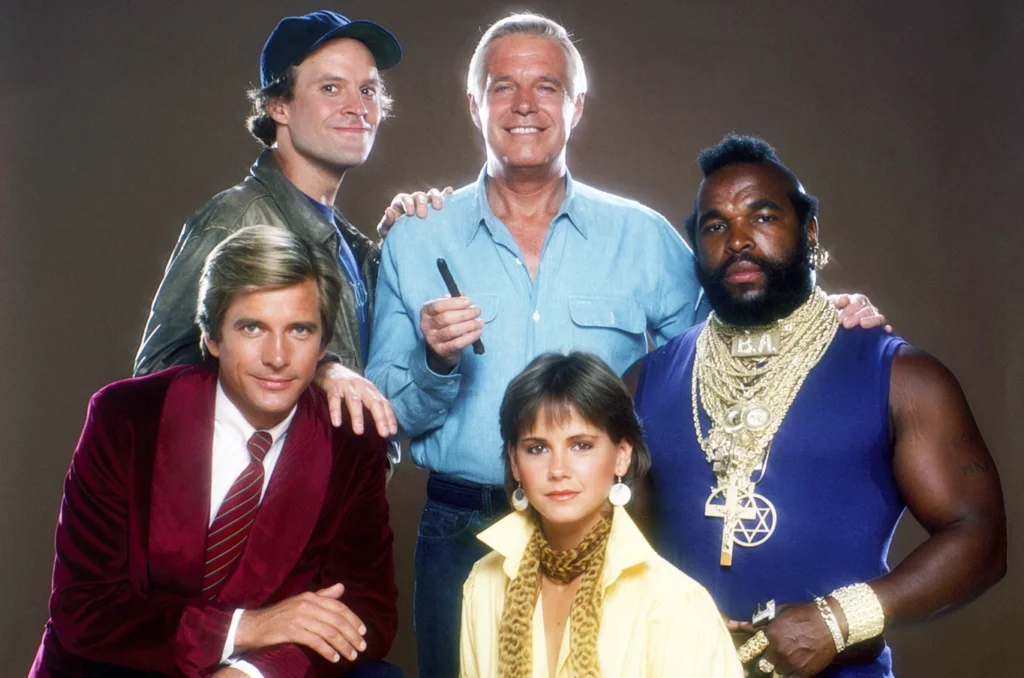
In one of the odder episodes of The A-Team, Murdock pretends to be a ventriloquist dummy. The team plays along to fool the bad guys, creating a setup that’s both hilarious and baffling. Today, a storyline built around such a bizarre disguise might feel too silly for an action show. But the ’80s embraced campy undercover antics. The joke goes on longer than you’d expect, stretching the limits of believability. It’s one of those plots that feels like it escaped from a cartoon. Yet it somehow works because of the commitment from the cast.
Modern action series tend to take themselves more seriously. Elaborate disguises still happen, but not to this level of goofiness. The entire episode feels like a different genre sneaked into an action show. The result is memorable and very “of its time.” Fans who love Murdock’s eccentricity still cite this as peak chaos. But it’s almost impossible to imagine a similar plot airing today. It’s a relic of a television era where anything went, as long as it was fun.
8. Punky Brewster Tackles a Scary Cave Monster
One of the most famously strange Punky Brewster episodes features Punky and her friends getting trapped in a cave with a terrifying monster. The creature looks like something from a horror movie, not a kids’ sitcom. The tone is shockingly dark, and many viewers remember being traumatized by it. Today, children’s TV tends to be much more careful about frightening imagery. This storyline pushed boundaries in a way that probably wouldn’t be allowed now. The episode stands out because it’s so unexpectedly scary. It feels like a very different kind of show for those 30 minutes.
Modern kids’ programming usually avoids nightmare fuel. Back then, writers weren’t afraid to throw in a jump scare or two. The result is an episode that still gets talked about for how off-tone it was. Many fans assumed they imagined it until they rewatched as adults. It’s easily one of the most bizarre examples of ’80s kids TV going too far. And it’s exactly why it still pops up in nostalgia conversations.
9. Saved by the Bell Turns Jessie’s Caffeine Problem Into a Meltdown

Although technically late ’80s into the early ’90s, Saved by the Bell gave us Jessie Spano’s dramatic “I’m so excited” breakdown over caffeine pills. The storyline tries to warn teens about substance abuse but picks an oddly mild substance. Today, the plot would likely be rewritten with a more realistic or serious angle. The melodrama feels unintentionally funny, despite its important message. It’s one of the most parodied TV moments of its era. The exaggerated tone is what makes it so memorable. It’s earnest, but also wildly over the top.
Modern shows tend to portray addiction issues with far more nuance. The idea of caffeine pills leading to a full emotional spiral has become something of a cultural joke. It’s not that the message wasn’t important, it’s the execution that feels dated. Still, fans remember Elizabeth Berkley’s performance as iconic. It’s one of those strange plotlines that could only have been written during that time. And it’s forever cemented as one of the show’s most dramatic episodes.
10. MacGyver Battles Killer Ants
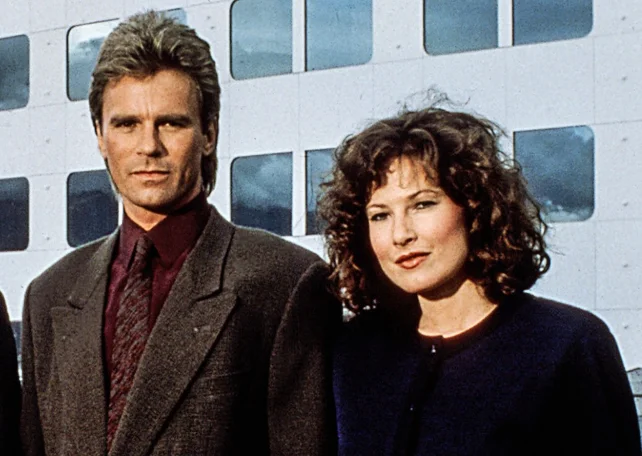
There’s an episode of MacGyver where he ends up fighting off an army of killer ants. It sounds like a creature-feature movie, but it’s treated as a serious storyline. Today, the premise would probably get a campy, comedic treatment instead. But in the ’80s, it was presented with full tension and drama. It’s a strange mix of action, horror, and science lesson. MacGyver uses his creativity to survive, of course. But the whole thing feels like a dramatic nature documentary that somehow wandered into an action series. Viewers still bring it up because it’s so unusual.
Modern action shows usually avoid plots that feel like exaggerated wildlife documentaries. The seriousness of the episode adds to the oddness. Even so, it showcases MacGyver’s resourcefulness in a memorable way. Fans often debate whether it was terrifying or ridiculous. It’s also a reminder that ’80s television took big swings, even with seemingly wild premises. And that’s exactly why it sticks in people’s minds.
11. Mr. Belvedere Deals with a Nuclear Fallout Drill Gone Wrong
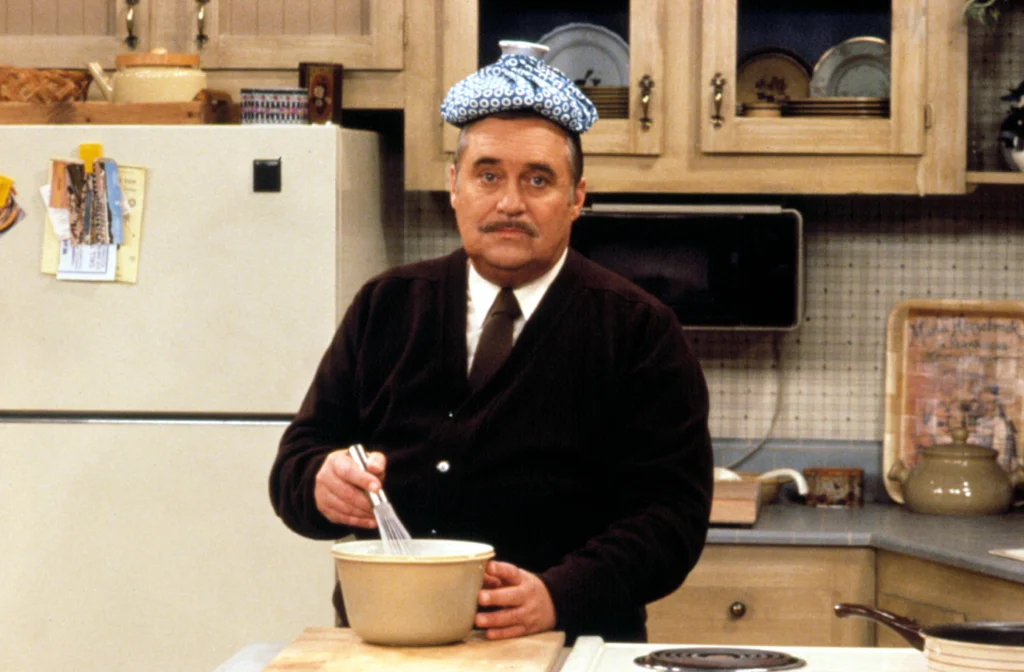
Mr. Belvedere had an episode where a nuclear fallout drill turns into a full-blown panic. The family genuinely believes they might be stuck in a bunker long term. The subject matter feels unusually heavy for such a gentle sitcom. Today, nuclear-themed plots are handled with much more caution. The ’80s had ongoing Cold War anxieties, which seeped into television. But mixing it with family comedy creates a strange tonal effect. The episode plays out like equal parts satire and cautionary tale.
Modern sitcoms rarely dive into nuclear fear storylines. The stakes feel too big for the format now. But during the ’80s, these plots reflected real cultural anxieties. Even so, the juxtaposition of laughs and looming doom feels odd. The episode remains a memorable but strange part of the series. Fans often bring it up as a “did that really happen?” moment. It’s a prime example of the era’s willingness to push boundaries in unexpected ways.
12. The Love Boat Sends a Man Back in Time
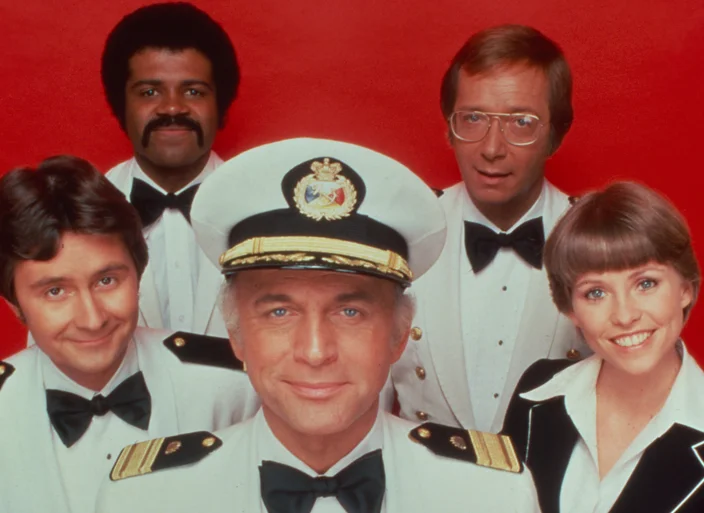
In one of the strangest Love Boat episodes, a passenger finds himself traveling back to the 1920s. It’s an unexpected sci-fi twist in a show that was usually about romance and lighthearted adventure. Today, a sudden time-travel subplot would confuse viewers unless the show was already a fantasy series. But in the ’80s, anthology-style storytelling allowed for almost anything. The episode plays it completely straight, treating the time jump as just another cruise adventure. It’s incredibly fun, though undeniably odd. The randomness is part of what makes it so memorable.
Today’s audiences expect genre consistency. Jumping from romance to time travel would feel disjointed now. But the ’80s were more playful with format shifts. The episode feels like a whimsical detour rather than a major event. Fans still talk about it because it feels like a dream sequence that just… wasn’t. It’s one of those “only in the ’80s” plotlines that continues to amuse viewers. And it adds to the legend of how unpredictable The Love Boat could be.
13. Family Ties Has Alex Talking to a Ghost
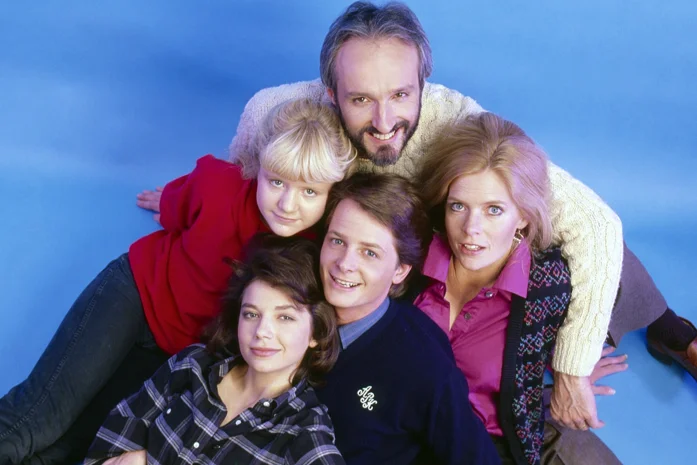
There’s an episode of Family Ties where Alex is grieving a friend and ends up having conversations with his ghost. The storyline is surprisingly spiritual for a family sitcom. Today, shows tend to handle grief with more grounded, realistic approaches. But the supernatural angle gives this episode a surreal tone. It’s emotional, but also incredibly unusual for the series. Fans remember it for being heartfelt yet strange. It feels like a detour into a different genre altogether.
Modern audiences expect a clearer distinction between fantasy and realism in sitcoms. Back then, writers weren’t afraid to get experimental when tackling heavy topics. The ghostly interactions feel both moving and out of place. It’s a plotline viewers still talk about because it’s so unlike any other episode. And it stands out as one of the most unexpected creative swings of the era. It’s a perfect example of how ’80s TV could surprise you at any moment.