
1. Jaws (1975)
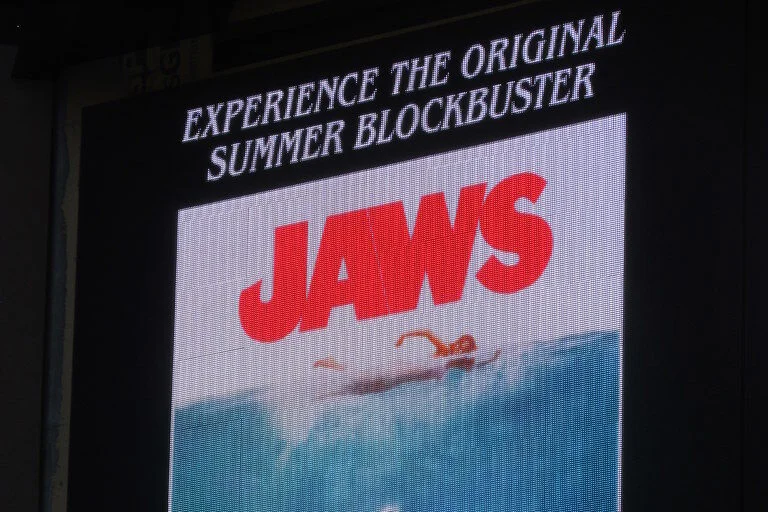
Steven Spielberg didn’t just make a hit with Jaws, he accidentally invented the modern summer blockbuster. No one expected a mechanical shark that barely worked to become the stuff of cinematic legend, but Spielberg leaned into suspense and let the audience’s imagination do the heavy lifting. People lined up around the block, creating a level of hype that studios had never seen during the summer months. Its blend of horror, adventure and quiet character moments made it feel fresh in a way thrillers hadn’t before. The film’s advertising push, especially the nationwide TV campaign, changed how movies were marketed. It became universal water-cooler talk, even for people who were too scared to get into the ocean afterward. By the end of that summer, it was clear that Jaws had shifted Hollywood’s playbook.
The movie also broke the rules by proving that fear could be fun. Audiences didn’t stop returning once they screamed the first time, they came back again and again for that roller-coaster feeling. Critics were surprised to see a “creature feature” treated with such craft, and even more surprised when it dominated the box office. The film also elevated the careers of its cast, who added layers of depth that similar thrillers rarely had. Spielberg’s decision to focus on character over spectacle paid off, giving viewers something to hold onto beyond shark attacks. By the end of the decade, every studio was trying to replicate the formula. The result was a new era of summer tentpoles. And it all started with one broken shark.
2. Star Wars (1977)
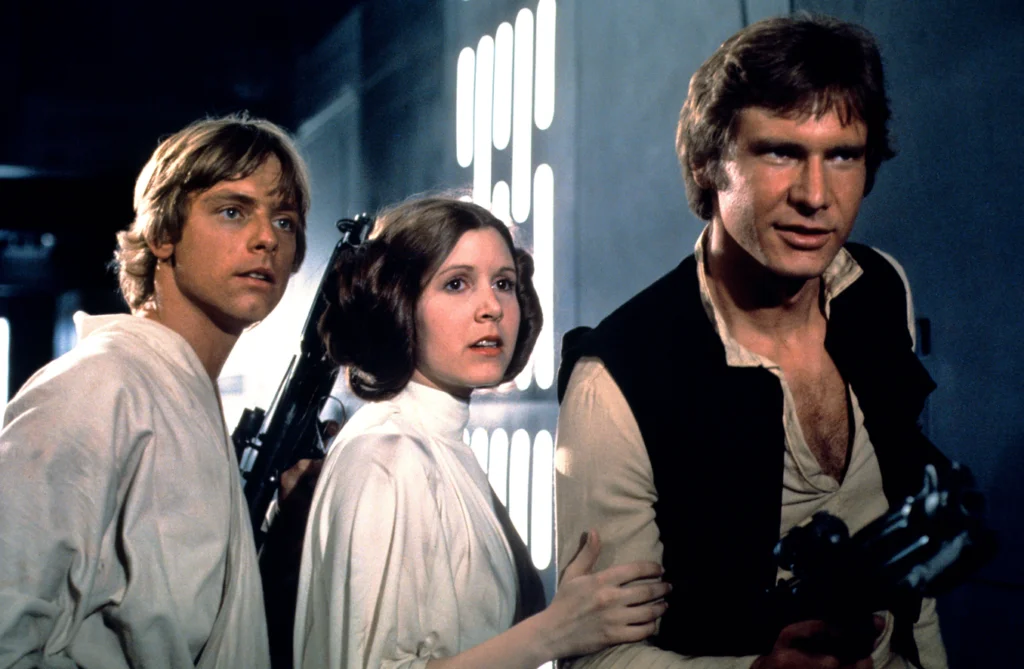
Before Star Wars, sci-fi was often niche, occasionally campy and rarely considered a guaranteed box-office draw. George Lucas took an enormous gamble by blending futuristic space battles with old-fashioned adventure, creating something that didn’t look or feel like anything before it. The movie’s practical effects, created by a brand-new company called Industrial Light & Magic, set new standards for filmmaking. Audiences were stunned by how real the universe felt, even though it was filled with aliens, droids and planets no one had imagined yet. The film also shook the industry by proving that a massive merchandising push could work. Kids wanted the toys before the toys even existed, which changed studio economics forever. Its surprise success showed that “weird” could also be wildly profitable.
The movie also broke storytelling rules by dropping audiences into a story already in progress. Lucas trusted viewers to follow along without hand-holding, and people loved that sense of discovery. The characters felt instantly iconic, even though they were brand new. Critics praised its sense of pure fun, something movies had gotten a bit too serious to fully embrace. Summer suddenly became the season for big imaginative worlds. Studios realized people wanted escapism when the weather warmed up. And from that point on, the galaxy far, far away became part of our culture.
3. Rocky (1976)
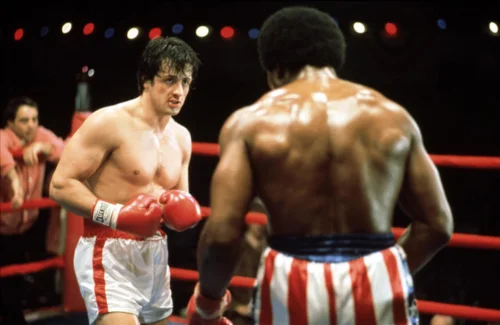
Rocky wasn’t expected to become a blockbuster, especially since it came from a then-unknown Sylvester Stallone. The film’s grounded story about an underdog boxer felt more like something you’d see in the fall, not during peak popcorn-movie season. But audiences fell hard for Rocky Balboa’s heart, grit and quiet determination. The movie proved that emotional storytelling could hold its own during the summer months. Viewers connected with Rocky in a way that felt deeply personal, cheering him on as if he were a real friend. The film also caught critics off guard with its sincerity. By the time it hit its stride, it was clear it had become something far bigger than expected.
It broke rules simply by being small at a time when movies were getting bigger. The training montages, which became an instant part of pop culture, added an energy that summer audiences loved. The film didn’t rely on special effects or flashy tricks, just human connection and a great character arc. Its underdog journey mirrored Stallone’s own, making the story feel even more authentic. The surprise box-office success challenged studios to rethink what a summer hit could look like. It went on to win Best Picture, something no one thought a scrappy indie-feeling drama could do. And it turned Stallone into a household name almost overnight.
4. Grease (1978)
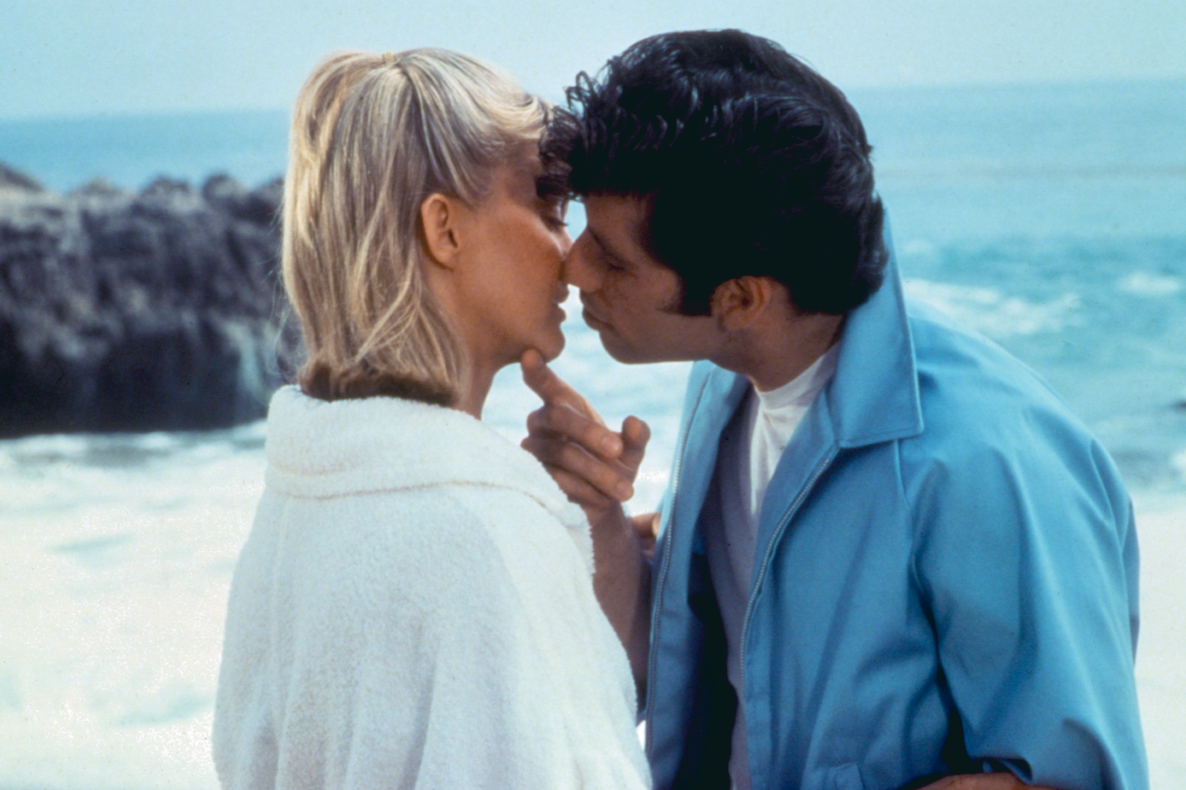
A musical dominating summer box offices wasn’t the norm, but Grease made it look effortless. The movie’s bright colors, catchy songs and playful nostalgia made it a perfect warm-weather escape. John Travolta and Olivia Newton-John had incredible chemistry that audiences couldn’t get enough of. The film felt like a party on screen, and people kept returning to experience that joy. It also broke box-office expectations for musicals, which had been cooling down throughout the decade. The soundtrack became a phenomenon in its own right, staying on the charts for months. Fans left theaters singing, which only fueled the excitement.
The movie also broke cinematic rules by being unabashedly fun during a time when gritty realism dominated Hollywood. It leaned into campiness without apology, proving that lighthearted stories could still make a huge cultural impact. The characters became archetypes for generations of viewers. It revived interest in ’50s nostalgia, from fashion to slang. And it gave audiences a burst of pure energy during a time when blockbusters were starting to feel pretty intense. Grease reminded Hollywood that joy sells just as well as spectacle. And it continues to be one of the most rewatchable summer movies ever made.
5. Close Encounters of the Third Kind (1977)
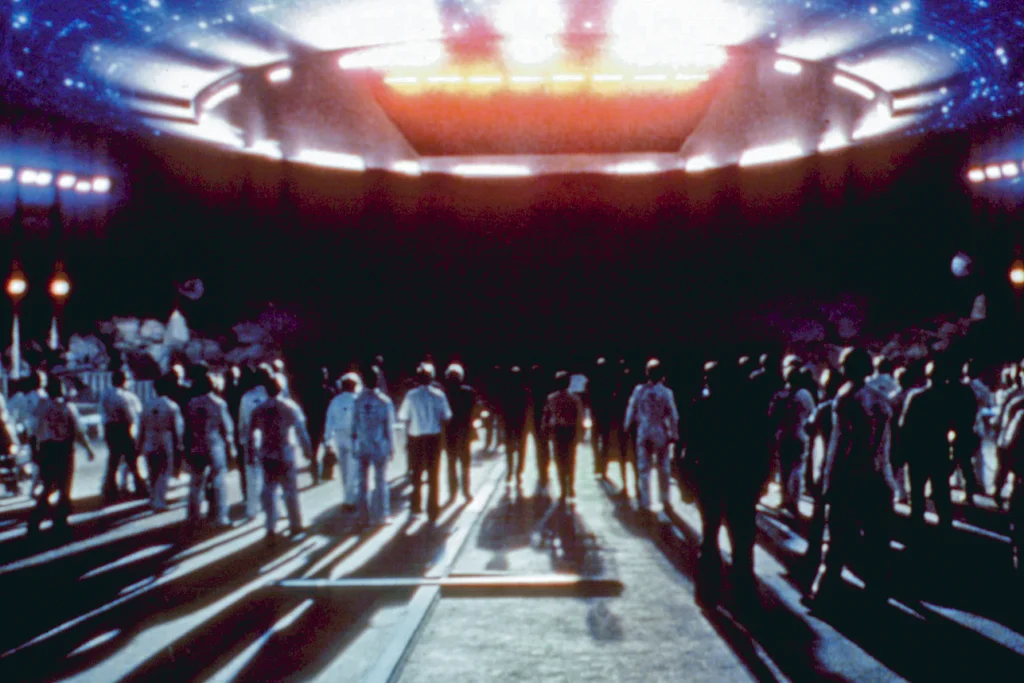
Spielberg took another swing at redefining the blockbuster with Close Encounters, and it paid off. Instead of making aliens scary, he presented them as mysterious and awe-inspiring, which felt completely different from the usual sci-fi tropes. The film blended special effects with emotional storytelling in a way that felt fresh. It also attracted adults in huge numbers, which was unusual for a summer release. The movie’s final sequence, filled with light and music, became one of the decade’s most iconic images. People walked out of theaters arguing about what it all meant, which kept interest high. It became a thinking-person’s blockbuster without losing that popcorn appeal.
The movie also challenged expectations by focusing on ordinary people having extraordinary experiences. Richard Dreyfuss’s character wasn’t a trained hero, just a regular guy whose life changed forever. The film balanced wonder with real-world tension that adults could relate to. Critics loved that it didn’t rely on violence or fear. It proved that philosophical storytelling could coexist with spectacle. And it helped cement Spielberg as a director who could turn bold ideas into mainstream hits. Summer movies suddenly had room for more imagination.
6. Saturday Night Fever (1977)

While not a traditional action-heavy blockbuster, Saturday Night Fever became a cultural juggernaut that dominated the box office. The film tapped into the disco scene right as it peaked, making it feel timely and electric. John Travolta’s performance became instantly iconic, capturing the restlessness and swagger of a generation. The soundtrack, especially the Bee Gees, became an unstoppable force. It was one of the first times music and film fed off each other in such a massive way. People saw it multiple times just to relive the club scenes. Studios couldn’t ignore the power of a movie-music combo ever again.
It broke rules by being a gritty drama wrapped in the shine of disco lights. The film didn’t shy away from the darker sides of youth culture, something summer audiences usually didn’t get. Yet people connected with its honesty, even as they were dazzled by the dance sequences. The movie also helped shift fashion trends, something few blockbusters can claim. Travolta’s white suit became a symbol recognized around the world. And it proved that a movie about dancing could become just as influential as the biggest action hit.
7. The Exorcist (1973, wide release ’74)
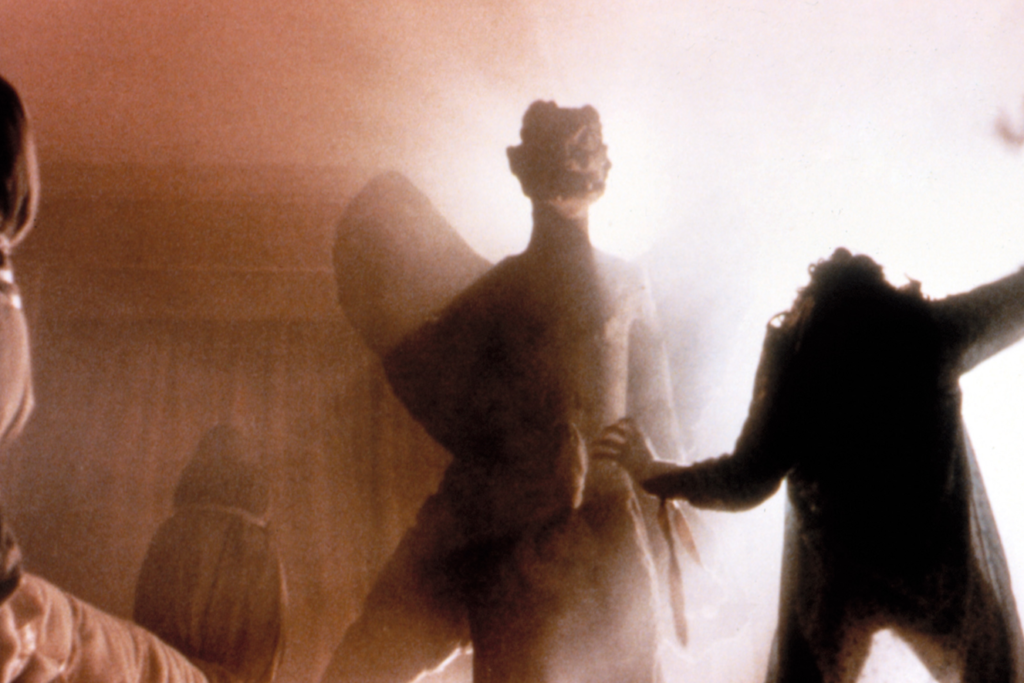
Horror wasn’t supposed to draw massive family crowds, especially not during summer. But The Exorcist broke every expectation by becoming one of the highest-grossing films of the decade. People lined up for hours, driven by word-of-mouth stories of fainting and panic in theaters. The film blended prestige filmmaking with shocking imagery in a way no one had seen before. Critics took it seriously, something that rarely happened with horror. Its reputation became as big as the movie itself. It proved that fear, when done well, could be a summer sensation.
The film also challenged what studios thought audiences could handle. It dealt with religion, trauma and the supernatural with a level of intensity that summer movies rarely went near. Its special effects pushed boundaries, making scenes that are still shocking today. The movie showed that controversial films could be incredibly profitable. It pushed the MPAA to its limits and sparked debates everywhere. And it paved the way for horror movies to claim prime release dates.
8. Smokey and the Bandit (1977)
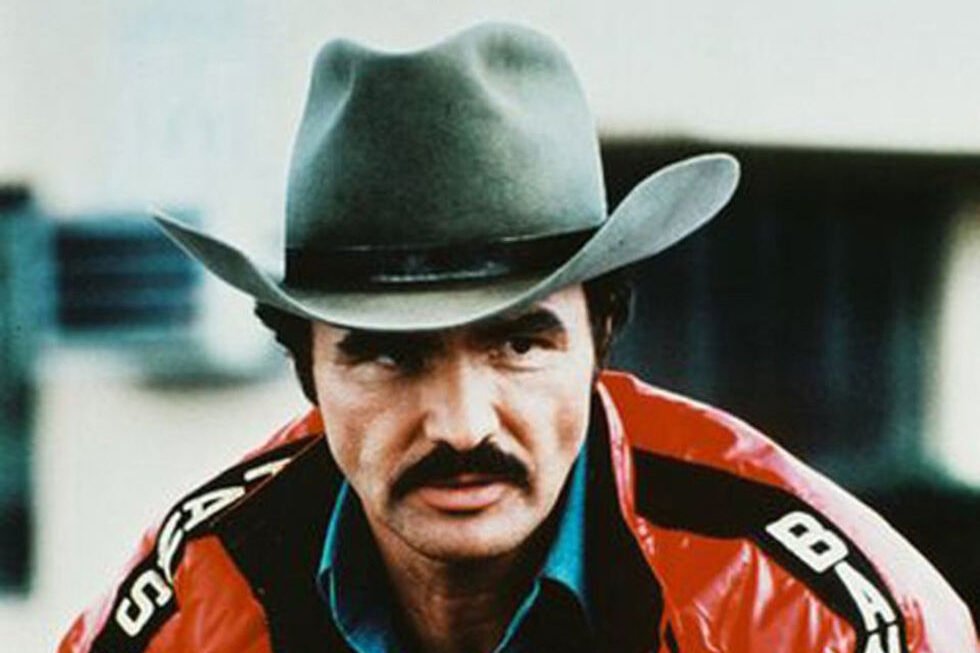
This high-energy car-chase comedy surprised everyone by becoming a runaway hit. Burt Reynolds was at the height of his stardom, and his charm carried the movie in a way few actors could. The film leaned heavily on stunts, humor and pure fun. It didn’t take itself too seriously, which made it perfect for summer audiences. The chemistry between Reynolds and Sally Field added heart to all the fast driving. Moviegoers loved the combination of Southern style, country music and big personalities. Critics didn’t expect much, but the public adored it.
It broke rules by leaning into regional flavor instead of playing it safe. The film embraced its Southern identity, which wasn’t the norm for major studio releases. Its chase sequences inspired a wave of stunt-heavy movies. The film also made the Pontiac Trans Am a superstar. Studios realized that simple, high-energy fun could become a phenomenon. And it solidified Reynolds as one of the decade’s biggest box-office draws.
9. Alien (1979)
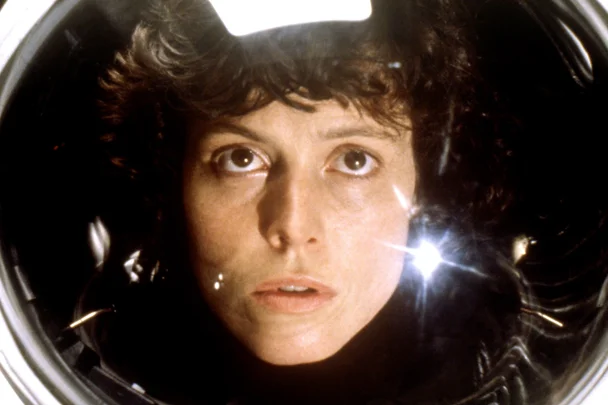
Ridley Scott’s Alien combined horror and sci-fi in a way no one had attempted on such a scale. The film’s slow-burn tension shocked audiences who expected something lighter for the summer. Its groundbreaking creature design by H.R. Giger pushed visual boundaries. The film also introduced a new kind of hero in Ellen Ripley, who broke gender expectations in action movies. People were terrified but couldn’t look away. The claustrophobic atmosphere was unlike anything else in theaters. And word of mouth spread like wildfire.
The movie broke rules by refusing to fit neatly into a single genre. It was too scary to be standard sci-fi and too atmospheric to be typical horror. The practical effects still hold up today, surprising even returning viewers. Critics praised its boldness, especially given the risky subject matter. The movie also proved that dark, intense films could thrive in the summer landscape. It became a franchise that redefined the genre. And Ripley became an icon for generations to come.
10. Superman (1978)
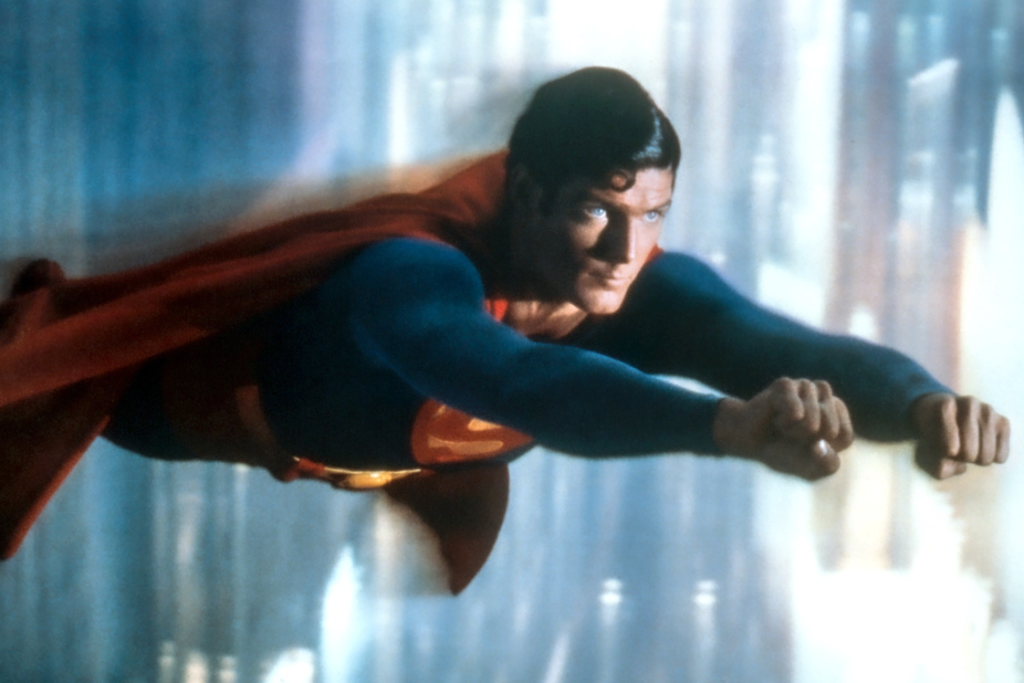
Bringing a comic-book hero to the big screen on such a massive scale had never been done before. Richard Donner’s Superman turned Christopher Reeve into an instant star, thanks to his sincerity and charm. The film’s visual effects were cutting-edge, convincing audiences that a man really could fly. It delivered a hopeful, earnest story at a time when Hollywood was leaning into grit. The John Williams score became one of the most recognizable themes in film history. Audiences of all ages flocked to it, making it a true four-quadrant hit. And it helped cement superhero movies as serious box-office contenders.
The film broke rules by treating comic-book stories with respect instead of camp. It balanced romance, action and humor without losing its heart. Reeve’s dual-role performance impressed critics who were skeptical at first. The movie also proved that massive budgets could pay off when paired with strong storytelling. It opened the door for future superhero epics. And it helped shape the genre as we know it today.
11. The Towering Inferno (1974)
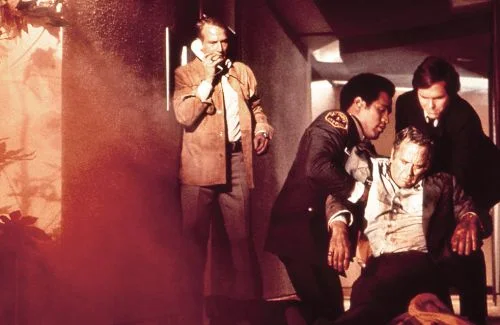
Disaster films were big in the ’70s, but The Towering Inferno took the genre to a new level. With its all-star cast and massive effects work, it felt like an event movie before that term existed. Audiences were hooked by the spectacle of a skyscraper on fire and the race to save lives. The film pushed practical effects to the limit, making viewers feel the heat and danger. It also tapped into real fears of urban disasters. The combination of tension and heart kept people talking all summer. It became one of the decade’s highest-grossing films.
The movie also broke rules by uniting two studios, something almost unheard of at the time. Its ensemble cast set a pattern for future blockbusters. The film blended action with emotional stakes, making it stand out in a crowded field. It proved that large-scale disaster stories could dominate the summer box office. The production set new standards for stunt coordination. And it helped define what a “big movie” could look like.
12. The Omen (1976)
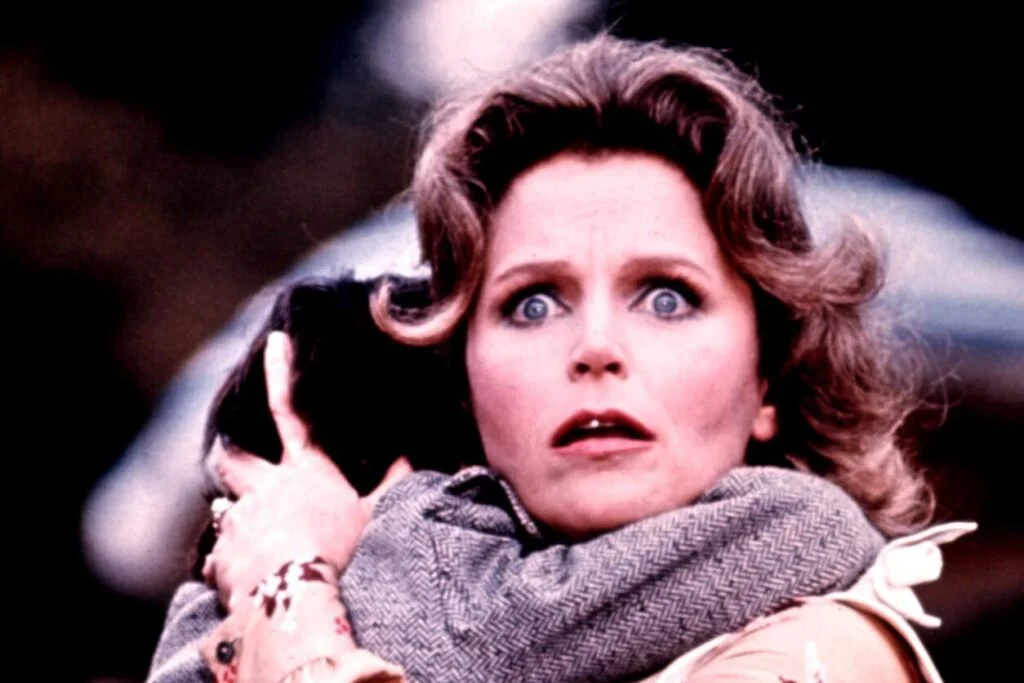
Horror showed surprising strength in the summer once again with The Omen. The film’s unsettling story about a child linked to biblical prophecy drew huge curiosity. Gregory Peck’s presence gave it a level of prestige that most horror films didn’t have. Audiences were drawn to its mix of mystery, dread and shocking set pieces. It became an unexpected hit, riding a wave of word-of-mouth excitement. The film’s eerie atmosphere lingered long after the credits rolled. And people couldn’t stop talking about its most chilling moments.
The movie broke rules by combining serious dramatic performances with supernatural horror. It proved that sophisticated storytelling and scares could coexist. Critics praised its confidence and craftsmanship. It also pushed horror further into mainstream popularity. The film spawned a franchise and influenced countless supernatural thrillers. And it solidified the idea that horror could be a summer powerhouse.