
1. Walter Cronkite
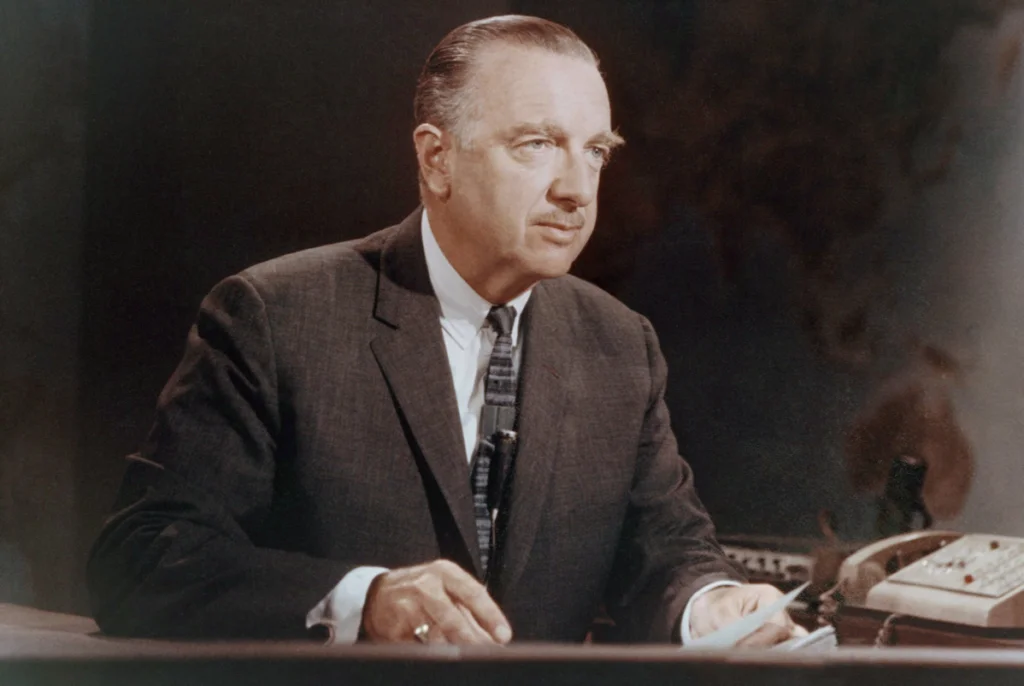
Walter Cronkite wasn’t just a news anchor, he felt like the calm adult in the room when the world was spinning fast. When he took over the CBS Evening News in the early ’60s, viewers quickly came to trust his steady delivery and careful wording. He didn’t rush to be dramatic, and that restraint mattered during moments like the assassination of President Kennedy. People believed him because he never seemed to be performing. He simply told you what he knew and admitted what he didn’t. That honesty built a rare kind of loyalty. By the end of the decade, his voice felt woven into daily life.
Cronkite’s influence went beyond the nightly news. When he offered an opinion, such as his assessment of the Vietnam War, it carried real weight with the public. He wasn’t chasing ratings or shock value, which made his credibility even stronger. Families trusted him enough to watch together, night after night. His sign off became a ritual, not just a habit. For many viewers, Cronkite represented the gold standard of journalism. Long after the ’60s ended, his reputation as “the most trusted man in America” stuck.
2. Edward R. Murrow
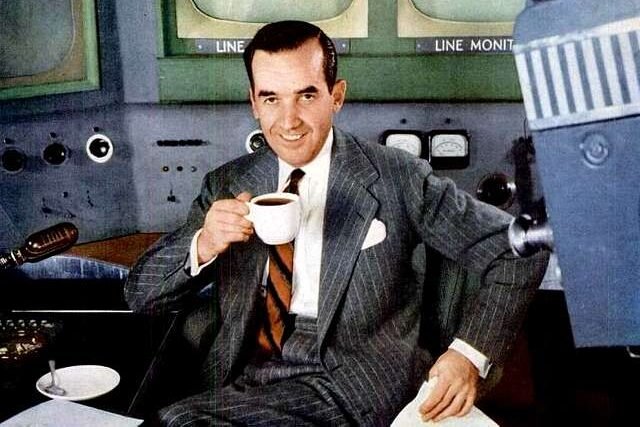
Edward R. Murrow entered the ’60s with a reputation already firmly established, but his voice still mattered deeply during the decade. Through programs like See It Now, he showed viewers that television could challenge power rather than flatter it. Murrow spoke with authority, but never with arrogance. His calm intensity made people lean in rather than tune out. He treated the audience like adults who deserved the truth. That respect went a long way.
Murrow didn’t sugarcoat hard realities, and viewers appreciated that. He believed journalism carried responsibility, not just influence. Even when television began to drift toward lighter fare, Murrow stood firm in his principles. His presence reminded people that TV could still be serious and meaningful. Trust came from knowing he would not compromise his values. In an era of rapid change, Murrow felt solid and reliable.
3. David Brinkley

David Brinkley brought intelligence and wit to network news without ever sounding smug. As part of The Huntley Brinkley Report, he helped redefine how news could be delivered on television. His dry humor made complex stories easier to absorb. Viewers felt like he was speaking with them, not at them. That conversational tone built comfort and trust. You didn’t feel lectured. You felt informed.
Brinkley’s credibility came from balance. He could be sharp without being cruel and thoughtful without being dull. Audiences appreciated that he didn’t pretend to be above the story. He acknowledged uncertainty when it existed. That honesty made him feel approachable. In living rooms across America, Brinkley became a familiar and welcome presence. His style helped shape the future of broadcast news.
4. Chet Huntley
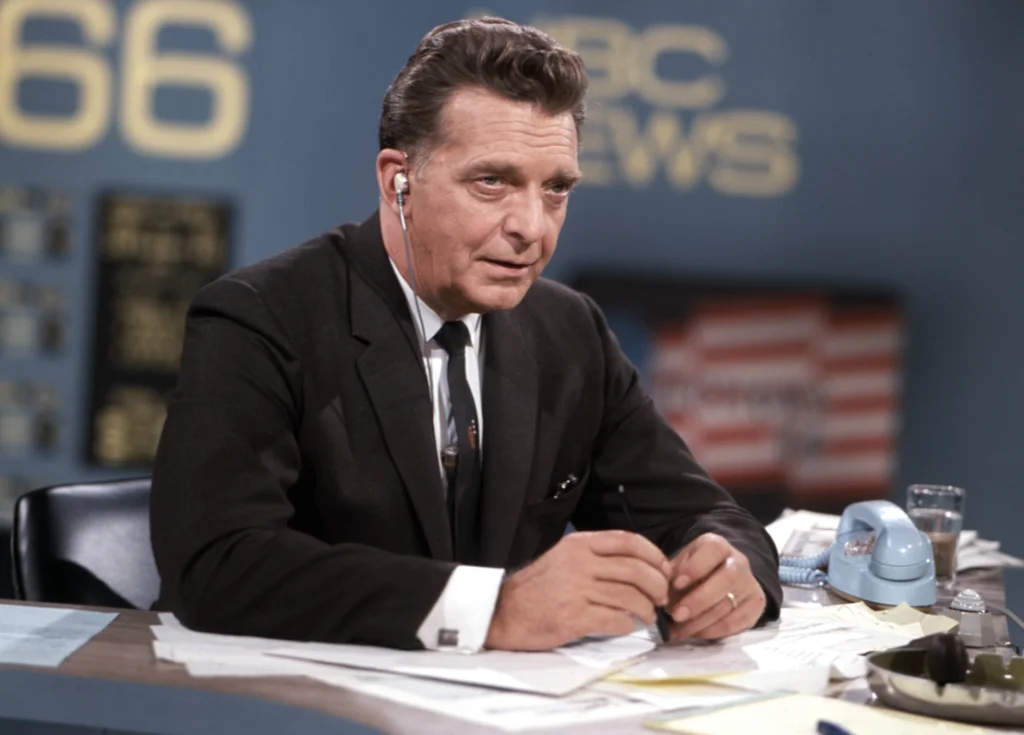
Chet Huntley’s delivery was measured, polished, and deeply reassuring. On The Huntley Brinkley Report, he projected authority without intimidation. His voice carried confidence, but also warmth. Viewers trusted him because he seemed genuinely invested in getting the story right. He didn’t rely on flashy presentation. Substance always came first.
Huntley understood the responsibility that came with speaking to millions each night. He treated serious stories with the gravity they deserved. At the same time, he avoided unnecessary dramatics. That balance made audiences feel safe turning to him for information. Trust builds slowly, and Huntley earned it night after night. By the end of the ’60s, he was a cornerstone of American news.
5. Hugh Downs
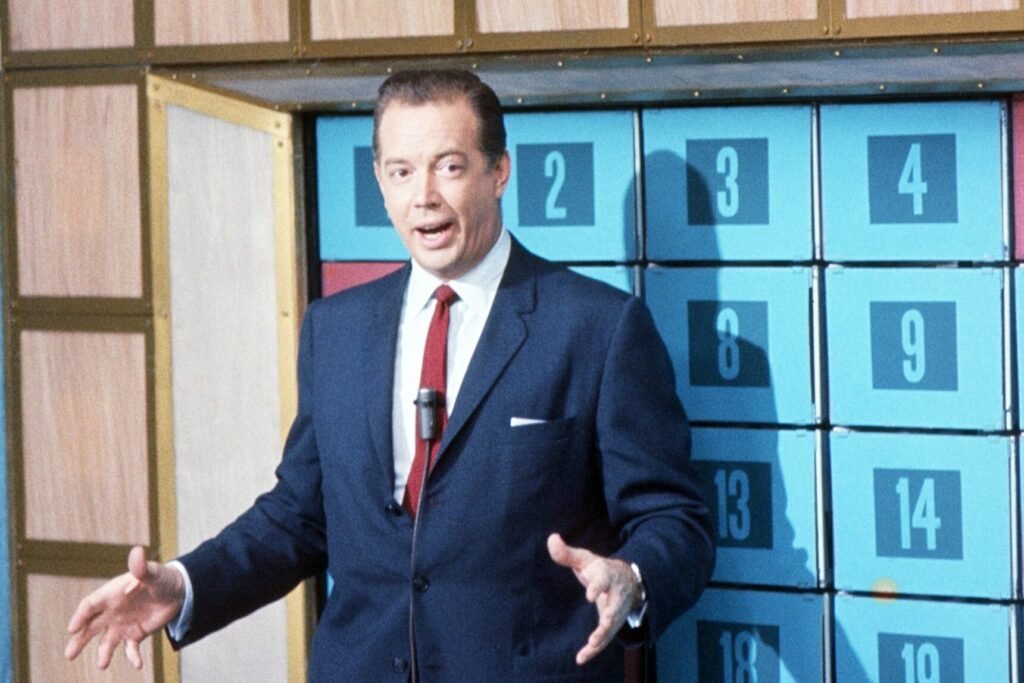
Hugh Downs had a unique ability to make viewers feel instantly at ease. As a host on programs like Today, he blended intelligence with a friendly, conversational style. He didn’t talk down to people or overwhelm them with jargon. Instead, he explained things clearly and calmly. That approach made him feel dependable. You trusted him to guide you through the morning.
Downs also had a natural curiosity that came across on screen. He listened carefully and asked thoughtful questions. Viewers sensed that he genuinely wanted to understand the world alongside them. His warmth never felt forced. It felt sincere. Over time, that sincerity built lasting trust. Downs became someone audiences welcomed into their homes.
6. Mike Wallace
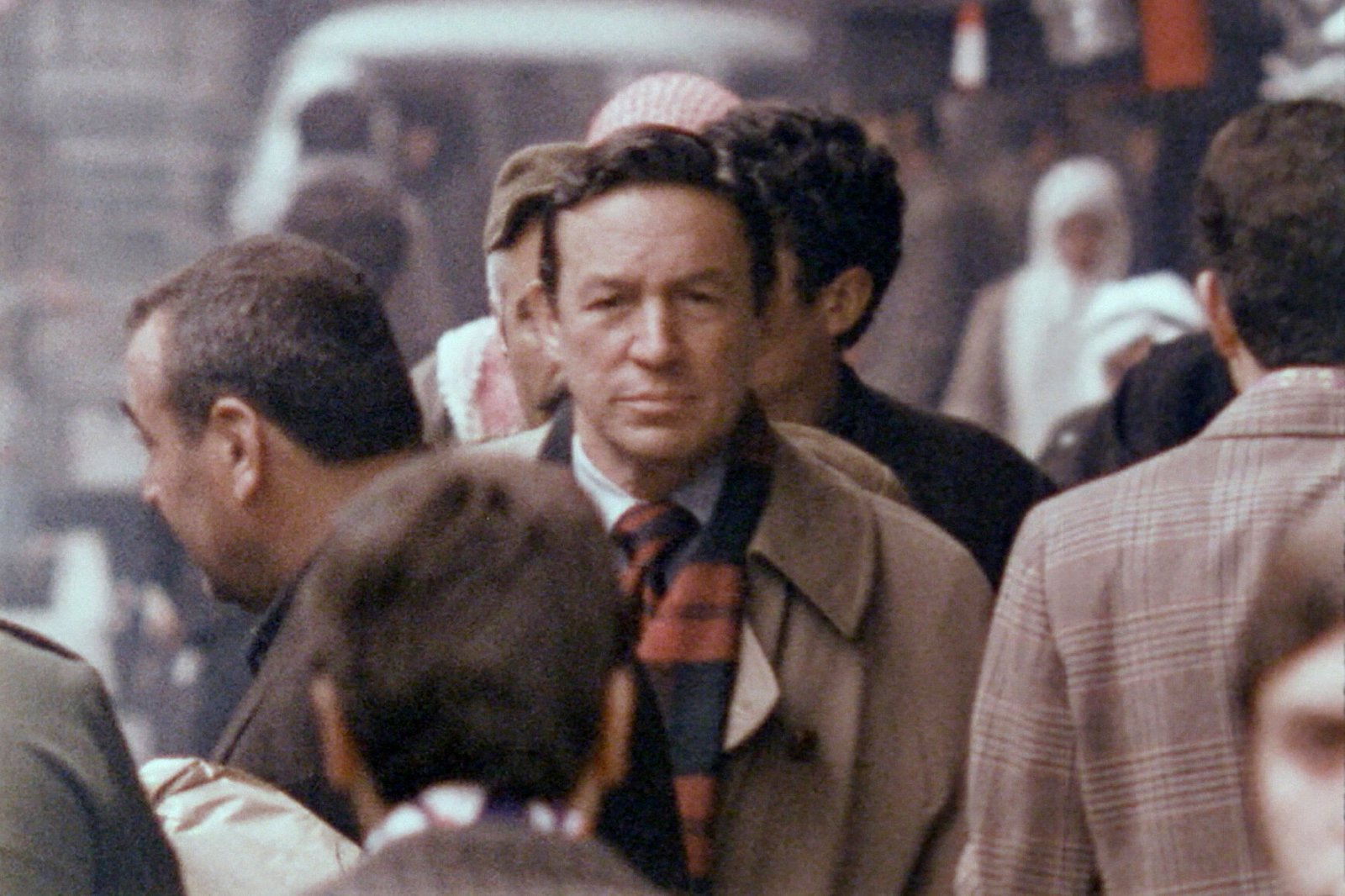
Mike Wallace was intense, direct, and unafraid to ask uncomfortable questions. On The Mike Wallace Interview and later 60 Minutes, he pushed for answers others avoided. Viewers trusted him because he challenged powerful figures rather than protecting them. His interviews felt urgent and necessary. He didn’t waste time with fluff. Every question had purpose.
Wallace’s style wasn’t gentle, but it was honest. He represented the viewer by demanding clarity and accountability. That confrontational approach earned respect, even when it made people uneasy. Audiences believed he was on their side. He asked what they wanted to know. In a decade full of political and social tension, Wallace became a vital voice. His trustworthiness came from fearlessness.
7. Barbara Walters
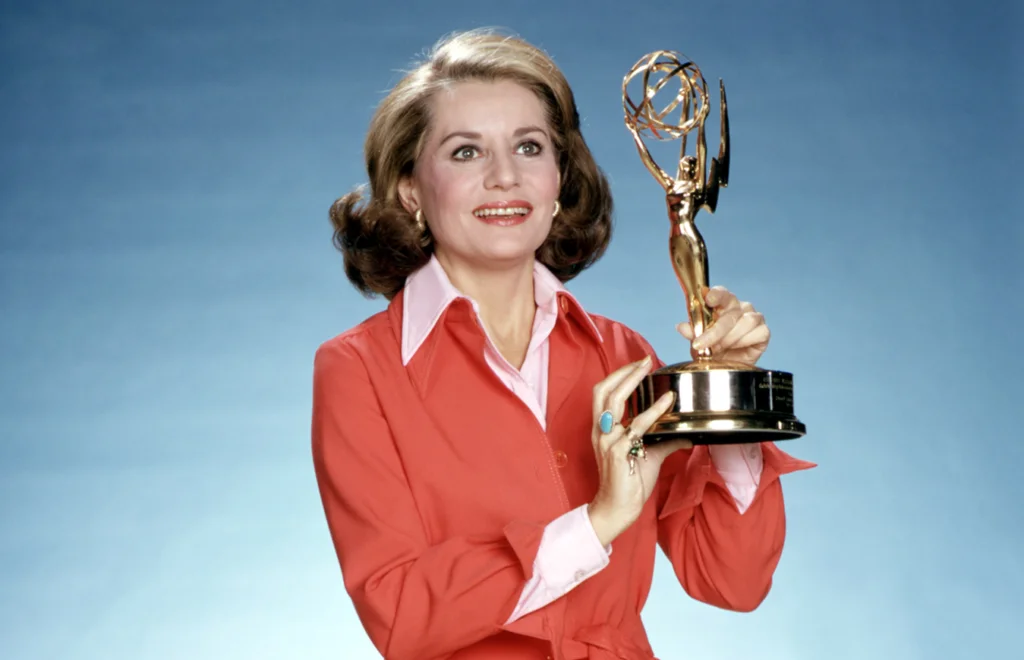
Barbara Walters began breaking new ground in the late ’60s, earning trust in a space dominated by men. She brought empathy and insight to interviews, especially when speaking with women and families. Walters asked personal questions, but never felt invasive. Her tone was thoughtful and sincere. Viewers felt she cared about the answers. That care translated into credibility.
Walters didn’t try to overpower her guests. Instead, she listened closely and responded with intelligence. Audiences recognized that balance. She showed that strength and compassion could coexist on television. Trust grew as viewers saw her handle sensitive topics with grace. By the end of the decade, she was becoming a voice people believed in. Her influence would only grow from there.
8. Dick Cavett
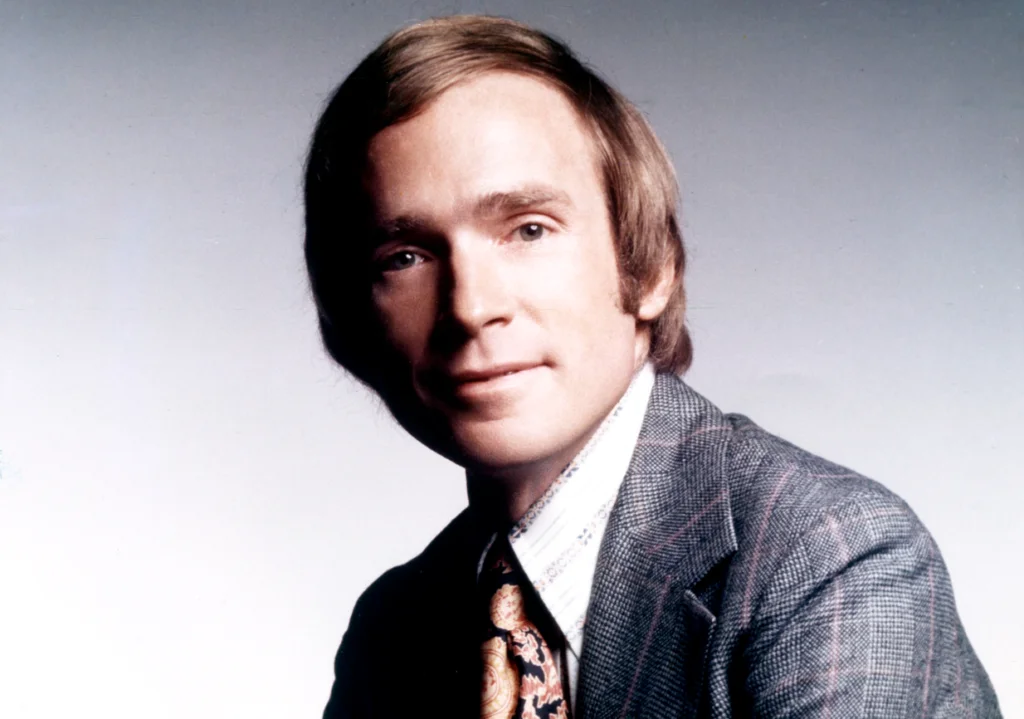
Dick Cavett brought intelligence and curiosity to late night television starting in the late ’60s. His interviews felt more like thoughtful conversations than performances. Cavett didn’t rush his guests or chase punchlines. He let people speak, and that patience mattered. Viewers trusted him to explore ideas rather than exploit moments. His calm presence set him apart.
Cavett’s credibility came from preparation and genuine interest. He clearly did his homework, which showed respect for both guests and viewers. Audiences appreciated that depth. Watching Cavett felt like being part of an intelligent discussion. He treated television as a place for thinking, not just entertaining. That approach earned loyalty. Trust followed naturally.
9. Johnny Carson
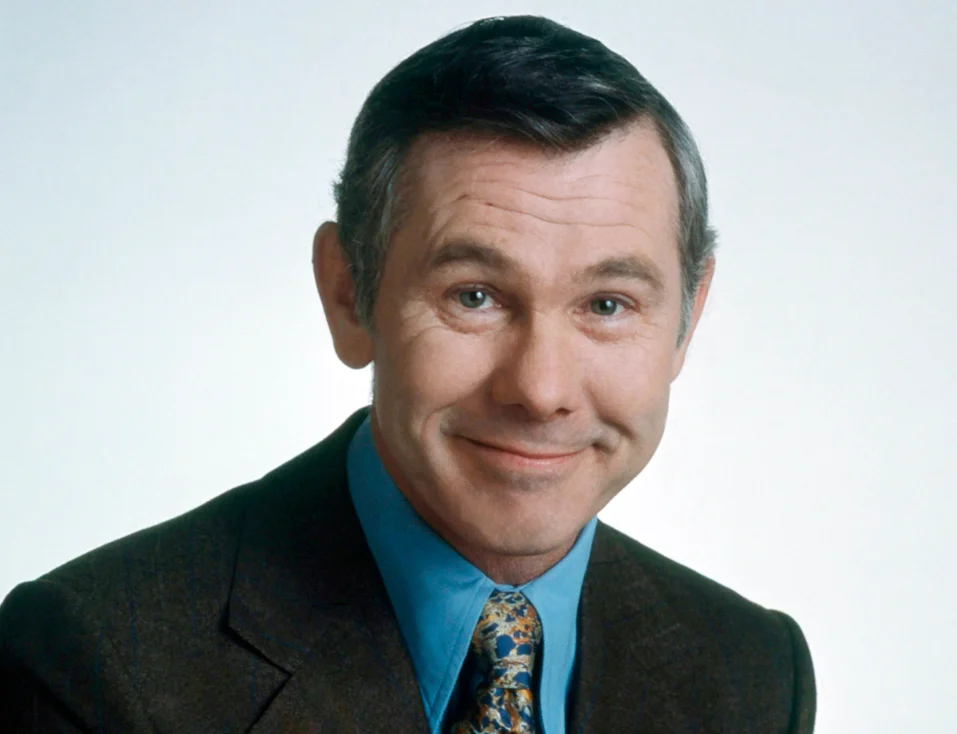
Johnny Carson took over The Tonight Show in 1962 and quickly became a comforting nightly companion. While he was known for humor, his reliability mattered just as much. Carson knew when to be playful and when to be sincere. Viewers trusted his instincts. He rarely crossed into cruelty or chaos. That consistency made people feel at home.
Carson’s calm control of the desk gave audiences confidence. Even when jokes missed, his warmth carried the moment. He handled guests with respect, allowing them to shine. Night after night, he created a sense of stability. In a rapidly changing decade, that familiarity was valuable. Carson became someone viewers trusted to end the day on a steady note.
10. Fred Rogers
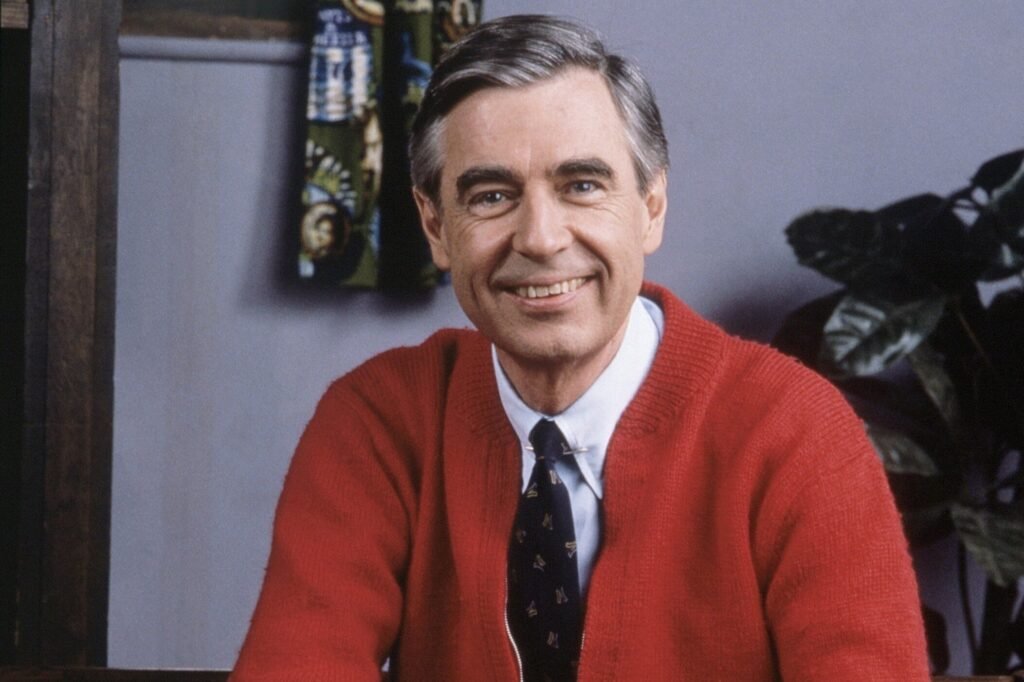
Fred Rogers entered television in the late ’60s with Mister Rogers’ Neighborhood, and trust was at the heart of everything he did. He spoke directly to children with honesty and respect. Rogers never talked down or rushed through big feelings. His calm voice felt safe and reassuring. Parents trusted him because he honored their children’s emotions.
Rogers believed children deserved truth delivered gently. That philosophy extended to every episode. Viewers sensed his sincerity immediately. Nothing about him felt performative. Trust came easily because he was exactly who he appeared to be. Even adults felt comforted listening to him. Rogers created a bond that lasted far beyond the ’60s.
11. Art Linkletter
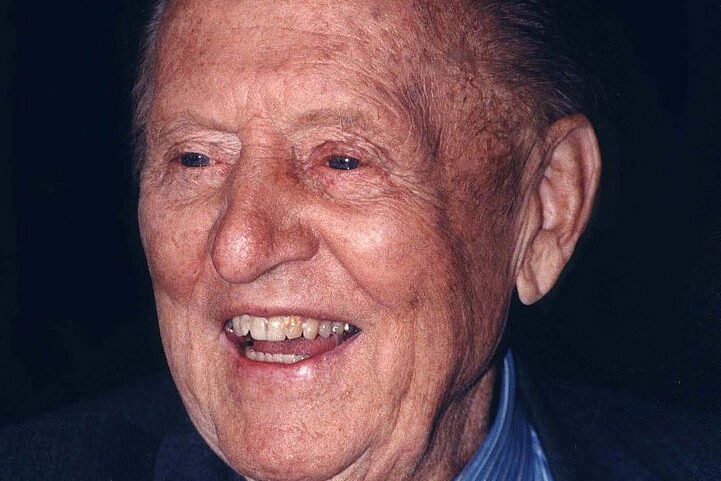
Art Linkletter built trust by making everyday people the stars. On House Party, he listened closely and reacted with genuine interest. His warmth made guests feel comfortable. Viewers trusted him because he never mocked or embarrassed participants. He celebrated ordinary life. That kindness resonated deeply.
Linkletter’s curiosity felt sincere rather than staged. He asked questions viewers themselves might ask. That connection created a sense of shared experience. Watching him felt like chatting with a friendly neighbor. Trust grew from his consistency and decency. Audiences knew he valued people for who they were. That made him a beloved presence.
12. Bob Barker
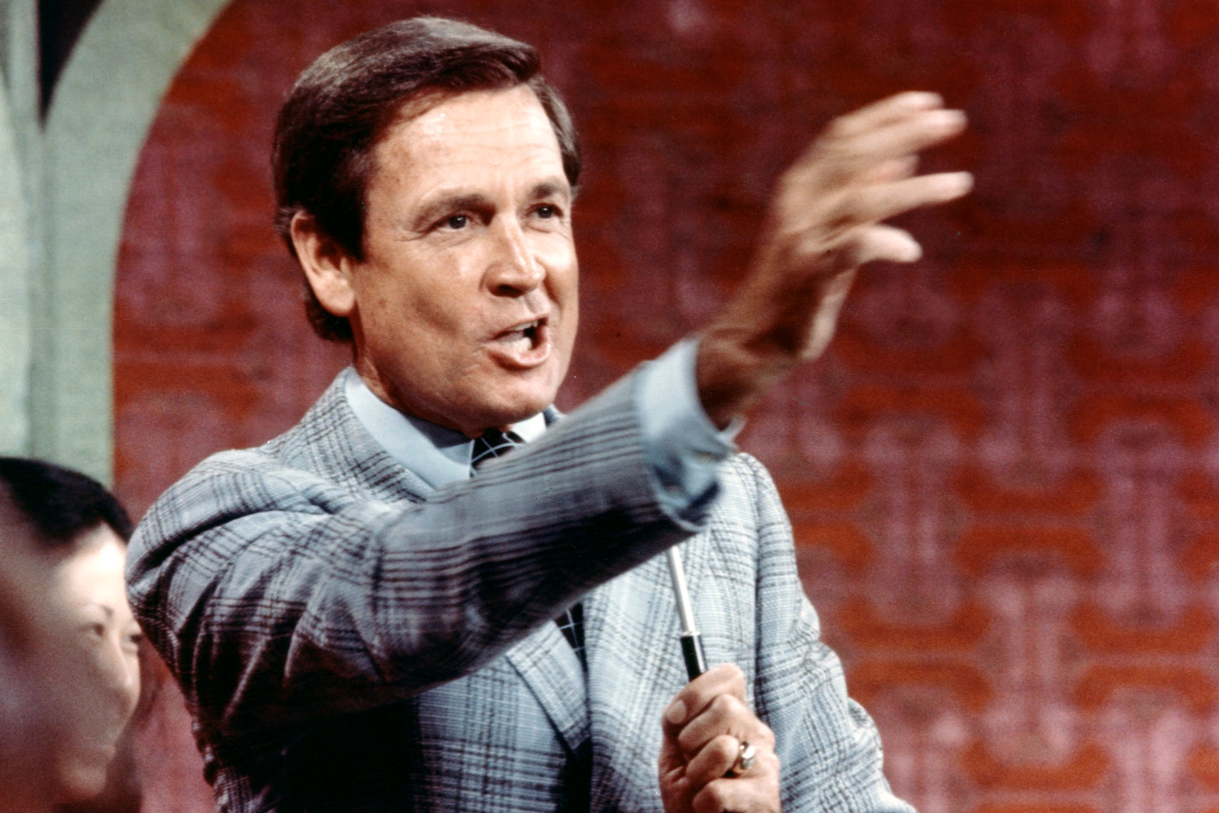
Bob Barker may be best known for later decades, but his television roots stretch back into the ’60s. Hosting Truth or Consequences, he projected warmth and fairness. Barker treated contestants with respect and humor. Viewers trusted him because he felt genuine. His reactions never seemed forced. He appeared to enjoy being there.
Barker’s reliability made him easy to welcome into the home. He balanced fun with sincerity. Audiences knew he wouldn’t embarrass anyone for a laugh. That sense of fairness mattered. Trust builds when viewers feel safe watching. Barker earned that trust early and carried it forward for decades.