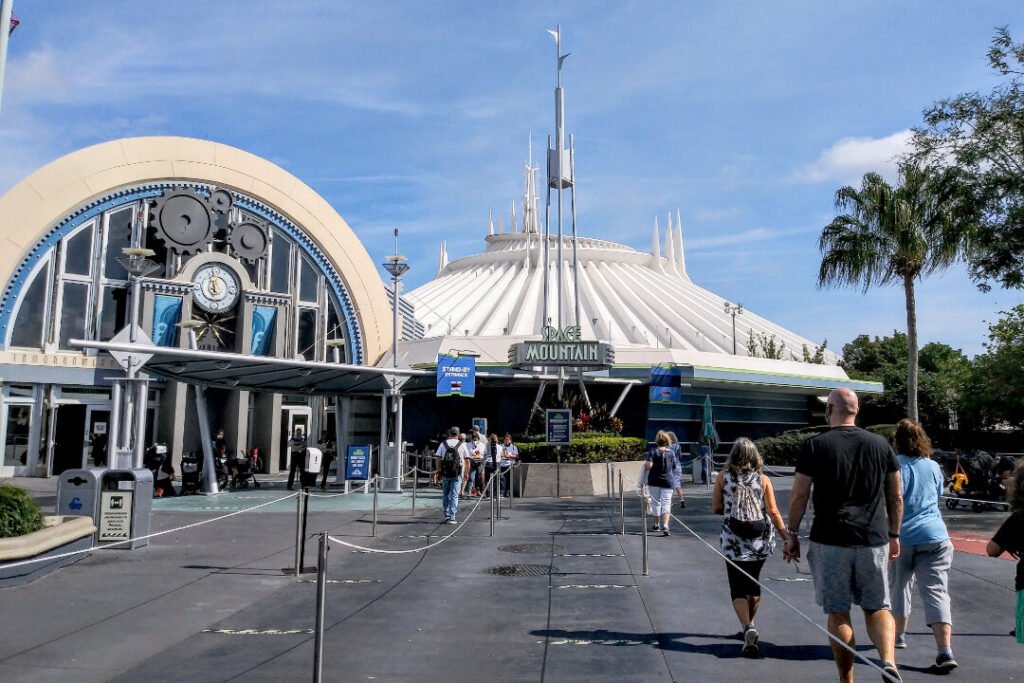
1. Space Mountain (Walt Disney World, 1975)
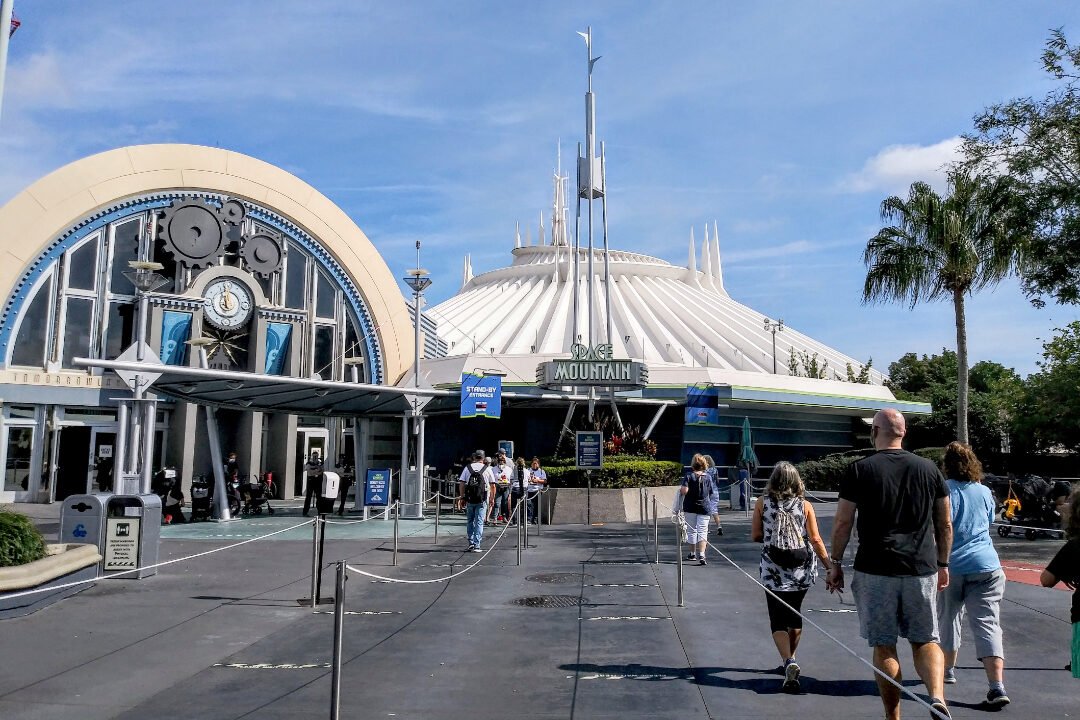
When Space Mountain opened in the mid ’70s, it felt like Disney had quietly lost its mind. A roller coaster in the dark was already unsettling, but one themed entirely to outer space felt downright futuristic. You could not see the track, the drops, or what was coming next, which made every turn feel bigger than it actually was. For kids used to gentle fantasy rides, this felt like a major leap into thrill territory.
Parents often underestimated it, thinking it would be just another slow Disney attraction. Instead, riders came off wide-eyed, laughing nervously, and insisting it was way faster than expected. The flashing stars and echoing soundtrack only added to the chaos. It was proof that Disney could scare you just a little and get away with it.
2. Big Thunder Mountain Railroad (Disneyland, 1979)

Big Thunder Mountain looked friendly enough, with its cartoon desert scenery and runaway mine train theme. But once it launched in the late ’70s, it moved faster and jerked harder than many people anticipated. The ride had that out-of-control feeling that made it seem like the tracks might give up at any second. For a family park, that was a bold choice.
What really sold it was the illusion of danger rather than actual height. Sharp turns, sudden drops, and noisy effects made riders feel like they were in real trouble. Kids felt brave for surviving it, and adults quietly admitted it was more intense than expected. It was playful chaos done right.
3. Colossus (Six Flags Magic Mountain, 1978)
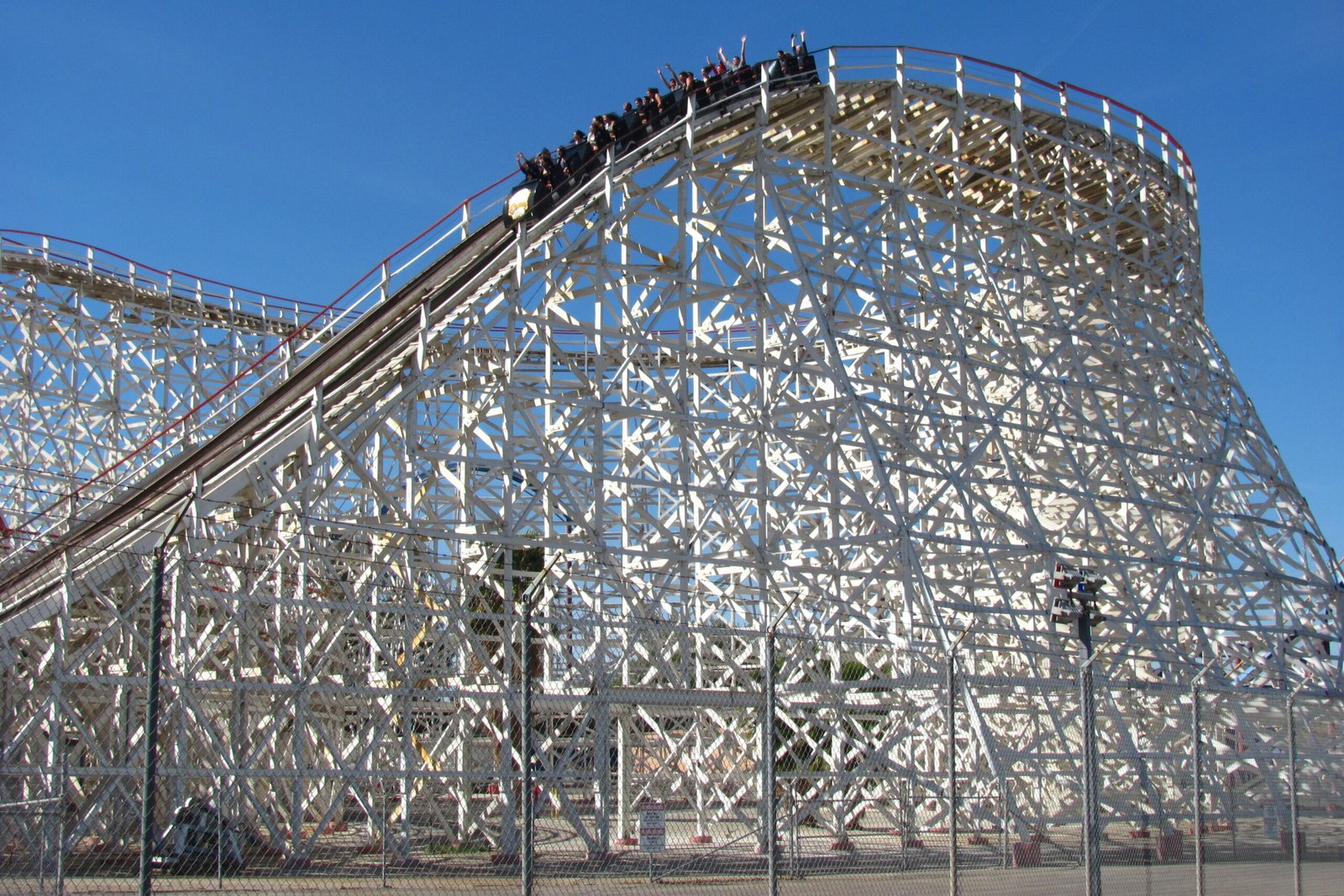
Colossus was massive, loud, and unapologetically intense for its time. As a towering wooden roller coaster, it dominated the skyline and dared riders to take it on. Racing along side-by-side tracks made it feel competitive and slightly unhinged. You did not just ride Colossus, you challenged it.
The sheer size alone made it intimidating, especially in an era before modern coaster engineering. The rattling, shaking ride experience added to the thrill and the fear. People walked off buzzing with adrenaline and bragging rights. In the late ’70s, this was about as wild as it got.
4. Revolution (Six Flags Magic Mountain, 1976)
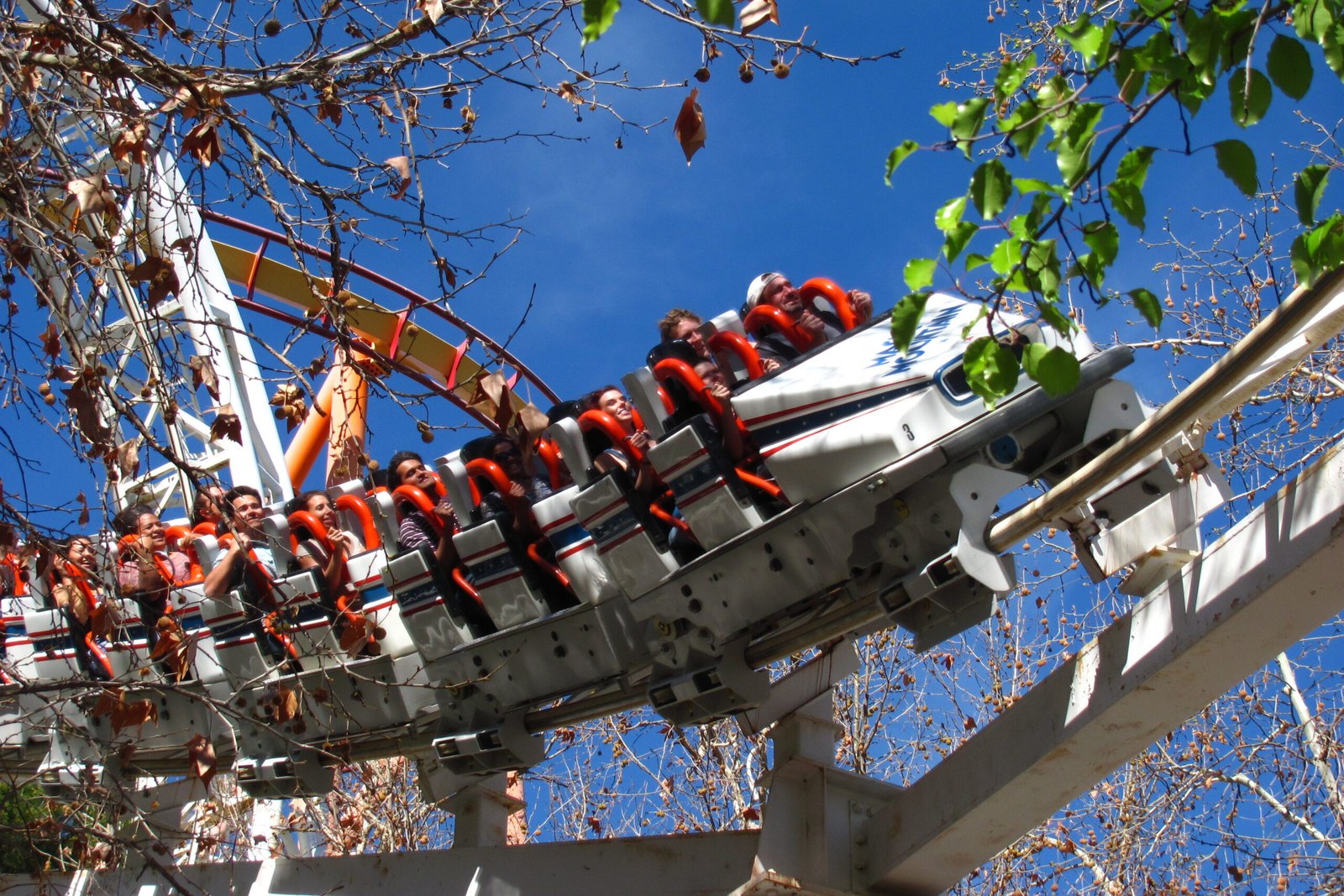
Revolution did something unheard of in the United States at the time, it sent riders upside down in a full vertical loop. That single feature made it legendary almost overnight. People lined up just to say they had gone upside down on a roller coaster. Even watching it from the ground felt nerve-wracking.
For riders, the anticipation was half the terror. You climbed the hill knowing exactly what was coming, and there was no turning back. The loop was smooth by today’s standards, but in the ’70s it felt extreme. Revolution permanently changed what thrill rides could be.
5. Loch Ness Monster (Busch Gardens Williamsburg, 1978)
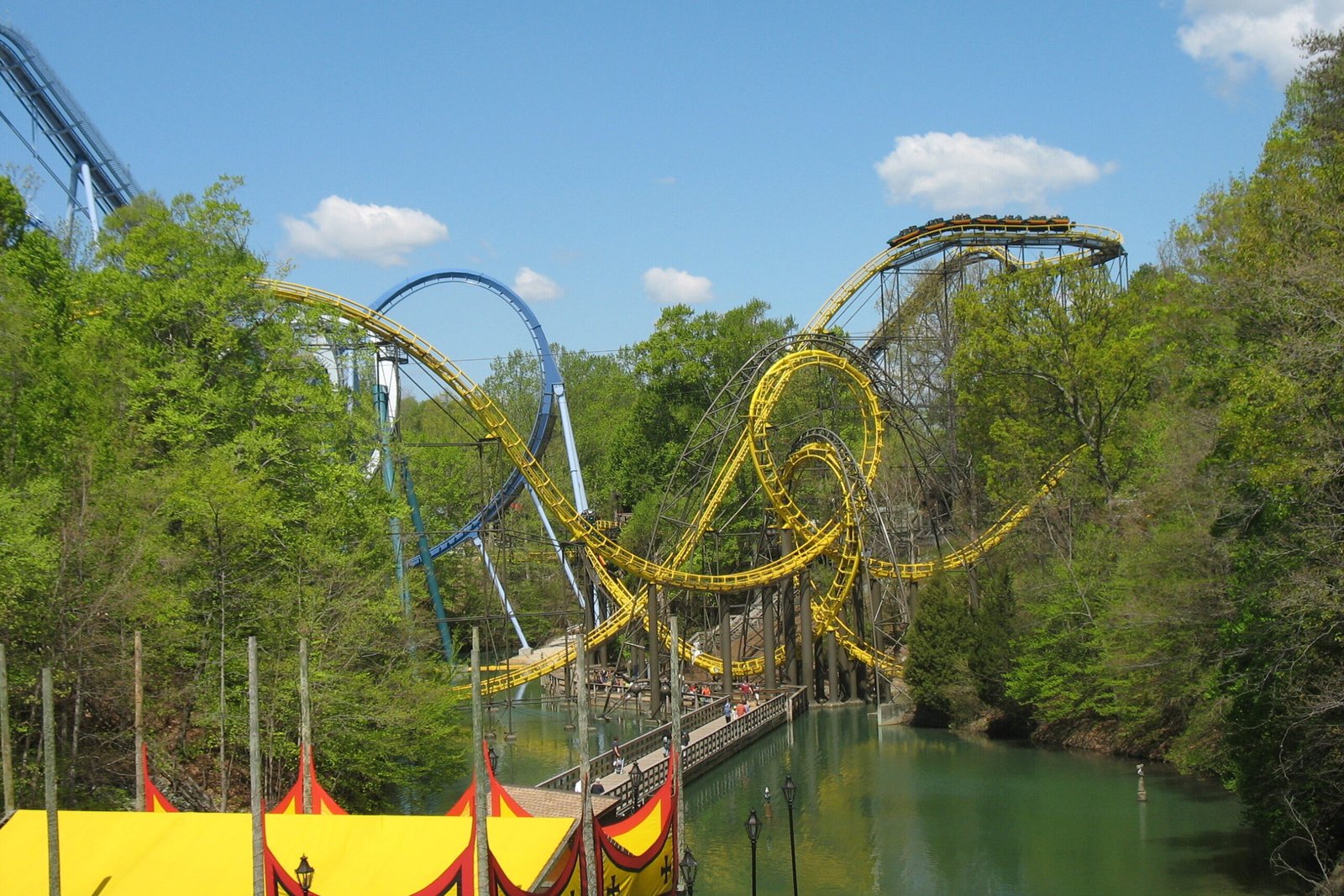
Loch Ness Monster combined mythology with pure thrill in a way that felt daring at the time. Its twin interlocking loops were a jaw-dropping sight, especially when trains raced through them. The idea of looping not once but twice felt almost excessive. Riders could barely process the first inversion before hitting the second.
The ride’s setting over water added another layer of excitement. Seeing reflections of the coaster in the lagoon made it feel larger than life. It was dramatic, intense, and just scary enough. For late ’70s park guests, this was next-level.
6. Gemini (Cedar Point, 1978)
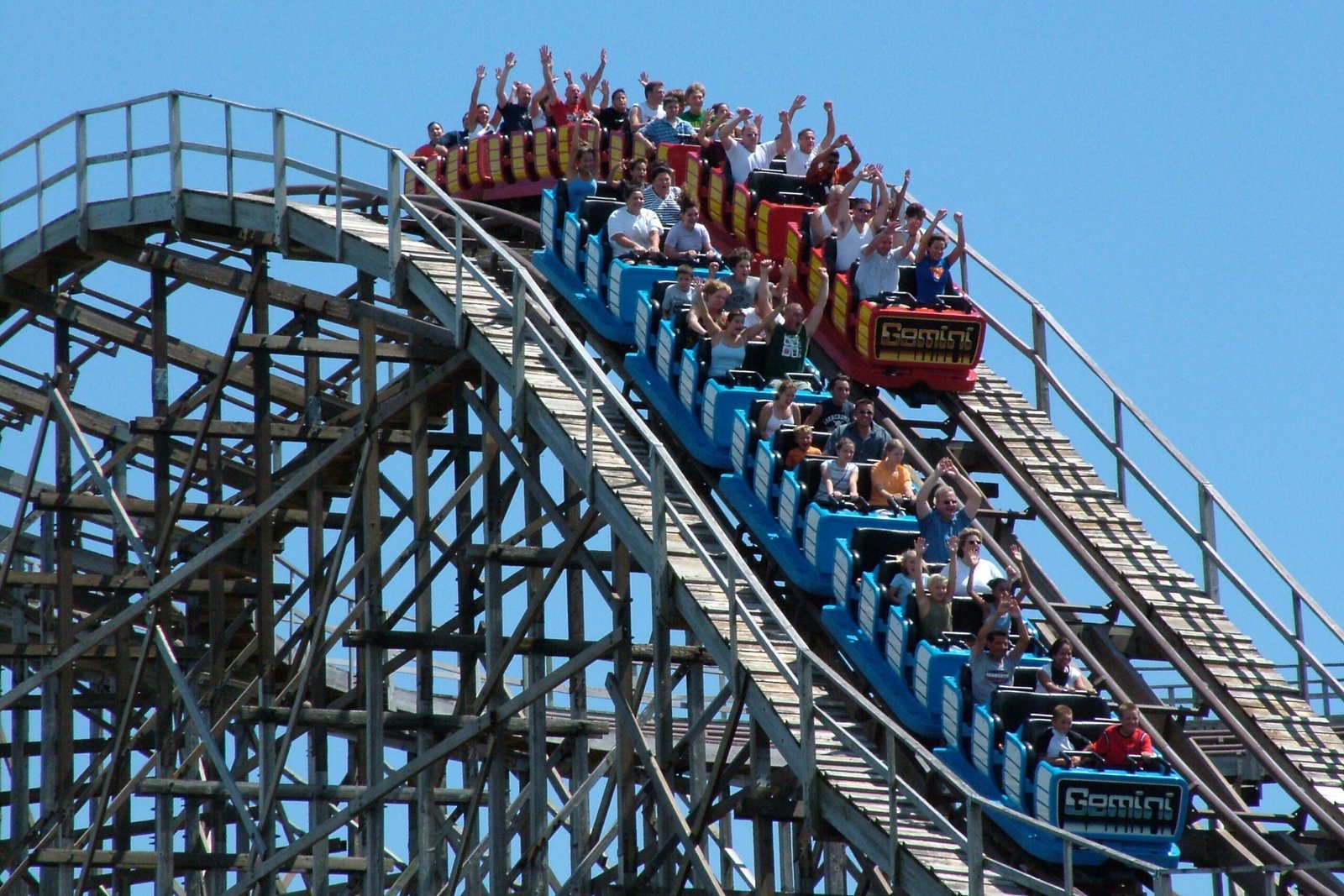
Gemini turned roller coasters into a head-to-head competition. Two trains launched side by side, daring riders to look over and see who was winning. The near misses and synchronized drops made it feel chaotic and fast. That sense of racing was new and thrilling.
Even though the ride was smooth for its time, the psychological thrill did most of the work. Riders screamed not just from the drops but from the excitement of keeping pace with the other train. It felt social, unpredictable, and intense. In the ’70s, that was a powerful combination.
7. King Kong Encounter (Universal Studios Hollywood, 1976)
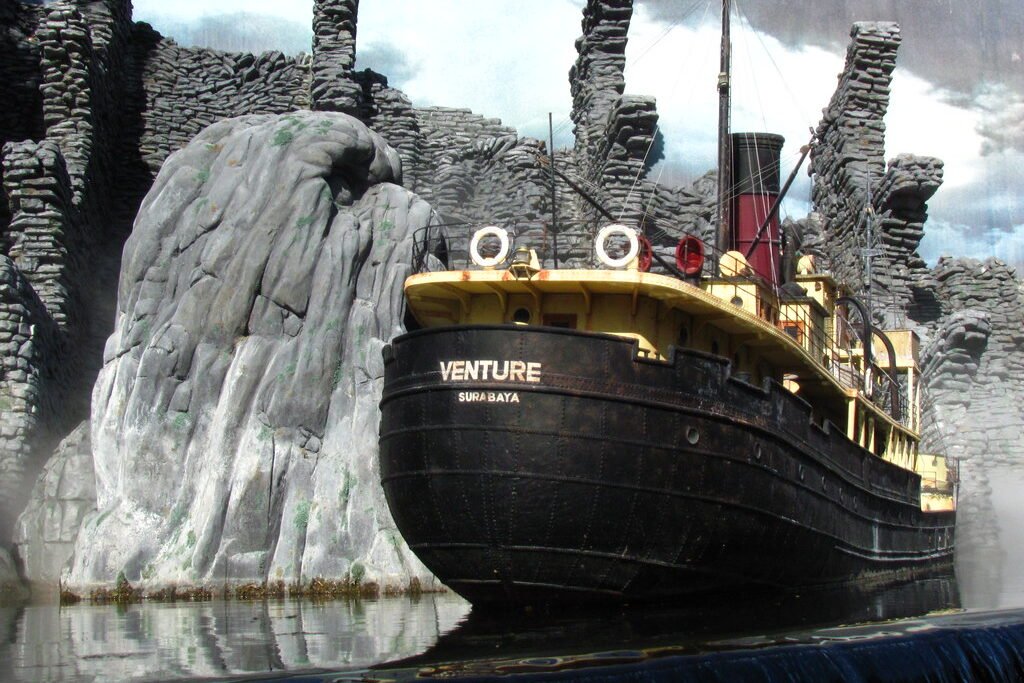
King Kong Encounter was not a coaster, but it absolutely felt wild. Guests rode the studio tram straight into a burning New York set while a giant animatronic Kong attacked from above. The scale alone was shocking for its era. Nothing else looked or felt like it.
The illusion of danger was incredibly convincing. Fire, shaking bridges, and Kong’s massive movements made riders clutch their seats. People left talking about it for days. It was proof that thrills did not always require speed.
8. Jaws (Universal Studios Florida, 1975)

The original Jaws ride leaned heavily into suspense and fear. Guests boarded a boat thinking it would be calm, only to be stalked by a mechanical shark. At the time, animatronics of that size were rare and unsettling. The water setting made everything feel more real.
The tension built slowly, which somehow made it scarier. When the shark finally appeared, people screamed instinctively. It felt unpredictable and dangerous, even though it was carefully choreographed. In the ’70s, this kind of immersive terror was groundbreaking.
9. The Haunted Mansion (Disneyland, 1969, peak ’70s popularity)
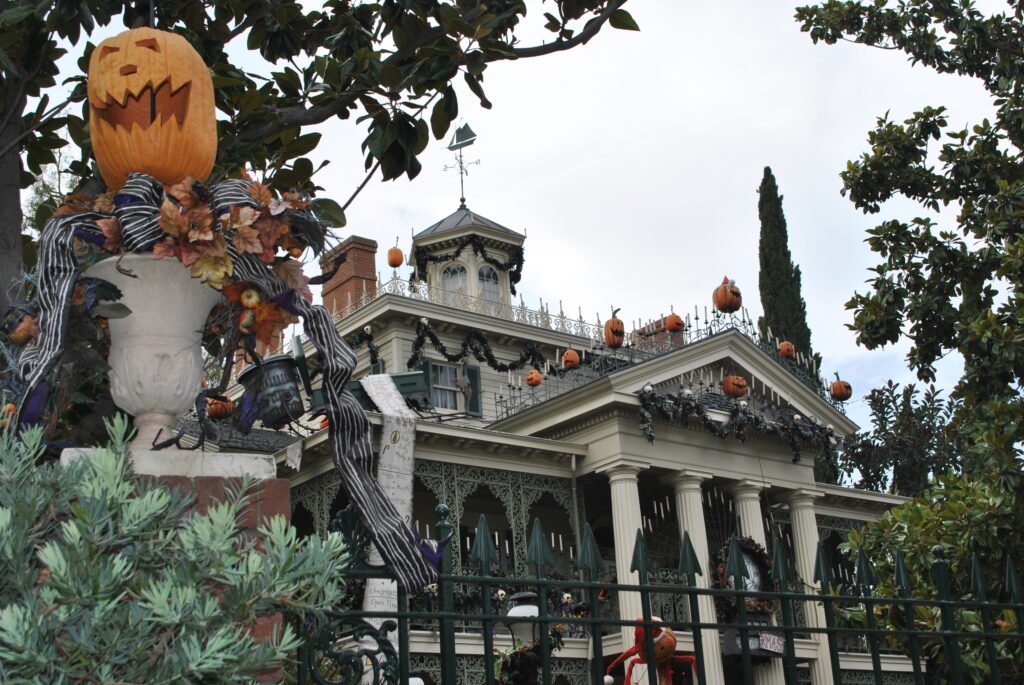
While it technically opened just before the ’70s, The Haunted Mansion truly came into its own during that decade. For many kids, it was the first ride that felt genuinely creepy. Ghosts, disembodied voices, and dark humor pushed boundaries. It was spooky without being cartoonish.
The ride trusted guests to appreciate atmosphere over jump scares. Floating spirits and eerie effects lingered in your mind long after exiting. Parents were often more unsettled than their kids. That quiet unease made it feel daring for its time.
10. River Country Water Slides (Walt Disney World, 1976)

Disney’s River Country felt shockingly wild compared to today’s water parks. The slides were steep, fast, and dropped riders straight into a natural lake. There were no tubes, no restraints, and very few barriers. It felt more like a summer camp dare than a theme park ride.
The lack of polish was part of the thrill. Water temperature, depth, and speed all added an unpredictable edge. Parents trusted the park, but kids knew it felt risky. In the ’70s, that sense of freedom was exhilarating.
11. The Whizzer (Six Flags Great America, 1976)
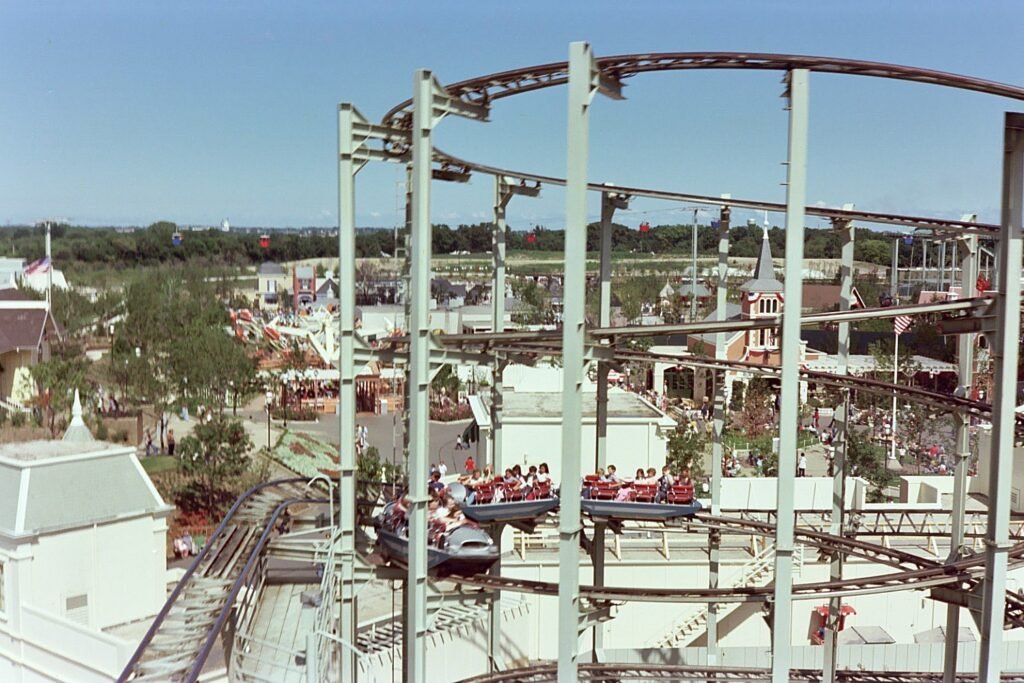
The Whizzer was a spinning coaster, which meant riders never quite knew how their car would behave. Sometimes it felt mild, and other times it whipped around corners unexpectedly. That randomness made it thrilling. You could ride it twice and have completely different experiences.
For its era, the spinning motion felt advanced and chaotic. Riders laughed as much as they screamed. It was fast, dizzying, and surprisingly intense. The Whizzer proved that thrills did not always come from height alone.
12. Python (Busch Gardens Tampa, 1976)
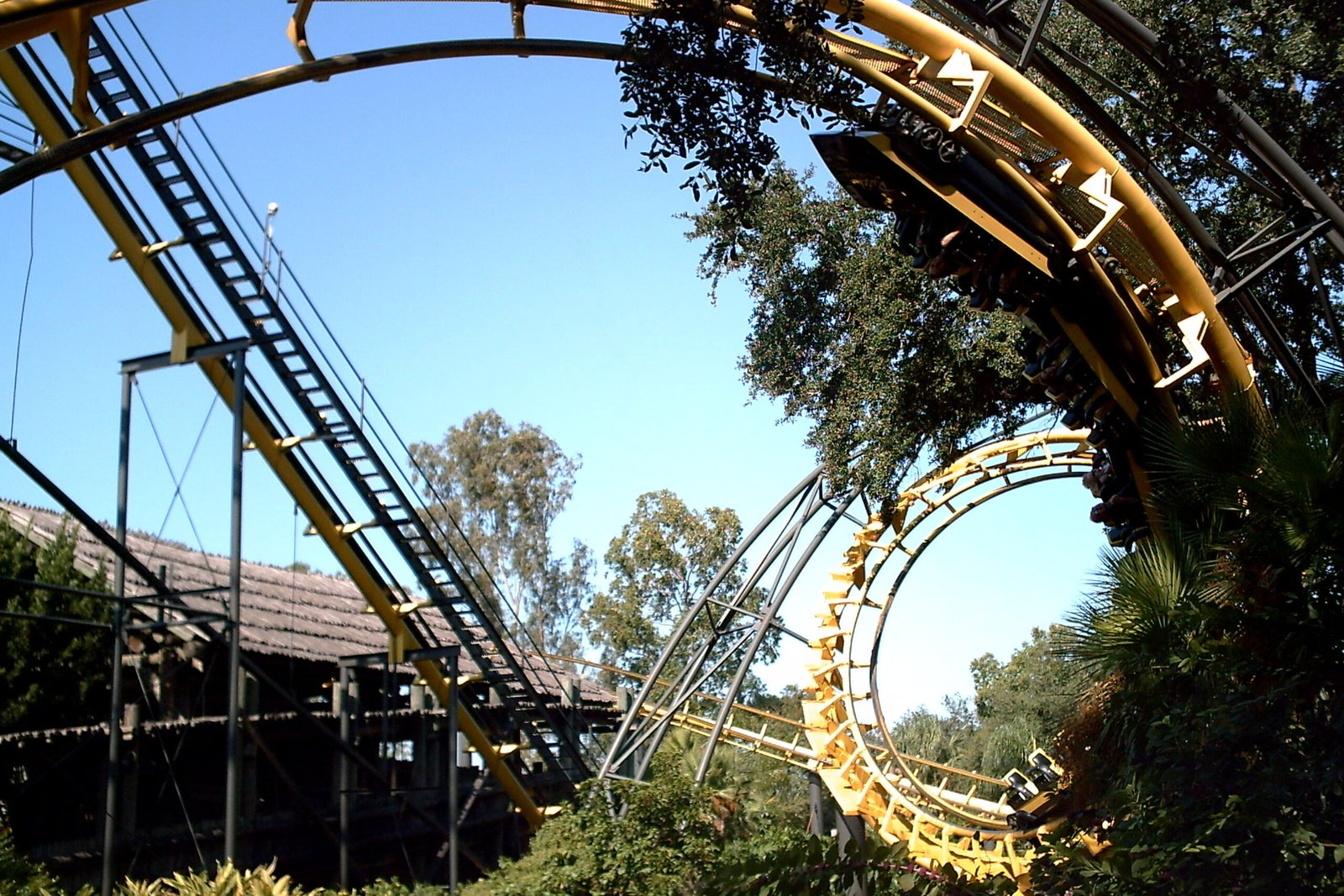
Python brought steel looping coasters into the spotlight for many East Coast riders. Its corkscrews and tight turns felt aggressive and modern. Seeing a coaster twist upside down like that was still a novelty. People watched from the queue with a mix of fear and fascination.
Riding it felt like stepping into the future. The smooth steel track contrasted sharply with older wooden coasters. For many guests, it was their first inversion experience. In the ’70s, that was unforgettable.