
1. It Was Created With Help From Child Psychologists
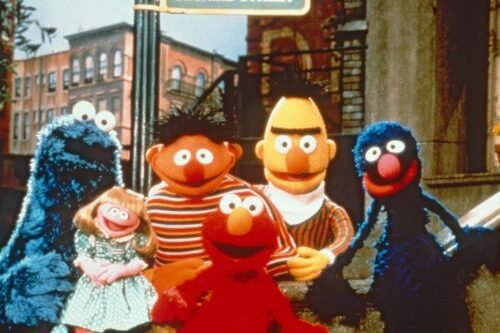
When Sesame Street premiered in 1969, it wasn’t just another kids’ show thrown together for entertainment. The creators, including Joan Ganz Cooney, worked closely with educators and developmental psychologists to design something that actually taught children while holding their attention. They studied how kids watched television and noticed that fast-paced commercials kept them engaged, so they applied similar techniques to educational content. That’s why the show mixes short segments, catchy songs, and colorful characters in quick succession.
It was a fairly radical idea at the time to treat television as a structured learning tool rather than background noise. Researchers even tested episodes with children and adjusted content based on their reactions. This approach helped establish a model for educational programming that’s still used today. In many ways, Sesame Street functioned like a classroom disguised as entertainment. The result was a show that felt effortless to watch but was carefully engineered behind the scenes.
2. Big Bird Was Designed to Feel Like a Real Child
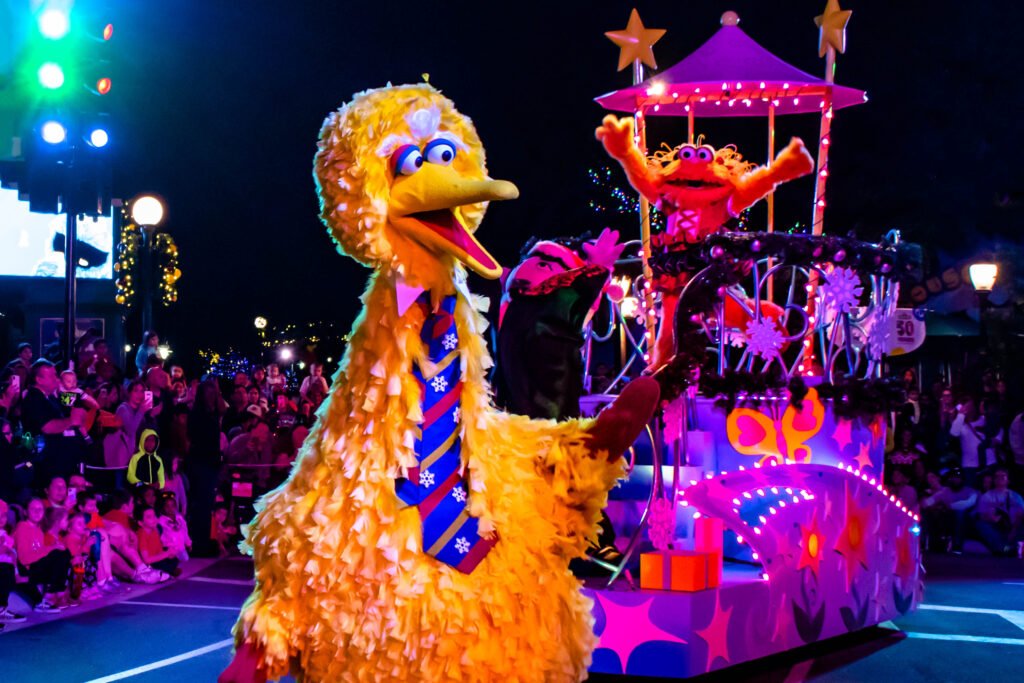
Big Bird might be a towering yellow figure, but his personality was very intentionally grounded in reality. The character was developed to represent a curious 6-year-old, learning and asking questions alongside the audience. Caroll Spinney, who performed Big Bird for decades, gave him a gentle, slightly awkward presence that made him relatable. His mistakes and misunderstandings were part of the lesson, not something to correct immediately.
Because Big Bird saw the world through a child’s eyes, adults on the show treated him as real, which added to the illusion. That consistency helped kids accept the character as someone they could trust and learn from. Over time, Big Bird became one of the emotional anchors of the series. His reactions often guided how young viewers processed new ideas or situations. It’s a subtle detail, but it’s part of why the character has lasted so long.
3. Oscar the Grouch Was Originally Orange
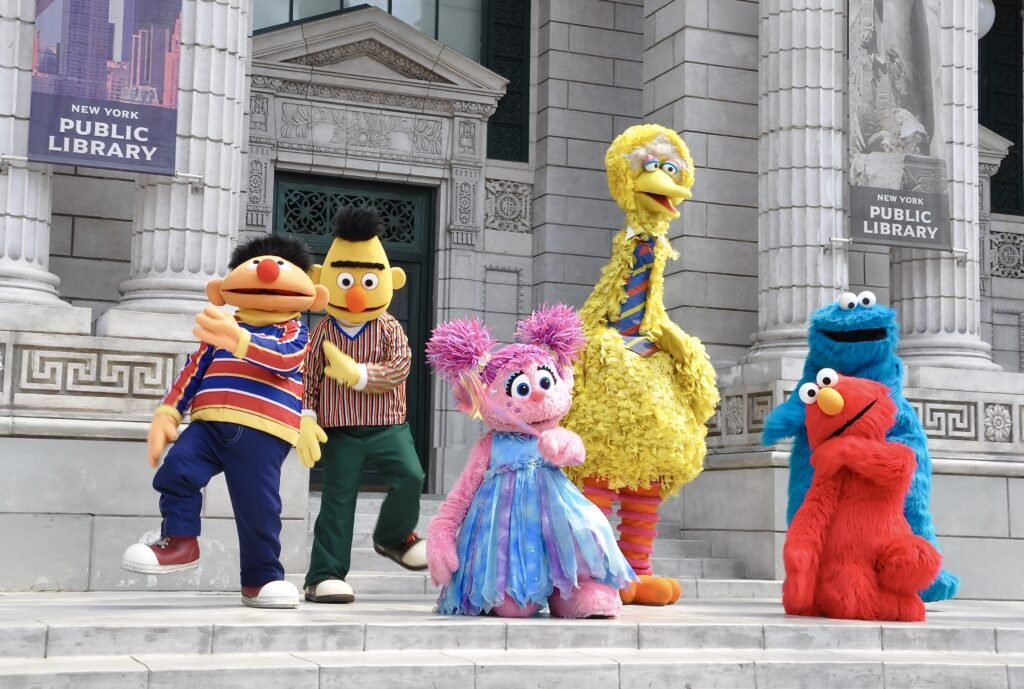
Most people picture Oscar as permanently green and living in his trash can, but that wasn’t always the case. In the first season of Sesame Street, Oscar was actually orange. The change to green happened after the show’s first year, and the explanation was built into the storyline. Oscar claimed he went on vacation to a swamp and came back green.
The production team didn’t make a big deal out of the shift, but it stuck. From that point forward, green became his signature look. It’s one of those small continuity details longtime viewers sometimes forget. The show leaned into the humor of it rather than trying to maintain strict realism. That flexibility allowed characters to evolve without confusing the audience.
4. Cookie Monster Used to Have a Different Name
Before he became the famously cookie-obsessed character everyone knows, Cookie Monster went by a different identity. Early on, he was called “Wheel-Stealer” in a General Foods commercial, where he devoured things like tires instead of cookies. When he transitioned into Sesame Street, his appetite was refined into something more relatable and less chaotic.
Even after becoming Cookie Monster, the show has occasionally played with the idea of moderation. At one point, he was humorously referred to as the “Veggie Monster” to encourage healthier habits. Still, his love for cookies remains central to his personality. It’s part of what makes him so recognizable across generations. The character’s evolution reflects how the show adapts messaging without losing its identity.
5. The Count Was Inspired by Classic Horror Films
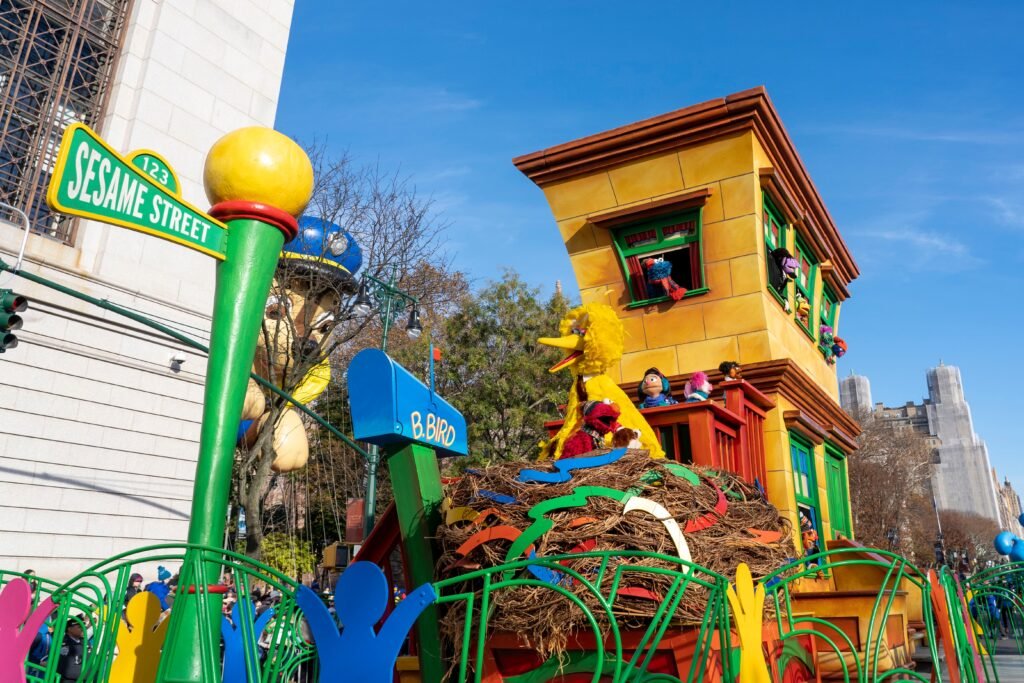
The Count, known for his love of numbers and dramatic laughter, has roots in classic vampire lore. His full name, Count von Count, is a clear nod to Count Dracula. The character’s cape, accent, and theatrical style all borrow from traditional portrayals of vampires. But instead of fear, the show turned those traits into something playful and educational.
His obsession with counting made math feel like a game rather than a chore. Kids learned numbers almost without realizing it because they were drawn into his enthusiasm. The character’s spooky aesthetic was softened just enough to keep things fun. It’s a clever example of taking something traditionally intimidating and making it approachable. That balance became a hallmark of the show’s design.
6. The Show Tackled Serious Topics Earlier Than Most Kids’ TV
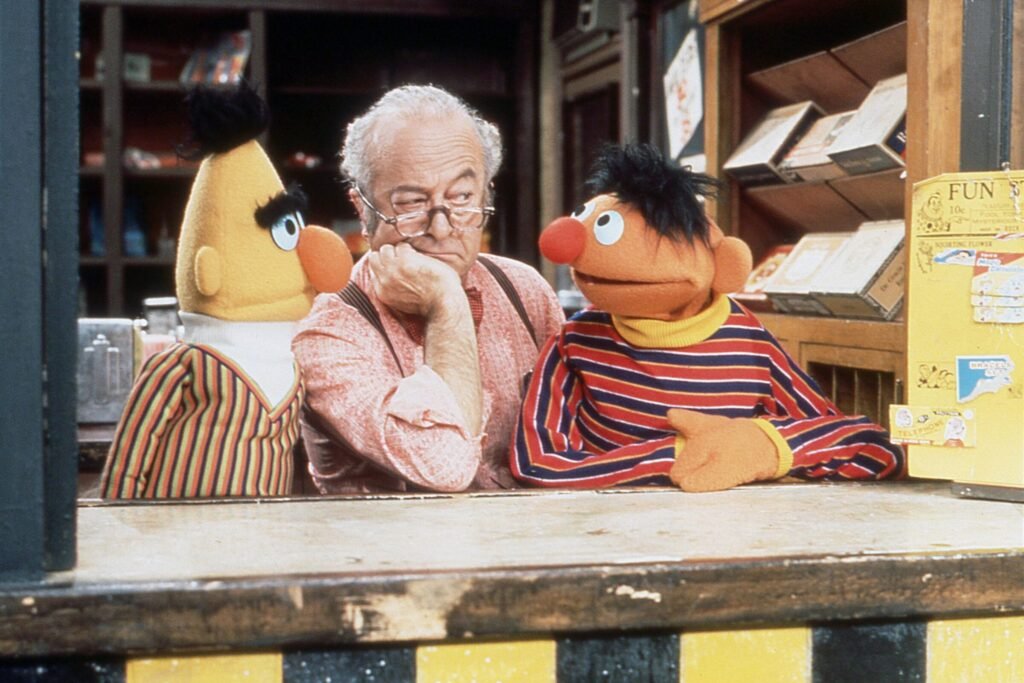
From the beginning, Sesame Street wasn’t afraid to address real-world issues. It has covered topics like death, divorce, and even incarceration in ways that are appropriate for children. One of the most notable examples came when the show explained the death of Mr. Hooper to viewers after actor Will Lee passed away in 1982. The episode didn’t avoid the topic or soften it beyond recognition.
Instead, it offered a clear and honest explanation that many parents found helpful. This willingness to engage with difficult subjects set the show apart from other children’s programming. It trusted its audience more than most shows did at the time. Over the years, that approach has continued with topics like autism and military families. It’s part of why the show remains relevant across generations.
7. Snuffleupagus Was Originally Invisible to Adults
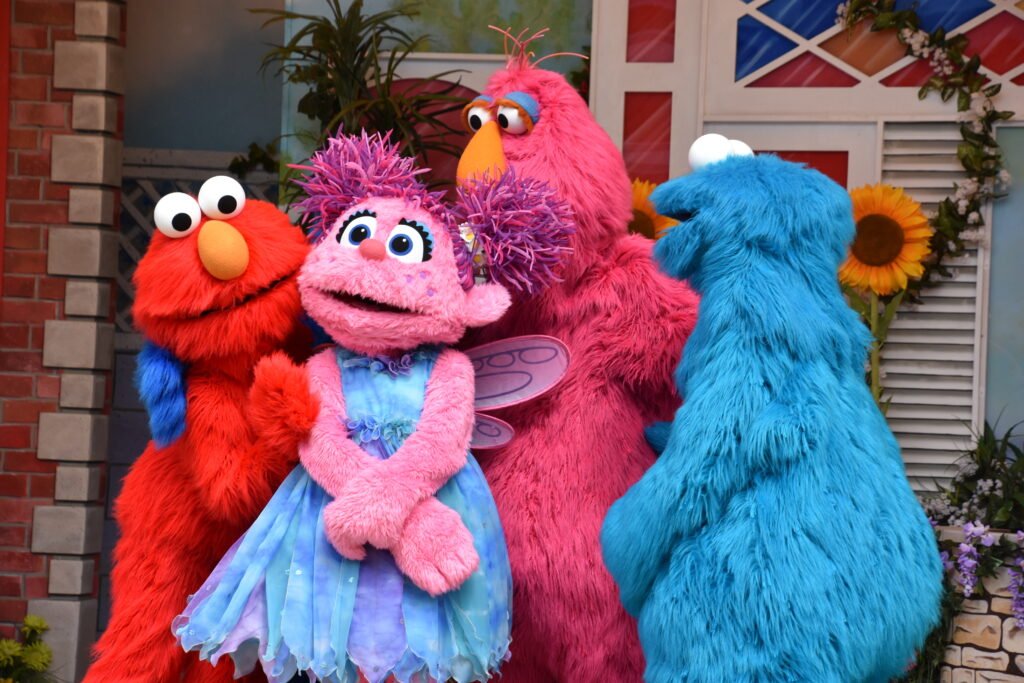
For years, Big Bird’s best friend Mr. Snuffleupagus was treated as an imaginary character by the adults on the show. Big Bird insisted he was real, but every time he tried to introduce him, Snuffy would leave just before anyone else arrived. This running gag lasted for more than a decade. It created a recurring theme where children knew something adults didn’t.
In 1985, Sesame Street made a deliberate change and revealed Snuffleupagus to the adults. The decision was based on concerns that children might think adults wouldn’t believe them in real-life situations. By having the adults finally see Snuffy, the show reinforced the idea that kids should be listened to. It’s a rare example of a children’s show adjusting its storytelling for psychological reasons. The change marked a shift in how the show approached trust and communication.
8. Elmo Was Not an Original Main Character
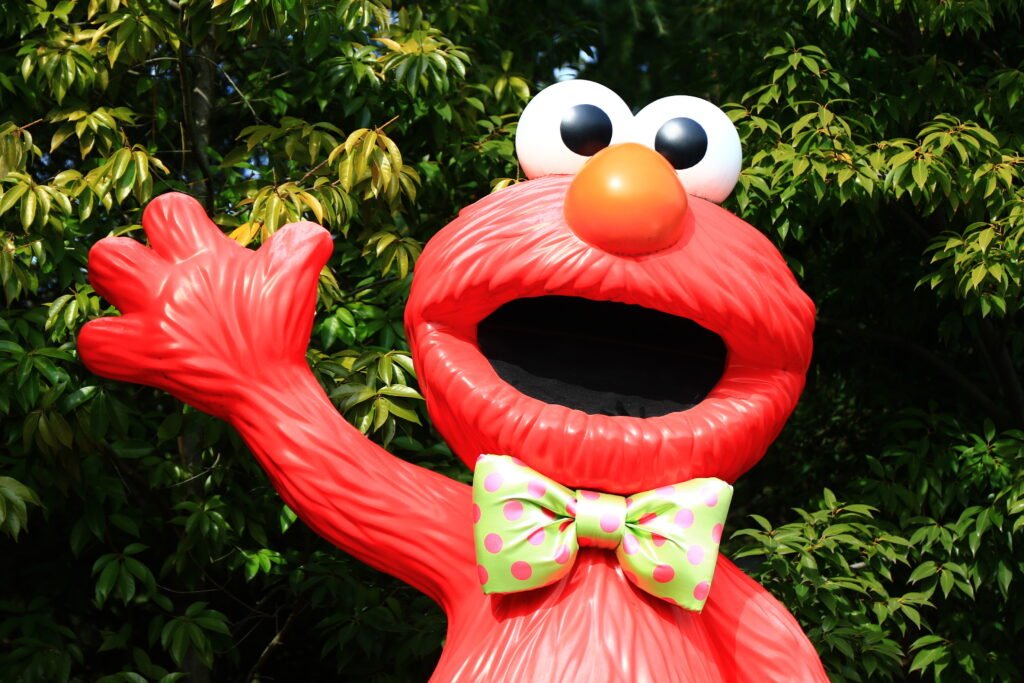
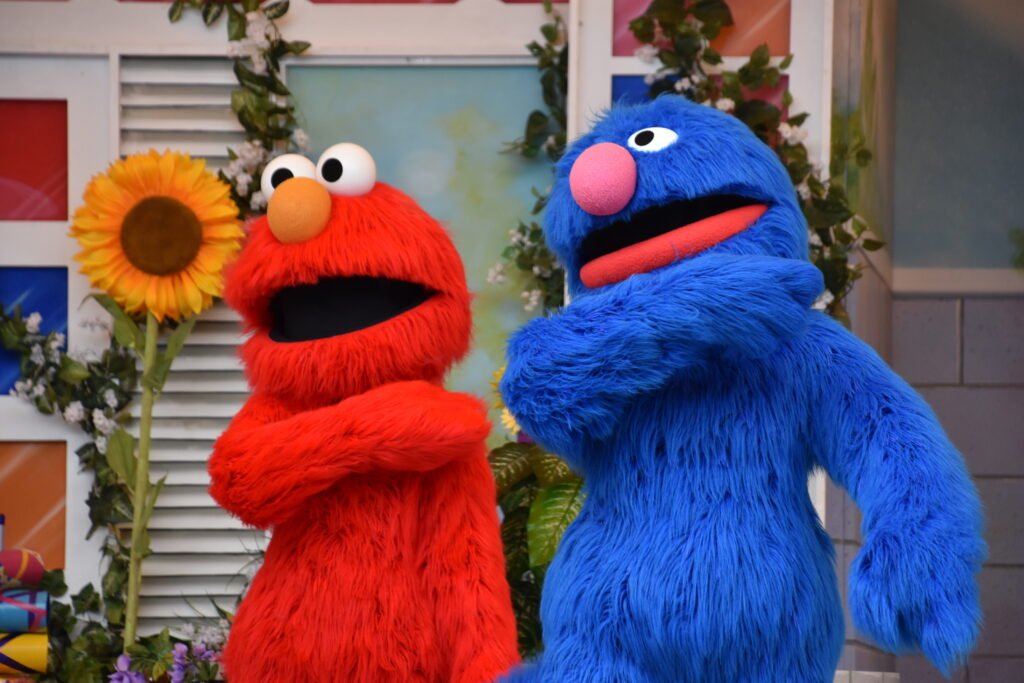
It’s hard to imagine Sesame Street without Elmo, but he wasn’t part of the original lineup in 1969. The character existed in earlier forms but didn’t become prominent until the ’80s. Everything changed when puppeteer Kevin Clash reworked the character’s voice and personality. He gave Elmo a higher-pitched, more expressive tone that resonated with younger viewers.
Elmo’s popularity grew rapidly after that shift, eventually leading to segments like “Elmo’s World.” His focus on simple questions and curiosity made him especially appealing to preschool audiences. Over time, he became one of the most recognizable faces of the franchise. The character’s rise shows how flexible the show can be with its cast. It also reflects how audience feedback shapes the direction of the series.
9. Bert and Ernie Were Never Officially a Couple
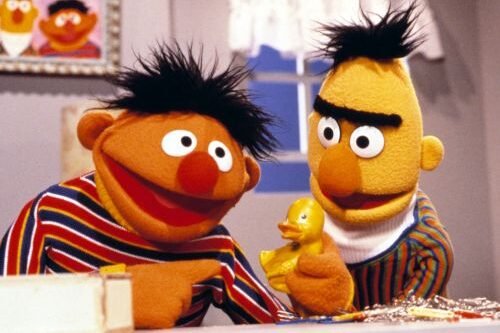
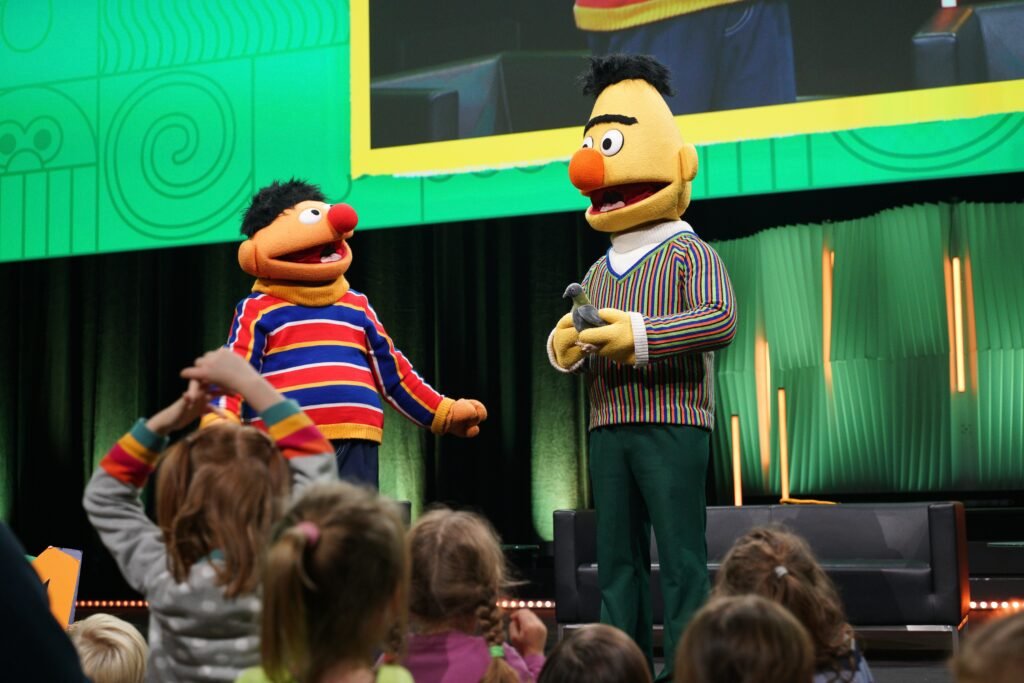
For decades, viewers have speculated about the relationship between Bert and Ernie. The two characters share a home and have a close, sometimes comedic dynamic. However, the creators of Sesame Street have consistently stated that they were designed as friends, not a romantic couple. Their interactions were meant to reflect classic comedic duos.
This dynamic allowed the show to explore different personalities living together. Bert’s orderly nature contrasts with Ernie’s playful unpredictability, creating humor and teaching social skills. The ambiguity has sparked discussion over the years, but the official stance has remained unchanged. The focus has always been on friendship and cooperation. That simplicity is part of what makes their relationship work.
10. The Theme Song Has Stayed Remarkably Consistent
“Can You Tell Me How to Get to Sesame Street?” is one of the most recognizable TV theme songs ever. While it has been updated and rearranged over the years, its core melody and message have remained the same. The song was written by Joe Raposo, who created many of the show’s early musical pieces.
Its lyrics emphasize curiosity, learning, and a sense of belonging. That consistency has helped generations of viewers feel instantly connected to the show. Even small musical cues can trigger strong memories for longtime fans. The theme acts as both an introduction and a reassurance. It signals that the viewer is entering a familiar, welcoming space.
11. It Was One of the First Shows to Feature a Diverse Cast
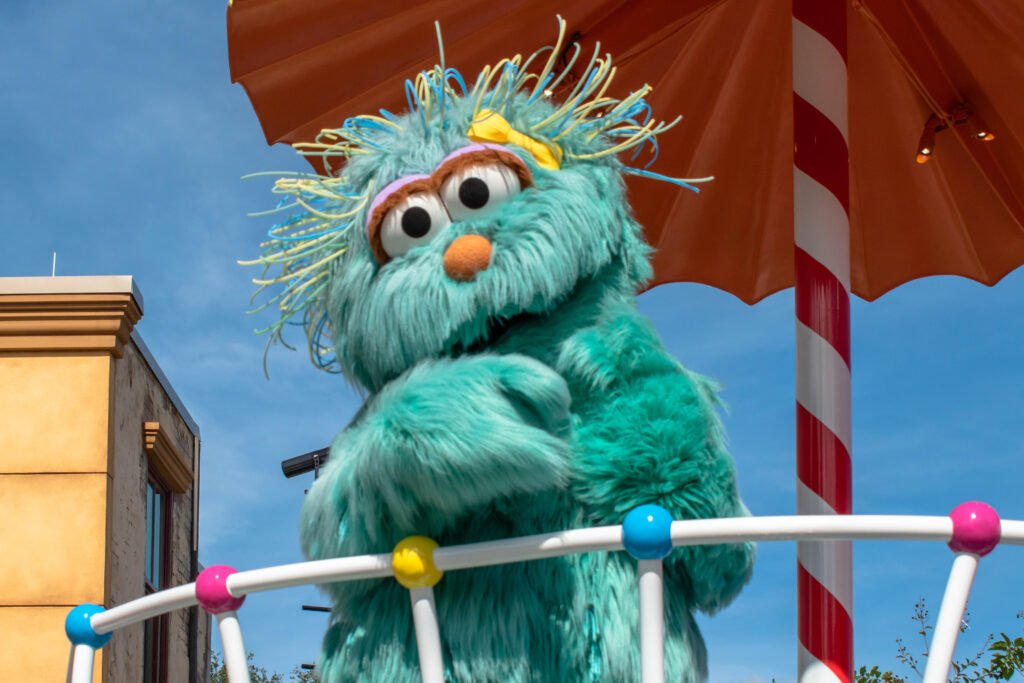
At a time when television was far less inclusive, Sesame Street made diversity a central part of its identity. The human cast included actors from different racial and cultural backgrounds, reflecting the communities the show aimed to serve. This was a deliberate decision, not an accidental one. The creators wanted children to see a world that looked like their own.
This representation extended beyond casting into the stories and settings. The show often highlighted everyday experiences in urban neighborhoods. It normalized diversity in a way that felt natural rather than forced. For many viewers, it was one of the first times they saw that kind of representation on screen. That impact is still recognized today.
12. The Show Has Won More Emmys Than Almost Any Other Program
Over the decades, Sesame Street has received an extraordinary number of awards. It has won over 190 Emmy Awards, making it one of the most honored television programs in history. These awards span writing, music, performance, and educational impact. The recognition reflects both its longevity and its consistent quality.
Few shows manage to stay relevant while maintaining that level of excellence. The awards are not just about popularity but about measurable educational value. Critics and educators alike have praised its effectiveness. It’s rare for a children’s show to achieve that level of respect. The accolades underscore how influential it has been in shaping educational media.
13. It Airs in Dozens of Countries With Local Versions
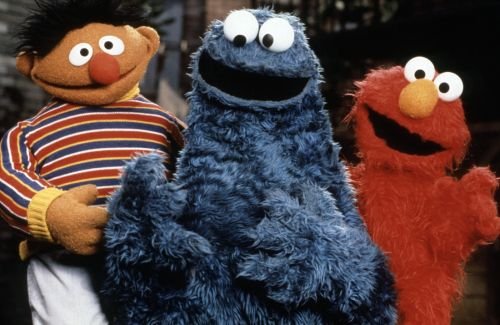
Sesame Street isn’t just an American phenomenon, it has been adapted around the world. The show has been broadcast in more than 150 countries, often with localized versions tailored to specific cultures. These adaptations include different characters, languages, and educational priorities. The goal is to make the content relevant to each audience.
Despite those differences, the core mission remains the same. Each version focuses on early childhood education and social development. The format has proven flexible enough to work across cultures. That global reach is part of what makes the show so unique. It’s not just a TV program, it’s an international educational initiative.