
1. A Boombox Sitting Front and Center
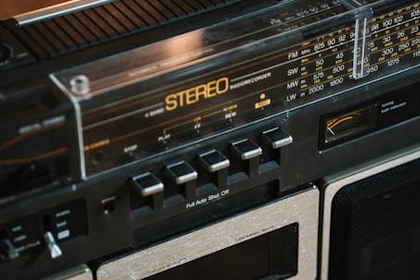
If you grew up in the ’80s, chances are your bedroom had a boombox that felt like the center of your world. It wasn’t just for music, it was for identity, because whatever cassette you played said something about who you were. You might have spent hours recording songs off the radio, waiting patiently for the DJ to stop talking so you could get a clean intro. Rewinding tapes with a pencil was practically a required skill. Some boomboxes were portable enough to carry outside, but most stayed proudly perched on a dresser. The bigger it looked, the cooler it felt, even if the sound quality wasn’t exactly perfect. It was less about clarity and more about volume and presence.
Late at night, you’d probably lower the volume just enough so no one would yell at you to turn it off. There was something oddly comforting about the soft hiss of a cassette tape spinning. Making mix tapes for friends or crushes turned into its own kind of art form. You had to plan the order carefully, because skipping tracks wasn’t exactly convenient. Even the buttons had a certain weight to them that made every press feel intentional. That boombox wasn’t just a device, it was part of your daily routine.
2. A Stack of Cassette Tapes
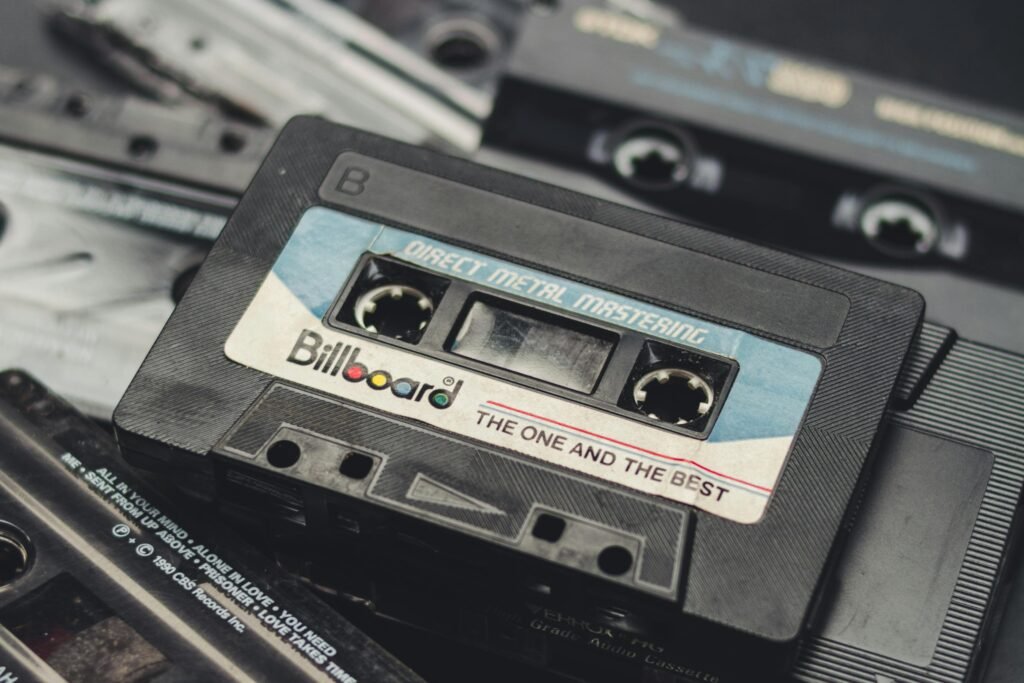
Right next to that boombox, there was almost always a growing pile of cassette tapes. Some were store-bought albums, others were homemade recordings labeled in messy handwriting. You probably kept them in a plastic case or lined them up on a shelf like they were trophies. Over time, the cases would crack or the paper inserts would get wrinkled, but you still held onto them. Each tape had its own personality, especially the ones you made yourself. There was always that one tape you played so much it started to sound a little warped.
Fast-forwarding and rewinding to find a specific song took patience, and you got pretty good at guessing where things were. If the tape got tangled, you carefully pulled it out and tried to fix it without ruining everything. Lending tapes to friends was a big deal, and you always hoped they’d actually give them back. Sometimes they didn’t. Still, the collection kept growing, one tape at a time. It felt like building your own personal soundtrack.
3. A Tube Television with Knobs or Buttons
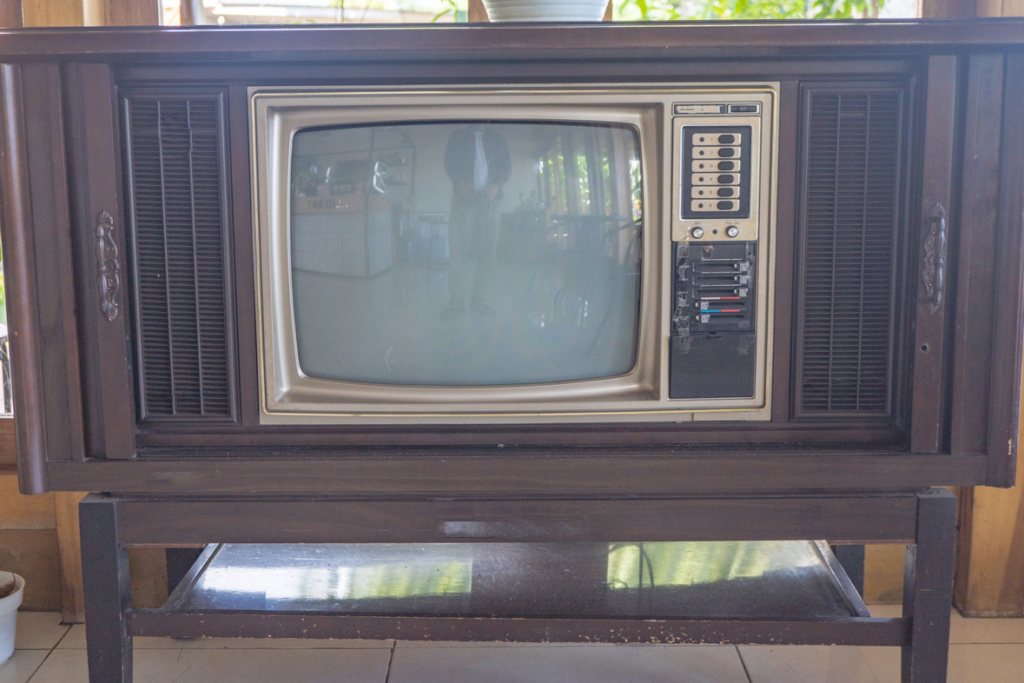
A small TV in your bedroom felt like a major upgrade in the ’80s. These weren’t sleek or lightweight, they were chunky, heavy, and usually had a curved screen. Many still had knobs or clicky buttons instead of remotes, which meant getting up to change the channel. You learned quickly which channels came in clearly and which ones needed a little adjustment. The picture might not have been perfect, but it didn’t matter much at the time. Just having your own TV space felt like freedom.
You might have spent weekends watching cartoons or staying up late to catch something you weren’t technically supposed to see. Adjusting the antenna was part of the ritual, sometimes involving a bit of aluminum foil for better reception. The glow of that screen in a dark room had a certain atmosphere that’s hard to replicate now. Even static had its own oddly familiar look. It wasn’t high-tech, but it got the job done. And honestly, it felt like a luxury.
4. Posters Covering the Walls

Bedroom walls in the ’80s rarely stayed blank for long. Posters of bands, movies, and celebrities were everywhere, often taped up in slightly crooked ways. You might have pulled them from magazines or bought them at a store in the mall. Corners curled, tape lost its stickiness, but that didn’t stop anyone from adding more. The goal wasn’t perfection, it was expression. Your walls told people exactly what you were into.
Over time, posters overlapped each other, creating a layered collage of favorites. Some people leaned toward musicians, others toward movie stars or athletes. It was one of the easiest ways to personalize a space without spending much money. If a new obsession came along, something else got covered up. Nothing was permanent, and that was part of the fun. Your room evolved as your interests did.
5. A Rotary or Push-Button Phone
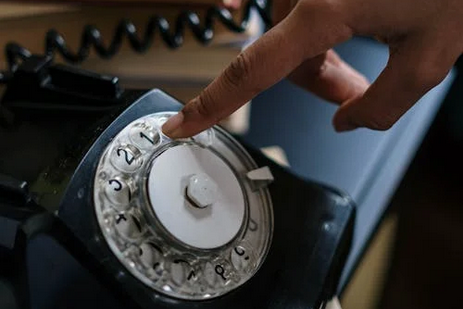
Having a phone in your bedroom felt like a big deal, especially if it had a long, stretchy cord. Some households still had rotary phones, while others upgraded to push-button versions. Either way, privacy was limited, but it still felt more personal than using the family phone in the kitchen. You memorized your friends’ numbers because there was no contact list to rely on. Calling someone meant committing to the conversation, since multitasking wasn’t really an option.
You might have spent hours talking about nothing in particular, just stretching the cord as far as it would go. If someone picked up another extension in the house, you knew immediately. Hanging up too quickly could mean losing your place in the conversation. And if you dialed wrong on a rotary phone, you had to start all over again. It required patience, but it also made every call feel more intentional. That phone was your connection to the outside world.
6. A Collection of VHS Tapes
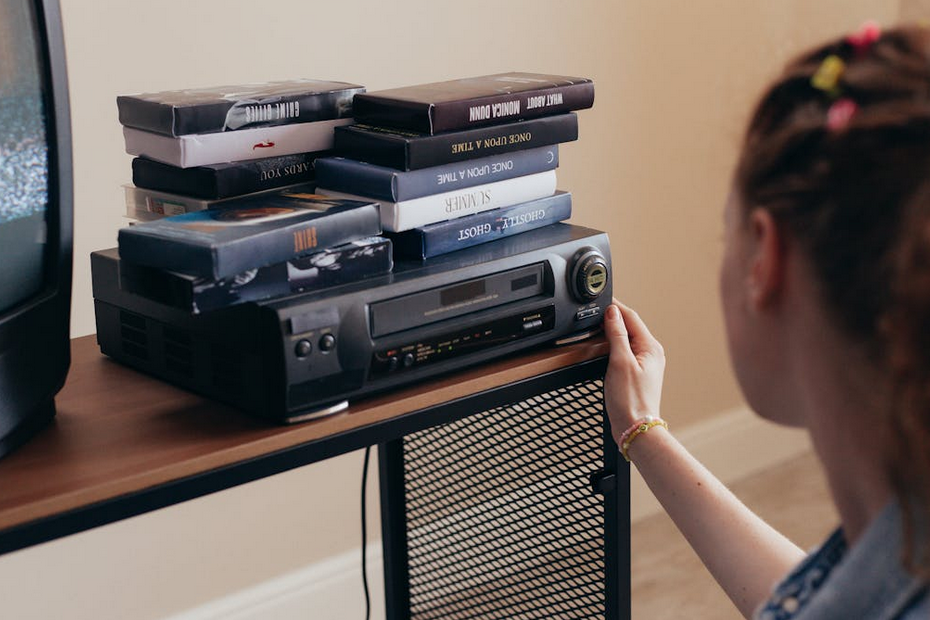
If you were lucky enough to have a VCR nearby, your bedroom might have included a stack of VHS tapes. Some were recorded straight off TV, complete with commercials you eventually memorized. Others were rented favorites you wished you could keep forever. The cases were bulky, and the labels sometimes faded, but they were easy to recognize at a glance. Rewinding before returning a tape was just part of the routine.
Watching something meant committing to it, since fast-forwarding was clunky and imprecise. You learned to sit through parts you didn’t love just to get to the good scenes. Recording shows required planning, often involving timers that didn’t always cooperate. Still, it felt like magic to capture something and watch it later. Those tapes became part of your regular rotation. They turned your bedroom into a mini theater.
7. A Bean Bag Chair
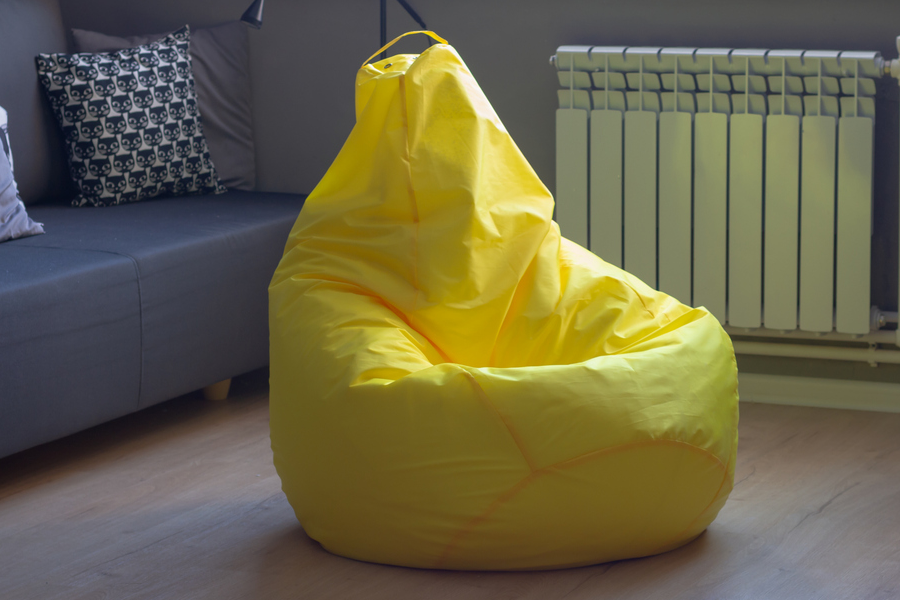
Bean bag chairs showed up in a lot of ’80s bedrooms, even if they didn’t always hold their shape. They were casual, colorful, and perfect for flopping into after a long day. Sometimes they were filled just right, other times they felt a little flat and uneven. Either way, they became a go-to spot for listening to music or watching TV. You could drag them around the room depending on what you were doing.
They weren’t exactly supportive, but that wasn’t the point. It was more about comfort in a relaxed, laid-back way. Friends would claim them quickly when they came over. Over time, the fabric might fade or stretch, but they stuck around. They added a sense of fun to the room that regular chairs just didn’t have. It felt like a small upgrade in comfort.
8. Glow-in-the-Dark Star Stickers

For a lot of kids, the ceiling turned into a night sky thanks to glow-in-the-dark stars. You’d stick them up during the day, then wait to see how bright they’d shine at night. Some glowed better than others, but that didn’t stop you from adding more. They gave the room a quiet, calming feel once the lights went out. It was like having your own version of the outdoors inside.
Over time, a few might fall off, leaving faint marks behind. But most stayed put, forming constellations that didn’t quite match anything real. You probably spent a few nights just staring up at them. They made bedtime feel a little less boring. Even as you got older, it was hard to take them down. They became part of the room’s identity.
9. A Digital Alarm Clock with Red Numbers
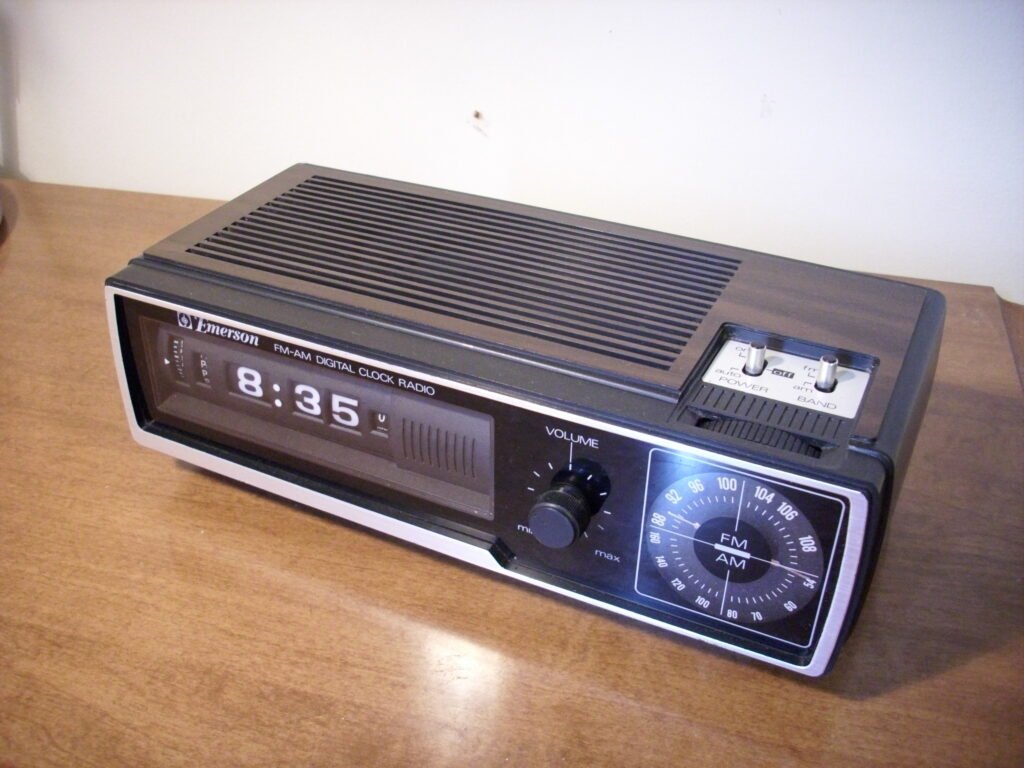
That glowing red digital clock was almost impossible to ignore in the dark. It sat on a nightstand, quietly counting down the hours until morning. The numbers were bright enough to see without turning on a light, which felt futuristic at the time. Some had alarm buzzers that were almost aggressively loud. Hitting snooze became a daily ritual.
You might have watched the minutes change when you couldn’t sleep. There was something oddly hypnotic about it. Power outages meant resetting it, which was always a bit of a hassle. Still, it was more convenient than older clock styles. It kept you on schedule, whether you liked it or not. That red glow became part of the room’s nighttime atmosphere.
10. Action Figures or Dolls on Display
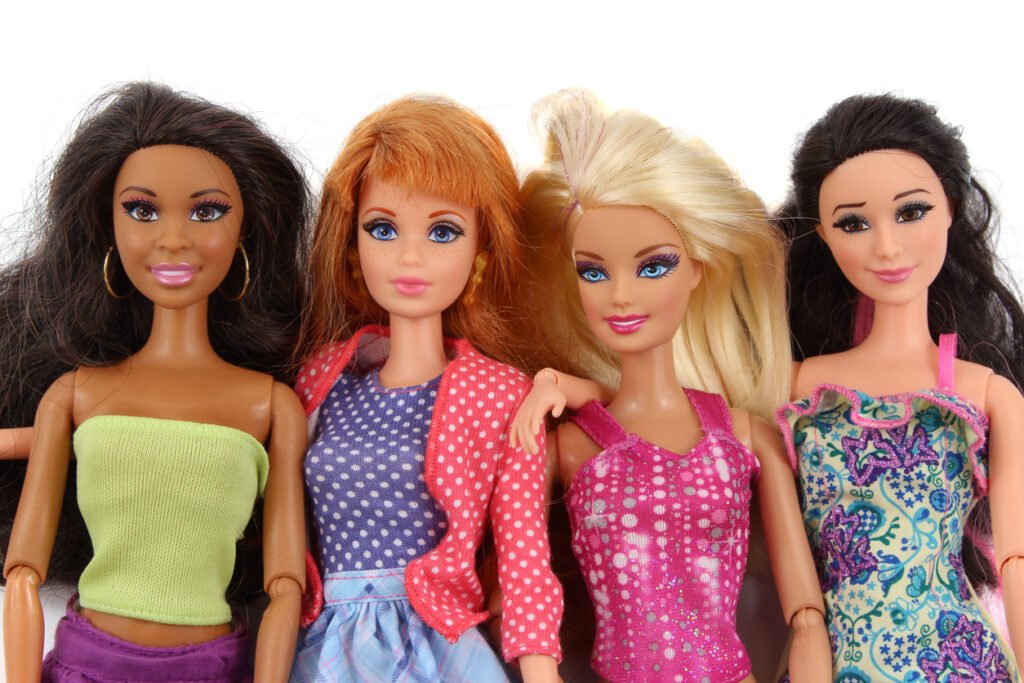
Whether it was action figures or dolls, they usually had a place somewhere in the room. Some kids lined them up neatly, others had them scattered across shelves or the floor. Characters from popular movies and TV shows were especially common. They weren’t just toys, they were part of ongoing stories you created. Even when you weren’t playing with them, they stayed visible.
Over time, collections grew and favorites changed. Some figures got lost, others became prized possessions. Friends might bring their own over, adding to the mix temporarily. They turned your room into a small world of imagination. Even older kids often kept a few around longer than they’d admit. They were hard to let go of.
11. A Desk Covered in School Supplies

Most bedrooms had at least a small desk, and it rarely stayed neat for long. Pencils, notebooks, folders, and loose papers piled up quickly. You might have had a pencil sharpener that got heavy use. Homework happened there, even if you didn’t always want it to. It was a mix of productivity and clutter.
Sometimes the desk doubled as a place for drawing or writing letters. You might have decorated it with stickers or doodles over time. It reflected your personality just as much as the rest of the room. Cleaning it off felt like a major project. But somehow, you always knew where everything was. It worked, even if it looked messy.
12. A Walkman for On-the-Go Music
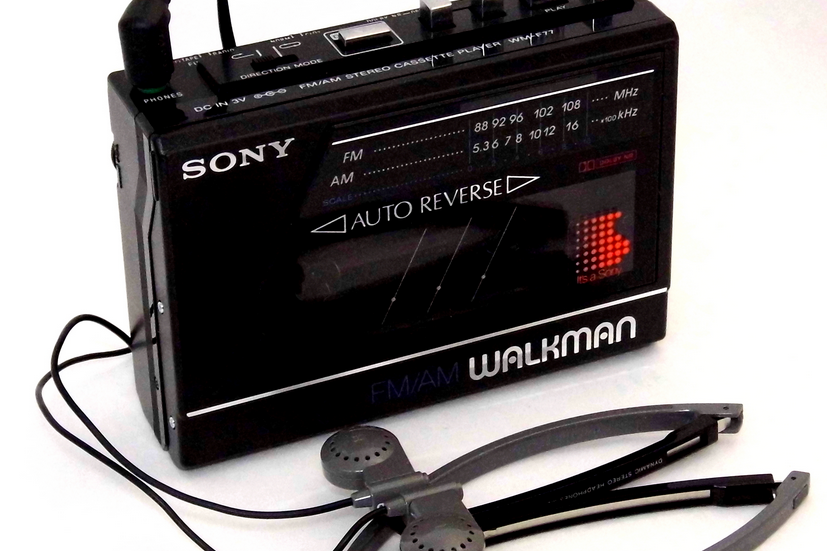
The Walkman made it possible to take your music beyond your bedroom. It was compact, portable, and felt incredibly modern at the time. You’d pop in a cassette, put on those foam-covered headphones, and disappear into your own world. It wasn’t perfect, especially if the tape skipped while you were moving. But it still felt like freedom.
You might have carried it around the house or taken it outside on walks. Changing batteries was part of the experience. Sharing headphones with a friend meant sitting close and listening together. It made music feel more personal. That little device became a constant companion. It changed how you experienced sound.
13. A Bulletin Board or Corkboard
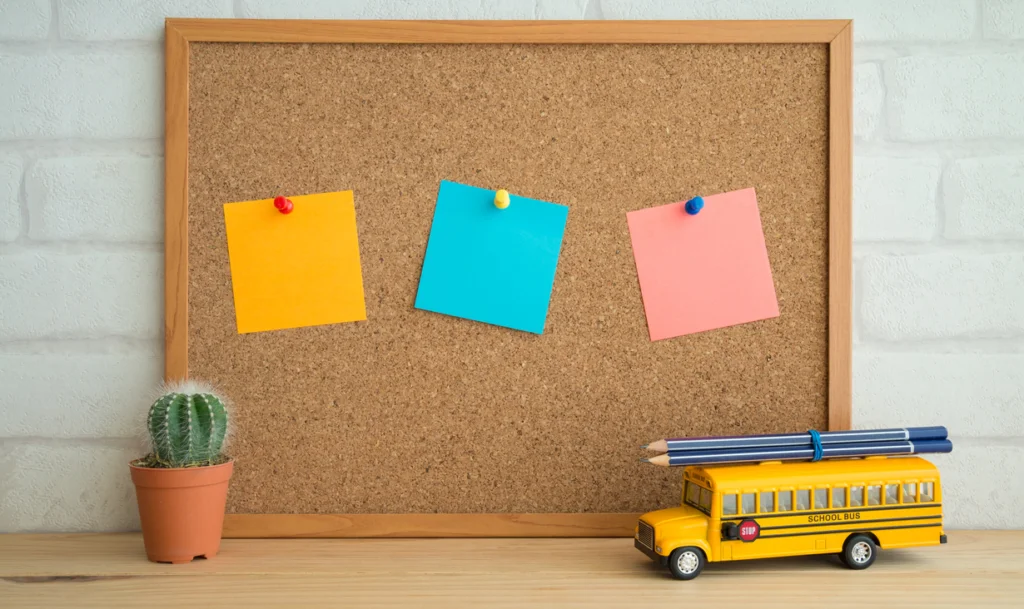
A corkboard gave you a place to pin up everything that mattered at the moment. Photos, notes, ticket stubs, and random reminders all found their way there. It changed constantly as new things replaced old ones. Push pins were everywhere, and sometimes easy to lose. Still, it kept everything visible.
It was a mix of memories and plans, all in one place. You might have stared at it while thinking or daydreaming. It added another layer of personality to the room. Nothing stayed there forever, but everything felt important at the time. It was a snapshot of your life in progress. And it was always evolving.
14. A Stereo System with Separate Speakers
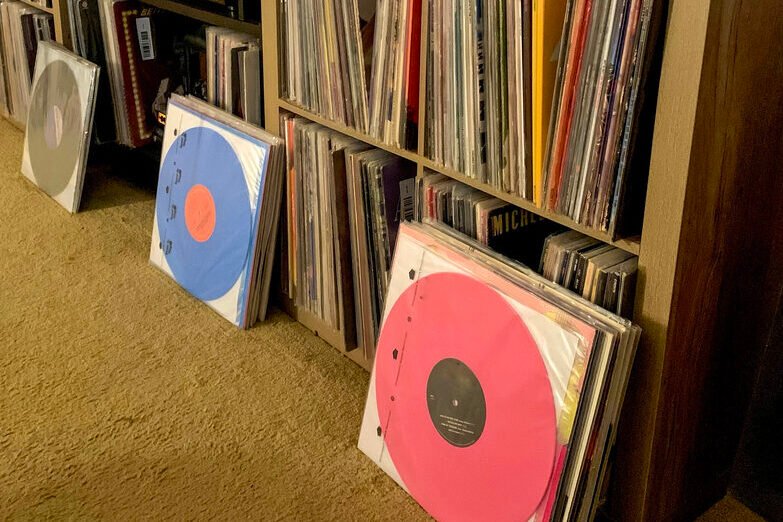
For those who took music seriously, a stereo system was a step up from a basic boombox. It often came with separate speakers that you could position around the room. The sound felt bigger, fuller, and a little more impressive. Adjusting bass and treble settings became part of the listening experience. It was about creating the right atmosphere.
You might have spent time fine-tuning how everything sounded. Turning it up too loud usually led to someone telling you to turn it down. Still, it felt worth it. Music filled the room in a way that smaller devices couldn’t match. It turned your bedroom into your own private space. And for a while, that was all you needed.