
1. The Streets Are Based on a Real Place in Atlantic City
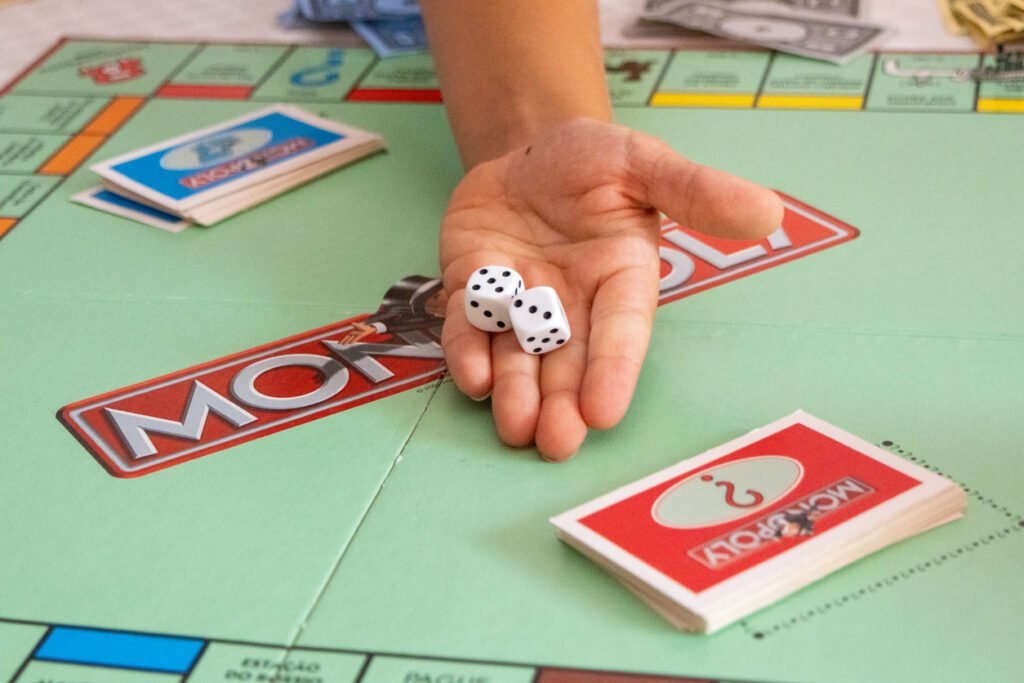
If you’ve ever wondered why the properties in Monopoly feel oddly specific, it’s because they are. The original board is modeled after real streets in Atlantic City, New Jersey. Names like Boardwalk, Baltic Avenue, and Marvin Gardens weren’t invented out of thin air. They were chosen by Charles Darrow when he refined the game in the 1930s. He reportedly based them on places he knew or had visited, giving the game a surprisingly grounded foundation. Even the order of the streets reflects their approximate geographic layout in the city.
That said, there’s a small twist that longtime players might not catch. “Marvin Gardens” is actually misspelled, since the real location is “Marven Gardens.” The name comes from a combination of Margate City and Ventnor City. This little typo has stayed on the board for decades, making it one of Monopoly’s most enduring quirks. It’s a reminder that even something as polished as a board game can carry a mistake for generations.
2. Boardwalk and Park Place Aren’t the Most Landed-On Spaces
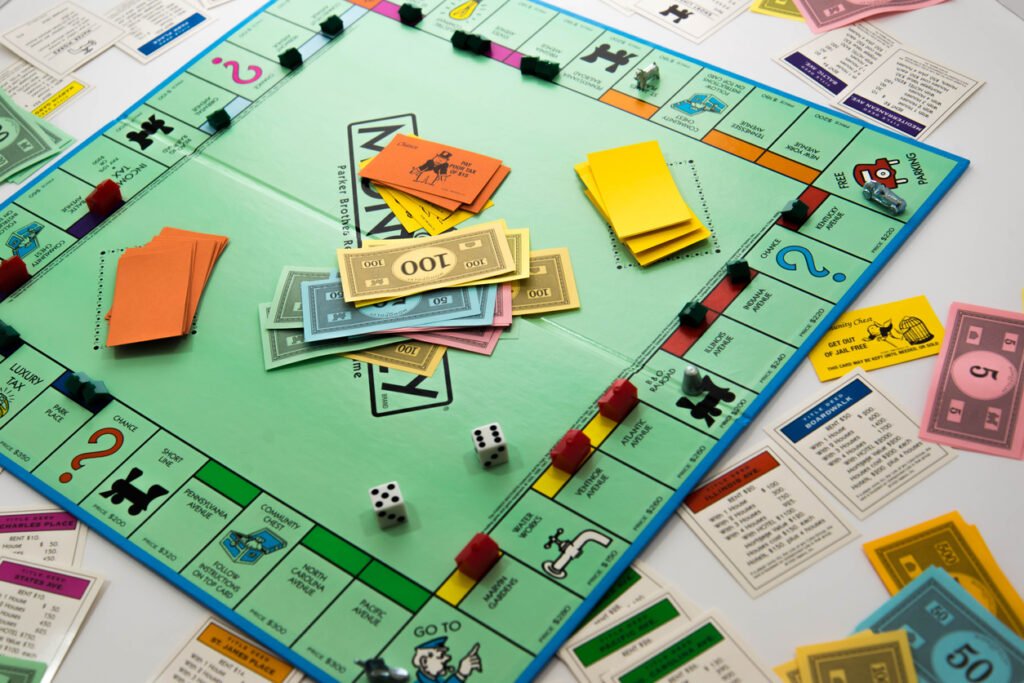
It’s easy to assume that the most expensive properties would also be the most frequently visited, but that’s not how the math works. Due to dice probabilities and board positioning, some lower-cost properties actually see more traffic. Illinois Avenue, for example, is statistically one of the most landed-on spaces in the game. That’s partly because of the “Go to Jail” square sending players around the same loop repeatedly.
Players exiting jail often roll numbers that land them in the orange and red property groups. This makes those sets more strategically valuable than their price might suggest. Boardwalk, while iconic, is landed on far less often than many players realize. It still carries prestige, but not necessarily the best return on investment. That imbalance is part of what keeps the game interesting.
3. The “Go to Jail” Space Skips a Huge Chunk of the Board
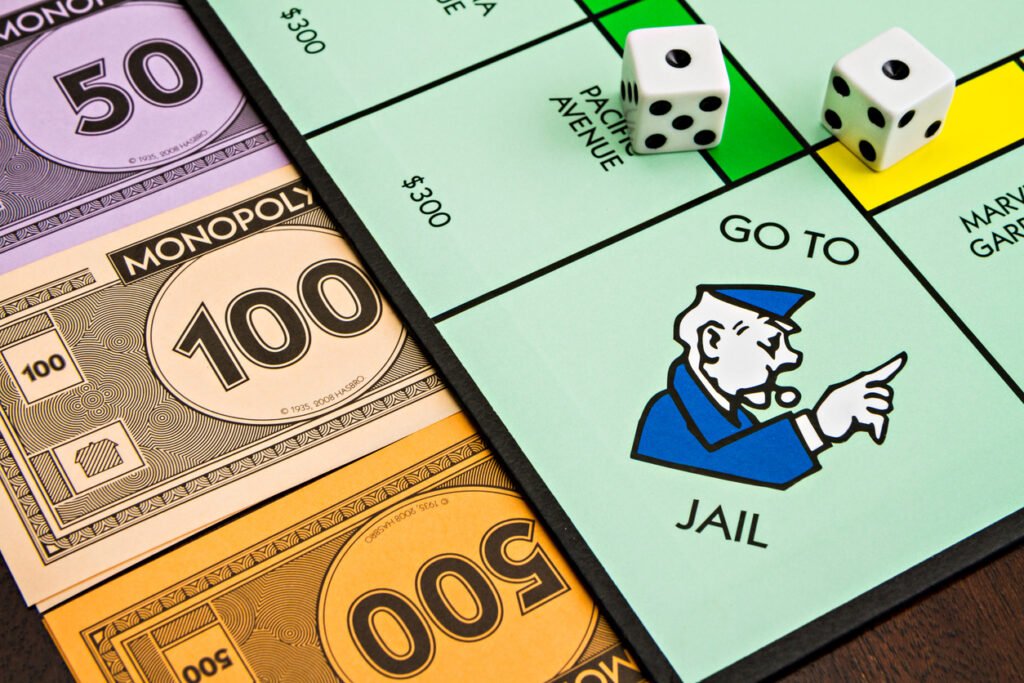
When a player lands on “Go to Jail,” they don’t just lose a turn, they also skip nearly a quarter of the board. That includes several properties, railroads, and utility spaces they might have otherwise passed. This changes the flow of the game in subtle ways. It reduces traffic to certain areas and increases it in others, especially near the jail exit.
Because of this, properties located just after the jail tend to see more action. This includes the orange set, which becomes a hot zone in many games. Players often underestimate how much this single space reshapes movement patterns. It’s not just a penalty, it’s a major redirect. Over time, it quietly influences who wins and who struggles.
4. The Corner Spaces Don’t All Do the Same Thing
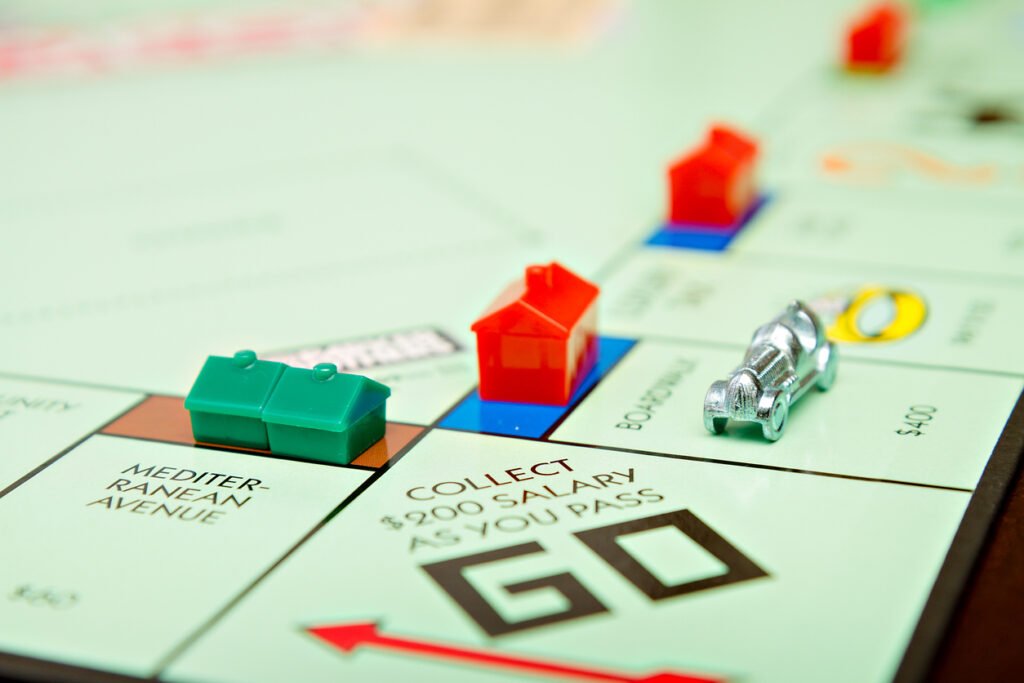
At a glance, the four corners might seem equally important, but they serve very different purposes. “Go” is the only one that consistently gives players money. “Jail” is a holding space where players can be stuck or just visiting. “Free Parking” is often misunderstood, since the official rules say it does nothing at all.
Many households play with a house rule where fines and fees collect in the center and get awarded on Free Parking. However, that’s not part of the official game design. In reality, Free Parking is meant to be neutral, not a jackpot. “Go to Jail,” of course, is the only corner that actively penalizes players. Each corner shapes the pacing of the game in its own way, even if it’s not obvious at first.
5. The Railroads Are More Powerful Than They Look

Railroads tend to get overlooked because they don’t allow houses or hotels. But owning all four can be surprisingly lucrative. Each additional railroad increases the rent exponentially, making them a steady source of income. Unlike properties, they don’t require extra investment to become valuable.
They also benefit from their placement around the board. Since players are constantly circling, railroads get frequent traffic. That consistency makes them less risky than some property sets. A player who quietly collects railroads can build a strong financial position without drawing much attention. It’s a subtle but effective strategy.
6. The Utilities Depend on Dice Rolls, Not Fixed Rent
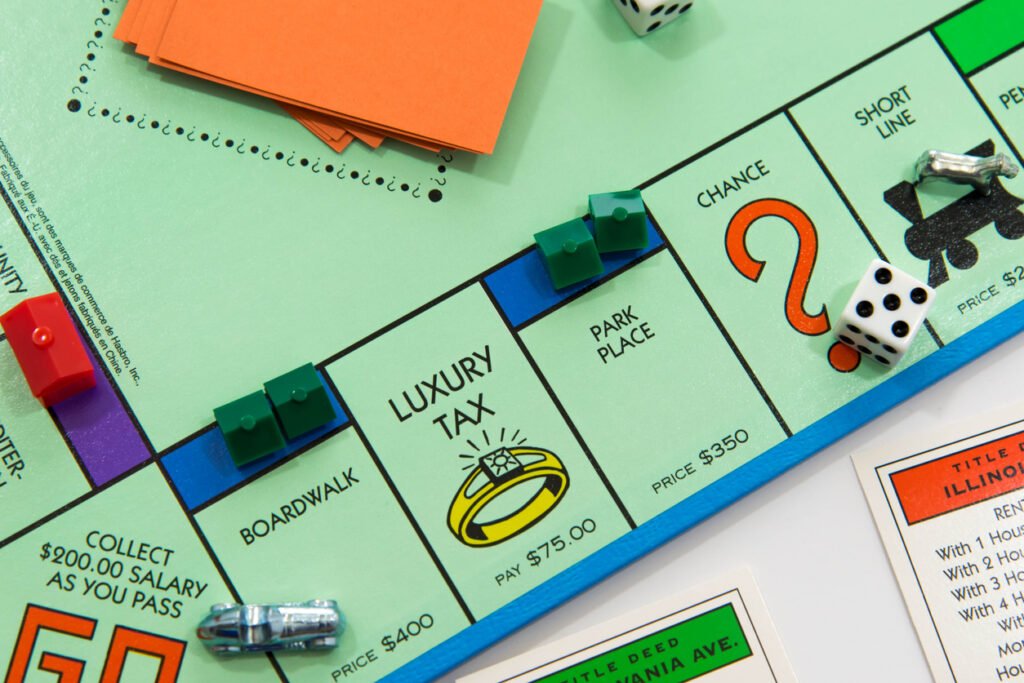
Utilities operate very differently from the rest of the board. Instead of charging a set rent, they multiply the number rolled on the dice. If a player owns one utility, the rent is four times the dice roll. If they own both, it jumps to ten times the roll.
This creates a wide range of possible outcomes. A low roll might barely hurt, while a high roll can be surprisingly expensive. It adds an element of unpredictability that doesn’t exist with other properties. Because of this, utilities can feel inconsistent in value. Some players love the gamble, while others prefer more predictable returns.
7. The Color Groups Aren’t Balanced Equally
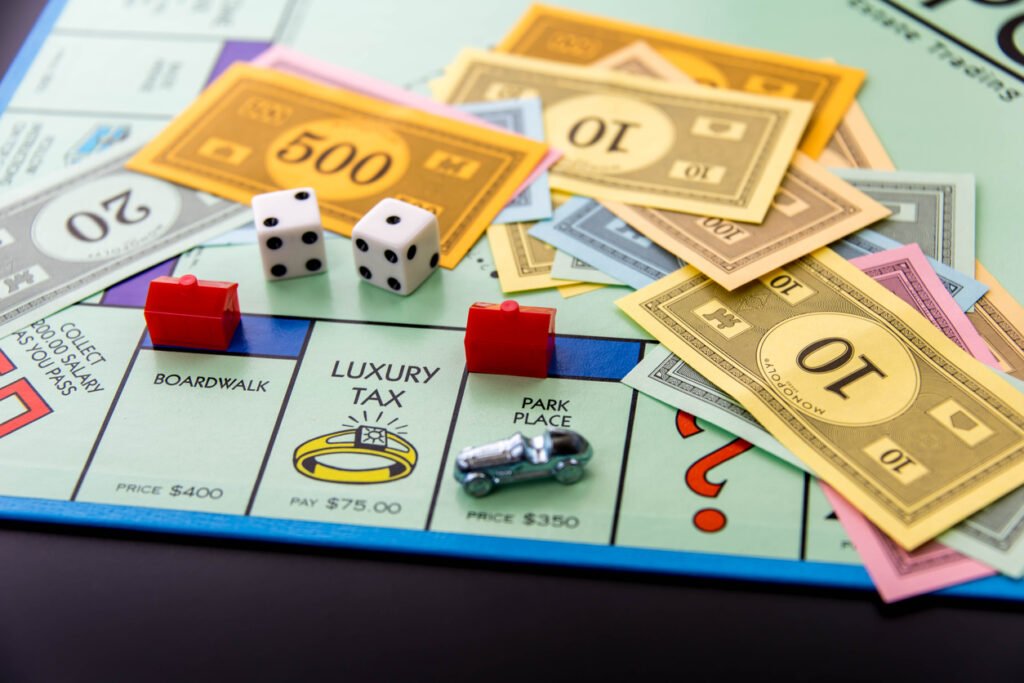
Not all property sets are created with the same strategic value. Some color groups are cheaper to build on, making it easier to develop houses early in the game. The orange and light blue sets are often considered strong because of their cost-to-return ratio. Meanwhile, dark blue properties like Boardwalk require a huge investment before they pay off.
The imbalance is intentional and part of the game’s design. It forces players to weigh risk versus reward at every stage. A cheaper set might generate steady income, while an expensive one could lead to a big payoff later. There’s no single “best” group, just different approaches. Understanding these differences can change how you play.
8. The Chance and Community Chest Cards Were Originally More Specific
Early versions of Monopoly included cards that referenced real-life situations more directly. Some cards mentioned specific local events or financial scenarios that made more sense in the 1930s. Over time, these were adjusted to be more universal. The goal was to make the game easier to understand for a wider audience.
Despite those changes, the core idea stayed the same. The cards introduce randomness and keep the game from becoming too predictable. Some cards can help you, while others set you back significantly. They act as equalizers, especially in long games. Without them, Monopoly would feel much more rigid.
9. The Houses and Hotels Are Finite on Purpose
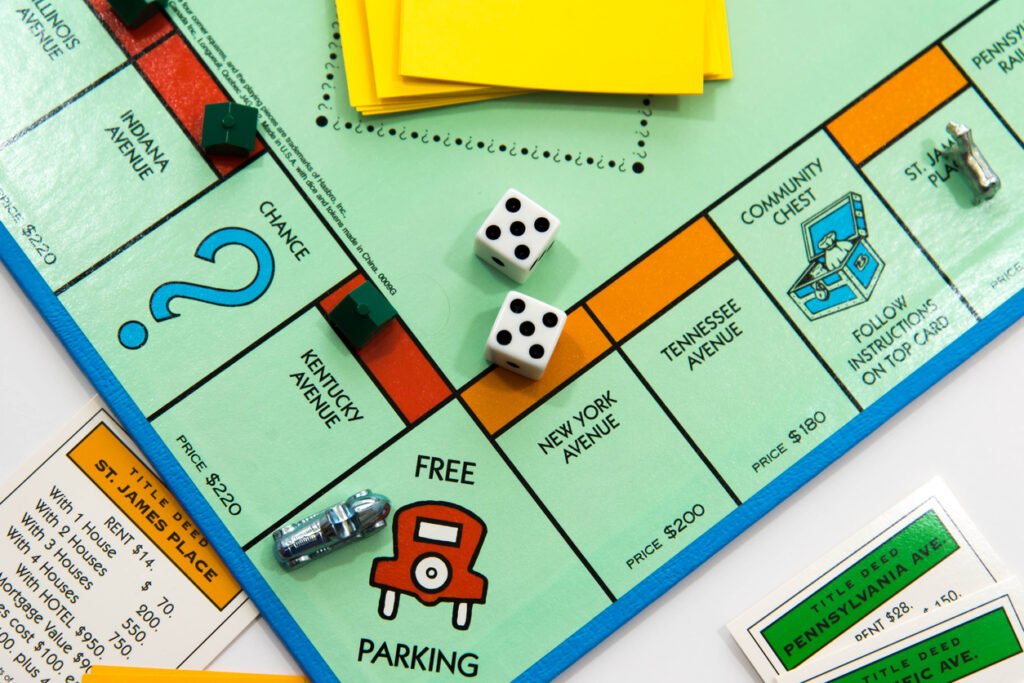
There is a limited number of houses and hotels in the box, and that’s not an accident. The official rules state that if the supply runs out, no one can build more. This creates a form of resource competition between players. It also introduces a strategic element where players might hold onto houses to block others.
For example, building three houses on multiple properties can be more effective than upgrading to hotels. It ties up the available pieces and prevents opponents from developing their own sets. This tactic can slow down the entire game. It’s one of those rules that experienced players take advantage of. New players often miss it completely.
10. Monopoly Wasn’t Originally Meant to Celebrate Capitalism
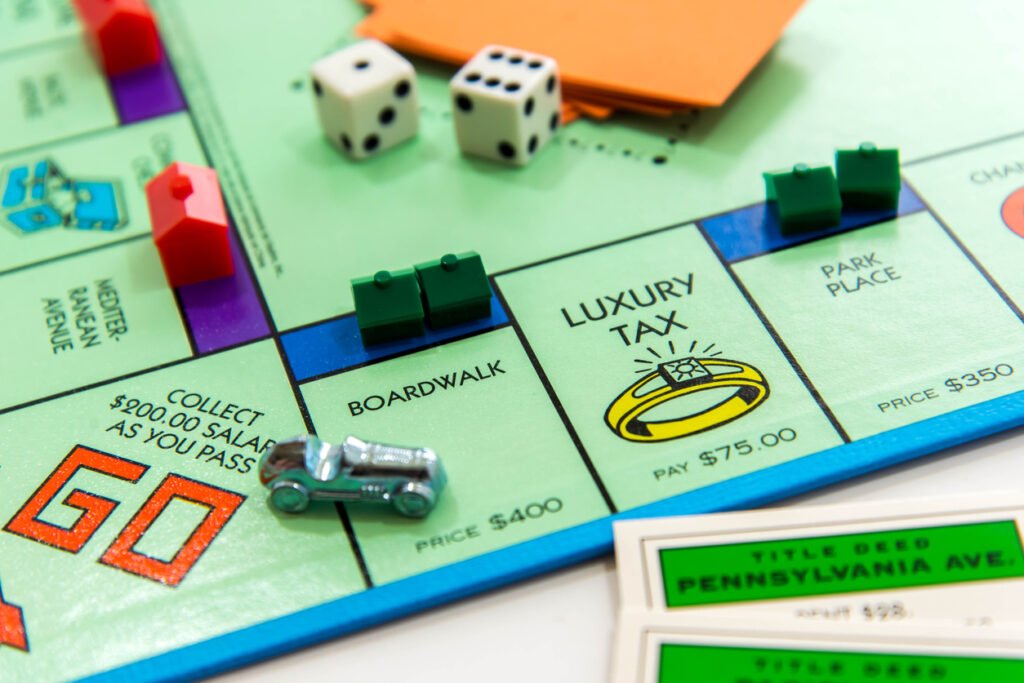
The game’s origins are more complicated than many people realize. Monopoly is based on an earlier game called The Landlord’s Game, created by Elizabeth Magie. Magie designed it to demonstrate the downsides of monopolies and unchecked wealth accumulation. It was meant as a teaching tool, not just entertainment.
When Parker Brothers acquired and popularized the game, its message shifted. The version most people know today focuses more on winning through accumulation. That original critique of economic systems became less obvious over time. Still, the roots of the game are baked into its mechanics. Once you know that history, the board feels a little different.