
1. Pet Rock
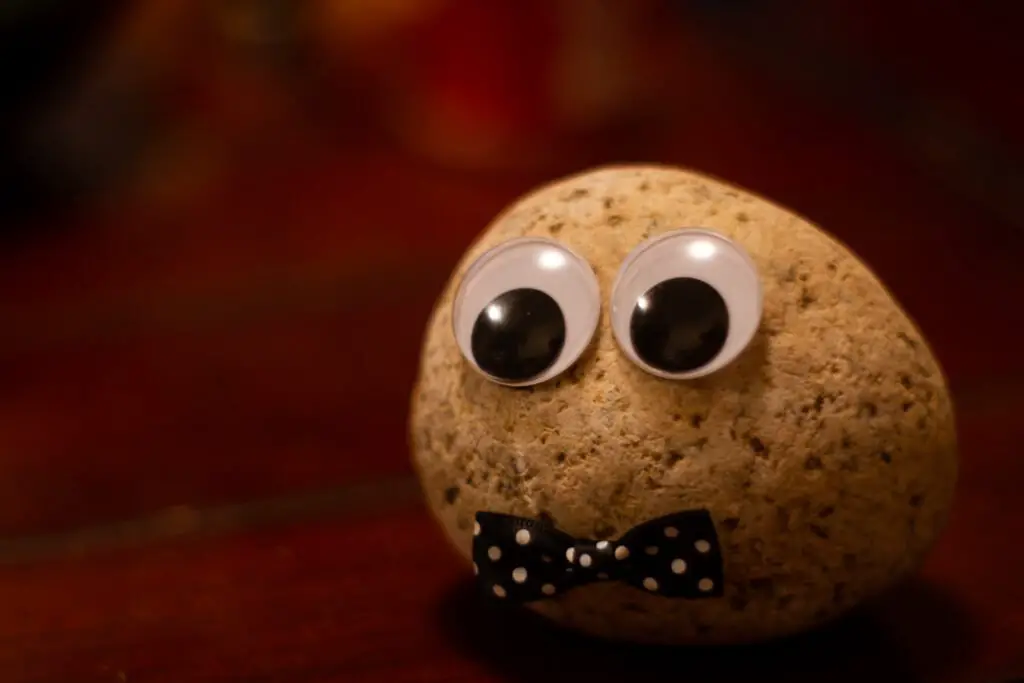
The Pet Rock sounds like a joke now, but in 1975 it became one of the most talked-about novelty toys in America. Created by advertising executive Gary Dahl, it was literally a smooth stone packaged in a cardboard box with air holes and straw bedding. The humor was the point, and it came with a tongue-in-cheek instruction manual on how to “care” for your rock. Kids loved the absurdity, while parents appreciated that it never needed feeding or batteries.
It sold millions of units in just a few months, making Dahl a millionaire almost overnight. The Pet Rock also reflected a moment in ’70s culture when quirky, ironic humor was starting to catch on. While it didn’t last long as a trend, it became one of the most famous toy fads of all time. Even today, it’s still referenced as the ultimate novelty toy success story.
2. Stretch Armstrong
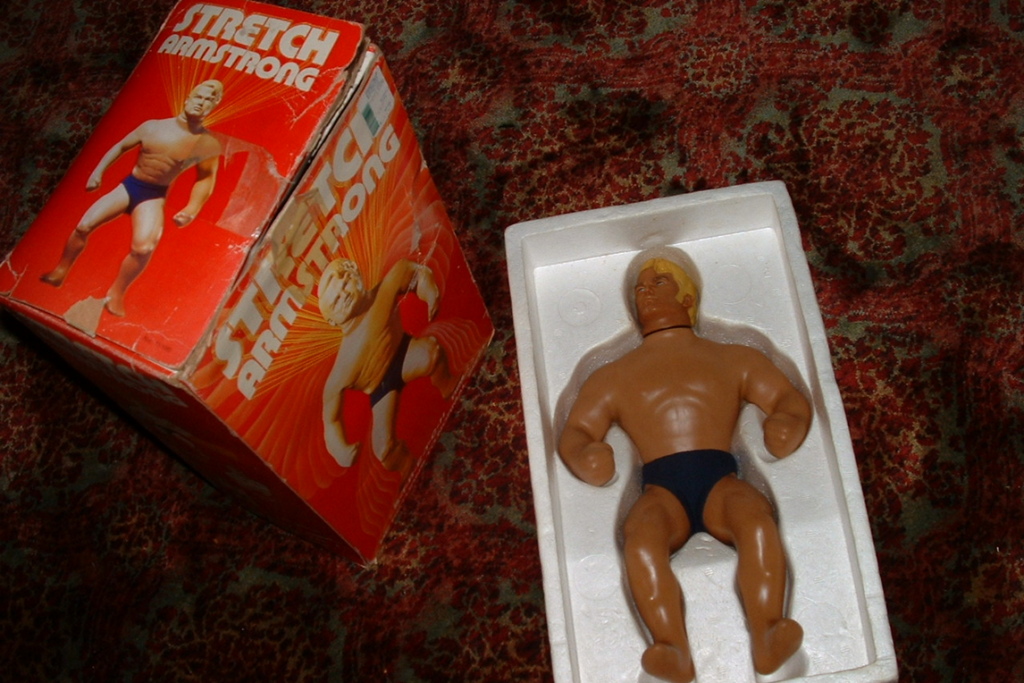
Stretch Armstrong hit toy shelves in 1976 and quickly became a must-have for kids who liked to test the limits of their toys. Made by Kenner, the stretchy figure was filled with a gel-like substance that allowed it to be pulled, twisted, and tied in knots. Kids would stretch its arms and legs as far as possible just to see if it would snap, which it surprisingly rarely did.
The durability was part of its appeal, and it became a playground staple. There were also spin-offs like Stretch Monster, but the original remained the most iconic. Over time, the toy developed a reputation for being oddly satisfying to play with. Even decades later, it still shows up in retro toy collections and reissues.
3. Lite-Brite
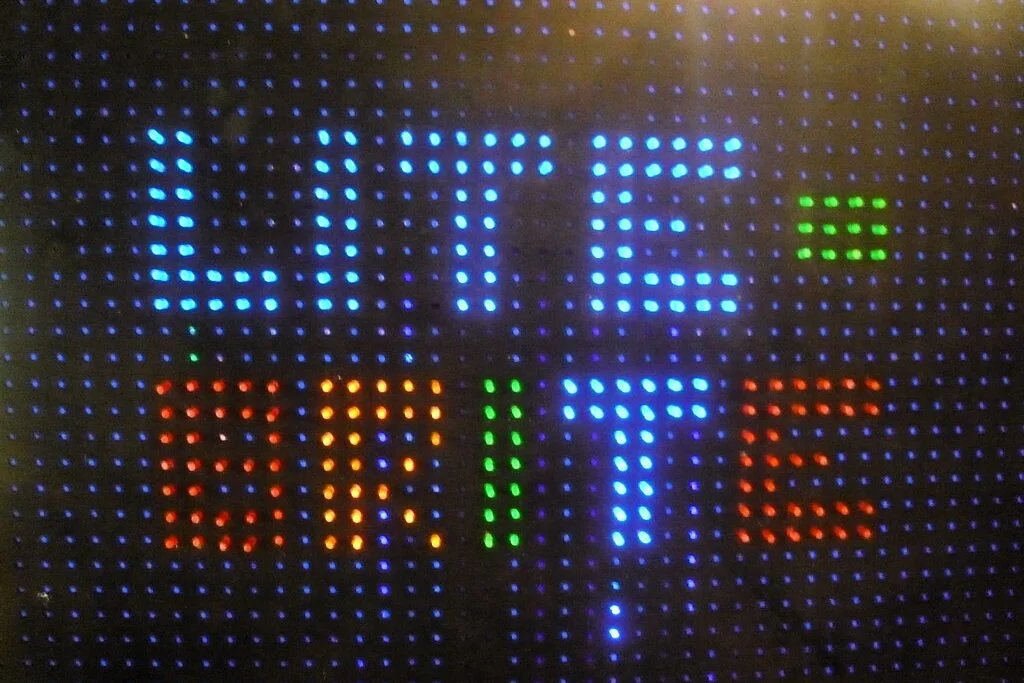
Lite-Brite arrived in 1967 but became especially popular throughout the ’70s and into the ’80s. Produced by Hasbro, it let kids create glowing pictures by placing colored plastic pegs into a black screen backed by a light bulb. The toy came with templates, but many kids preferred to make their own designs.
It was both creative and a little mesmerizing, especially in a dark room. Parents liked that it encouraged artistic play without a mess of paints or markers. The soft glow made it feel different from most toys at the time. It remains one of the most recognizable creative toys from that era.
4. Simon
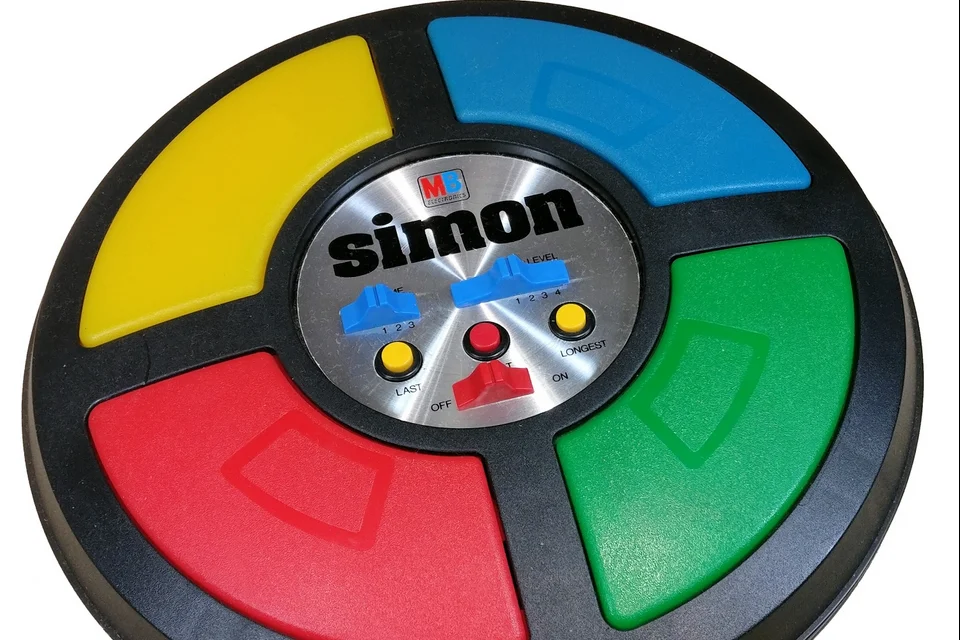
Simon was introduced in 1978 and quickly became one of the most recognizable electronic games of its time. Created by Milton Bradley Company, it challenged players to repeat increasingly complex sequences of lights and sounds. The simple concept made it easy to learn but surprisingly difficult to master.
Kids would gather around to see who could get the farthest without making a mistake. The distinctive tones and flashing colors made it instantly memorable. It also helped introduce many kids to electronic gaming before video game consoles became widespread. Simon is still sold today, proving how strong its design really was.
5. Atari 2600
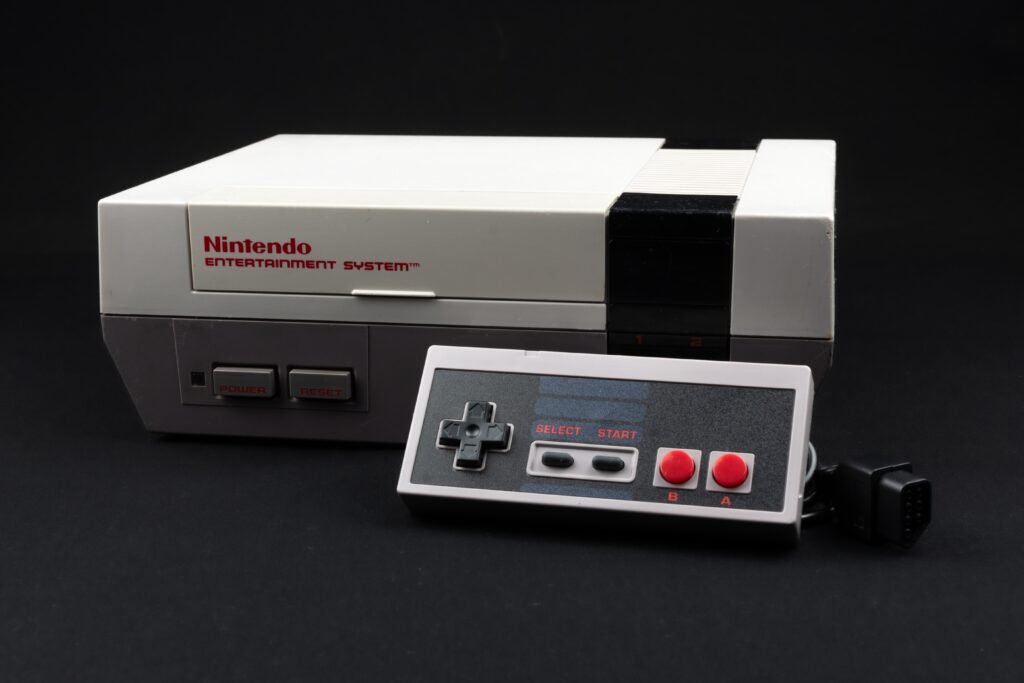
The Atari 2600, released in 1977, changed how kids thought about toys altogether. Developed by Atari, Inc., it allowed players to swap game cartridges, meaning one system could play multiple games. Titles like “Space Invaders” and “Pac-Man” became household names.
For many families, it was their first experience with home video gaming. Kids would spend hours trying to beat high scores or master difficult levels. The system helped lay the foundation for the modern gaming industry. Owning one instantly made your house the place where friends wanted to hang out.
6. Cabbage Patch Kids
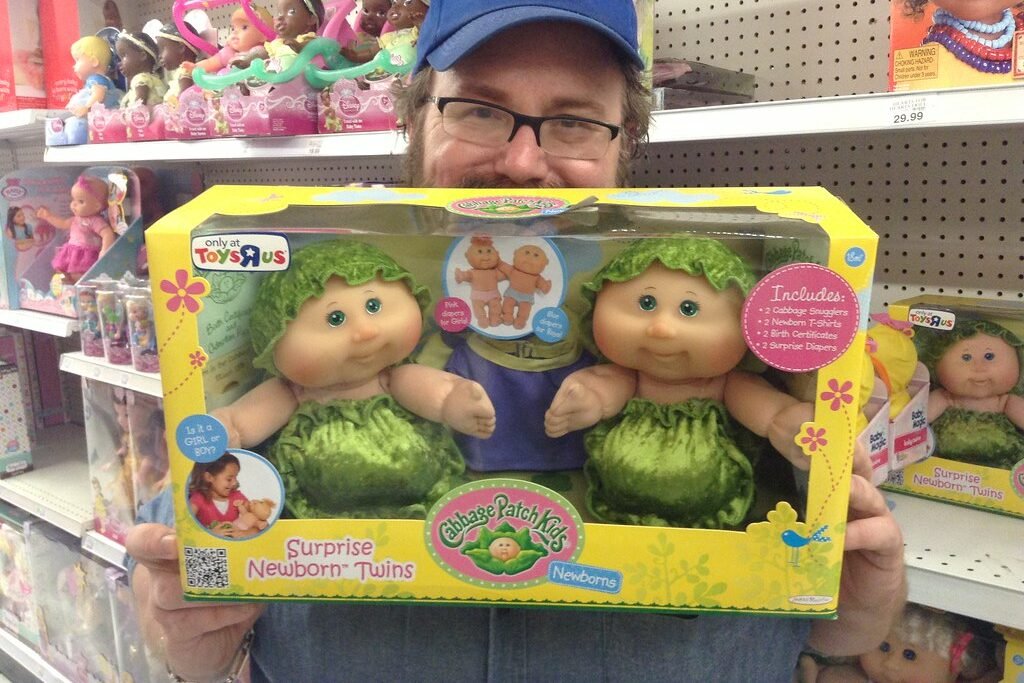
Cabbage Patch Kids exploded in popularity in 1983, leading to one of the most famous toy crazes ever. Created by Xavier Roberts, each doll came with its own name and adoption certificate. The idea that every doll was unique made them feel special to kids.
Stores were overwhelmed during the holiday season, with reports of long lines and even scuffles between shoppers. The dolls became more than toys, they were treated like real family members. Their soft bodies and distinctive faces made them instantly recognizable. The craze eventually cooled, but they remain a symbol of ’80s consumer culture.
7. Rubik’s Cube
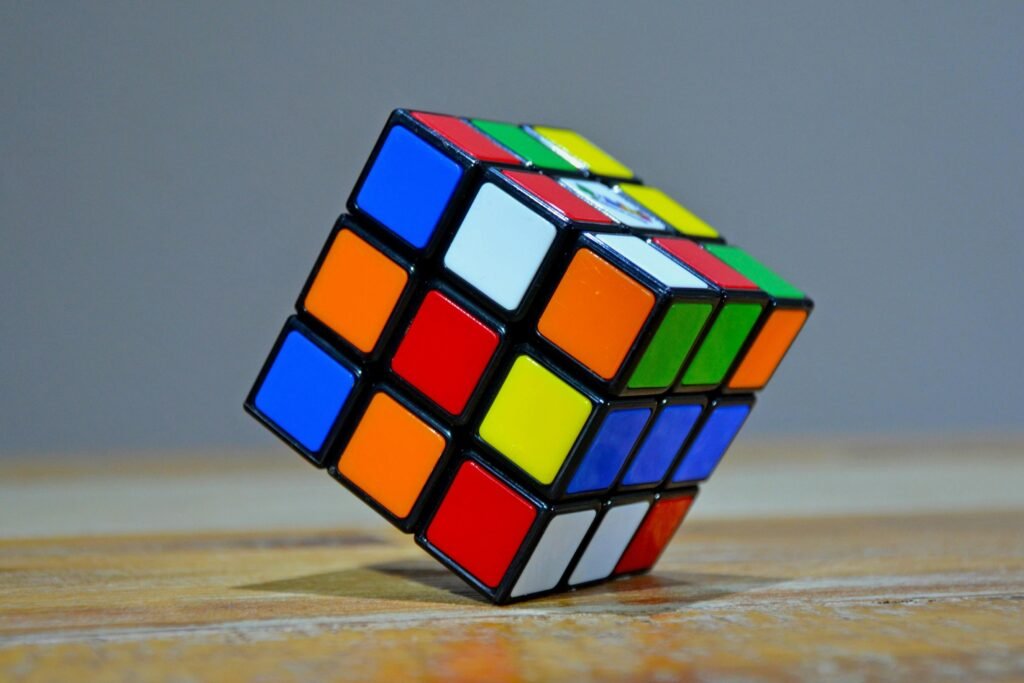
The Rubik’s Cube arrived in the U.S. around 1980 and quickly became a global sensation. Invented by Ernő Rubik, the puzzle challenged players to align all six sides by color. What looked simple at first turned out to be incredibly difficult.
Kids, teens, and adults all tried to solve it, often carrying one around everywhere. It became a symbol of intelligence and persistence. Books and guides were even published to help people crack the code. The cube is still one of the best-selling toys of all time.
8. Star Wars Action Figures
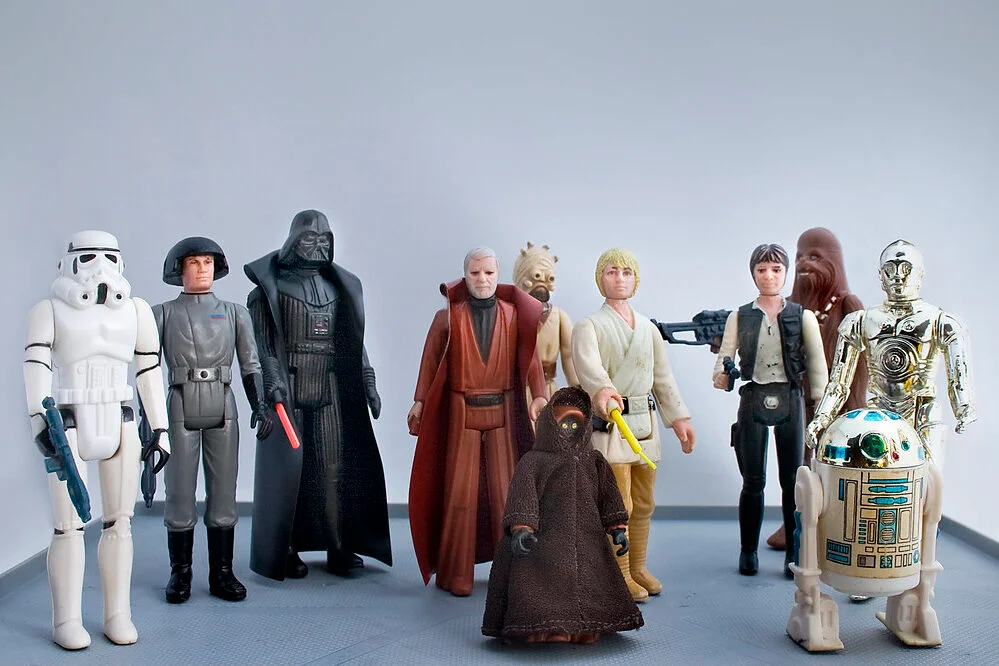
Following the success of Star Wars in 1977, action figures based on the film became wildly popular. Produced by Kenner, the figures included characters like Luke Skywalker, Darth Vader, and Princess Leia. They were smaller than earlier action figures, which made them easier to collect and play with.
Kids could recreate scenes from the movie or invent their own adventures. The line expanded quickly, introducing vehicles and playsets. It helped define what a movie tie-in toy could be. These figures are now highly collectible and remain central to toy history.
9. Easy-Bake Oven
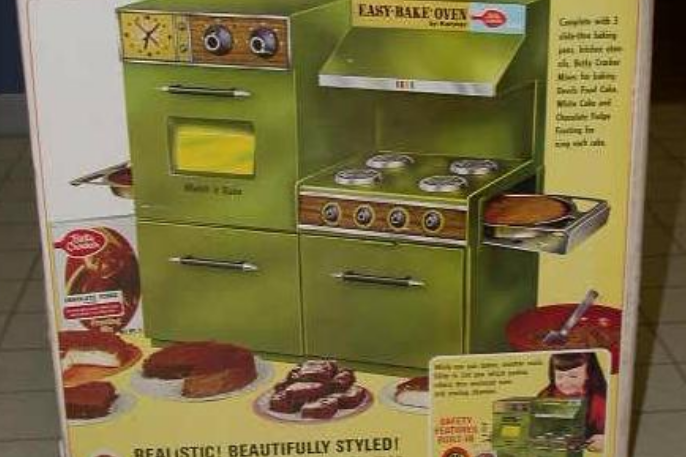
The Easy-Bake Oven had been around since the ’60s, but it remained extremely popular throughout the ’70s and ’80s. Manufactured by Kenner and later Hasbro, it allowed kids to bake small cakes and treats using a light bulb as a heat source. The idea of cooking something real made it feel more grown-up than most toys.
Kids loved the sense of independence it offered, even if the portions were tiny. It also introduced basic cooking concepts in a safe way. The oven became a staple in many households. Updated versions are still sold today with modern safety features.
10. Etch A Sketch
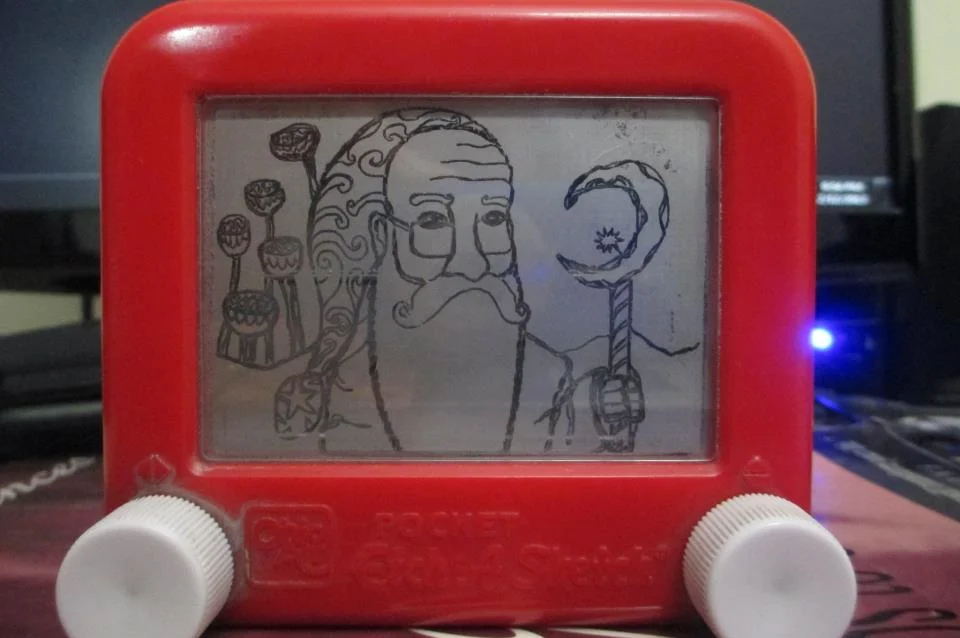
Etch A Sketch had already been around for years, but it remained a favorite well into the ’70s and ’80s. Created by Ohio Art Company, it allowed kids to draw using two knobs that controlled horizontal and vertical lines. The challenge was creating images without lifting a pencil.
Mistakes could be erased instantly by shaking the screen. That simplicity made it endlessly reusable. Some kids even became incredibly skilled, creating detailed drawings. It remains one of the most iconic drawing toys ever made.
11. My Little Pony
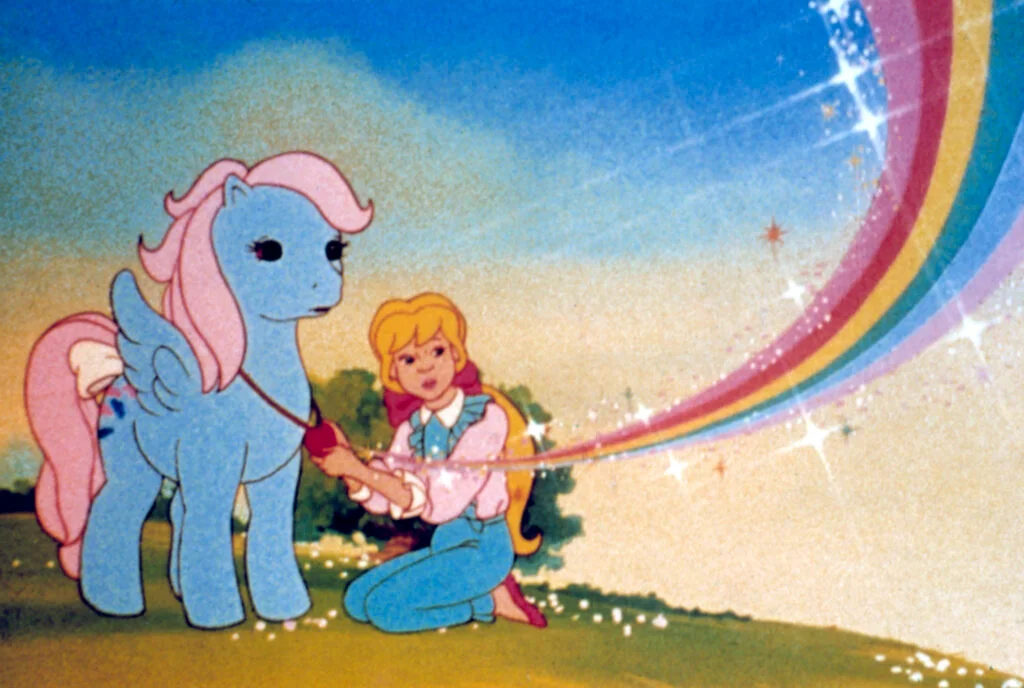
My Little Pony debuted in 1981 and quickly became a favorite among young kids. Produced by Hasbro, the small plastic ponies featured colorful bodies and brushable manes. Each one had a unique symbol, or “cutie mark,” that helped define its personality.
The toy line expanded into cartoons and merchandise, increasing its popularity. Kids often collected multiple ponies and created their own stories. The bright colors and friendly designs made them especially appealing. The brand has gone through several revivals over the years.
12. Transformers
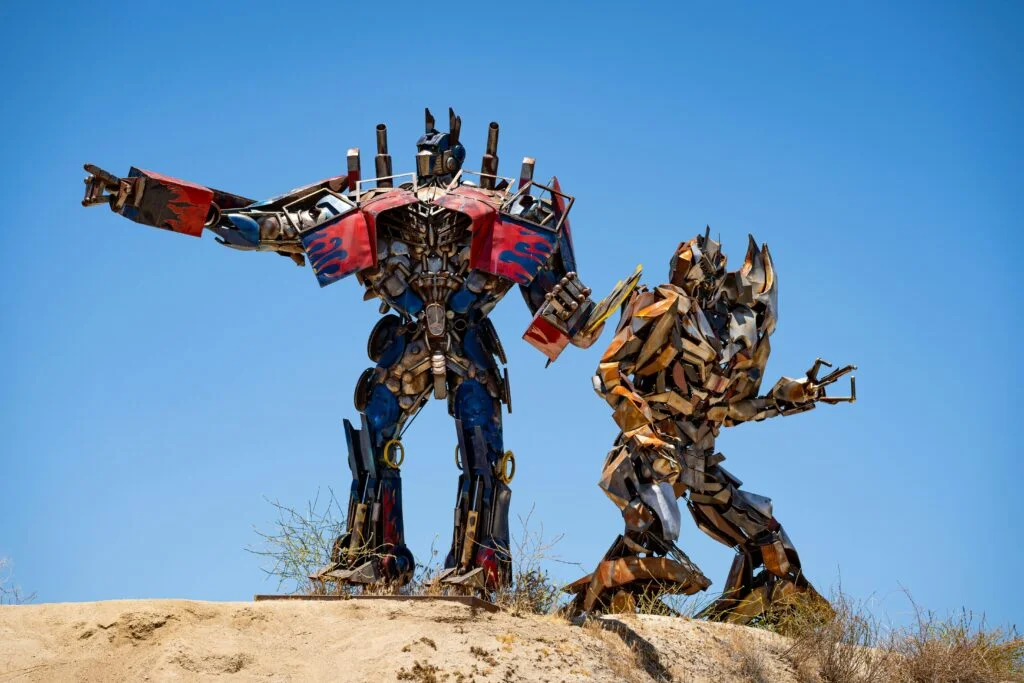
Transformers launched in 1984 and introduced a new kind of action figure. Created through a partnership involving Hasbro, the toys could transform from vehicles into robots. Characters like Optimus Prime and Megatron became instantly recognizable.
The complexity of the transformations made them especially appealing to older kids. There was also an animated series that helped build the storyline. Kids weren’t just playing with toys, they were engaging with a larger universe. Transformers remains a major franchise today.
13. Speak & Spell
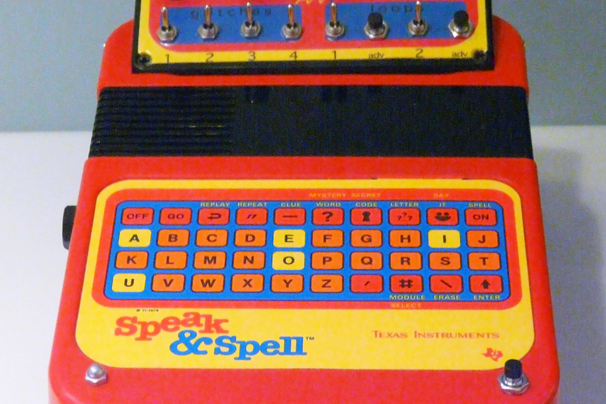
Speak & Spell was introduced in 1978 and felt futuristic at the time. Developed by Texas Instruments, it used speech synthesis to help kids learn spelling. The robotic voice became one of its most memorable features.
It was both educational and fun, which made it appealing to parents and kids alike. The device challenged users with increasingly difficult words. It also marked an early use of digital voice technology in consumer products. Its design became iconic, especially after appearing in E.T. the Extra-Terrestrial.
14. G.I. Joe: A Real American Hero
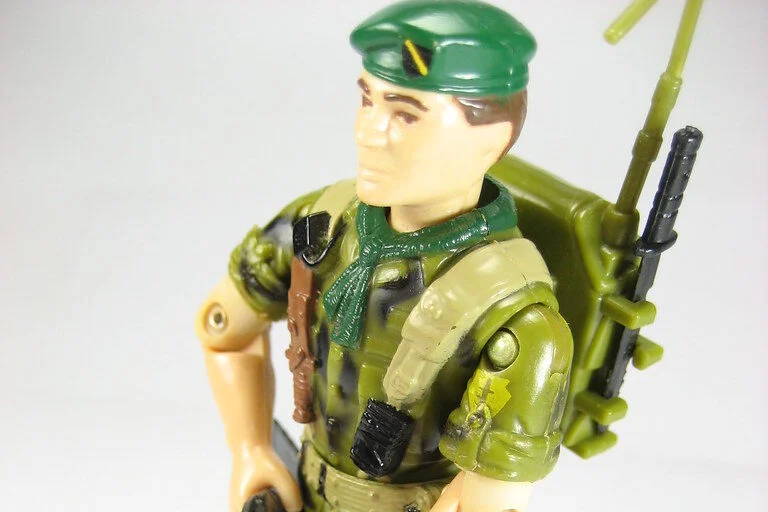
G.I. Joe was originally introduced in the ’60s, but it was reimagined in 1982 as “A Real American Hero.” Produced by Hasbro, the new line featured smaller, more detailed figures. Each character had a specific role and backstory.
The toys were supported by comics and an animated series, which added depth to the brand. Kids often built entire teams and staged elaborate battles. The mix of military themes and storytelling made it stand out. It became one of the defining toy lines of the ’80s.
15. He-Man and the Masters of the Universe Figures
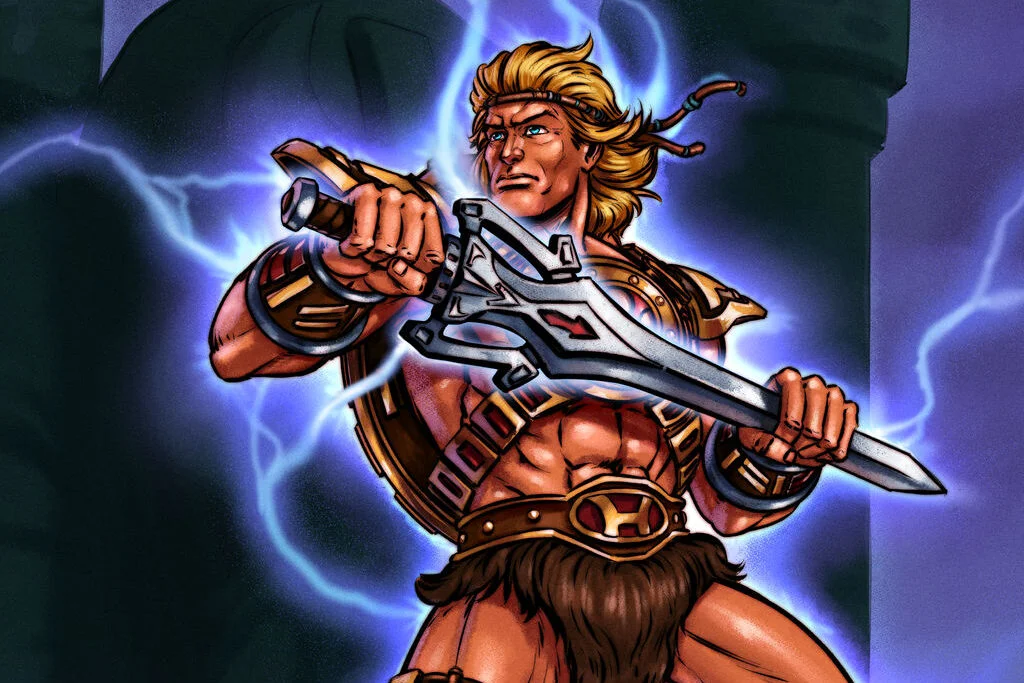
He-Man toys debuted in 1982 and quickly became a major hit. Produced by Mattel, the figures featured exaggerated muscles and bold designs. Characters like He-Man and Skeletor became iconic.
The toy line was supported by an animated series, He-Man and the Masters of the Universe, which helped drive sales. Kids were drawn to the fantasy setting and over-the-top battles. The figures were sturdy and highly playable. The franchise remains a key part of ’80s nostalgia.