
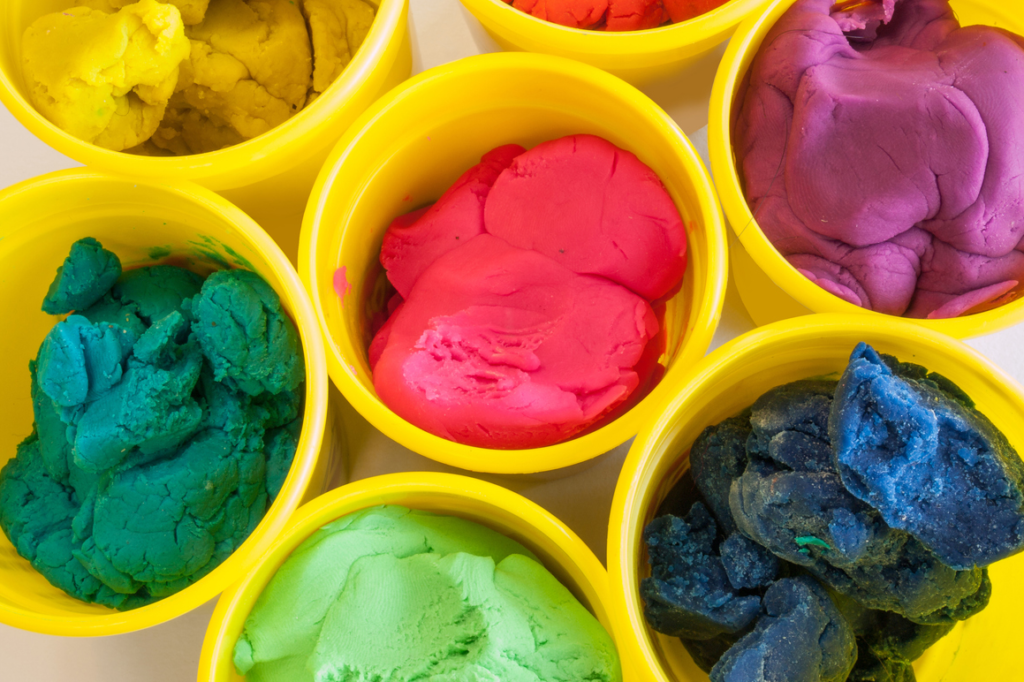
1. Play-Doh
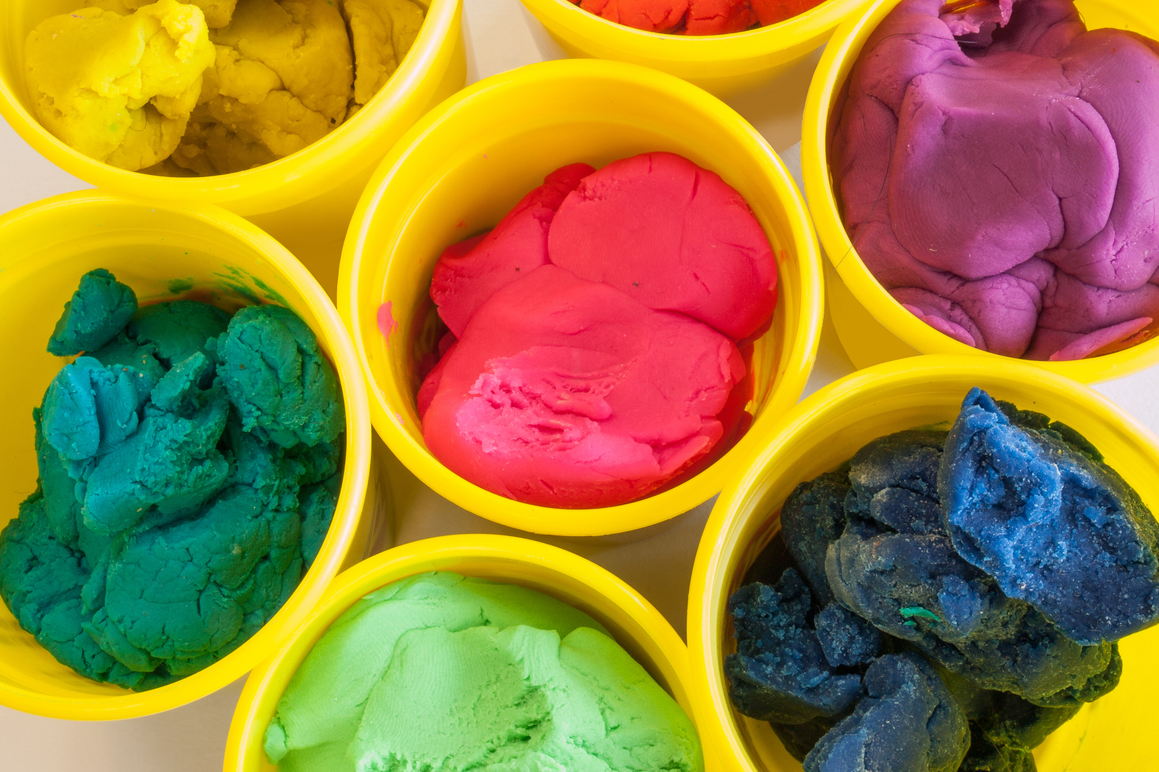
Play-Doh was already around by the ’70s, but that decade is when it really became a household staple. You could sit at the kitchen table for hours rolling, smashing, and reshaping the same lump into something new every few minutes. There were no rules and no right answers, just whatever your hands felt like making that day. Parents loved that it kept kids busy without screens or batteries. Kids loved that they could destroy their creations and start over without consequence.
What made Play-Doh special was how open-ended it was. One day it was a bakery, the next it was a monster factory, and by dinnertime it was an abstract pile of colors mixed together. It encouraged creativity without instructions or pressure. Even the smell became part of the experience. For a lot of kids, it was their first real taste of making something from nothing.
2. Fisher-Price Little People
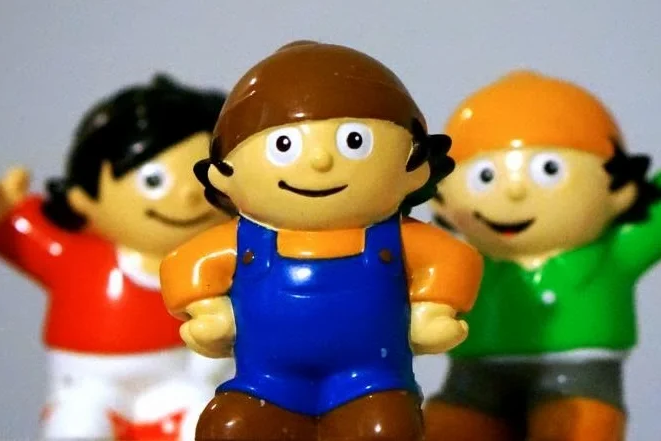
The chunky, peg-style Fisher-Price Little People figures were built for storytelling. They fit perfectly into barns, houses, airports, and garages that felt like miniature versions of the real world. Kids could act out everyday moments or completely invent new scenarios. Nothing was too ordinary or too silly to become a story. The figures felt friendly and familiar, almost like old friends.
Because the faces were simple, kids filled in the personalities themselves. A farmer could become a firefighter, and a schoolhouse could turn into a hospital in seconds. The sets encouraged social play, especially with siblings or friends. They also lasted forever, surviving drops, spills, and years of use. For many families, these toys were passed down like treasured heirlooms.
3. Lincoln Logs

Lincoln Logs made kids feel like real builders. The notched wooden pieces stacked and locked together in a way that felt sturdy and satisfying. You could follow the pictures on the box or completely ignore them and make something wild. Cabins turned into forts, which turned into entire frontier towns. It was hands-on creativity with a touch of history.
The beauty of Lincoln Logs was their simplicity. No flashy colors or sound effects got in the way of imagination. Kids learned balance, structure, and patience without realizing it. Every collapse was just an excuse to rebuild something better. They were quiet toys that somehow led to very big ideas.
4. LEGO Sets
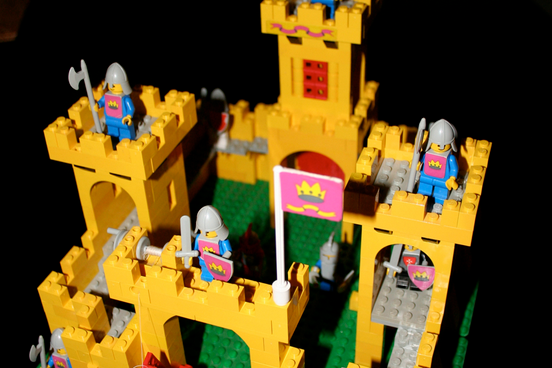
By the ’70s, LEGO bricks had become a cornerstone of imaginative play. The small, colorful pieces could turn into anything if you had enough time and floor space. Kids sprawled out for hours building cars, houses, and strange creations that defied logic. There was something deeply satisfying about clicking bricks together. Every build felt like a small accomplishment.
LEGO encouraged problem-solving as much as creativity. When something didn’t work, you took it apart and tried again. There was no limit to how big or detailed things could get. Mixing sets only made the possibilities bigger. For many kids, LEGO was where patience and imagination quietly teamed up.
5. Spirograph
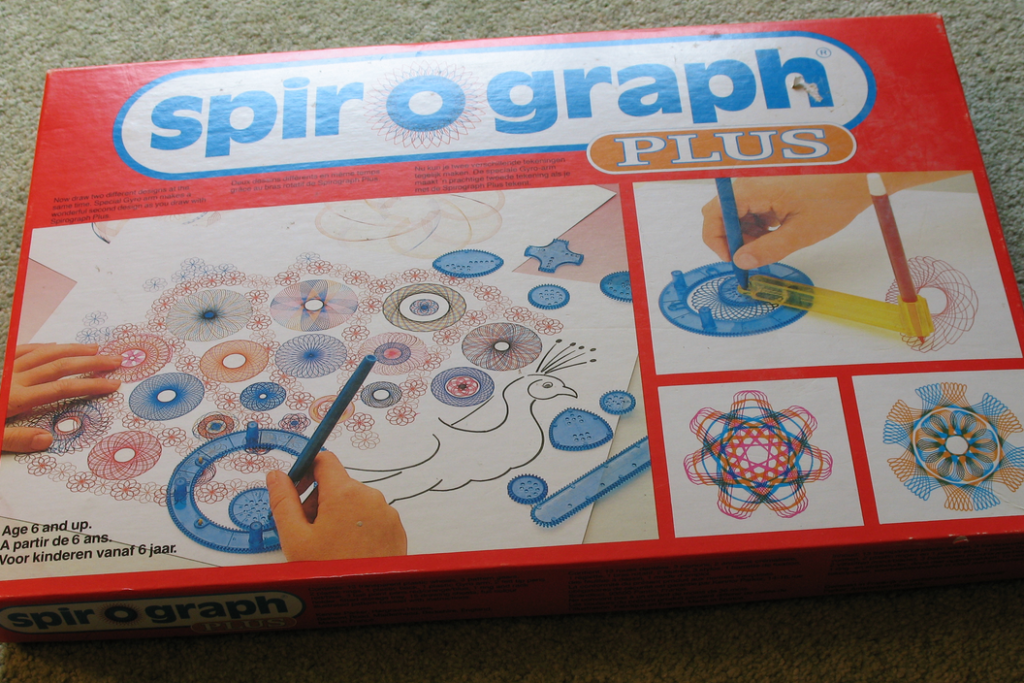
Spirograph felt a little like magic the first time you used it. By fitting plastic gears together and moving a pen through the holes, you created intricate designs that looked far more complicated than the effort involved. Kids could spend ages experimenting with different patterns and colors. Each design felt unique, even when using the same pieces. It was creative play with a hint of math hiding underneath.
The appeal was watching something beautiful slowly appear on the page. It rewarded patience and curiosity rather than speed. Kids often compared their designs or proudly hung them on the fridge. There was no wrong way to do it, only different results. Spirograph made kids feel artistic, even if they didn’t think of themselves that way.
6. Etch A Sketch
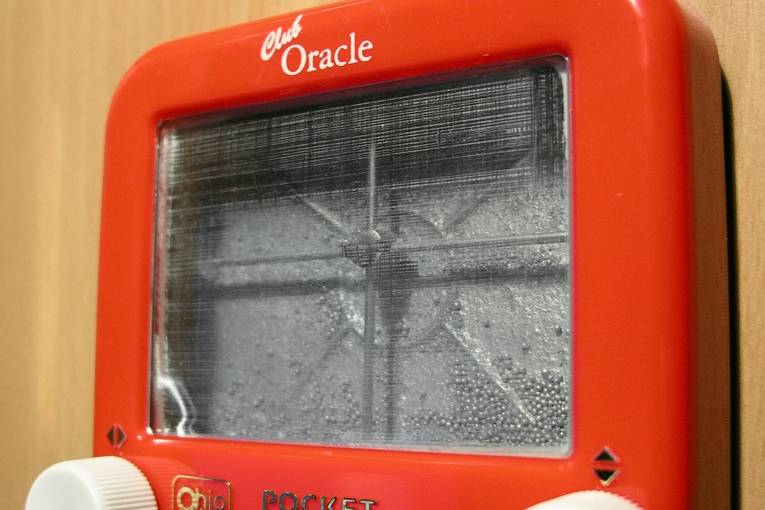
Etch A Sketch turned drawing into a challenge and a game. Using two knobs to control horizontal and vertical lines required focus and coordination. Kids drew houses, faces, and endless squiggles, fully aware that one shake could erase everything. That risk made every drawing feel important. It was frustrating, addictive, and oddly satisfying all at once.
The toy encouraged persistence in a subtle way. Mess up and you either fix it or start over. There was no eraser for just one line, so kids learned to adapt. Some mastered surprisingly detailed drawings. Others just enjoyed the process. Either way, imagination filled in where precision fell short.
7. Weebles
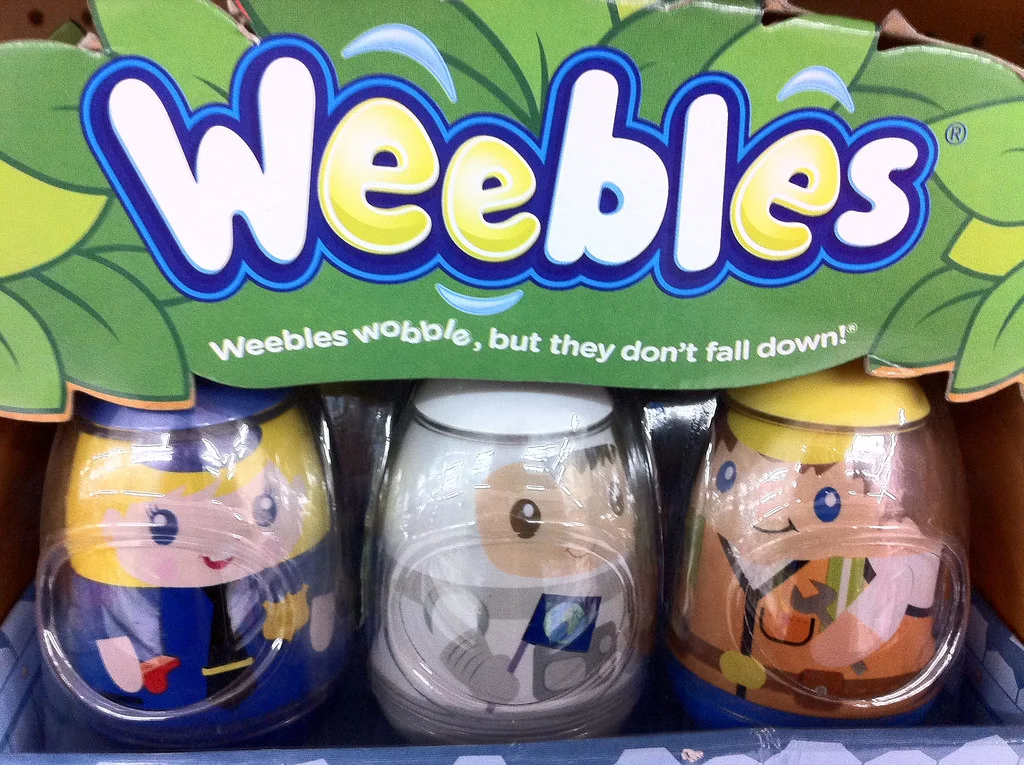
Weebles were small, rounded figures that famously didn’t fall down. That simple concept made them perfect for imaginative play. Kids lined them up, knocked them over, and watched them pop right back up. They became families, townspeople, or entire communities in seconds. Their sturdy design made them feel nearly indestructible.
Because they were so simple, Weebles worked in almost any story. They could live in dollhouses, ride in toy cars, or star in made-up adventures on the living room floor. Kids assigned personalities and voices without hesitation. The fun came from what kids imagined, not what the toy told them to do. Weebles quietly encouraged creativity through playfulness and repetition.
8. Stretch Armstrong
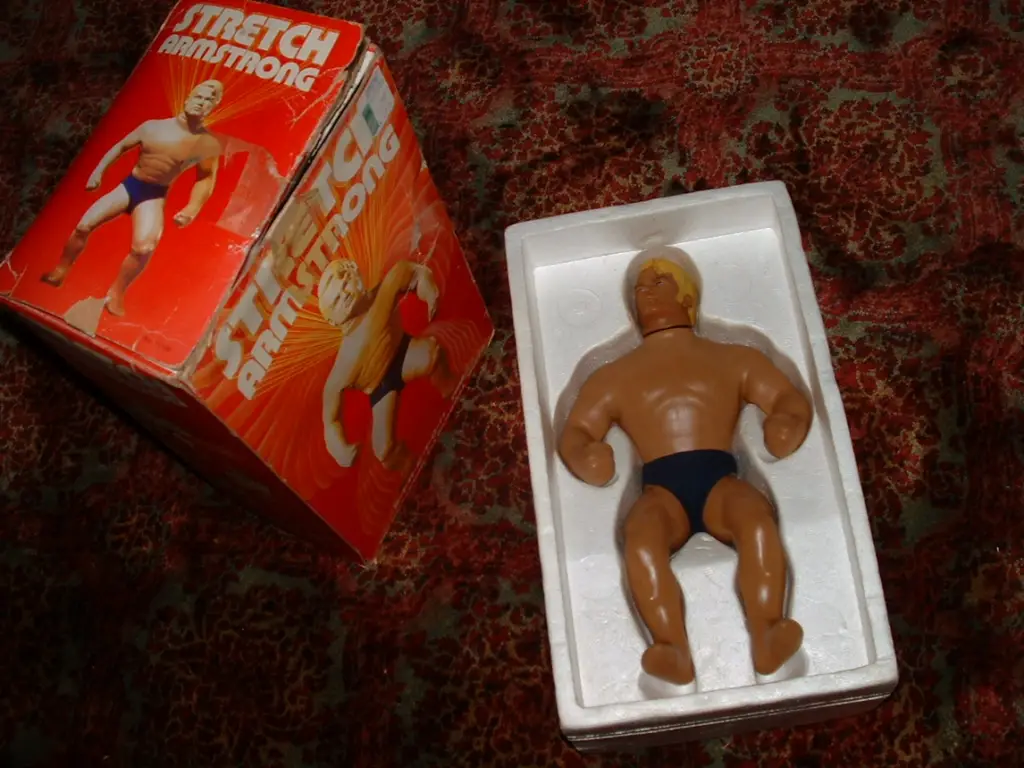
Stretch Armstrong arrived in the mid-’70s and instantly stood out. He wasn’t just an action figure, he was something you could pull, twist, and tie into knots. Kids pushed him to his limits, stretching his arms as far as possible just to see what would happen. He felt nearly indestructible, which made play feel fearless. There were no delicate parts to worry about breaking.
Stretch Armstrong inspired physical, imaginative play. He became a superhero one minute and a science experiment the next. Kids tested his strength, challenged his flexibility, and invented stories around his powers. The toy invited curiosity and hands-on exploration. It was weird, wonderful, and unforgettable.
9. Evel Knievel Stunt Cycle
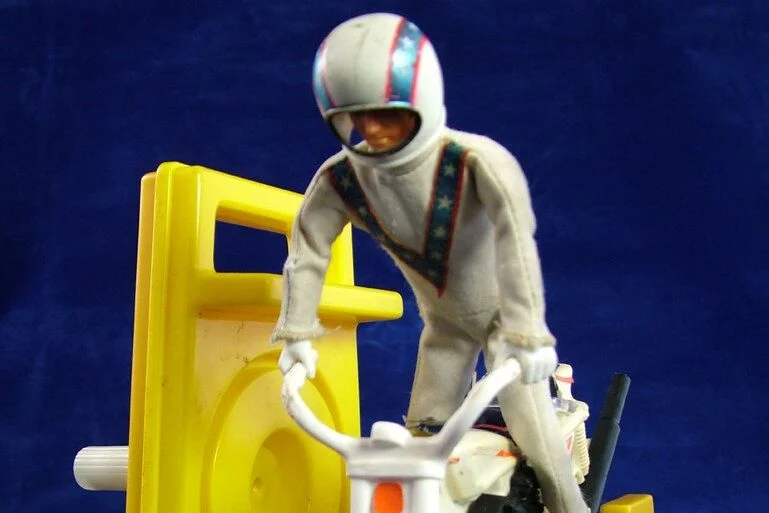
The Evel Knievel Stunt Cycle let kids recreate daredevil feats at home. You revved it up, let it go, and watched as it flew off ramps and furniture. Each jump felt thrilling, even when it ended in a crash. Kids quickly learned to build better ramps and plan bigger stunts. The toy turned living rooms into makeshift arenas.
It encouraged creativity through trial and error. Every failed jump inspired a new setup. Kids imagined crowds cheering and announcers calling the action. The excitement came from what might happen next. It was part toy, part performance, and entirely fueled by imagination.
10. Green Machine
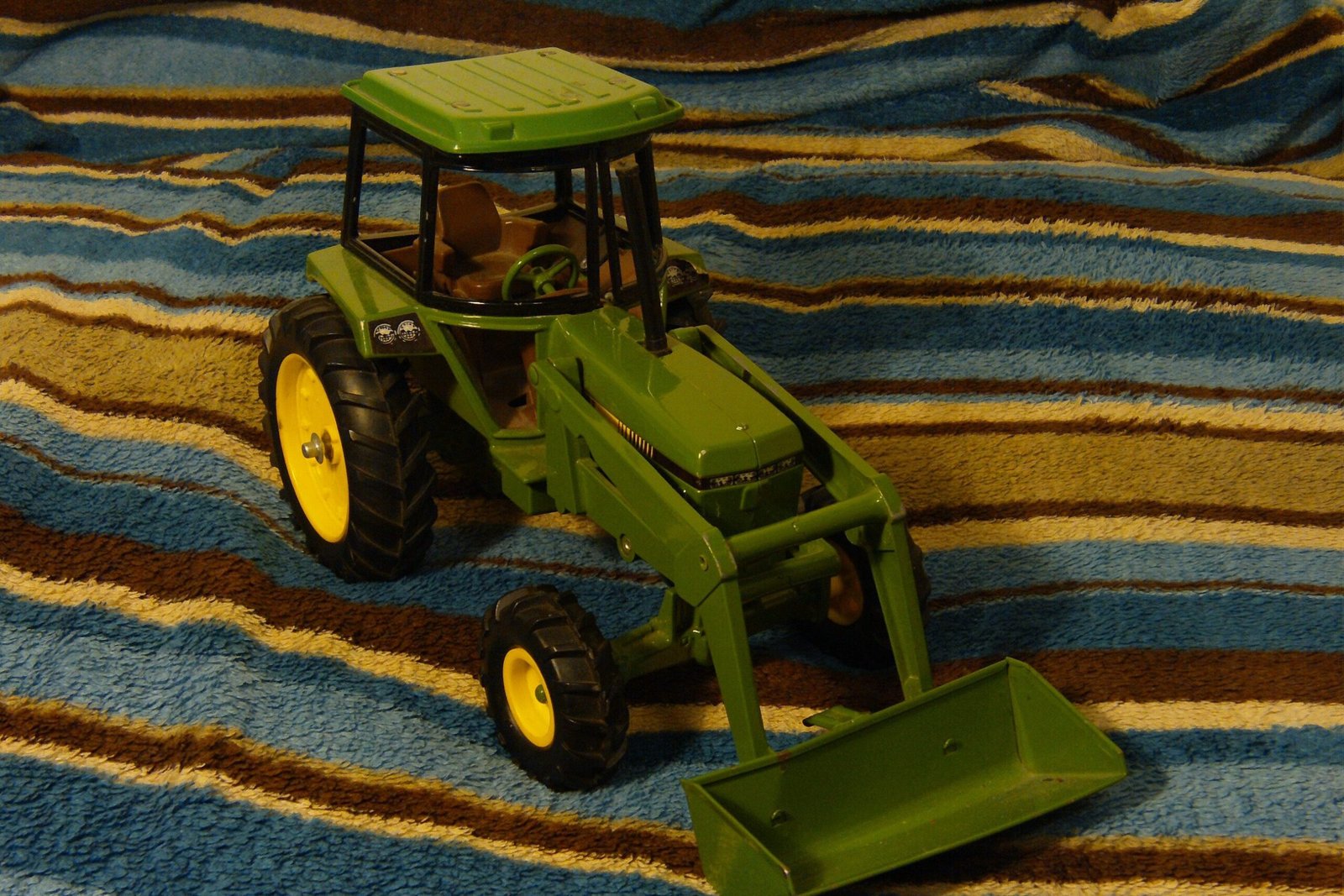
The Green Machine wasn’t just a ride-on toy, it was a whole experience. Steering with hand levers made kids feel like they were driving something futuristic. Spinning in circles and racing down driveways felt wildly thrilling. Kids invented races, missions, and obstacle courses on the spot. It turned outdoor play into an adventure.
What made it special was the sense of control. Kids weren’t just riding, they were steering and maneuvering. That made every ride feel intentional and exciting. The Green Machine encouraged movement and imagination at the same time. It made the ordinary pavement feel like a racetrack.
11. Lite-Brite
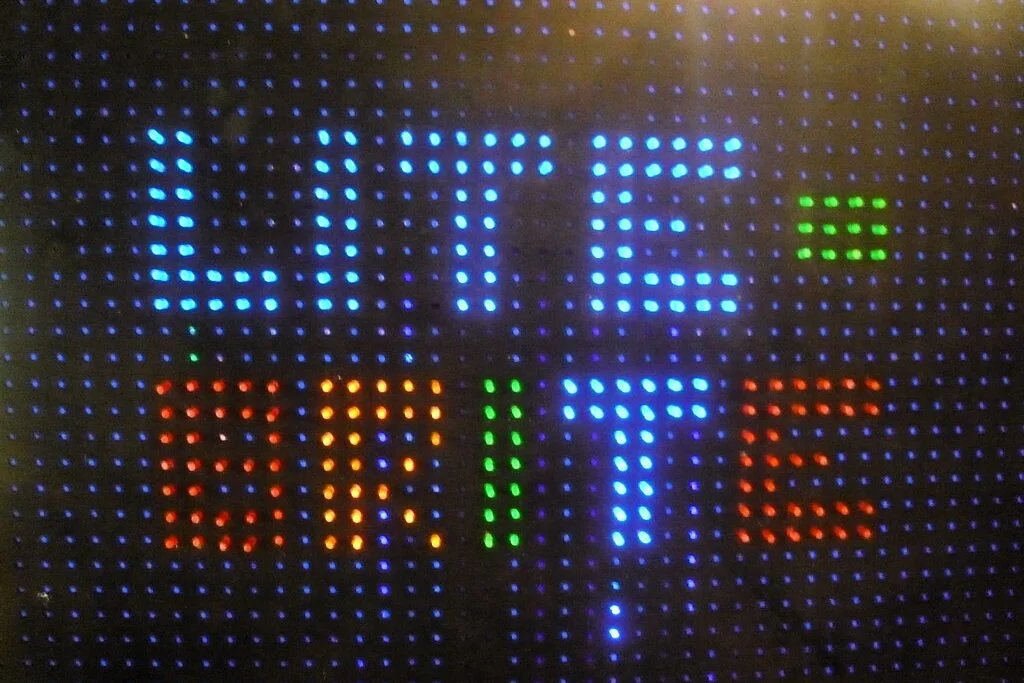
Lite-Brite combined art with light in a way that felt almost magical. Pushing tiny colored pegs into a glowing board made images come alive. Kids could follow the templates or ignore them completely. Many preferred making abstract designs or writing their names in lights. The darkened room only added to the fun.
It encouraged creativity without mess or cleanup. Designs could be erased and remade endlessly. Kids experimented with color, pattern, and symmetry. The glow made even simple designs feel special. Lite-Brite turned imagination into something you could literally see shine.
12. Hot Wheels Cars
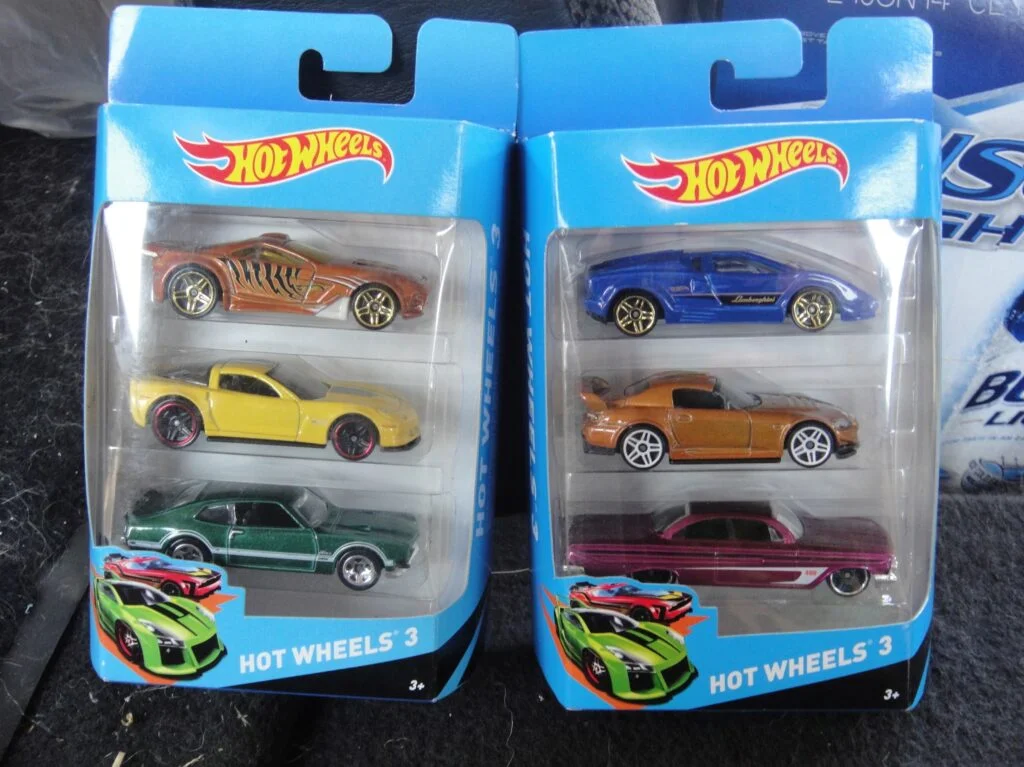
Hot Wheels cars were small, fast, and full of possibility. Kids raced them across the floor, down ramps, and through elaborate track systems. Each car had its own personality, even without moving parts. Crashes were part of the fun, not the end of it. Every race told a story.
Hot Wheels encouraged world-building on a miniature scale. Kids created cities, highways, and rules for their races. They imagined rivalries, victories, and dramatic finishes. The cars worked just as well alone as they did with tracks. For many kids, Hot Wheels were the foundation of endless imaginative play.