1. Cabbage Patch Kids
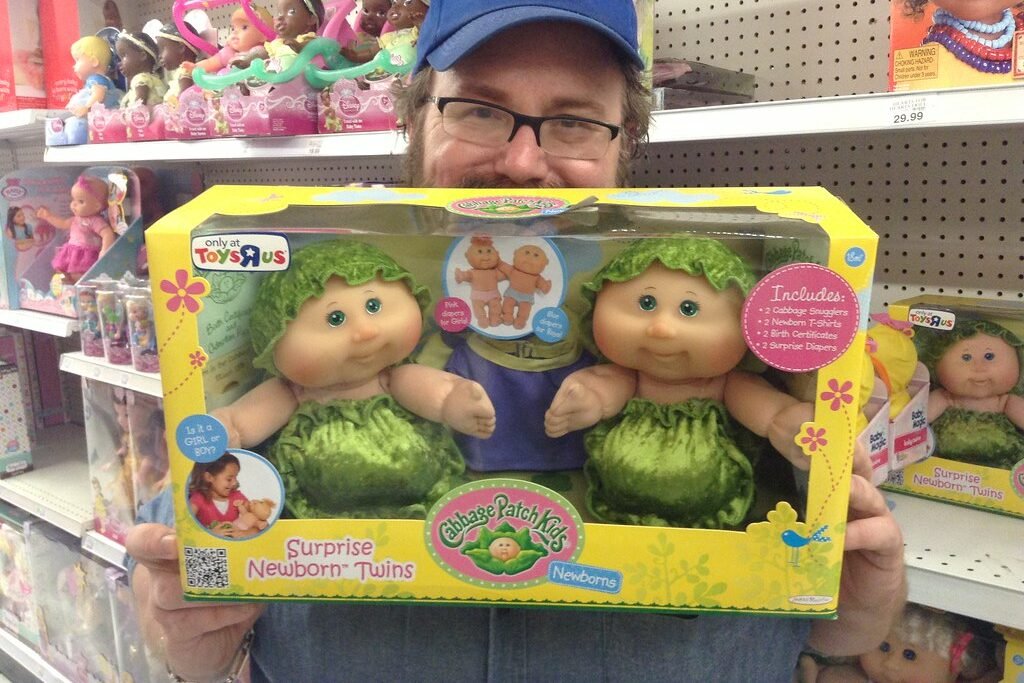
If you showed up to school clutching a Cabbage Patch Kid, you were immediately someone people noticed. Each doll had a different face, hair color, and outfit, which made them feel personal in a way toys rarely did back then. Kids compared names, birthdays, and adoption papers like they were trading baseball stats. Just having one suggested your parents had braved crowded stores or waited in long lines.
Owning a Cabbage Patch Kid also came with a strange kind of social currency. Friends wanted to hold it, borrow it, or just sit near you at lunch. Even kids who claimed dolls were “babyish” still leaned in to look. For a while, that chubby little face made you feel oddly important.
2. Nintendo Entertainment System
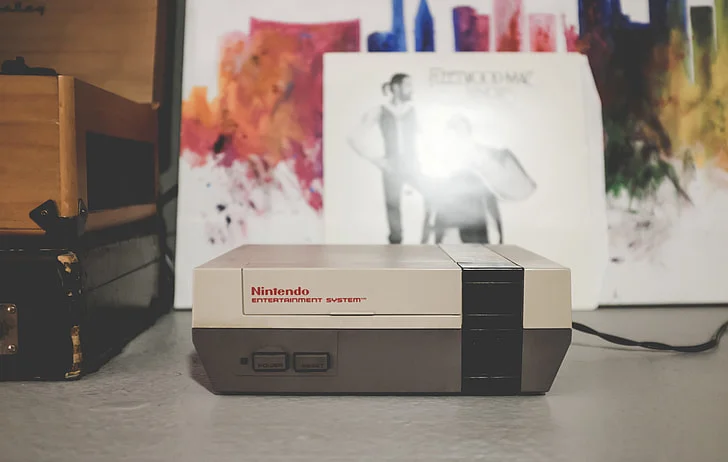
The kid with a Nintendo at home was automatically cool, no explanation needed. Sleepovers suddenly revolved around Super Mario Bros. and who could beat a level without losing a life. Kids who owned one were treated like minor celebrities on Monday mornings. Everyone wanted to know what games you had and if they could come over.
Even talking about Nintendo made you sound interesting. You could trade tips, secrets, and cheat rumors that might or might not be true. Bringing a controller to school for show and tell was a power move. Having a Nintendo meant you were at the center of conversations, even if you were usually quiet.
3. BMX Bikes
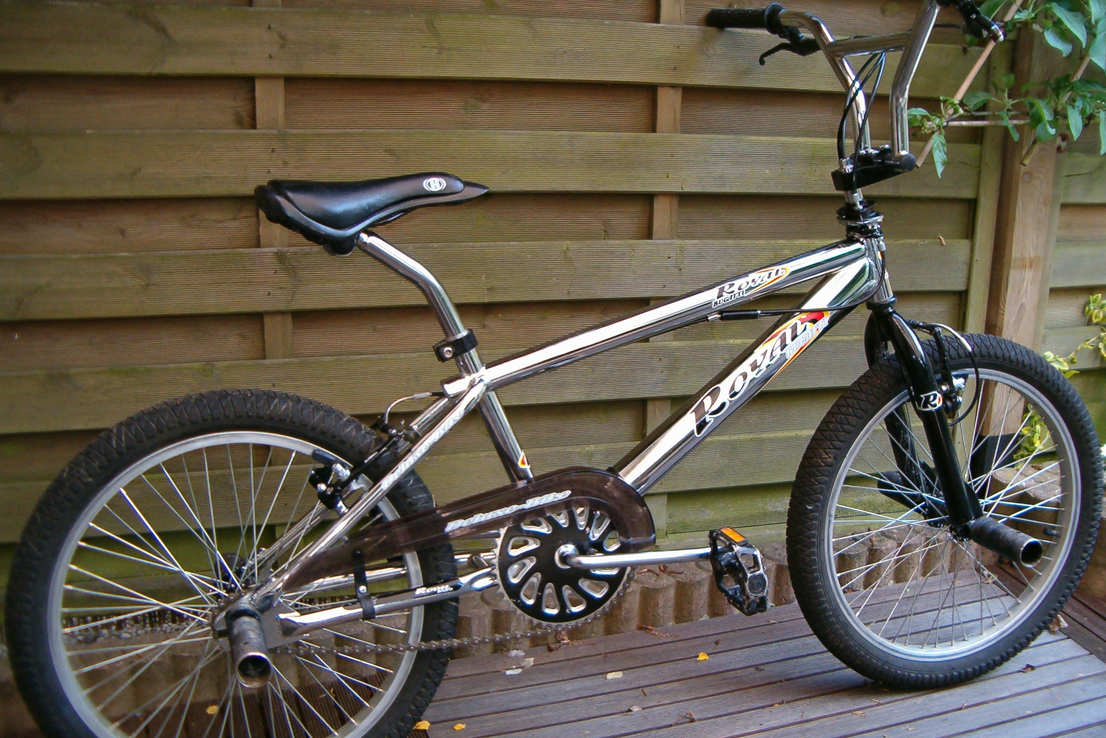
Rolling up on a BMX bike instantly changed how people saw you. These bikes promised freedom, speed, and the possibility of tricks, even if you never actually learned one. Riding it to school felt like making an entrance. Kids noticed the pegs, the handlebars, and the sound of the tires on pavement.
A BMX bike also meant independence. You could go farther, stay out longer, and meet friends wherever you wanted. Groups formed naturally around whoever had the best bike. Even wiping out somehow made you cooler, as long as you laughed it off. It was a toy that turned into a lifestyle.
4. Transformers
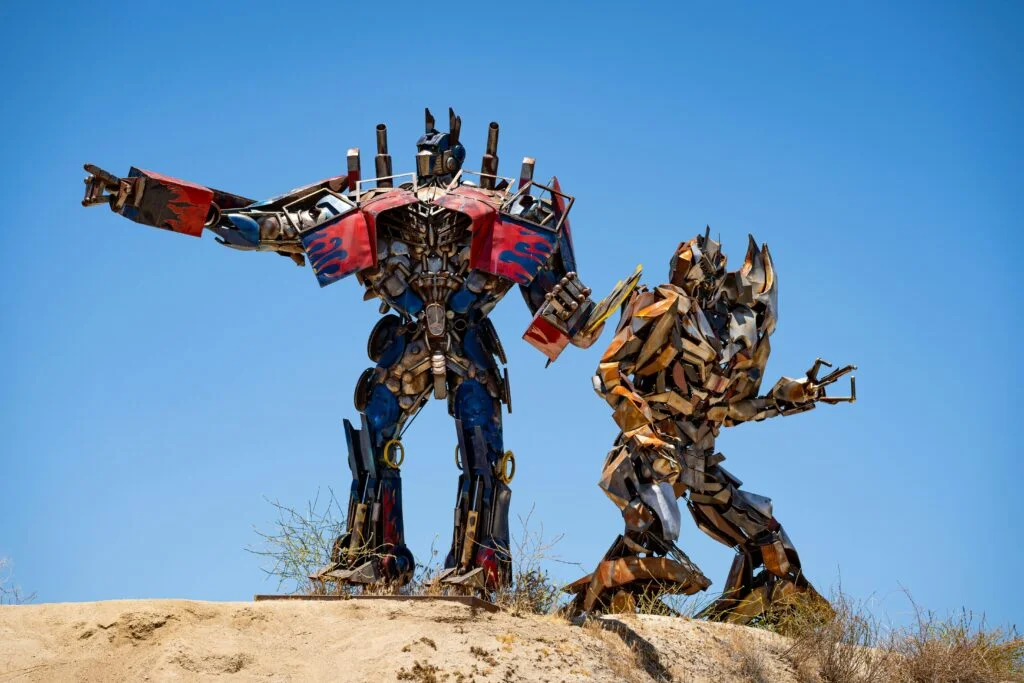
Transformers made you popular because they gave you something impressive to show off. Turning a robot into a car or jet in front of other kids felt like a performance. Everyone gathered around to watch the transformation happen. If you could do it quickly, you earned instant respect.
They also sparked endless playground debates. Kids argued over which Transformer was the best and who would win in a fight. Bringing one to school meant you never ate lunch alone. Even kids who did not own one wanted to touch it. Transformers made imagination feel competitive in a fun way.
5. Rubik’s Cube

The Rubik’s Cube was the kind of toy that made you look smart and mysterious. Most kids could not solve it, which made the ones who could seem almost magical. Just twisting it confidently made people stop and watch. Solving one during free time felt like winning a silent contest.
Even if you never finished it, having one still mattered. You could talk about strategies and pretend you were close to cracking the code. Kids passed it around, each trying for a few seconds. Carrying a Rubik’s Cube suggested you were clever or at least interesting. That reputation alone boosted your popularity.
6. G.I. Joe Action Figures
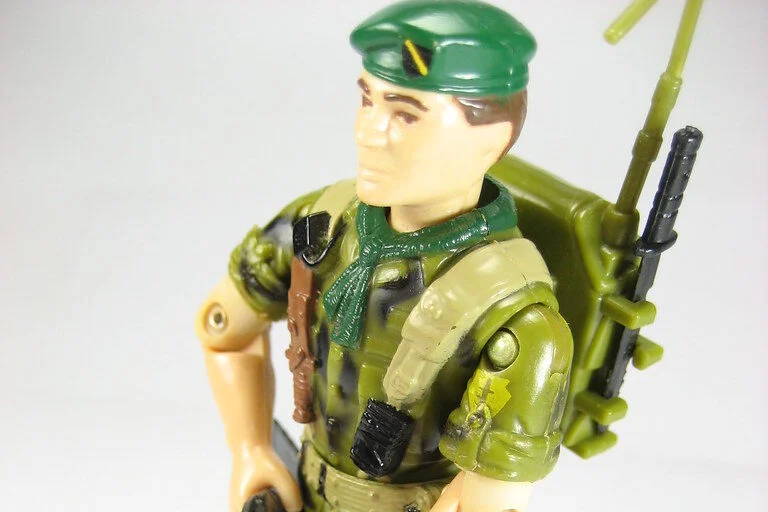
G.I. Joe figures turned recess into a full-scale operation. Kids who brought them were instantly surrounded by others wanting to play. Each character had a name, role, and backstory that invited teamwork. The more figures you owned, the bigger your group became.
These toys encouraged collaboration. One kid provided the setting, another the story, and someone else the sound effects. Having G.I. Joes meant you were rarely left out. Even kids who usually did not mix socially found common ground. Popularity grew naturally through shared missions and imagined battles.
7. Care Bears
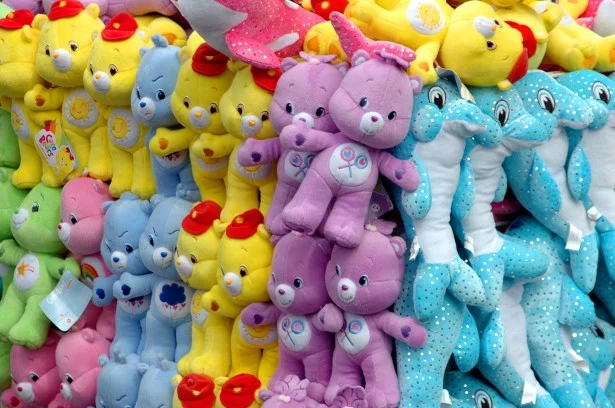
Care Bears made you popular in a softer, quieter way. They were colorful, comforting, and instantly recognizable. Kids loved comparing belly badges and choosing favorites. Showing up with one felt like offering emotional support before anyone knew what that was.
They also crossed age and gender lines more than people remember. Even kids who claimed not to like plush toys still smiled at them. Care Bears made kindness feel cool. Owning one suggested you were friendly and safe to sit next to. That kind of popularity lasted longer than trends.
8. Skateboards
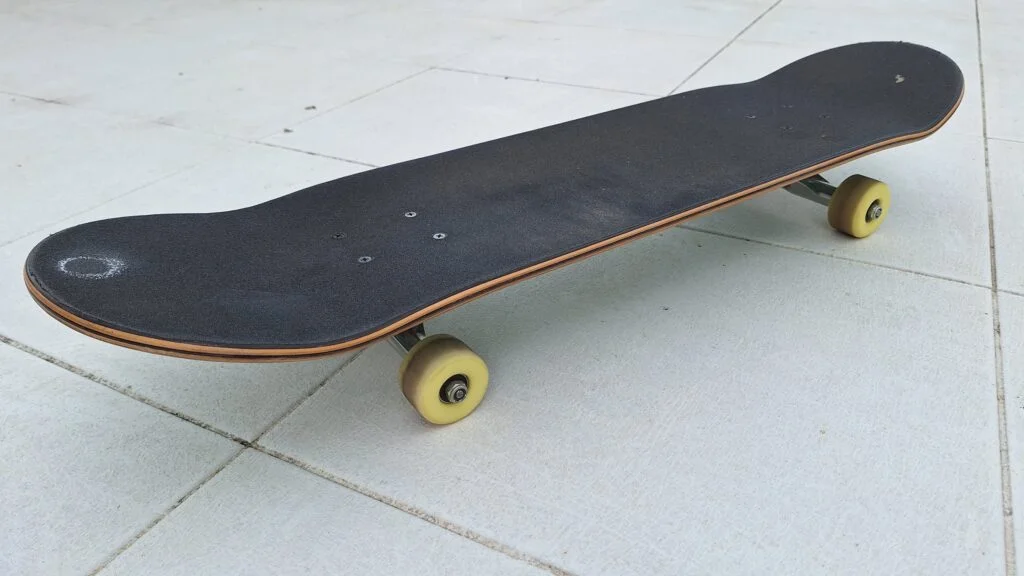
A skateboard was an instant statement piece in the ’80s. Carrying one under your arm made you look fearless, even if you barely knew how to ride. Kids assumed you spent afternoons mastering tricks and dodging cars. That image alone earned admiration.
Skateboards also attracted crowds. Someone always wanted to watch you ride or try it themselves. Falls became stories, not failures. Just owning one suggested confidence and independence. In a world of classrooms and rules, a skateboard represented freedom.
9. My Little Pony
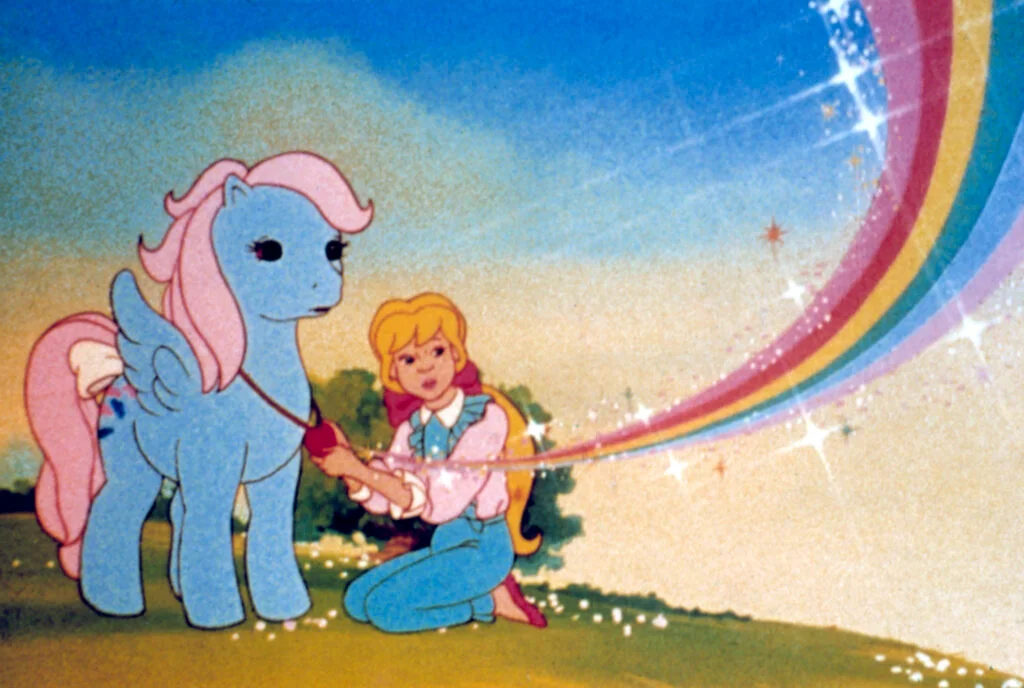
My Little Pony toys turned playtime into a colorful social event. Kids lined them up, traded accessories, and created elaborate stories. Each pony had a name and personality, which made sharing them feel personal. Owning a collection meant people wanted to play with you.
They also sparked creativity. Kids built worlds out of desks, books, and lunch trays. Even quiet kids found their voice while playing. My Little Pony made imagination social. Popularity followed naturally when everyone wanted to join your story.
10. He-Man Action Figures
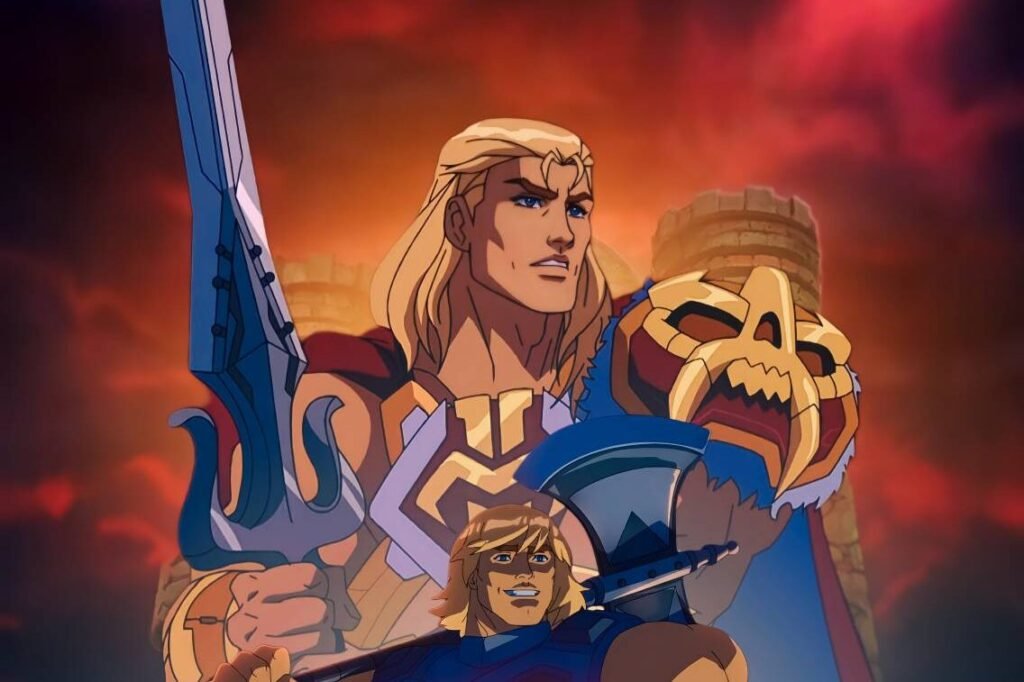
He-Man figures brought instant authority to the playground. These toys were bold, muscular, and dramatic, which made them perfect for big personalities. Kids gathered around whoever had Castle Grayskull or the most characters. The battles felt epic, even on a small scale.
Having He-Man toys meant leading the action. You decided who was good, who was evil, and how the story ended. That leadership translated into social clout. Kids wanted to play with whoever controlled the narrative. He-Man made confidence contagious.
11. Walkmans
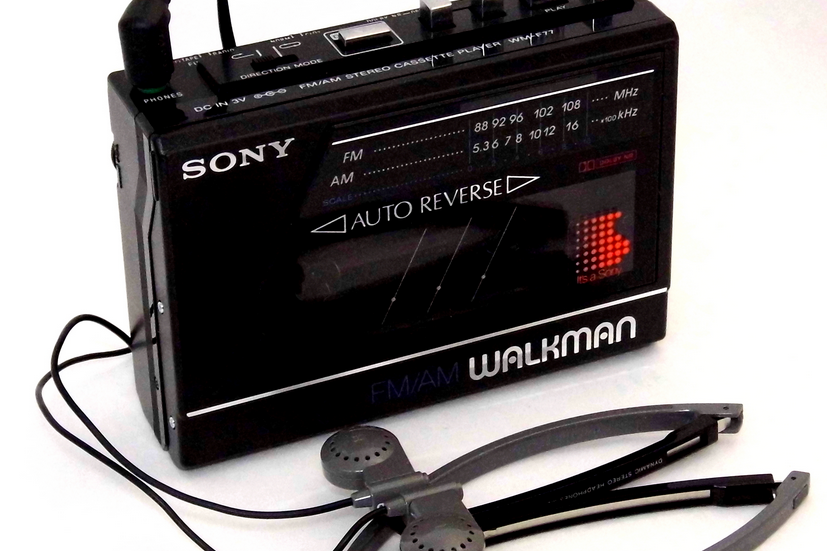
Showing up with a Walkman felt like bringing a piece of the future with you. Music suddenly became portable and personal. Kids asked what you were listening to and if they could try the headphones. Sharing a song felt intimate and exciting.
Even the act of rewinding a cassette looked cool. A Walkman made you seem older and more worldly. You controlled the soundtrack of your day. That quiet confidence drew people in. Popularity sometimes comes from mystery, and the Walkman delivered it.
12. Lite-Brite
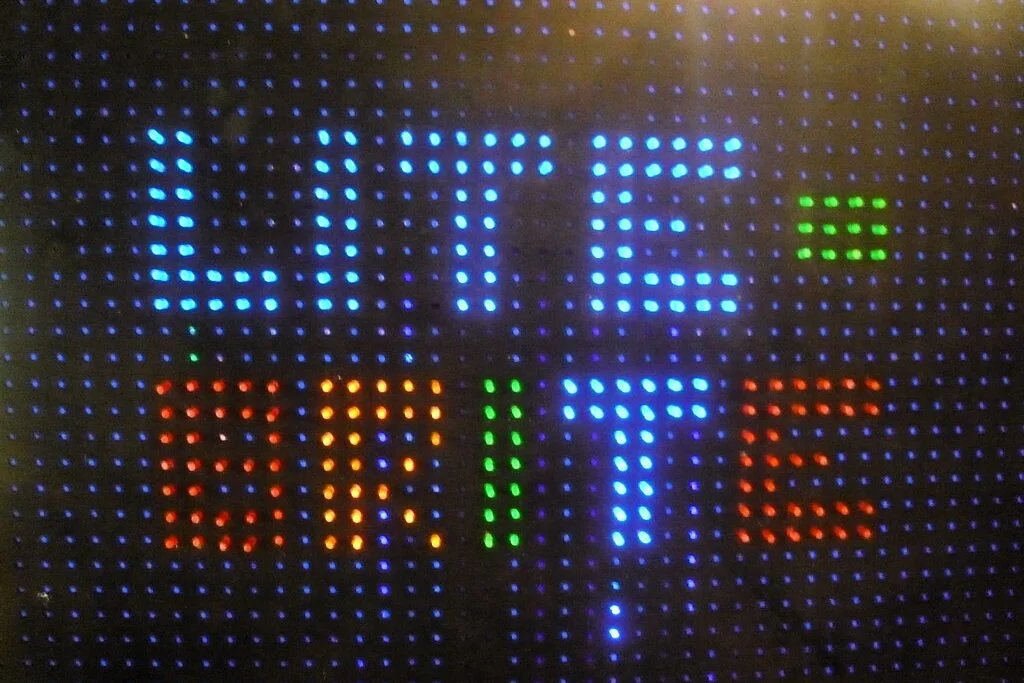
Lite-Brite toys attracted attention without saying a word. The glowing pegs drew kids in like moths. Creating pictures felt creative and calming at the same time. People loved watching designs come together.
Owning one made you the keeper of something special. Friends wanted turns or ideas for patterns. It turned downtime into shared moments. Lite-Brite popularity was gentle but real. It made you someone others wanted to sit with.
13. Trapper Keepers
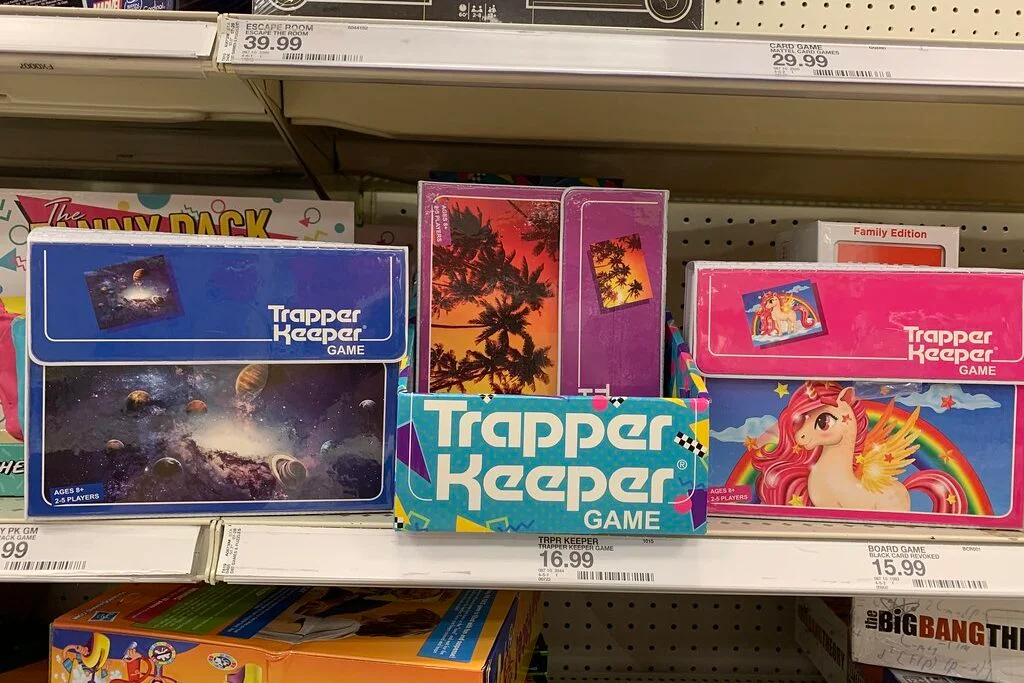
A Trapper Keeper could make or break your social standing. The designs were bold, glossy, and impossible to ignore. Slamming it shut felt satisfying and powerful. Kids noticed what cover you chose right away.
Having the right one suggested style and confidence. Friends asked to flip through it, even if there was nothing inside yet. It made organization look exciting. A Trapper Keeper turned school supplies into a statement. That kind of attention definitely counted as popularity.