
1. Skip-It
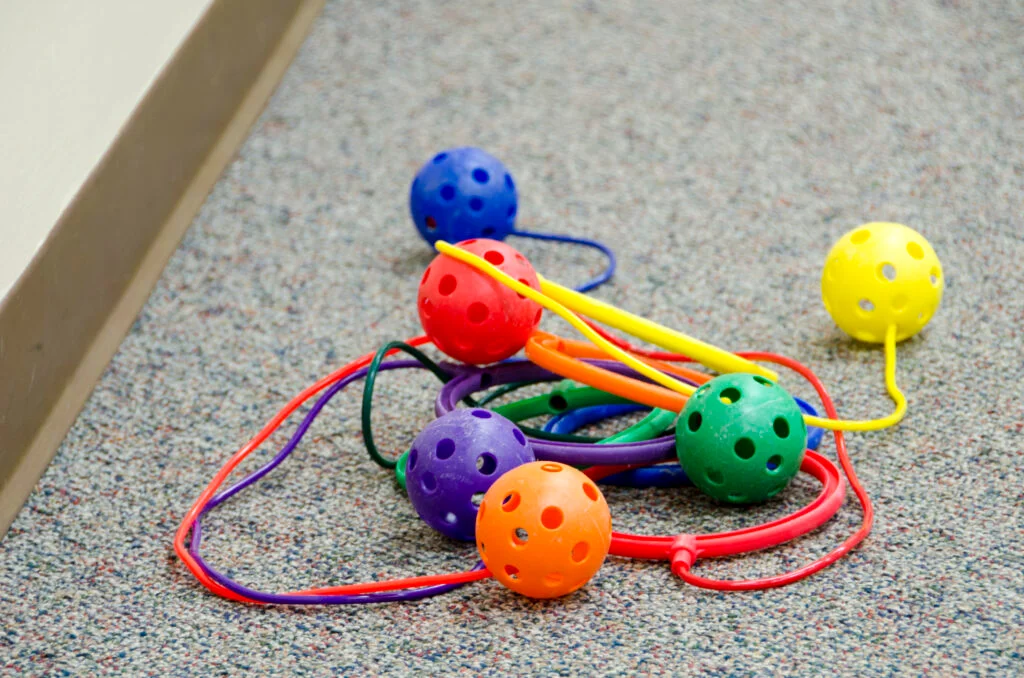
If you grew up in the ’80s, you probably remember watching that little counter spin while trying not to trip. Skip-It always seemed easier in the commercials than it did on the blacktop. Some kids were absolute pros, managing dozens of spins without breaking a sweat. The rest of us got tangled up in our own feet and pretended we “weren’t trying.” The competition kicked in fast whenever someone showed off a high number. Suddenly everyone had something to prove. It became less about fun and more about bragging rights, especially when your friend’s counter clicked higher than yours.
But even with all that competitive energy, Skip-It was the kind of toy everyone wanted a shot at. Kids lined up during recess for their turn to see if they could beat the reigning champ. Sure, you might end up with a bruised ankle or two, but that only made it feel more intense. It taught you balance, rhythm, and a bit of humility along the way. And if you managed to get the counter spinning fast enough to impress the crowd, you felt unstoppable. For a toy so simple, it caused chaos in the best way.
2. Pogo Ball
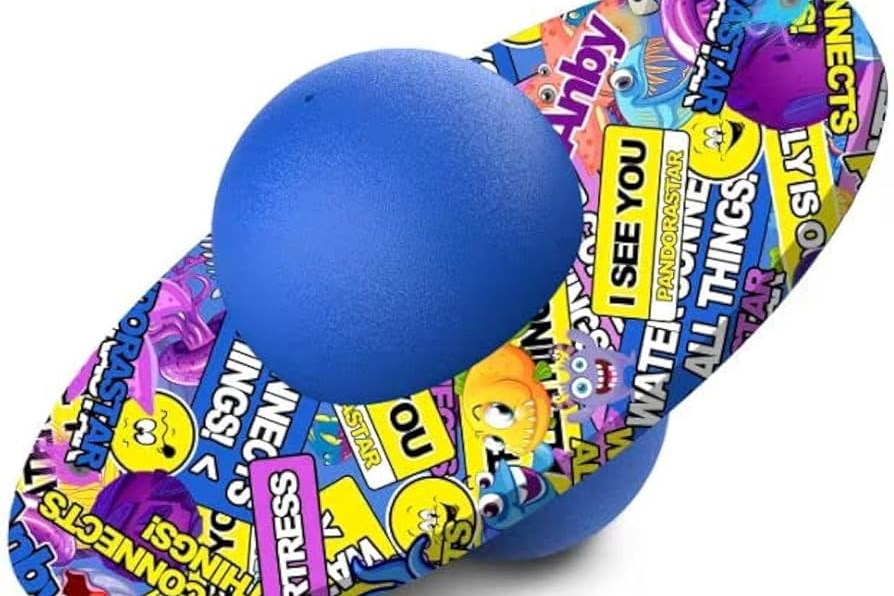
The Pogo Ball looked like a futuristic toy from another dimension, and every kid was convinced they’d master it instantly. In reality, it demanded a level of balance very few actually had. The moment someone learned to bounce across the playground without falling, the rivalry began. Suddenly, everyone wanted to go farther, higher, or faster than the last person. You’d watch kids wobble, jump, and occasionally wipe out in dramatic fashion. It wasn’t just a toy, it was a test of coordination and confidence.
Once the competitive spirit kicked in, the Pogo Ball turned recess into a mini Olympic event. Kids formed small crowds to see who could stay upright the longest or travel the farthest. Some swore they had “secret techniques,” even though they were just winging it. If you managed more than a few steady bounces, you were instantly elevated to playground royalty. And when someone claimed they could hop all the way from the swing set to the tetherball pole, you had to try it too. Rivalries were born over nothing more than staying upright.
3. Yo-Yo Tricks
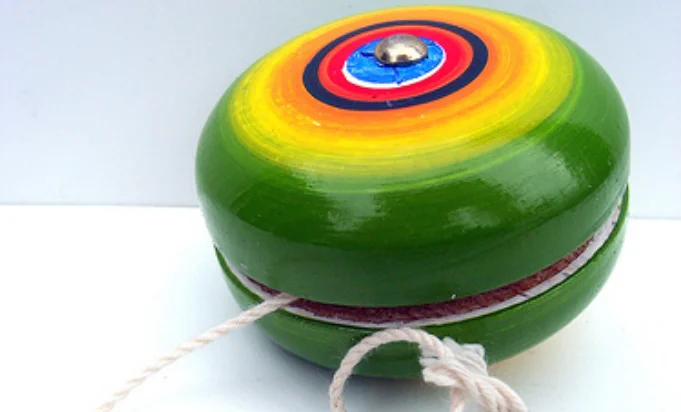
Yo-yos had a major comeback in the ’80s, and suddenly everyone wanted to be the reigning trick master. It started with Walk the Dog, then escalated quickly to Around the World and Rock the Baby. Some kids practiced nonstop, showing up every day with new moves. If someone managed a trick you couldn’t pull off, the competitiveness washed over you like a wave. The yo-yo scene got serious fast, especially when someone brought a flashy new model from the toy store. Everyone wanted to be the kid who could make the yo-yo sing.
Even though yo-yos were tiny, the rivalries they stirred up felt huge. The playground became a stage, and kids gathered around anyone performing a new trick. You could hear the oohs and ahhs when someone nailed a perfect spin. But when two kids were equally skilled, it became a silent showdown. Each would try to outdo the other with more daring moves. And let’s be honest, half the time the yo-yo knotted itself just when you needed it to behave.
4. Micro Machines
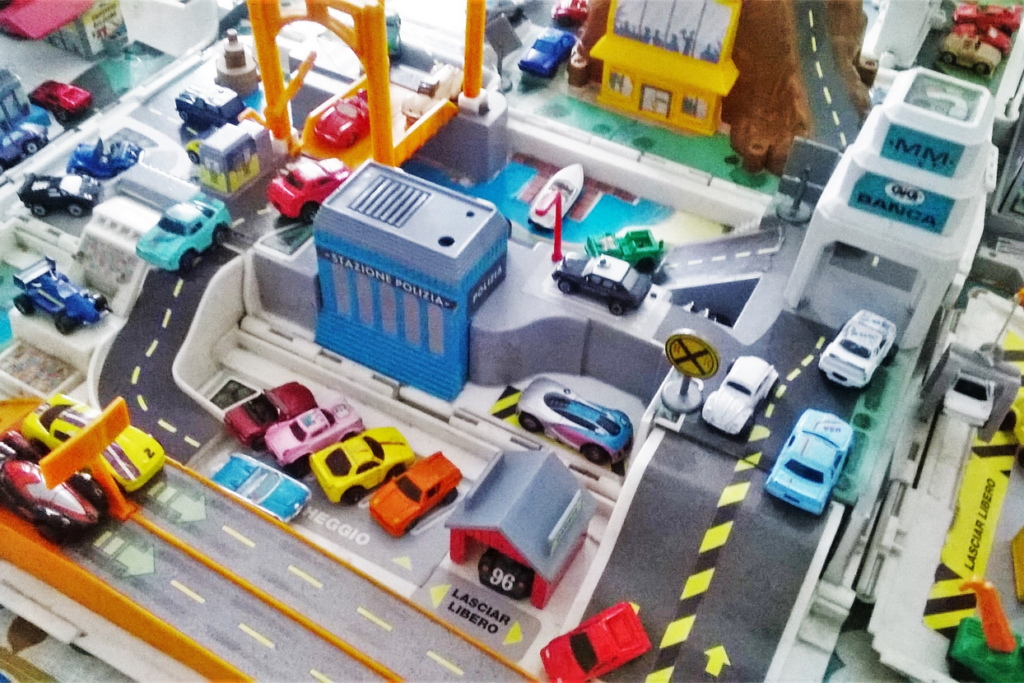
Micro Machines were small, fast, and perfect for sparking big competition. Kids would trade them, show off their collections, and argue endlessly about which ones were the rarest. The kid who had the biggest set was basically the king of the lunch table. That meant everyone else scrambled to find the coolest cars to keep up. Soon the bragging began, especially if someone brought in the elusive supercar models. Every new addition became a status symbol.
Playground rivalries only grew when kids started racing them down makeshift ramps. Suddenly, everyone claimed their Micro Machine was “the fastest ever made.” When one kid’s car zipped past everyone else’s, you could feel the competitive tension rise. Some would even modify their ramps to give themselves an advantage. It was all in good fun, but those tiny toys held a surprising amount of power. And losing a race meant plotting your comeback with your next new car.
5. Transformers
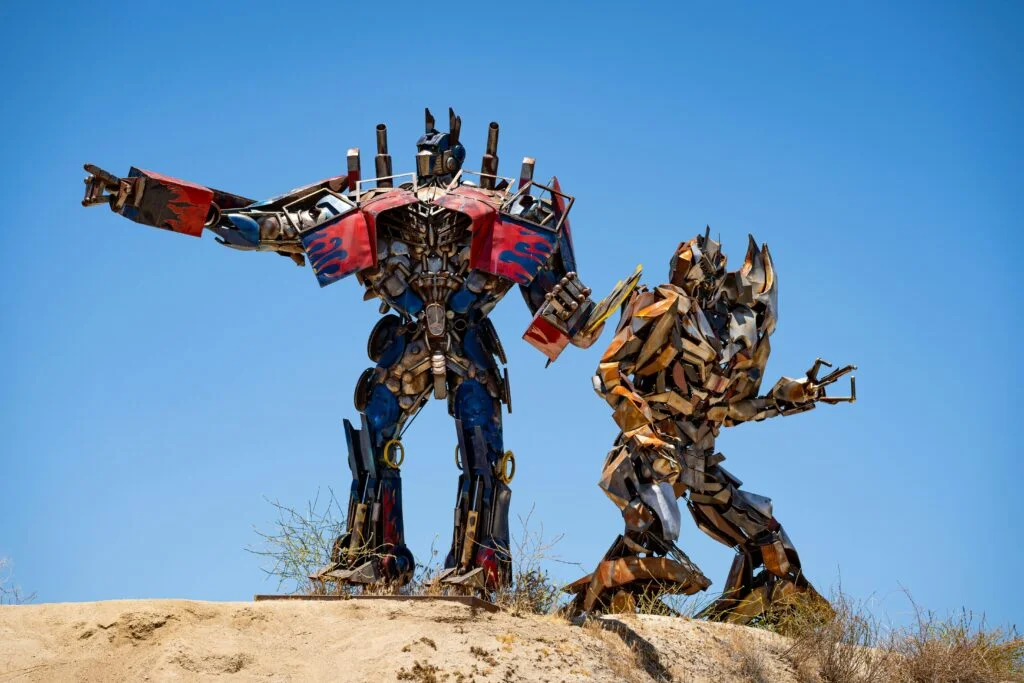
Transformers didn’t just spark interest, they sparked arguments. Kids compared how quickly they could change Optimus Prime or Megatron from figure to vehicle mode. The ones who mastered it fast became instant show-offs. Others struggled with pieces that never quite folded the way they were supposed to. And when someone showed up with a Transformer you didn’t have, that feeling of toy envy kicked in hard. Playtime suddenly became a competition of skills and collections.
The real rivalries showed up when kids started battling their Transformers against each other. Who had the strongest character? Who could transform theirs in the least number of moves? Everyone had opinions, and no one wanted to back down. If a new Transformer appeared on the playground, it sparked a fresh wave of excitement. Kids formed alliances, compared storylines, and strategized pretend battles. It was part creativity, part competition, and completely ’80s.
6. My Little Pony
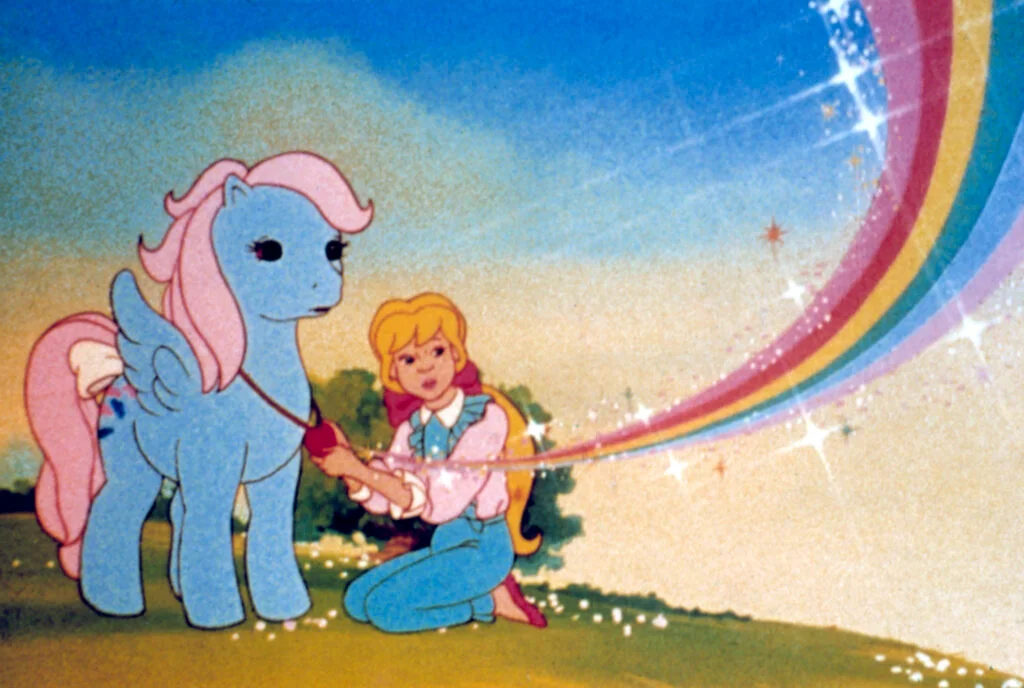
For kids who grew up with My Little Pony, the collection wars were real. Everyone wanted the ponies with the prettiest colors, fanciest symbols, or most unique names. Kids showed up comparing their favorites, and you could feel the tension when someone revealed a brand-new one. Some kids had entire stables at home, while others treasured just one or two. But no matter how big your collection was, the rivalries revolved around who had the rarest or cutest pony.
The arguments didn’t stop there, because styling the ponies became its own competition. Kids compared braids, curls, and glittery hairstyles. Someone always had a trick for making the hair shinier or fluffier, and suddenly you needed to learn it too. Playdates turned into pony fashion shows, each child trying to outdo the others. And when a new pony line came out, it sent everyone scrambling to keep up. Those colorful little horses had a way of stirring up strong playground emotions.
7. Garbage Pail Kids Cards
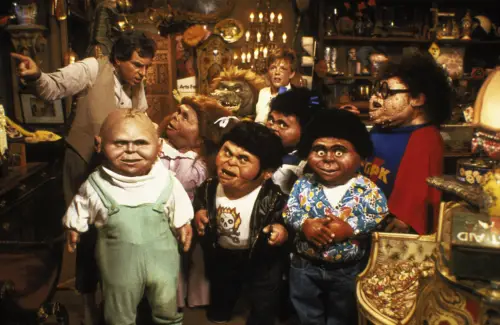
These infamous trading cards caused chaos the moment they hit the playground. Kids compared their grossest, rarest, or funniest cards, and the edge of competition sharpened with every trade. Someone always claimed they had the card “no one else could find,” and that stirred the pot instantly. The debates over which cards were most valuable never really ended. And if a kid flashed a full set? You could practically hear the gasps.
Trading became an intense sport, with kids evaluating every card like seasoned collectors. Some kids bargained ruthlessly, while others clung tightly to their favorites. There were whispers about mythical cards no one had even seen. Rivalries grew out of jealousy, pride, and the need to complete your set before anyone else. Even though the cards were silly and a little weird, they brought out the competitive streak in almost everyone. And losing a trade felt like losing a championship.
8. Hot Wheels
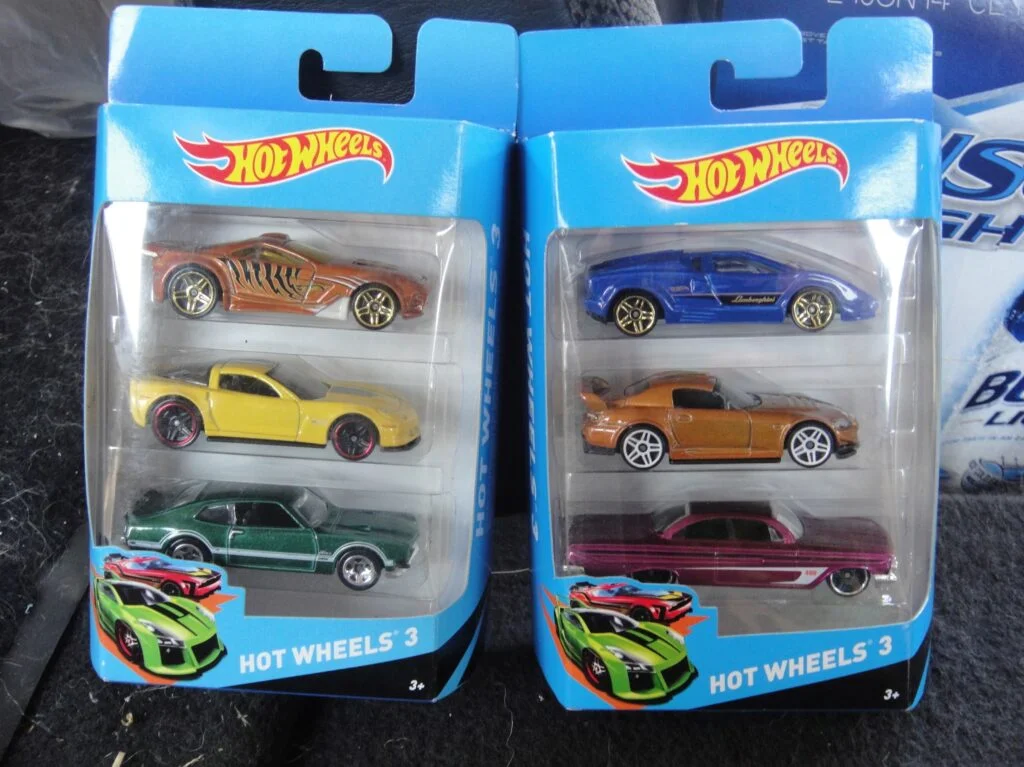
Hot Wheels were a staple of backyard competition, especially once kids started bringing track pieces to school. Those bright orange tracks turned lunch breaks into full-blown races. Everyone believed they had the fastest car, and they were determined to prove it. Kids proudly showed off their favorite models, especially the ones with flashy paint jobs. And whenever a new car was released, it breezed straight onto the playground rivalry circuit.
Some kids insisted that certain wheels rolled better or certain shapes cut through the air faster. Experiments began, from track angles to launching techniques. You’d see small crowds gathering as kids raced their cars over and over. Someone always boasted about a “record run,” whether or not anyone actually witnessed it. When a car zipped across the finish line first, it gave its owner bragging rights for days. Hot Wheels might have been tiny, but the competition was huge.
9. Teddy Ruxpin
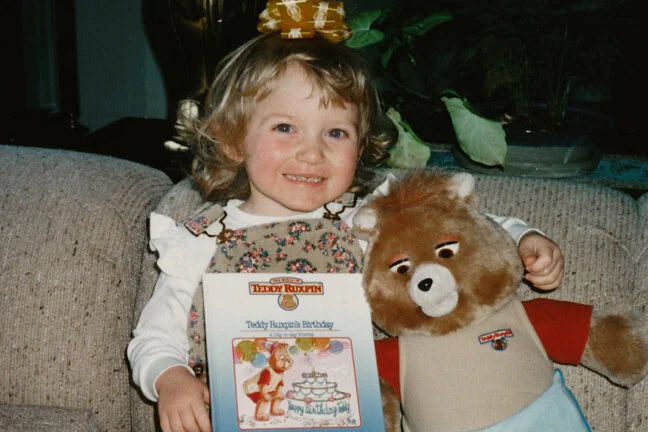
Teddy Ruxpin was less about competition and more about status, but that still fueled plenty of rivalries. Not every kid had this storytelling bear, so the ones who did became instant playground celebrities. Kids gathered around to hear him talk or sing, and the excitement grew when someone brought in a new tape. Suddenly, everyone wanted to be the one who controlled the bear. And if you had Teddy plus all the accessories? Other kids noticed, and they noticed fast.
Even though Teddy wasn’t a competitive toy in the traditional sense, the bragging rights around owning him definitely sparked envy. Kids compared what tapes they had or which accessories came with their bear. Someone always claimed theirs “worked better” or “talked louder.” And there were occasional debates about whether Teddy or a different toy was cooler. The rivalries were softer, but they were still very real. Teddy Ruxpin had a way of making kids want to keep up with whatever was newest or most impressive.
10. Laser Tag

Laser Tag turned any playground into a full-blown battlefield. Kids ran around pretending they were in an action movie, ducking behind slides and racing across grass patches. Owning a Laser Tag set instantly made you the center of attention. Suddenly, everyone wanted to challenge you, and the games escalated quickly. Arguments broke out about who actually got “hit” and who was cheating. It added a whole new level of intensity to recess.
Kids formed teams, created elaborate rules, and insisted their gear was the most accurate. Rivalries heated up fast as players demanded rematches. Someone always thought their blaster had better aim, and someone else swore the sensors weren’t fair. Even with the arguments, the thrill of Laser Tag kept everyone coming back for more. It was one of those toys that pushed kids to outsmart, outrun, and out-tag their friends. And that competitive spirit made it unforgettable.
11. Nintendo Game Boy
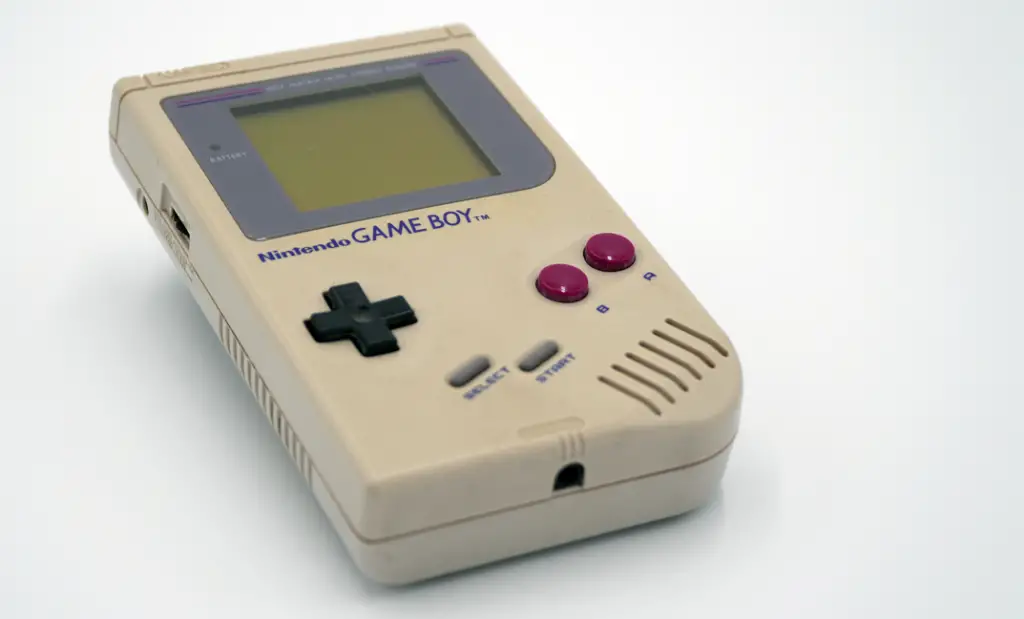
When the Game Boy arrived, playground bragging rights shifted instantly. Suddenly, discussions revolved around who had which game or who beat which level. Super Mario Land achievements became social currency. The kid who made it furthest without losing a life became a legend. Others tried to match or beat that score as fast as possible. And if someone had a game you didn’t? The jealousy was real.
Game swapping quickly turned into competitive comparisons. Who finished Tetris the fastest? Who unlocked secret paths in other games? Kids leaned over each other’s shoulders trying to absorb tricks. And if someone finally beat a boss they’d struggled with for days, they told everyone about it. Even though the Game Boy wasn’t technically a group toy, it still sparked plenty of rivalry. Every achievement felt like a trophy worth showing off.
12. Pound Puppies
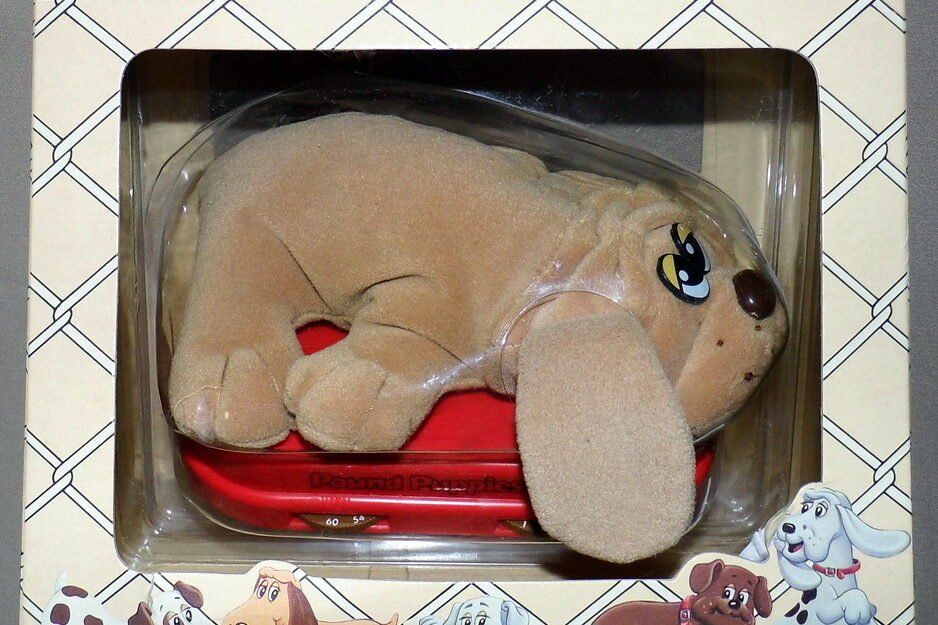
Pound Puppies brought out an unexpected wave of competitiveness among collectors. Kids compared which puppies they had, especially the ones with the cutest faces or the rarest patterns. Some insisted theirs looked more realistic or had softer fur. Others bragged about owning one of the bigger plush versions. Suddenly, every puppy became a reason to one-up someone else.
Kids began forming little adoption “clubs,” showing off names and personality stories they created. Someone always had a puppy with an especially cool spot pattern that no one else had seen. These comparisons sparked friendly rivalries during playdates and recess. And when new puppies were released, the scramble to get them first made everything feel even more competitive. Pound Puppies created a world where collecting, naming, and comparing truly mattered.
13. Nerf Guns
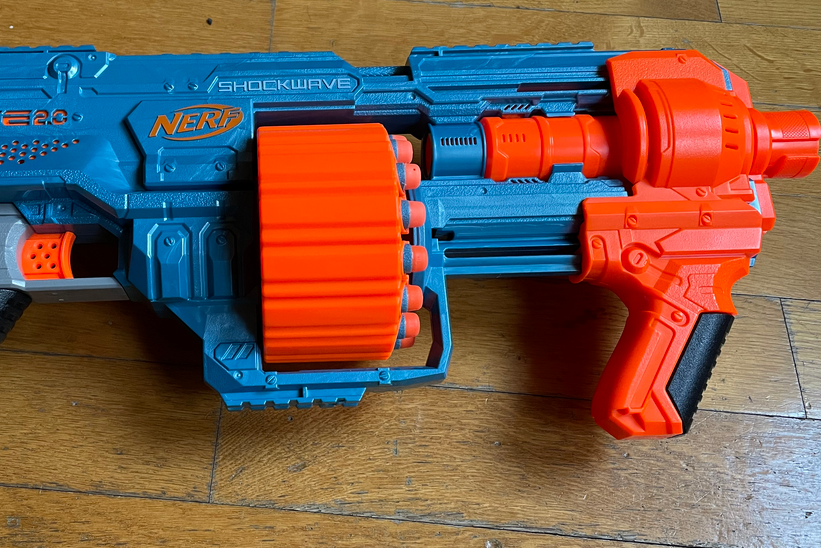
Nerf battles defined after-school hangouts, and every kid believed they had the strongest launch. Rivalries erupted the moment someone brought out a newer, bigger model. Foam darts flew everywhere as kids hid behind trees or benches. And if your Nerf gun jammed at the wrong moment, you never heard the end of it. Owning extra darts or rare accessories only added to the bragging rights.
Kids often compared shooting distance, accuracy, and reload speed. Someone always claimed their model was unbeatable, even if it wasn’t. Friendly competition blended with full-on chaos as battles grew larger. Teams formed and dissolved depending on who was winning. And at the end of the day, everyone went home with at least one dart stuck in their hair or backpack. Nerf rivalries were pure, imaginative fun wrapped in neon foam.