
1. Samantha Stephens (Bewitched)
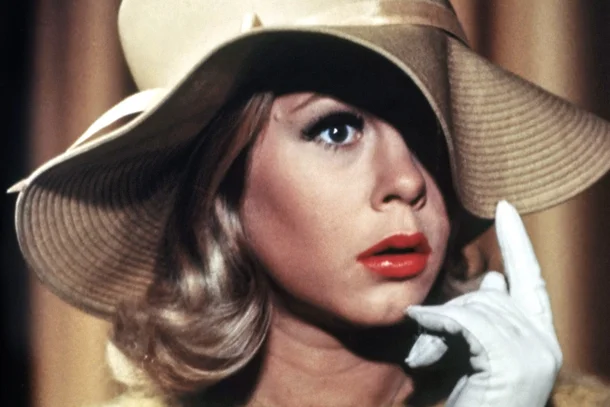
Samantha Stephens felt like the cool neighbor everyone secretly wished they had, the one who could fix anything with a wiggle of her nose. She balanced magic, motherhood and marriage in a way that made the everyday chaos feel a little more fun. Even if she had to hide her powers, she still found clever ways to bring a little sparkle to the world. Growing up, a lot of viewers wanted to be like her because she made being different look like a gift.
At the same time, Samantha pushed back gently against the idea that women had to fit into one box. She could host a dinner party and then turn around and save the day without breaking a sweat. She showed that women could be powerful, warm and witty all at once, long before that was common on TV. For many young girls, she was the first character who made independence look magical in every sense.
2. Captain James T. Kirk (Star Trek)
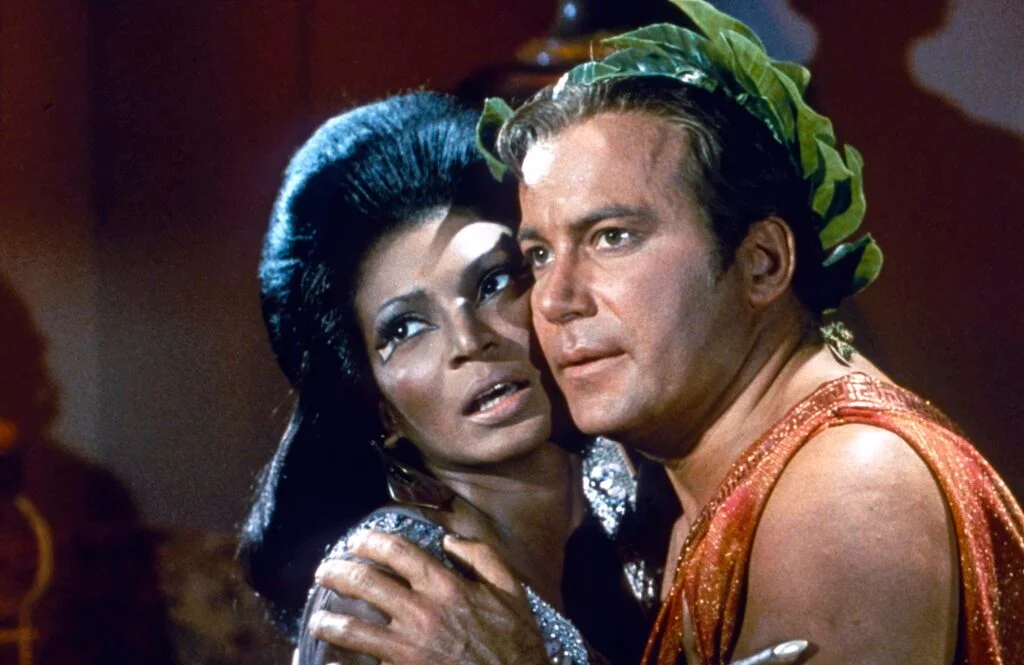
Captain Kirk inspired a whole generation to dream bigger than themselves, even beyond the stars. He led with both confidence and curiosity, which made him feel larger than life but still human. People watched him navigate impossible situations with a mix of bravery and charm, and it gave them hope that problems could always be solved. The idea of exploring the unknown suddenly felt thrilling instead of scary.
Kirk also modeled leadership that valued teamwork, loyalty and moral conviction. He wasn’t perfect, and he made mistakes, but he always tried to do the right thing. That combination of courage and compassion resonated deeply with young viewers who wanted to grow into people who made a difference. In many ways, he helped shape how audiences still picture a hero today.
3. Marcia Brady (The Brady Bunch)
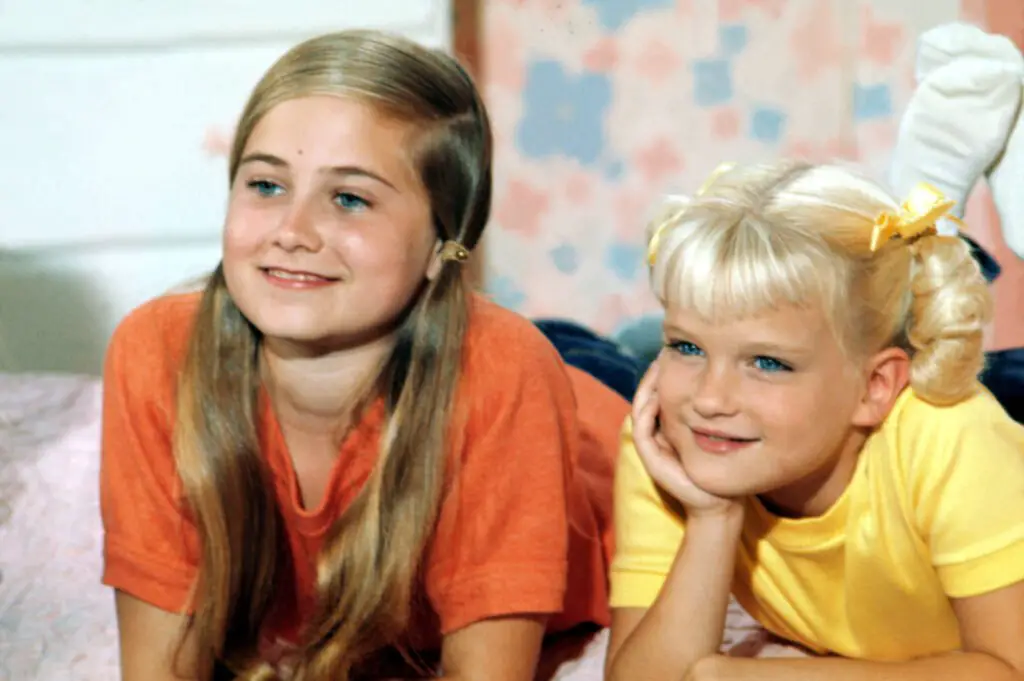
Marcia became the face of teen life for countless kids who were growing up in the ’60s and early ’70s. She had that mix of confidence and insecurity that felt incredibly real, even when things got a little over the top. Whether she was stressing about school, boys or being the oldest sister, many young viewers related to her struggles. She made the ups and downs of growing up feel a little less lonely.
Even though she sometimes acted a bit dramatic, she always learned something along the way. She showed that mistakes didn’t define you, and that family, even a blended one, could help you through anything. Marcia’s charm and relatability reflected an era when television was starting to care more about the lives of teenagers. For many viewers, she was the big sister they wished they had.
4. Andy Taylor (The Andy Griffith Show)
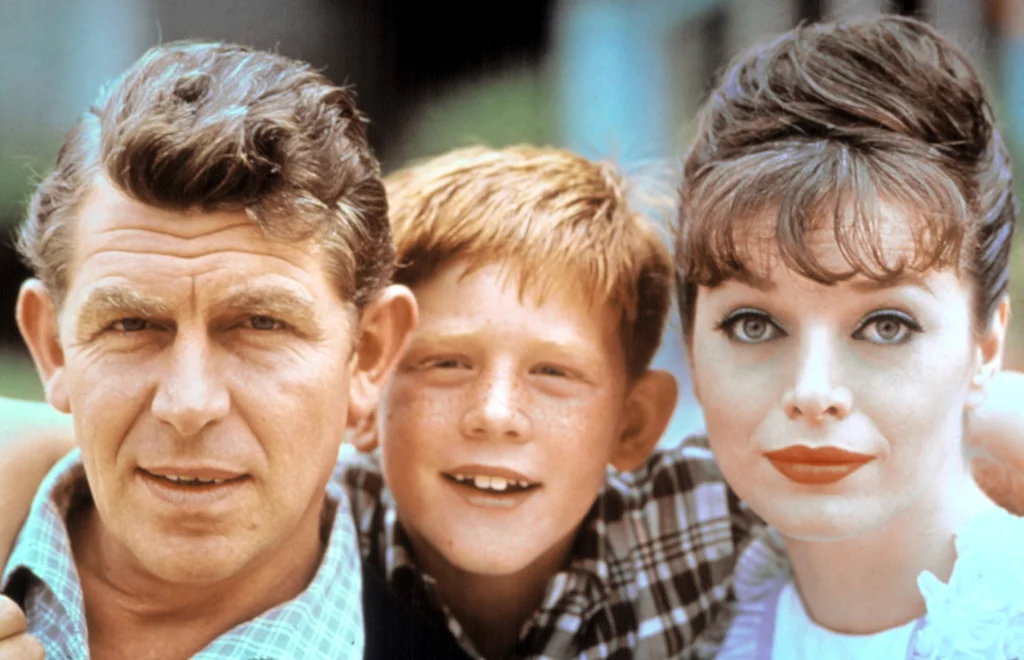
Andy Taylor was the rare TV father who mixed wisdom with genuine kindness. He guided his son, his neighbors and sometimes even himself through life’s challenges without ever raising his voice. Kids watching saw him as a steady, gentle presence who made the world feel safe. Adults admired him for the patience and grace they wished they had.
He also represented a version of small-town America that people held onto during a decade of enormous change. His lessons always returned to honesty, empathy and responsibility, values that never felt preachy. Viewers walked away feeling like they had learned something real, even if it came wrapped in a simple story. Andy shaped how many people still imagine the perfect father figure.
5. Morticia Addams (The Addams Family)
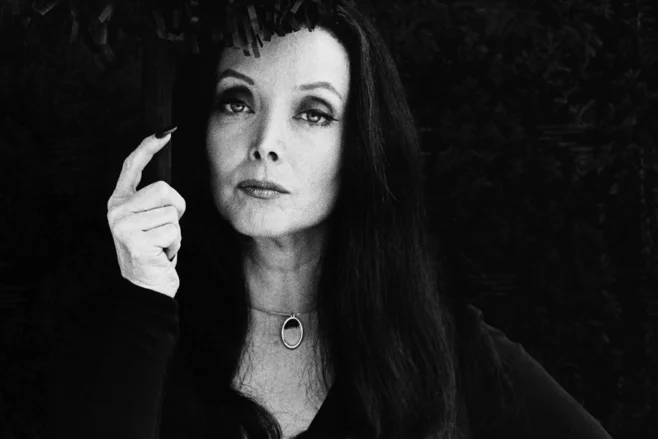
Morticia was unlike any mother on television at the time, and that was exactly why she stood out. With her calm voice, elegant presence and dark sense of humor, she showed that a family didn’t need to look “normal” to be loving. She embraced her quirks, supported her children and adored her husband, all in ways that felt refreshingly modern. Many viewers found comfort in her confidence and originality.
Her character also celebrated individuality in a decade when conformity was often expected. Morticia made it clear that being different could be beautiful, even empowering. Young viewers who felt out of place saw her as a reminder that there was room in the world for them, too. With one look or one perfectly delivered line, she quietly reshaped ideas about motherhood and identity.
6. Spock (Star Trek)

Spock captured the hearts of viewers who often felt like outsiders themselves. With his calm demeanor and commitment to logic, he offered a different kind of hero, one who didn’t rely on bravado or emotion to get through challenges. Kids and teens who were shy, introverted or analytical found someone who reflected their inner world. His struggles with being half-human made him even more relatable.
Spock also encouraged people to think critically and stay curious. He showed that intelligence could be just as heroic as strength, sometimes even more. His friendship with Kirk and McCoy demonstrated the value of balance and understanding between different perspectives. Generations later, his quiet strength still resonates.
7. Jeannie (I Dream of Jeannie)
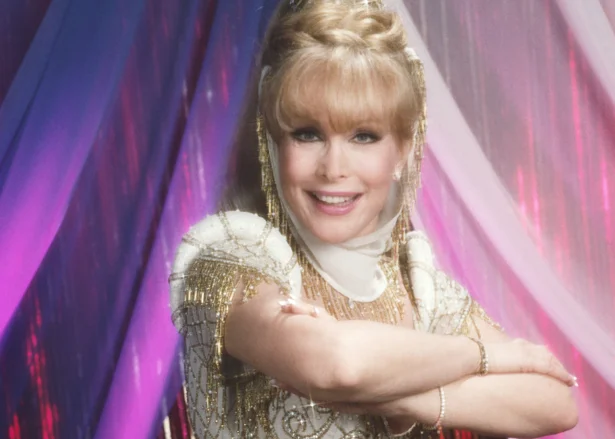
Jeannie brought a whirlwind of magic, humor and warmth to living rooms everywhere. Her enthusiasm for the modern world and her playful personality made her endlessly entertaining to watch. She turned the ordinary into something extraordinary just by being herself. Viewers loved how she found joy in even the smallest things.
At the same time, Jeannie pushed against the expectations often placed on women during the ’60s. She had her own mind, her own desires and her own ways of solving problems, even if they caused a little chaos. Kids admired her creativity, and adults enjoyed her independence. She was a reminder that life could be both fun and full of surprises.
8. Joe Friday (Dragnet)
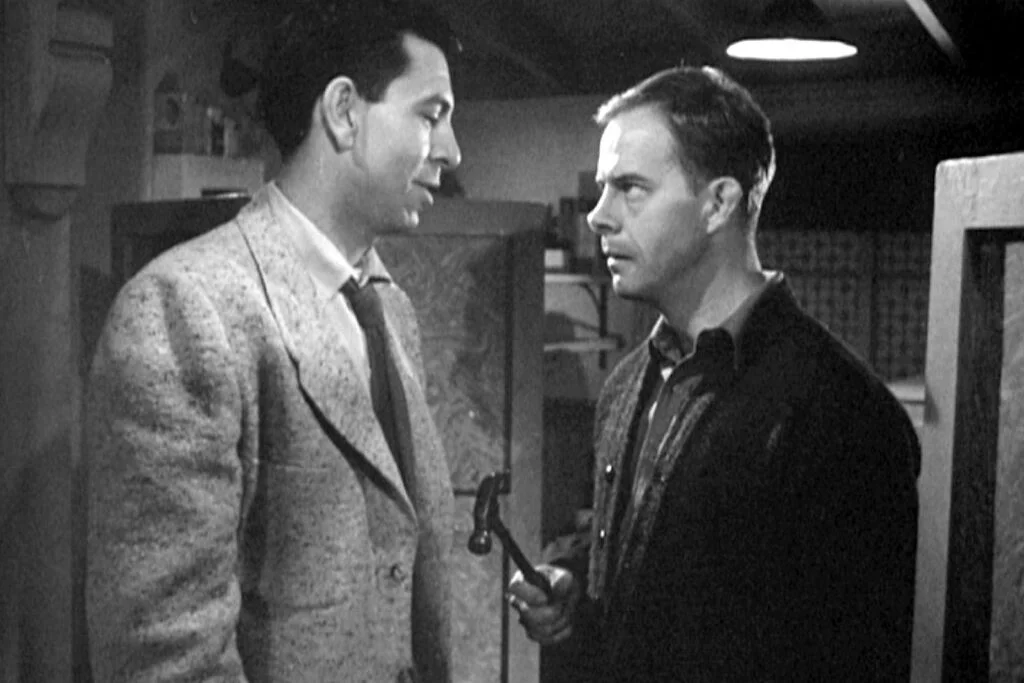
Joe Friday was the definition of calm in a storm, which made him a grounding presence during a turbulent decade. His no-nonsense approach set a tone of clarity and purpose. People admired his dedication to justice and his ability to stay focused, even when the world around him felt chaotic. His iconic line-delivery became part of television history.
He also helped viewers understand the value of integrity. Friday didn’t cut corners, and he didn’t showboat, which made his style of heroism subtle but lasting. He represented the kind of steady reliability people wanted to believe still existed. For many, he was a reminder that quiet strength could be just as powerful as bold action.
9. Lily Munster (The Munsters)
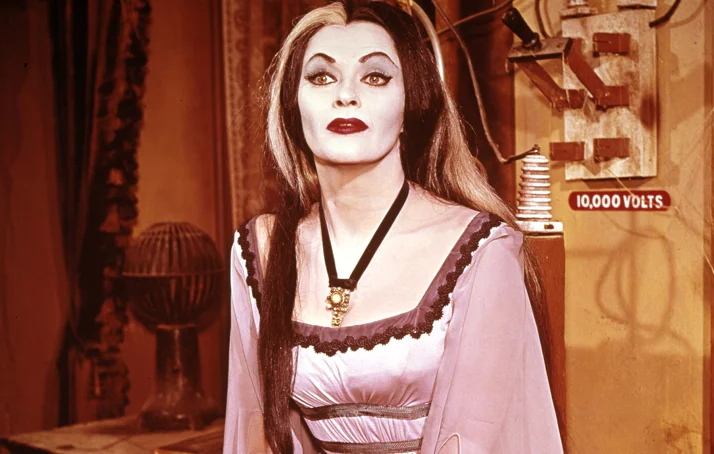
Lily Munster was the heart of her delightfully spooky household. She balanced gothic charm with genuine warmth, which made her feel both unique and familiar. Kids who loved monster stories adored her, and parents appreciated her steady, patient approach. She showed that even the strangest families were full of love.
Lily also brought a sense of acceptance that resonated deeply with viewers. She never apologized for who her family was, and she encouraged others to embrace their differences as well. In a decade full of social change, her message felt surprisingly modern. Her kind, confident presence helped pave the way for more unconventional families on TV.
10. Greg Brady (The Brady Bunch)

Greg Brady embodied the classic image of an older brother trying to find his place in the world. He struggled with school, responsibilities and navigating life with five siblings, and a lot of those moments mirrored real growing pains. Viewers watched him learn lessons the hard way and cheered him on when he grew from them. He made teenage life seem both challenging and meaningful.
Greg also represented the shifting dynamics of American families. As blended families became more common, he helped normalize what that looked like on screen. His charm and easygoing nature made him a fan favorite, especially for viewers who desperately wanted an older brother just like him. Greg helped many kids feel seen during a time when their experiences weren’t always reflected on television.
11. Aunt Bee (The Andy Griffith Show)
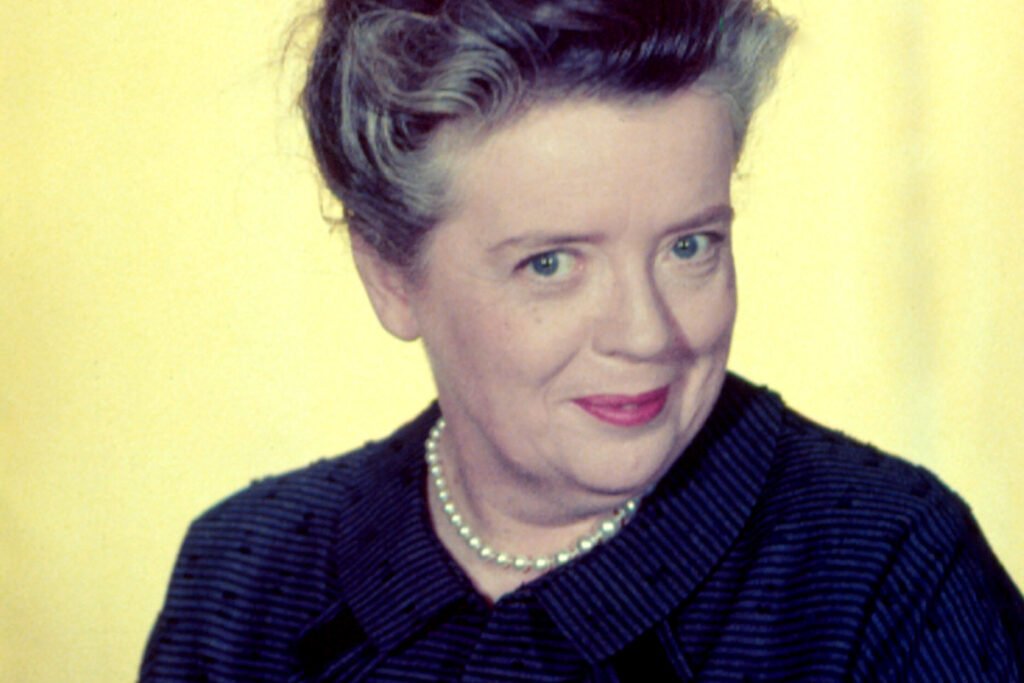
Aunt Bee was that comforting presence everyone wished they had in their own home. She cooked, cared and created a feeling of warmth that spread throughout Mayberry. Her gentle humor and steady support helped ground the show, especially for younger viewers. She made kindness feel like a superpower.
Even beyond her household role, Aunt Bee represented stability at a time when American life was changing quickly. She showed that nurturing didn’t have to mean giving up your own personality. Her mix of tradition and quiet independence made her feel relatable to women across generations. She remains one of the most beloved maternal figures on television.
12. Batman (Batman)
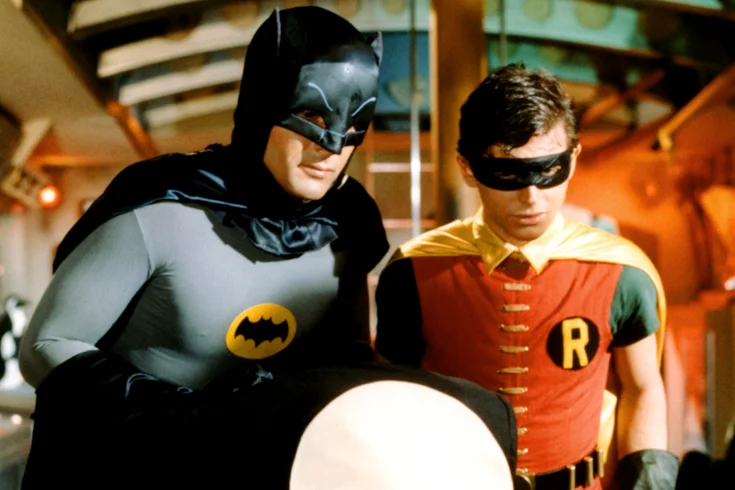
Batman brought comic-book excitement into living rooms in a way that felt brand new. With his colorful adventures and campy style, he made being a hero look incredibly fun. Kids admired his gadgets, his confidence and the way he always stayed one step ahead of the bad guys. He helped spark a lifelong love of superheroes for many.
At the same time, Batman showed that intelligence and preparation could win the day. He encouraged young viewers to use their brains, pay attention and stay curious. His partnership with Robin also highlighted the importance of teamwork and mentorship. Even decades later, his influence on pop culture is impossible to miss.
13. Gomer Pyle (Gomer Pyle, U.S.M.C.)
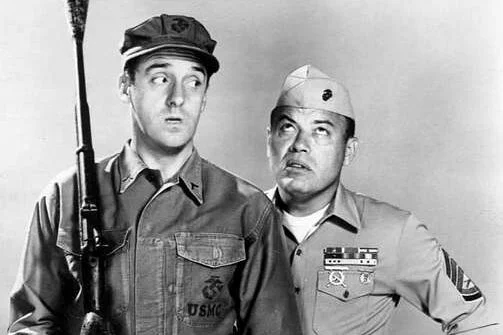
Gomer brought innocence and sincerity to every scene he was in. His good-natured personality made him instantly lovable, especially during a decade when tensions were high. Audiences connected with his wide-eyed optimism and the way he approached life with honesty. He reminded people that goodness could still shine through complicated times.
He also captured the experience of being thrown into situations that felt overwhelming. Gomer’s journey showed that you could stay true to yourself even when everything around you changed. Viewers admired his perseverance and kindness. He became one of the most enduring examples of the “unlikely hero” archetype.
14. Mary Richards (predecessor character on The Dick Van Dyke Show)
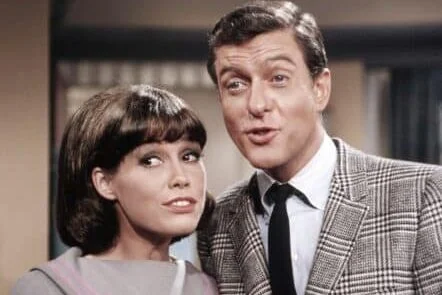
While Mary Richards truly took off in the ’70s, her earliest spark came from Mary Tyler Moore’s character Laura Petrie in the ’60s. Laura brought a fresh energy to sitcom wives with her charm, humor and independence. She wore capri pants, spoke her mind and showed that women could have depth and personality beyond the typical housewife role. Many young viewers saw her as a glimpse of what modern womanhood could look like.
Her chemistry with Rob Petrie felt natural, and their partnership showed audiences what a supportive marriage could be. She balanced humor and heart with a confidence that inspired future TV heroines. Laura’s presence on screen nudged television forward in its portrayal of women. She helped shape the foundation that Mary Richards would later build upon.