
1. “Where’s the Beef?” (Wendy’s, 1984)
If you watched TV in the mid-’80s, you heard “Where’s the beef?” more times than you can count. The commercial featured Clara Peller, an elderly woman who famously questioned why her competitor’s burger had such a tiny patty. It was simple, direct, and instantly quotable. The line became part of everyday conversation almost overnight. People used it to call out anything that felt lacking or disappointing. It even crossed into politics, which is rare for a fast food ad. That kind of cultural reach is hard to replicate today.
The campaign was created for Wendy’s to highlight the size of their hamburgers compared to competitors. Clara Peller became a recognizable figure almost immediately after the ad aired. The slogan was so successful that Wendy’s used it across multiple commercials. Sales reportedly increased significantly during the campaign. The phrase is still referenced decades later, which says a lot about its staying power. It remains one of the most cited examples of effective advertising. Even people who didn’t grow up in the ’80s usually recognize the line.
2. “I Want My MTV” (MTV, early ’80s)
Before MTV became a cultural giant, it had to convince cable providers to carry it. That’s where “I Want My MTV” came in. The campaign featured celebrities like Mick Jagger and David Bowie urging viewers to demand the channel. It felt edgy and different compared to traditional commercials. Instead of selling a product, it was selling an experience. The ads made MTV feel like something you needed to be part of. It helped turn music videos into a mainstream phenomenon.
The campaign directly encouraged viewers to call their cable companies and request MTV. That kind of audience participation was unusual at the time. It worked, and MTV’s reach expanded quickly throughout the decade. The slogan itself became iconic and widely quoted. The ads also reinforced MTV’s identity as youth-driven and rebellious. Over time, MTV became one of the most influential media platforms of the era. The campaign is still studied in marketing circles today.
3. “This Is Your Brain on Drugs” (Partnership for a Drug-Free America, 1987)

This commercial was impossible to ignore once it aired. It featured a simple visual of an egg frying in a pan while a voice explained the metaphor. The line “This is your brain on drugs” stuck with viewers instantly. It was blunt and intentionally unsettling. The message didn’t rely on humor or celebrity appeal. Instead, it leaned into clarity and repetition. That approach made it memorable in a completely different way than most ads of the time. It felt more like a warning than a commercial.
The ad was part of a broader anti-drug campaign launched in the late ’80s. It aired frequently, especially during programming aimed at younger audiences. The simplicity of the concept helped it resonate across different age groups. Variations of the ad appeared in later years, but the original remains the most recognizable. It became one of the defining public service announcements of the decade. The phrase is still referenced in discussions about drug awareness campaigns. Its impact was cultural as much as it was educational.
4. “I Learned It by Watching You!” (Partnership for a Drug-Free America, 1987)
Another powerful PSA from the same organization took a more emotional approach. In this one, a father confronts his son about drug use. The son fires back with the line, “I learned it by watching you!” It was a sharp reversal that caught viewers off guard. Instead of blaming peers, it pointed directly at parental influence. That shift made the message feel personal. It encouraged self-reflection in a way most ads didn’t. The tone was intense, almost uncomfortable.
The commercial became widely discussed for its emotional impact. It aired repeatedly throughout the late ’80s and early ’90s. The message resonated because it addressed behavior within the home. It suggested that actions mattered more than words when it came to parenting. The line itself became widely quoted and parodied. Even today, it’s remembered as one of the more effective PSAs of its time. The ad helped define the tone of anti-drug messaging in that era. It remains a clear example of how storytelling can drive a message home.
5. “Hey Mikey!” (Life Cereal, aired widely in the ’70s and ’80s)

Even though it debuted in 1972, “Hey Mikey!” stayed on TV well into the ’80s. That’s why so many people associate it with that decade. The commercial showed two brothers hesitant to try a cereal they assumed they wouldn’t like. They passed it to Mikey, who famously “hates everything.” When he liked it, the moment became instantly iconic. It was relatable in a way that felt very real. Kids saw themselves in that kind of picky behavior. The delivery was simple but effective.
The ad’s longevity helped cement it in pop culture. It ran for years, making it one of the longest-running commercials in television history. The phrase “He likes it! Hey Mikey!” became instantly recognizable. There were even rumors and urban legends tied to the actor, which added to its mystique. The commercial is often cited as one of the most successful cereal ads ever made. Its staying power came from its authenticity. It didn’t feel overly polished, which made it believable.
6. “Time to Make the Donuts” (Dunkin’ Donuts, 1981)
Fred the Baker became a familiar face with his tired refrain, “Time to make the donuts.” The character, played by Michael Vale, was shown waking up early and repeating the phrase day after day. It emphasized consistency and hard work. The humor came from how worn out he looked. It was relatable to anyone with an early morning routine. The repetition made it stick in your head quickly. Before long, people were quoting it in everyday life.
The campaign ran throughout the ’80s and into the early ’90s. It helped define Dunkin’ Donuts’ brand as dependable and hardworking. Michael Vale appeared in over 1,000 commercials as Fred. That level of continuity helped build strong brand recognition. The phrase became shorthand for starting your day early. It was simple but incredibly effective. The campaign remains one of the most recognizable in fast food history. Even now, it’s closely associated with the brand’s identity.
7. “Ancient Chinese Secret, Huh?” (Calgon, 1970s–’80s)
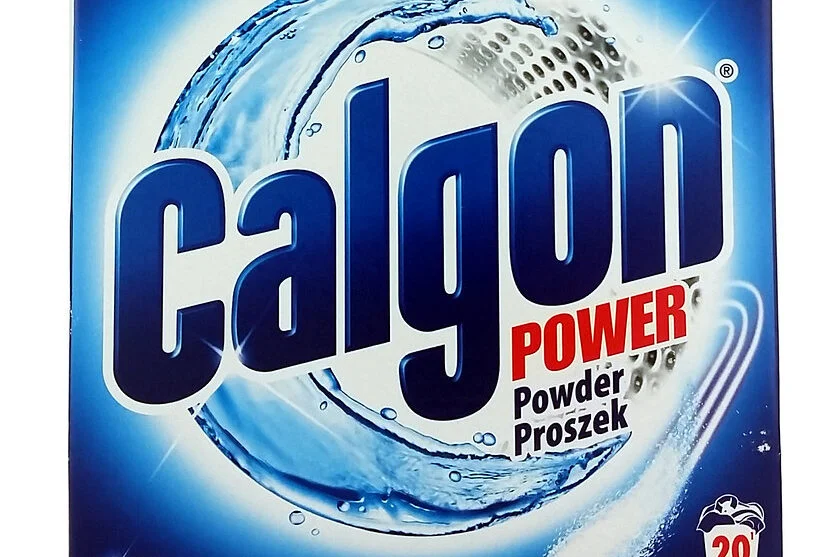
This commercial stuck around long enough to feel like part of the ’80s landscape. It featured a woman asking another how she kept her laundry so clean. The response, “Ancient Chinese secret, huh?” was delivered with a knowing tone. It was meant to be humorous and a little mysterious. The punchline revealed that the real secret was Calgon water softener. The structure was simple but memorable. The phrase itself became widely repeated. It was one of those lines people remembered even if they forgot the product.
The ad aired for years, which helped it stay top of mind. It played into curiosity before delivering a straightforward answer. Over time, it became one of the more recognizable laundry-related commercials. The phrase has since been revisited in discussions about outdated advertising stereotypes. Still, in its original context, it was seen as clever and catchy. The commercial is often cited in retrospectives of classic ads. Its longevity is part of what made it stick. Even decades later, the line is still familiar.
8. “Don’t Squeeze the Charmin” (Charmin, ongoing into the ’80s)
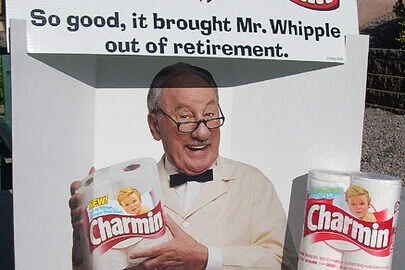
Mr. Whipple’s warning, “Please don’t squeeze the Charmin,” became a long-running gag. The character was played by Dick Wilson, who delivered the line to customers in a grocery store. The humor came from the fact that he often squeezed it himself when no one was looking. It created a kind of running joke viewers could anticipate. The setting stayed consistent, which made it feel familiar. Over time, audiences began to expect the punchline. That predictability worked in its favor.
The campaign ran for decades, including throughout the ’80s. Dick Wilson appeared in hundreds of commercials for Charmin. The slogan became one of the most recognized in advertising history. It reinforced the product’s softness in a simple way. The character of Mr. Whipple became synonymous with the brand. Even after the ads stopped airing, the phrase lingered. It’s still referenced in discussions about classic commercials. The longevity of the campaign helped secure its place in pop culture.
9. “The Pepsi Challenge” (Pepsi, late ’70s–’80s)
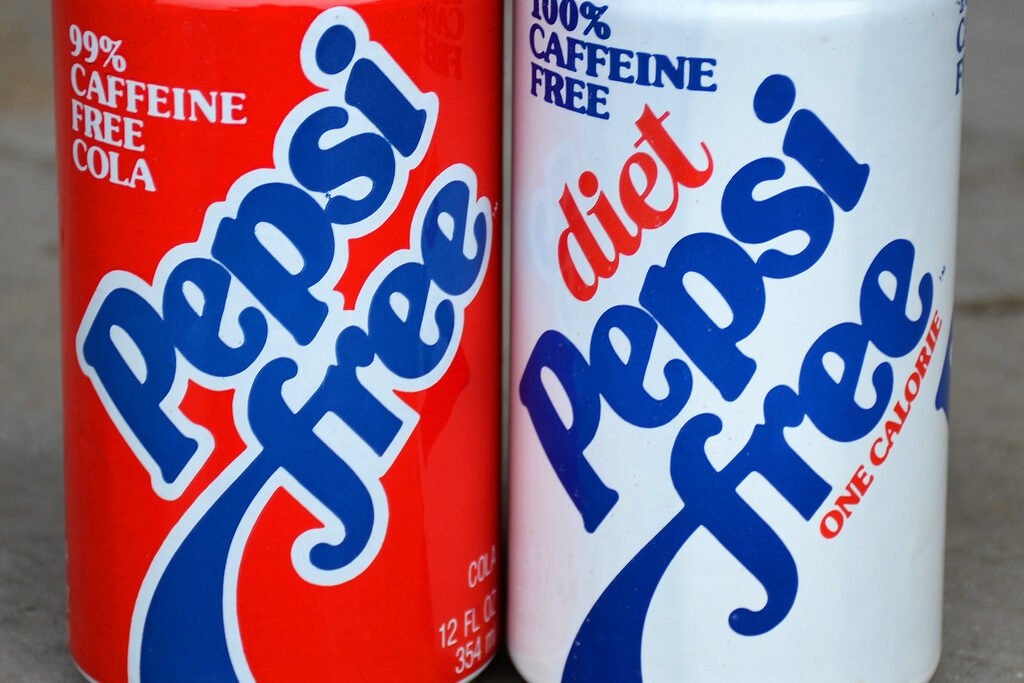
The Pepsi Challenge invited everyday people to participate in blind taste tests. Participants would choose between two unmarked cups of cola. Many ended up picking Pepsi, which became the focus of the ads. It gave the campaign a sense of authenticity. Instead of telling you it was better, it showed people deciding for themselves. That approach felt more convincing. The reactions were often spontaneous and unscripted. It helped build trust with viewers.
The campaign continued into the ’80s and became a major part of Pepsi’s identity. It directly positioned Pepsi against Coca-Cola in a very public way. The format was simple but effective. It encouraged viewers to try the test themselves. The campaign is often credited with boosting Pepsi’s market share during that time. It also helped define the “cola wars” of the decade. The concept has been revisited in various forms over the years. It remains one of the most influential marketing campaigns ever.
10. “This Bud’s for You” (Budweiser, prominent in the ’80s)
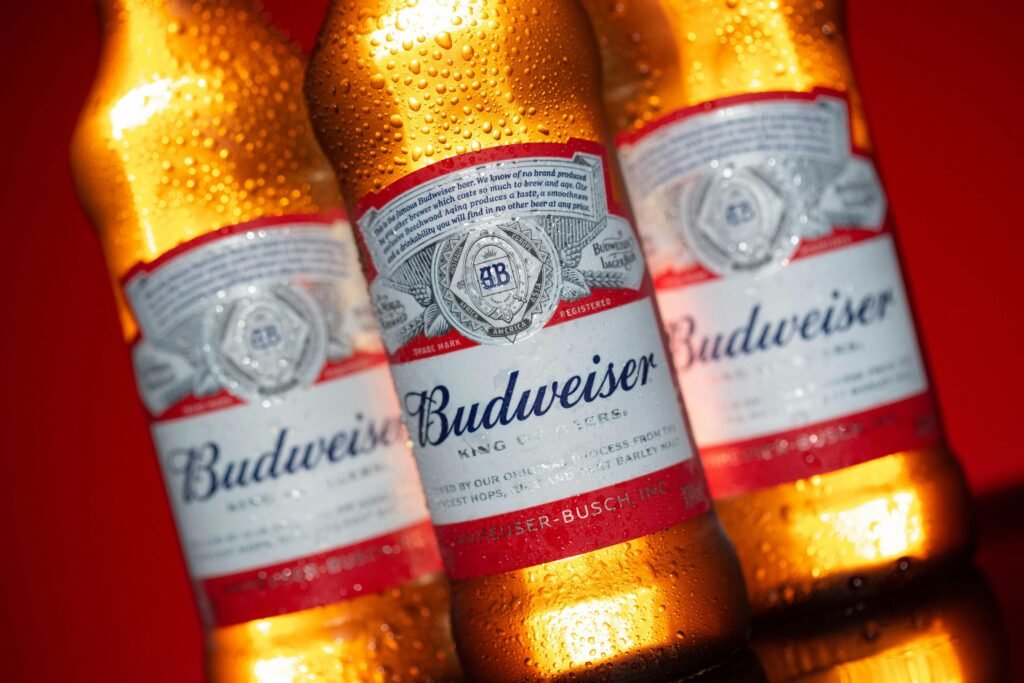
“This Bud’s for You” focused on everyday working people. The ads highlighted construction workers, firefighters, and other laborers. It positioned Budweiser as a beer for the working class. The tone was respectful rather than flashy. It aimed to connect with viewers on a personal level. The slogan itself was simple and easy to remember. It became closely associated with the brand. Over time, it turned into a kind of tribute message.
The campaign ran for years and was especially visible during sports broadcasts. It helped solidify Budweiser’s identity as an American staple. The ads often featured voiceovers rather than dialogue-heavy scenes. That gave them a more reflective tone. The slogan became widely recognized across different demographics. It’s still associated with the brand today. The campaign’s longevity contributed to its success. It remains a strong example of consistent brand messaging.
11. “Clap On, Clap Off” (The Clapper, 1984)

The Clapper commercial introduced a product that felt futuristic at the time. With a simple clap, you could turn lights on or off. The jingle “Clap on, clap off, the Clapper” made it instantly memorable. It demonstrated the product in a clear, visual way. Viewers could immediately understand how it worked. That clarity helped it stand out. The idea felt almost magical in a pre-smart-home era. It was both practical and novel.
The commercial aired frequently in the mid-’80s. It became one of the most recognizable infomercial-style ads of the decade. The jingle stuck in people’s heads long after the ad ended. It was often parodied in later shows and movies. The product itself became a pop culture reference point. Even people who never owned one knew what it was. The simplicity of the concept was key to its success. It remains one of the most memorable gadget ads of its time.
12. “I Can’t Believe I Ate the Whole Thing” (Alka-Seltzer, rerun into the ’80s)
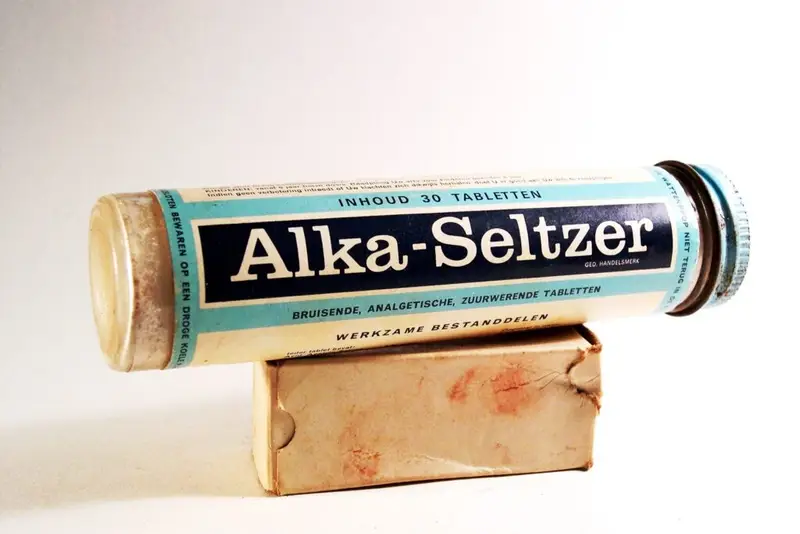
This commercial originally aired in the ’70s but continued to run into the ’80s. It featured a man waking up in the middle of the night regretting overeating. His repeated line, “I can’t believe I ate the whole thing,” became instantly recognizable. It captured a very relatable feeling. The humor came from how understated the delivery was. It didn’t rely on flashy visuals. Instead, it focused on a simple moment many people understood. That made it stick.
The ad became one of Alka-Seltzer’s most famous campaigns. It ran for years, which helped it stay in public memory. The line was widely quoted and referenced. It reinforced the product’s purpose without being overly direct. The commercial is often cited in discussions of effective advertising. Its longevity contributed to its impact. Even decades later, people still remember the phrase. It remains a classic example of relatable humor in advertising.
13. “Yo Quiero Taco Bell” (Taco Bell, late ’90s reruns aside, precursor campaigns in the ’80s advertising era context)
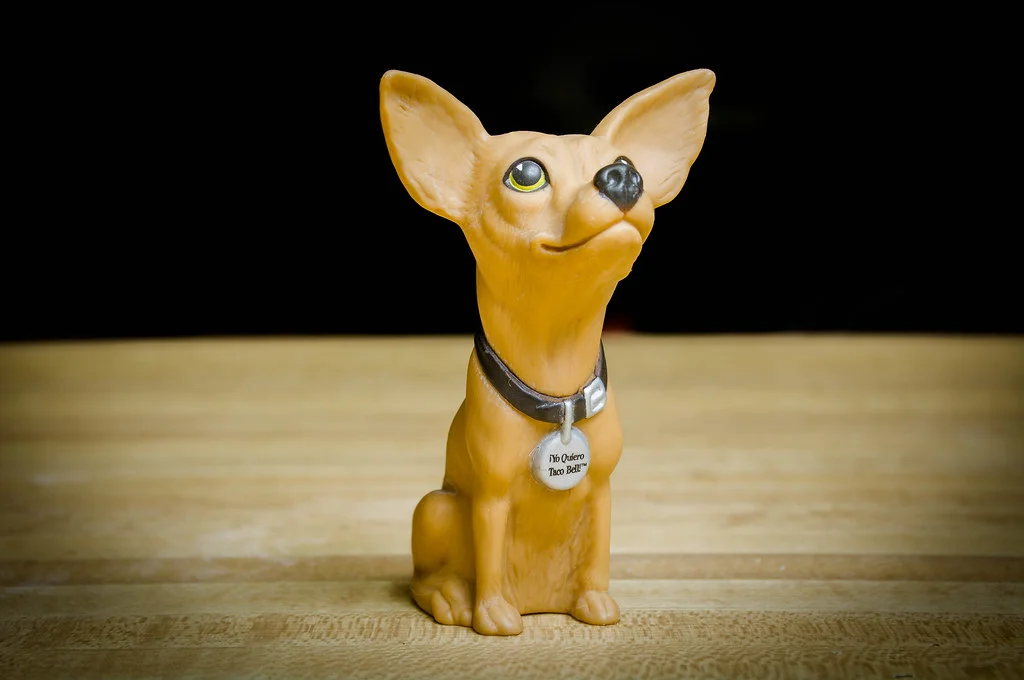
This one is often remembered alongside ’80s ads, but it actually debuted in 1997. That distinction matters if you’re being precise. The Chihuahua character became incredibly popular, delivering the line “Yo quiero Taco Bell.” It quickly became a pop culture catchphrase. The ads were playful and leaned into humor. They helped refresh Taco Bell’s image for a younger audience. The character itself became widely recognized. It was one of the most talked-about campaigns of its time.
While not technically an ’80s commercial, it’s often grouped with classic ads from that general era. That’s likely due to how frequently it was rerun and referenced later. The campaign had a major impact on brand recognition. However, it also sparked controversy over cultural representation. Taco Bell eventually retired the character. Despite that, the slogan remains widely known. It’s still referenced in pop culture discussions. But strictly speaking, it belongs to the late ’90s, not the ’80s.