
1. The Mary Tyler Moore Show, “Chuckles Bites the Dust”
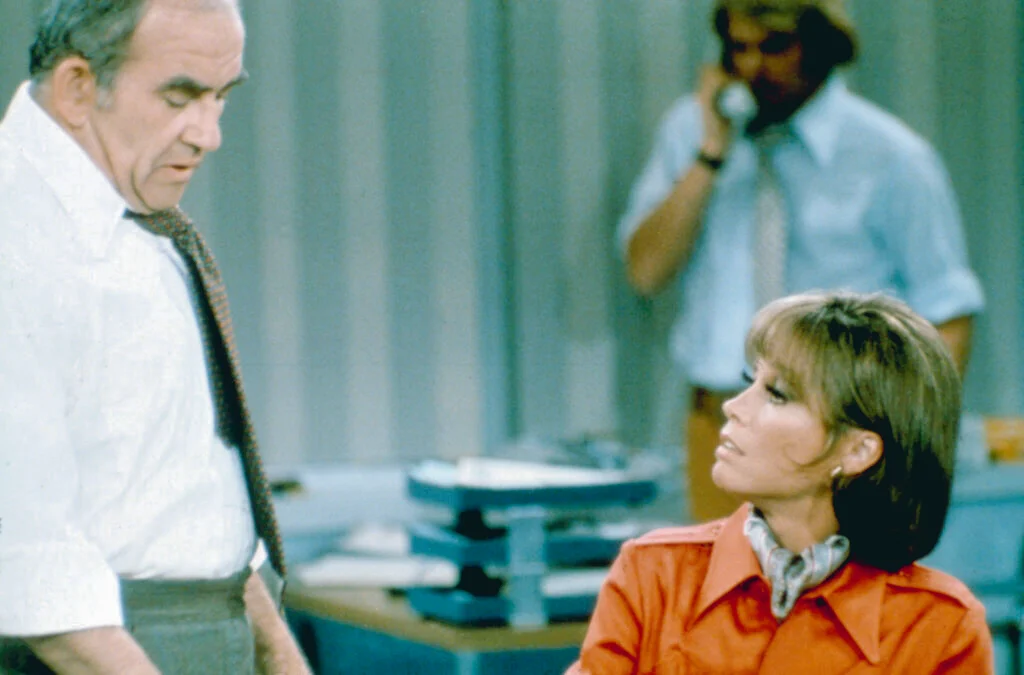
What begins as a workplace discussion about the death of a clown slowly turns into something much deeper and stranger. Mary’s inability to stop laughing during a newsroom meeting feels inappropriate, but also painfully human. The episode quietly explored grief in a way sitcoms rarely dared to attempt. Instead of jokes with punchlines, it leaned into discomfort and emotional honesty.
After this episode, the show proved it could handle serious themes without losing its wit. It shifted expectations for what a workplace comedy could be. Viewers saw that laughter and sadness could exist in the same breath. The series never felt quite as lightweight again.
2. M*A*S*H, “Abyssinia, Henry”
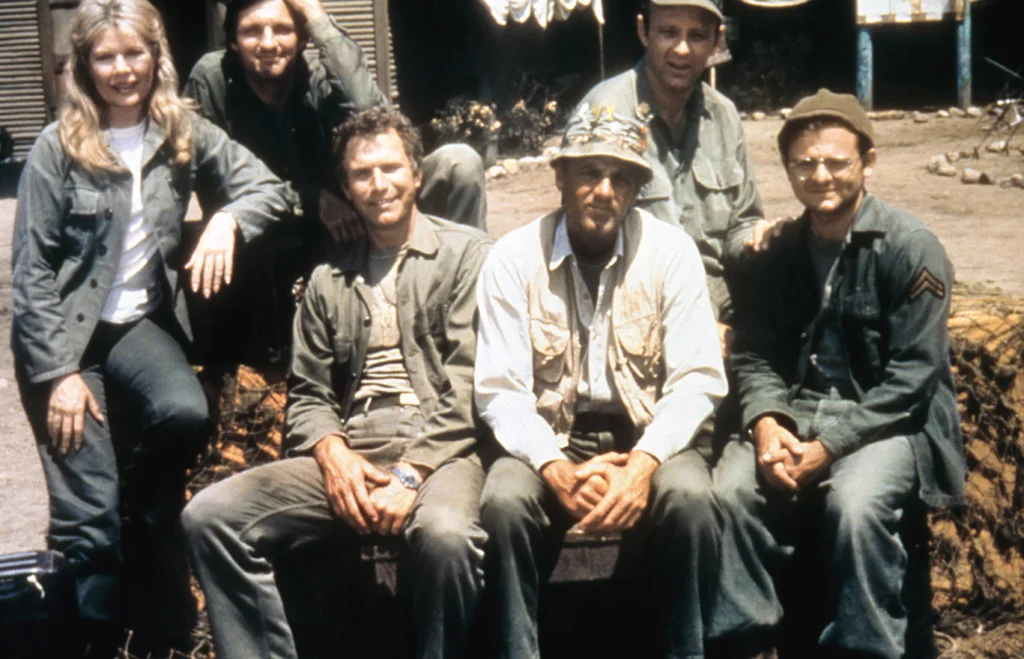
For most of the episode, everything feels normal and even upbeat. Then, in the final moments, Radar delivers news that hits like a punch to the gut. Henry Blake’s sudden death shattered the unspoken rule that sitcom characters were safe. It was abrupt, cruel, and intentionally so.
The episode permanently changed the tone of M*A*S*H. The show leaned harder into the reality of war and loss rather than soft satire. Viewers understood that anything could happen from that point forward. Comedy was no longer a shield.
3. Happy Days, “Richie Moves Out”

Richie’s decision to move out felt small at first, but it marked a turning point for the show. The Cunningham home had always been the emotional center of the series. Letting Richie leave cracked that foundation. It signaled that the characters were growing up whether viewers were ready or not.
After this episode, Happy Days began to drift from its original premise. The focus shifted more heavily toward Fonzie and exaggerated storylines. The warmth of early seasons slowly gave way to something broader. Many fans trace that shift back to this moment.
4. Good Times, “The Dinner Party”
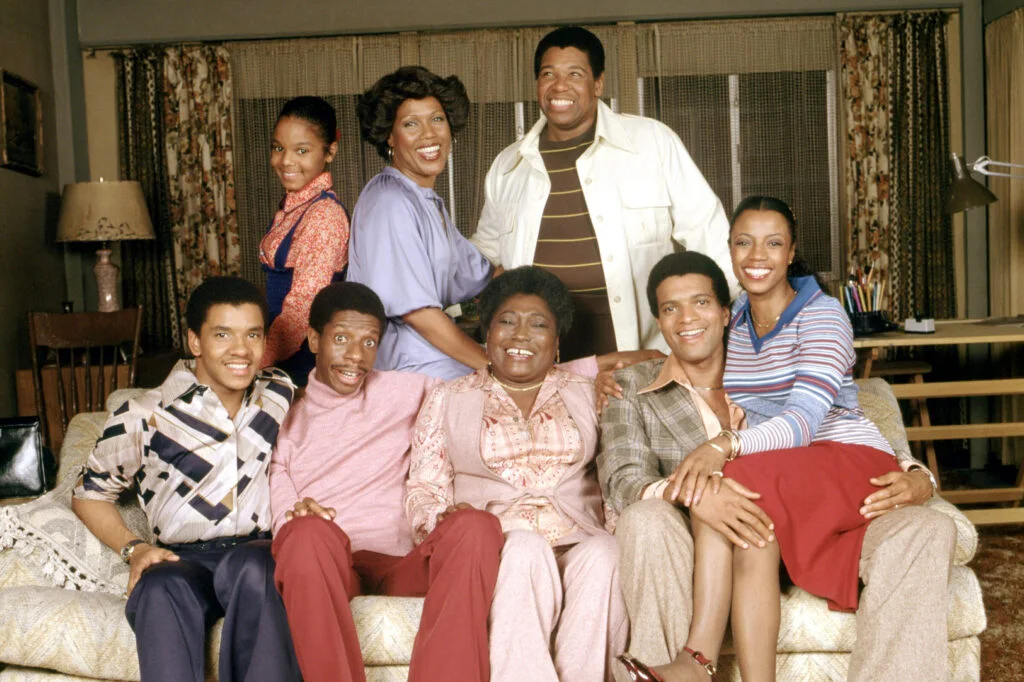
This episode confronted poverty with uncomfortable honesty rather than sitcom gloss. Florida’s pride clashes with the reality of needing charity, and the tension is palpable. There are laughs, but they feel nervous and strained. The episode refuses to pretend everything will magically work out.
From here on, Good Times struggled with its identity. The show increasingly leaned into humor while still carrying heavy subject matter. This episode marked the moment that balance became harder to maintain. It exposed the emotional weight the series was carrying.
5. The Bob Newhart Show, “Death Becomes Us”
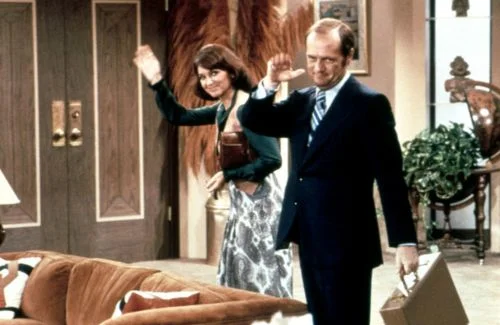
When a patient dies, Bob is forced to confront professional detachment versus personal grief. The episode unfolds quietly, with more pauses than punchlines. Bob’s calm demeanor cracks just enough to reveal vulnerability. It was subtle, but powerful.
This episode deepened the show’s emotional range. It showed that comedy could come from restraint rather than jokes. The series gained a new layer of realism afterward. Bob Hartley became more than just a witty observer.
6. The Brady Bunch, “The Subject Was Noses”
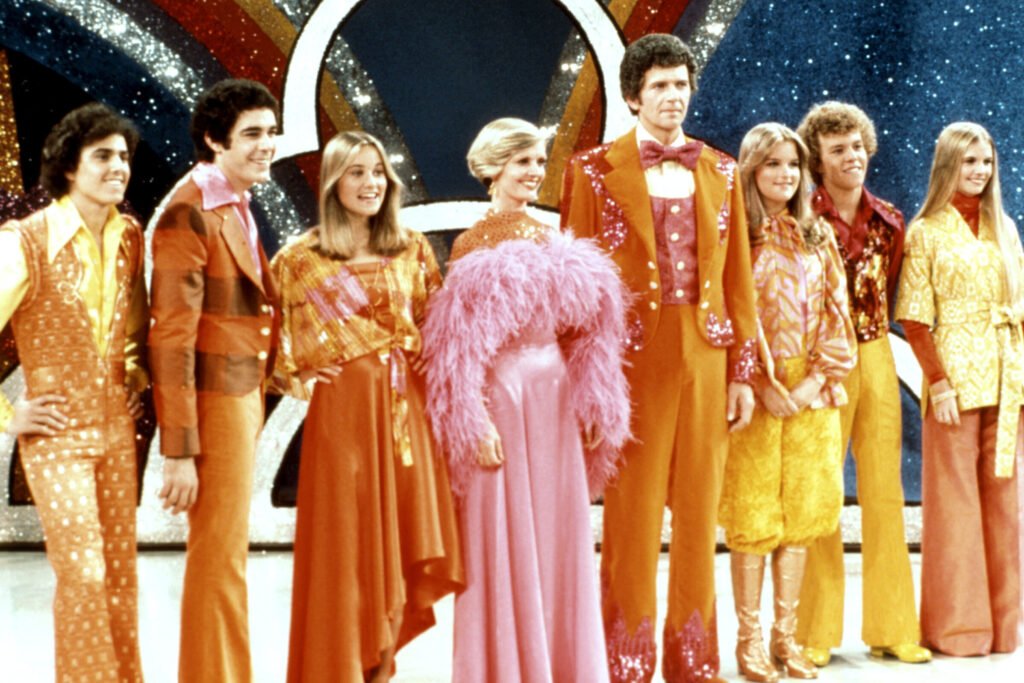
Marcia’s broken nose might sound trivial, but the episode hit teenage insecurity head on. Her fear of losing her identity as “the pretty one” felt genuine. The show allowed a character crisis without immediate reassurance. It lingered longer than expected.
After this episode, Marcia’s character gained more emotional depth. The series proved it could address adolescent self worth honestly. It marked a shift away from purely sunny optimism. The Brads suddenly felt more real.
7. Sanford and Son, “Grief”
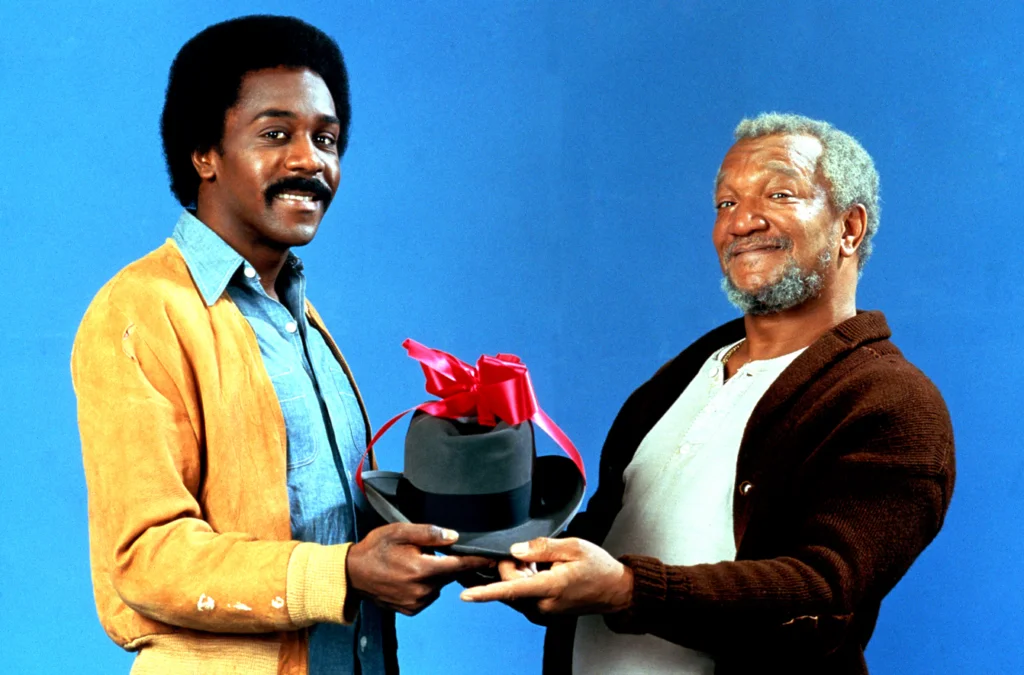
Fred Sanford’s bluster drops when Lamont faces the possibility of losing him. The jokes slow down, replaced by raw emotion. Red Foxx delivered a performance that surprised many viewers. The episode was funny, but also deeply sincere.
From this point on, the show leaned more into Lamont’s emotional growth. Fred’s antics carried more weight afterward. The father son bond became the heart of the series. It was no longer just insult comedy.
8. The Jeffersons, “Lionel Gets the Business”
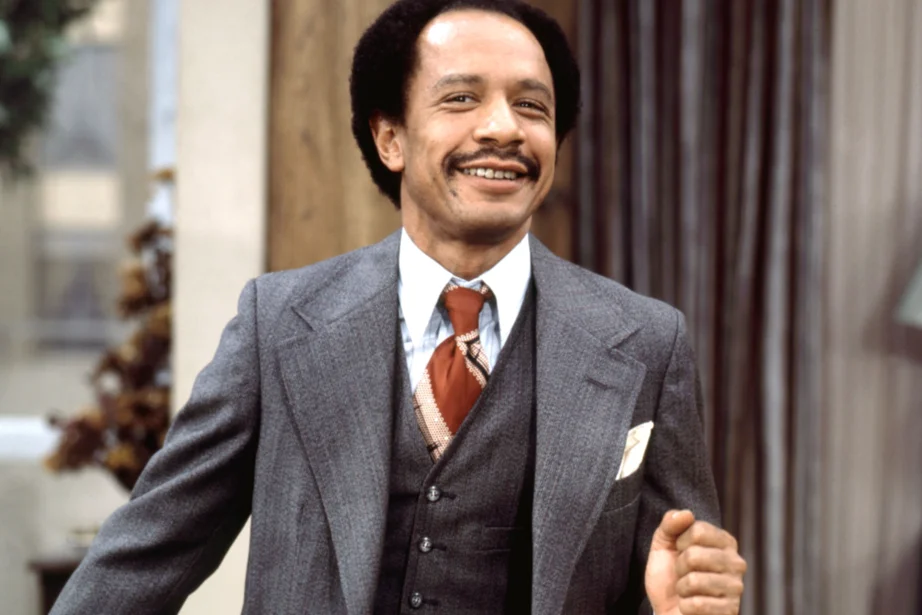
Lionel’s frustration with working under his father explodes into open conflict. The episode tackled generational pride and resentment head on. George’s bluster suddenly feels more fragile. The laughs mask real tension.
This episode reshaped the family dynamic. Lionel stopped being just the reasonable son. George was no longer just comic bravado. The show gained emotional stakes that lasted through later seasons.
9. Welcome Back, Kotter, “Sweathogs in the Army”
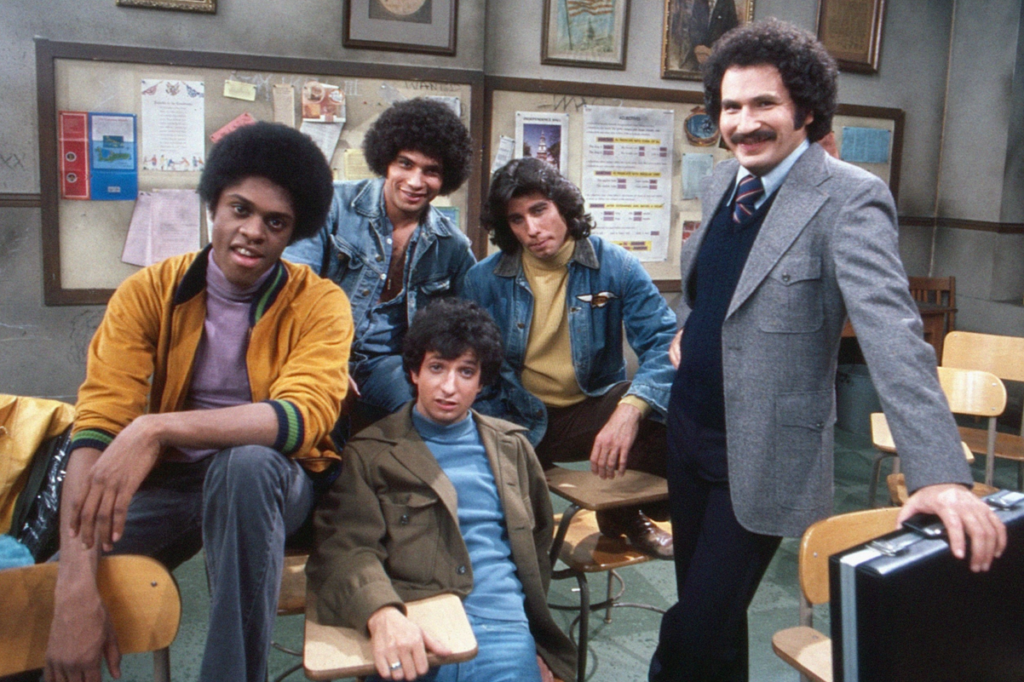
The students imagining military life forced the show into darker territory. Authority, obedience, and fear replaced classroom hijinks. The episode exposed how lost the Sweathogs really were beneath the jokes. It was unexpectedly reflective.
After this, the show leaned more into social commentary. The kids were no longer just lovable troublemakers. They represented a generation unsure of its future. The tone shifted subtly but permanently.
10. Barney Miller, “Hash”
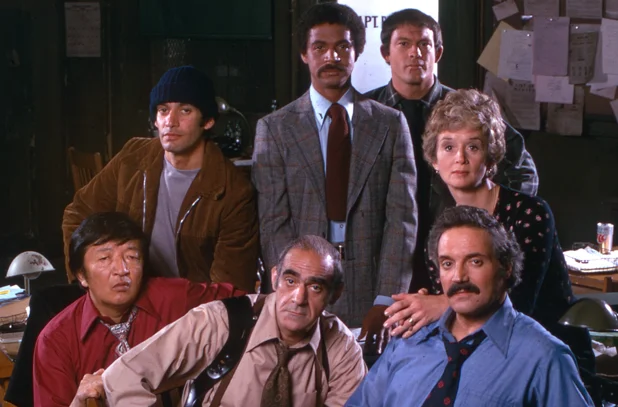
This episode revolved around a seized bag of marijuana, but it was really about changing social norms. The precinct debates legality, morality, and absurdity. No one reacts the way older sitcom cops would have. It felt modern and unjudgmental.
The episode cemented Barney Miller as a thoughtful comedy. It wasn’t afraid to let conversations drive the humor. The show gained credibility as a smart ensemble piece. From here on, it trusted its audience more.
11. Little House on the Prairie, “Remember Me”
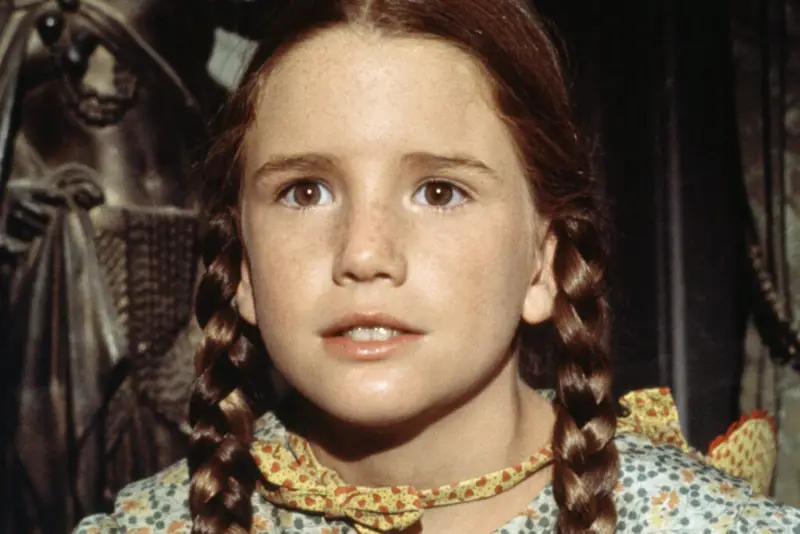
Laura befriends an elderly man whose memory is fading, and the outcome is devastating. The show does not soften the loss or rush past it. Childhood innocence collides with mortality. It was heavier than viewers expected.
This episode marked a turning point for the series. Little House leaned more openly into tragedy afterward. Laura’s emotional growth accelerated. The frontier suddenly felt less romantic.
12. Three’s Company, “The Break Up”
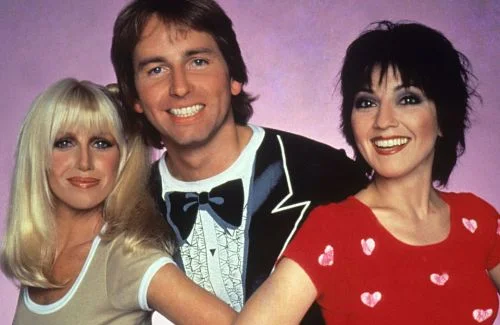
Jack’s relationship turmoil forces him to confront loneliness beneath the comedy of misunderstandings. The episode slows down to let emotions breathe. Physical comedy takes a back seat to vulnerability. It surprised viewers used to rapid fire jokes.
After this, the show occasionally allowed quieter moments. Jack became more than a punchline machine. The series proved it could pause without losing momentum. Emotional stakes became part of the formula.
13. The Partridge Family, “I Woke Up in Love This Morning”
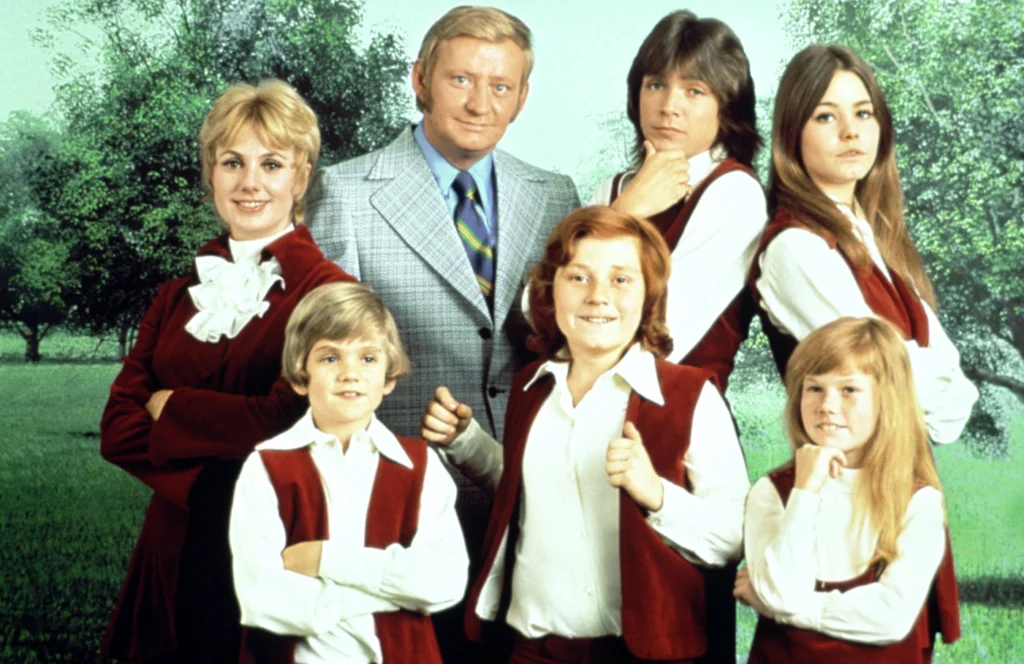
Keith’s brush with fame created cracks in the family dynamic. Success suddenly feels isolating rather than fun. The band’s unity is tested in ways it hadn’t been before. The episode questioned the cost of popularity.
From this point on, the show explored fame more critically. The Partridges felt less like a fantasy. The pressures of performance became real. It subtly matured the series.
14. The Waltons, “The Pony Cart”
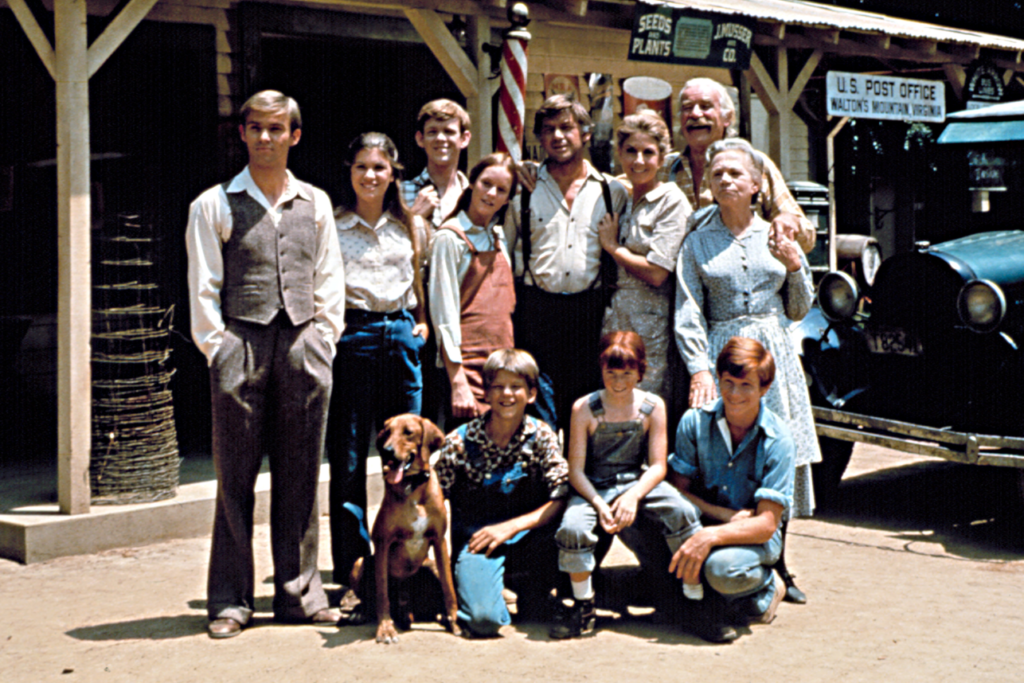
Olivia’s illness disrupts the family’s emotional center. The episode strips away sentimentality and shows real fear. The children are forced to grow up faster. The quiet moments linger longer than usual.
Afterward, The Waltons embraced deeper emotional arcs. Illness and loss became recurring themes. The show trusted its audience to handle sadness. It never fully returned to gentle simplicity.
15. Columbo, “Any Old Port in a Storm”
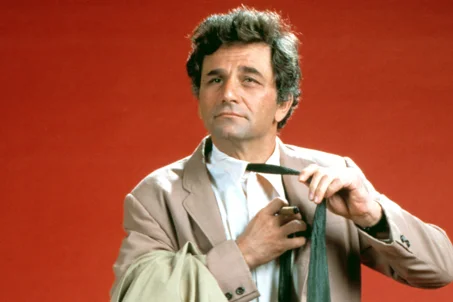
For once, Columbo forms a strange bond with the murderer. The episode blurs the line between adversary and companion. Columbo’s moral certainty is tested. It’s unsettling and oddly intimate.
This episode changed how the character was viewed. Columbo became more layered and introspective. The show leaned into psychological tension rather than gimmicks. It elevated the entire series.