
1. Sammy Davis Jr. Kisses Archie Bunker on All in the Family
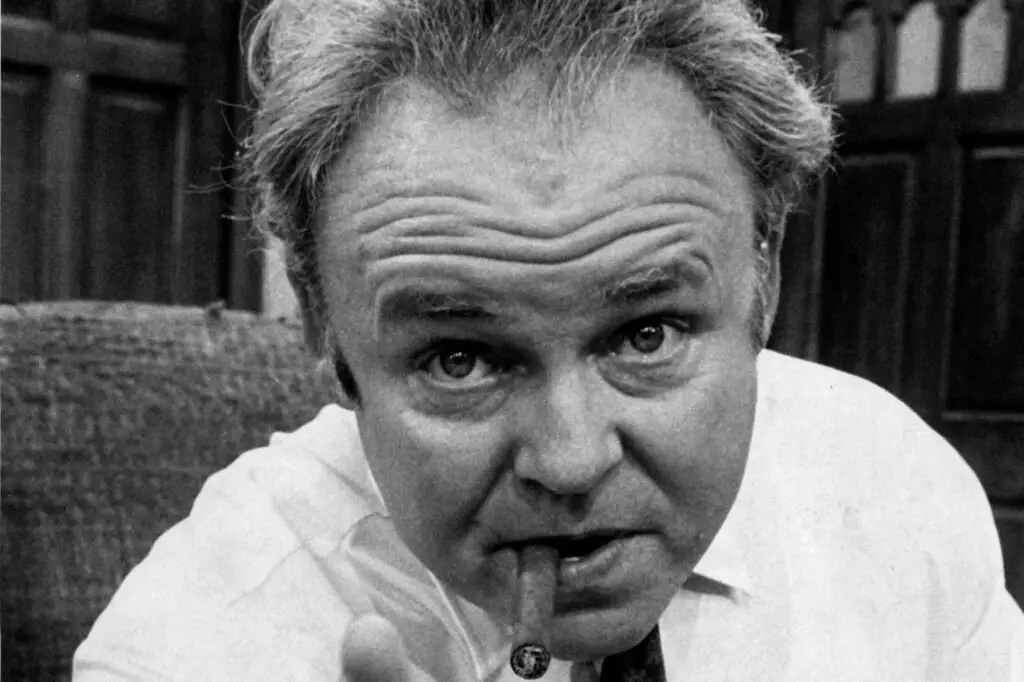
When Sammy Davis Jr. appeared on All in the Family in 1972, viewers expected fireworks. What they did not expect was Davis planting a kiss on Archie Bunker’s cheek. The moment landed like a thunderclap in living rooms across America. People talked about it at work, at school, and over dinner the next day. It was funny, uncomfortable, and completely intentional.
The kiss perfectly captured what the show did best, using humor to poke at prejudice. Carroll O’Connor’s stunned reaction became instantly iconic. For some viewers, it was shocking. For others, it was thrilling to see network television push boundaries that hard. Either way, everyone seemed to have an opinion about it.
2. Henry Blake’s Death on M*A*S*H
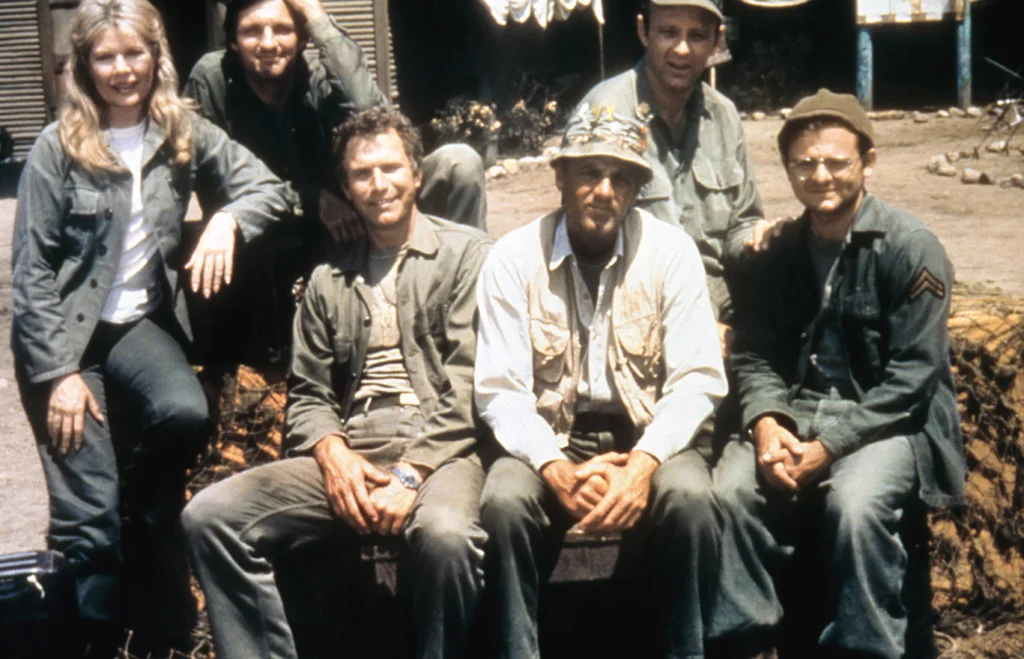
Few TV moments hit harder in the ’70s than the death of Henry Blake on M*A*S*H. For most of the episode, viewers were celebrating his discharge and happy ending. Then, in the final seconds, Radar delivered the news that Henry’s plane had been shot down. The laughter stopped cold.
Audiences were stunned that a sitcom would end an episode that way. There were no comforting jokes or tidy wrap ups. The shock carried into the next day, with viewers replaying the moment in their minds. It permanently changed expectations for what television comedy could do.
3. The Final Episode of The Mary Tyler Moore Show

When The Mary Tyler Moore Show ended in 1977, it did so with grace, humor, and a group hug that still holds up. The finale felt earned, not rushed, and viewers sensed they were watching something special. Mary turning out the lights became an instant emotional touchstone. People talked about it like they had just said goodbye to real friends.
Unlike many finales, this one left audiences satisfied and misty eyed. The show trusted viewers to sit with the emotion. The next day, conversations centered on how rare it was to see a sitcom end on its own terms. It set a standard few shows have matched since.
4. The Premiere of Roots
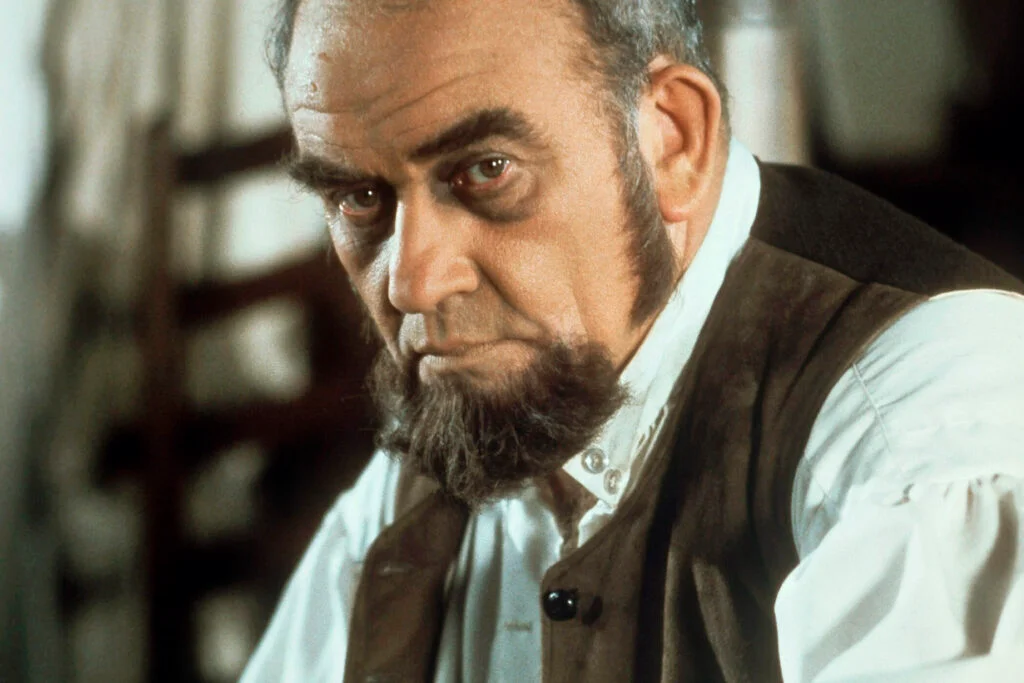
When Roots premiered in 1977, it stopped normal television chatter in its tracks. Families gathered night after night to watch the miniseries unfold. The story of Kunta Kinte was not easy viewing, but it felt essential. People talked about it with seriousness usually reserved for major news events.
The next day, offices and classrooms buzzed with emotional reactions. Many viewers admitted they had never seen slavery depicted so directly on TV. Roots did more than entertain. It sparked conversations that lingered long after the broadcast ended.
5. Fonzie Jumps the Shark on Happy Days
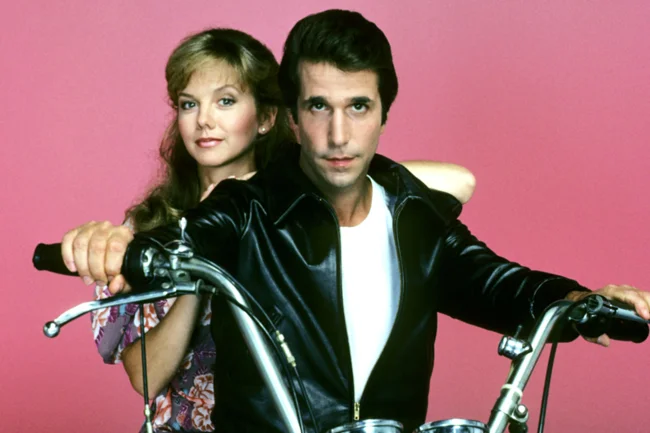
In 1977, Happy Days aired the now infamous episode where Fonzie jumps a shark on water skis. At the time, it was meant to be a fun, over the top moment. Viewers definitely noticed. Some loved the sheer absurdity, while others felt something had shifted.
By the next day, people were debating whether the show had gone too far. No one knew the phrase would become shorthand for creative decline. They just knew it felt different. The moment stuck, even if its reputation grew bigger years later.
6. The Brady Bunch Goes to Hawaii

The Brady Bunch Hawaii episodes in 1972 became instant playground conversation fuel. The cursed tiki idol, the creepy spider, and the near disaster moments felt unusually intense for such a sunny show. Kids especially could not stop talking about it. Adults noticed too.
The episodes stood out because they broke the normal routine. Suddenly, The Brady Bunch felt dramatic and mysterious. The next day, viewers debated whether the curse was real within the show’s world. It remains one of the series’ most remembered storylines.
7. Grandpa Walton’s Death on The Waltons
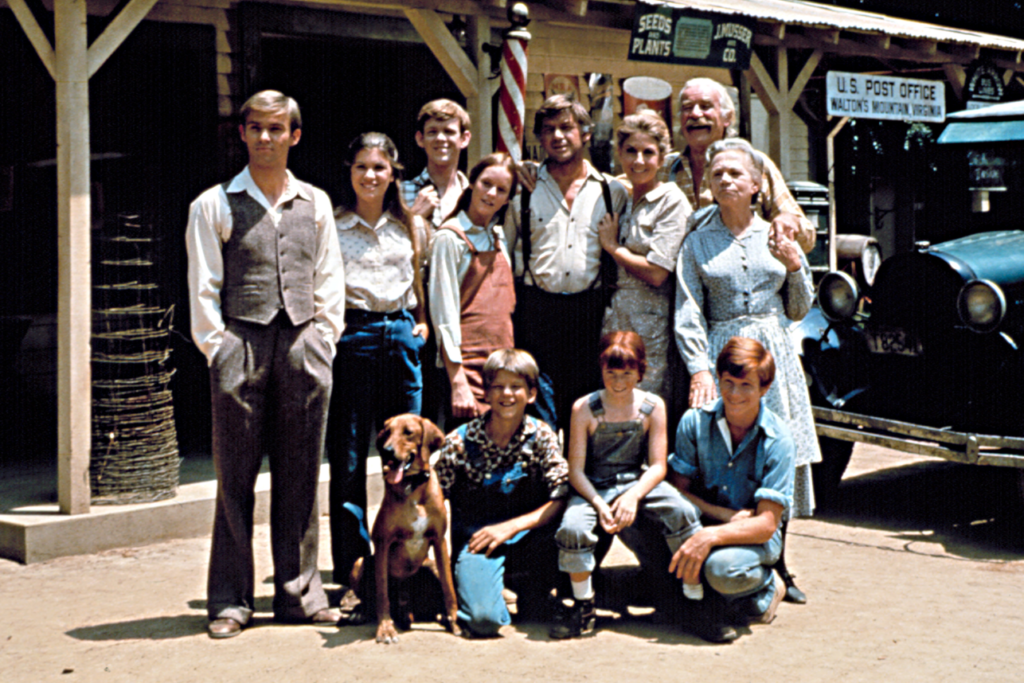
When Grandpa Walton died on The Waltons in 1973, it hit viewers on a deeply personal level. The character had been a warm, steady presence in the family. His loss felt real and unpolished. The show allowed grief to unfold quietly.
Audiences talked about how honest the episode felt. There were no shortcuts around the sadness. Many families watching had experienced similar losses. The next day, people spoke about the episode in hushed, respectful tones.
8. The First Episode of Saturday Night Live
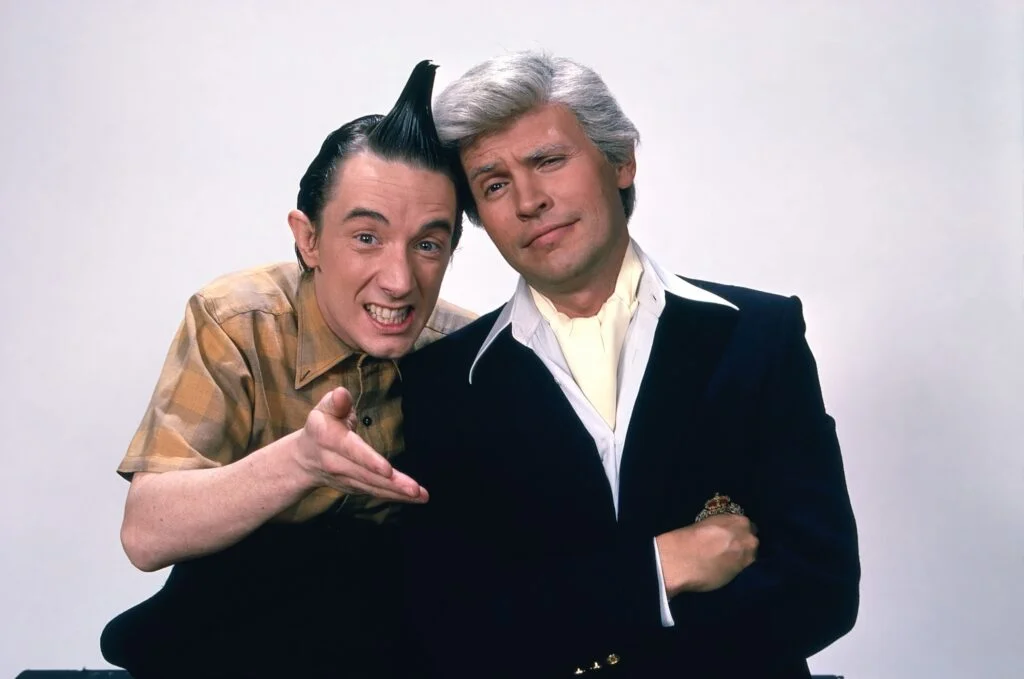
When Saturday Night Live debuted in 1975, it felt unlike anything else on TV. The humor was edgy, unpredictable, and sometimes messy. Viewers were not sure what to make of it at first. But they knew it felt new.
By the next day, people were quoting sketches and arguing about what worked and what did not. Some loved the rebellious energy. Others were confused by it. Either way, the show announced a shift in comedy that was impossible to ignore.
9. Monday Night Football Changes TV Forever
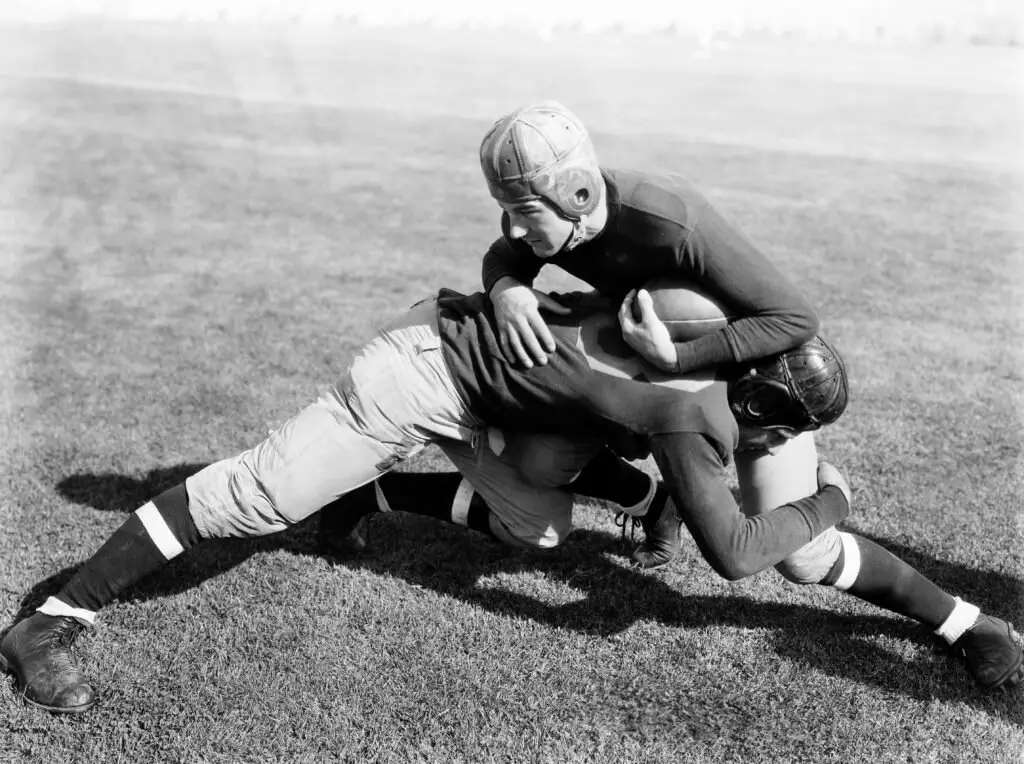
The debut of Monday Night Football in 1970 turned sports into a shared weekly event. Football was no longer just a Sunday afternoon thing. Suddenly, it was prime time entertainment. Even people who did not usually watch sports tuned in.
The next day, conversations were not just about the game, but about the spectacle. The broadcast felt bigger and louder than anything before it. It changed how television treated live sports. Viewers sensed they were watching a new era begin.
10. Edith’s Assault on All in the Family

One of the most talked about episodes of All in the Family involved Edith being assaulted in her own home. The episode aired in 1977 and stunned viewers. The show handled the subject with seriousness and restraint. It was not played for laughs.
The next day, people debated whether such a topic belonged on a sitcom. Many praised Jean Stapleton’s performance. Others admitted it was hard to watch but important. The episode proved again that the show was willing to go where others would not.
11. The Finale of Sanford and Son
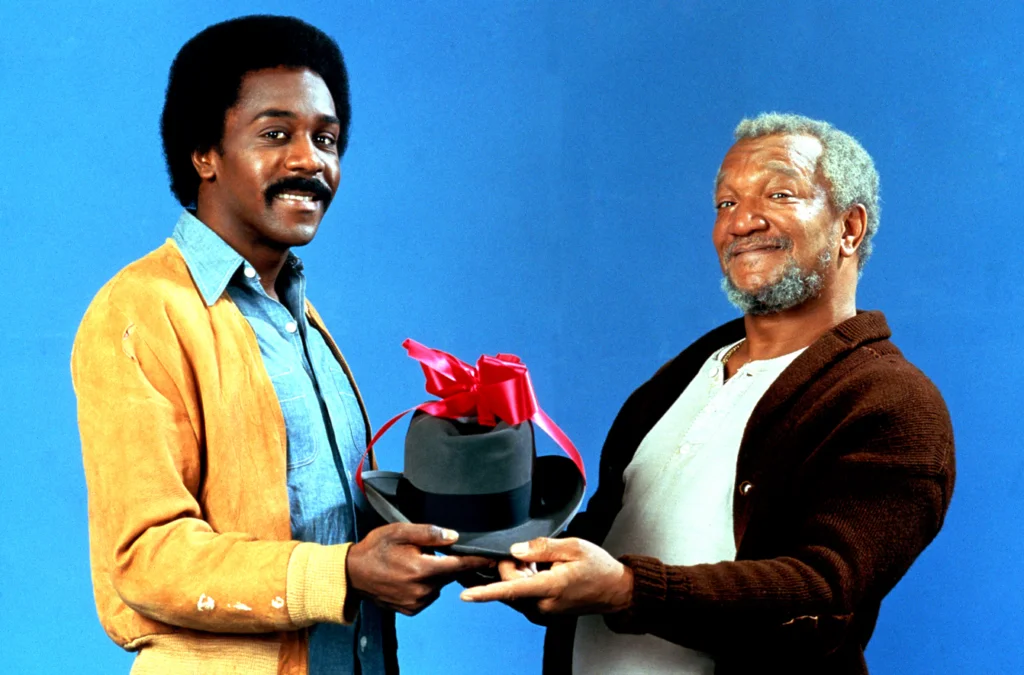
When Sanford and Son ended in 1977, the finale leaned into the show’s emotional core. Fred Sanford’s heart attack scare reminded viewers how attached they had become to these characters. The humor was still there, but it was layered with vulnerability.
Audiences talked about how different the episode felt from typical sitcom endings. It was not just a gag filled goodbye. The next day, fans reflected on how the show balanced comedy and heart. It felt like saying farewell to a loud but lovable neighbor.
12. Kojak and the Lollipop
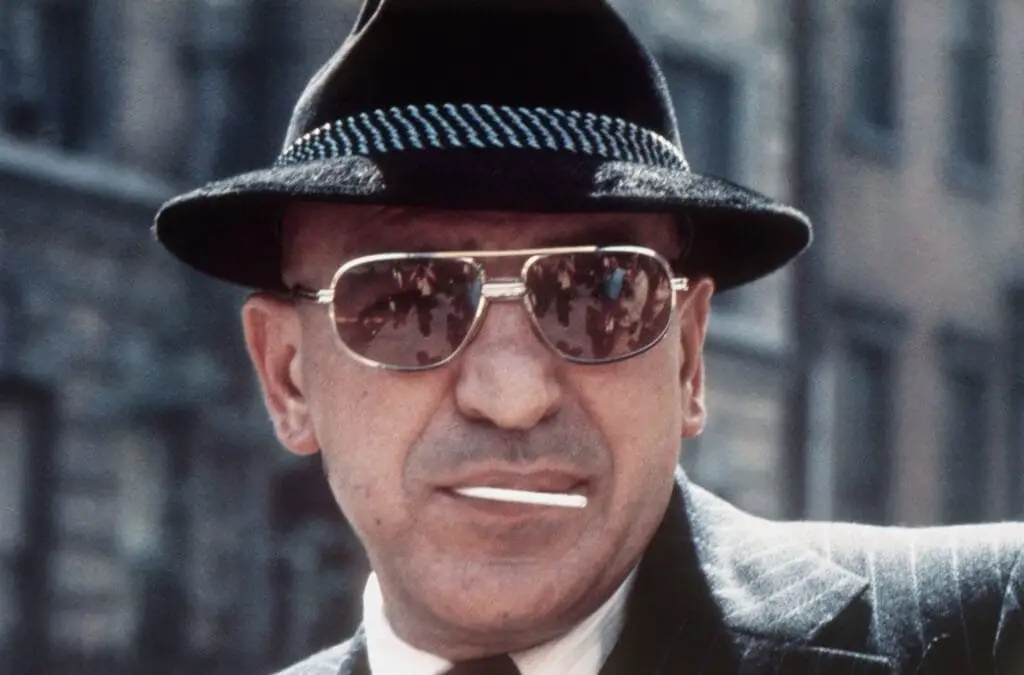
When Kojak premiered in 1973, one small detail grabbed everyone’s attention. Lieutenant Theo Kojak sucking on a lollipop became instantly recognizable. It was unusual, casual, and oddly charming. Viewers noticed right away.
The next day, people were imitating Kojak and talking about that lollipop. It softened a tough character and made him feel modern. The moment showed how a simple visual choice could define a character. In the ’70s, that kind of detail mattered.
13. Maude Tackles an Airplane Hijacking
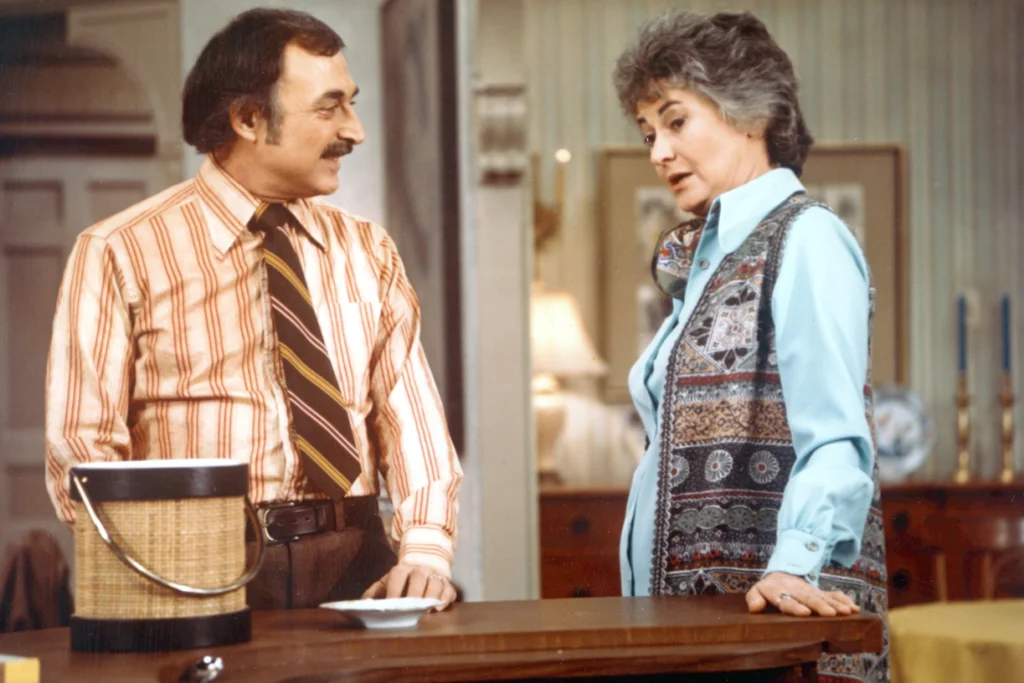
When Maude aired its two part airplane hijacking storyline in 1977, it startled viewers who expected sharp jokes, not real world fear. The situation felt uncomfortably close to headlines people were already seeing on the news. Watching Maude and Walter trapped midair stripped away the usual sitcom safety net.
The next day, viewers debated whether sitcoms should go that far. Some praised the show for reflecting real anxieties. Others admitted it shook them more than they expected. It was another reminder that Norman Lear shows refused to stay neatly in one lane.
14. Television Breaks the News of Elvis Presley’s Death
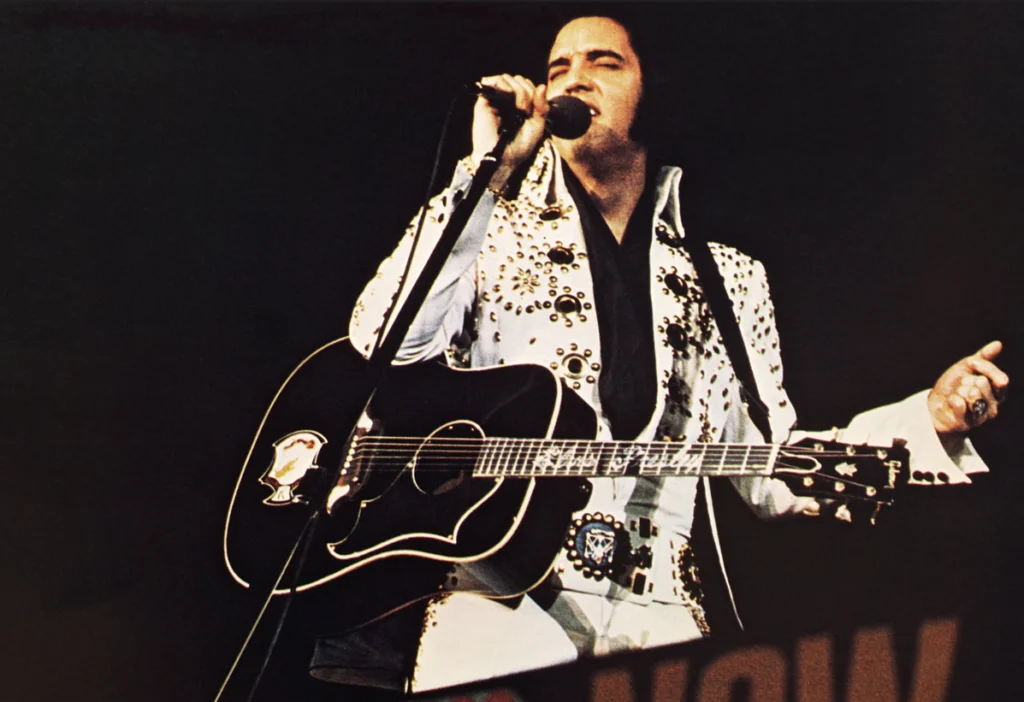
On August 16, 1977, regular television programming was interrupted with the news that Elvis Presley had died. Viewers across the country learned about it almost simultaneously through live TV updates. Many people remember exactly where they were when the announcement came on. It felt sudden and unreal.
The next day, television coverage was all anyone could talk about. Clips were replayed, concerts were rebroadcast, and anchors spoke with visible emotion. Even people who were not die hard fans felt the loss deeply. TV became the place where the country collectively processed grief.
15. Jodie Comes Out on Soap
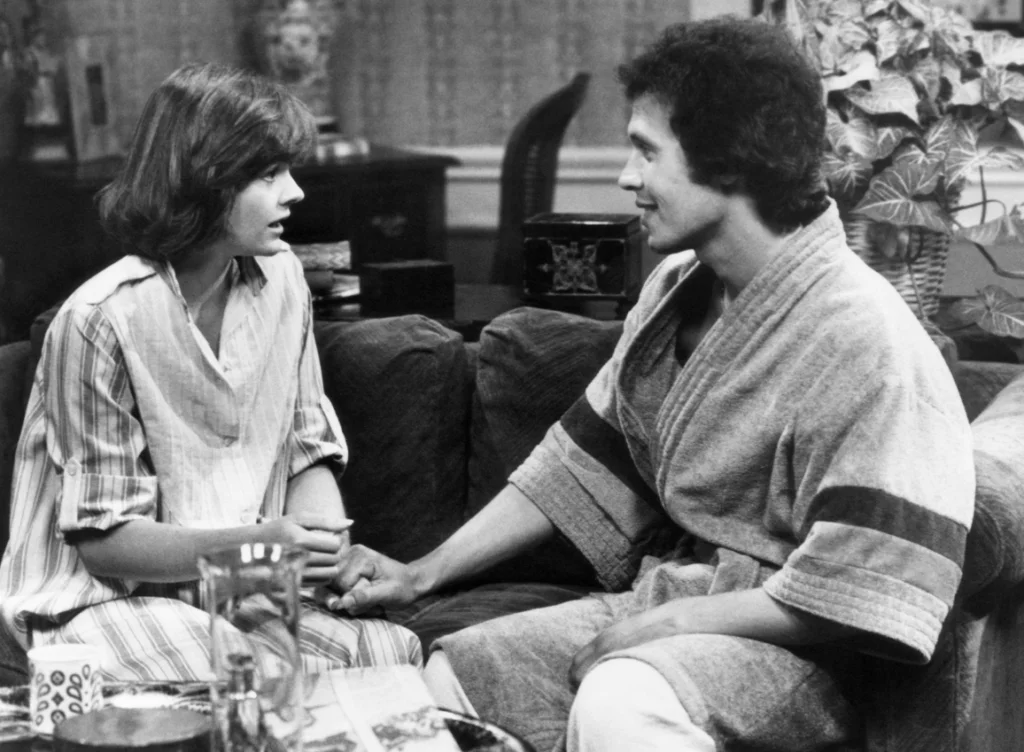
When Soap revealed Jodie Dallas as a gay character in 1977, it immediately became one of the most talked about moments on television. Network TV had never centered a gay character this openly before. The show mixed humor with sincerity, which left audiences unsure how to react.
By the next day, debate was everywhere. Was it progressive or inappropriate. Bold or offensive. Billy Crystal’s performance was widely discussed for its warmth and vulnerability. The episode forced conversations many viewers had never had before.
16. President Nixon Resigns on Live Television
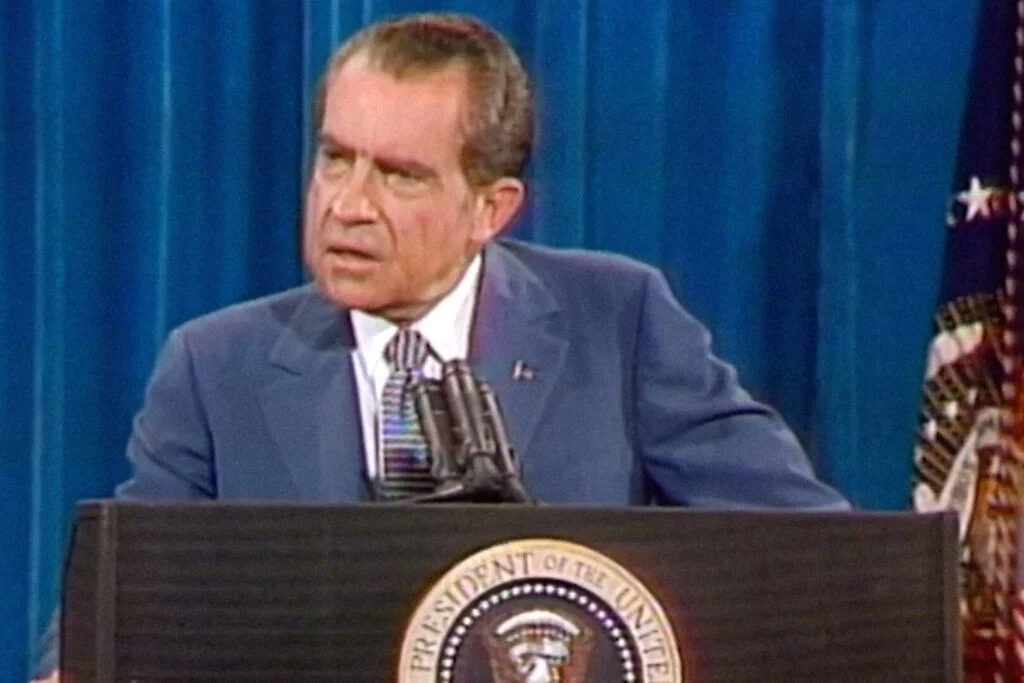
When Richard Nixon announced his resignation in August 1974, millions watched it unfold live on television. There was no script, no filter, and no sense of distance. Families sat quietly, realizing they were witnessing history in real time.
The next day, people replayed Nixon’s words and debated what they meant for the country. Trust in leadership and media shifted overnight. Television proved it could carry the weight of national reckoning. It was a moment viewers never forgot.
17. The Premiere of Dallas Introduces J.R. Ewing
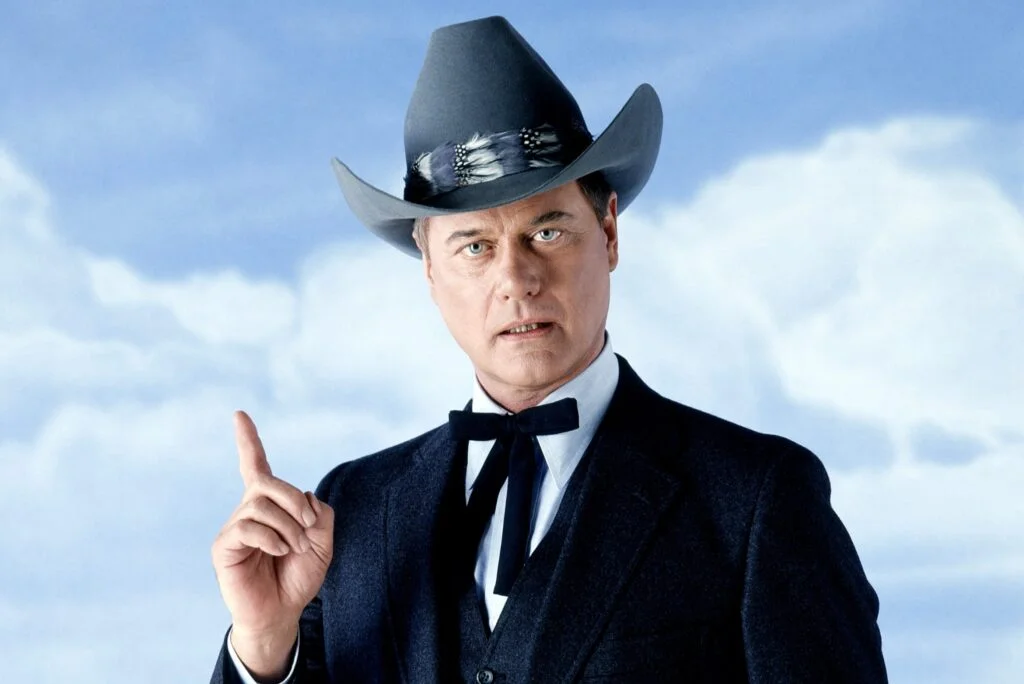
When Dallas debuted in 1978, viewers were immediately drawn to one character in particular, J.R. Ewing. He was charming, ruthless, and impossible to ignore. Soap operas had villains, but this felt different.
The next day, people were already talking about him. Viewers argued over whether they hated him or loved watching him. The glossy nighttime soap style felt new and addictive. Television had found a new kind of antihero, and audiences were hooked.