
1. Game of Thrones
When Game of Thrones filmed its original pilot in 2009, it featured Tamzin Merchant as Daenerys Targaryen. That version of the episode was ultimately scrapped after HBO decided it wasn’t working. A major part of that overhaul included recasting Daenerys entirely. Emilia Clarke stepped into the role when the pilot was reshot. It turned out to be one of the most impactful casting changes in modern TV. Clarke’s performance became central to the show’s identity. It’s hard to imagine the series without her presence now. The original pilot with Merchant has never been publicly released.
The recasting wasn’t widely known at the time, since HBO quietly moved forward with the reshoot. Merchant later spoke about leaving the project, noting it wasn’t the right fit for her. Meanwhile, Clarke went from a relatively unknown actress to an international star. The decision reflects how much networks rely on pilot feedback before committing to a full series. In this case, it helped shape one of the biggest shows of the 2010s. Even fans who know the story still find it surprising. It’s one of the clearest examples of a pilot being completely reworked. And it shows how early casting decisions can shift dramatically.
2. The Big Bang Theory
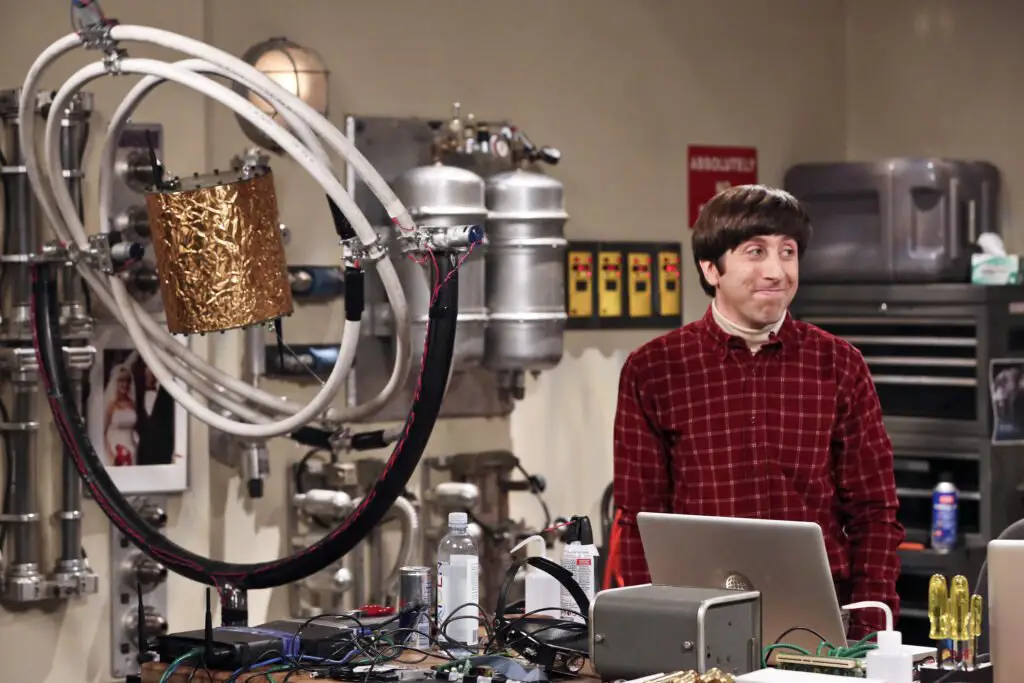
The original pilot of The Big Bang Theory looked very different from what audiences eventually saw. It featured Amanda Walsh as a character named Katie, who was meant to contrast with Sheldon and Leonard. The tone of that pilot leaned a little harsher, especially in how the male leads were portrayed. CBS decided it wasn’t connecting with viewers. When the show was retooled, Katie was removed entirely. In her place, the writers created Penny. Kaley Cuoco was cast in the role.
That change softened the dynamic of the show almost immediately. Penny became a grounding presence and one of the most popular characters. The chemistry between Cuoco and the rest of the cast helped define the series for years. It’s a rare case where a major character was replaced, not just recast. The original pilot was never aired publicly, though clips have circulated. The success of the revised version speaks for itself. The show went on to run for 12 seasons. And it all started with a complete rethink after the pilot.
3. Seinfeld
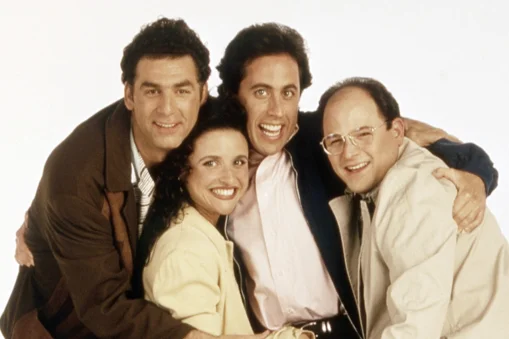
Before Seinfeld became a cultural phenomenon, its pilot had a noticeably different cast. Lee Garlington appeared as a waitress named Claire. She was positioned as a more grounded, conversational counterpart to Jerry. But when NBC picked up the show, the creative team shifted direction. Claire was written out entirely. In her place, they expanded the role of Elaine Benes. Julia Louis-Dreyfus joined the cast in the second episode.
Elaine quickly became one of the defining characters of the series. Her addition balanced the male-heavy dynamic of the original pilot. Garlington’s character is now mostly a footnote in the show’s history. The pilot itself, originally titled The Seinfeld Chronicles, feels like a different show in tone. Once Elaine was introduced, the chemistry clicked into place. It’s one of the most successful course corrections in TV history. The core four cast members became iconic. And it all stemmed from rethinking the pilot.
4. Family Guy
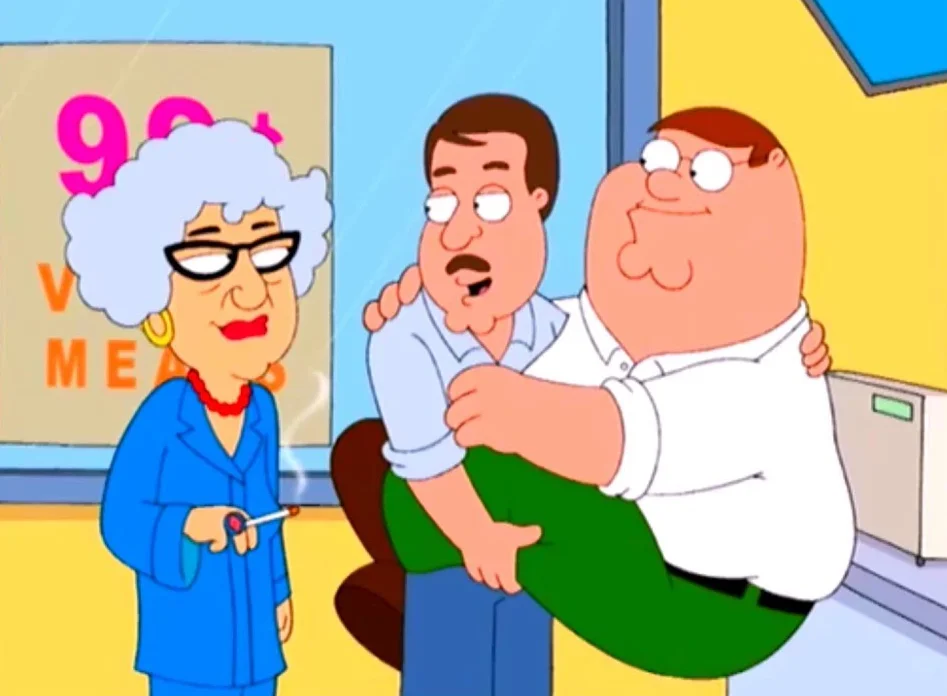
When Family Guy first developed its pilot, the character of Meg Griffin was voiced by Lacey Chabert. She continued voicing Meg through the first season. However, scheduling conflicts with her work on Party of Five made it difficult to continue. After the first production cycle, the role was recast. Mila Kunis took over starting in Season 2. Kunis was only a teenager at the time of casting.
The transition wasn’t heavily explained within the show. Instead, the voice change simply became the new normal. Kunis has remained the voice of Meg ever since. Many viewers today associate the character entirely with her performance. Chabert’s early episodes are still part of the show’s official run. This makes it slightly different from a pure pilot-only change, but the shift happened very early in the show’s life. It’s one of the more subtle casting swaps. Still, it had a lasting impact on the series’ identity.
5. Buffy the Vampire Slayer
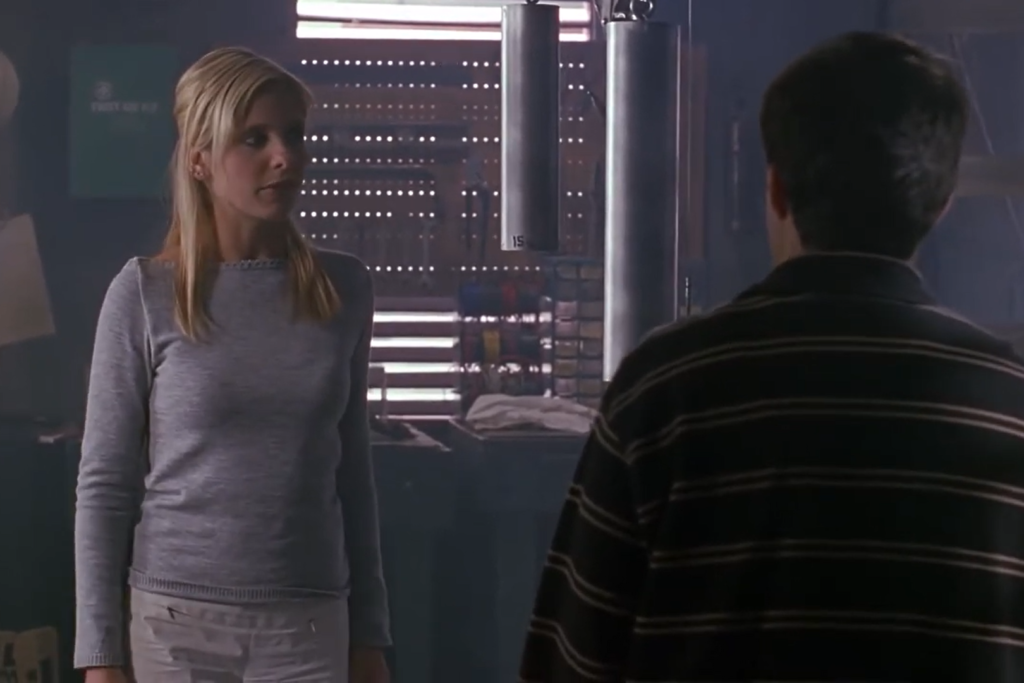
The unaired pilot of Buffy the Vampire Slayer featured Riff Regan as Willow Rosenberg. When the show was picked up, creator Joss Whedon decided to recast the role. Alyson Hannigan was brought in for the aired version. The change altered the tone of the character significantly. Hannigan brought a softer, more vulnerable quality to Willow. That interpretation became central to the series.
The original pilot was never officially broadcast, though it later surfaced online. Fans who have seen it often note how different Willow feels. Hannigan’s performance allowed the character to evolve into one of the show’s emotional anchors. It also contributed to the show’s long-term storytelling arcs. Recasting after a pilot isn’t uncommon, but it doesn’t always work this well. In this case, it clearly did. Willow became one of the most beloved characters. And the decision helped define the show’s legacy.
6. Friends
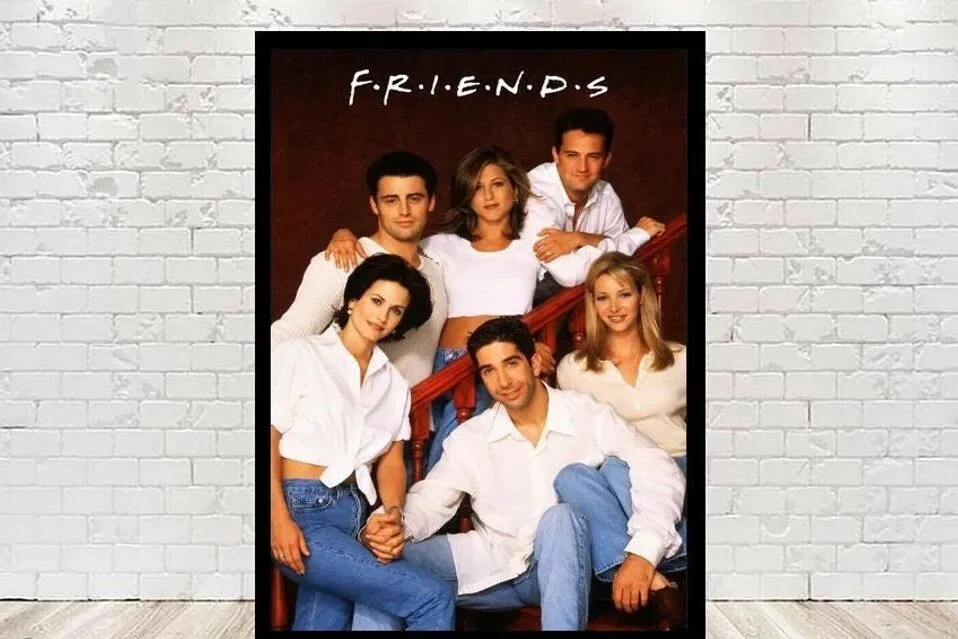
In the early development of Friends, the character of Carol Willick was played by Anita Barone in her first appearance. Barone chose to leave the role after the pilot. The show then recast Carol with Jane Sibbett. Sibbett’s version became the one audiences recognized throughout the series. Carol’s storyline, particularly involving Ross and Susan, became an important recurring element. The recasting happened quickly and without major disruption.
Sibbett brought a different energy to the character, leaning more into warmth and subtle humor. The change wasn’t heavily addressed on-screen. Most viewers likely never noticed unless they revisited the earliest episode. It’s a good example of a supporting role being refined after the pilot. The show itself was still finding its rhythm at that point. Once the main cast dynamics solidified, smaller adjustments like this helped round things out. Carol remained a memorable part of the show. Even if her origin was slightly different.
7. The Fresh Prince of Bel-Air
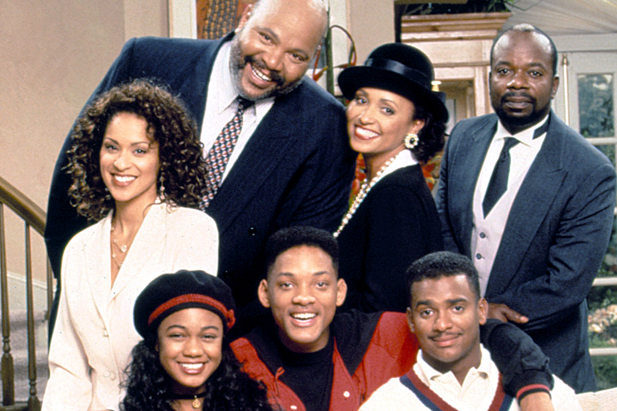
The pilot of The Fresh Prince of Bel-Air included Janet Hubert as Aunt Viv, and she continued in the role for several seasons. However, the show also featured a different actress in a smaller early role that didn’t carry forward. More notably, after Season 3, Aunt Viv herself was recast with Daphne Maxwell Reid. While not strictly a pilot-only change, the groundwork for character adjustments began early. The show was still evolving its tone and ensemble.
The shift between Hubert and Reid became one of the most discussed recastings in sitcom history. Their portrayals of Aunt Viv were noticeably different. Hubert’s version was more assertive and outspoken. Reid’s interpretation leaned more toward warmth and composure. Though the major change happened later, early casting experimentation around the pilot phase set the stage. It shows how shows can continue evolving even after debut. The series remained successful despite the changes. But fans still debate which version they prefer.
8. Star Trek
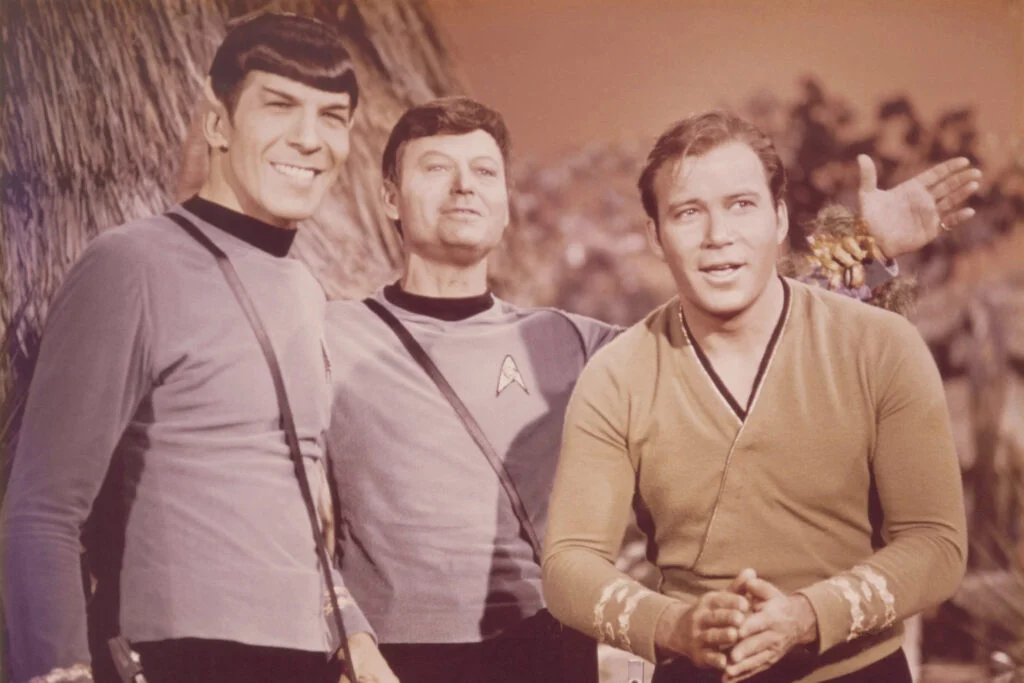
The original pilot of Star Trek, titled “The Cage,” featured Jeffrey Hunter as Captain Christopher Pike. NBC rejected that pilot, prompting a second one. When the show was reworked, Hunter did not return. William Shatner was cast as Captain James T. Kirk. This fundamentally changed the direction of the series. Kirk’s personality differed significantly from Pike’s more reserved leadership style.
The second pilot, “Where No Man Has Gone Before,” was approved and led to the series. Shatner’s performance became iconic. Meanwhile, Pike remained part of the franchise’s extended lore. The original pilot was eventually aired years later in a different format. This is one of the most famous pilot-related casting changes in TV history. It illustrates how networks sometimes require major revisions before committing. The success of Star Trek speaks for itself. And it all hinged on that early recasting decision.
9. Cheers
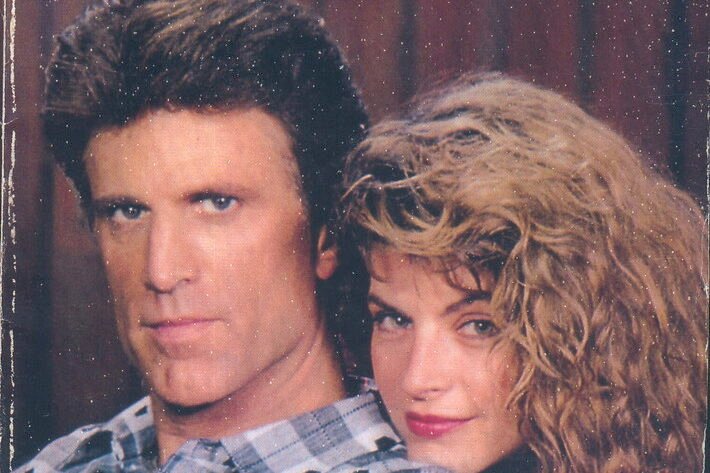
In the pilot of Cheers, the character of Diane Chambers was already played by Shelley Long, but another role underwent changes. The character of Coach, played by Nicholas Colasanto, remained consistent, but the show experimented with minor casting before settling. One notable shift came after Colasanto’s death, though that was later. The early episodes still reflect adjustments made from the pilot stage. Casting stability took a few episodes to fully lock in.
The show quickly found its rhythm once the main ensemble solidified. Later additions like Woody Harrelson further changed the dynamic. While not a dramatic pilot recast like some others, it still reflects how shows evolve from their initial episode. The chemistry between characters became the show’s defining strength. Early casting tweaks helped get it there. It’s a reminder that even successful pilots often undergo refinement. And Cheers is a strong example of that process.
10. Full House
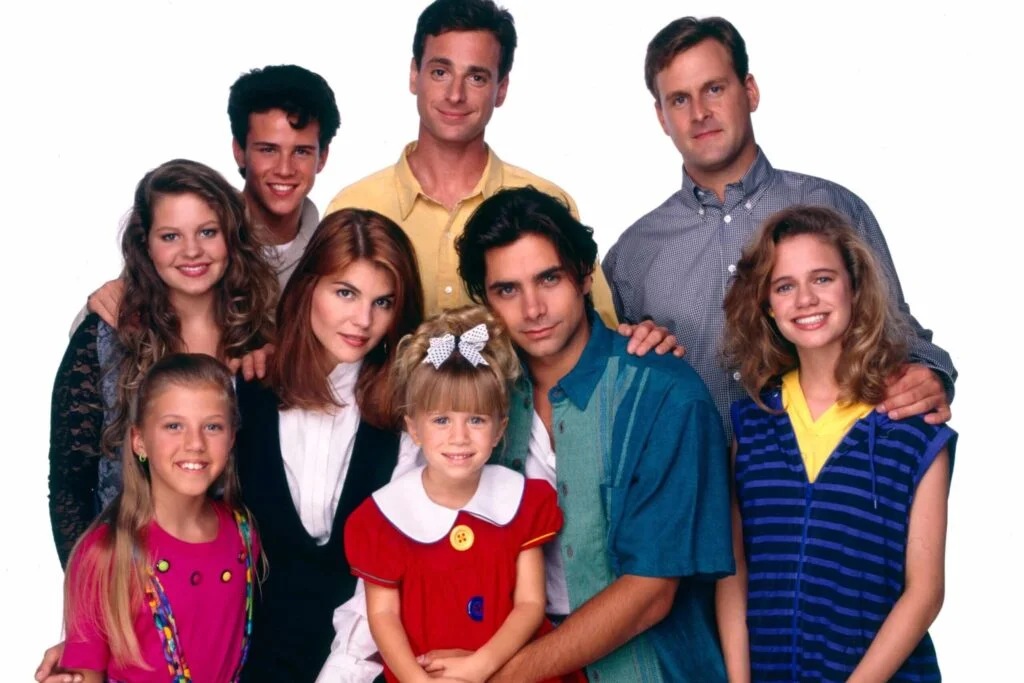
In the pilot of Full House, the character of Danny Tanner was played by John Posey. However, scheduling conflicts prevented him from continuing. The role was recast with Bob Saget before the show officially aired. Saget’s version of Danny became widely recognized. His comedic style helped define the show’s tone. The pilot was reshot with him in the role.
This change is one of the more straightforward examples of pilot recasting. Posey’s involvement is largely unknown to casual viewers. Saget brought a mix of warmth and humor that resonated with audiences. The show went on to become a staple of family television. It ran for eight seasons and remained popular in syndication. The recasting likely contributed to its success. It’s a clear case of getting the right fit before launch. And it paid off.
11. The Walking Dead
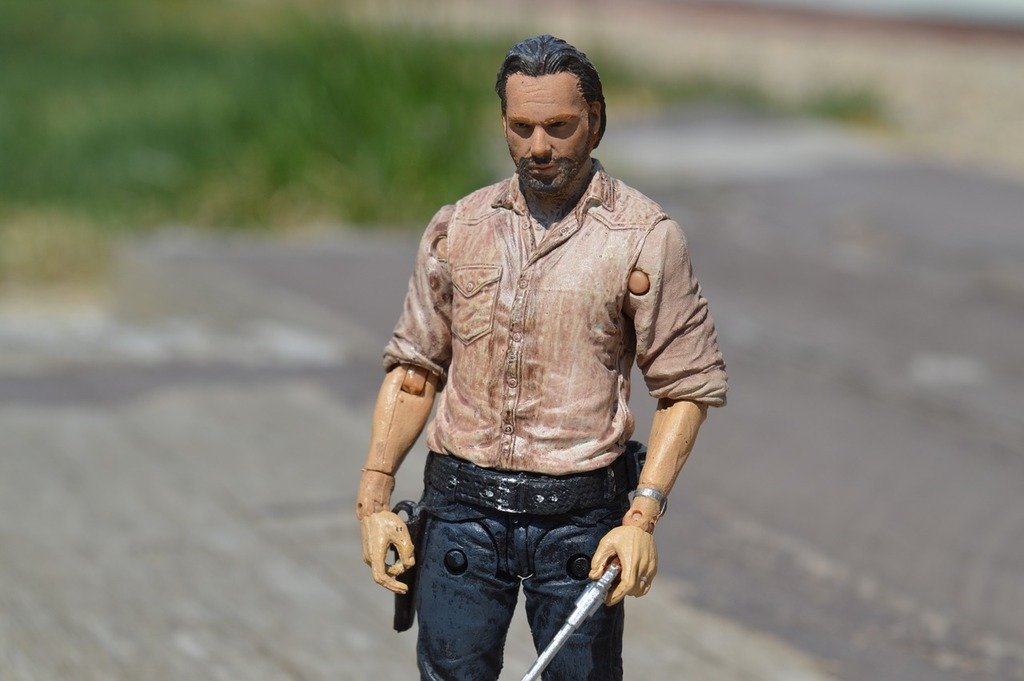
The pilot of The Walking Dead remained largely consistent, but one role changed shortly after. Melissa McBride continued as Carol, but another early casting decision didn’t carry forward. The show refined its supporting cast after the pilot was completed. This included adjusting character dynamics and future story arcs. While not a major recast within the pilot itself, early production changes shaped the ensemble.
The show’s long-term success depended heavily on character development. Early tweaks helped align the cast with the story’s direction. It’s a less obvious example, but still relevant. Pilot episodes often serve as testing grounds. Not every casting decision survives beyond that stage. In this case, the changes were more subtle. But they still contributed to the show’s evolution. And they demonstrate how flexible early production can be.
12. Boy Meets World
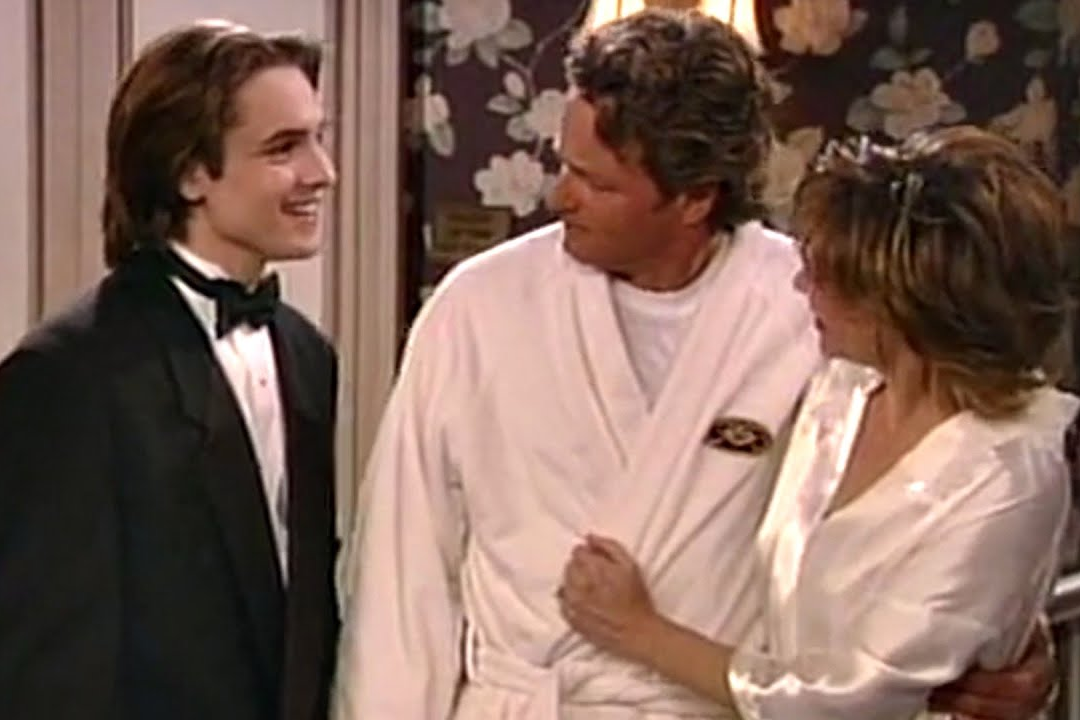
In the pilot of Boy Meets World, the character of Topanga was not originally part of the main cast. The show initially focused more narrowly on Cory and Shawn. As the series developed, Topanga was introduced and became central. Danielle Fishel took on the role. Though not a direct recast, it reflects how the show restructured its core characters after the pilot.
Fishel’s performance became a defining part of the series. Topanga evolved into one of the most recognizable characters. The decision to expand the cast changed the show’s direction. It added emotional depth and long-term storylines. While technically different from a recasting, it still stems from pilot adjustments. The show grew significantly from its original concept. And that evolution helped sustain it. It’s a reminder that pilots are often just a starting point.
13. The Office
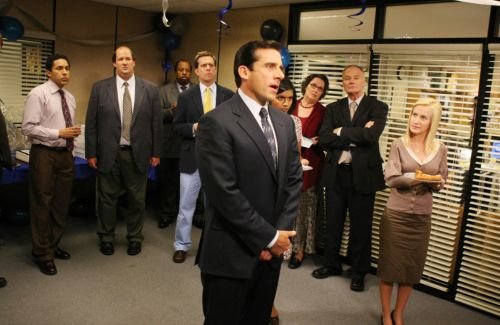
The pilot of The Office closely mirrored the British version. However, some character dynamics were adjusted immediately afterward. One early role, played by a different supporting actor, did not continue. The show refined its cast as it moved beyond the pilot. Steve Carell remained central, but the ensemble shifted slightly. These changes helped the show find its unique voice.
As the series progressed, it moved away from direct imitation. The cast chemistry improved significantly after the first few episodes. Early casting tweaks played a role in that transition. It’s not a dramatic recast example, but still relevant. Many shows adjust supporting roles after the pilot. This helps fine-tune the tone. In this case, it contributed to long-term success. And it helped The Office become a standout sitcom.
14. Parks and Recreation
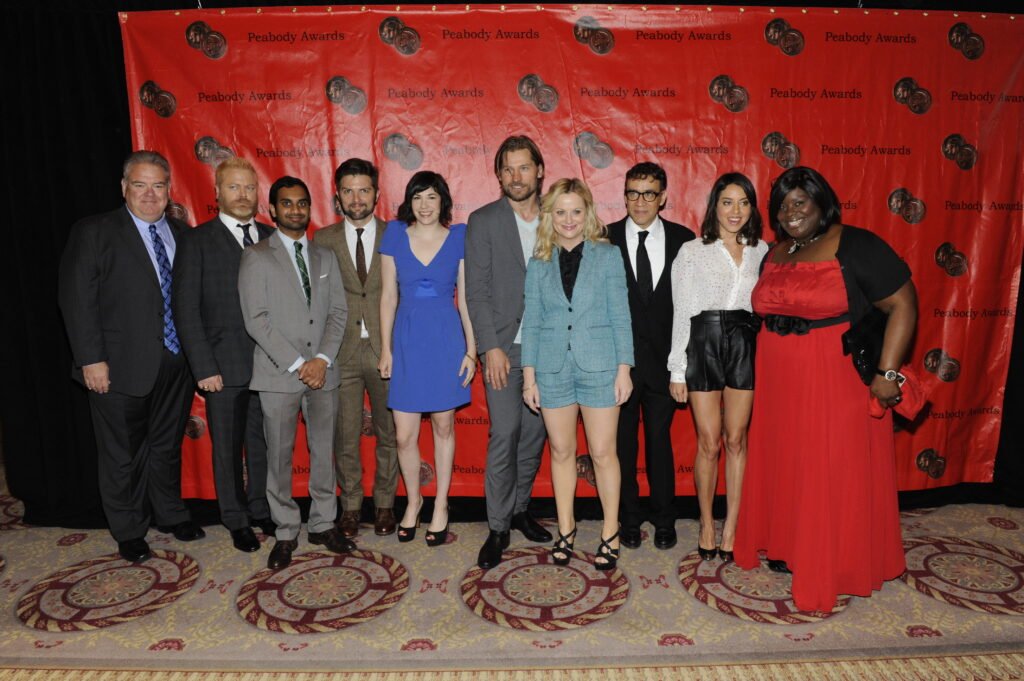
The pilot of Parks and Recreation featured a slightly different tone and character dynamic. One early character, Mark Brendanawicz, was present but later written out. Paul Schneider played the role initially. Though he appeared beyond the pilot, the show reworked its ensemble soon after. New characters like Ben Wyatt and Chris Traeger were introduced later. These changes reshaped the series.
The early episodes feel different compared to what the show became. The cast adjustments helped it find a stronger identity. Amy Poehler remained the anchor throughout. But the supporting cast evolved significantly. This reflects how shows often refine their direction after the pilot. Even if changes aren’t immediate, they stem from early feedback. In this case, the evolution was gradual. And it ultimately led to a much stronger series.