
1. A Lifetime of Studio Control Took Its Toll
By the time Judy Garland reached her final years, the effects of her early career were still shaping her life. As a teenager under contract at Metro-Goldwyn-Mayer, Garland was subjected to strict control over her weight, appearance and schedule. She was reportedly given stimulants to keep up with long filming hours and barbiturates to sleep. Those habits, introduced when she was still a minor, followed her into adulthood. Even decades later, she struggled with dependency and exhaustion. The system that made her a star also left her physically and emotionally depleted. By the late 1960s, that long history was catching up with her in very visible ways. It was not a sudden decline but the result of years of pressure.
In her final stretch, Garland was still dealing with the lingering consequences of that early conditioning. Her energy could fluctuate dramatically, especially when she was working. Friends and collaborators often noted that she could be brilliant one night and completely worn down the next. That inconsistency made it harder for her to secure stable work. It also affected her confidence, which had always been fragile despite her immense talent. Looking back, many historians point to her MGM years as the foundation of those later struggles. The structure that once supported her had long since disappeared. What remained were habits that were difficult to break.
2. Financial Troubles Never Fully Went Away

Despite decades of success, Garland’s finances were often unstable. She earned significant money during her career, especially in the 1940s and 1950s, but much of it was mismanaged or spent quickly. By the late 1960s, she was dealing with mounting debts and tax issues. She frequently accepted performance gigs not just out of passion but out of necessity. Concert tours became one of her primary ways to stay afloat financially. That pressure added another layer of stress to an already difficult period. Even successful shows did not always translate into long-term security.
Her financial situation also affected her personal life. Housing instability became a real concern, and she sometimes relied on friends for support. There were periods when she struggled to maintain a permanent residence. That kind of instability made it harder to recover physically and emotionally. It also meant she had to keep working even when she was unwell. For someone already dealing with health challenges, that cycle was difficult to sustain. The financial strain never fully eased before her death. It remained a constant background issue in her final years.
3. Her Comeback Efforts Were Real but Uneven

Garland made several attempts at a comeback in the 1960s, and some of them were genuinely successful. Her 1961 concert at Carnegie Hall is often cited as one of the greatest live performances in music history. That success showed she still had extraordinary talent and audience appeal. However, maintaining that level of performance consistently proved difficult. By the late 1960s, her appearances were more unpredictable. Some shows were widely praised, while others were cut short or canceled. That inconsistency affected her reputation with promoters and audiences.
Even so, there were moments when her old brilliance returned. When she was well, her voice and stage presence could still captivate a crowd. Audiences often responded with deep affection, aware of her struggles but still moved by her performances. Those highs made the lows even more noticeable. Critics and fans alike began to view her appearances as uncertain events. That unpredictability made booking her riskier for venues. Still, she continued trying to rebuild her career. The effort itself showed how committed she remained to performing.
4. Television Did Not Provide Long-Term Stability

In 1963, Garland starred in The Judy Garland Show, which was intended to reestablish her as a major television presence. The show featured high-profile guests and showcased her musical talent. While it received critical praise, it struggled in the ratings, partly due to tough competition from Bonanza. The series was canceled after one season. That cancellation was a significant setback at a time when she needed consistent work. It also reinforced the instability that defined her later career.
The failure of the show had both professional and personal consequences. It limited her access to a steady income and a regular platform. Television could have offered her a more controlled environment than touring. Instead, she had to return to live performances, which were more physically demanding. The cancellation also affected her confidence, which had already been shaken. Despite strong moments on the show, it did not lead to lasting opportunities. It became another example of how difficult it was for her to regain stability. The promise of television never fully materialized for her.
5. Health Issues Became Increasingly Serious
Garland’s physical health declined noticeably in her final years. Years of substance use, combined with chronic stress, took a significant toll on her body. She often appeared extremely thin and fatigued. Insomnia was a persistent issue, which further complicated her ability to perform. Medical care at the time did not always address the root causes of her condition. Instead, treatments sometimes reinforced existing dependencies. That cycle made recovery more difficult.
Her health problems were not always visible to audiences at first. Onstage, she could still summon bursts of energy and emotion. Offstage, however, she often required extended periods of rest. Friends and colleagues reported that she was frequently exhausted. The contrast between her performances and her private condition became more pronounced. As her health worsened, cancellations became more common. It became clear that she was struggling to maintain the demands of her career. These issues ultimately played a major role in her final years.
6. Her London Engagement Became a Turning Point

In 1968 and 1969, Garland performed a series of concerts at the Talk of the Town in London. The engagement was intended to stabilize her career and finances. Some performances were well received, with audiences showing strong support. However, others were marked by lateness or early endings. British critics were sometimes harsher than their American counterparts. The mixed reception added to the pressure she was already feeling.
Despite the challenges, those London shows were significant. They represented one of her last major professional commitments. The engagement also placed her far from her usual support system. That distance may have made it harder for her to manage her health and schedule. Audience reactions varied from deeply sympathetic to openly frustrated. The inconsistency mirrored what had been happening in her career for years. Even so, she continued to take the stage whenever she could. The London run became one of the defining chapters of her final period.
7. Her Marriage to Mickey Deans Was Brief
In March 1969, Garland married Mickey Deans, her fifth husband. The marriage took place just a few months before her death. Deans was involved in the nightclub and music scene, and the two had met through mutual connections. Their relationship developed quickly during a turbulent time in her life. Some friends expressed concern about how fast things moved. Others hoped the marriage might provide her with stability.
The reality was more complicated. Garland was still dealing with significant personal and professional challenges. While Deans was present during her final months, the relationship did not resolve her underlying struggles. The timing of the marriage has often been viewed as reflective of her search for support. It also highlighted how isolated she could feel during that period. The relationship remains a subject of discussion among biographers. It was a brief but notable part of her final chapter. Ultimately, it did not change the trajectory of her health.
8. Her Relationship with Her Children Was Complex
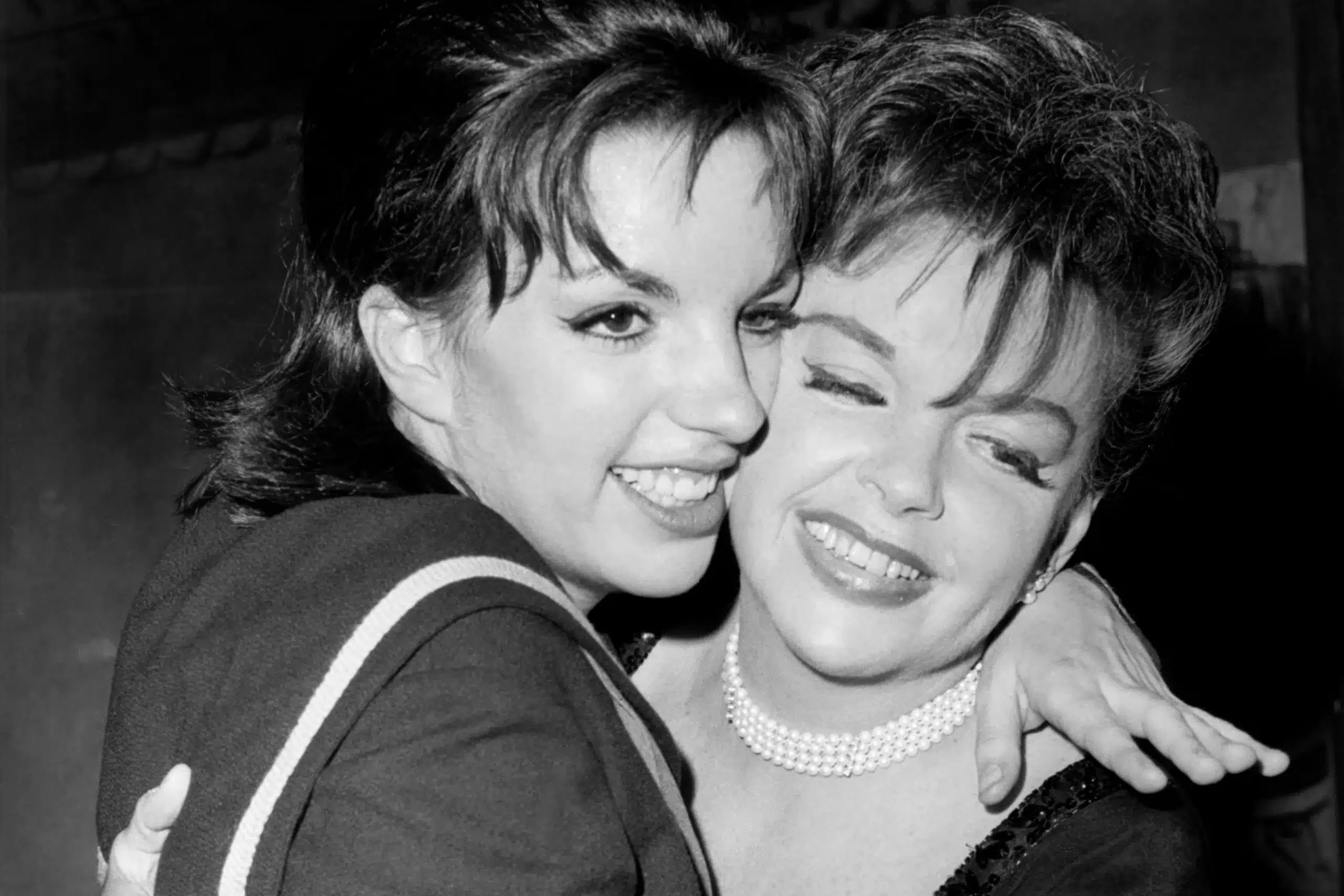
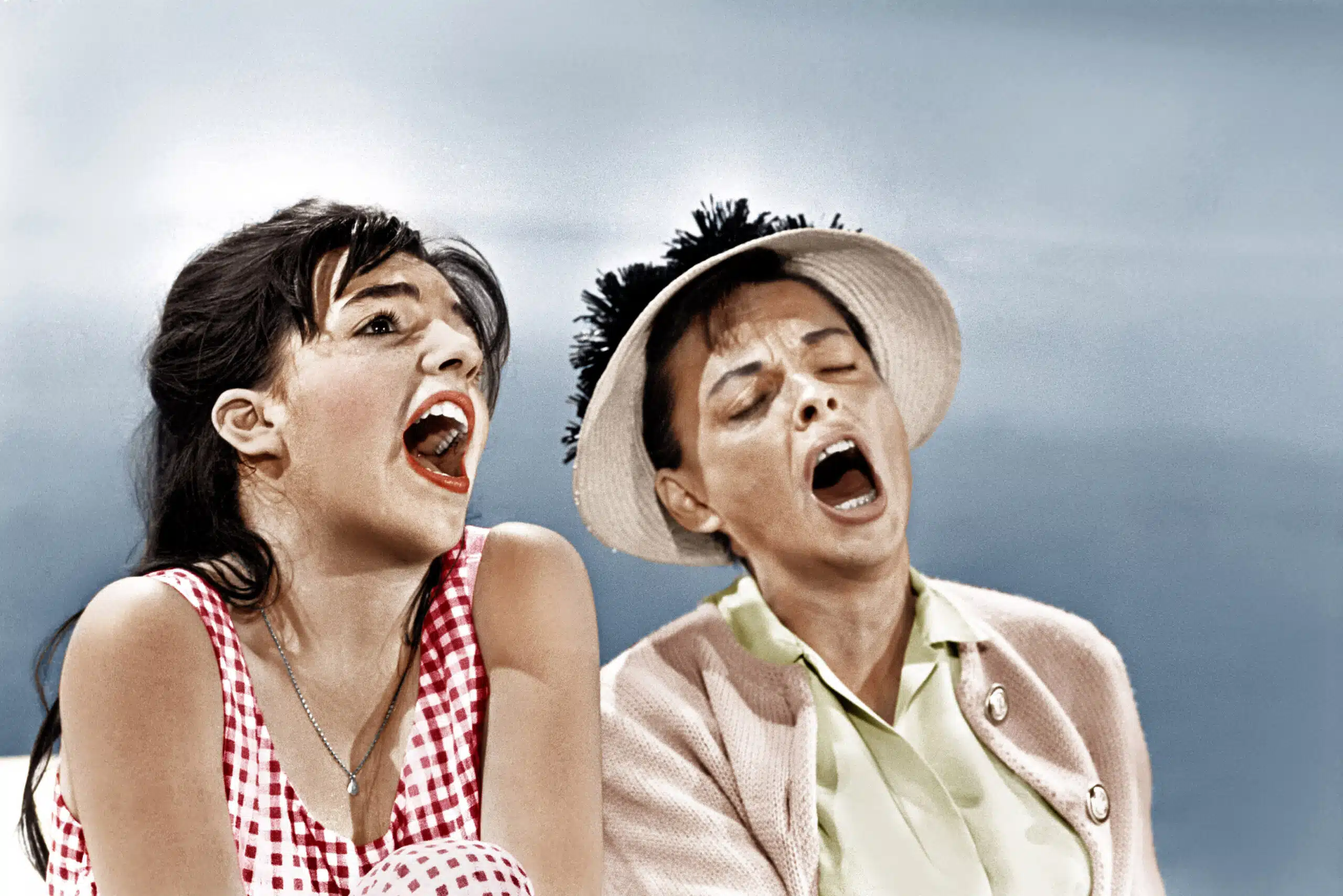
Garland had three children, including Liza Minnelli, who would go on to have a major career of her own. Her relationship with her children was deeply loving but also complicated by her lifestyle. Periods of instability sometimes meant she was not always present in a consistent way. Despite that, her children have spoken about her warmth and sense of humor. They also witnessed her struggles firsthand. Those experiences shaped their understanding of her as both a mother and a performer.
In her final years, maintaining those relationships could be challenging. Travel, work commitments and health issues often kept her apart from her children. Still, there were moments of closeness and connection. Minnelli, in particular, remained an important figure in her life. The family dynamic reflected the broader complexities of Garland’s situation. Love and difficulty existed side by side. Her role as a mother was never separate from her career struggles. It was another area where she tried to balance competing demands.
9. Public Perception Shifted in Her Final Years

By the late 1960s, Garland’s public image had changed significantly. She was no longer seen only as the youthful star of The Wizard of Oz. Instead, she was often portrayed as a tragic figure. Media coverage frequently focused on her struggles rather than her accomplishments. That shift influenced how audiences approached her performances. Some came out of nostalgia, others out of concern. The narrative around her became more complicated and, at times, more unforgiving.
At the same time, many fans remained deeply loyal. They recognized the challenges she faced and continued to support her work. This dual perception created a complicated environment for her career. She was both celebrated and scrutinized. That tension added pressure to every public appearance. It also contributed to the unpredictability of her reception. Over time, the tragic narrative began to overshadow her achievements. That shift is still part of how her legacy is discussed today.
10. Work Demands Continued Despite Exhaustion

Even as her health declined, Garland continued to accept demanding performance schedules. Touring required travel, rehearsals and nightly appearances, all of which were physically taxing. For someone already struggling with sleep and energy levels, this was especially difficult. Yet financial necessity often left her with little choice. She pushed herself to meet commitments whenever possible. That persistence was part of what audiences admired about her.
However, the strain was evident. Missed shows and shortened performances became more frequent. Promoters sometimes grew hesitant to book her, knowing the risks involved. That created a cycle where she needed work but had fewer opportunities. The pressure to perform did not ease in her final years. Instead, it intensified as her options narrowed. Her determination to keep working was clear, but it came at a cost. The demands of her profession were ultimately unsustainable for her condition.
11. Her Death Was Ruled an Accidental Overdose
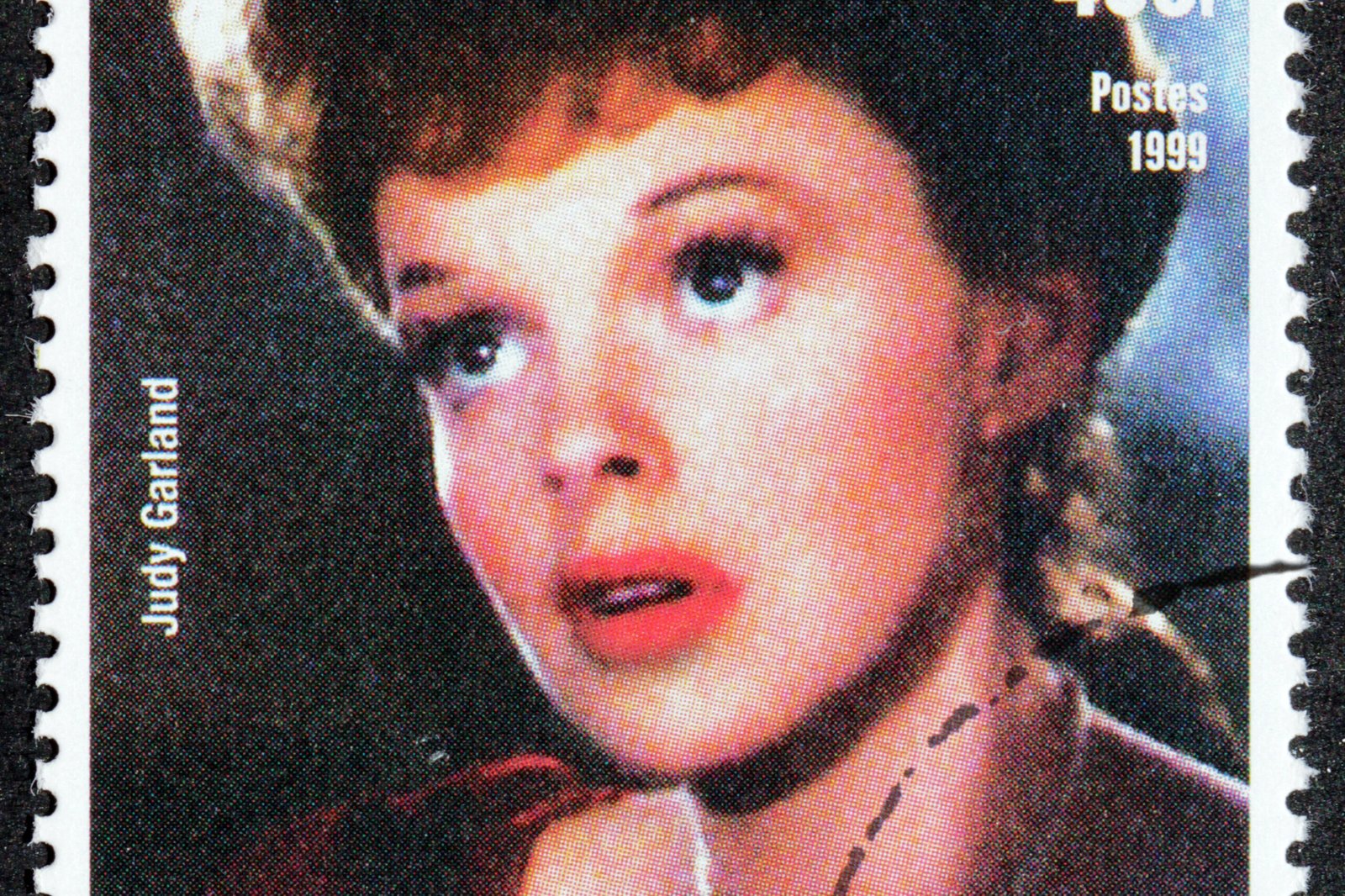
Judy Garland died on June 22, 1969, in London at the age of 47. The official cause of death was an accidental overdose of barbiturates. There was no evidence found to suggest intentional self-harm. This distinction is important, as it clarifies the circumstances surrounding her passing. The medications involved had been a part of her life for many years. Their role in her death reflected a long-standing pattern rather than a single event.
Her death shocked fans around the world. Many had followed her career for decades and felt a strong personal connection to her. The news also prompted renewed discussion about the pressures she faced throughout her life. It highlighted the broader issue of how young performers were treated in the studio era. In the years since, her death has been examined in numerous biographies and documentaries. It remains a key part of her story. The circumstances underscore how complex her final years truly were.
12. Her Legacy Became Even More Powerful After Her Passing
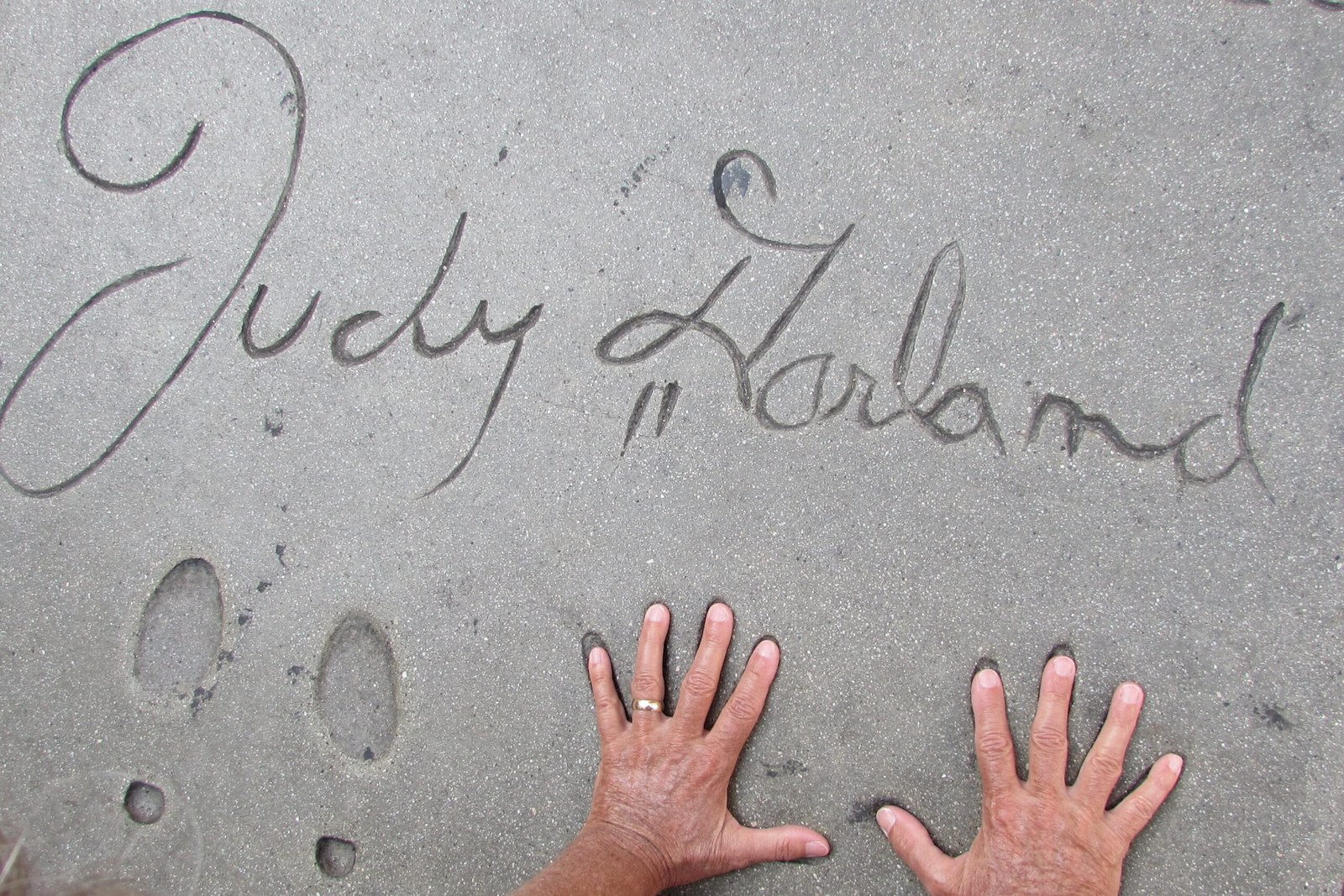
In the years following her death, Garland’s legacy continued to grow. Her recordings, films and performances reached new audiences. She became an enduring symbol of both talent and resilience. Scholars and critics began to reassess her career with greater nuance. They looked not only at her struggles but also at her artistic achievements. This broader perspective helped shift the conversation around her life.
Her influence can still be seen in performers who cite her as an inspiration. Liza Minnelli carried forward aspects of her mother’s style while building her own identity. Garland’s story has also become a case study in the costs of early fame. Discussions about child performers often reference her experience. Over time, her image has evolved from tragedy alone to a more complete understanding of her life. That complexity is part of what keeps her story relevant. Her final years, difficult as they were, are now seen within the full scope of her legacy.