
1. James Dean’s Rise Was Shockingly Fast
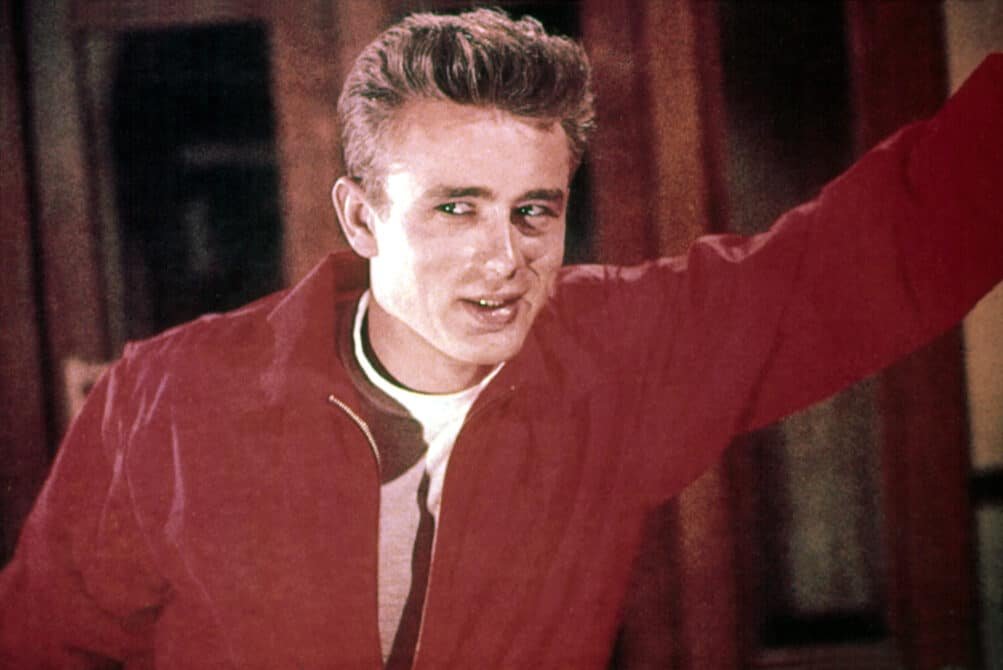
James Dean’s breakthrough happened almost all at once, which is part of why his story still feels so surreal. Before 1955, he had mostly small television roles and bit parts that didn’t hint at the cultural impact he was about to have. Then came East of Eden, released in March 1955, where his performance as Cal Trask immediately drew attention from critics and audiences. It wasn’t just that he was good, it was that he felt different from the polished stars people were used to seeing.
That raw, emotional style made him stand out in a way that was hard to ignore. He wasn’t playing a rebel, he seemed to embody one. Hollywood quickly recognized that he had something rare, and he was suddenly in demand. Within months, he went from relative obscurity to being one of the most talked-about young actors in the country. It was the kind of rapid rise that usually takes years, not a single year.
2. His Three Films Became His Entire Legacy
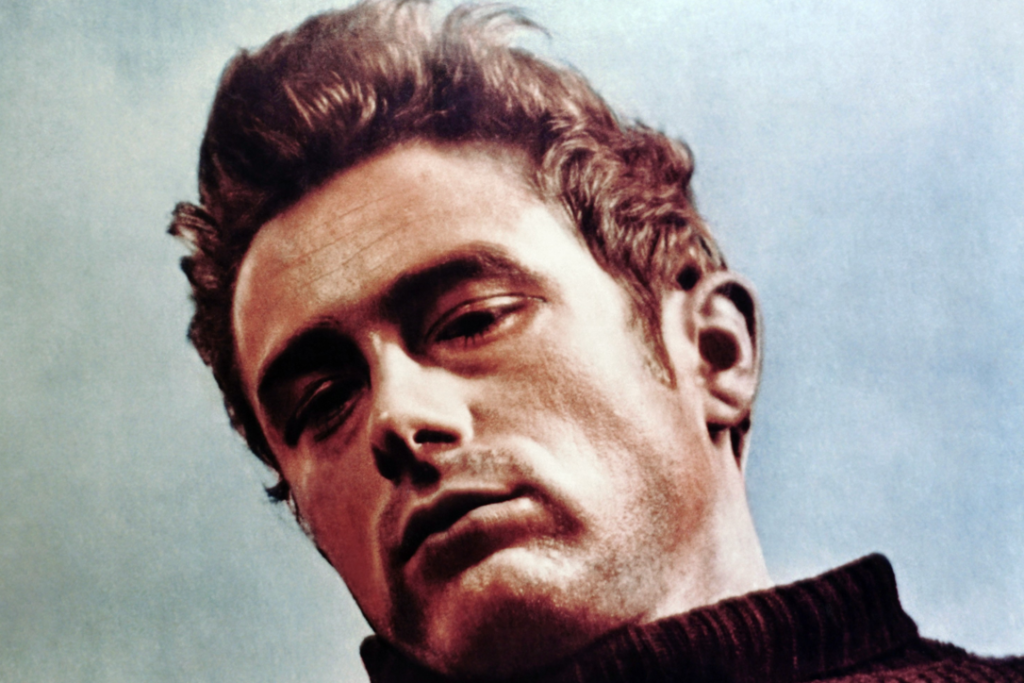
Dean only completed three major films, which still feels almost impossible given his lasting fame. After East of Eden, he starred in Rebel Without a Cause and Giant, both filmed in 1955. Those three roles ended up defining his entire career and public image. There were no later reinventions, no comeback roles, no long filmography to trace.
Because of that, each performance carries more weight than it might have otherwise. Audiences tend to revisit those same films again and again, which keeps his presence alive in a very concentrated way. It also means there’s a sense of “what could have been” tied to everything he did. His career feels unfinished because it quite literally is. That incompleteness is part of why people still talk about him.
3. Rebel Without a Cause Cemented His Image
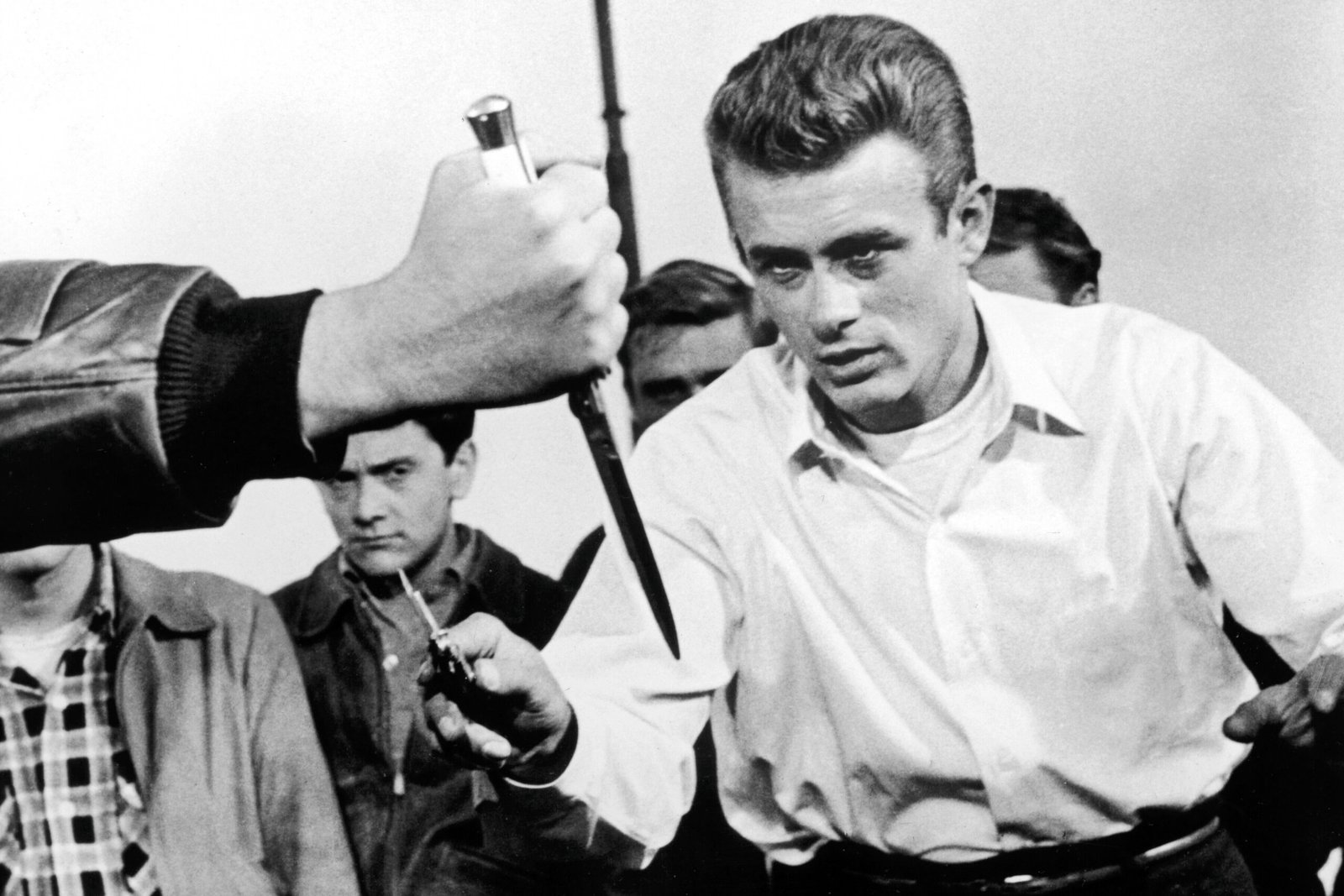
When Rebel Without a Cause premiered in October 1955, it changed how young people were portrayed on screen. Dean’s character, Jim Stark, wasn’t just rebellious for the sake of it, he was confused, frustrated, and searching for something stable. That vulnerability made the performance feel real in a way audiences hadn’t seen before. Teenagers especially saw themselves reflected in him.
The film became a cultural touchstone almost immediately. Dean’s red jacket, his posture, even the way he spoke became iconic. What’s important is that this film came out after his death, which added another layer to its impact. Viewers were watching someone who was already gone, which gave the performance a kind of haunting quality. It helped solidify him as more than just an actor, but a symbol.
4. His Death Happened Before He Became a Superstar
On September 30, 1955, Dean died in a car crash near Cholame at just 24 years old. He was driving his Porsche 550 Spyder to a race event when his car collided with another vehicle. The accident was sudden and fatal, cutting off his career just as it was taking off. At the time of his death, only East of Eden had been released.
That timing is important because it means he never experienced the full extent of his fame. The explosion of interest in his work happened largely after he was gone. His other two films were released posthumously, turning them into events rather than just premieres. It created a situation where his legend grew without him being there to shape it. That absence became part of the story.
5. He Became the First Actor Nominated Posthumously Twice
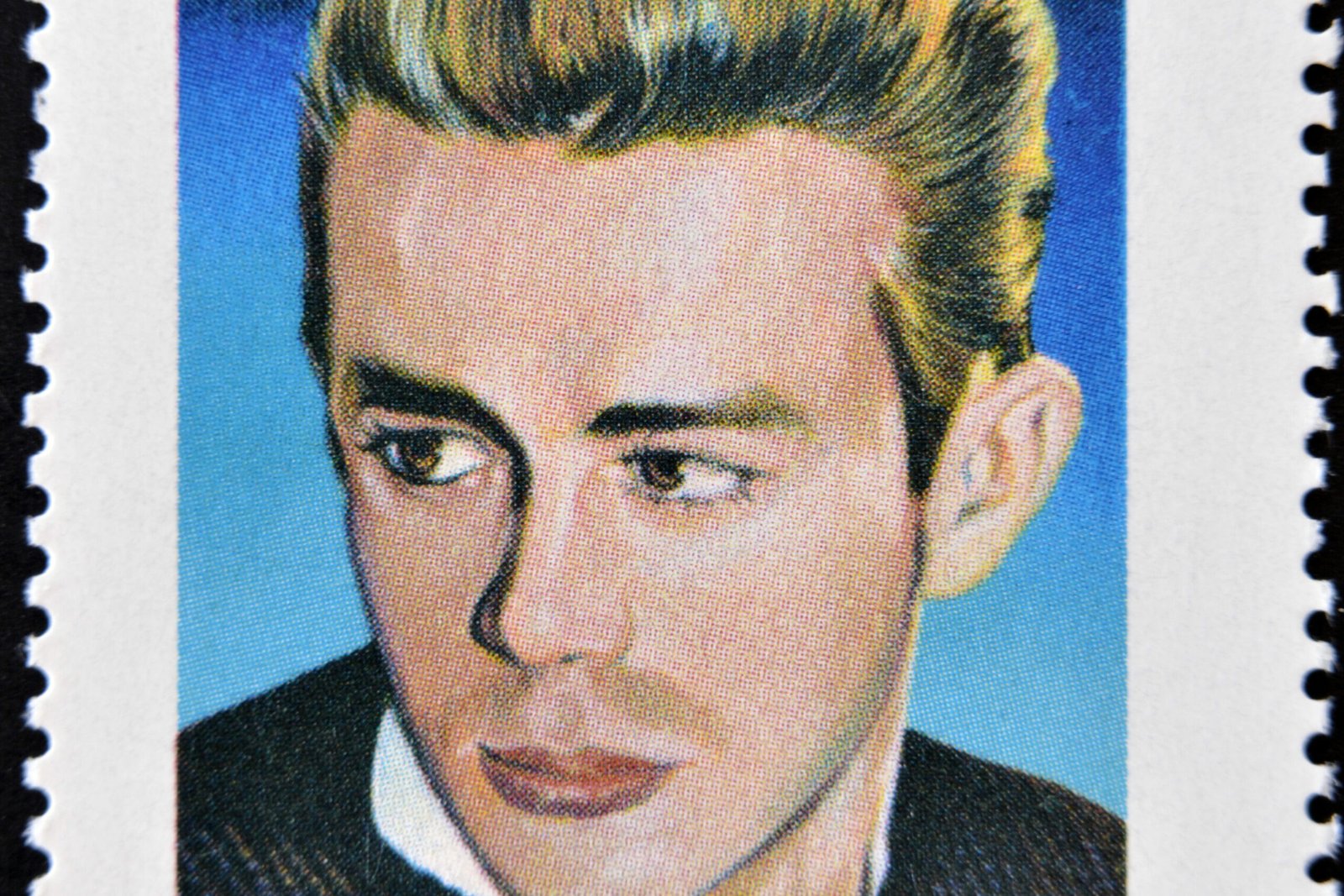
Dean received two Academy Award nominations for Best Actor, both after his death. The first was for East of Eden, and the second for Giant, released in 1956. This made him the first actor in history to receive more than one posthumous acting nomination. It’s a distinction that still stands out in Oscar history.
Those nominations weren’t just symbolic, they reflected how seriously his performances were taken. Critics recognized that he wasn’t just a fleeting sensation, but a genuinely skilled actor. The fact that both nominations came after his passing added to the sense of unfinished potential. It suggested that he was only beginning to show what he could do. That idea has lingered ever since.
6. His Public Image Froze in Time
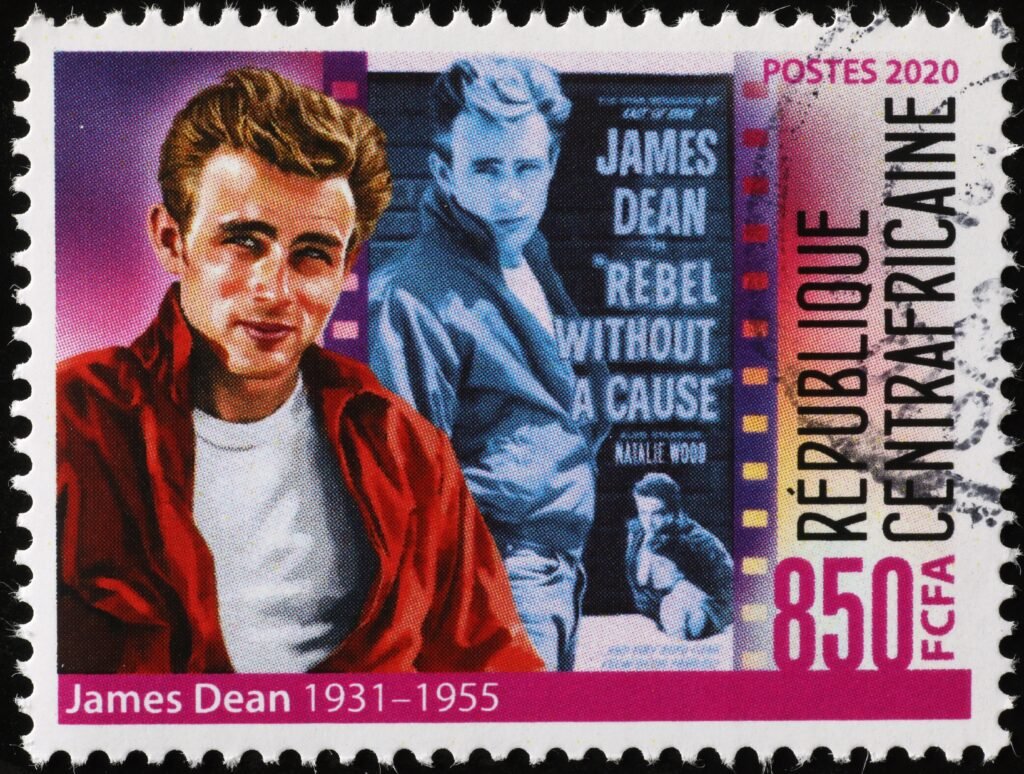
Because Dean died so young, his image never had a chance to evolve. There are no later photos of him aging, no interviews reflecting on his career, no shifts in public perception. He remains permanently in that mid-1950s moment, with the same look and energy people associate with him. That kind of frozen image is rare in Hollywood.
It also makes him feel almost mythological rather than historical. Other actors have long careers that show different phases of their lives, but Dean exists in a single snapshot. That contributes to his continued appeal, especially for younger audiences discovering him for the first time. He doesn’t feel dated in the same way others from that era might. In a sense, he never had the chance to become anything but iconic.
7. The Porsche Became Part of the Legend

The car Dean was driving, often referred to as the “Little Bastard,” became a story of its own after the crash. The wrecked Porsche 550 Spyder was later sold for parts, and over time, various stories circulated about those parts being involved in accidents. These accounts contributed to the idea that the car itself was cursed. While some details are documented, others remain difficult to verify.
What is clear is that the car became inseparable from Dean’s narrative. It added a layer of intrigue and mystery that people continue to revisit. Stories about the vehicle have appeared in books, articles, and documentaries over the decades. Whether fully factual or partly embellished, they’ve helped keep his story in circulation. It’s one of those details that turns a tragedy into a legend.
8. He Influenced Generations of Actors
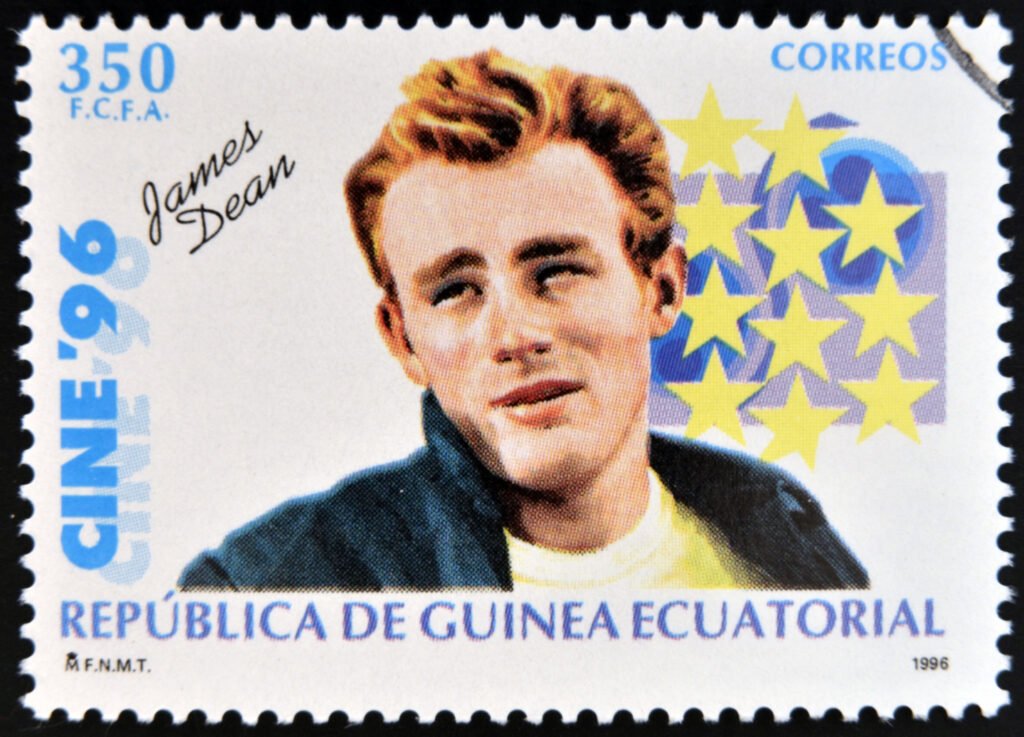
Even with such a short career, Dean’s acting style had a measurable impact on those who came after him. Actors like Marlon Brando and later Al Pacino and Robert De Niro were associated with a more naturalistic, emotionally driven approach that Dean helped popularize. He was part of a shift toward method acting becoming more visible in mainstream films.
That influence is still noticeable today in performances that prioritize realism over theatricality. Dean showed that vulnerability and intensity could exist together on screen without feeling forced. For many actors, he became a kind of reference point, even if indirectly. His work is often studied despite its limited size. That’s a strong indicator of how lasting his impact has been.
9. His Cultural Status Kept Growing Over Time
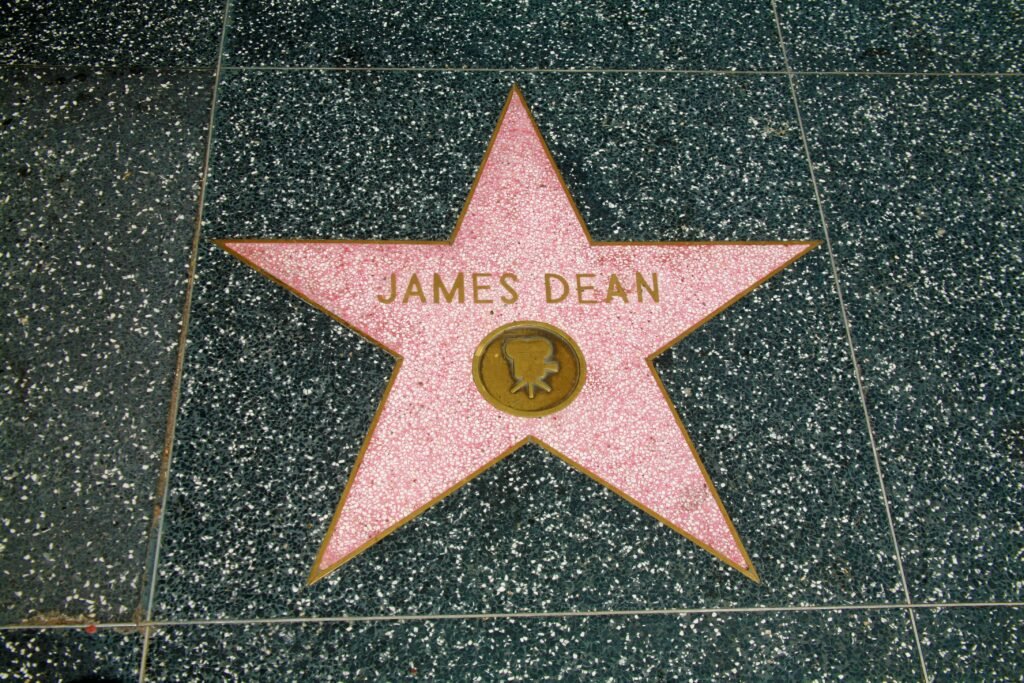
Dean’s fame didn’t fade after the 1950s, it expanded. Posters, books, documentaries, and retrospectives have continued to revisit his life and work. He became a symbol of youth, rebellion, and unrealized potential, themes that resonate across generations. Unlike many actors of his era, his name remained recognizable decades later.
Part of that comes from how compact his story is. It’s easy to tell, easy to revisit, and emotionally compelling. New audiences keep discovering him through the same three films. His image has been reused and referenced in countless ways, from fashion to music. That steady cultural presence has kept him relevant far beyond his lifetime.
10. His Story Became a Blueprint for “Gone Too Soon” Fame
Dean is often one of the first names mentioned when people talk about stars who died young. His story has been compared to figures like Elvis Presley and Kurt Cobain, though the circumstances differ. What connects them is the idea of immense talent cut short before it could fully develop. Dean helped establish that narrative in modern pop culture.
That framing has influenced how audiences interpret other early deaths in entertainment. There’s a tendency to view them through the same lens of lost potential and mythmaking. In Dean’s case, the combination of timing, talent, and tragedy created a particularly powerful example. His story continues to be referenced because it feels both specific and universal. It’s one of the clearest cases of how a career can become legend almost overnight.