1. Saturday Morning Cartoons Were an Event

Saturday mornings felt different from any other day of the week. Kids would wake up early, grab a bowl of cereal, and settle in front of the TV for hours of cartoons that only aired once a week. Shows like The Smurfs, He-Man and the Masters of the Universe, and Scooby-Doo dominated those blocks. There was no streaming or rewinding, so if you missed an episode, it was just gone.
Commercials were just as memorable as the shows themselves, often advertising toys you immediately wanted. Networks structured entire lineups around keeping kids glued to the screen until late morning. Parents often treated it as built-in quiet time. By noon, the cartoons were over, and you had to find something else to do.
2. You Memorized Phone Numbers
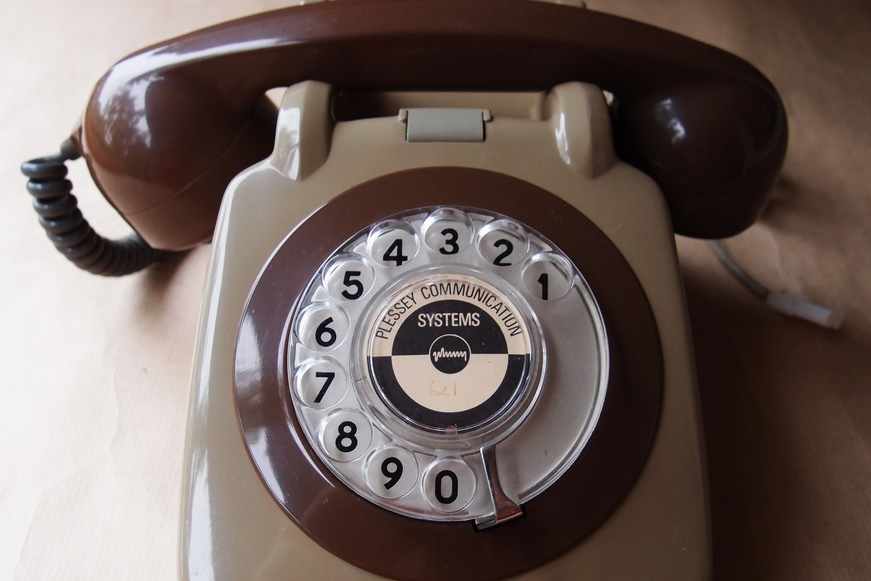
There were no smartphones to store contacts, so memorizing phone numbers was just part of life. Kids often knew their home number, their best friend’s number, and sometimes a few relatives by heart. If you wanted to call someone, you either remembered it or looked it up in a phone book. There was no quick search bar to help you out.
Rotary phones were still common early in the decade, and even push-button phones stayed attached to the wall. Long phone cords stretched across rooms for privacy. If someone else was on the phone, you had to wait your turn. It made every call feel a little more deliberate.
3. Video Games Meant Arcades First

Before home consoles fully took over, arcades were the place to be. Games like Pac-Man, Donkey Kong, and Galaga drew crowds, and kids lined up with pockets full of quarters. The sounds and flashing lights created a very specific atmosphere that people still remember. It was social, competitive, and sometimes a little chaotic.
Home systems like the Atari 2600 and later the Nintendo Entertainment System became more common as the decade went on. Even then, graphics were simple and games were often difficult. You had limited lives and no saving progress in many cases. Losing meant starting over from the beginning.
4. Riding Bikes Until the Streetlights Came On
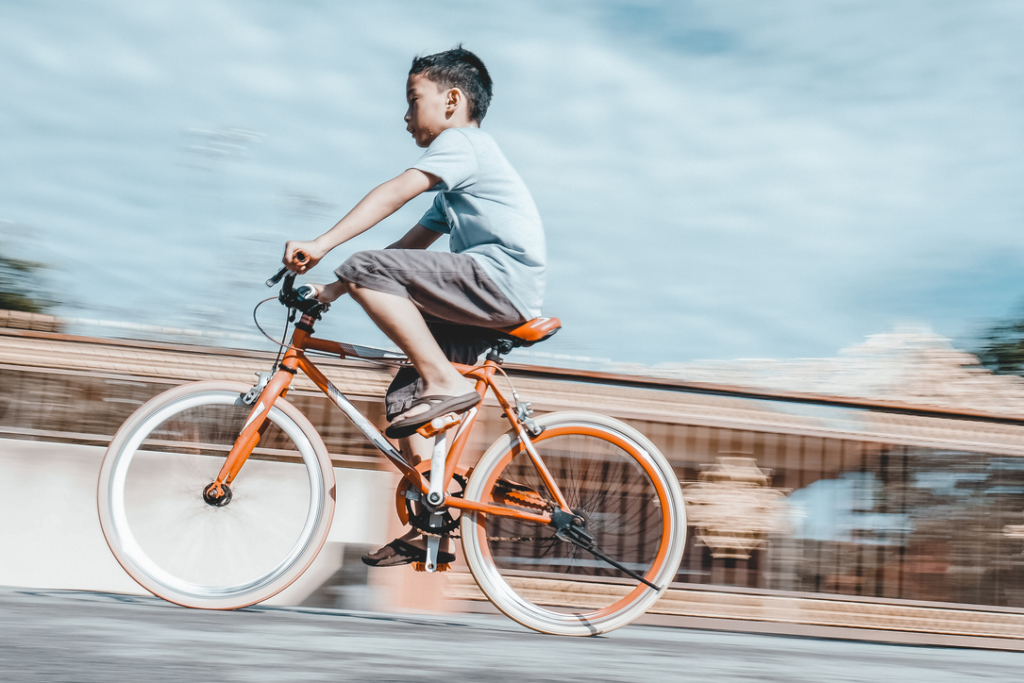
Parents often gave kids a simple rule, be home when the streetlights turn on. That meant hours of riding bikes, exploring neighborhoods, and playing outside with friends. There was very little direct supervision compared to today. Kids made up games, built ramps, and learned boundaries through experience.
Helmets were not always common early in the decade, and safety expectations were looser. You might ride miles away without checking in. If plans changed, there was no easy way to communicate. You just figured it out and came home later.
5. Music Came from Tapes and Boomboxes
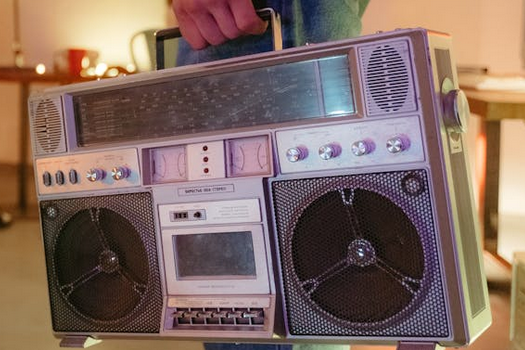
Cassette tapes were a major part of everyday life. You could buy albums or record songs off the radio onto blank tapes. Making a mixtape for a friend was a thoughtful and time-consuming process. Timing mattered, especially if you were trying to avoid the DJ talking over the intro.
Boomboxes were everywhere, from bedrooms to sidewalks. They made music portable in a way earlier generations did not have. You had to rewind and fast-forward to find songs, which took patience. Still, it felt personal and hands-on.
6. The Mall Was a Social Hub

Shopping malls were more than just places to buy things. They were central gathering spots for teens and families. You could spend hours walking around, visiting stores, and running into people you knew. Food courts became popular during this time and added to the experience.
Arcades, record stores, and movie theaters often sat inside or nearby. It was one of the few places where teens could socialize freely. Hanging out did not require a specific plan. Just being there was enough.
7. Movies Were a Big Deal on VHS
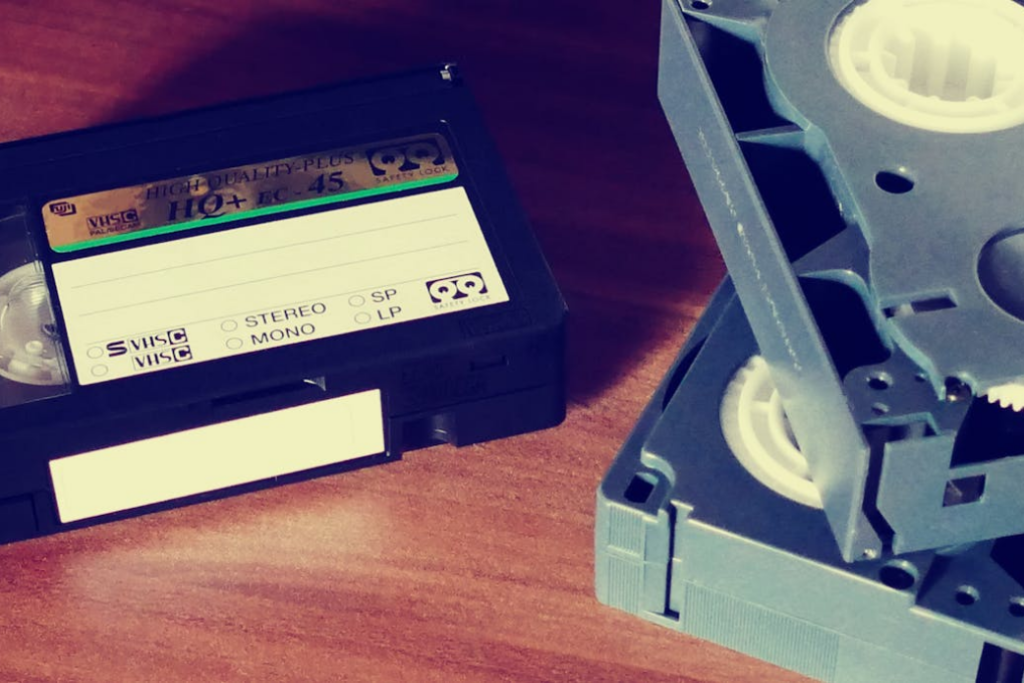
Video rental stores changed how people watched movies. Instead of waiting for something to air on TV, families could rent films and watch them at home. Stores like Blockbuster became part of weekly routines. Picking out a movie felt like an event in itself.
VHS tapes had to be rewound before returning them. Late fees were common if you forgot. Choices were limited by what was available on the shelves. If a popular movie was out, you had to come back later and hope it was returned.
8. School Projects Meant the Library
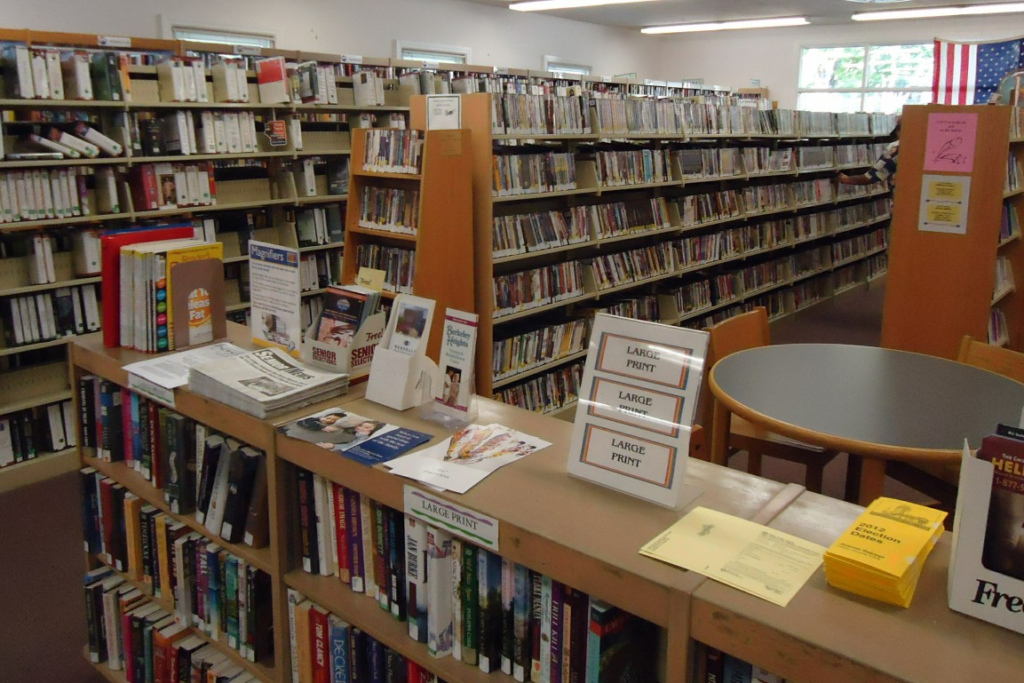
Research meant going to the library and physically finding information. Card catalogs helped you locate books, and encyclopedias were a key resource. There was no internet to provide instant answers. You had to piece information together from multiple sources.
Copying information meant writing it down by hand or using a copier if one was available. Librarians were often essential guides in the process. It took more time, but you learned how to search and evaluate information. That skill became second nature.
9. Fashion Was Bright and Bold
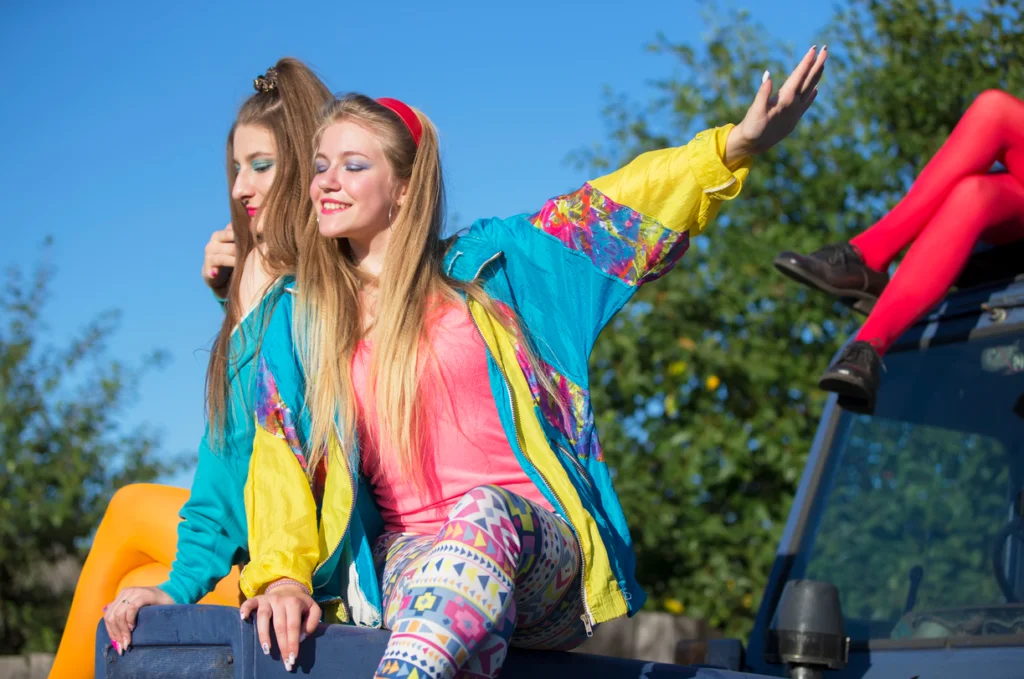
Clothing in the ’80s stood out in a way that is easy to recognize. Neon colors, leg warmers, acid-wash jeans, and oversized sweatshirts were everywhere. Athletic brands and casual wear became more mainstream. Kids often followed trends influenced by music and TV.
Hair and accessories were just as noticeable, from scrunchies to large sunglasses. Trends shifted quickly, but individuality still showed through. What you wore could say a lot about your interests. It was expressive and sometimes a little over the top.
10. TV Was Appointment Viewing
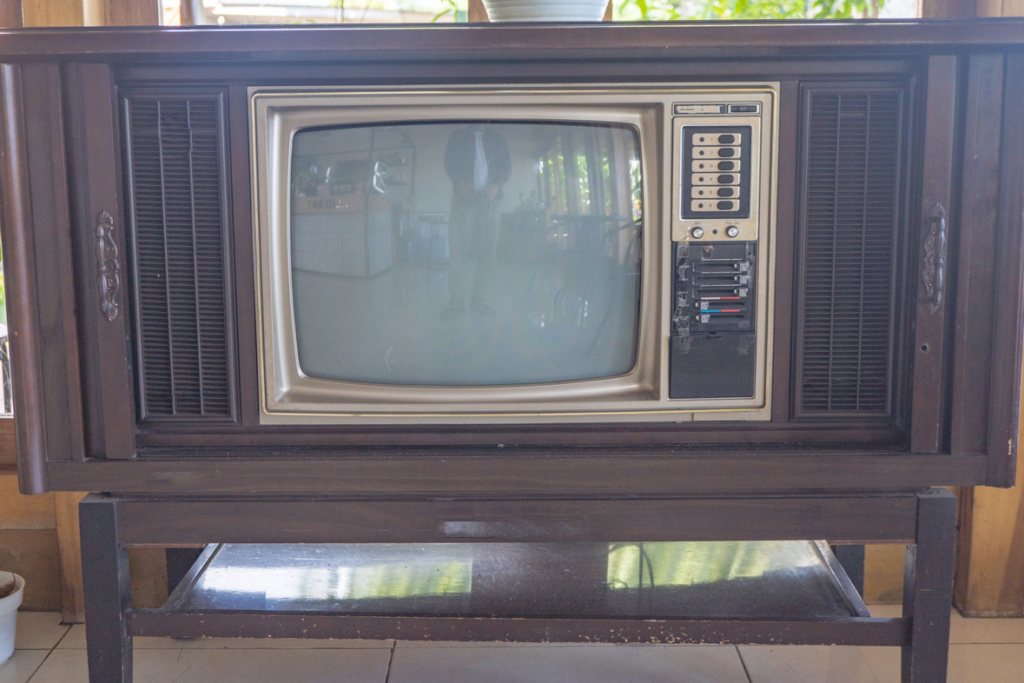
If you wanted to watch a show, you had to be there when it aired. There were no streaming services or on-demand options. Missing an episode meant waiting for a rerun, if one even happened. Families often planned their evenings around favorite programs.
Shows like The Cosby Show, Family Ties, and Cheers became shared experiences. People talked about episodes the next day because everyone watched at the same time. It created a kind of collective viewing culture. That sense of timing shaped how people engaged with entertainment.
11. Fast Food Felt Like a Treat
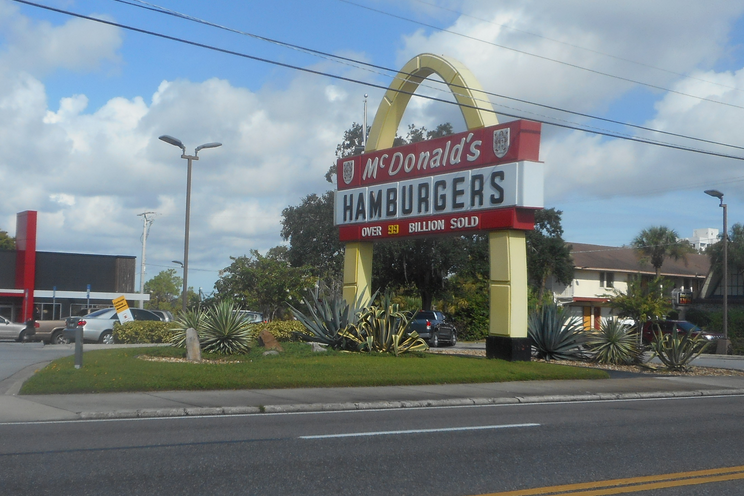
Going out for fast food was not always an everyday occurrence. It felt more like a reward or a special outing. Chains expanded rapidly during the ’80s, making them more accessible. Kids often associated them with fun, especially because of toys and themed promotions.
Birthday parties at places like McDonald’s were common. The environment was designed to appeal to children as much as adults. Bright colors and play areas made it feel different from home. It turned a simple meal into an experience.
12. Cameras Used Film, Not Screens
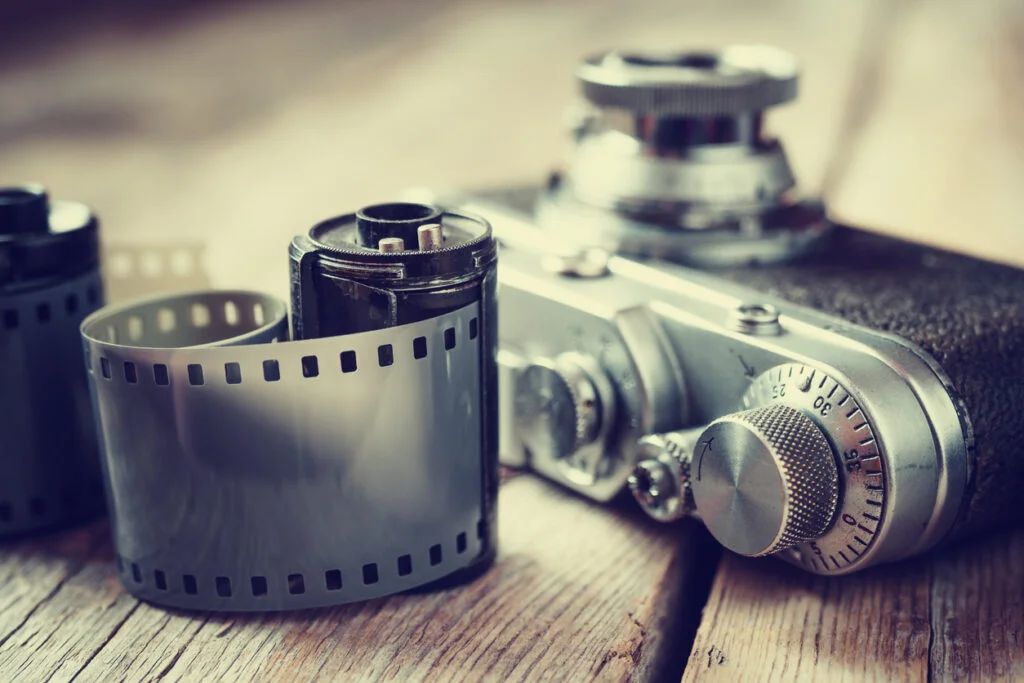
Taking photos required film, which meant you could not see the results right away. You had to finish the roll and get it developed before knowing what you captured. That added a level of anticipation. It also meant you were more selective about what you photographed.
Disposable cameras became popular later in the decade. Mistakes could not be deleted, and lighting mattered more. Photo albums were physical and often kept for years. Looking through them became a shared activity.
13. News and Information Traveled Slower

Information did not spread instantly the way it does now. News came from television broadcasts, newspapers, or radio. You usually heard about major events hours later or even the next day. There was more delay between events and public awareness.
That slower pace shaped how people processed information. Rumors spread through word of mouth rather than social media. You relied on trusted sources for updates. It created a very different relationship with current events.