
1. Happy Days — Fonzie Literally Jumps the Shark
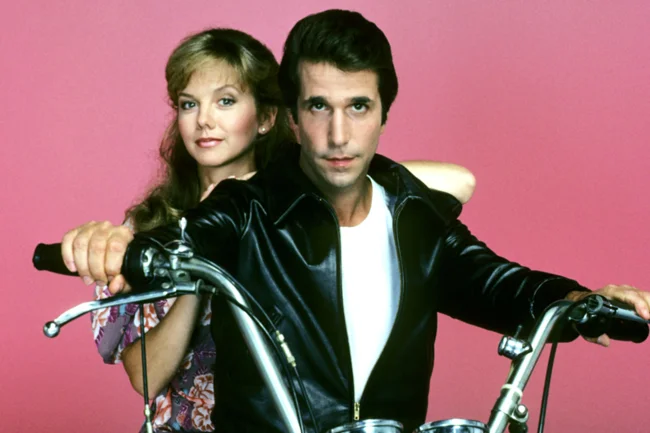
The phrase “jump the shark” comes directly from a 1977 episode of Happy Days in which Arthur Fonzarelli water-skis over a shark while wearing his leather jacket. Even at the time, it felt like a stretch for a show that started as a grounded, nostalgic look at teenage life in the ‘50s. The scene was meant to be exciting, but many viewers saw it as a sign the writers were running out of ideas. It has since become shorthand for the moment a show goes too far to stay relevant. The show continued for several more seasons, but that moment stuck.
What makes this example so enduring is how obvious it feels in hindsight. The shift from relatable stories to spectacle was hard to ignore. Critics and fans alike point to it as the exact turning point. Not every viewer abandoned the show immediately, but the tone had clearly changed. That one scene gave TV culture a lasting phrase that still gets used decades later.
2. The Simpsons — The Principal Skinner Twist
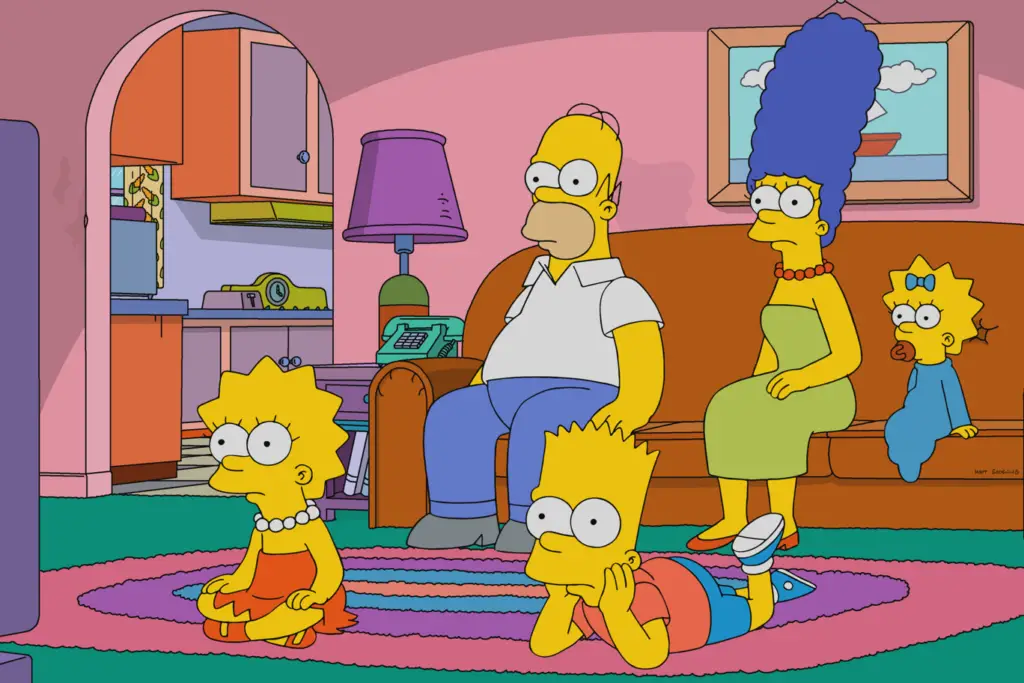
One of the most debated turning points for The Simpsons is the episode “The Principal and the Pauper.” In it, longtime character Principal Skinner is revealed to be an impostor named Armin Tamzarian. The twist rewrites years of established backstory, only to be dismissed by the end of the episode. Many fans felt it broke the internal logic of the show.
What made it stand out was how unnecessary it seemed. The series had built its humor on consistency, even in its absurdity. Suddenly undoing a core character’s identity felt like a betrayal of that trust. While the show continued successfully, this episode is often cited as the moment its “golden age” ended. It marked a shift toward more outlandish storytelling choices.
3. The X-Files — Losing Mulder

When Fox Mulder, played by David Duchovny, began appearing less frequently and eventually exited the show, many viewers felt the core dynamic was gone. The chemistry between Mulder and Dana Scully had been central from the beginning. Later seasons introduced new agents, but the tone shifted noticeably. The mythology also became increasingly convoluted.
The show didn’t collapse immediately, but the change was significant. Fans who had followed the story for years struggled to stay invested. Ratings declined, and critical reception became more mixed. The series tried to reinvent itself, but many felt it had already peaked. This is often cited as a classic case of losing what made the show work.
4. Roseanne — The Lottery Season
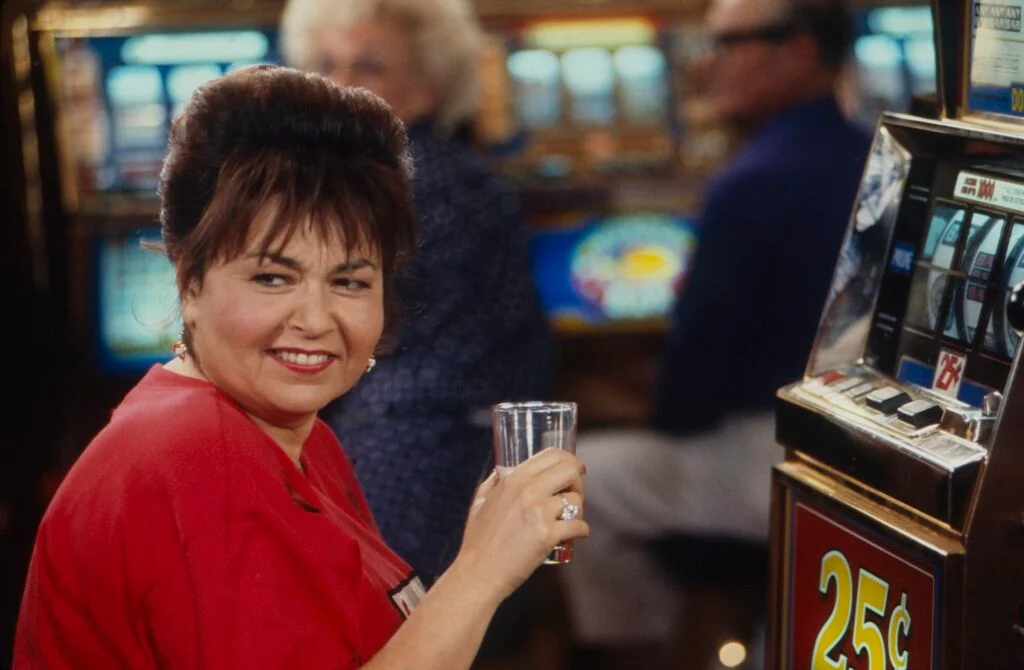
Late in its original run, Roseanne introduced a storyline where the Conner family wins the lottery. The show had built its identity around working-class realism, so this sudden shift felt jarring. The final season leaned into fantasy elements and exaggerated scenarios. It was a dramatic departure from what audiences connected with.
Viewers who appreciated the show’s grounded humor found the change hard to accept. The stakes no longer felt relatable, and the tone became inconsistent. While the series finale attempted to reframe everything, the damage had already been done for many fans. This season is frequently cited as the moment the show lost its original voice. It remains one of the most commonly referenced examples.
5. The Office — After Michael Scott Leaves

When Michael Scott, played by Steve Carell, left The Office, the series faced a major identity shift. His awkward leadership and emotional depth had anchored the show. The seasons that followed introduced new bosses and storylines, but many viewers felt something was missing. The humor became broader and less character-driven.
The show still had strong moments, but the consistency changed. Ratings and critical reception declined compared to earlier seasons. Some fans appreciated the attempt to evolve, while others saw it as a clear downturn. It is often cited as a textbook example of a show struggling after losing its central figure. The final season tried to recapture the original tone, with mixed results.
6. Scrubs — The Med School Season

Scrubs originally ended its run with a well-received finale in Season 8. However, the show returned for a ninth season set in a medical school, with a mostly new cast. While some original characters appeared, the focus had shifted significantly. Many viewers felt it should have ended earlier.
The new format made it feel like a different show entirely. Longtime fans struggled to connect with the new characters. Critics often refer to this as a case of extending a series beyond its natural conclusion. The tonal balance between comedy and emotion also changed. As a result, this season is widely considered the point where the show overstayed its welcome.
7. That ’70s Show — Losing Eric and Kelso
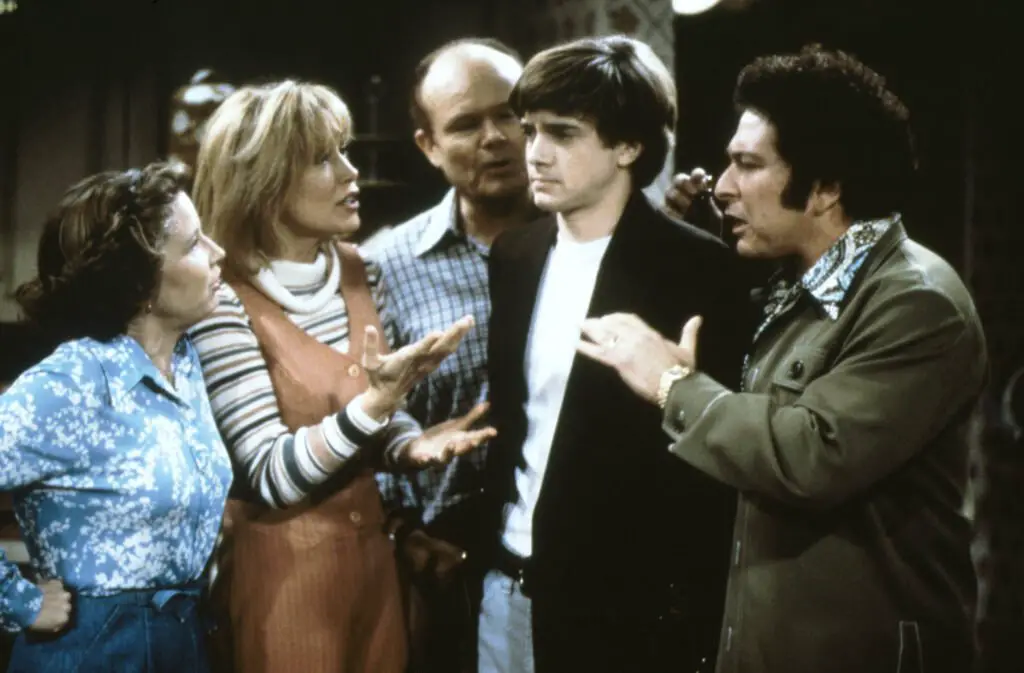
When Eric Forman and Michael Kelso, played by Topher Grace and Ashton Kutcher, left in the final season, the dynamic of That ’70s Show changed dramatically. The writers introduced a new character, Randy, to fill the gap. However, he never quite resonated with audiences. The chemistry of the original group had been a major strength.
Without those core characters, the show felt less authentic. Storylines became less engaging, and the humor felt forced at times. While the series wrapped up with a finale that brought Eric back, the damage had already been noted by fans. Many consider this final season a clear downturn. It is often cited when discussing shows that struggled after cast changes.
8. Family Guy — Post-Revival Tone Shift
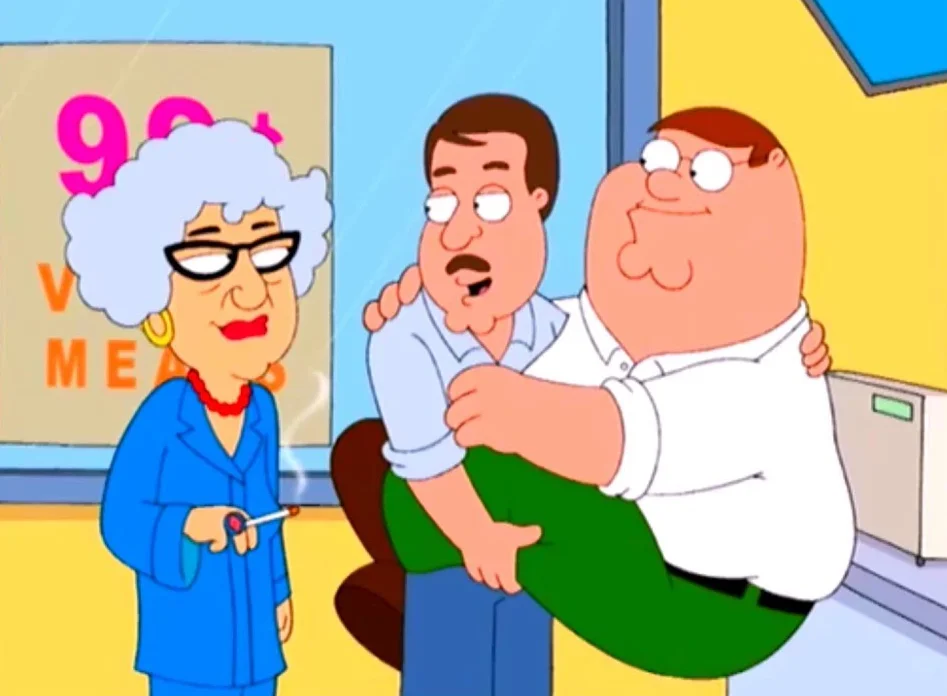
After being canceled and then revived in the mid-2000s, Family Guy returned with a more exaggerated style. The humor became increasingly reliant on cutaway gags and shock value. While this approach worked for some viewers, others felt it lost the sharper satire of earlier seasons. Characters also became more extreme versions of themselves.
The shift wasn’t tied to a single episode, but rather a gradual change in tone. Critics often point to this period as when the show leaned too heavily into its own formula. Despite continued popularity, the writing style became more divisive. Some fans enjoy the later seasons, while others prefer the earlier ones. It remains a commonly discussed example of tonal drift.
9. How I Met Your Mother — The Finale
The series finale of How I Met Your Mother is one of the most controversial in recent memory. After years of buildup, the identity of the Mother was revealed, only for the story to take an unexpected turn. The ending reframed the entire narrative in a way that many viewers found unsatisfying.
Fans had invested heavily in the long-term storytelling. The conclusion felt rushed and disconnected from earlier character development. While the show had strong seasons leading up to it, the finale altered how many people viewed the entire series. It is often cited as a case where the ending undermined the journey. Even years later, it remains a frequent point of debate.
10. Game of Thrones — The Final Season
The final season of Game of Thrones faced widespread criticism for its pacing and character decisions. After years of careful buildup, several major arcs were resolved quickly. Some character actions felt inconsistent with earlier development. The scale remained impressive, but the storytelling drew criticism.
The shift was noticeable compared to earlier seasons, which were praised for their depth and complexity. Many viewers felt the show rushed to its conclusion. While it remained a cultural phenomenon, the reception to the ending was sharply divided. It is often cited as a modern example of a show losing its footing late in its run. The debate around it continues.
11. Two and a Half Men — Replacing Charlie Sheen

After Charlie Sheen left Two and a Half Men, the show introduced a new lead played by Ashton Kutcher. While the series continued for several seasons, the tone and dynamic changed significantly. Sheen’s character had been central to the show’s humor. The new direction leaned into different comedic beats.
Some viewers appreciated the fresh approach, but others felt it lacked the original spark. Ratings remained strong initially, but critical reception was mixed. The shift highlighted how dependent the show had been on its lead. Over time, the novelty wore off for many fans. It is often cited as a major turning point.
12. Arrested Development — The Netflix Revival
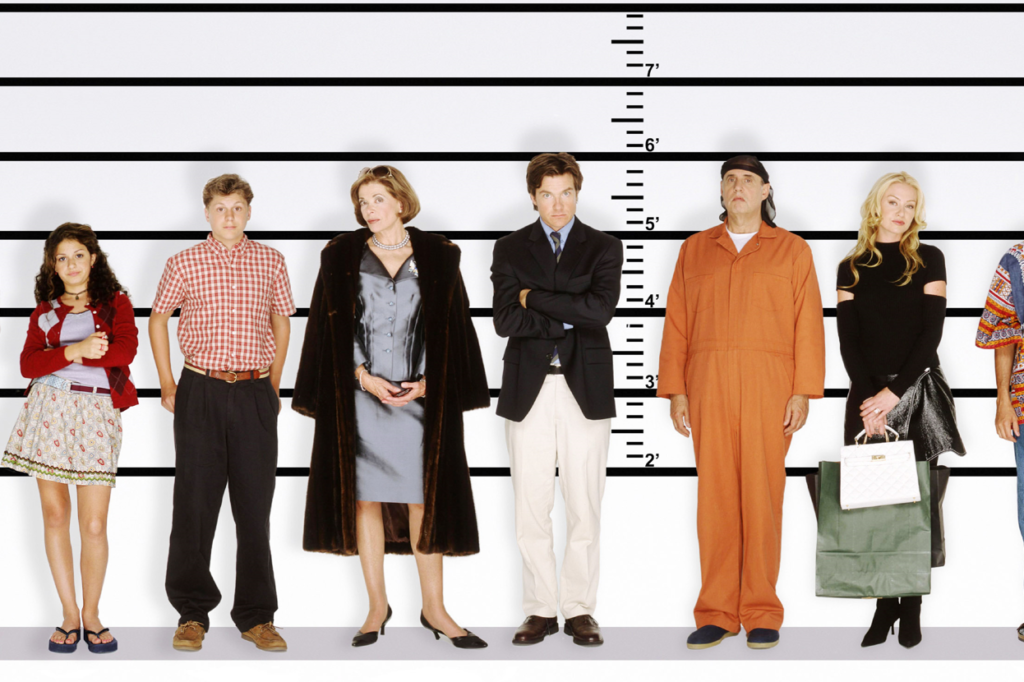
When Arrested Development returned on Netflix years after its original run, expectations were high. However, the revival seasons changed the storytelling structure, focusing on individual character episodes. This was partly due to cast scheduling, but it altered the show’s rhythm. The overlapping, ensemble-driven humor was less prominent.
Fans who loved the original pacing found the new format harder to follow. While there were still clever moments, the cohesion felt different. Critics often point to this revival as an example of a show that didn’t fully recapture its original magic. It demonstrated how timing and format can impact a series. Even so, it remains an interesting case of a cult favorite returning under new conditions.