
1. The Ed Sullivan Show

Sunday nights meant one thing for a lot of families, gathering around the TV for The Ed Sullivan Show. It was one of the few programs that truly had something for everyone, from comedy acts to opera singers to plate-spinning performers. Parents could appreciate the variety, while kids stayed glued waiting for something unexpected to pop up. It became a weekly ritual, almost like a shared event rather than just a show. You didn’t really flip channels because there wasn’t much else competing with it at the time.
Moments from the show became instant conversation starters the next day. When Elvis Presley performed or when The Beatles made their American debut in 1964, families watched together in real time. It wasn’t just entertainment, it felt like history unfolding in the living room. Even if not every act landed for every viewer, the experience of watching together was the point. That sense of shared discovery is something television rarely recreates now.
2. The Wonderful World of Disney
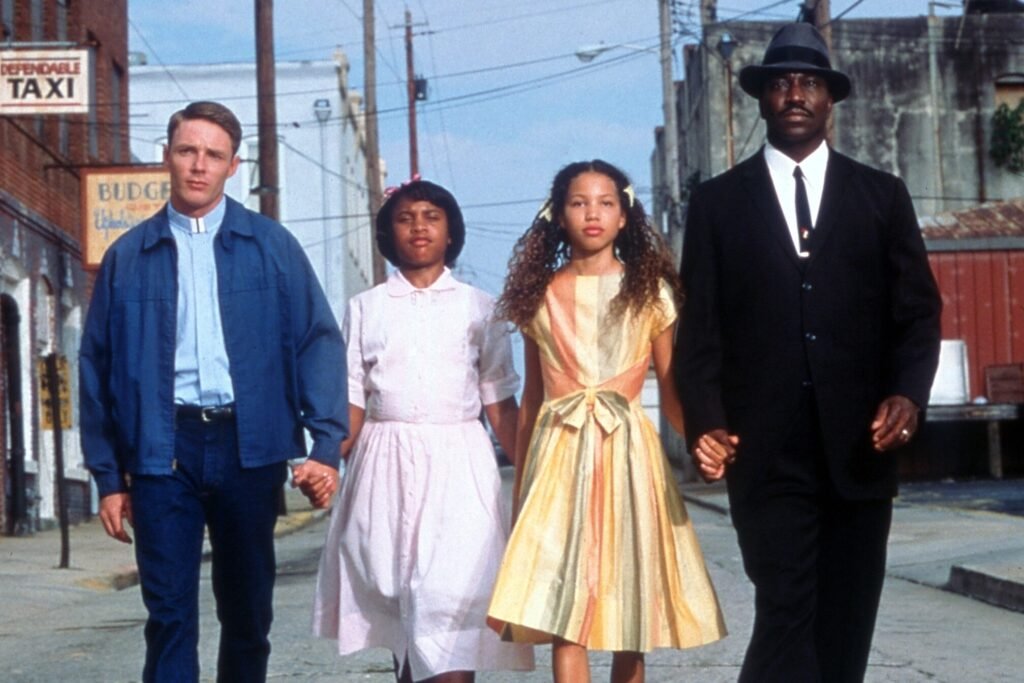
The Wonderful World of Disney had a built-in promise, that whatever was coming on that night would be safe, wholesome, and worth watching together. It rotated between movies, nature specials, and original programming, so it never felt repetitive. Parents trusted it, kids loved it, and that combination made it a reliable family staple. It aired on Sunday evenings for decades, which helped cement it as part of a weekly routine.
There was also something comforting about its tone, it never tried to shock or push boundaries. Instead, it leaned into storytelling that worked across generations. Families could sit down without worrying about content or needing to pre-screen anything. That kind of trust made it easier to gather everyone in one room. It became less about what was on, and more about the tradition of watching it together.
3. Little House on the Prairie
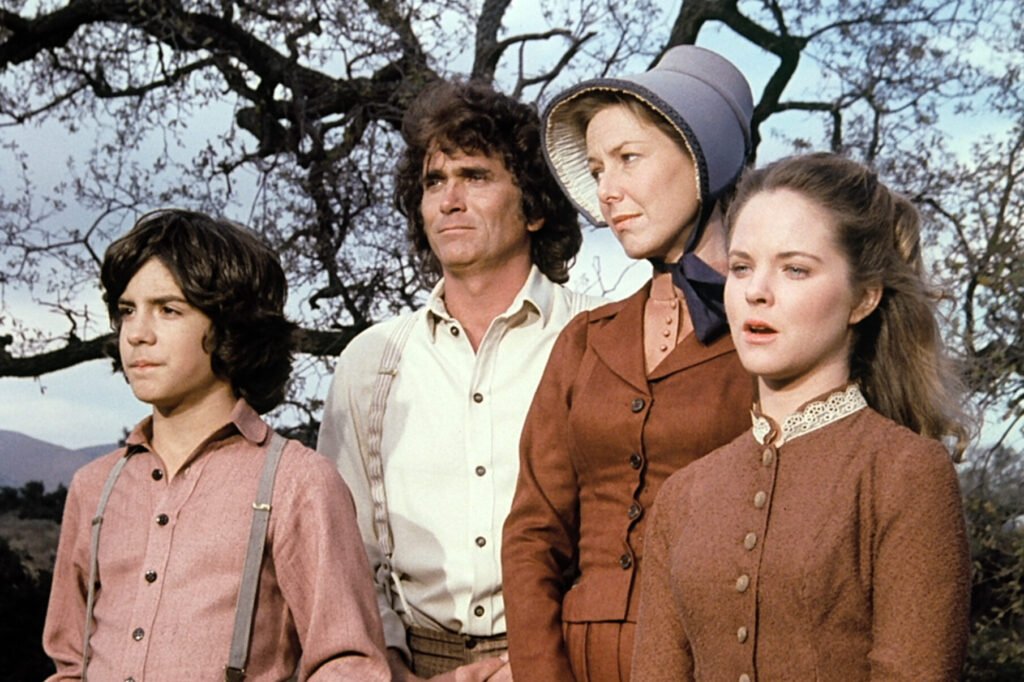
Little House on the Prairie felt like it was designed specifically for family viewing. Its stories centered on relationships, hardships, and moral lessons without feeling preachy. Parents connected with the themes of resilience and responsibility, while kids followed Laura Ingalls’ perspective as she grew up. It struck a balance that made it engaging for different ages at the same time.
Episodes often tackled serious topics like illness, poverty, and loss, but they were presented in a way that encouraged discussion afterward. Watching it together gave families something meaningful to talk about. It wasn’t just passive entertainment, it had emotional weight. That made it stand out compared to lighter sitcoms of the era. It created moments where everyone was paying attention for the same reason.
4. The Brady Bunch

The Brady Bunch turned everyday family life into something colorful and easy to watch together. The blended family setup was relatable for some and aspirational for others. Its humor was gentle enough for younger viewers, but still amusing to adults. You could sit down at almost any episode and immediately know what you were getting.
It also leaned heavily into lessons about honesty, kindness, and responsibility. Those themes made it feel like more than just entertainment. Parents didn’t mind kids watching it, and often enjoyed it alongside them. The episodes were simple, but that simplicity made them easy to share. It became one of those shows that everyone could agree on without much debate.
5. All in the Family
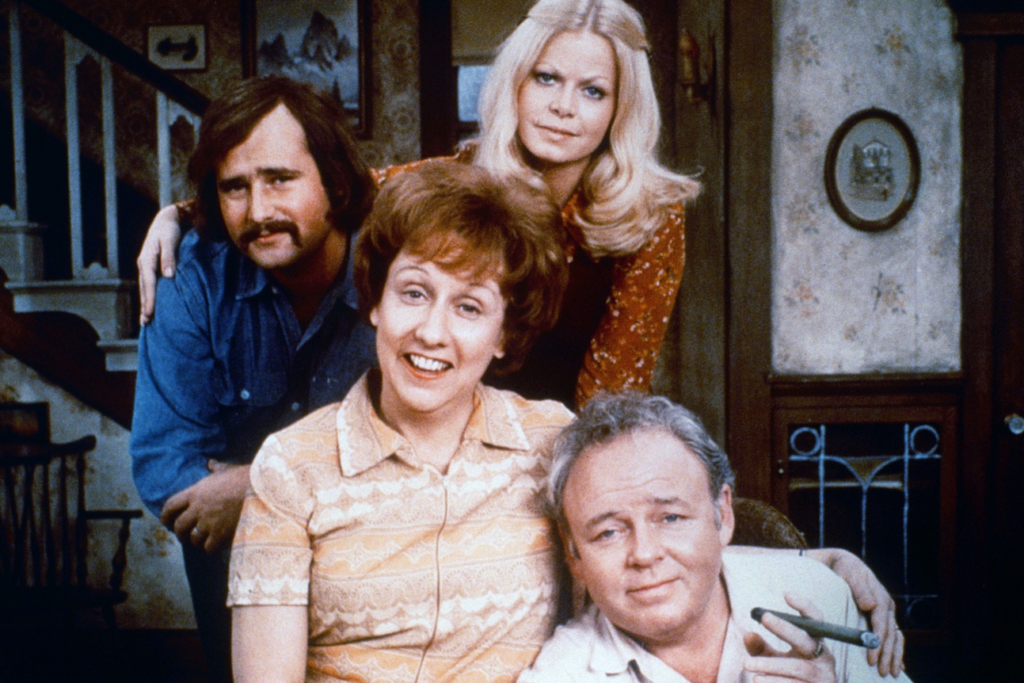
All in the Family might seem like an unusual choice for family viewing, but it often brought households together in a different way. Its humor tackled social and political issues head-on, which made it feel very real for adult viewers. At the same time, families often watched it together because it sparked conversation. It wasn’t always comfortable, but it was engaging.
Archie Bunker’s outspoken personality created moments that people reacted to immediately. Watching it as a group meant hearing different perspectives right in your own living room. Some families debated the topics afterward, while others simply laughed at the absurdity. Either way, it wasn’t a show people ignored. It pulled attention and held it, which is what shared viewing often depends on.
6. Happy Days
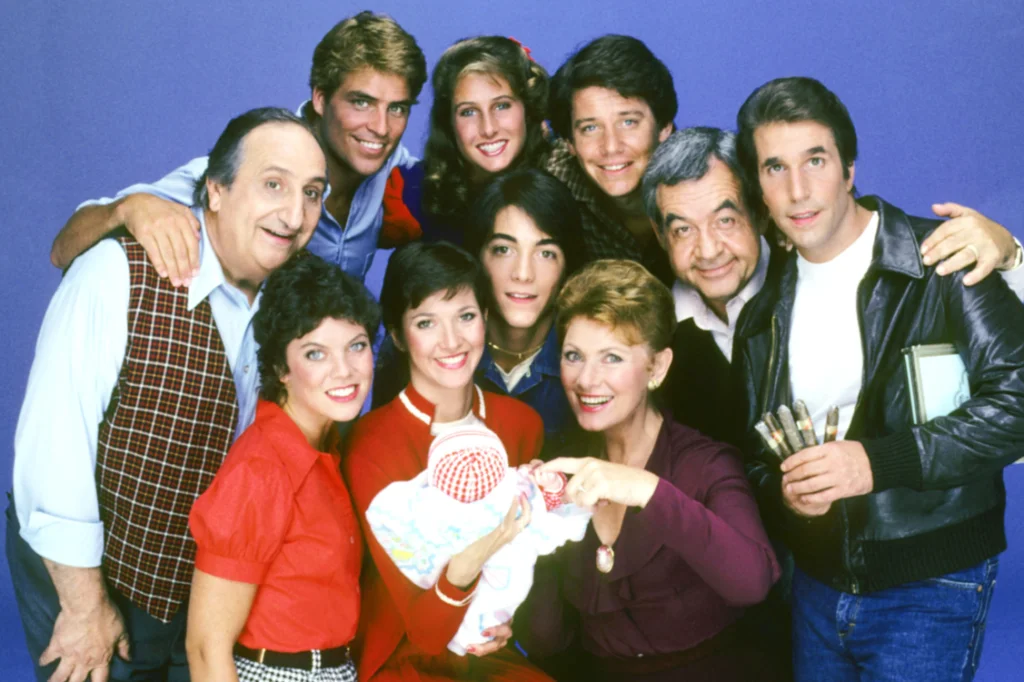
Happy Days offered a nostalgic look at the 1950s that appealed across generations. Parents recognized elements of their own youth, while kids were drawn to the humor and characters. Fonzie quickly became a cultural icon, and everyone seemed to have an opinion about him. The show felt upbeat and easy to follow, which made it perfect for group viewing.
It also avoided heavy or controversial topics most of the time. That made it a safe pick when no one wanted to argue about what to watch. Families could relax and enjoy it without needing to think too hard. The familiarity of its setting added to that comfort. It became one of those dependable shows that filled the room with laughter.
7. M*A*S*H

M*A*S*H managed to blend comedy and drama in a way that appealed to a wide audience. While it was set during the Korean War, its themes were universal enough for families to watch together. Adults often picked up on the deeper commentary, while younger viewers focused on the humor and characters. That dual appeal helped it stay relevant for years.
The show also created shared moments that felt significant, especially during major episodes. Its series finale in 1983 became one of the most-watched television broadcasts in U.S. history. Families didn’t just watch casually, they made time for it. It was the kind of show you didn’t want to miss live. That sense of importance helped bring everyone into the same room.
8. The Cosby Show

The Cosby Show became a defining family sitcom of the 1980s. It focused on the Huxtable family, presenting everyday life with humor and warmth. Parents appreciated its portrayal of a successful, loving household, while kids connected with the relatable situations. It struck a balance that made it accessible to a wide audience.
Thursday nights became known as “must-see TV” in part because of its popularity. Families planned around it, making sure they were home in time to watch together. It was lighthearted but still grounded in real-life experiences. That combination made it easy to enjoy across generations. It consistently brought people together in a shared routine.
9. Full House
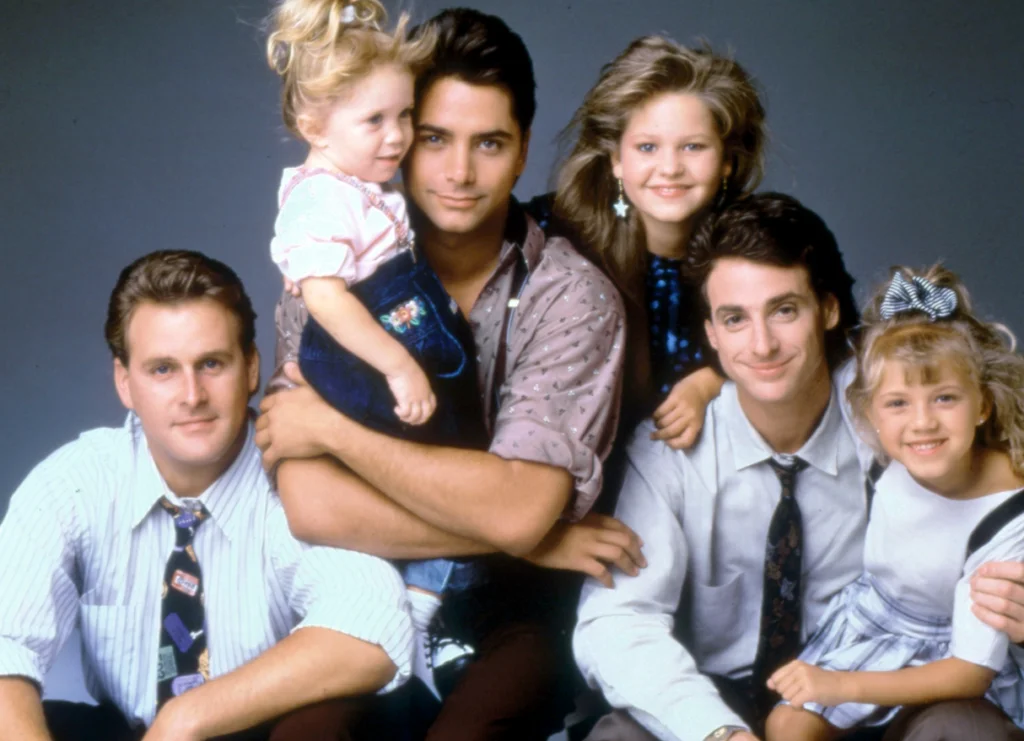
Full House leaned fully into the idea of family, both on-screen and off. Its stories focused on raising kids, handling everyday problems, and supporting one another. The humor was broad and approachable, which made it easy for younger viewers to follow. Adults often stayed for the warmth and familiarity of the characters.
Catchphrases and recurring jokes became part of the viewing experience. Families would repeat them or anticipate them together. It created a sense of participation rather than just watching passively. The show rarely strayed into anything controversial, which helped maintain its wide appeal. It became a reliable option when everyone wanted something comforting.
10. The Simpsons
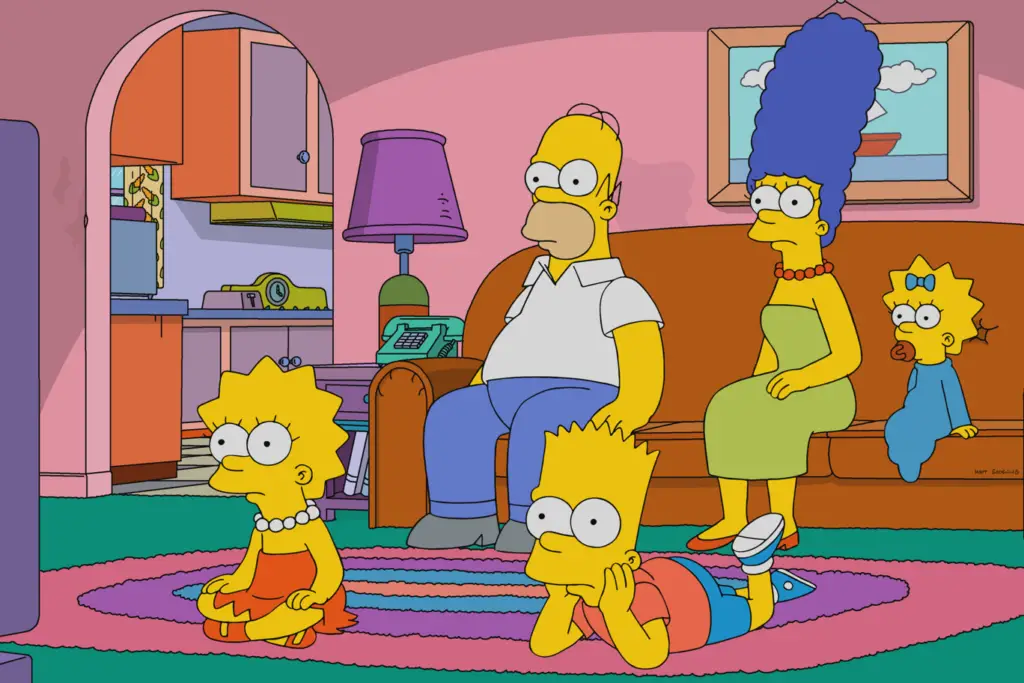
The Simpsons introduced a different kind of family viewing experience. It was animated, but clearly aimed at both adults and children. Kids enjoyed the visual humor and characters, while adults picked up on satire and cultural references. That layered approach made it one of the few shows that truly worked for multiple age groups.
Sunday nights once again became a gathering time for many households. Episodes often sparked conversation about what they were parodying or referencing. It wasn’t always as straightforward as traditional sitcoms, but that added to its appeal. Families could laugh at different things within the same episode. That shared but varied experience kept it engaging.
11. American Idol

American Idol turned watching TV into a participatory event. Families didn’t just watch, they discussed contestants, debated performances, and even voted together. It aired during prime time, making it easy for everyone to be present. The competition format gave each episode a sense of momentum.
It also created weekly routines around elimination nights and finales. People became invested in specific contestants, which added emotional stakes. Watching together meant reacting in real time to results. It wasn’t passive viewing, it felt interactive. That made it one of the most unifying shows of its era.
12. The Voice

The Voice continued that tradition of family-friendly competition shows. Its format, with blind auditions and celebrity coaches, made it easy to jump into at any point. Families could quickly pick favorites and follow their progress. The tone stayed positive, which helped keep it accessible for all ages.
Like other singing competitions, it encouraged conversation during and after episodes. Viewers compared performances and predicted outcomes together. It created a shared experience that extended beyond the screen. Even casual viewers could get pulled in by the format. That ability to engage multiple generations kept families watching side by side.