
1. Three’s Company — Suzanne Somers to Jenilee Harrison and Priscilla Barnes
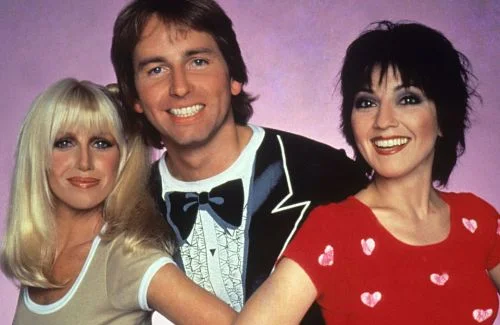
When Suzanne Somers left Three’s Company in 1980 after a very public contract dispute, the show didn’t just lose Chrissy Snow, it lost a huge part of its identity. Viewers had grown attached to the dynamic between Chrissy, Janet, and Jack, and suddenly that balance was gone. The show tried to soften the blow by introducing Chrissy’s cousin Cindy, played by Jenilee Harrison, who had a similar bubbly energy but never quite landed the same way. There was an awkward transitional period where the show felt like it was trying to imitate itself. Audiences noticed, and ratings dipped during that stretch.
Eventually, Priscilla Barnes joined as Terri Alden, a more grounded and mature character who helped stabilize things. The tone shifted slightly, and the show regained some footing, even continuing successfully for several more seasons. Still, many fans consider the Somers era to be the show’s peak. It’s one of the clearest examples of a series surviving a major cast shakeup but never fully recapturing its original magic. The show ultimately ended in 1984, with the cast changes still part of its legacy.
2. Bewitched — Dick York to Dick Sargent
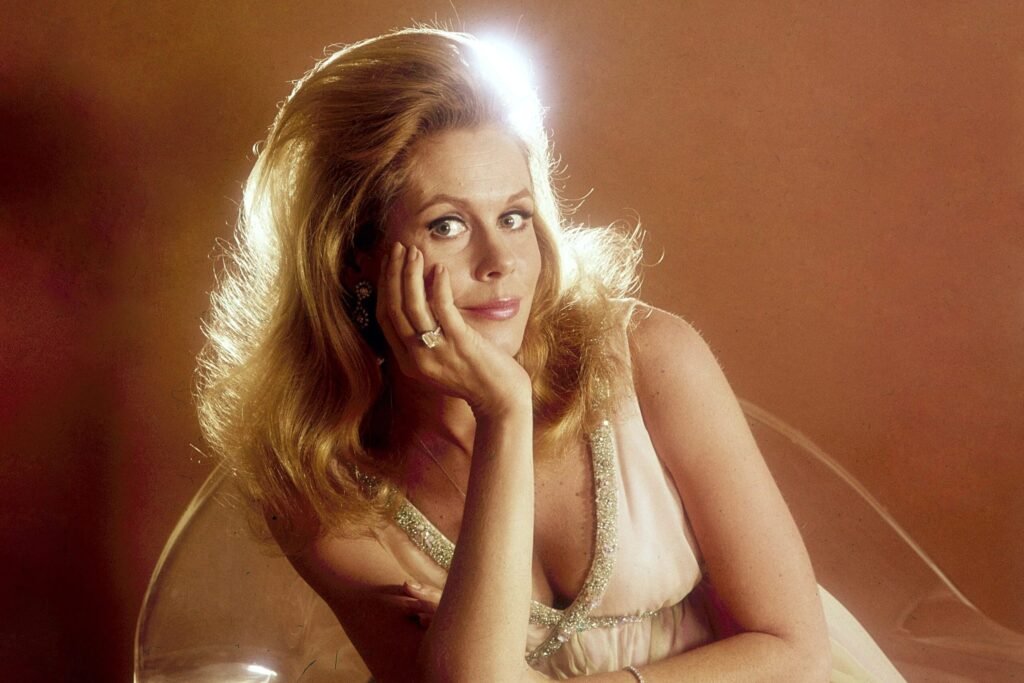
Replacing a lead is one thing, but replacing a lead with someone playing the exact same character is another challenge entirely. That’s what happened when Dick York, who played Darrin Stephens on Bewitched, left due to chronic health issues in 1969. Dick Sargent stepped in to play Darrin, and the show simply carried on as if nothing had changed. For viewers, though, the difference was noticeable, both in appearance and in the character’s energy. York’s version had a nervous intensity that Sargent approached more calmly.
The show continued for several more seasons, but many longtime fans felt something intangible had shifted. Ratings gradually declined in the early ’70s, though it remained a recognizable hit. By the time Bewitched ended in 1972, the recasting had become one of the most talked-about aspects of its later years. It did not end immediately because of the change, but the switch is often cited as part of the show’s gradual loss of momentum. It remains one of the most famous recasts in television history.
3. The Andy Griffith Show — Andy Griffith’s Reduced Role and New Focus
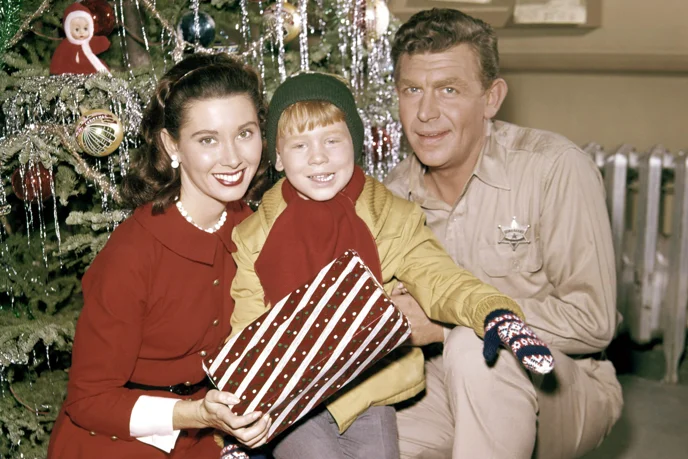
While Andy Griffith didn’t fully disappear, his role as Sheriff Andy Taylor was significantly reduced in the final season of The Andy Griffith Show. By 1967, Griffith was ready to move on, and the show began shifting its focus toward supporting characters like Barney Fife’s earlier replacement dynamics and the town itself. The tone changed from the warm, centered storytelling around Andy to a more ensemble-driven approach. For longtime viewers, it felt like the heart of the show was slowly stepping away. Even though Griffith still appeared, his reduced presence was noticeable.
Rather than continuing in that altered form, the show ended in 1968 while still performing strongly in the ratings. In fact, it famously concluded as the number one show on television. The decision to end it was tied directly to Griffith’s departure and desire to pursue other projects. It stands as a rare case where a show chose to stop rather than fully replace its central figure. That choice helped preserve its legacy instead of stretching it too thin.
4. Valerie / The Hogan Family — Valerie Harper to Sandy Duncan
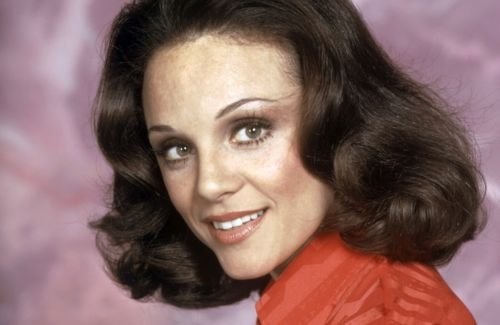
This situation was about as dramatic behind the scenes as it gets. Valerie Harper starred in Valerie as the overwhelmed mom of three boys, but after a contract dispute with NBC, she was fired during the second season. The show didn’t end, though, it was retooled. Sandy Duncan was brought in as the boys’ aunt, and the series was even renamed Valerie’s Family before eventually becoming The Hogan Family. It was a bold move to continue a show after removing the character it was named after.
Surprisingly, the series found a second life with Duncan, shifting its focus to a more extended-family dynamic. While it never quite escaped the controversy, it lasted several more seasons in this new form. The tone became lighter, and audiences gradually accepted the change. Still, the original premise was permanently altered, and it’s hard to separate the show from the circumstances of Harper’s exit. It remains one of the most unusual lead replacements in sitcom history.
5. Spin City — Michael J. Fox to Charlie Sheen
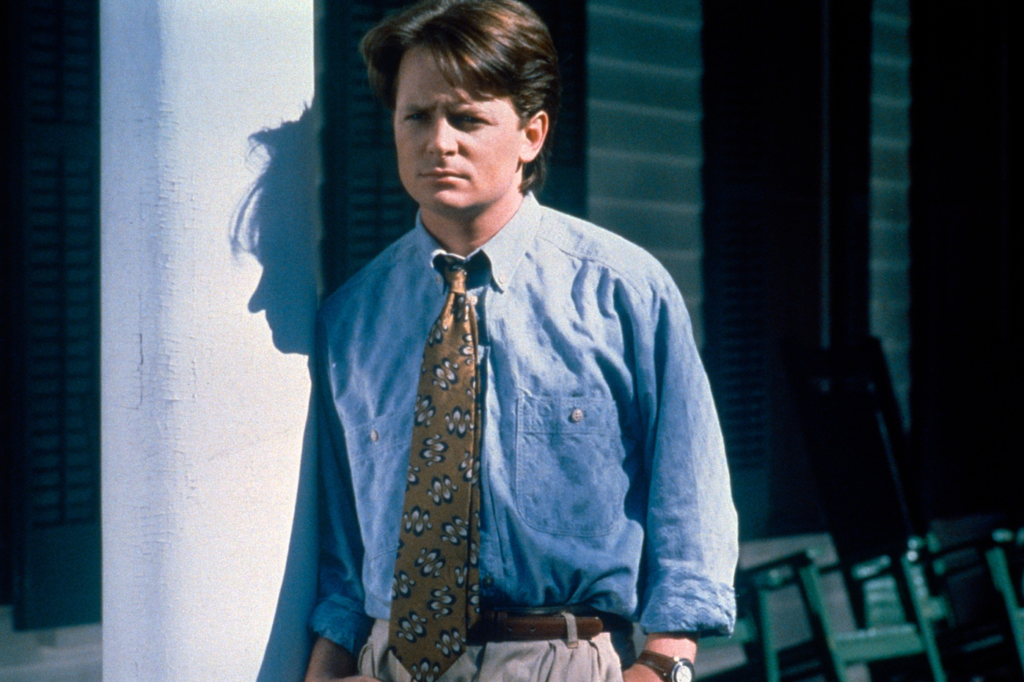
Michael J. Fox was the heart of Spin City, playing Deputy Mayor Mike Flaherty with sharp timing and warmth. When Fox stepped away in 2000 due to worsening symptoms of Parkinson’s disease, it marked a major turning point for the series. Charlie Sheen joined as a new character, Charlie Crawford, rather than a direct replacement. The tone shifted almost immediately, leaning more into Sheen’s persona and a different comedic rhythm. It felt like a different show, even though the setting remained the same.
Ratings initially held steady, even getting a boost from curiosity around Sheen’s arrival. Over time, though, the audience declined, and the series lost some of its original charm. Fox’s presence had grounded the show in a way that was difficult to replicate. Spin City ended in 2002, just two seasons after the transition. It’s often cited as a case where a show continued, but its core identity never fully recovered.
6. The Office — Steve Carell’s Exit as Michael Scott
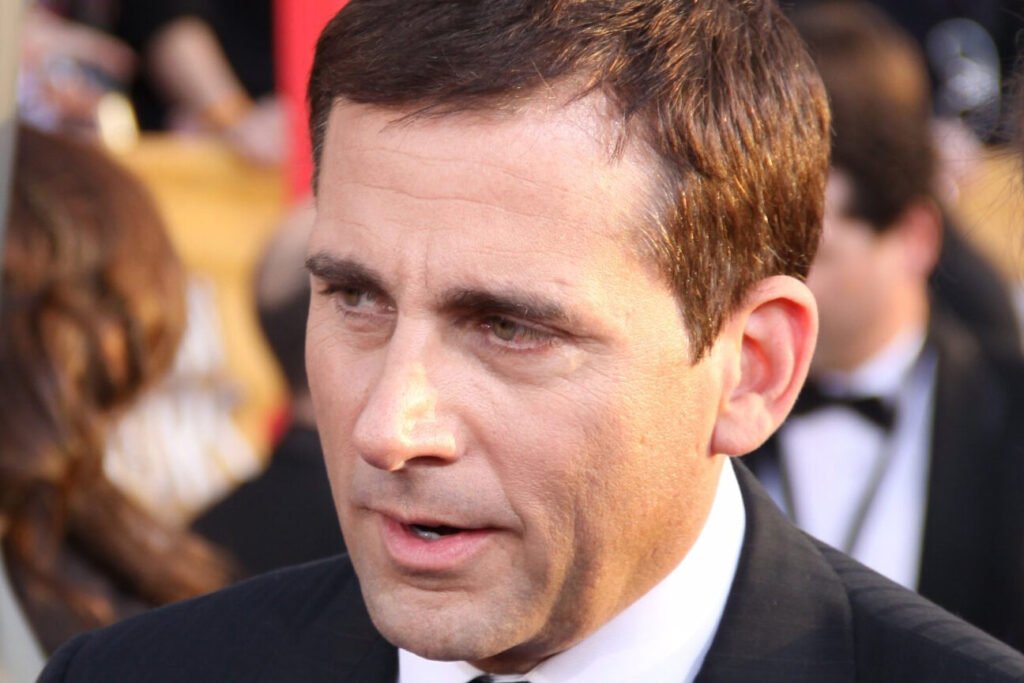
When Steve Carell left The Office in 2011, it created a gap that the show struggled to fill. Michael Scott wasn’t just a lead character, he was the emotional center of the entire series. After his departure, the show rotated through new managers, including characters played by James Spader and later promoting existing cast members. There were still funny moments, but the tone became more scattered. Viewers who had stuck with the show for years could feel the difference almost immediately.
Ratings declined in the final seasons, and the series leaned more heavily on ensemble storytelling. While it managed to find a meaningful ending in 2013, many fans consider the post-Carell era to be uneven. The show didn’t end right away because of his exit, but it clearly marked the beginning of the end. It remains a textbook example of how difficult it is to replace a central comedic voice. Even strong supporting casts can struggle to compensate for that kind of loss.
7. Two and a Half Men — Charlie Sheen to Ashton Kutcher

Few exits were as chaotic as Charlie Sheen’s departure from Two and a Half Men in 2011. After a very public fallout with the show’s creator, Sheen was written out entirely, and his character was killed off. Ashton Kutcher joined as Walden Schmidt, a completely new character who bought the house and entered the existing dynamic. It was less of a replacement and more of a reset, though the show kept its original structure. Fans were divided from the start.
The series actually saw a ratings spike during Kutcher’s first season, driven largely by curiosity. Over time, though, viewership declined, and the show’s tone shifted noticeably. Without Sheen’s Charlie Harper, the edge and chemistry that defined the early years were gone. The show continued until 2015, lasting four seasons with Kutcher. Still, many viewers associate its peak entirely with the Sheen era. It’s a case where longevity didn’t necessarily mean the same level of cultural impact.
8. That ’70s Show — Topher Grace and Ashton Kutcher Depart
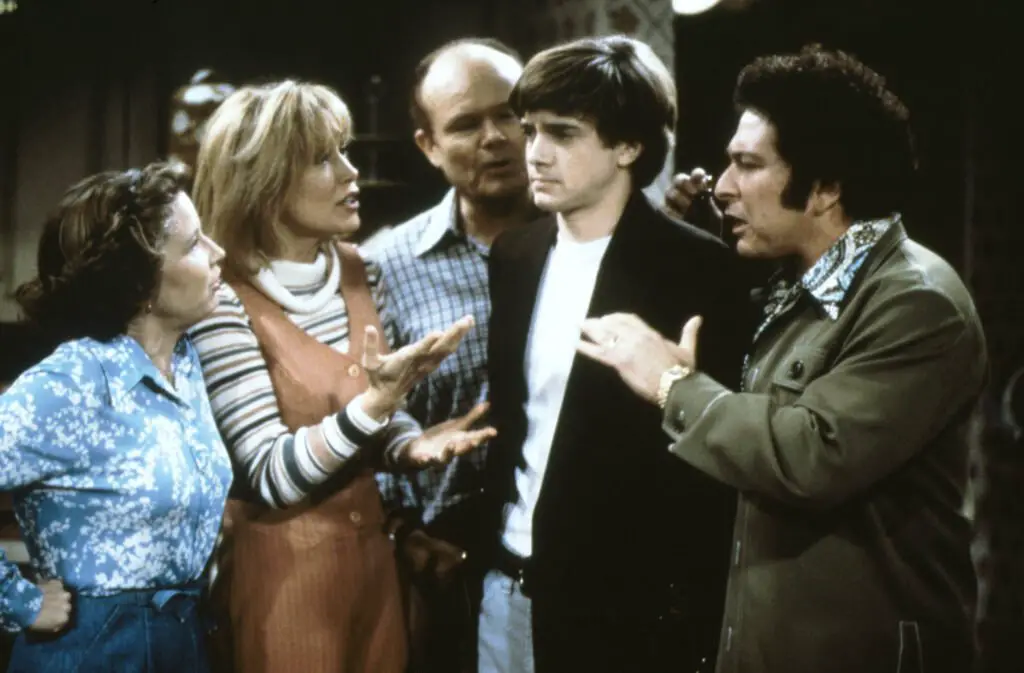
By its final season, That ’70s Show was already dealing with major changes. Topher Grace, who played Eric Forman, left as a full-time cast member, and Ashton Kutcher also stepped away after appearing in a reduced role. The show introduced a new character, Randy Pearson, played by Josh Meyers, to fill part of the gap. But the central relationships that had driven the series from the beginning were no longer intact. The chemistry felt different, and longtime fans noticed right away.
The final season struggled with ratings and reception, often criticized for lacking the original spark. Without Eric at the center, the show’s emotional anchor was missing. It ended in 2006 after eight seasons, with many viewing the last year as a noticeable step down. The departure of its core characters was a major factor in that decline. It’s often remembered as a show that stayed just a little too long after losing its lead.
9. Roseanne to The Conners — Roseanne Barr’s Removal
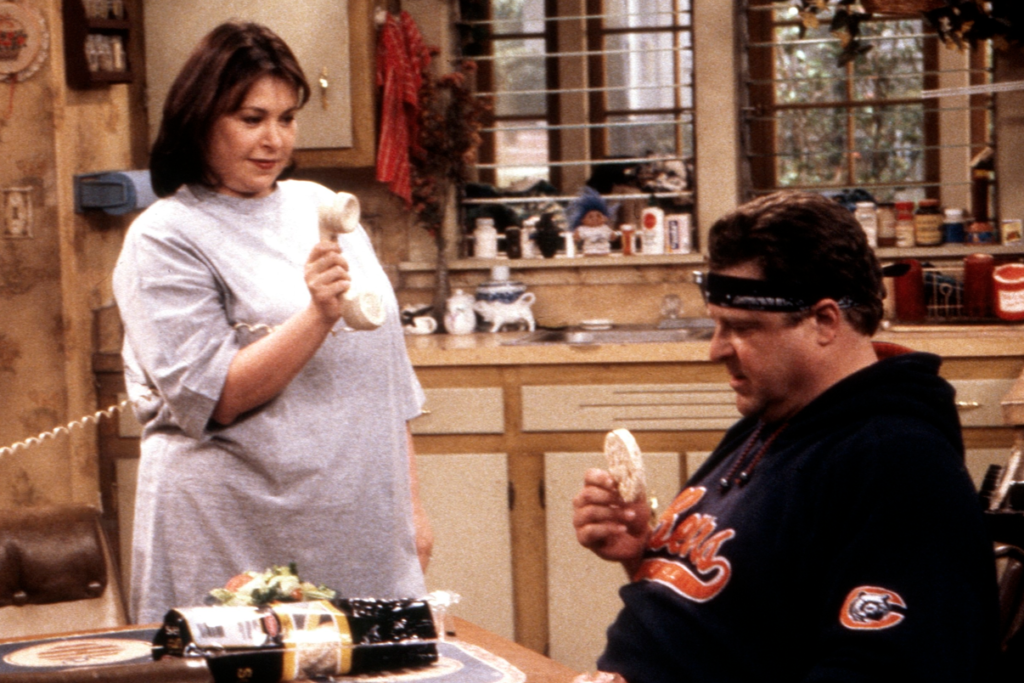
The revival of Roseanne in 2018 was a massive ratings success, bringing back the original cast and audience almost instantly. But after controversial comments made by Roseanne Barr, ABC canceled the revival despite its popularity. Rather than ending the story completely, the network retooled the series into The Conners, removing Barr’s character entirely. The show continued with the ensemble cast, focusing on the family navigating life without her. It was a significant shift in both tone and structure.
While The Conners found a stable audience and ran for multiple seasons, it never matched the initial revival’s ratings peak. The absence of its central figure was always part of the conversation around it. Still, it demonstrated that a strong supporting cast could carry a show forward, even after losing its namesake. The transition remains one of the most high-profile modern examples of a lead being removed rather than replaced. It changed the identity of the show in a lasting way.
10. NewsRadio — Phil Hartman’s Death and Jon Lovitz’s Addition
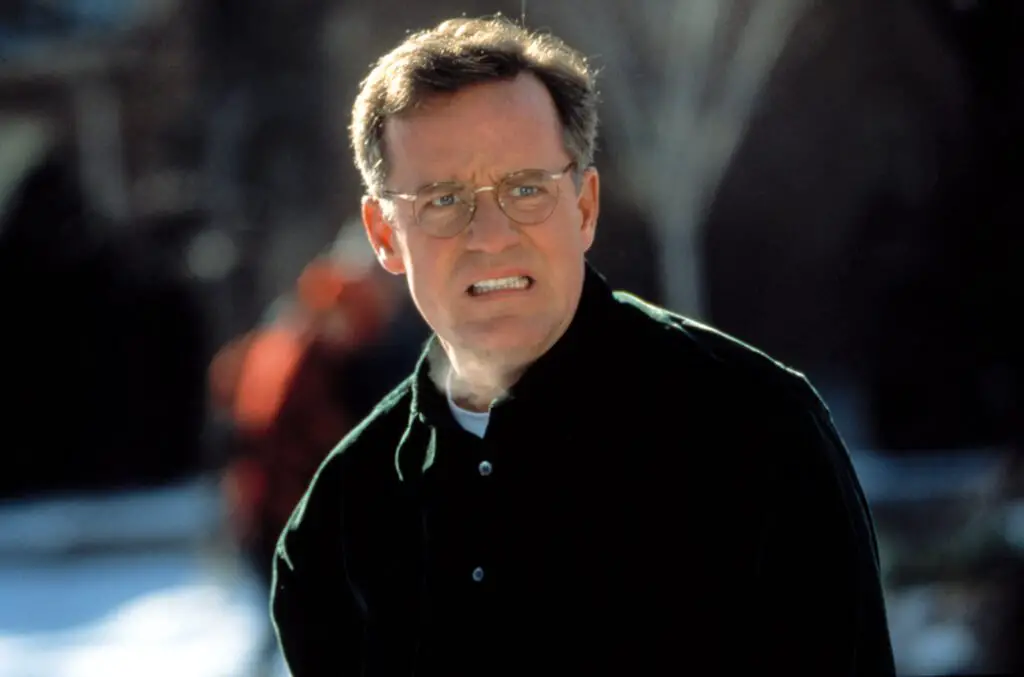
Phil Hartman was a standout on NewsRadio, bringing a unique comedic presence to the role of Bill McNeal. After Hartman’s tragic death in 1998, the show faced an incredibly difficult situation. Jon Lovitz, a close friend of Hartman, joined the cast as a new character in the following season. The show acknowledged the loss in subtle ways, but the tone inevitably shifted. It was impossible to fully replace what Hartman brought to the ensemble.
The final season struggled with ratings and emotional weight, and the series ended in 1999. While there were still strong moments, the absence of Hartman was deeply felt by both cast and audience. It’s a rare example where real-life tragedy directly impacted a show’s trajectory. The decision to continue was understandable, but the dynamic had changed permanently. Many fans view the earlier seasons as the definitive version of the series.
11. The X-Files — David Duchovny’s Reduced Role and New Leads

David Duchovny’s Fox Mulder was central to The X-Files, so when he stepped back from the series in its later seasons, it created a major shift. Robert Patrick was introduced as Agent John Doggett, and later Annabeth Gish joined as Agent Monica Reyes. The show attempted to continue its mythology with these new leads alongside Gillian Anderson’s Dana Scully. While the storytelling remained ambitious, the core dynamic between Mulder and Scully had been a major draw for viewers. Without it, the tone felt different.
Ratings declined during these later seasons, and the series ended its original run in 2002. Although it was later revived, the shift away from Duchovny marked a turning point. The new characters had their own strengths, but they never fully replaced the original chemistry. It’s often cited as an example of how essential a central pairing can be to a show’s identity. Even a strong premise can struggle without its defining relationship.
12. 8 Simple Rules — John Ritter’s Death and Show’s Final Seasons

John Ritter was the heart of 8 Simple Rules, anchoring the show with both humor and emotional depth. After Ritter’s sudden death in 2003, the series paused production and later returned with significant changes. The show brought in new characters, including ones played by James Garner and David Spade, to help fill the void. It also shifted its tone, addressing grief more directly than most sitcoms at the time. The transition was handled thoughtfully, but the loss was impossible to ignore.
The show continued for one more full season but saw declining ratings. Without Ritter, the central dynamic of the family had fundamentally changed. ABC canceled the series in 2005 after three seasons. While the later episodes are often praised for their sincerity, they feel like a different show compared to its early run. It stands as a poignant example of how losing a lead can reshape a series in ways no replacement can fully fix.