1. The Anticipation Started Days Before You Left
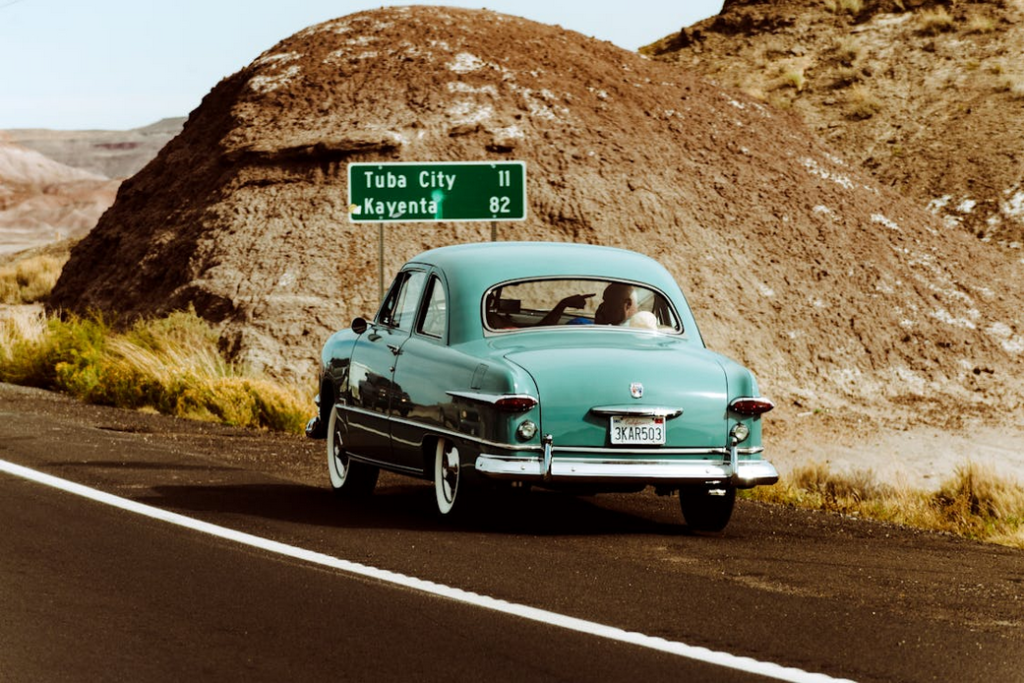
There was something about the days leading up to a road trip that made everything feel bigger than usual. You’d hear your parents talking about routes, packing lists, and where you might stop along the way, and it all felt like a secret plan unfolding. Even small details, like picking out snacks or deciding what to bring in the car, suddenly felt important. It wasn’t just a trip, it was an event.
That buildup made the actual departure feel like a launch. Waking up early, sometimes before the sun came up, added to the sense that something special was happening. The house felt different, quieter but buzzing at the same time. By the time you were buckled into your seat, it already felt like the adventure had begun.
2. The Car Became Your World
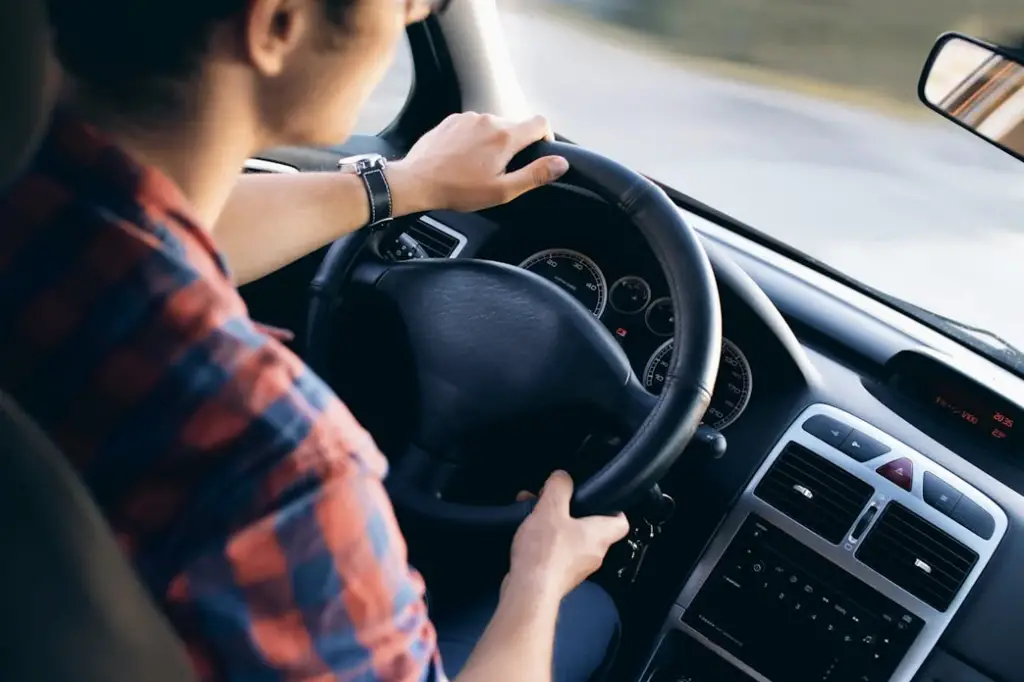
Once you were on the road, the car turned into its own little universe. You had your spot, your window, and whatever you managed to claim for entertainment. Hours passed in a way that felt strangely comfortable, even if you were cramped or bored at times. It was a contained space where everything revolved around the journey.
That closeness also meant shared experiences, whether you wanted them or not. You listened to the same music, heard the same conversations, and reacted to the same roadside sights. It created a kind of bond that didn’t happen in everyday life. Even the arguments and complaints became part of the memory later on.
3. Music Set the Tone for Everything
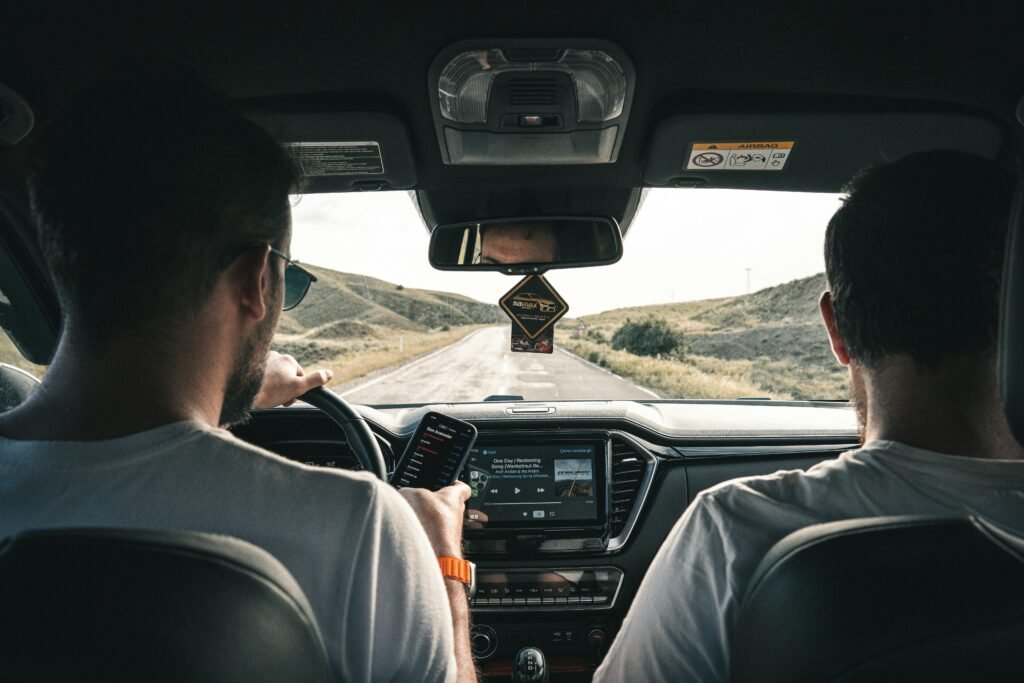
Road trips often came with a soundtrack, whether it was the radio or a carefully chosen cassette or CD. Certain songs became tied to specific trips, and hearing them later could bring everything rushing back. You didn’t have endless options, so you listened to the same tracks over and over. That repetition made the music feel more personal.
Singing along, even badly, became part of the experience. Parents might play their favorites, and you’d absorb them without realizing it. Sometimes those songs stuck with you long after the trip ended. The music helped mark time and distance in a way that made the drive feel meaningful.
4. Snacks Felt Like a Big Deal
Snacks were not just food, they were part of the excitement. You might get treats you didn’t normally have at home, like certain chips, candy bars, or sugary drinks. Having your own stash made you feel a little independent. It was something to look forward to as the miles went by.
There was also a rhythm to it, when to open something, when to save it, how long you could make it last. Sharing or trading snacks with siblings added another layer. Even the crumbs and sticky fingers became part of the experience. It turned eating into a small event within the larger trip.
5. The Scenery Kept Changing
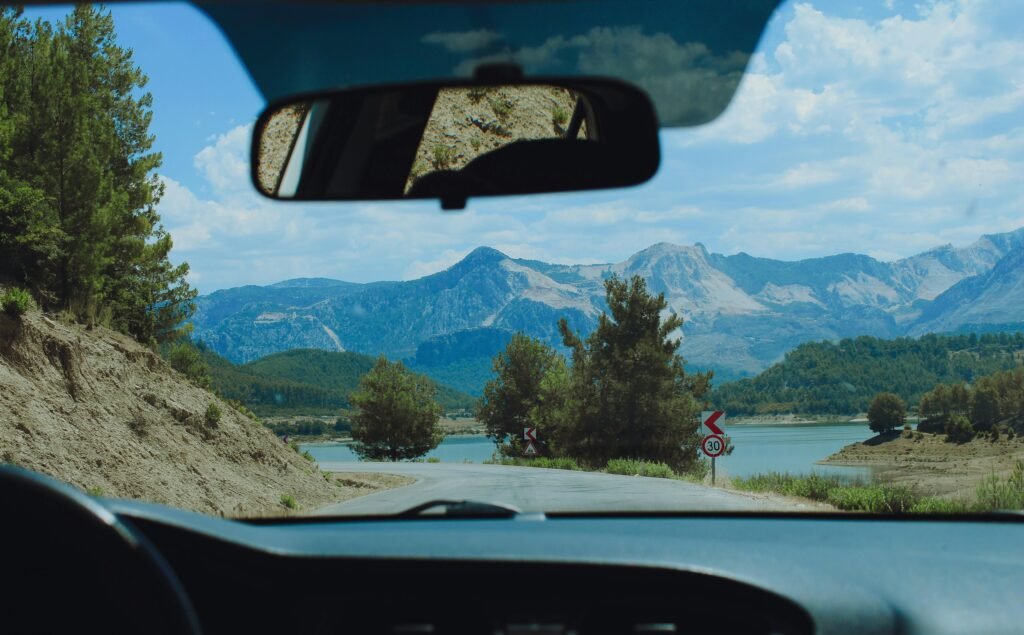
Unlike staying in one place, road trips meant constant movement. You could watch the world shift from towns to highways to open landscapes. Even if you didn’t fully understand where you were, you could tell things were changing. That sense of motion made everything feel more dynamic.
Looking out the window became its own activity. You might spot animals, unusual buildings, or signs that didn’t make much sense at the time. Those little discoveries kept your attention in a way that felt natural. It made the journey feel just as interesting as the destination.
6. Rest Stops Were Mini Adventures
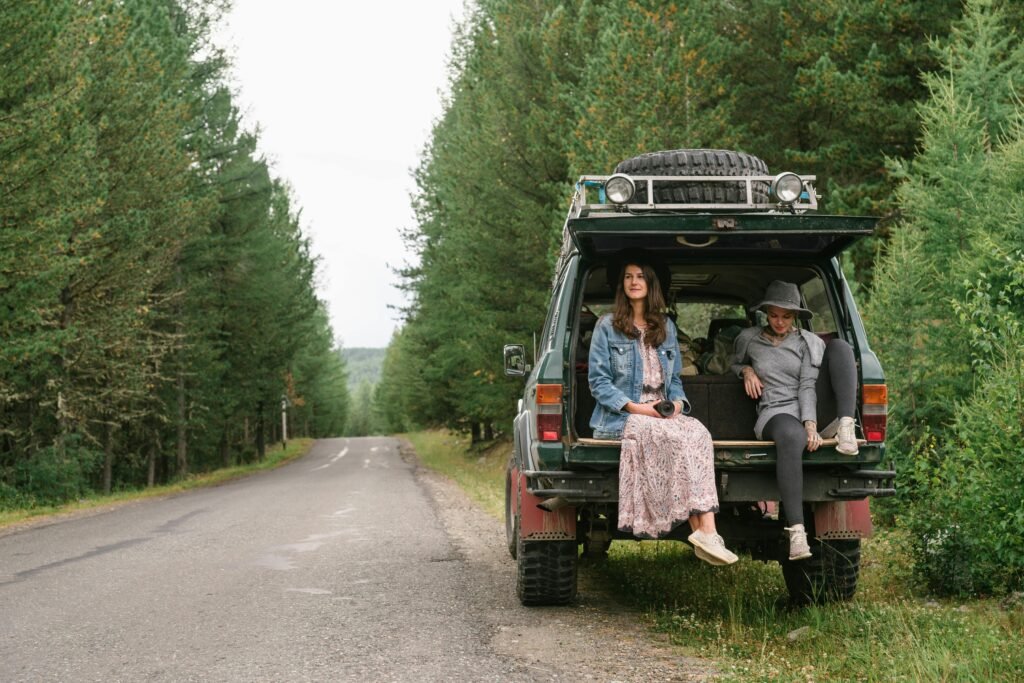
Stopping along the way felt like breaking into a new setting. Rest stops, gas stations, and roadside diners all had their own atmosphere. You could stretch your legs, explore a little, and reset before getting back in the car. Even a short stop felt like a change of pace.
Sometimes these places had unexpected details, like vending machines, maps, or small gift shops. For a kid, that could feel like discovering something new every time. The contrast between being in the car and stepping out made those moments stand out. It kept the trip from feeling repetitive.
7. Games Made the Time Fly
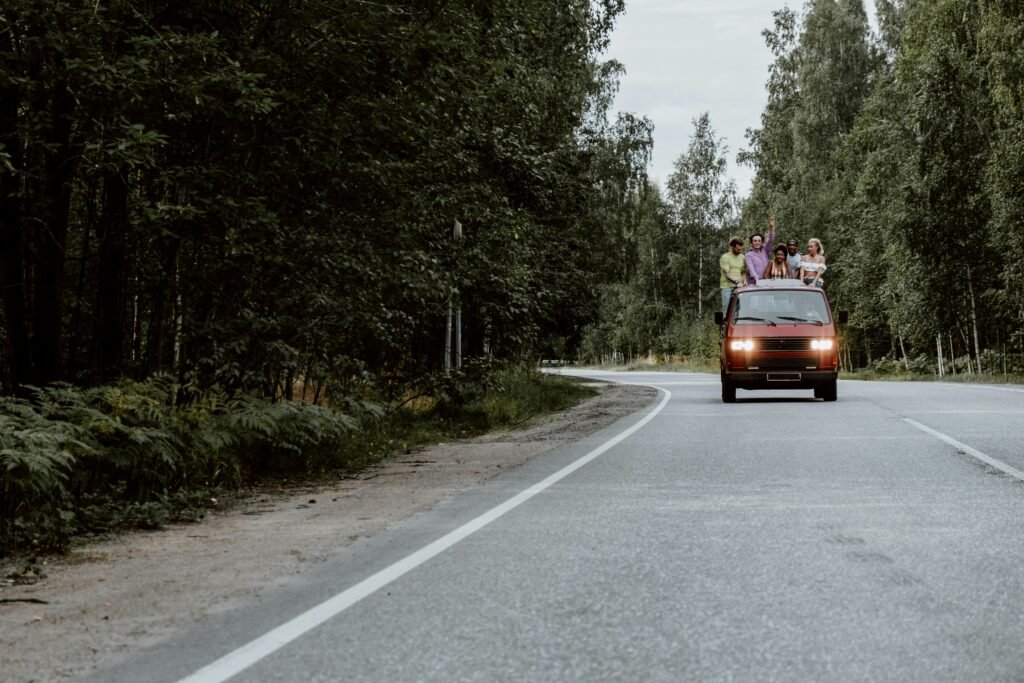
With limited entertainment options, simple games became essential. Things like counting cars of a certain color or playing word games filled long stretches of time. These activities didn’t require anything but attention and imagination. That made them easy to jump into whenever boredom hit.
There was also a sense of competition or cooperation, depending on the game. You might try to win, or just keep things going to pass the time. Even when the games got repetitive, they still worked. They turned empty hours into something more interactive.
8. The Unknown Added Excitement
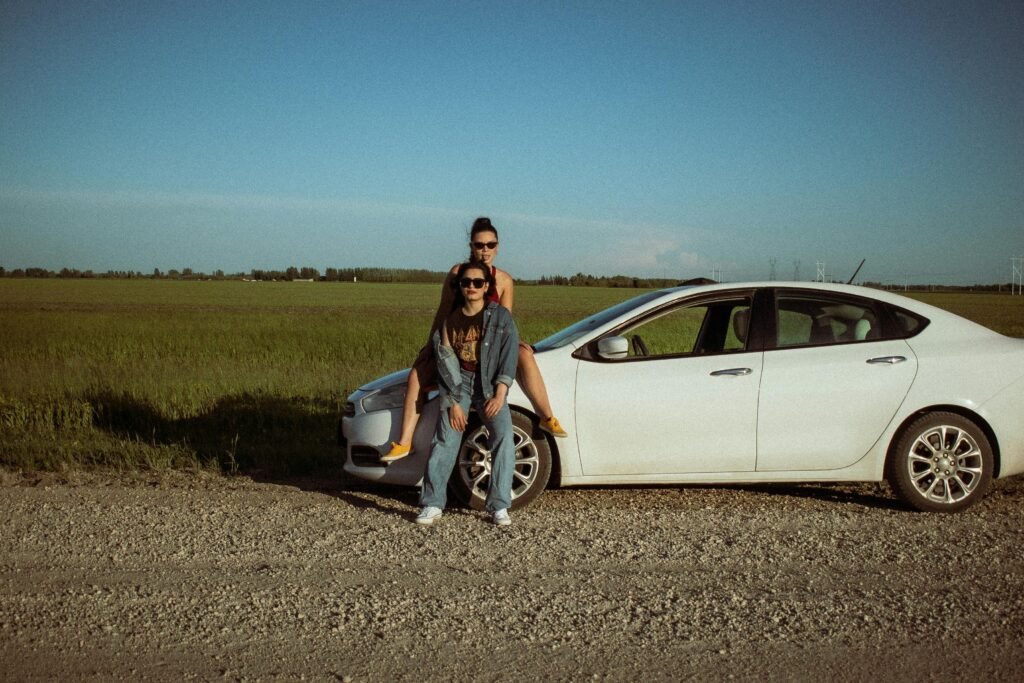
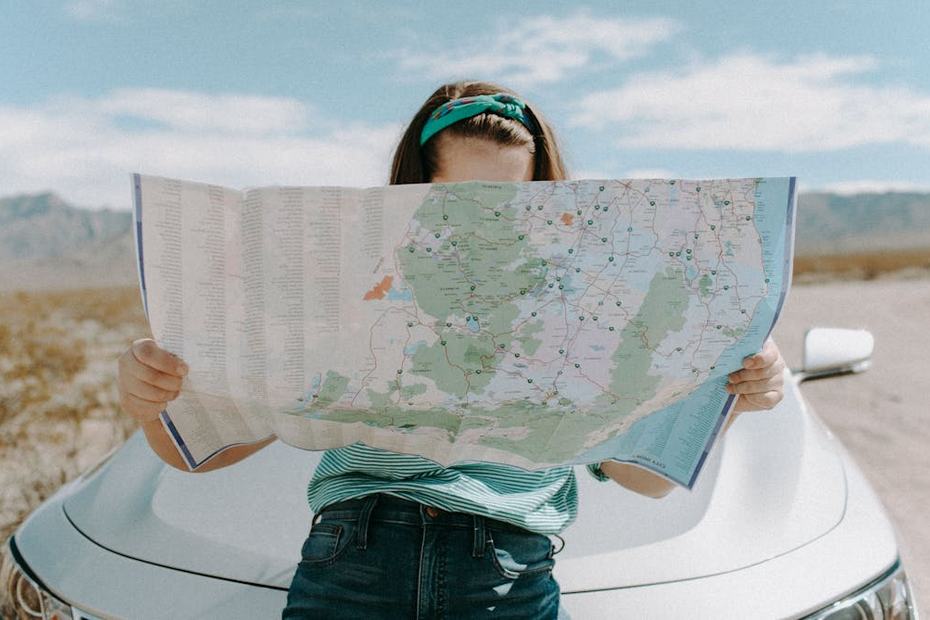
You usually didn’t know exactly what was coming next. Maps existed, but kids rarely had a full sense of the route. That uncertainty made everything feel a little more adventurous. Each turn or stop could bring something unexpected.
Not knowing how much longer the trip would take added to the feeling. You might ask “Are we there yet?” without really understanding the answer. That mix of curiosity and impatience was part of the experience. It made the destination feel more rewarding when you finally arrived.
9. Motels Felt Like Something New
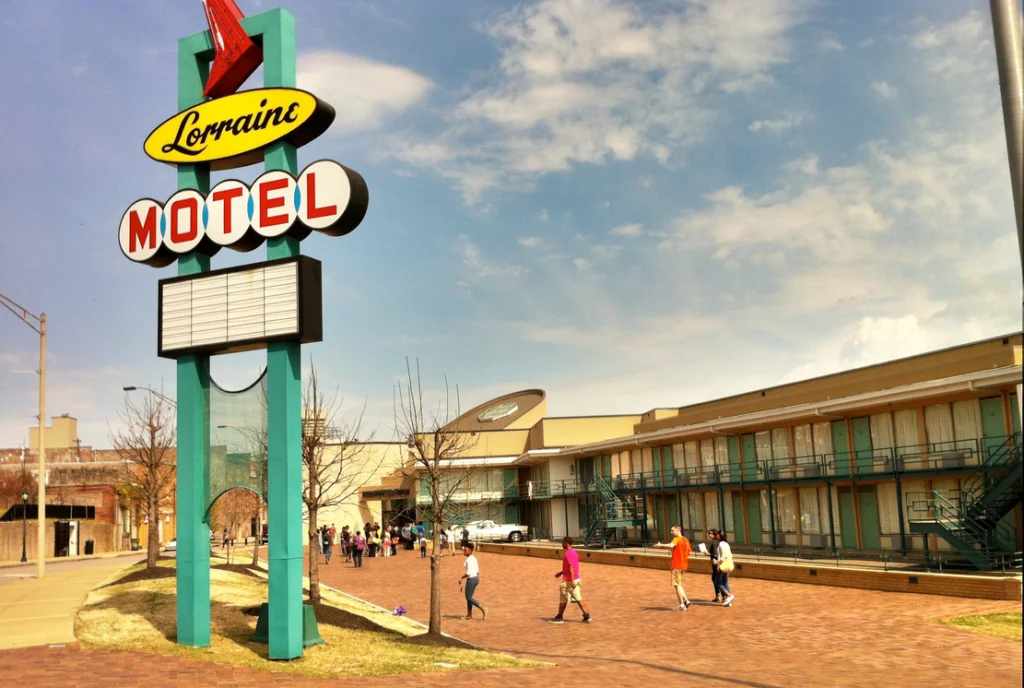
Staying overnight on a road trip often meant checking into a motel or hotel. For a kid, that felt different from being at home in a way that was exciting. The layout, the beds, even the TV setup felt unfamiliar. It was like stepping into a temporary version of someone else’s space.
There was also a sense of routine breaking. You might eat differently, stay up later, or watch something you normally wouldn’t. Even small things like ice machines or vending areas stood out. It made the overnight stop feel like its own separate adventure.
10. Family Stories Came Out Naturally
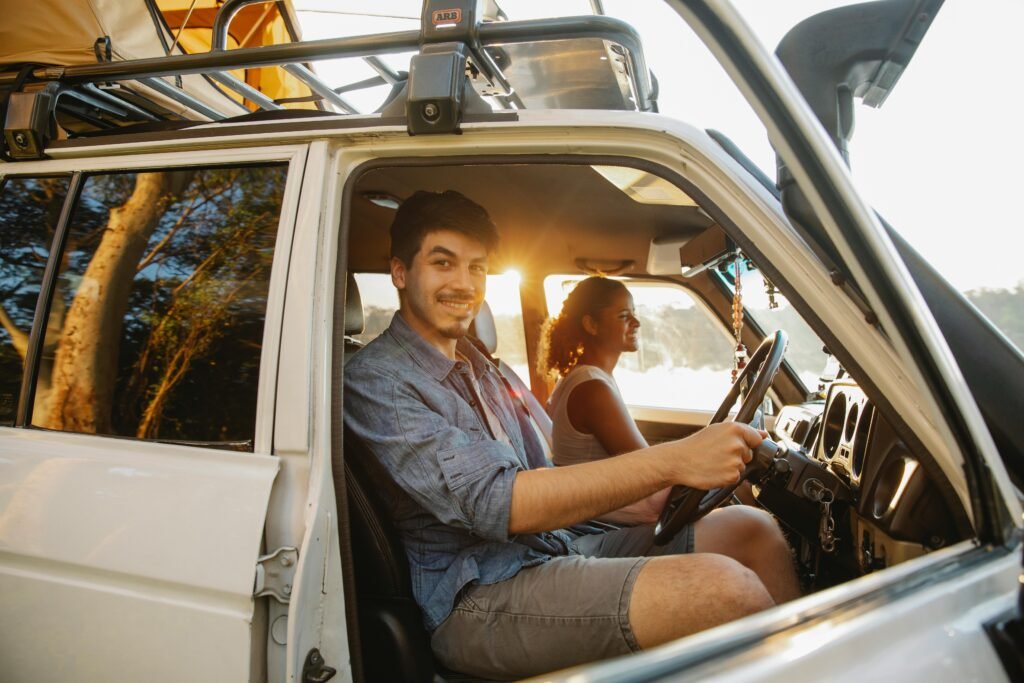
Long stretches of driving created space for conversation. Parents might tell stories from their past, or talk about places you were passing through. These weren’t planned discussions, they just happened over time. That made them feel more genuine.
Listening to those stories added depth to the trip. You started to connect places with people or events. It gave context to what might otherwise just be scenery. Those conversations often stuck with you long after the trip ended.
11. Simple Moments Felt Bigger
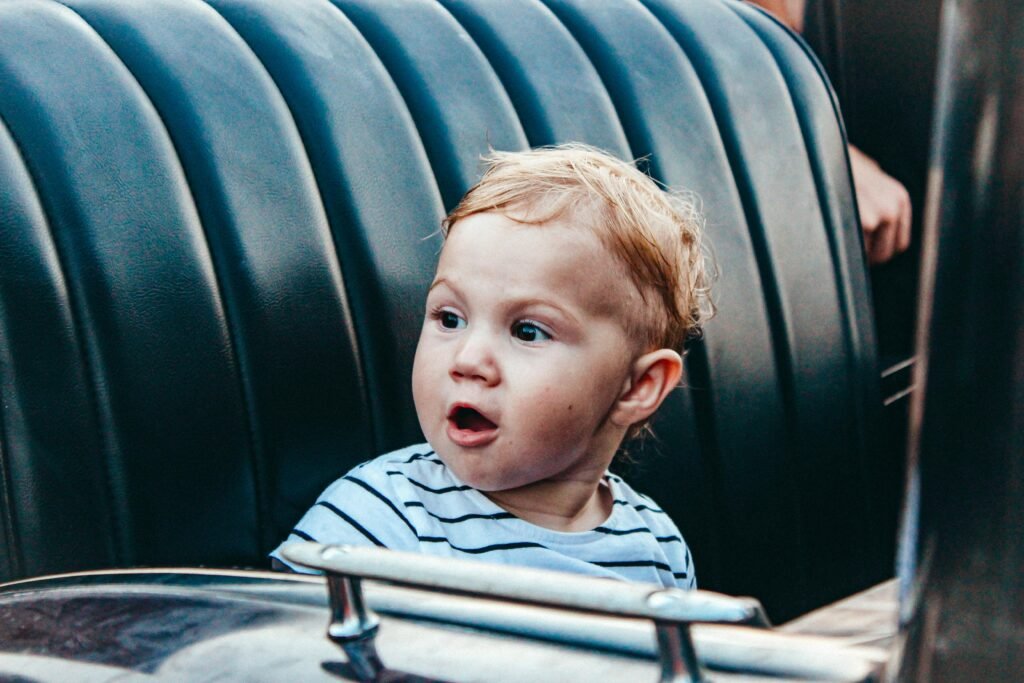
Without constant distractions, small things took on more importance. Watching clouds, spotting license plates from different states, or noticing road signs became part of the experience. You had time to pay attention in a way that felt different from everyday life. That slower pace made things stand out more.
Even boredom had a role in this. When there was nothing obvious to do, you found ways to stay engaged. That made ordinary moments feel more memorable. It created a kind of quiet excitement that built over time.
12. The Destination Felt Earned
After hours or even days on the road, arriving somewhere felt like an accomplishment. You didn’t just show up, you got there through the journey. That made the destination feel more meaningful. It was the payoff for everything that came before.
Stepping out of the car at the end carried a sense of relief and excitement at the same time. You were ready to explore, but also aware of how far you had come. That combination made the moment stick. It turned arrival into a memory, not just a transition.