1. Waking Up Before Anyone Else Felt Like a Secret Win
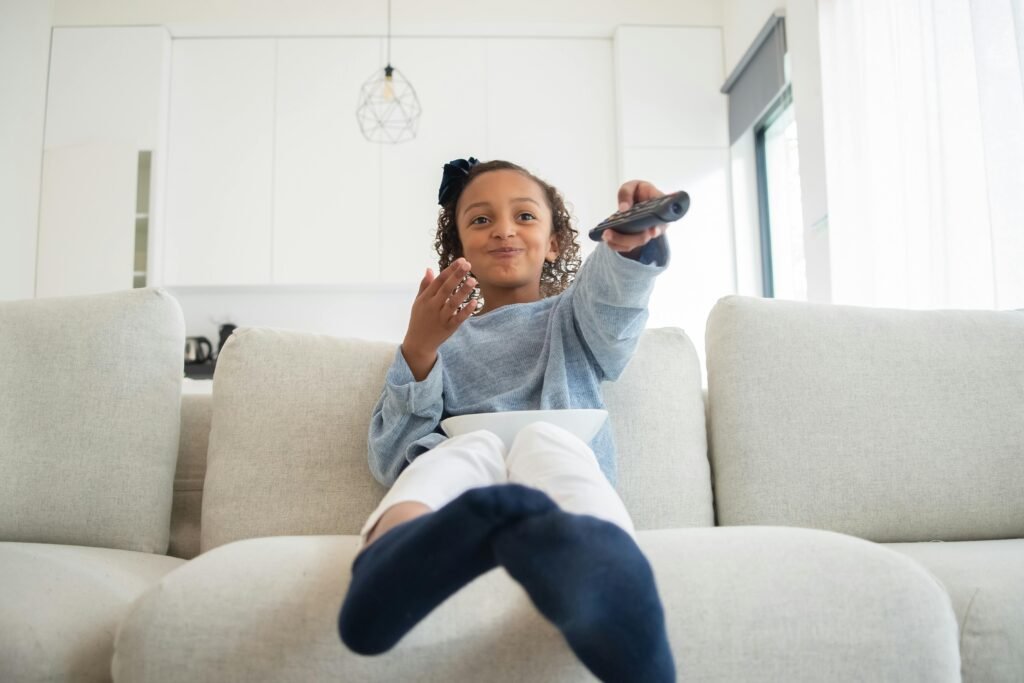
There was something oddly satisfying about being the first one awake in the house on a Saturday morning. The quiet felt different than on a school day, like the whole day was waiting just for you. You didn’t need an alarm clock, your body just knew it was cartoon time. Padding out to the living room in pajamas, turning on the TV, and keeping the volume low felt like a small act of independence. It was one of the few times kids were completely self-directed. No one was telling you to hurry up or get ready. It felt like you had claimed a piece of the day before anyone else even noticed it existed.
That early hour also made everything feel a little more special, almost like you were getting access to something exclusive. The glow of the TV in a dark or dim room made the experience feel bigger than it actually was. Even simple shows seemed more exciting in that quiet moment. There was no background noise from the rest of the house yet. It was just you and whatever was on screen. That sense of calm before the day started is hard to replicate as an adult. It’s part of why those mornings stick so clearly in memory.
2. Cartoons Were Only Available at Specific Times
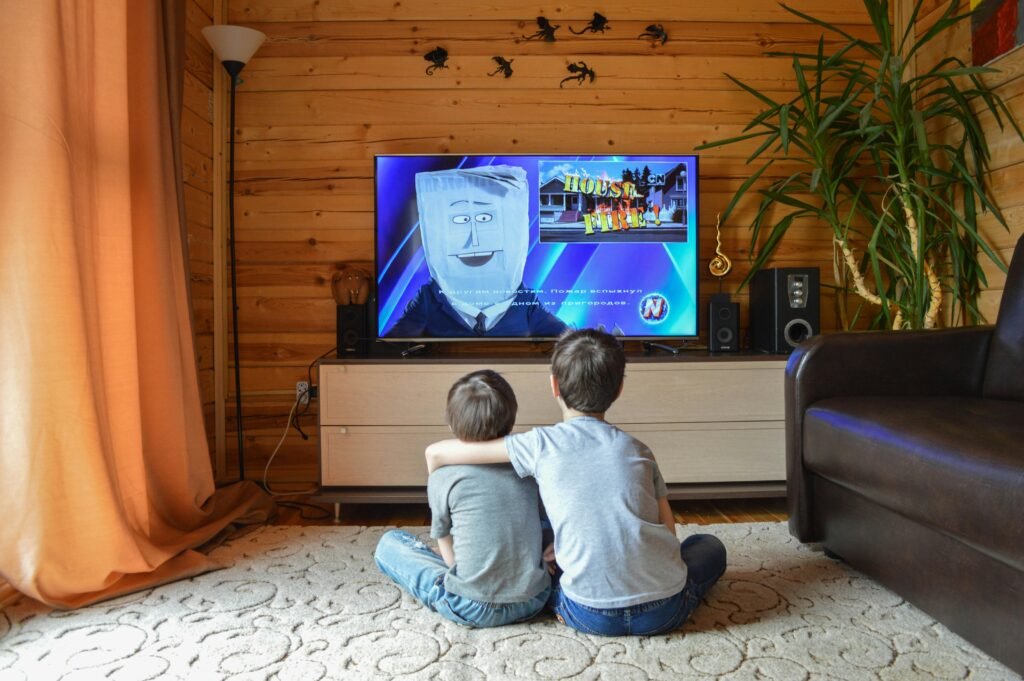
Unlike today, cartoons weren’t available on demand, which made Saturday mornings feel like an event. Networks scheduled blocks of animated shows specifically for kids, and if you missed one, you missed it. That limitation made every show feel more valuable. You paid attention because there wasn’t an easy way to rewatch it later. There was also a sense of anticipation built into the weekly schedule. You knew exactly what time your favorite show came on, and you planned around it.
That structure gave Saturday mornings a rhythm that felt almost ceremonial. The lineup would build throughout the morning, starting with lighter shows and moving into bigger favorites. Kids talked about those schedules during the week, comparing what they watched and what they missed. It created a shared experience across classrooms and neighborhoods. Everyone was watching the same thing at roughly the same time. That kind of collective viewing is much rarer now, which is part of why it felt so special then.
3. Pajamas Stayed On Way Longer Than Usual
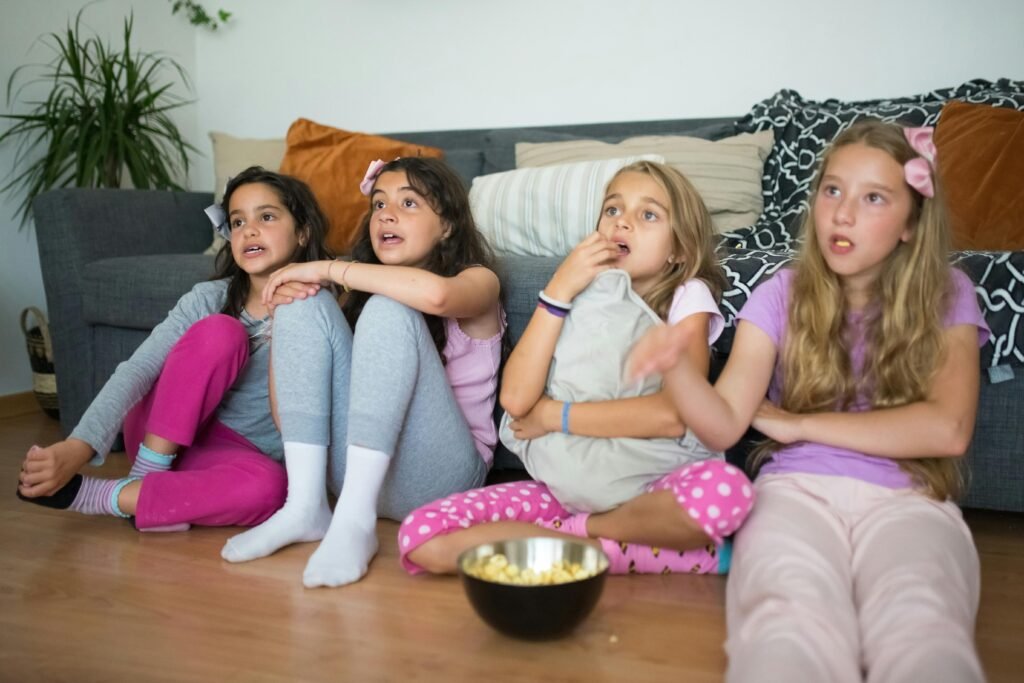
Saturday mornings didn’t come with the usual pressure to get dressed right away. Staying in pajamas was part of the whole experience. It signaled that the day hadn’t fully started yet, and you were allowed to linger in that in-between space. There was comfort in not having to rush. You could curl up on the couch or floor and settle in for hours.
That slower pace made everything feel more relaxed and personal. It wasn’t just about what you were watching, it was about how you were watching it. Blankets, pillows, and worn-in pajamas all became part of the routine. There was no expectation to be productive. That freedom, even if it only lasted a few hours, made a big impression. It gave kids a rare chance to just exist without a schedule.
4. Cereal Somehow Tasted Better in Front of the TV
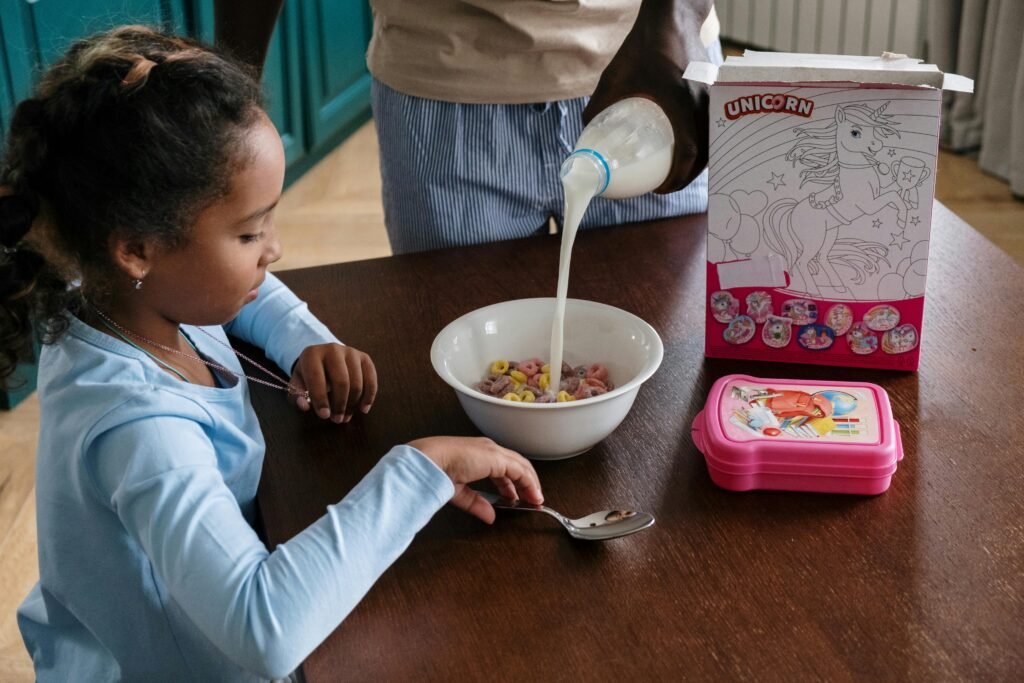
Saturday mornings and cereal were practically inseparable. Brightly colored boxes, sugary options, and cartoon mascots all lined up perfectly with what was on screen. Eating cereal in the living room felt like bending the rules in the best way. It wasn’t something most families encouraged during the week. That small shift made it feel like a treat.
The experience wasn’t just about the food, it was about the setting. Balancing a bowl on your lap while watching cartoons added to the feeling that this was a different kind of morning. Even the commercials tied into it, often advertising the same cereals you were eating. It created a loop where everything felt connected. The taste, the shows, and the atmosphere all blended together. That’s part of why those memories feel so vivid.
5. Commercials Were Part of the Fun
Commercial breaks weren’t something kids skipped, they were something they paid attention to. Toy ads, cereal promotions, and upcoming show previews all felt like extensions of the entertainment. You discovered new things you wanted just by watching them. Some commercials became just as memorable as the shows themselves.
There was also a social element to it. Kids would talk about those ads during the week, quoting lines or describing toys they had seen. It created a shared language that extended beyond the cartoons. Even if you didn’t get the toy, you still knew exactly what it was. The commercials filled in the gaps between shows in a way that kept the energy going. They were part of the overall experience, not just interruptions.
6. Parents Were More Relaxed About Screen Time
During the week, TV often came with limits and rules. Saturday mornings were one of the few times when those rules loosened. Parents were usually sleeping in or enjoying their own quiet time. That gave kids a window where they could watch multiple shows in a row without interruption.
That temporary freedom made the experience feel earned. It wasn’t unlimited access all the time, just a few hours that felt like a reward. Because of that, kids didn’t take it for granted. They leaned into it and made the most of it. The contrast between weekday restrictions and weekend freedom made Saturday mornings stand out even more. It was a small shift, but it carried a lot of weight.
7. The Living Room Became Your Personal Space
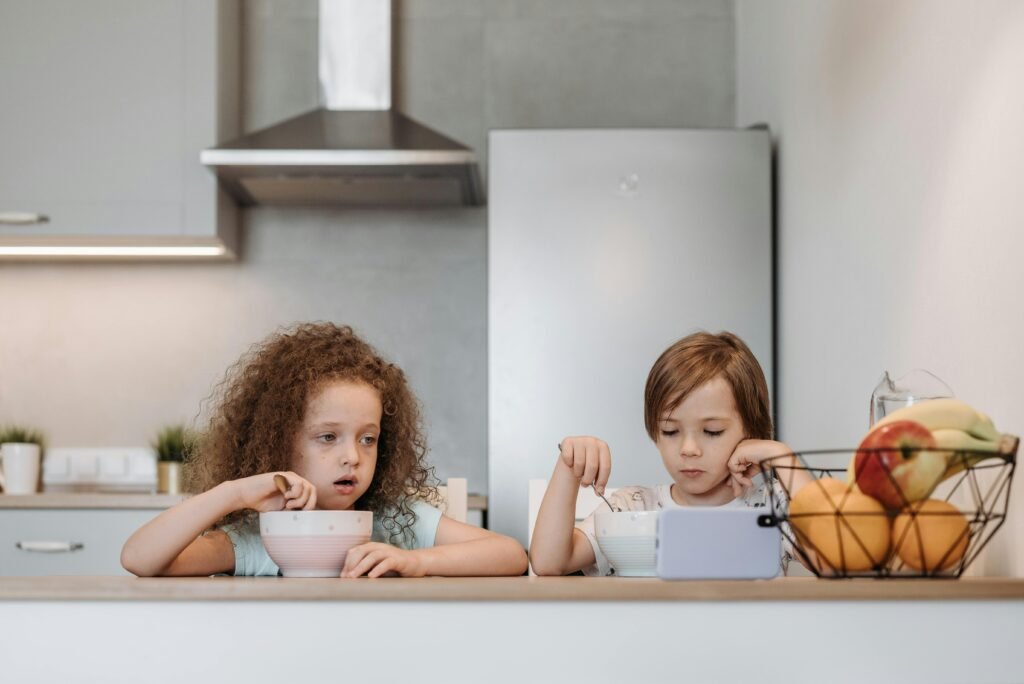
For a few hours, the living room felt like it belonged entirely to you. You could sprawl out on the floor, rearrange pillows, or sit inches from the TV without being told to move. It became a temporary zone where your preferences took priority. That sense of ownership was rare in a shared household space.
It also allowed kids to fully immerse themselves in what they were watching. Without distractions or competing uses for the room, the focus stayed on the screen. You weren’t multitasking or splitting attention. That kind of singular focus made everything feel more engaging. It’s part of why those shows felt so important at the time. The environment supported that level of attention.
8. The Lineup Built Anticipation All Morning
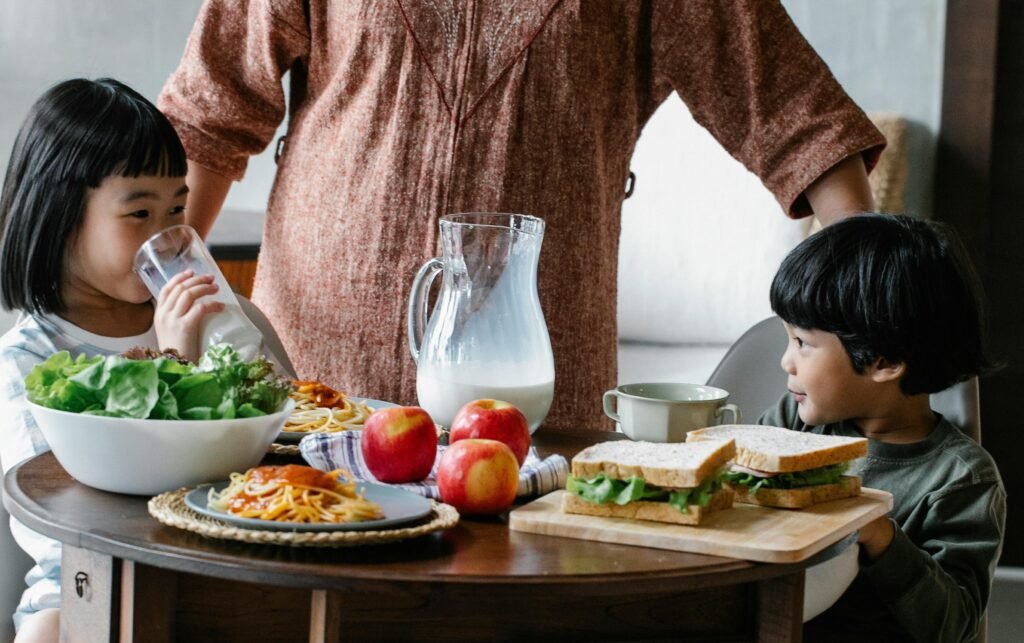
Saturday morning programming wasn’t random, it was carefully structured. Shows aired in a specific order, often building toward the most popular ones later in the morning. That progression kept kids watching longer. You didn’t just tune in for one show, you stayed for the next one, and then the next.
That structure created a sense of momentum. Each show felt like a step toward something bigger. It also gave kids something to look forward to throughout the morning. You weren’t just watching, you were waiting for your favorite to come on. That anticipation made the payoff feel more satisfying. It turned a few hours of TV into a full experience.
9. There Was No Pressure to Be Anywhere
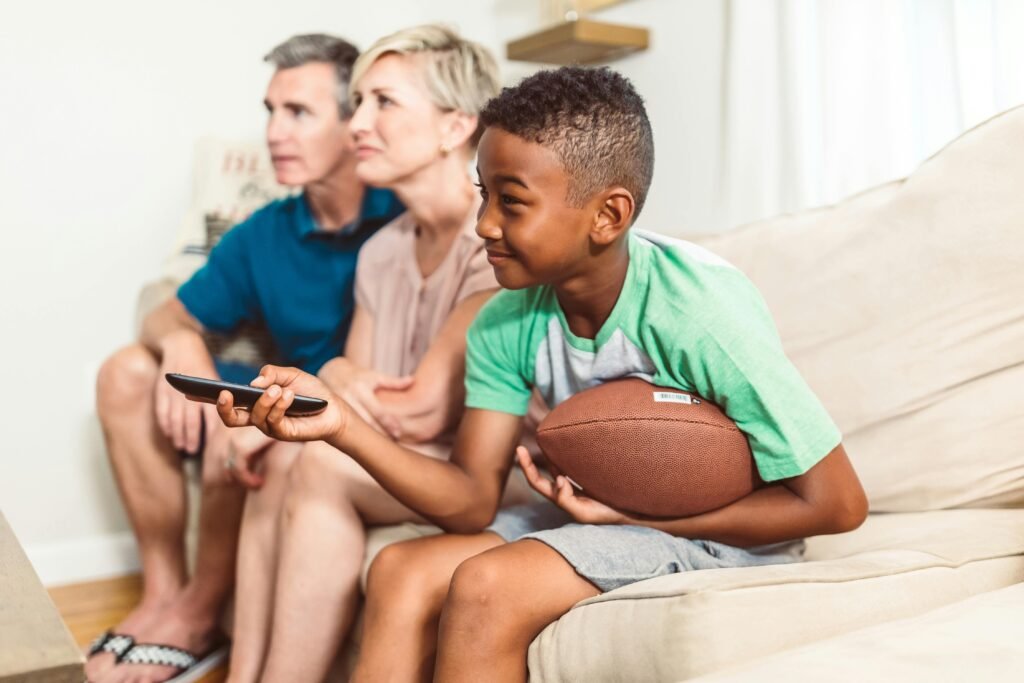
Unlike weekdays, there were usually no immediate obligations on Saturday mornings. No school, no early practices, no structured activities right away. That absence of pressure made it easier to relax. You didn’t have to watch the clock or rush through anything.
That freedom changed how kids experienced time. The morning felt longer and more open. You could settle into a routine without worrying about what came next. That kind of unstructured time is less common now. It’s part of what made those mornings feel so expansive. Even a few hours felt like a full break from responsibility.
10. Everyone Watched the Same Shows
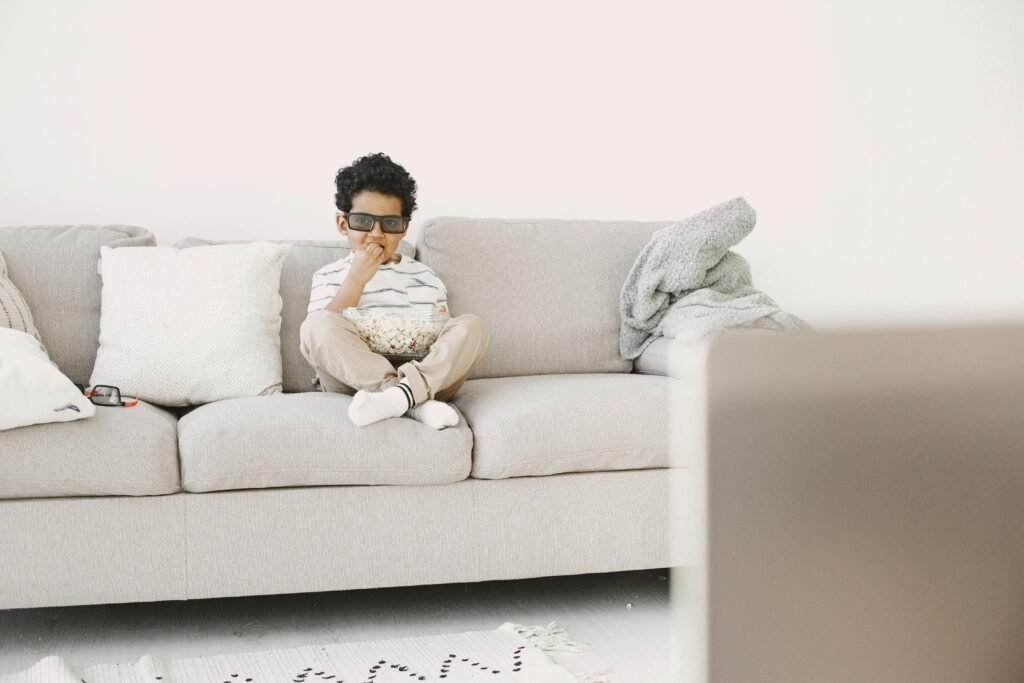
Because there were limited channels and scheduled programming, kids across different households were watching many of the same shows. That created a shared cultural experience. On Monday, conversations often revolved around what aired that weekend. It gave kids something immediate to connect over.
That shared viewing also made the shows feel bigger than they were. They weren’t just something you watched alone, they were something everyone experienced together. It built a sense of community without needing to coordinate anything. That kind of widespread overlap is harder to achieve now. It added another layer to why those mornings felt important.
11. The Transition to the Rest of the Day Felt Gentle
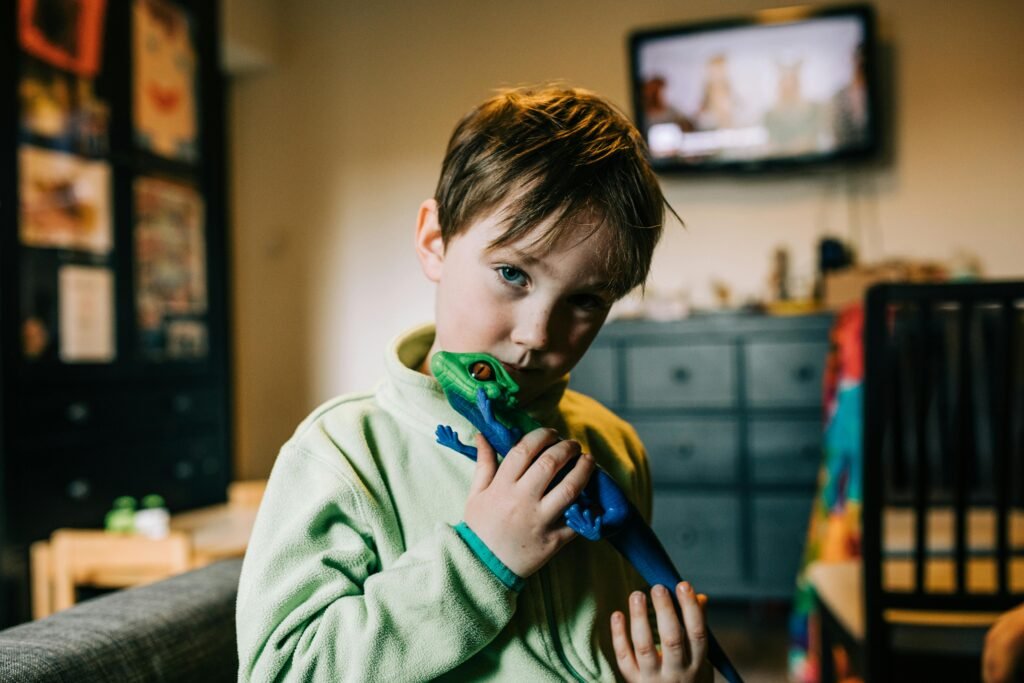
Saturday mornings didn’t end abruptly. As the cartoon blocks wrapped up, the day slowly shifted into other activities. Maybe it was time to go outside, run errands, or meet up with friends. The transition felt gradual instead of forced.
That pacing made the whole day feel more balanced. You had already started with something enjoyable, which set the tone for everything else. It wasn’t a rushed or stressful beginning. It was a soft entry into the weekend. That kind of start can shape how the rest of the day feels. It’s one of the quieter reasons those mornings stand out.
12. It Was a Weekly Ritual You Could Count On
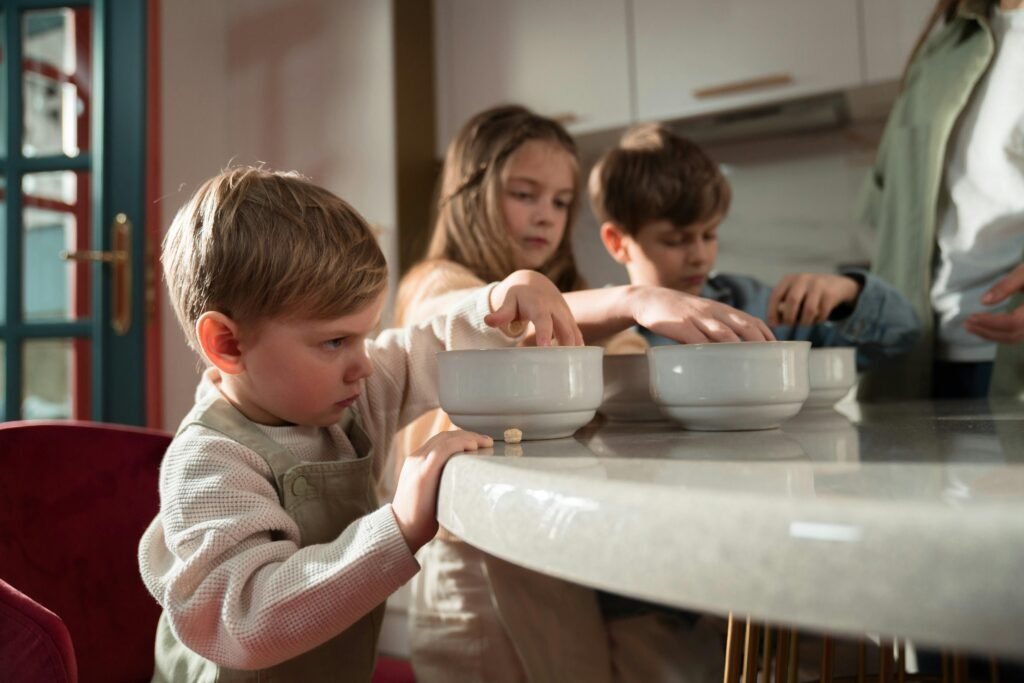
Saturday mornings weren’t a one-time event, they were a routine that repeated every week. That consistency made them feel reliable. No matter what else changed, you knew those few hours would be there. It became something kids looked forward to without needing to think about it.
That predictability gave the experience a sense of stability. It wasn’t just about the shows or the cereal, it was about knowing exactly what to expect. Over time, those repeated moments built strong memories. The details may have varied slightly, but the feeling stayed the same. That’s what made Saturday mornings feel like something more than just another part of the week.