
1. Conversation pits felt more intimate by design
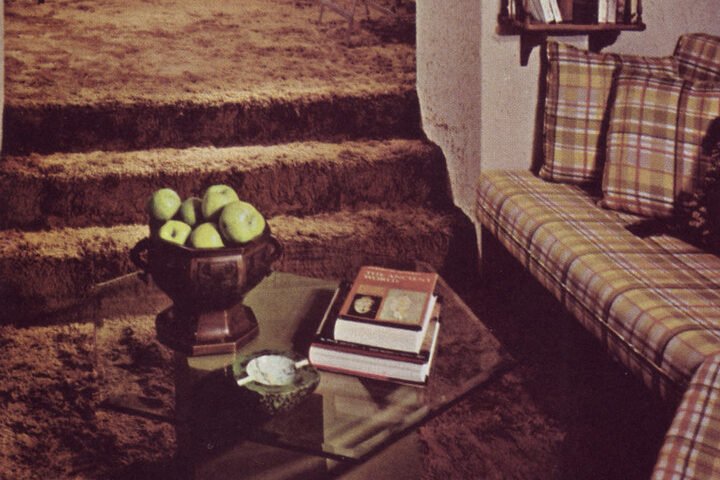
Sunken living rooms, often called conversation pits, were intentionally built a few steps below the main floor to create a more enclosed, social atmosphere. Architects in the 1960s and ’70s believed this physical separation made gatherings feel cozier and more focused. When you stepped down into the space, it subtly signaled that this was where people gathered to talk, relax, or entertain. The lowered floor also naturally brought people closer together, both physically and psychologically. Seating was often built in or arranged tightly, which reinforced that sense of connection. This was a period when hosting at home was a central part of social life, so the design supported that priority. Compared to formal sitting rooms of earlier decades, these spaces felt casual and inviting. That shift toward informality was a defining feature of the era.
In practice, the design worked especially well for parties and family time. People could settle in without feeling spread out across a large, open room. It also helped minimize distractions from nearby spaces like kitchens or entryways. Even in open floor plans, the sunken area created a clear “zone” for conversation. Many homeowners appreciated that it felt a little bit separate without needing walls. It was a clever architectural solution that matched changing social habits. Over time, though, that same separation would start to feel less practical. But in the ’70s, it was seen as both stylish and functional.
2. Open floor plans needed visual definition
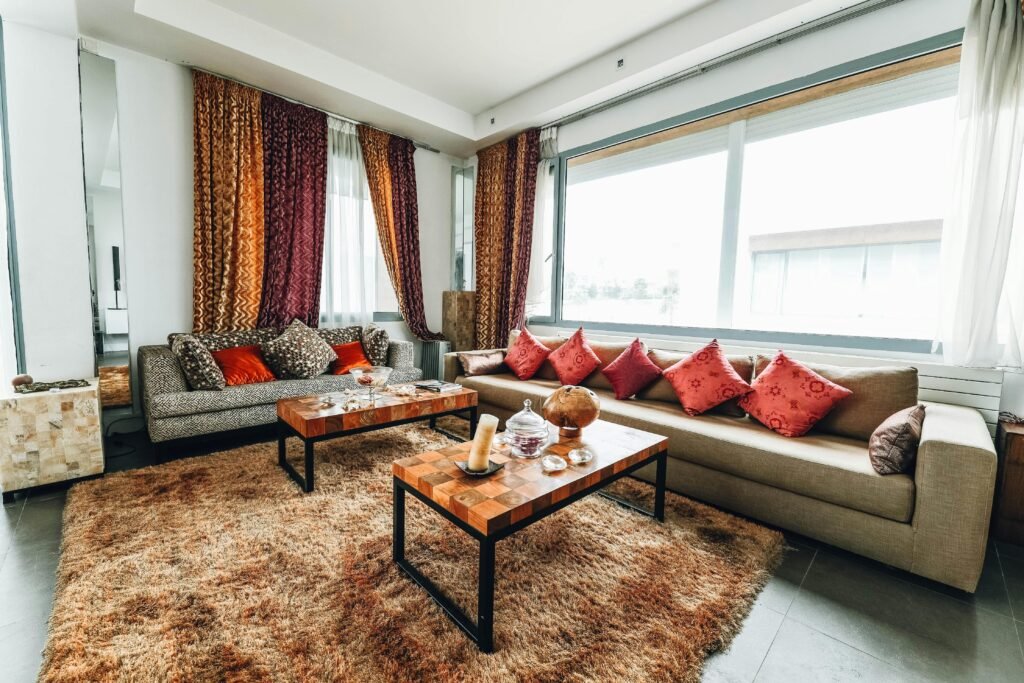
As open-concept layouts became more popular, designers needed ways to break up large, continuous spaces. Sunken living rooms offered a simple way to define different areas without adding walls. By lowering the floor, the living space could feel distinct from the dining room or kitchen while still remaining visually connected. This approach aligned with modernist design principles that emphasized flow and openness. It also allowed natural light to move freely throughout the home. Instead of closing off rooms, architects used levels and sightlines to create structure.
This was particularly appealing in suburban homes, where families wanted both openness and organization. A step-down living room gave the impression of multiple rooms within one larger space. It also created a focal point that anchored the layout. Furniture placement became more intentional, often centered around a fireplace or conversation area. The design encouraged people to gather in a specific spot rather than drift aimlessly. While later decades would favor completely flat floors, this layered approach defined the look of many ’70s interiors. It was a practical response to evolving home design trends.
3. Mid-century modern design carried into the ’70s
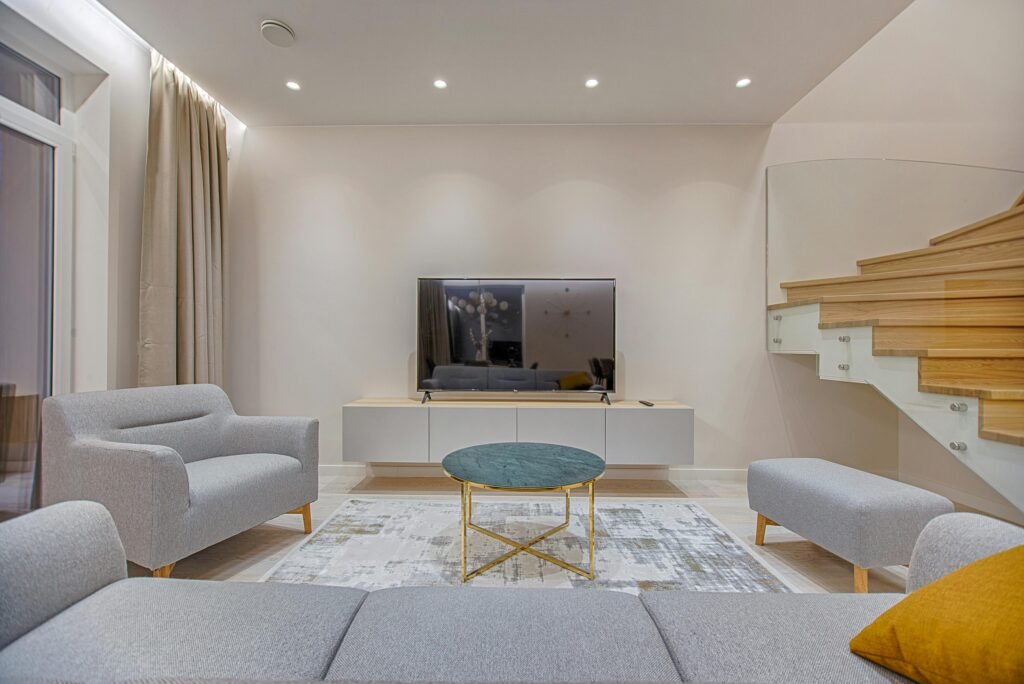
The concept of the sunken living room actually originated earlier, particularly in mid-century modern architecture. Designers like Eero Saarinen and Bruce Goff experimented with split-level interiors that blurred traditional room boundaries. By the time the 1970s arrived, those ideas had become more mainstream. Builders adopted the look and adapted it for suburban homes. What started as an architectural statement in custom homes became a widely recognized trend. The style aligned with the era’s appreciation for clean lines and integrated spaces. It also reflected a desire to move away from rigid, compartmentalized layouts.
Homeowners didn’t necessarily think of it as “modernist theory,” but they recognized the aesthetic appeal. The sunken living room felt contemporary and a little bit sophisticated. It suggested that the home was designed, not just built. Even tract homes began incorporating similar features to keep up with demand. This widespread adoption helped cement the look as a defining element of the decade. It was one of the ways mid-century ideas extended well into the ’70s. Over time, it became so common that it was almost expected in new construction.
4. It complemented shag carpet and low furniture
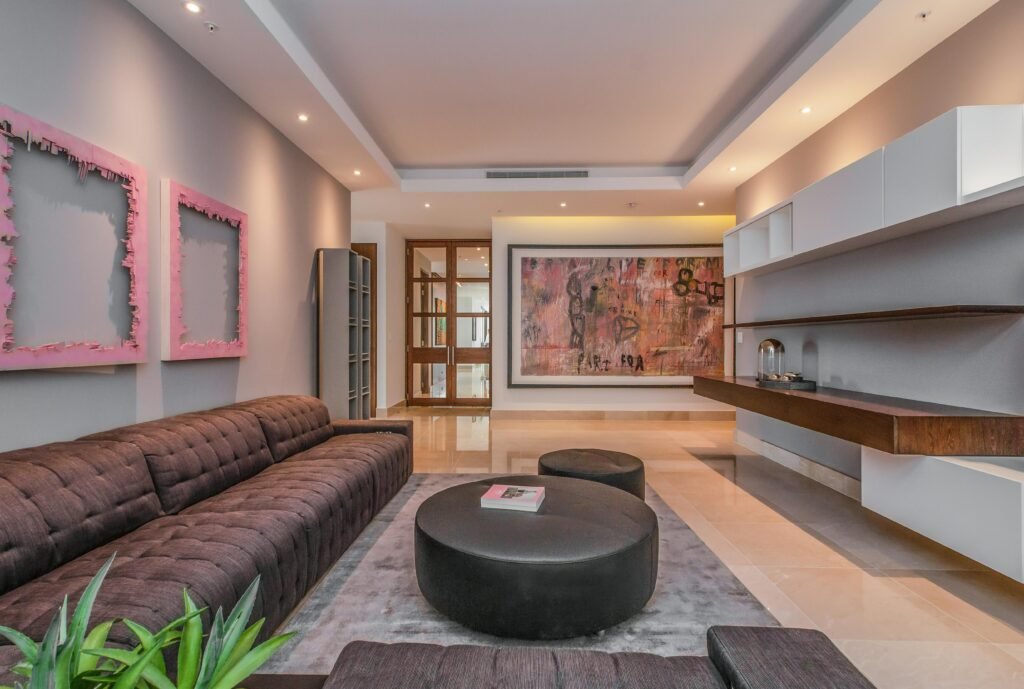
Interior design trends in the 1970s leaned heavily toward low-profile furniture and plush materials. Sunken living rooms worked perfectly with this aesthetic. Sofas, sectionals, and chairs were often designed to sit closer to the ground, which made the lowered floor feel natural rather than awkward. Thick carpeting, especially shag, added to the sense of comfort and softness. When combined, these elements created a lounge-like atmosphere that felt relaxed and informal. The space encouraged people to sit back, stretch out, and stay awhile.
The visual effect was also important. The step-down made the furniture feel more integrated into the room rather than just placed on top of it. Built-in seating, which was common in these spaces, reinforced that seamless look. Colors and textures, from earth tones to velvets, were often coordinated throughout the area. The result was a cohesive design that felt intentional and immersive. It was less about formality and more about comfort and style. That combination resonated strongly with homeowners at the time. It captured the overall mood of ’70s interiors.
5. It created a natural focal point for entertaining
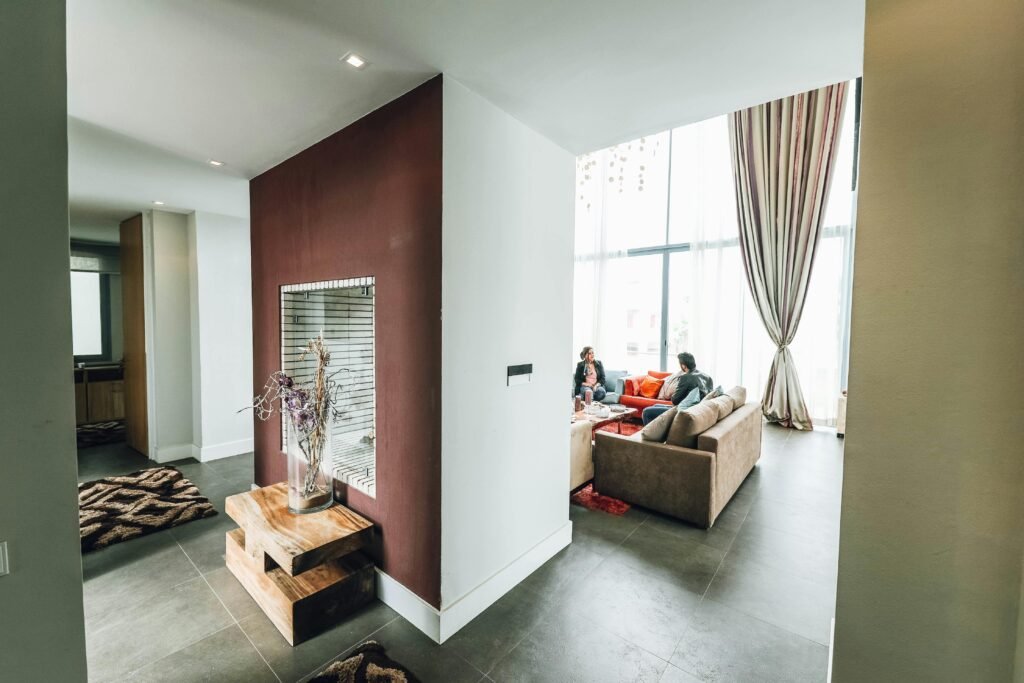
Entertaining at home was a major part of social life in the 1970s, and sunken living rooms were designed with that in mind. The lowered space naturally drew attention, making it the center of activity during gatherings. Guests would gravitate toward the conversation pit without needing direction. The design also made it easier for hosts to interact with multiple people at once. Everyone was within view and close enough to engage in conversation. This was especially useful during parties or casual get-togethers.
The layout often included features like fireplaces, built-in bars, or large coffee tables, which reinforced the room’s role as a social hub. These elements gave people a reason to gather and linger. The slightly enclosed feeling helped reduce noise from other parts of the house. It also made the space feel more intimate, even with a larger group. For homeowners who enjoyed hosting, it was a practical and stylish solution. The design supported the way people actually used their homes. That functionality helped drive its popularity.
6. Split-level homes were extremely popular
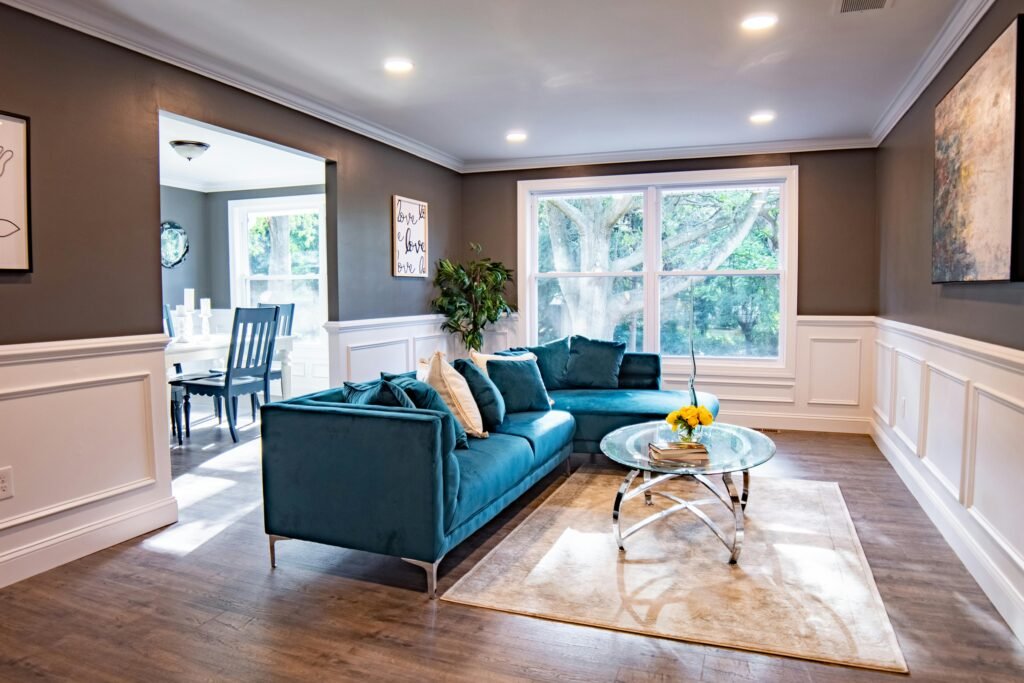
The rise of split-level homes in postwar America played a significant role in the spread of sunken living rooms. These homes were designed with staggered floors to maximize space on smaller lots. Incorporating a step-down living area fit naturally into that layout. It allowed builders to create visual interest without increasing the home’s footprint. The design also made efficient use of vertical space. As suburban development expanded, this style became increasingly common.
Homebuyers were drawn to the unique layout, which felt different from traditional single-level homes. The sunken living room became one of the defining features of this type of house. It added character and made the home feel more modern. Builders often highlighted it in marketing materials as a premium feature. Over time, it became closely associated with suburban living in the ’70s. The design was both practical and visually appealing. Its widespread use in these homes helped solidify its place in the decade’s architectural identity.
7. It helped separate formal and informal spaces
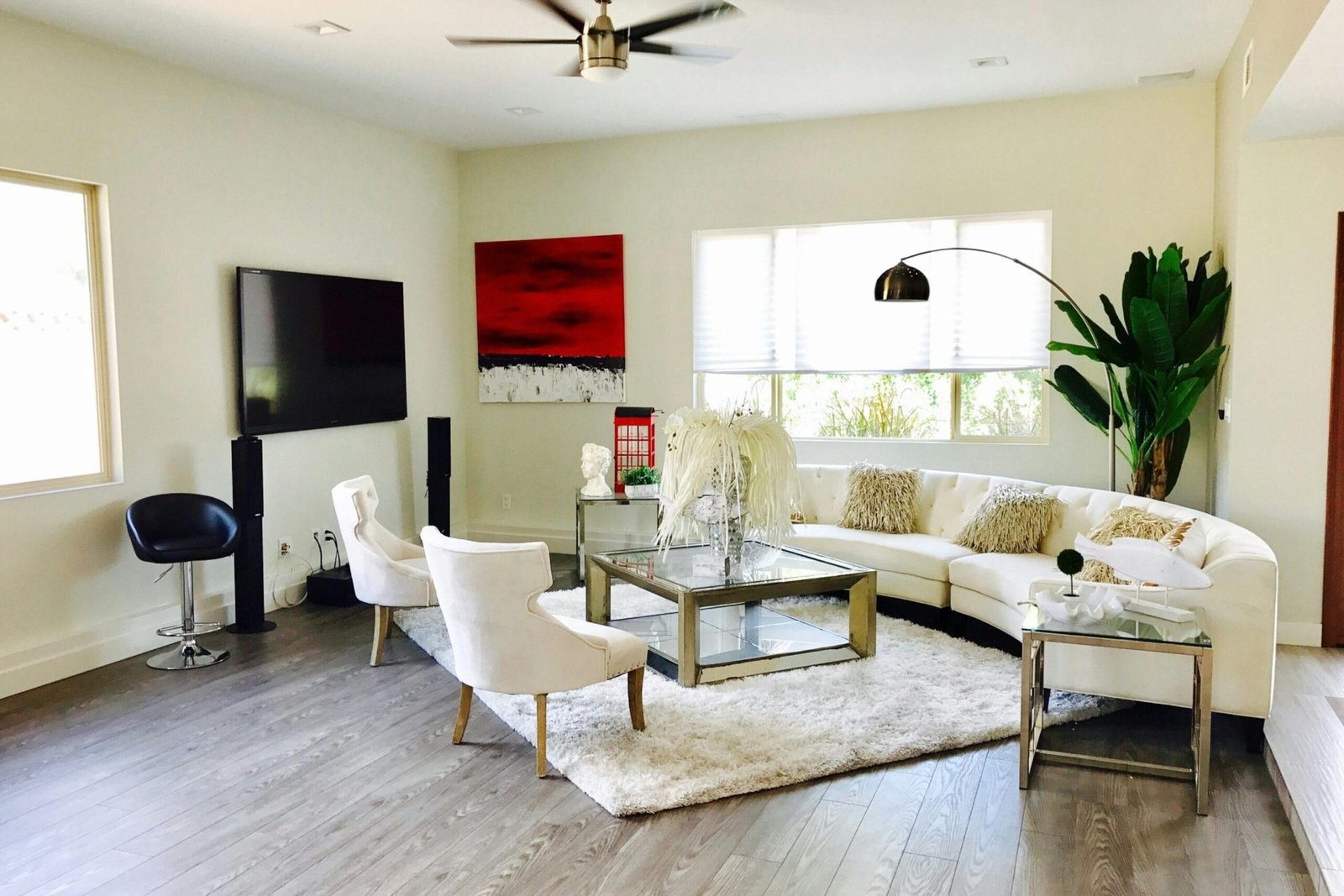
During this period, many homes still maintained a distinction between formal and informal areas. Sunken living rooms often served as the informal gathering space, while traditional living or dining rooms remained more formal. The change in floor level created a clear boundary without needing doors or walls. This allowed families to use the space more casually without disrupting the rest of the home. It also made it easier to keep formal areas tidy for guests.
The design reflected changing attitudes about how homes were used. People wanted spaces that felt comfortable and lived-in, not just presentable. The sunken area provided that flexibility. It was a place where kids could play, adults could relax, and guests could gather. At the same time, the rest of the house could maintain a more traditional feel. This balance appealed to many homeowners. It allowed them to embrace new trends without completely abandoning old ones.
8. It enhanced the sense of depth and dimension
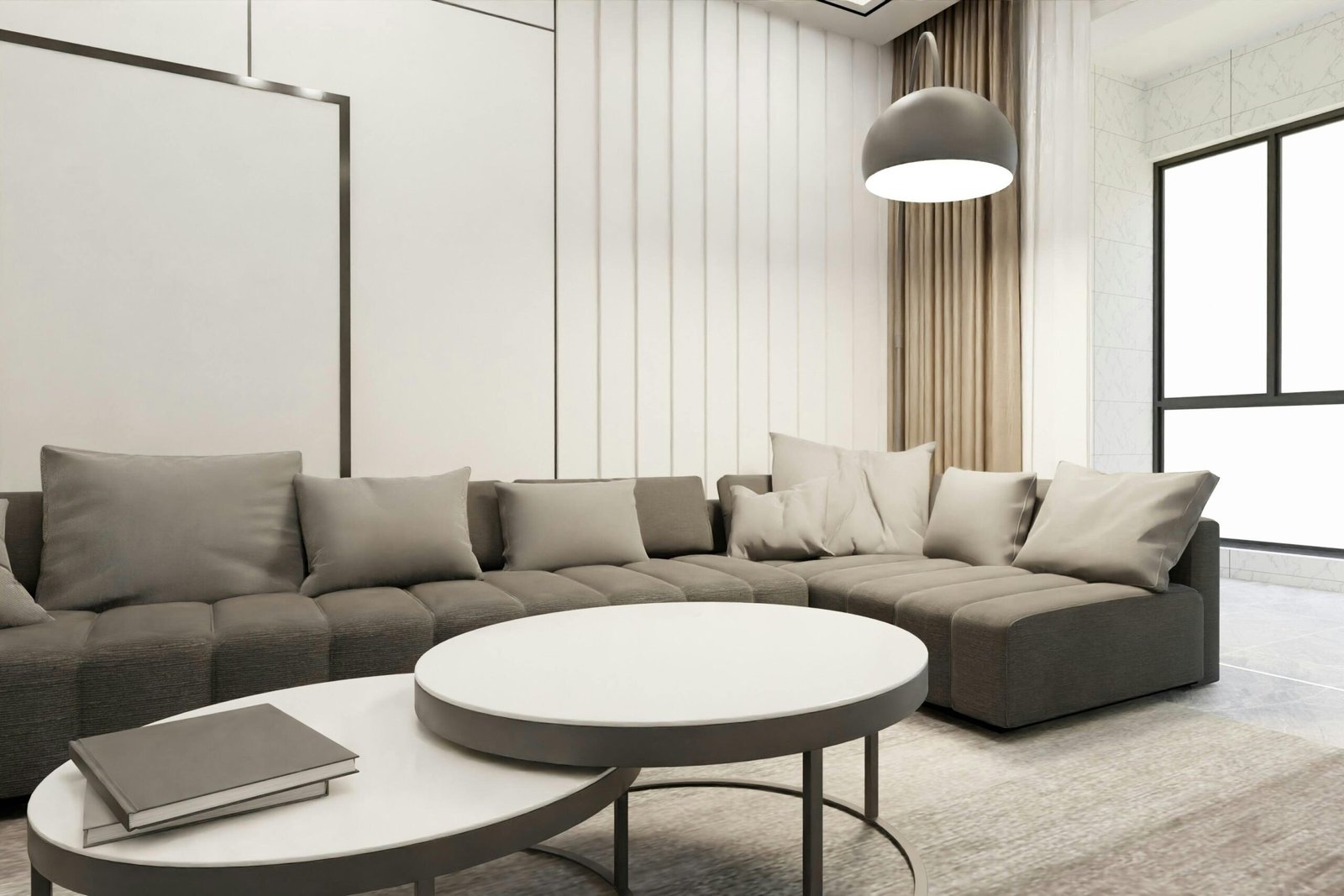
From a purely visual standpoint, sunken living rooms added depth to a home’s interior. The change in elevation created layers, which made the space feel more dynamic. Instead of a flat, uniform floor, the room had variation and movement. This was particularly effective in larger homes, where a single-level layout might feel too expansive or empty. The step-down helped break up that space in a subtle way. It also gave designers more opportunities to play with lighting and sightlines.
For example, lighting fixtures could be positioned to highlight the lower area, drawing attention to it. Ceiling heights often appeared taller in contrast to the sunken floor. This created a more dramatic and interesting environment. Even simple furniture arrangements looked more intentional within the defined space. The design added visual interest without relying on excessive decoration. That balance was important in maintaining a cohesive look. It was one of the reasons the style became so widespread.
9. It reflected a shift toward casual living
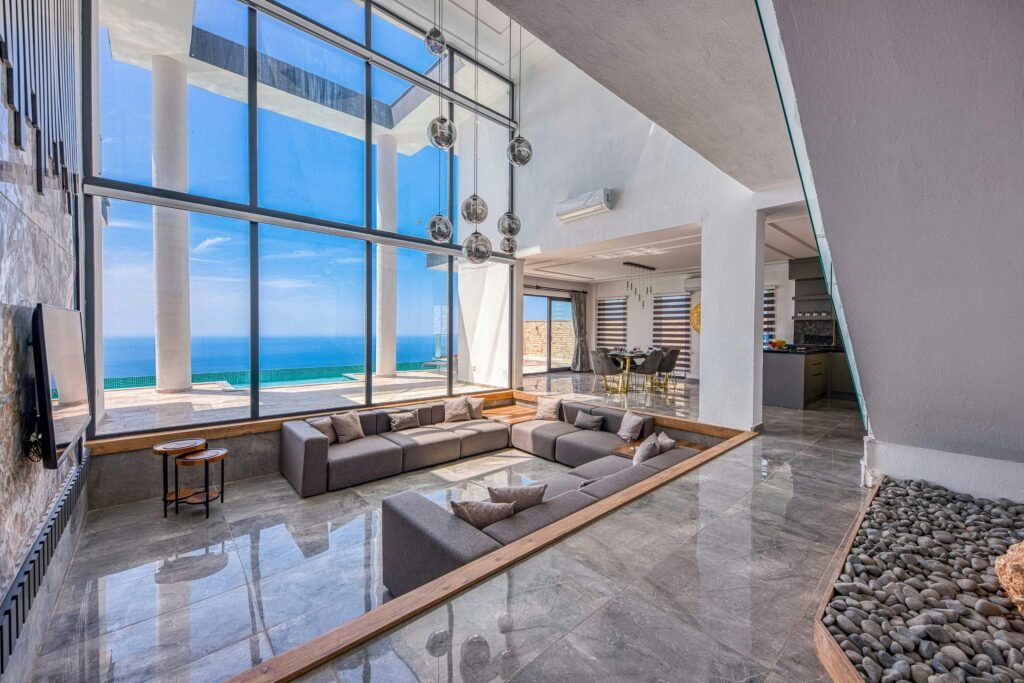
The 1970s marked a broader cultural shift toward more relaxed lifestyles, and home design followed suit. Sunken living rooms embodied that change. They were less formal than traditional parlors and more adaptable to everyday use. People could sit on the floor, lounge on cushions, or rearrange seating as needed. The space encouraged comfort over formality. This aligned with the decade’s emphasis on informality in both fashion and lifestyle.
The design also supported more flexible use of space. A sunken living room could function as a family room, entertainment area, or even a place for quiet relaxation. It wasn’t tied to a single purpose. That versatility made it appealing to a wide range of homeowners. It also reflected changing family dynamics, with more emphasis on shared spaces. The home became a place for gathering rather than just hosting formal events. This cultural shift played a significant role in the trend’s popularity.
10. Builders used it as a selling feature
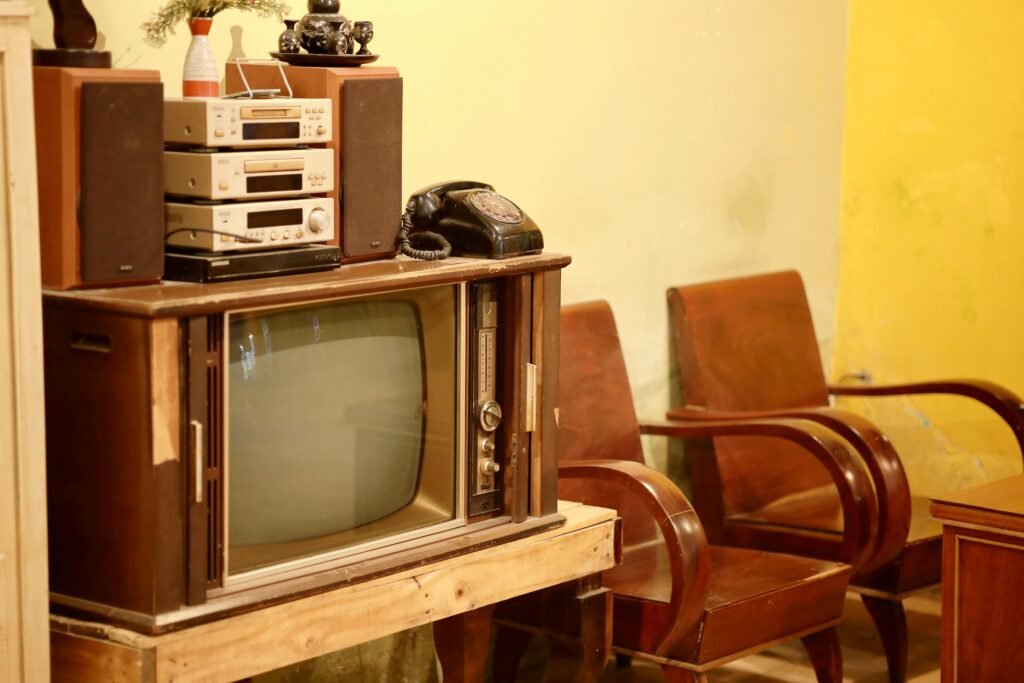
By the mid-1970s, sunken living rooms had become a recognizable trend, and builders used them to market new homes. Including a step-down living area made a house feel more modern and upscale. It was a relatively simple design change that had a big visual impact. Buyers often saw it as a sign that the home was thoughtfully designed. Real estate listings frequently highlighted the feature as a key selling point.
This widespread marketing helped reinforce the trend. As more homes included sunken living rooms, they became an expected feature rather than a novelty. Builders continued to incorporate them to stay competitive. The design also allowed for differentiation in otherwise similar suburban developments. It gave each home a bit of character. Over time, this contributed to the feature’s ubiquity. It wasn’t just an architectural choice, it was a strategic one.
11. It worked well with built-in features
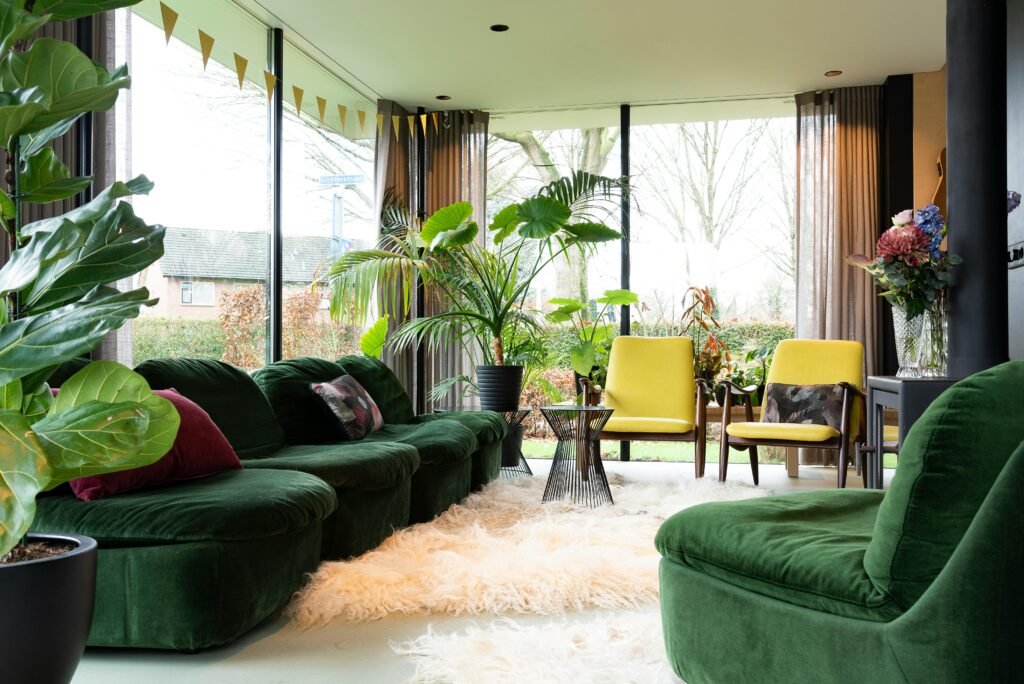
Sunken living rooms often included built-in elements like seating, shelving, or fireplaces. The lowered floor made these features feel more integrated into the space. Instead of standing out, they became part of the overall design. Built-in seating, in particular, was a common feature that reinforced the idea of a dedicated gathering area. It also maximized the use of space, especially in smaller homes.
These built-ins contributed to the room’s cohesive look. Everything felt connected and intentional. The design reduced the need for additional furniture, which kept the space uncluttered. It also made the room easier to maintain. Homeowners appreciated the combination of style and practicality. The built-in elements complemented the overall aesthetic of the era. Together, they created a distinctive and recognizable look.