
1. It Started as a Luxury Upgrade
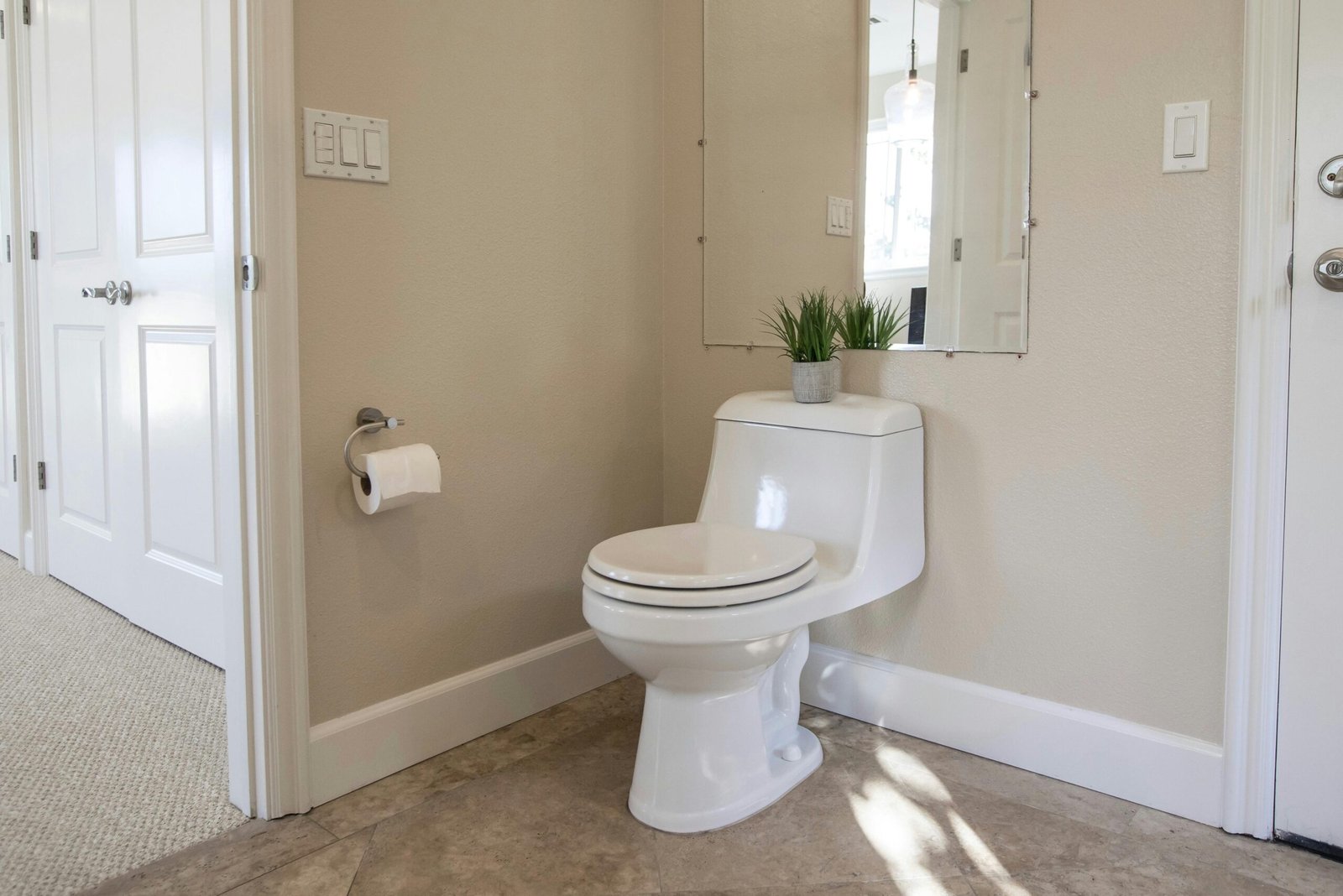
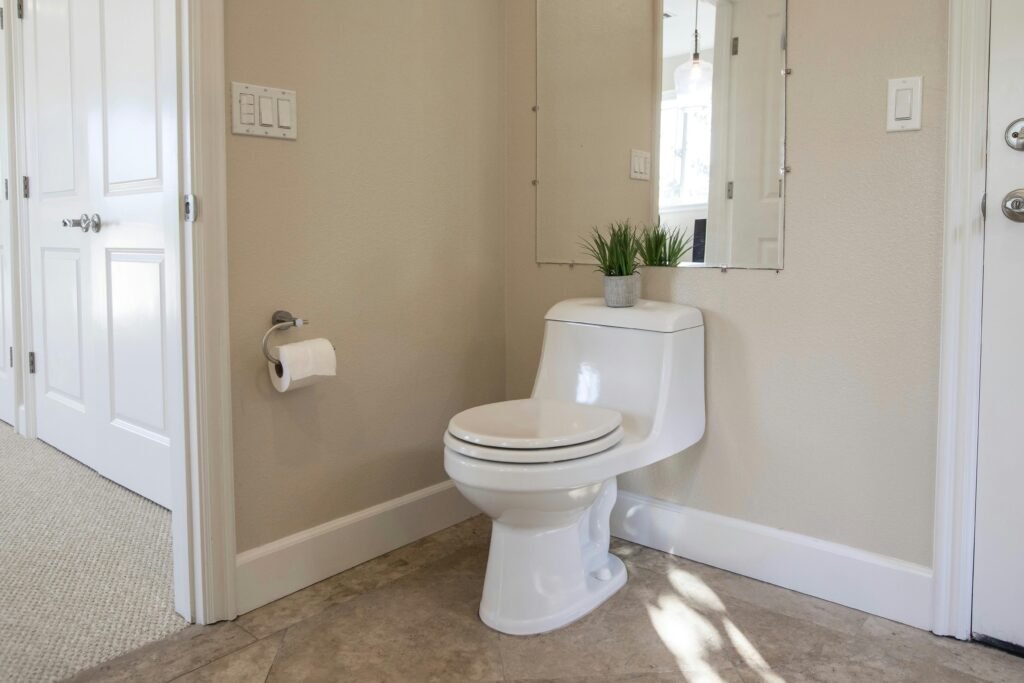
Carpet in bathrooms didn’t begin as a joke, it actually came from a desire to make homes feel more luxurious. In the ’60s and ’70s, wall-to-wall carpeting was seen as a sign of comfort and status, especially compared to cold tile. Builders and homeowners began extending that same plush feeling into bathrooms to create a more cohesive home design. It was part of a broader shift toward soft textures and “living room comfort” in every space. At the time, stepping onto carpet instead of a cold floor felt like a genuine upgrade. It aligned with how people were rethinking home life as more relaxed and informal. What seems strange now was once marketed as modern and desirable. For many homeowners, it simply made sense at the time.
That push for comfort wasn’t limited to bathrooms either, it was happening across entire homes. Shag carpeting, padded floors, and cozy textures were everywhere. Bathrooms just became the next frontier for that idea. Designers weren’t thinking about long-term maintenance as much as immediate comfort. The idea of warmth underfoot outweighed practical concerns. In a way, it reflected the era’s optimism about home design solving everyday discomforts. It felt like progress, not a mistake. Only later did the downsides become impossible to ignore.
2. Cold Tile Was the Enemy
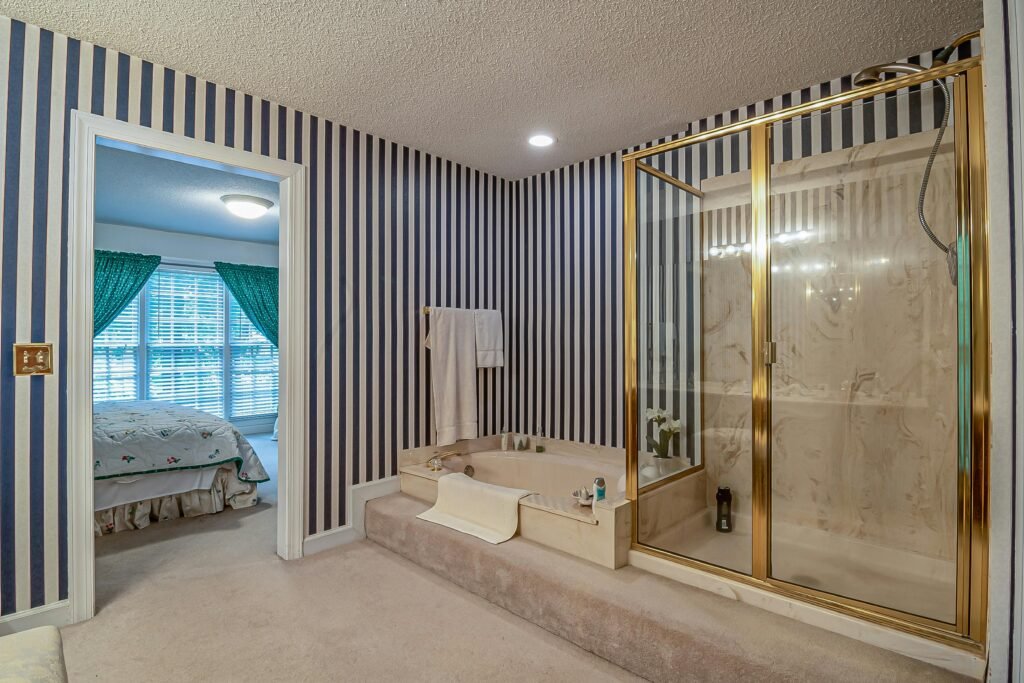
One of the biggest reasons carpet made its way into bathrooms was simple, people hated cold floors. Tile and linoleum can feel especially harsh in colder climates, particularly first thing in the morning. Carpet offered an immediate solution by making the floor feel warmer and softer. Before radiant heated floors became common, there weren’t many alternatives. So carpeting felt like a practical upgrade, not just a stylistic one. It also helped insulate the room slightly, which added to the appeal. Homeowners liked the idea of stepping out of the shower onto something comfortable.
At the time, bath mats existed, but they were seen as less integrated into the overall design. Carpet gave the room a more finished, seamless look. It eliminated the need to constantly adjust or wash loose mats. Builders even marketed carpeted bathrooms as more comfortable for families with young children. The softness also reduced the risk of slipping compared to hard surfaces. In theory, it solved several problems at once. In practice, it created new ones people didn’t fully anticipate.
3. It Matched the Color Explosion Era
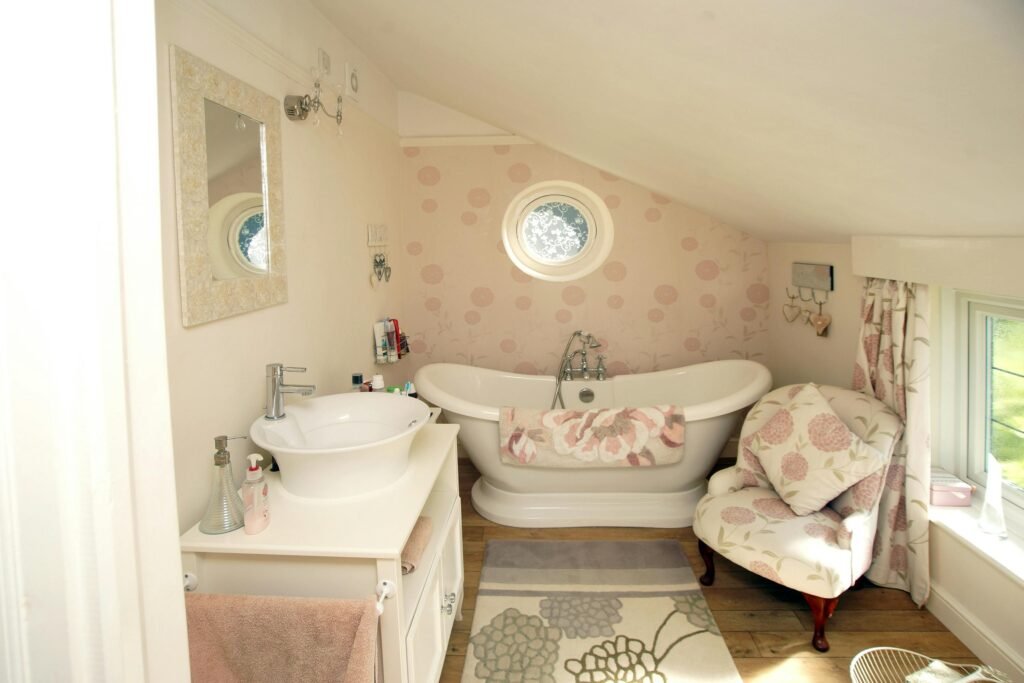
The ’70s were known for bold colors, and bathrooms were no exception. Fixtures came in shades like avocado green, harvest gold, and dusty pink. Carpet made it easier to match or complement those colors across the entire room. Instead of stark white tile, homeowners could create a coordinated, immersive look. Carpet could be dyed to nearly any shade, which made it highly adaptable. It helped tie together sinks, tubs, and toilets into one cohesive palette. The result was a very stylized, almost theatrical space.
This approach reflected a broader design philosophy of the time. Homes were meant to feel expressive and personalized, not neutral or minimal. Carpet played a key role in achieving that effect. It softened the visual impact of bold fixtures and made the room feel less clinical. Designers often used it alongside wallpaper and decorative accents to complete the look. Everything was about creating a mood. Even bathrooms were treated like fully designed living spaces rather than purely functional rooms.
4. It Made Bathrooms Feel Less Clinical
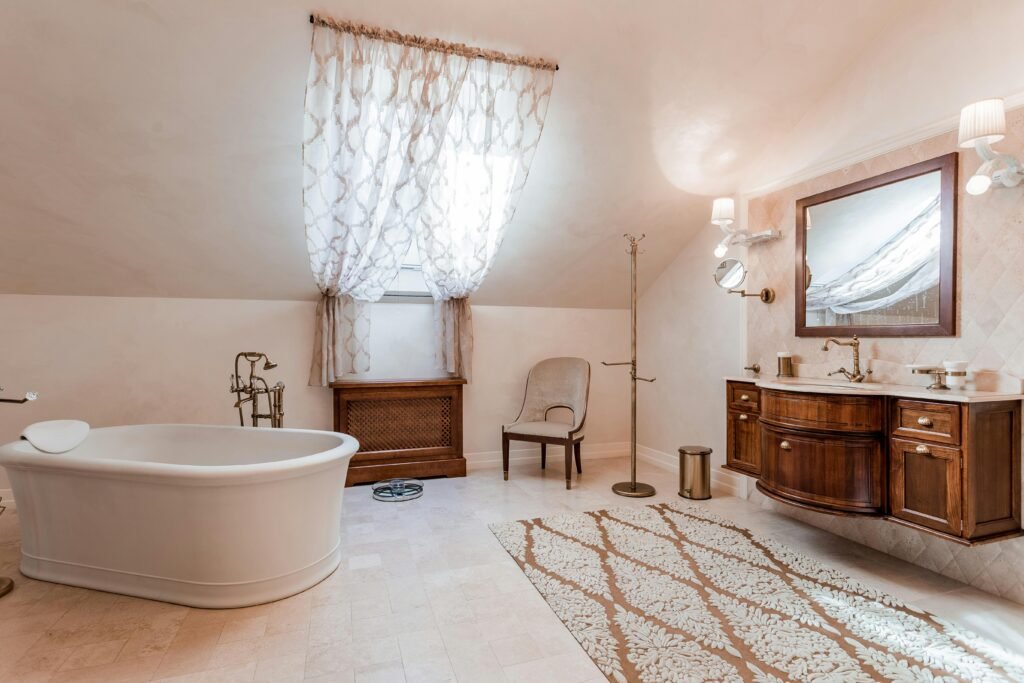
For decades, bathrooms had been designed with hygiene in mind, which often meant hard, easy-to-clean surfaces. By the ’60s and ’70s, some homeowners wanted to move away from that sterile feeling. Carpet helped make bathrooms feel more like a comfortable extension of the home. It reduced echoes and added a sense of warmth that tile couldn’t provide. The goal was to make every room feel inviting, not just practical. Bathrooms were starting to be seen as spaces for relaxation.
This shift also aligned with the growing popularity of home “spa-like” environments. While today that might mean stone and glass, back then it meant softness and warmth. Carpet contributed to a quieter, more intimate atmosphere. It made the room feel less like a utility space and more like a retreat. Designers leaned into that idea heavily. In doing so, they sometimes overlooked how important easy cleaning actually was. The balance between comfort and hygiene hadn’t fully caught up yet.
5. Builders Installed It by Default
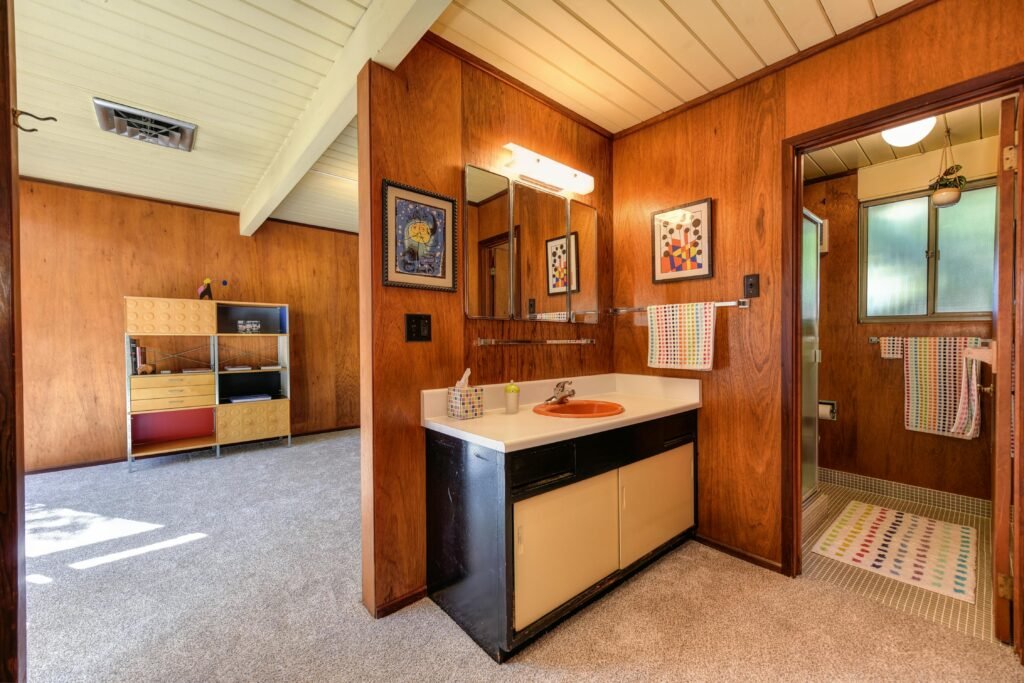
In many cases, carpeted bathrooms weren’t even a homeowner’s specific choice. Builders began including them as part of standard home packages, especially in suburban developments. It simplified installation since the same carpeting could be used throughout the house. That consistency also appealed to buyers who wanted a unified look. From a construction standpoint, it was efficient and cost-effective. It also allowed builders to market homes as “fully carpeted,” which sounded appealing at the time.
Once it became common in new builds, it spread quickly. Buyers often accepted it because it was already installed and presented as a feature. Many didn’t immediately question the practicality. Over time, it became normalized simply through repetition. Entire neighborhoods ended up with carpeted bathrooms as a result. What started as a design choice turned into a standard option. It wasn’t until years later that people began actively removing it.
6. It Reduced Slipping Concerns
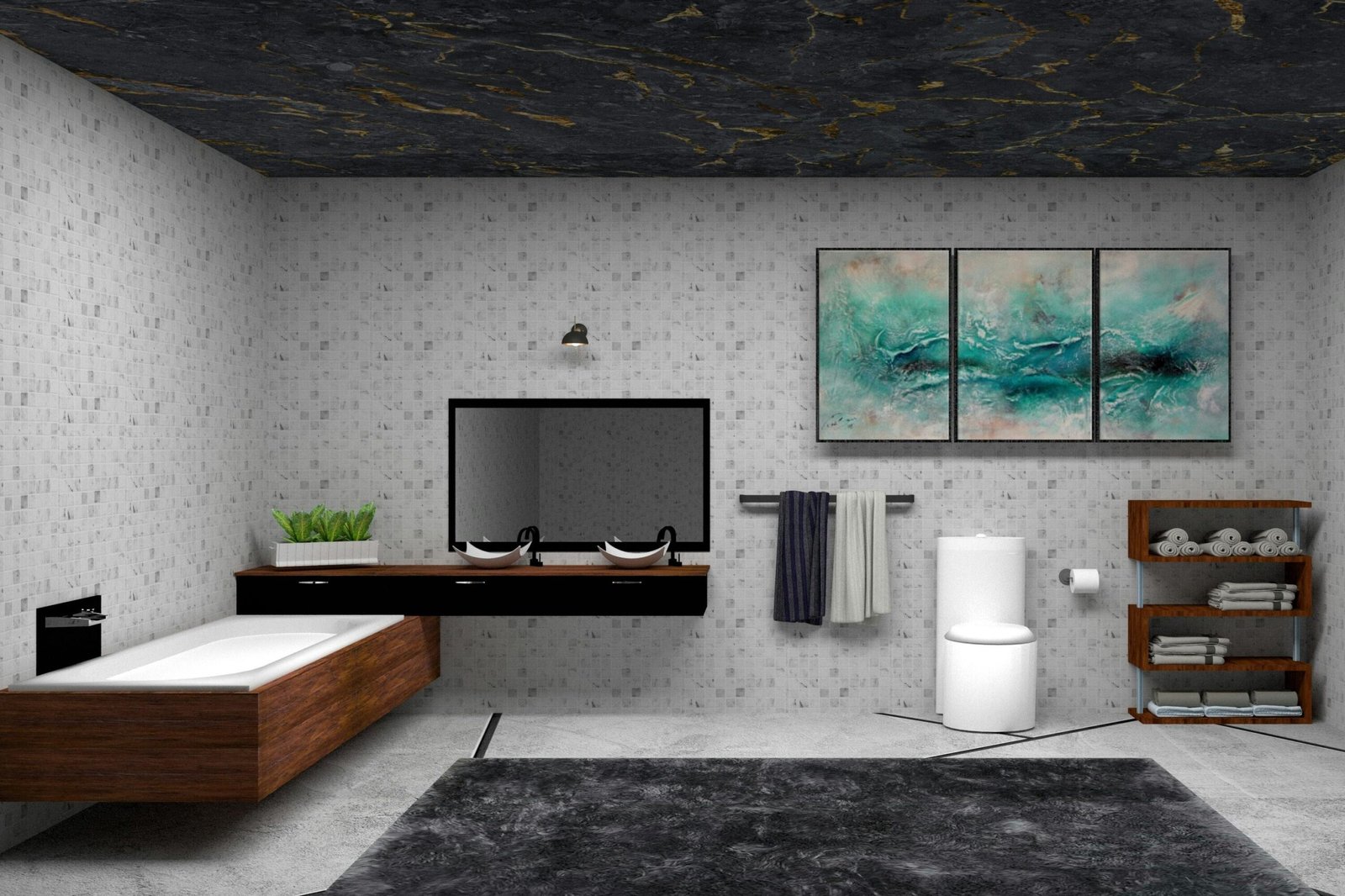
Safety was another factor that helped carpet gain popularity in bathrooms. Hard, wet surfaces can be slippery, especially for children and older adults. Carpet provided more traction underfoot, which made it feel safer. It also cushioned falls, which added another layer of perceived protection. This was particularly appealing in family homes. Parents liked the idea of a softer surface in a space where water was constantly present.
At the time, non-slip coatings and textured tiles weren’t as widely available or emphasized. Carpet seemed like a straightforward solution to a real concern. It addressed both comfort and safety in one move. Builders and designers highlighted this benefit in their marketing. For many people, it made bathrooms feel more user-friendly. However, the trade-off between safety and sanitation wasn’t fully considered. Over time, that balance shifted in the opposite direction.
7. Cleaning Concerns Were Underestimated
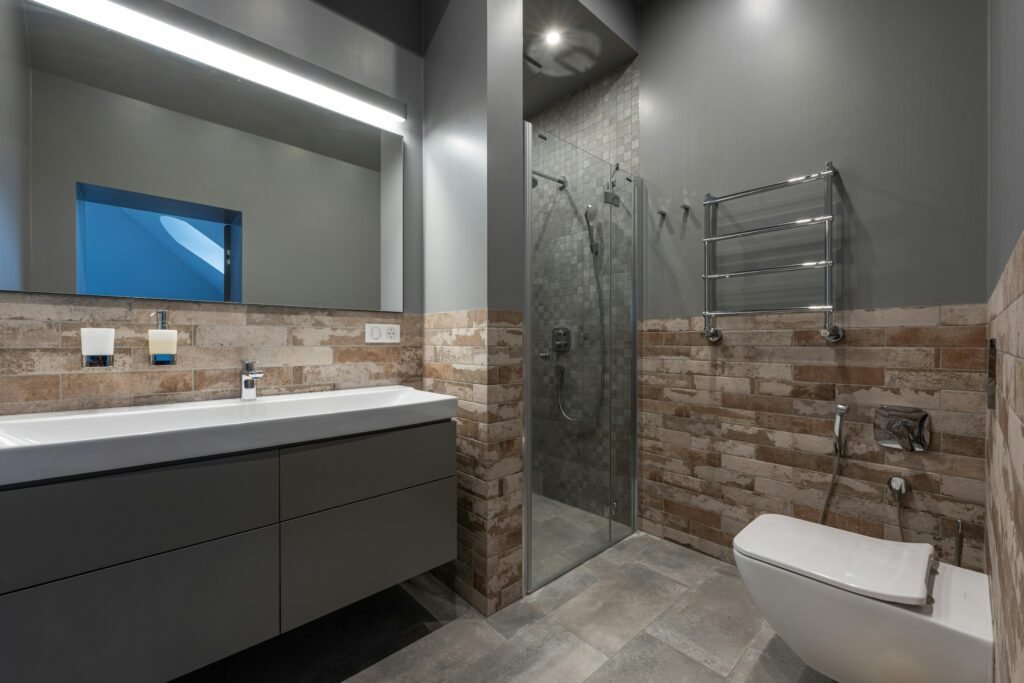
One of the biggest issues with carpeted bathrooms became clear over time, they were difficult to keep clean. Moisture from showers and sinks would get trapped in the fibers. This created an environment where bacteria and odors could develop. Regular vacuuming wasn’t enough to address these problems. Unlike hard flooring, carpet couldn’t simply be wiped down or disinfected easily. What initially felt cozy started to feel less hygienic.
At first, many homeowners tried to manage the issue with frequent cleaning. Some even used removable carpet sections to make maintenance easier. But the fundamental problem remained. Bathrooms are inherently wet spaces, and carpet doesn’t handle moisture well. Over time, discoloration and lingering smells became common complaints. This gradually changed public perception. What was once seen as innovative began to feel impractical.
8. Mold and Mildew Became a Problem
As awareness grew, one of the biggest drawbacks became impossible to ignore, mold and mildew. Damp carpet creates ideal conditions for both to develop, especially in poorly ventilated bathrooms. This wasn’t just a cosmetic issue, it could also affect indoor air quality. Homeowners began noticing dark spots, musty smells, and persistent dampness. These problems were difficult to fully resolve without removing the carpet entirely.
During the ’70s and ’80s, growing attention to home health issues made people more cautious. Mold, in particular, became a widely discussed concern. Carpeted bathrooms suddenly looked less appealing in that context. Even well-maintained homes could develop issues over time. The risks outweighed the earlier benefits of comfort and style. This marked a turning point in how people viewed the trend. It went from desirable to something to avoid.
9. It Absorbed Everything
Beyond moisture, carpet in bathrooms tended to absorb anything that landed on it. That included spilled toiletries, cleaning products, and everyday bathroom use. Over time, this led to staining and lingering odors that were difficult to remove. Unlike tile or vinyl, carpet held onto these substances rather than shedding them. This made long-term upkeep frustrating for many homeowners. Even regular cleaning couldn’t fully restore it.
This absorption issue also made resale more difficult. Prospective buyers often saw carpeted bathrooms as a negative. It suggested potential hidden problems beneath the surface. By the ’80s and ’90s, it had become something people actively wanted to replace. The maintenance burden simply wasn’t worth it. What once felt like a comfort upgrade started to feel like a liability. That shift helped accelerate the trend’s decline.
10. Changing Design Preferences
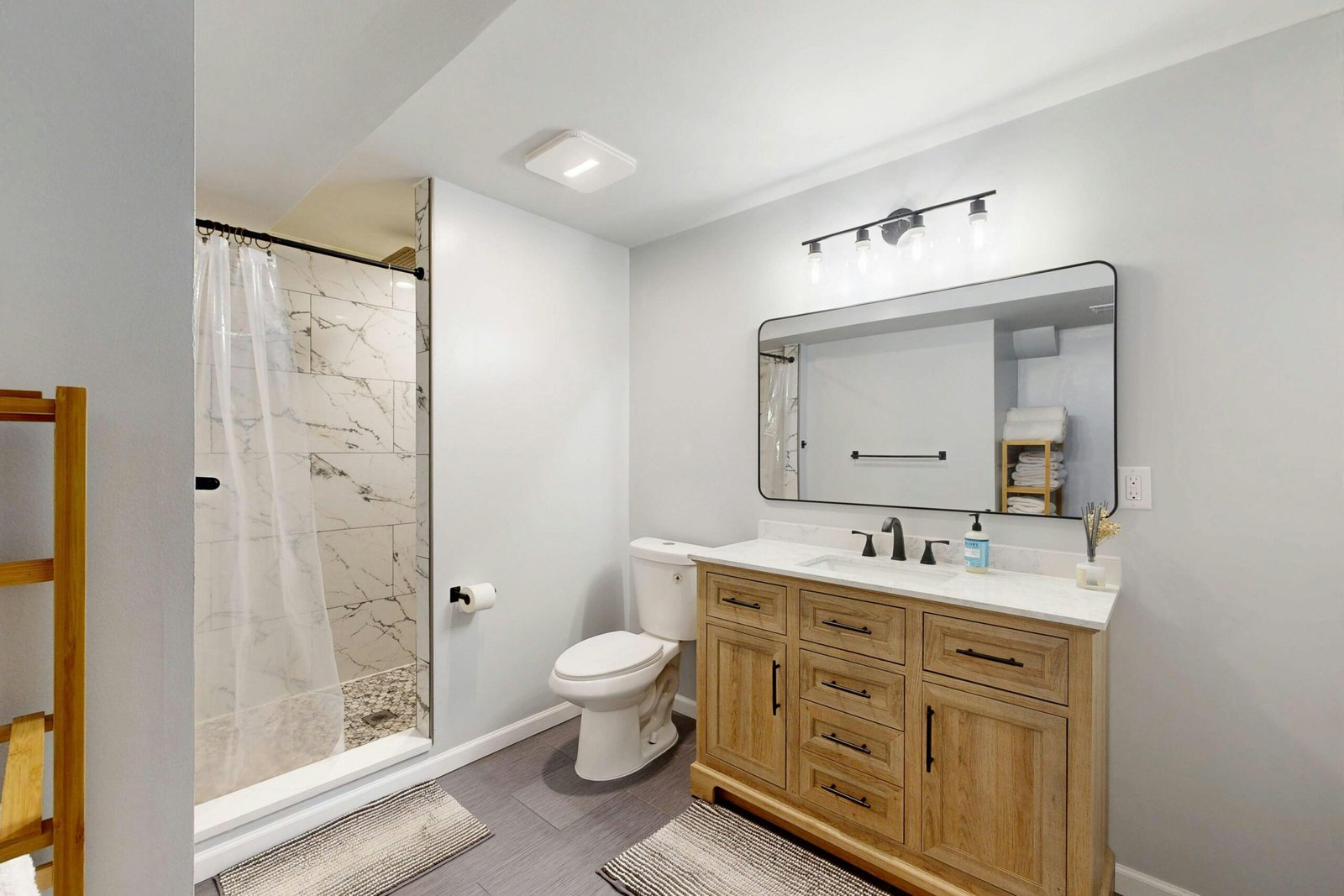
By the late ’80s, design trends were shifting toward cleaner, more minimal aesthetics. Neutral colors and hard surfaces became more popular again. Tile, stone, and vinyl offered both durability and easier maintenance. The idea of a “clean” bathroom started to take precedence over a “cozy” one. Carpet no longer fit that vision. It began to look outdated rather than stylish.
This change wasn’t sudden, but it was steady. As new homes were built without carpeted bathrooms, older ones began to stand out. Renovation shows and home magazines reinforced the shift. People started associating carpet with poor hygiene rather than comfort. Over time, it became one of those design choices that dated a home immediately. That perception still exists today.
11. Advances in Flooring Replaced It
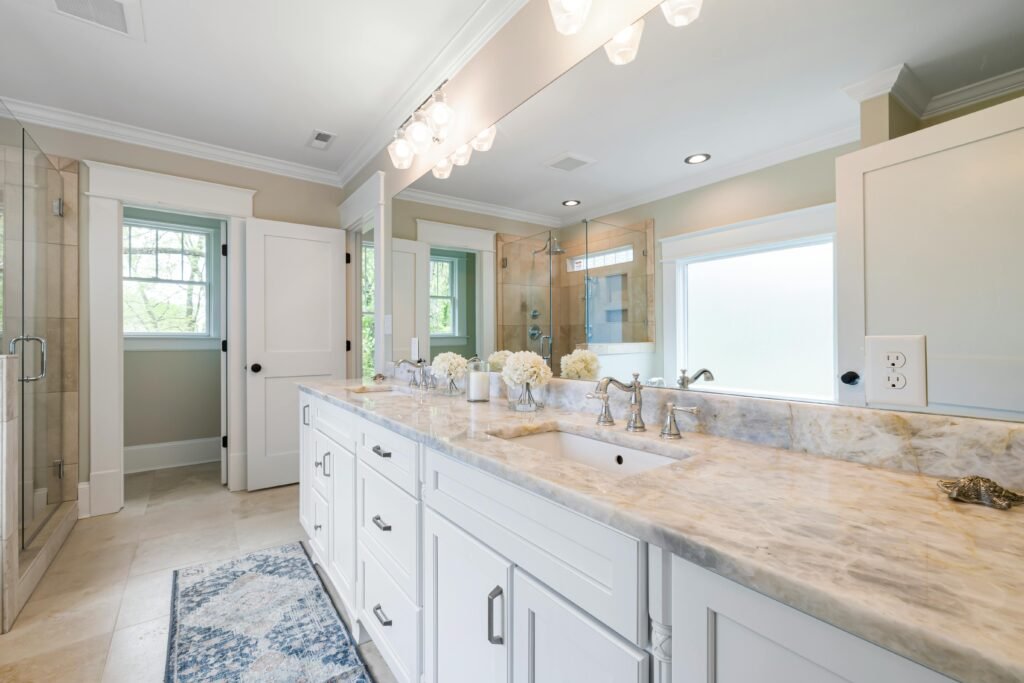
Part of what pushed carpet out was the improvement of alternative materials. Vinyl flooring became more realistic and comfortable underfoot. Tile options expanded, offering textures that reduced slipping. Heated flooring systems also became more accessible. These innovations solved the same problems carpet was meant to address, without the downsides. Homeowners no longer had to choose between comfort and cleanliness.
As these options became more affordable, carpet lost its practical advantage. Builders and designers shifted accordingly. New homes rarely included carpet in bathrooms anymore. Even in renovations, it was one of the first things to go. The industry had moved on to better solutions. Carpet simply couldn’t compete with newer materials. Its role in bathrooms faded quickly.
12. It Became a Retro Curiosity
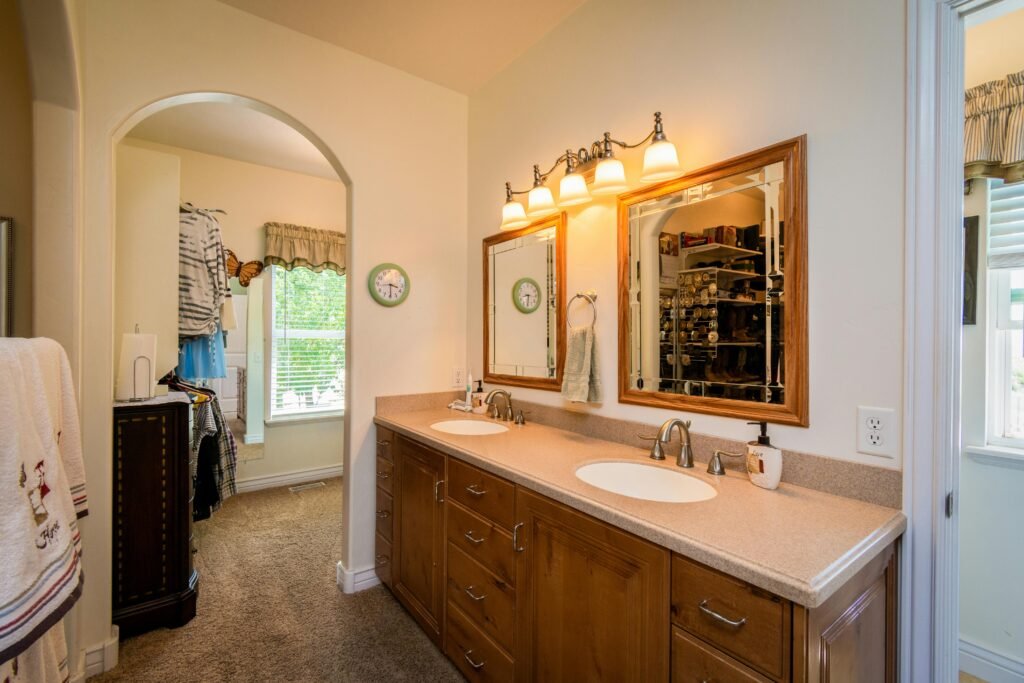
Today, carpeted bathrooms are mostly remembered as a quirky design trend from the past. They still exist in some older homes, often surprising new owners. In many cases, they’re quickly removed during renovations. What was once considered modern now feels out of place. It’s often grouped with other dated features like avocado appliances and shag carpeting. The reaction is usually more disbelief than nostalgia.
That said, the trend does offer insight into how design priorities evolve. It shows how comfort, style, and practicality can shift over time. What people value in a home isn’t fixed. Carpeted bathrooms were a product of their moment, shaped by the needs and ideas of that era. While unlikely to return, they remain a memorable example of how far home design has come.