
1. Abbott and Costello
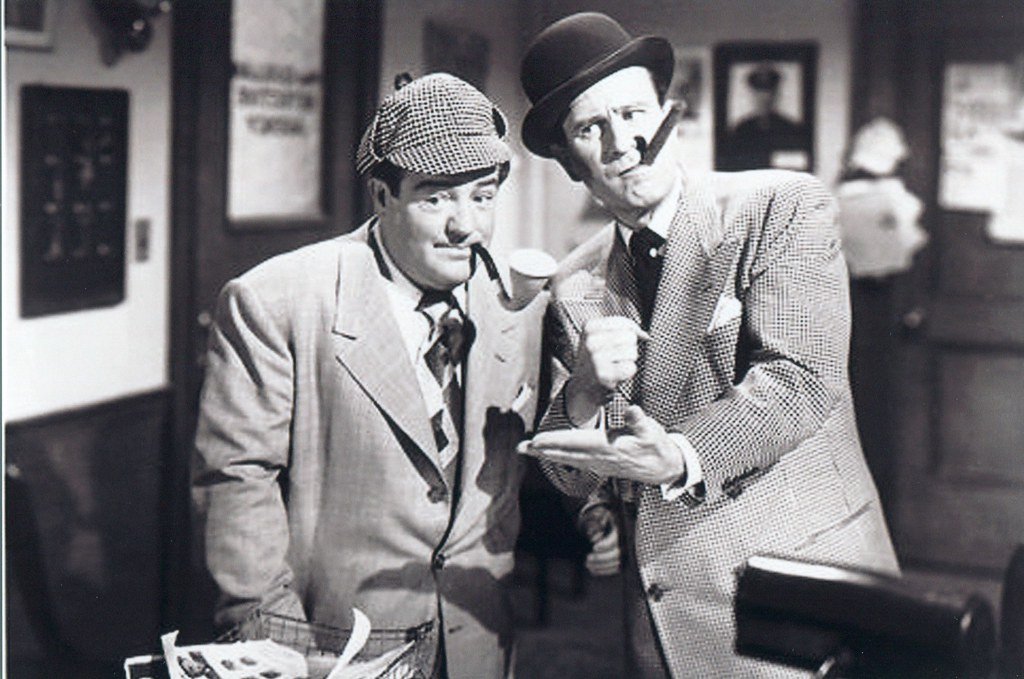
Bud Abbott and Lou Costello were one of the most successful comedy teams of the 1940s, with routines like “Who’s on First?” becoming legendary. Onscreen, their timing felt effortless, but behind the scenes, things were far more complicated. By the mid-1940s, their partnership had grown tense due to financial disputes and disagreements over billing. Costello believed he deserved a larger share of earnings, especially as his popularity grew with audiences. Abbott, who handled much of the business side, saw things differently.
The strain eventually became personal, with the two barely speaking off-camera in their later years together. Their partnership officially ended in 1957, and they never reconciled before Costello’s death in 1959. Despite their differences, their comedy remains tightly woven together, which makes the contrast even more striking. It is one of those cases where the act stayed seamless even as the relationship unraveled.
2. Martin and Lewis
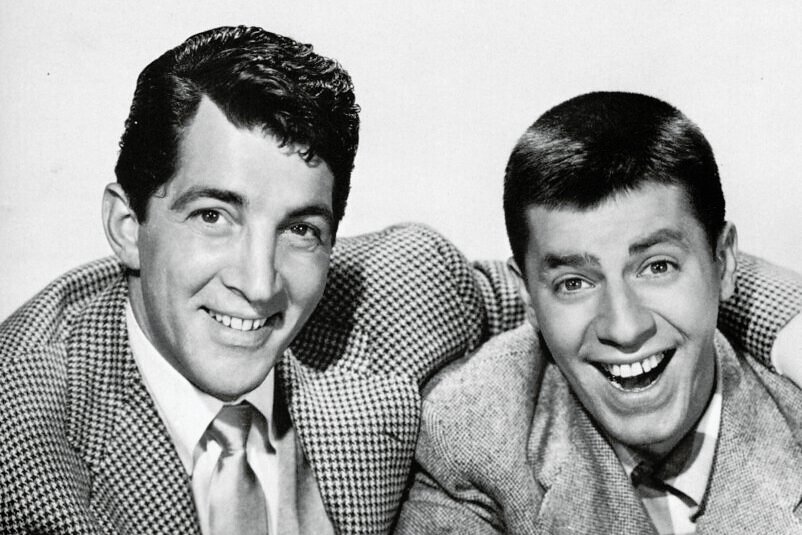
Dean Martin and Jerry Lewis were everywhere in the late 1940s and early 1950s, from nightclubs to films and television. Their chemistry made them one of the most beloved comedy duos of their era. But as Lewis became the bigger star, creative control became a constant source of friction. Martin felt overshadowed and increasingly frustrated with Lewis’s growing influence over their work.
By 1956, the tension reached a breaking point, and the duo split. For years afterward, they barely spoke, and the estrangement became well known in Hollywood. It took decades for them to appear together again publicly, thanks to Frank Sinatra orchestrating a brief reunion in 1976. Even then, it was more symbolic than a true reconciliation. Their partnership remains a classic example of success paired with personal incompatibility.
3. Cheech and Chong
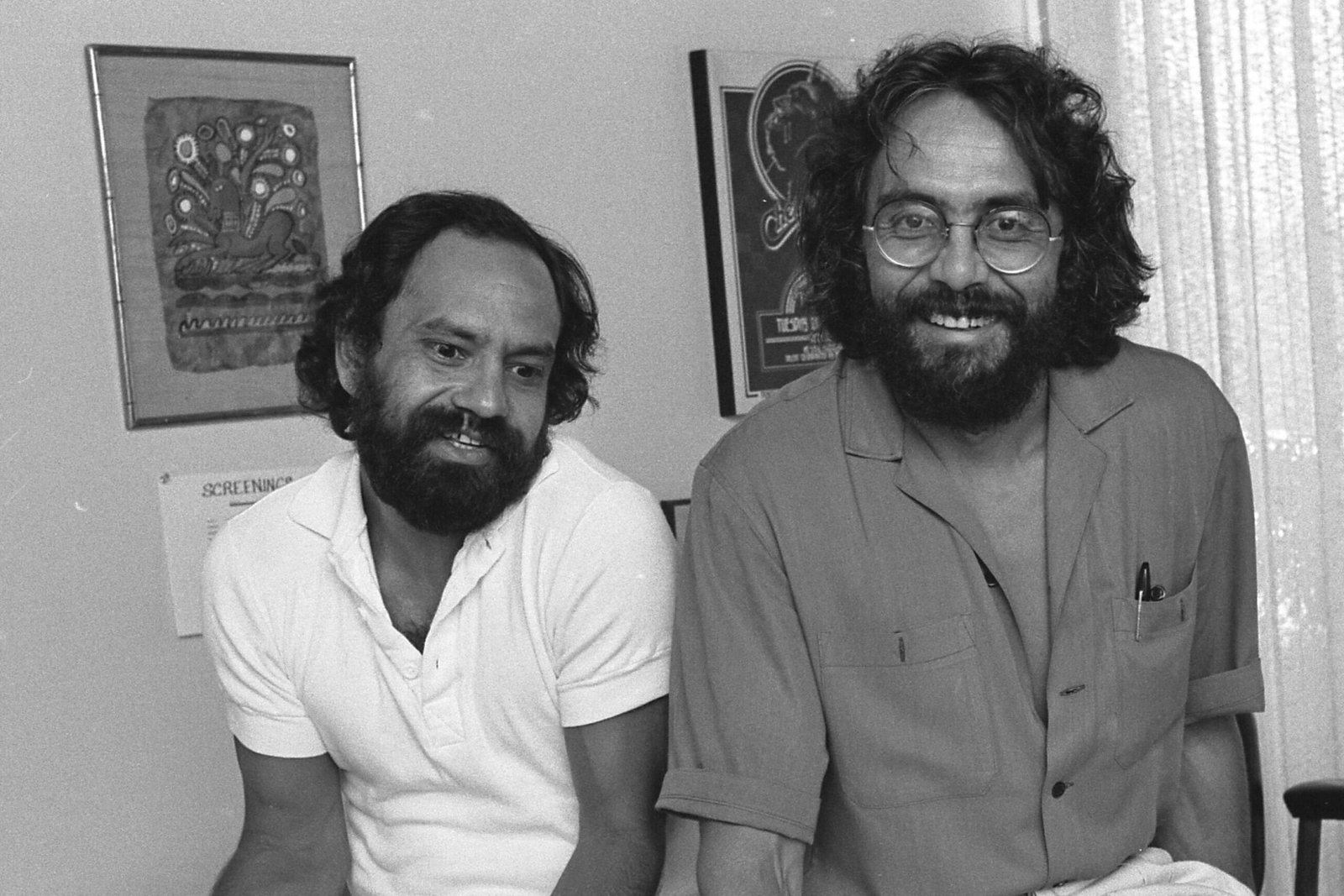
Cheech Marin and Tommy Chong defined a generation of counterculture comedy with their laid-back, cannabis-infused humor. Their films and albums were hugely popular in the 1970s and early 1980s. However, creative differences began to surface as Marin wanted to branch out into more mainstream acting roles. Chong, meanwhile, preferred to stick with their established comedic style.
The disagreement led to a split in the mid-1980s, and the two did not work together for years. Marin later spoke openly about feeling limited by the duo’s brand. Although they eventually reunited for tours decades later, the earlier tension was real and significant. Their story shows how evolving ambitions can pull even successful partnerships apart.
4. The Smothers Brothers
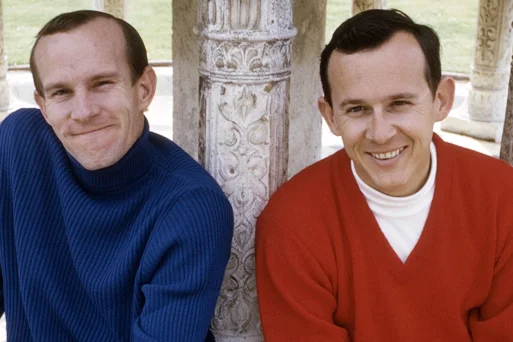
Tom Smothers and Dick Smothers built a career on sibling banter that felt playful but was rooted in real dynamics. Their television show, The Smothers Brothers Comedy Hour, became known for its sharp political satire. Behind the scenes, the brothers often clashed over creative direction and control. Tom, the more politically outspoken of the two, frequently pushed boundaries that Dick was less comfortable with.
Their disagreements were not just professional but deeply personal, reflecting long-standing sibling tensions. These conflicts persisted even after their show was canceled in 1969. Although they continued performing together over the years, their relationship remained complicated. Their act worked in part because it drew from that genuine friction.
5. Mike Nichols and Elaine May
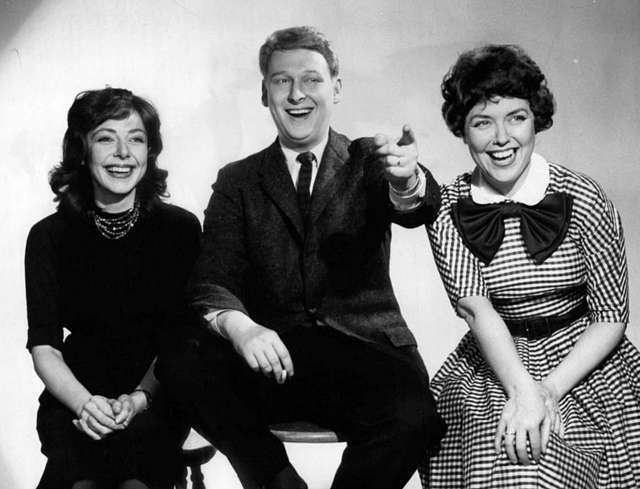
Mike Nichols and Elaine May were a groundbreaking improvisational duo in the late 1950s and early 1960s. Their sharp, intelligent sketches earned critical acclaim and a devoted audience. However, their working relationship became increasingly strained as both pursued individual creative visions. May was known for her perfectionism, while Nichols grew frustrated with delays and disagreements.
The tension ultimately led to their split in 1961 at the height of their success. Although both went on to have major careers, they did not continue as a performing duo. Their breakup surprised fans who saw them as inseparable. It is a classic case of artistic brilliance colliding with incompatible working styles.
6. The Marx Brothers
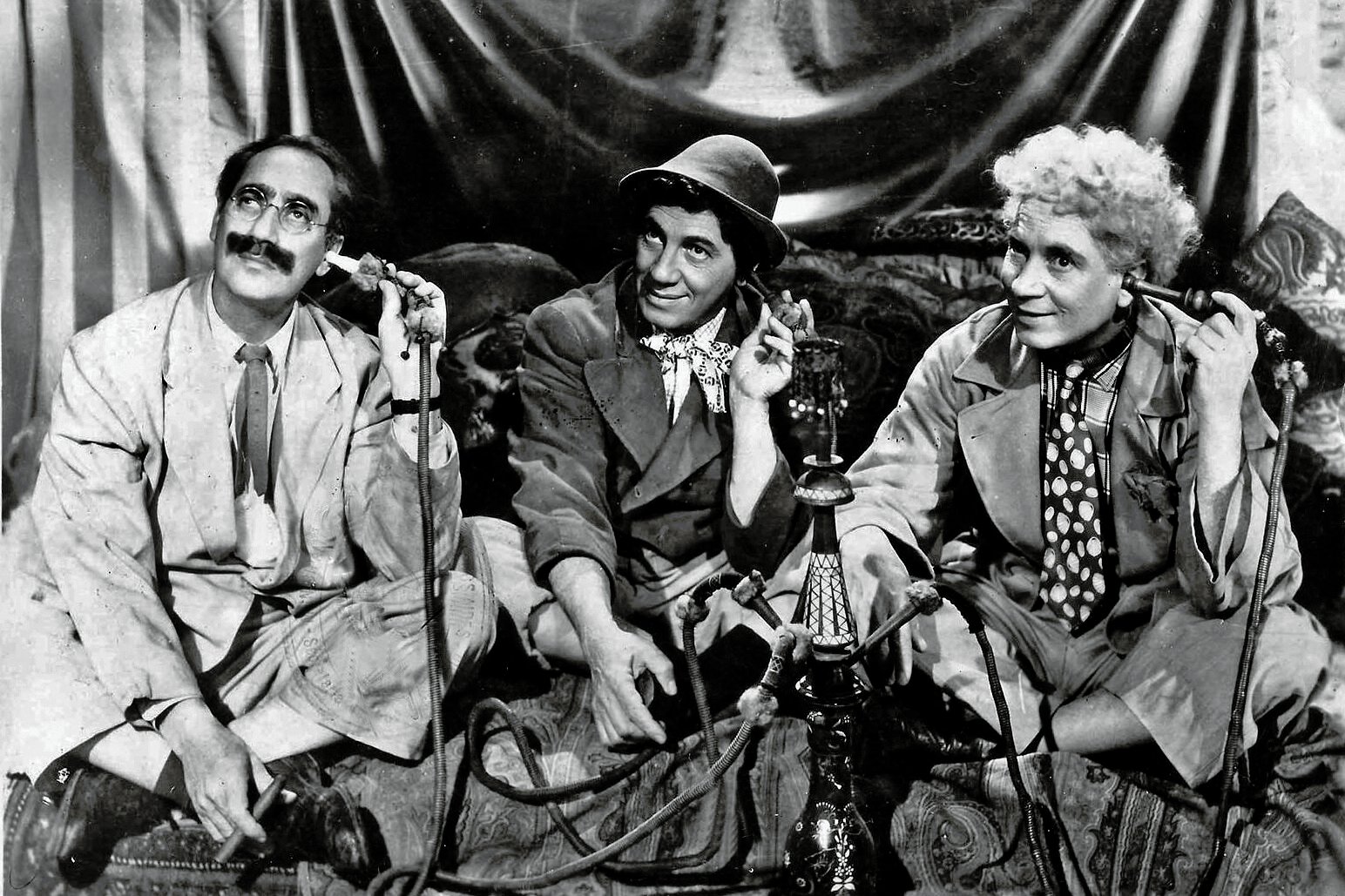
Groucho Marx, Chico Marx, and Harpo Marx created some of the most influential comedy films of the early 20th century. While they appeared unified onscreen, their offscreen relationships were more complex. Groucho, in particular, had a more distant and sometimes strained relationship with his brothers. Financial issues and personality differences added to the tension over time.
Chico’s gambling habits also caused friction within the group, especially when it affected their finances. Although they continued working together for years, the closeness often associated with sibling acts was not always present. Their professional success masked underlying disagreements. Still, their films remain tightly coordinated despite those personal challenges.
7. Monty Python (Cleese and the Group)
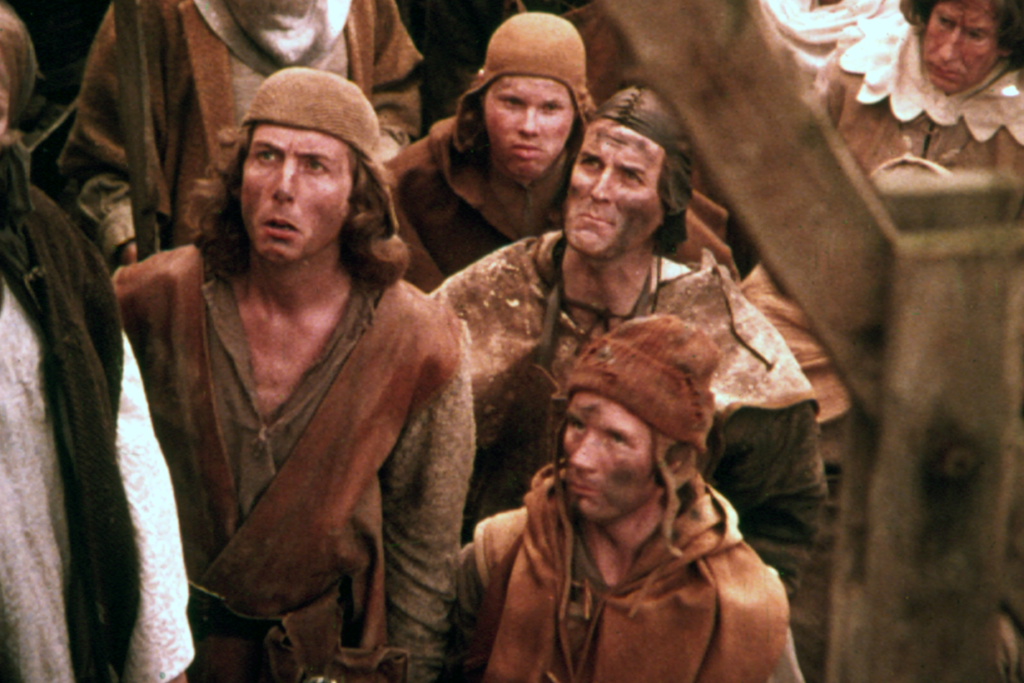
John Cleese was a central figure in Monty Python, but his relationship with the rest of the troupe became strained over time. While the group functioned collaboratively, Cleese often clashed with others over writing and creative direction. He eventually left the team before their final projects were completed. Differences in comedic style and decision-making played a role.
Cleese has spoken openly about disagreements, particularly regarding how sketches were developed. While not outright hostility, the friction was significant enough to affect the group’s cohesion. Despite this, their body of work remains cohesive and influential. It is a reminder that even collaborative groups can have strong internal divisions.
8. The Three Stooges (Later Lineups)
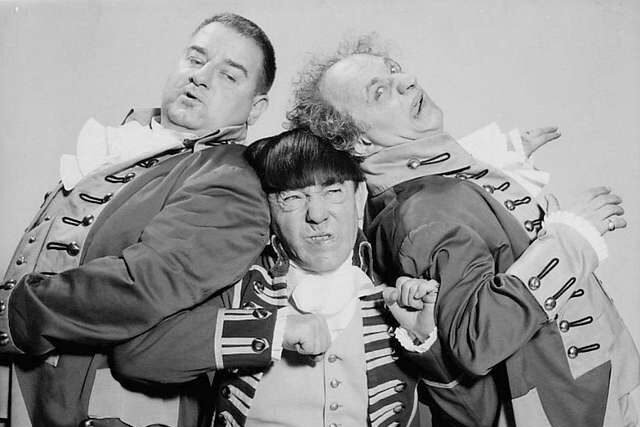
The Three Stooges went through several lineup changes, and not all of them were smooth. While Moe Howard remained the constant leader, tensions arose with different members over contracts and direction. When Shemp Howard replaced Curly due to illness, and later when Joe Besser joined, the dynamics shifted significantly. Not all members got along well behind the scenes.
In particular, Besser reportedly resisted the physical comedy style that defined the group, causing friction with Moe. These disagreements affected both performances and morale. Although the brand remained strong, the interpersonal relationships were not always stable. The revolving door of members reflected those ongoing tensions.
9. Bob Hope and Bing Crosby
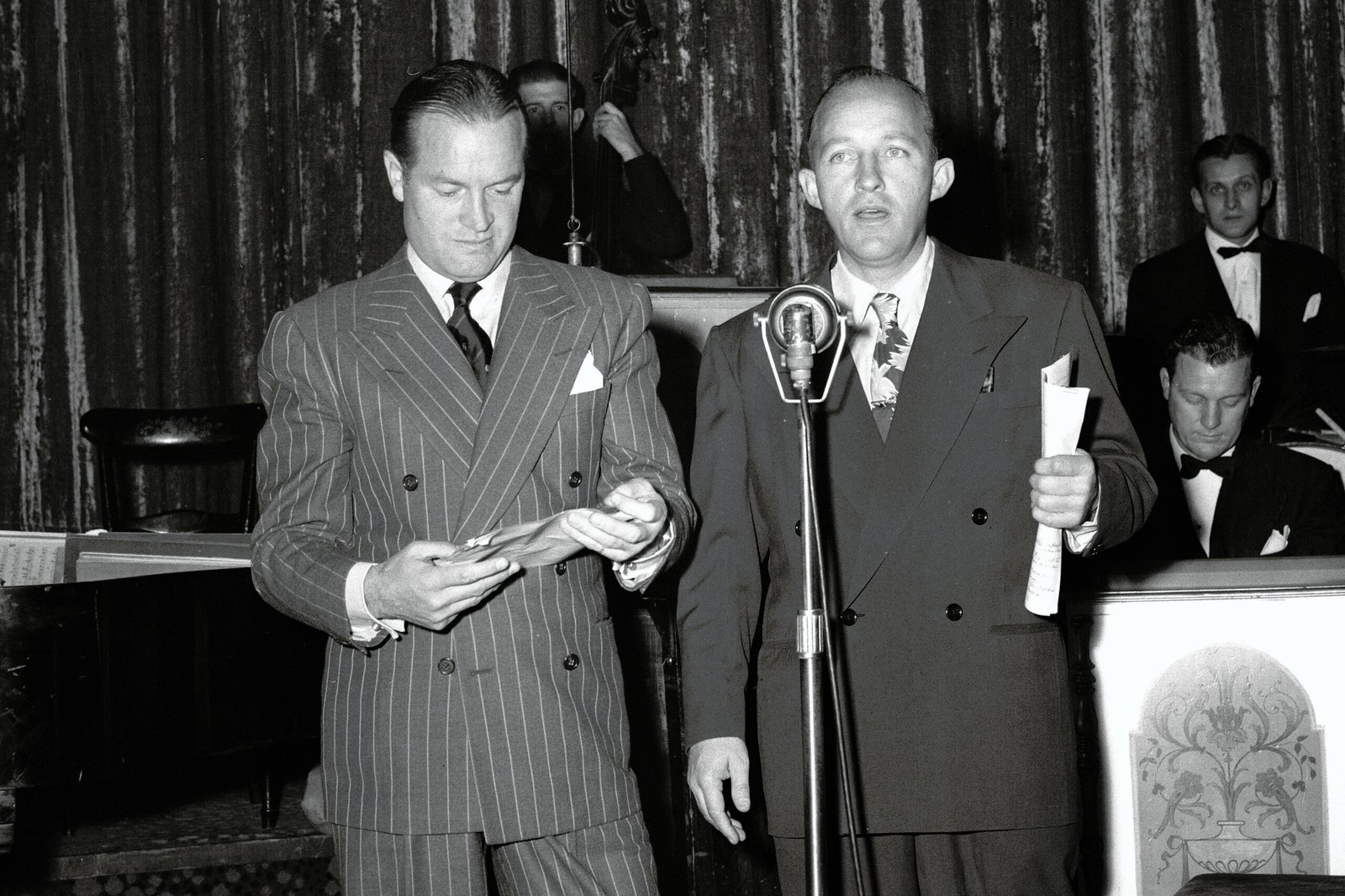
Bob Hope and Bing Crosby starred together in the popular “Road to…” films. Their onscreen chemistry relied on playful rivalry, which audiences loved. Offscreen, however, there was a real competitive edge between them. Each was highly conscious of his own star power and public image.
While they maintained a working relationship, there were underlying tensions about billing and recognition. Hope was known for his relentless work ethic, while Crosby had a more relaxed approach, which sometimes caused friction. Their partnership endured professionally, but it was not without strain. The rivalry that fueled their humor was not entirely fictional.
10. Mike Myers and Dana Carvey
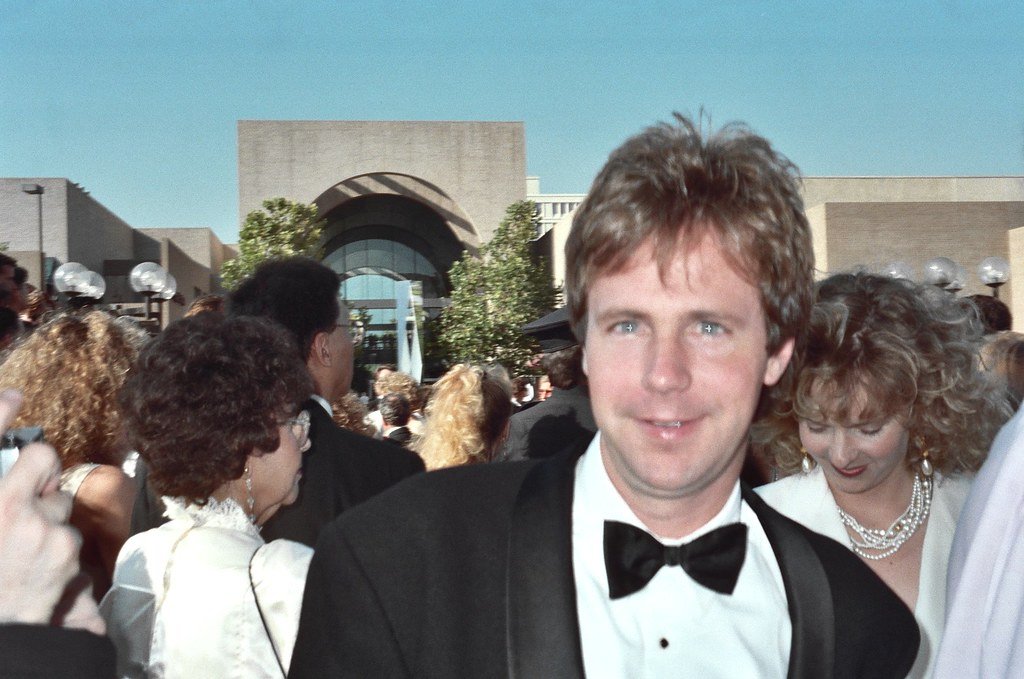
Mike Myers and Dana Carvey rose to fame together on Saturday Night Live and later with the Wayne’s World films. Their characters became cultural icons in the early 1990s. However, tension reportedly developed after Myers used a character in Austin Powers that Carvey felt was too similar to one of his own impressions. Carvey later spoke about feeling hurt by the situation.
Although they have both downplayed the conflict at times, the issue created a noticeable strain in their relationship. They did not collaborate frequently after their initial success. Over time, their relationship appears to have softened, but the earlier tension is well documented. It highlights how creative overlap can lead to conflict.
11. Harold Ramis and Bill Murray
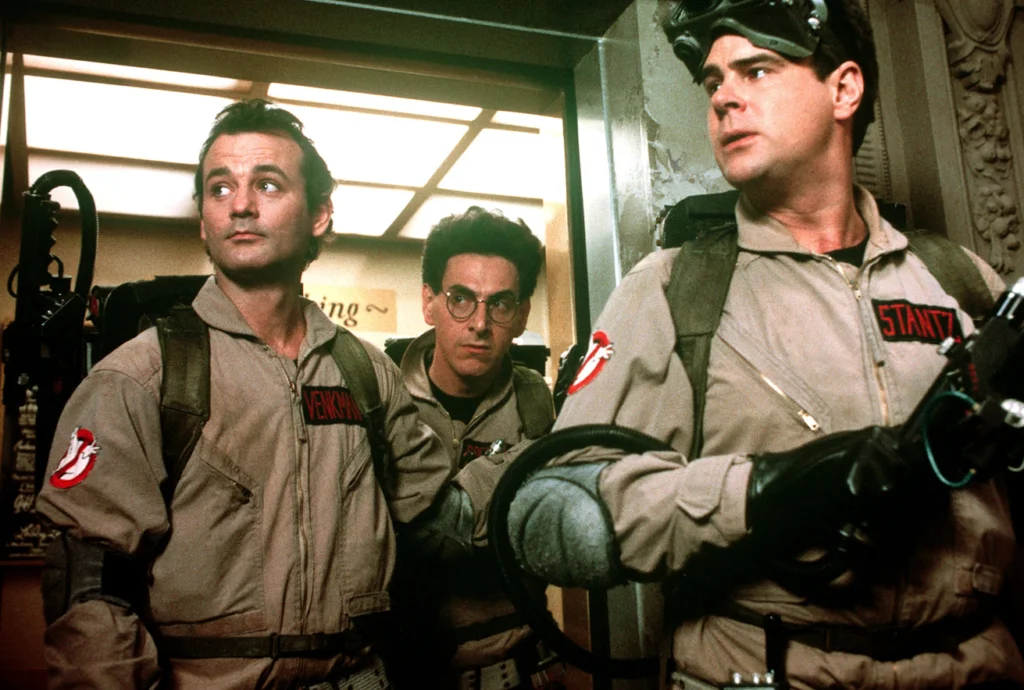
Harold Ramis and Bill Murray collaborated on several classic comedies, including Ghostbusters. Their partnership was highly successful, blending Ramis’s structured approach with Murray’s improvisational style. However, during the filming of Groundhog Day, their relationship became strained. Differences in work style and personal issues contributed to the conflict.
The two reportedly did not speak for years after the film’s release. It was only shortly before Ramis’s death in 2014 that they reconciled. Their creative partnership produced enduring work, but the personal cost was significant. It is one of the more well-known behind-the-scenes rifts in comedy.
12. Will Ferrell and Adam McKay
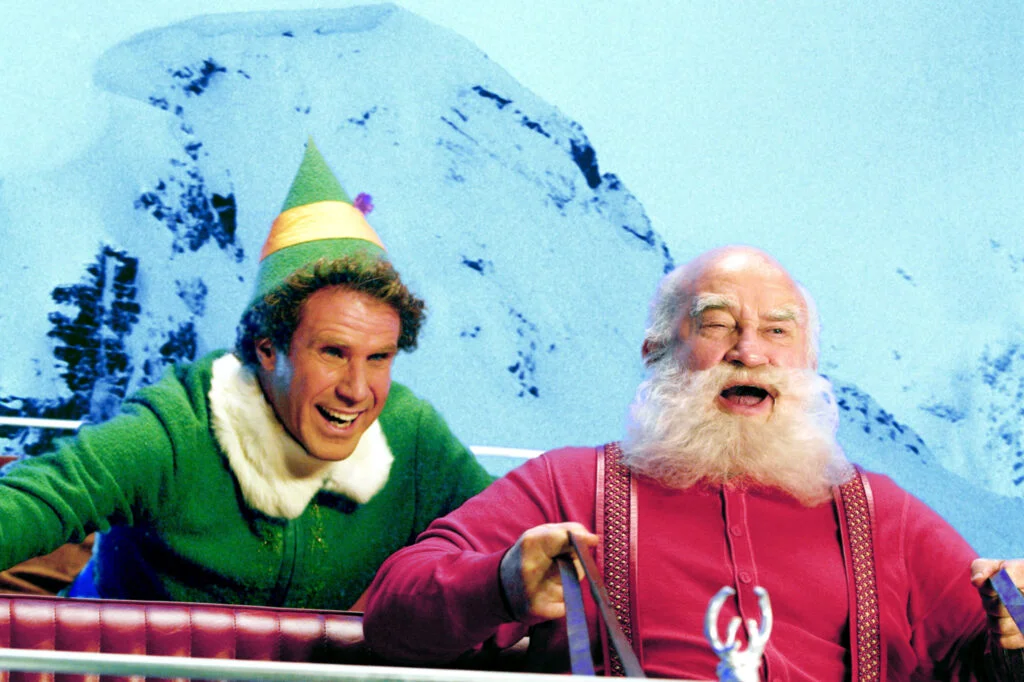
Will Ferrell and Adam McKay were responsible for some of the most popular comedies of the 2000s, including Anchorman. For years, they worked closely through their production company, Gary Sanchez Productions. However, their partnership ended after a disagreement over casting in a planned project about the Los Angeles Lakers. McKay cast John C. Reilly in a role that Ferrell had expected.
The decision created a rift that ultimately ended both their professional and personal relationship. McKay later acknowledged that the situation was handled poorly. Despite years of successful collaboration, the fallout was abrupt. It serves as a reminder that even long-term partnerships can fracture over a single major disagreement.