
1. How Ruth and Elliot Handler First Met
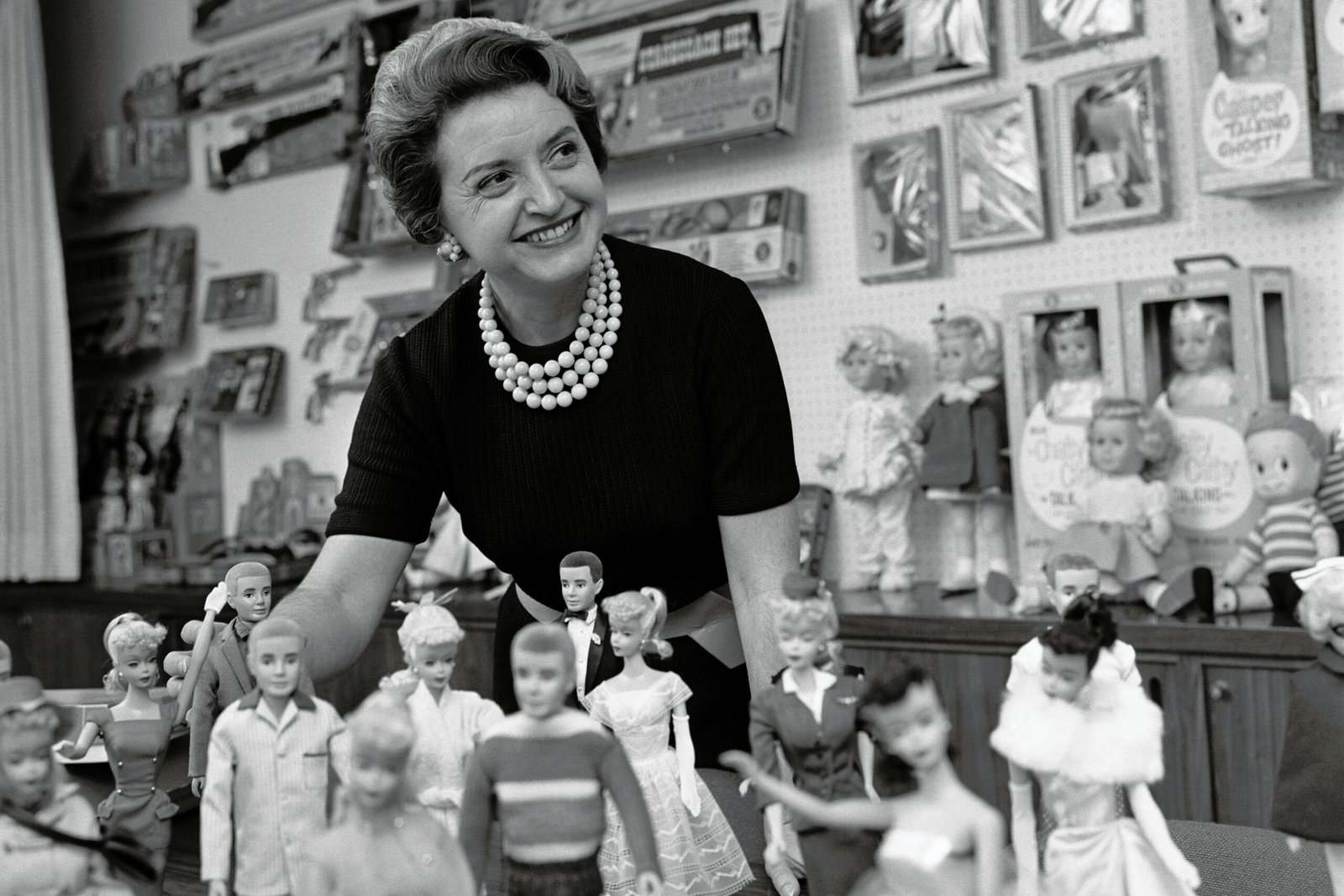
Ruth Mosko and Elliot Handler met as teenagers in Denver, Colorado, long before either of them had any idea they would help build one of the most recognizable toy companies in the world. They married in 1938 and moved to Los Angeles, where they started out like many young couples, figuring things out as they went. Elliot had a creative streak and was especially interested in design and manufacturing, while Ruth had a sharp business sense that would later prove essential. Their early years were not glamorous, and money was often tight as they tried different ventures.
What stands out looking back is how naturally their skills complemented each other. Elliot was drawn to making things, experimenting with materials and production techniques, while Ruth understood how to sell and position products. That balance between creativity and business became the foundation of everything they built together. It was not a fast path to success, but it was a partnership that kept evolving. Even in those early days, they were already operating like a team.
2. The Garage Beginnings That Led to Mattel
Like many iconic companies, Mattel started in a garage, though it did not begin as a toy company at all. In 1945, Elliot Handler teamed up with Harold “Matt” Matson to start a business making picture frames. The name “Mattel” came from combining “Matt” and “Elliot,” which stuck even after Matson left the company not long after its founding. Ruth soon became heavily involved in the business, taking on a leadership role that went beyond what was typical for women in business at the time.
The shift toward toys happened almost by accident. Elliot began using leftover frame materials to make dollhouse furniture, and those items quickly outsold the frames themselves. Ruth recognized the opportunity and pushed the company further in that direction. That decision marked a turning point, transforming a small side project into a growing toy business. It was one of those moments where paying attention to what customers actually wanted changed everything.
3. Ruth Handler’s Idea That Changed Dolls Forever
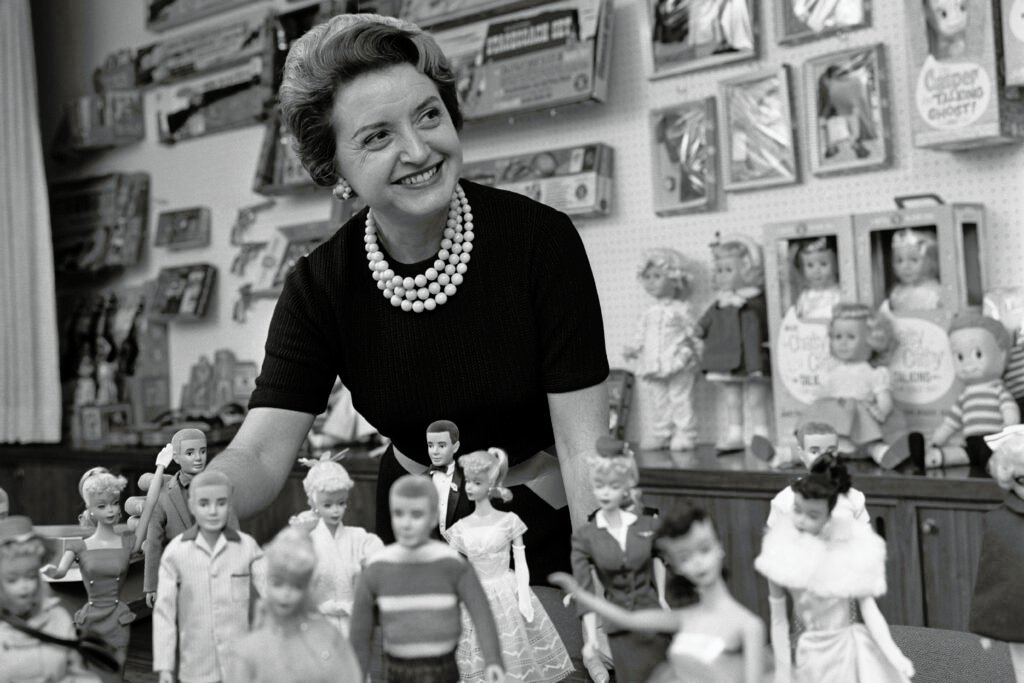
The idea for Barbie came directly from Ruth Handler’s observations of her daughter, Barbara, playing with paper dolls. Ruth noticed that Barbara preferred imagining adult lives for her dolls rather than just playing out childhood scenarios. At the time, most dolls on the market were baby dolls, which encouraged nurturing play rather than imaginative role-playing about the future. Ruth believed there was room for a doll that represented an adult woman instead.
This was not an obvious idea to everyone at Mattel. In fact, many people within the company were skeptical that a doll with an adult figure would appeal to children. Ruth stayed persistent, convinced that girls wanted to project themselves into future roles. Her insight turned out to be exactly right. It reshaped not just Mattel’s product line, but the entire doll industry.
4. The European Doll That Inspired Barbie
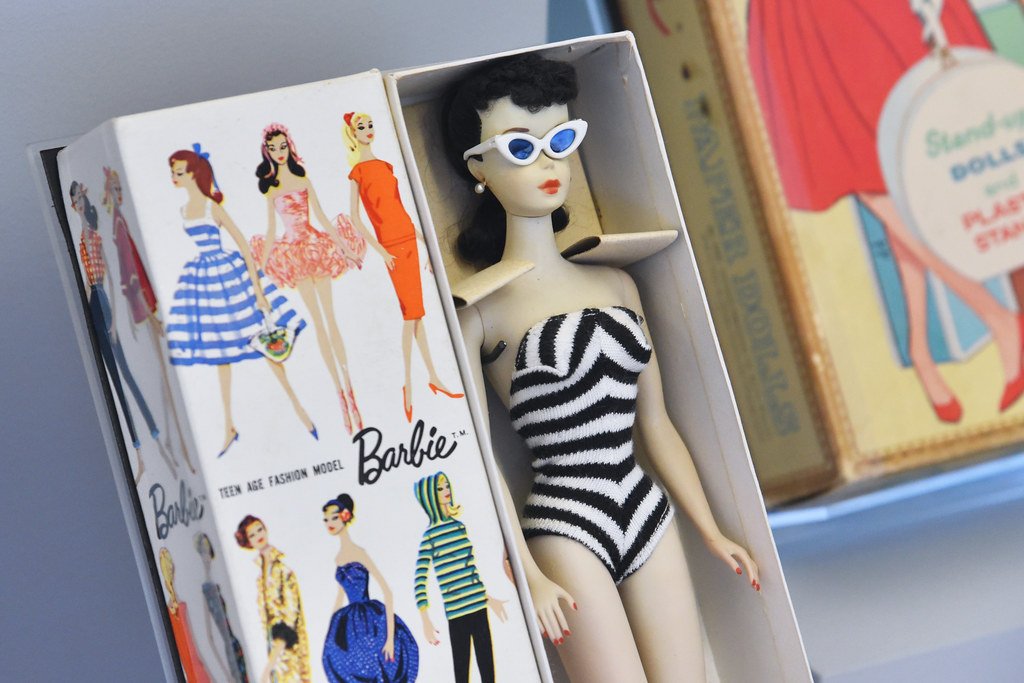
While traveling in Europe in the mid-1950s, Ruth Handler encountered a German doll named Bild Lilli. Unlike American dolls at the time, Lilli had an adult figure and was marketed more as a novelty item for adults than a children’s toy. Ruth saw something different in it, imagining how a similar concept could be adapted for children in the United States. She brought several dolls back with her to study.
Mattel used Lilli as a starting point, but Barbie was redesigned significantly to fit a different audience. The goal was not to copy the doll, but to refine the idea into something more approachable for kids. This included changes in appearance, branding, and the way the doll was marketed. The result was a product that felt entirely new to American consumers. It showed how inspiration can come from unexpected places.
5. The Launch of Barbie in 1959
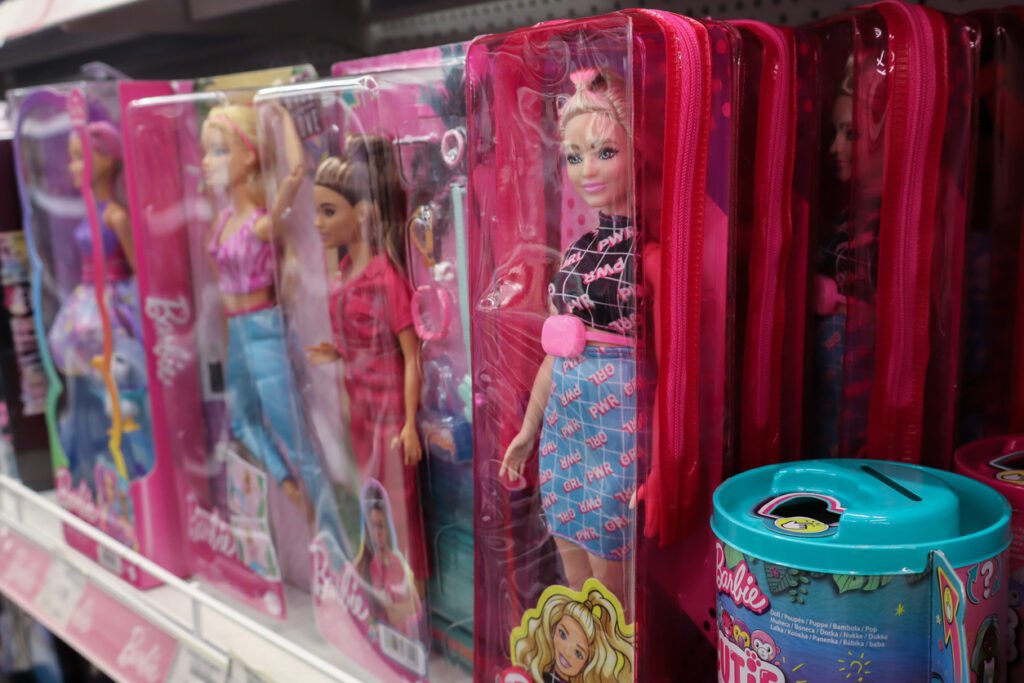
Barbie made her debut at the American International Toy Fair in New York City in March 1959. Officially named “Barbie Millicent Roberts,” the doll was introduced as a teenage fashion model from the fictional town of Willows, Wisconsin. Early reactions from buyers were mixed, and there was uncertainty about whether retailers would fully embrace the concept. It was a risk, especially given how different Barbie was from existing dolls.
Mattel supported the launch with something relatively new at the time, television advertising aimed directly at children. This strategy helped create demand in a way that traditional retail marketing had not. Kids saw Barbie on TV and asked for her by name, which pushed stores to stock the doll. That approach became a blueprint for toy marketing in the years that followed. It was not just the product that was innovative, but the way it was introduced to the world.
6. Elliot Handler’s Role in Product Development

While Ruth is often credited as the visionary behind Barbie, Elliot Handler played a critical role in making the product physically possible. He was deeply involved in the manufacturing process, helping refine materials and production techniques. His background in design and engineering allowed Mattel to scale up production in a way that smaller toy makers could not. Without that capability, Barbie might never have moved beyond a concept.
Elliot also contributed to other successful Mattel products, including toy musical instruments. His approach focused on durability and playability, making sure the products were not just appealing but functional. This attention to detail helped build trust with consumers. Over time, Mattel became known for producing toys that held up to regular use. That reputation was a key part of the company’s growth.
7. The Creation of Ken and Expanding the Brand
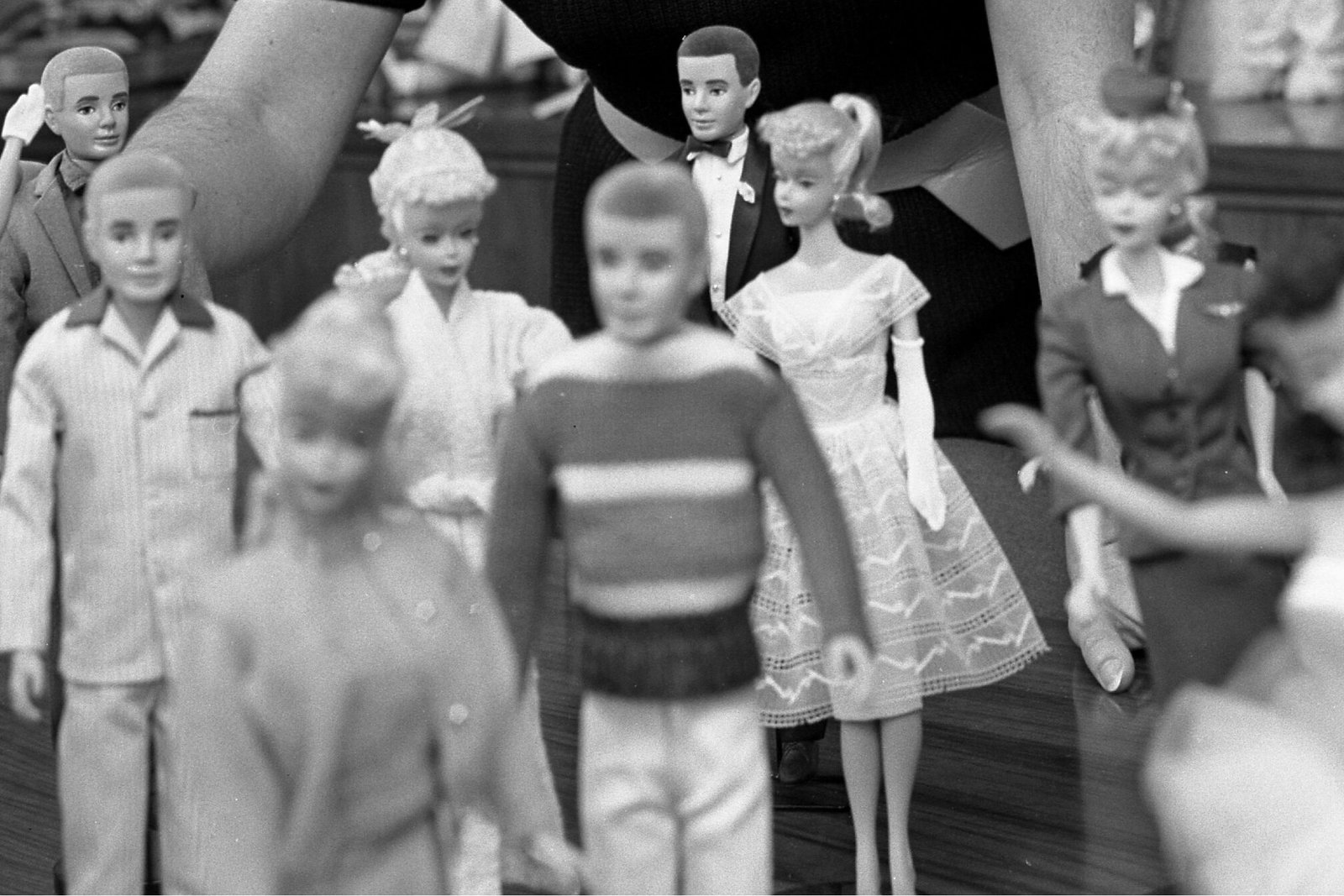
In 1961, Mattel introduced Ken, Barbie’s boyfriend, named after Ruth and Elliot’s son. Adding Ken helped expand the storytelling possibilities around Barbie, turning her from a standalone doll into part of a broader world. This move reflected Mattel’s growing understanding of how children interacted with toys. It was not just about individual items, but about creating a universe of characters.
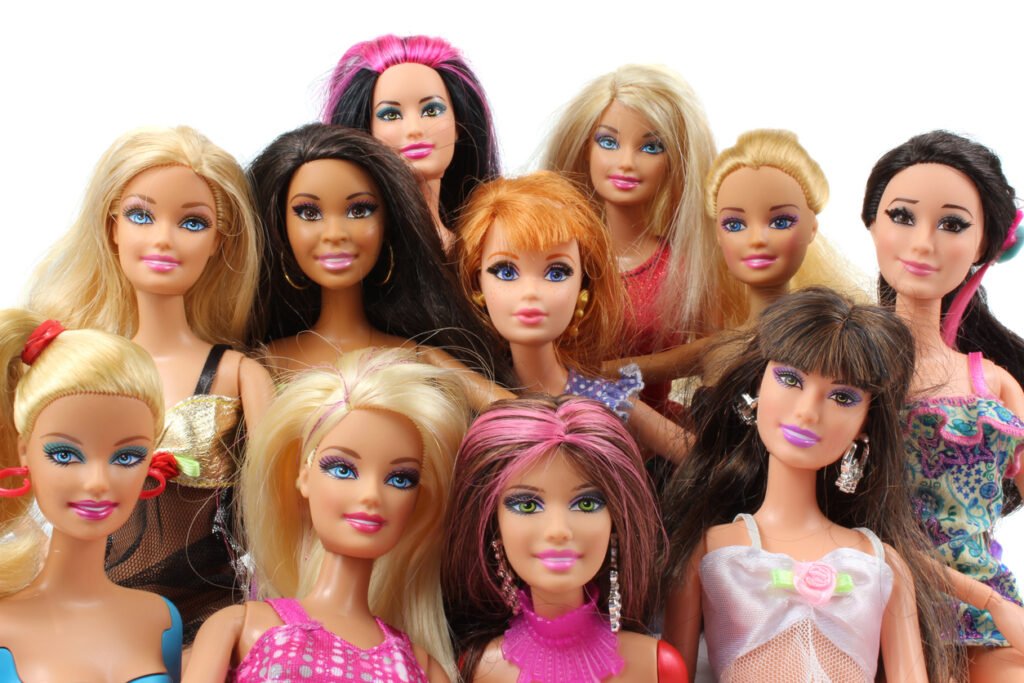
The expansion did not stop there. Over the years, Mattel introduced friends, family members, and a wide range of careers for Barbie. This allowed the brand to stay relevant across generations. Each addition built on the original concept Ruth had envisioned. It also reinforced Barbie’s role as more than just a toy, she became a cultural icon.
8. Breaking Ground as a Female Executive
Ruth Handler’s role at Mattel was groundbreaking, especially in the context of the 1950s and 1960s. She served as the company’s president, making her one of the first women to lead a major American corporation. At a time when women were often excluded from executive leadership, Ruth was making high-level decisions that shaped the company’s direction. Her influence extended far beyond Barbie.
She was known for being direct, strategic, and unafraid to challenge conventional thinking. This leadership style helped Mattel navigate rapid growth and industry changes. It also set an example for other women in business. Ruth’s success showed that leadership was not limited by gender, even if the broader culture had not fully caught up yet. Her impact can still be seen in how companies approach leadership today.
9. Controversy and Criticism Around Barbie
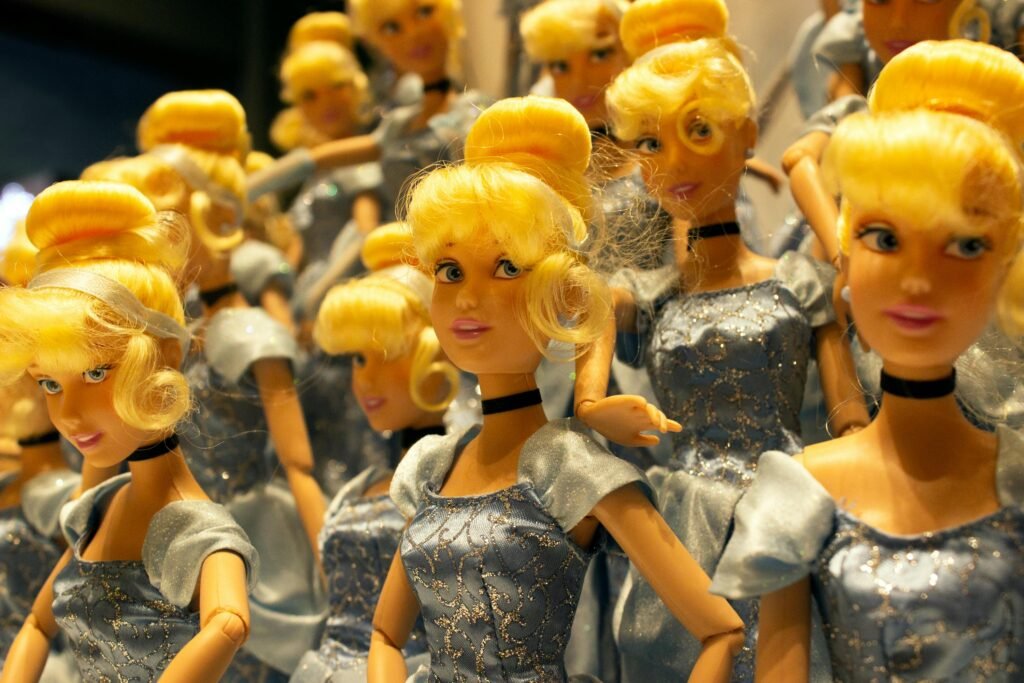
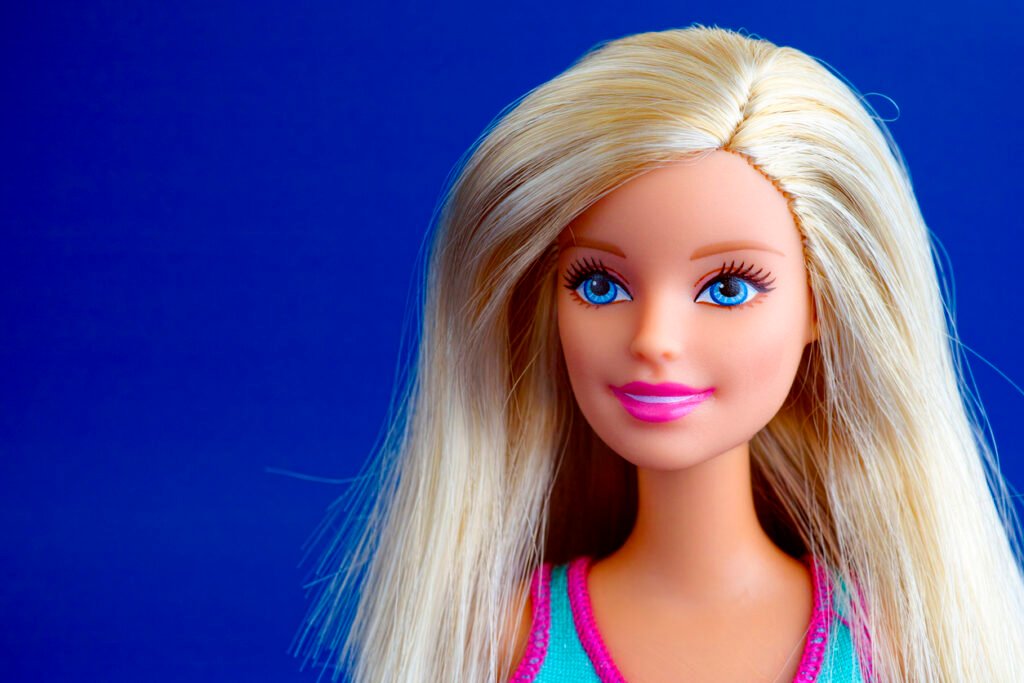
From early on, Barbie attracted both praise and criticism. Some critics argued that the doll’s proportions were unrealistic and could influence how children viewed body image. Others questioned the focus on fashion and appearance. These conversations became more prominent in the decades following Barbie’s launch. They reflected broader cultural debates about representation and identity.
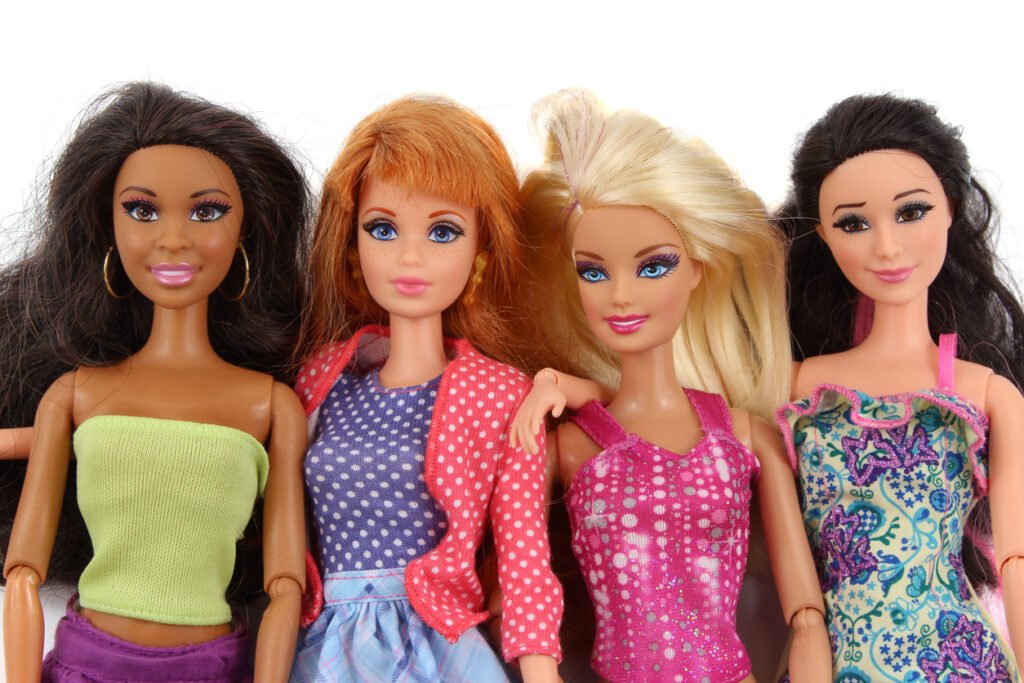
Mattel responded over time by expanding Barbie’s diversity in terms of careers, backgrounds, and physical appearances. While the original doll remained iconic, the brand evolved to address changing expectations. This was not an overnight shift, but a gradual process influenced by public feedback. The debates around Barbie became part of her legacy. They also highlighted how a toy could become a focal point for larger social issues.
10. The Handlers’ Later Years and Legal Troubles
In the 1970s, Mattel faced significant financial and legal challenges related to accounting practices. Both Ruth and Elliot Handler were forced to step down from their roles at the company in 1975. Ruth later pleaded no contest to charges related to false financial reporting and was fined and placed on probation. It was a difficult chapter in their story, especially given how closely they were tied to the company’s identity.
Despite these setbacks, the Handlers’ earlier contributions to Mattel remained significant. The company continued to grow and evolve, building on the foundation they had created. Their departure did not erase their role in shaping the brand. It simply marked a complicated turning point in their personal and professional lives. It is a reminder that even major success stories can include serious challenges.
11. Ruth Handler’s Second Act with Nearly Me
After leaving Mattel, Ruth Handler turned her attention to a very different kind of product. Following her own experience with breast cancer and a mastectomy, she founded a company called Nearly Me. The business focused on creating realistic breast prostheses for women who had undergone similar procedures. It was a deeply personal project that addressed a need she had experienced firsthand.
This second act showed a different side of Ruth’s entrepreneurial mindset. She was not just focused on profit, but on solving a meaningful problem for other women. Nearly Me became a successful company in its own right, helping improve quality of life for many people. It also demonstrated her ability to pivot and start again after a major setback. That resilience is a key part of her legacy.
12. The Lasting Legacy of the Couple Behind Barbie
Ruth and Elliot Handler left a lasting mark on both the toy industry and American business. Mattel grew into one of the largest toy companies in the world, and Barbie remains one of its most recognizable products. The couple’s partnership, combining creative design and sharp business strategy, played a central role in that success. Their story is often cited as an example of how complementary skills can drive innovation.
Even decades later, Barbie continues to evolve, reflecting changes in culture and consumer expectations. That adaptability traces back to the original vision Ruth had when she first imagined the doll. Elliot’s contributions to production and product development ensured that vision could be realized at scale. Together, they built something that extended far beyond a single toy. Their influence is still visible in how toys are designed, marketed, and understood today.