
1. Flying Cars for Everyday Commuting
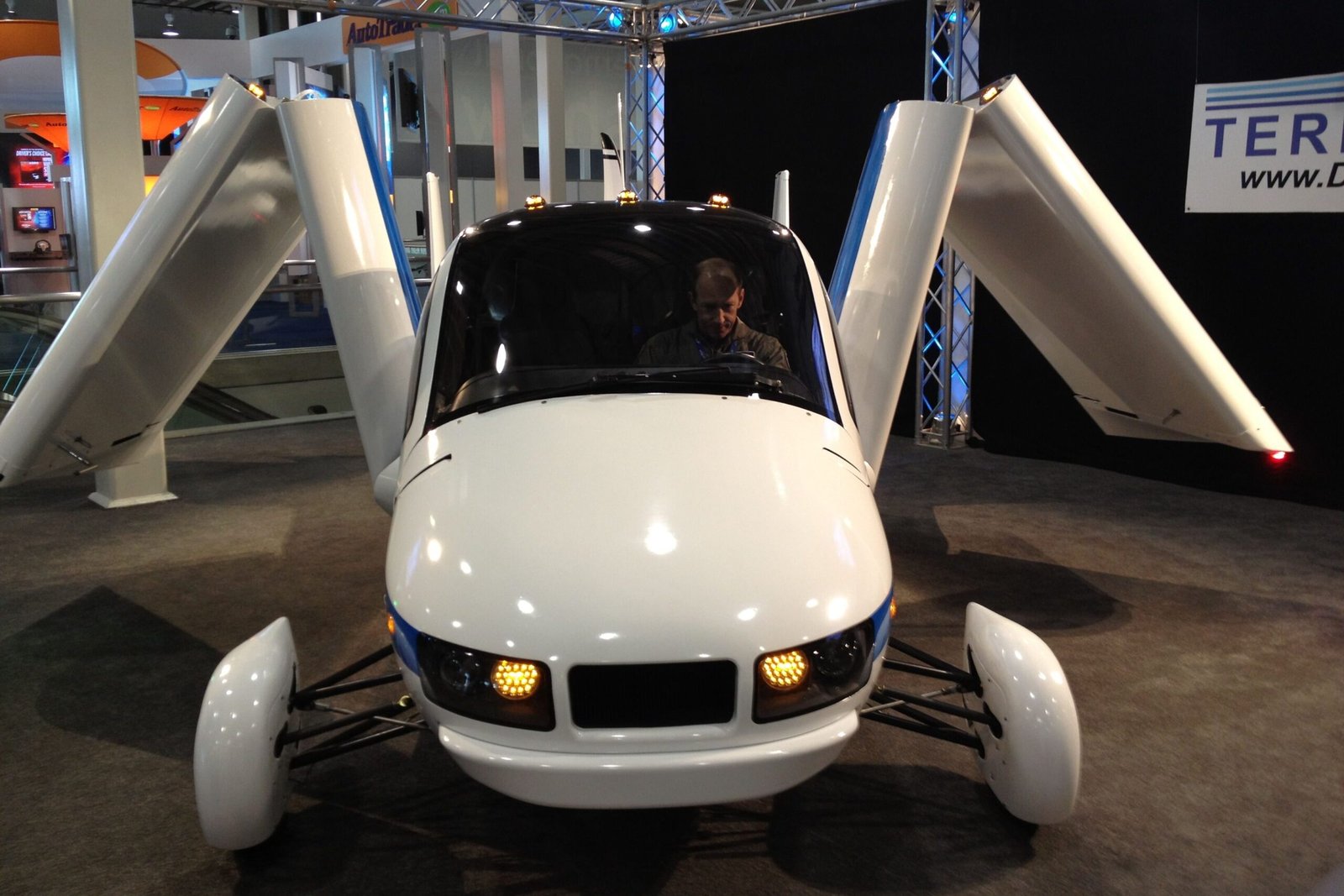
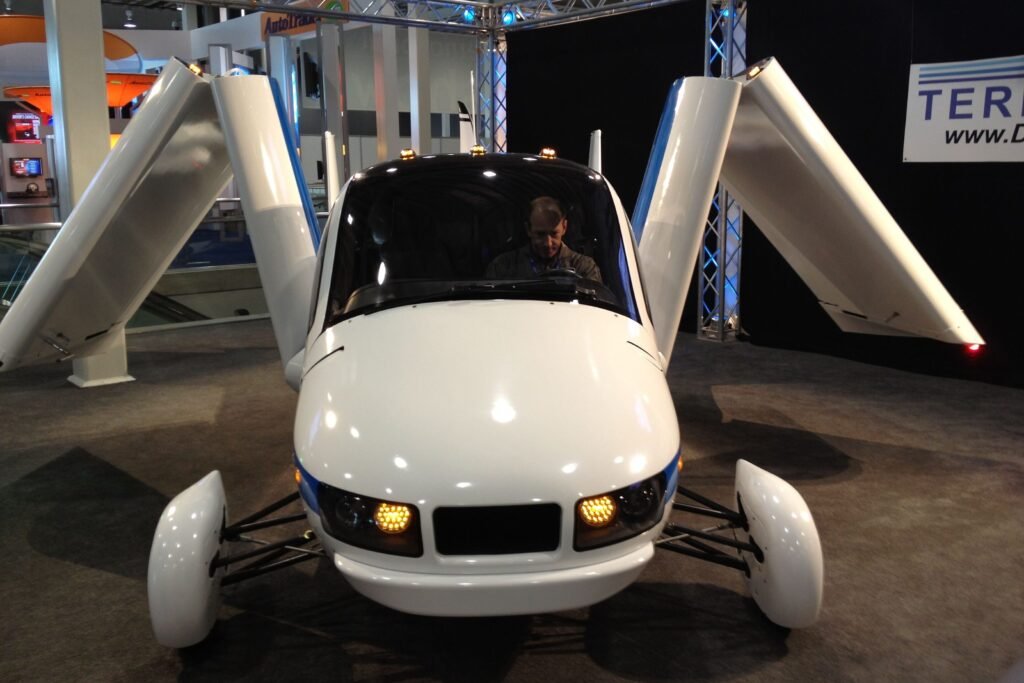
For decades, magazines and futurists promised that by the early 2000s, we’d all be commuting in flying cars. The idea showed up everywhere, from mid-century Popular Science covers to cartoons like The Jetsons. Engineers did build prototypes, and some companies are still trying today, but a true, widely adopted flying car hasn’t materialized. The core issues are practical rather than imaginative, including safety, cost, regulation, and air traffic control. It turns out that putting thousands of non-pilots into the sky introduces risks that cities are not equipped to handle. Even today’s “flying cars” are closer to small aircraft than anything you’d park in a driveway.
That said, there has been partial progress. Companies have developed electric vertical takeoff and landing vehicles, often called eVTOLs, which are being tested for short urban trips. These are not mass consumer vehicles yet, and they require trained pilots and strict oversight. So the vision wasn’t entirely wrong, but it was wildly optimistic about timing and accessibility. The everyday flying commute remains more of a niche experiment than a reality.
2. The Internet Revolution
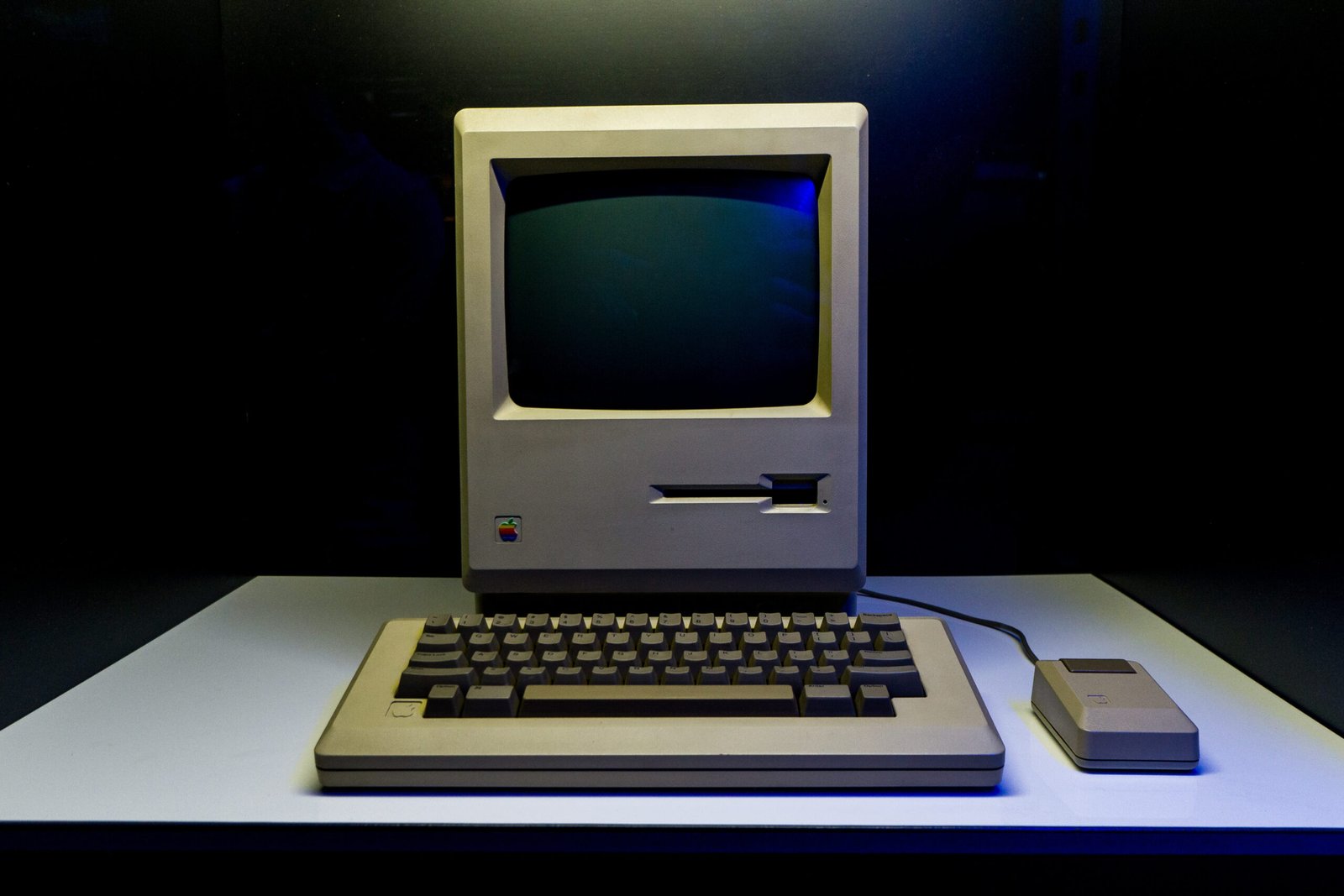
In the early days of computing, some skeptics dismissed the internet as a niche tool that would never matter to everyday people. Others predicted it would transform everything, from communication to commerce, and those predictions proved accurate. What began as a research network evolved into a global infrastructure that now underpins nearly every industry. Email, online shopping, social media, and streaming have reshaped how people live and work. Even routine tasks like banking or booking appointments are now largely digital.
What’s striking is how quickly it all happened. By the late ’90s and early 2000s, the internet had already begun to dominate daily life. Today, it’s difficult to imagine functioning without it, especially in developed countries. The prediction that the internet would become essential was not only correct, it may have underestimated just how deeply it would integrate into society.
3. Personal Jetpacks for Everyone
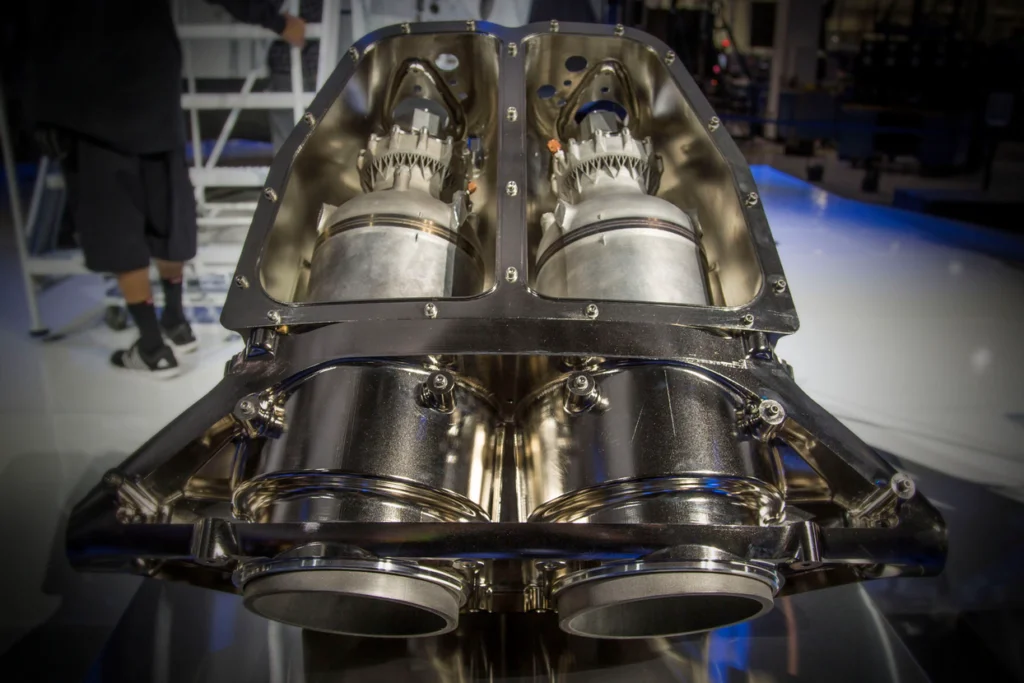
Jetpacks were once a staple of futuristic predictions, especially in the ’50s and ’60s. The idea was simple and appealing, a compact device that would let individuals fly short distances at will. Early prototypes, like the Bell Rocket Belt, actually worked, but only for brief bursts of around 20 seconds. The technology never advanced to the point of practicality for everyday use. Fuel limitations, safety concerns, and extreme costs kept jetpacks from becoming mainstream.
Today, jetpacks still exist, but they are mostly used for demonstrations, military research, or high-end entertainment. They require specialized training and are far from convenient. The dream of casually flying over traffic with a backpack remains largely unrealized. It’s one of those ideas that looks better on paper than in real-world conditions.
4. Smartphones and Pocket Computers
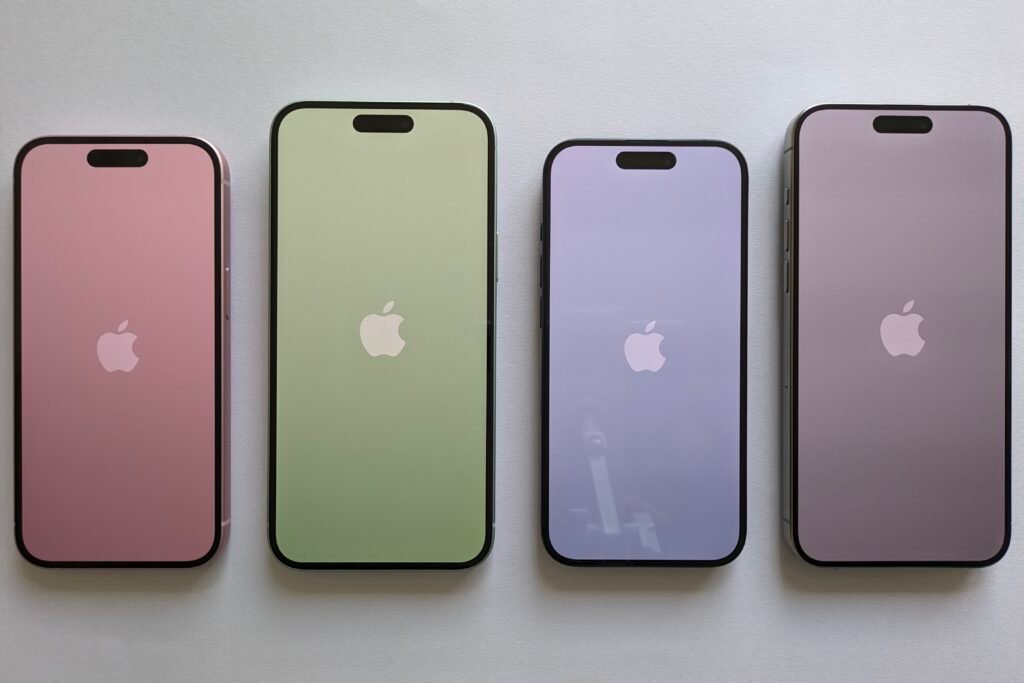
The concept of carrying a powerful computer in your pocket was once considered futuristic. Early predictions suggested that one day, devices would combine communication, computing, and entertainment into a single handheld unit. That vision is now fully realized in modern smartphones. Devices today can perform tasks that once required entire rooms of equipment. From navigation to video calls, the functionality is extensive.
What’s interesting is that early predictions did not fully capture how central these devices would become. Smartphones are not just tools, they are constant companions for most people. They influence how we socialize, consume information, and even manage our health. This is one area where science predictions not only came true but arguably exceeded expectations.
5. Colonies on the Moon by the Year 2000
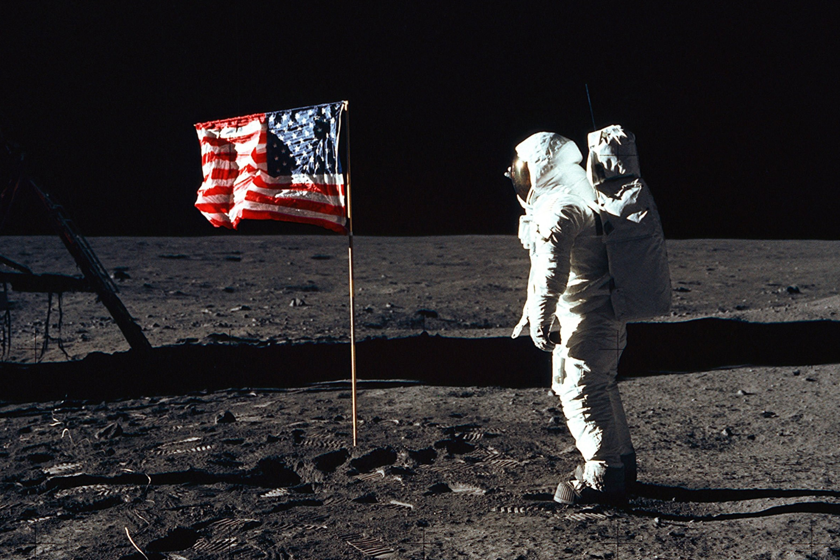
During the space race, many experts believed that permanent human settlements on the Moon were just decades away. NASA and other organizations seriously studied lunar bases, imagining them as stepping stones for deeper space exploration. However, after the Apollo missions ended in 1972, momentum slowed significantly. Budget constraints, shifting priorities, and technical challenges all played a role. No permanent lunar colony has been established.
There is renewed interest today, with programs like NASA’s Artemis aiming to return humans to the Moon. Plans for long-term habitation are being discussed again, but they remain in early stages. The original timeline was clearly too ambitious. While the goal itself is still alive, the reality has been much slower and more complicated than predicted.
6. Self-Driving Cars
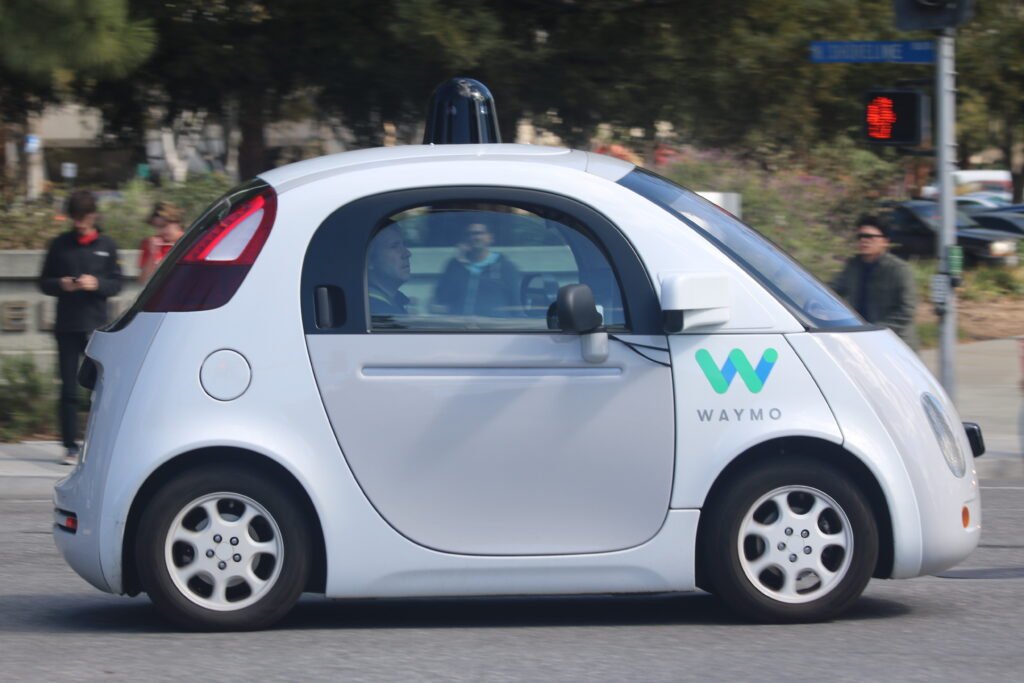
The idea of autonomous vehicles has been around for decades, often depicted as a near-future certainty. Early predictions suggested fully self-driving cars would be common by the early 21st century. While significant progress has been made, the reality is more nuanced. Modern vehicles can assist with driving, using features like adaptive cruise control and lane-keeping. However, full autonomy in all conditions is still not widely available.
Companies like Waymo and Tesla have pushed the technology forward, but challenges remain. These include unpredictable road conditions, legal frameworks, and safety concerns. In some controlled environments, self-driving cars do operate successfully. Still, the vision of fully autonomous vehicles everywhere has not yet been fully realized. It is a partial success, but not on the original timeline.
7. Video Calls Becoming Everyday Life

For years, science fiction suggested that one day people would regularly communicate face-to-face through screens. Early demonstrations of video calling existed as far back as the 1960s, but the technology was expensive and impractical. Many assumed it would remain a novelty. Instead, it became a core part of modern communication. Platforms like Zoom and FaceTime made video calls accessible to millions.
The shift accelerated dramatically during the COVID-19 pandemic, when remote work and virtual gatherings became necessary. Today, video calls are routine for both personal and professional use. The prediction was accurate, though it took longer than some expected to become widespread. Once the infrastructure caught up, adoption happened quickly.
8. Robot Servants in Every Home
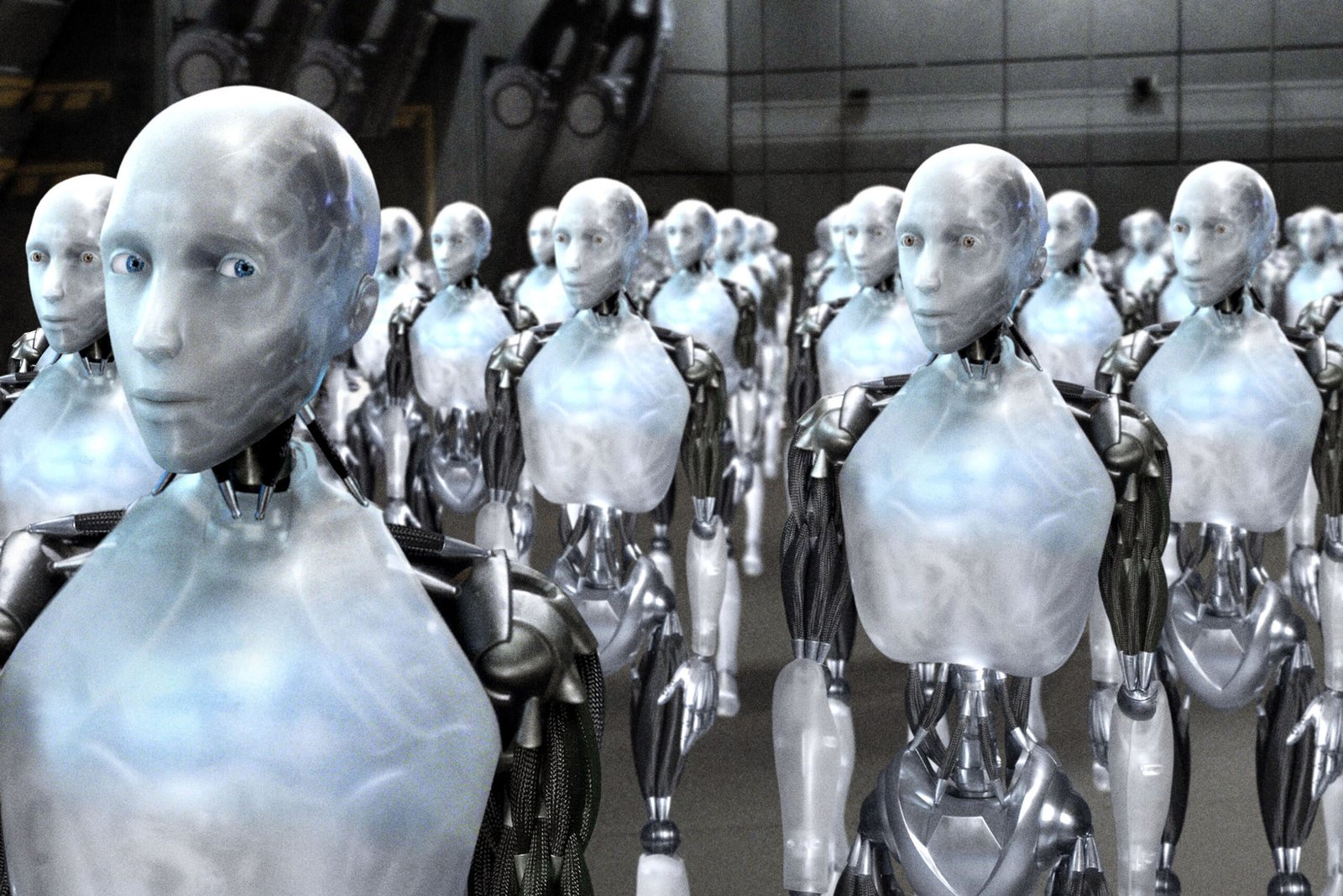
Predictions about household robots have been around for decades. The expectation was that humanoid robots would handle chores like cleaning, cooking, and childcare. While robotics has advanced significantly, this specific vision has not come true. Most homes do not have general-purpose robot servants. Instead, we have specialized devices like robotic vacuum cleaners.
The challenge lies in creating machines that can navigate complex, unpredictable environments. Human homes vary widely, and tasks like cooking require a level of adaptability that robots still struggle with. Progress continues in labs and industrial settings, but the fully capable household robot remains out of reach. The prediction was directionally correct but overly optimistic.
9. The Rise of Artificial Intelligence
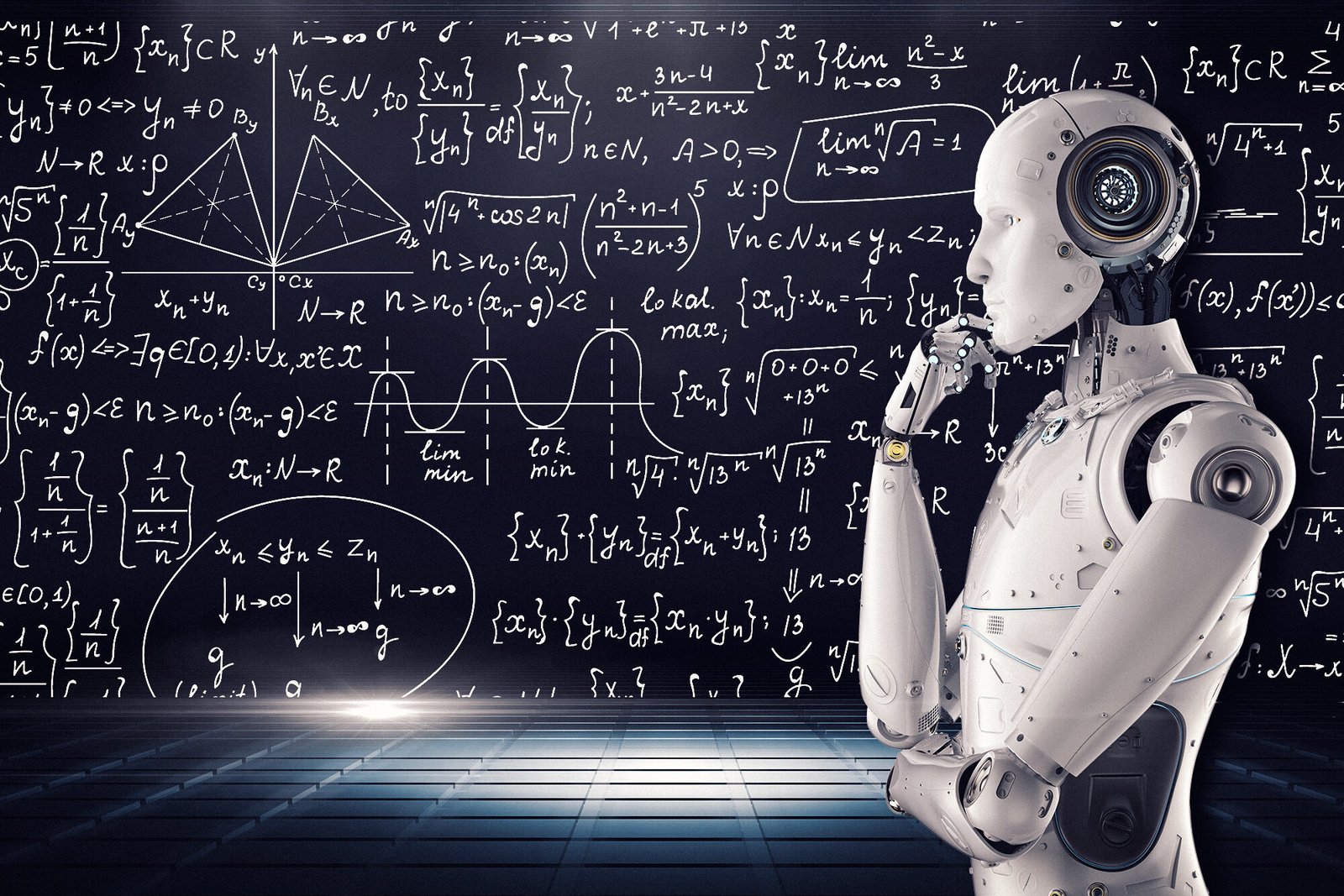
Artificial intelligence was once considered a distant possibility, often portrayed as either miraculous or dangerous in fiction. Early predictions varied widely, but many experts believed machines would eventually perform tasks requiring human intelligence. Today, AI is embedded in everything from search engines to medical diagnostics. It powers recommendation systems, voice assistants, and language models.
While AI has not reached general human-level intelligence, it has transformed many industries. Tasks that once required human input can now be automated or assisted by algorithms. The prediction that AI would become a major force in society has clearly come true. However, its development has been uneven, with breakthroughs followed by periods of slower progress.
10. Underwater Cities
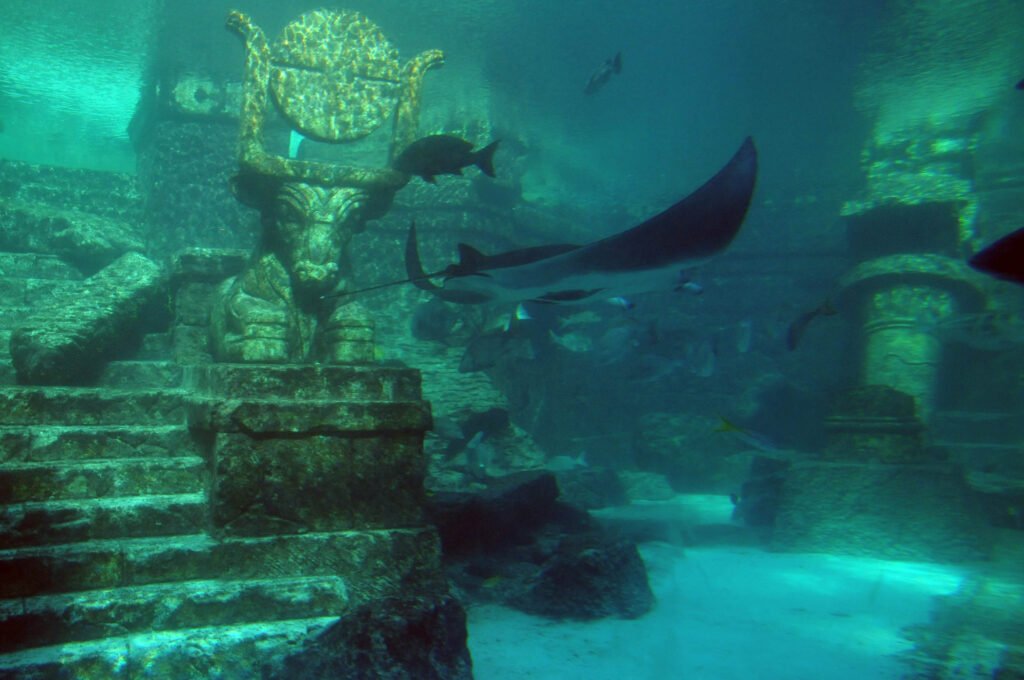
At one point, some scientists believed humanity would build large underwater cities to address population growth. The oceans were seen as an untapped frontier, offering vast space for expansion. Experimental habitats were built, such as Jacques Cousteau’s Conshelf projects in the ’60s. However, these efforts did not lead to permanent underwater communities. The technical and economic challenges proved too great.
Living underwater presents significant issues, including pressure, corrosion, and isolation. Maintaining such environments is expensive and complex. While underwater research stations exist, they are temporary and limited in scope. The vision of thriving underwater cities has not materialized. It remains more of a concept than a practical solution.
11. Renewable Energy Becoming Mainstream
There was a time when renewable energy sources like solar and wind were considered impractical for large-scale use. Critics argued they would never compete with fossil fuels. That prediction turned out to be incorrect. Renewable energy has grown rapidly, becoming a significant part of the global energy mix. Costs have decreased dramatically, making these technologies more accessible.
Today, many countries rely heavily on renewables, and investment continues to grow. Solar panels and wind turbines are now common sights. While challenges remain, such as energy storage and grid integration, the overall trend is clear. The prediction that renewables would fail has been definitively disproven.
12. Teleportation for Humans
Teleportation has long been a staple of science fiction, often presented as a future technology. Some early discussions in physics explored the concept in theoretical terms. However, teleportation of humans remains firmly in the realm of fiction. Quantum teleportation does exist, but it involves transferring information about particles, not physical objects or people. It is not a method for transporting matter in the way science fiction suggests.
The complexity of recreating a human body at the atomic level is beyond current scientific capabilities. There are also philosophical and ethical questions about identity and continuity. While research in quantum mechanics continues, practical human teleportation is not on the horizon. This is one prediction that remains entirely unrealized.
13. Wearable Health Technology
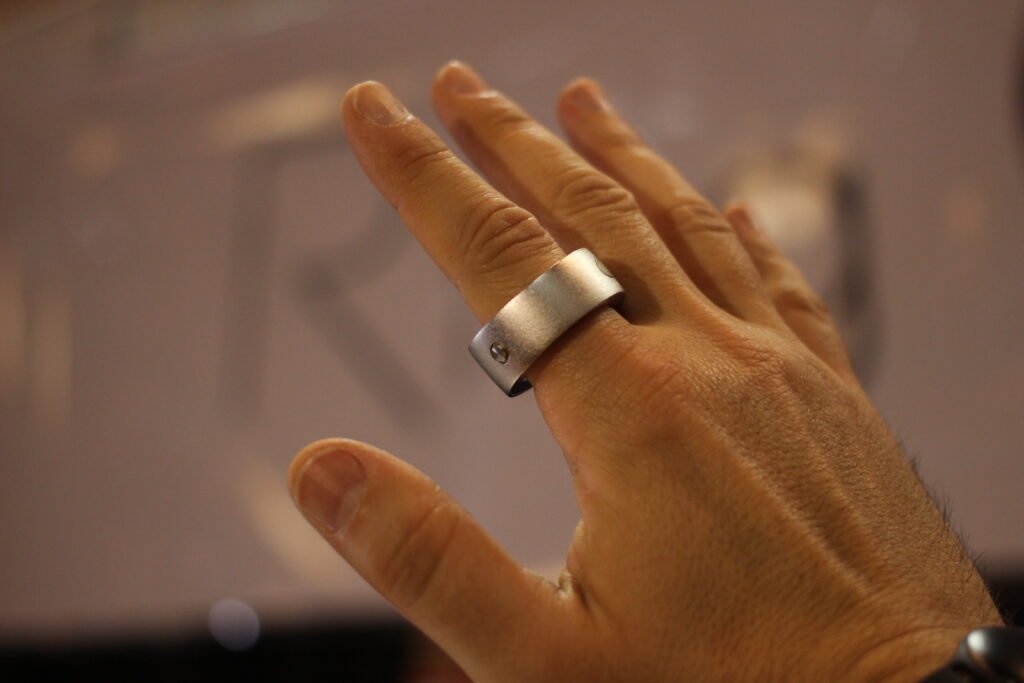
The idea that people would monitor their health through wearable devices was once speculative. Early predictions suggested that technology would eventually track vital signs in real time. Today, devices like smartwatches can monitor heart rate, activity levels, and even detect irregular heart rhythms. This has had a measurable impact on personal health management.
Wearables have become increasingly sophisticated and widely adopted. They are used by both consumers and healthcare professionals. While not perfect, they provide valuable data that can support healthier lifestyles. This is a clear example of a prediction that has come true in a practical and meaningful way.
14. Nuclear-Powered Everyday Life
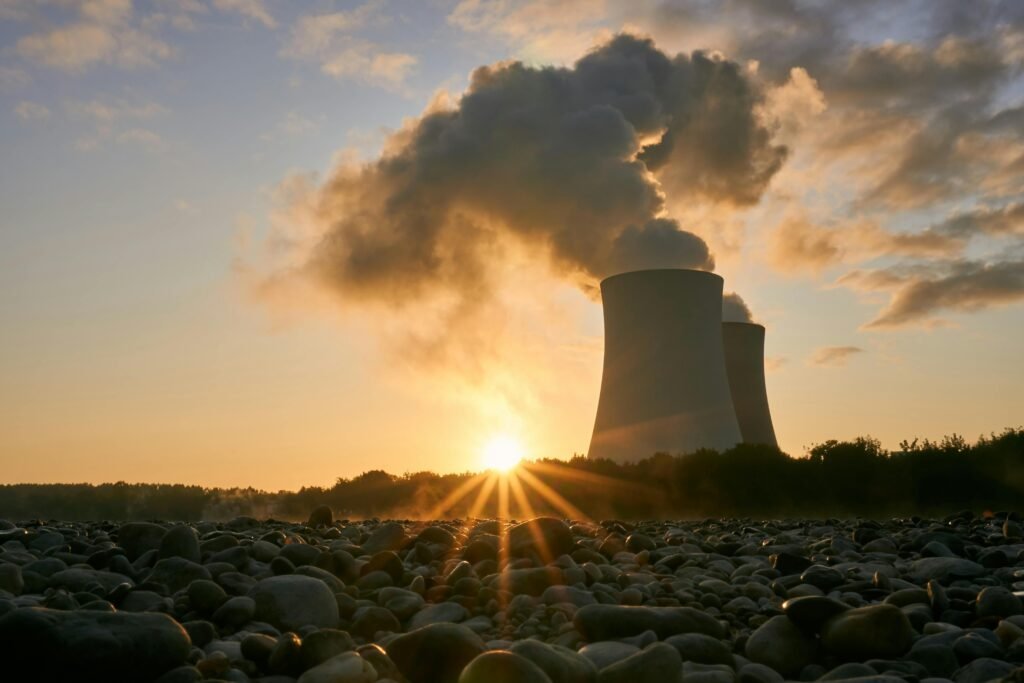
In the mid-20th century, nuclear power was seen as the solution to nearly all energy needs. Some predictions even suggested nuclear-powered cars and household appliances. While nuclear energy is used for electricity generation, it has not been integrated into everyday consumer products in this way. Concerns about safety, waste, and cost have limited its expansion. High-profile accidents have also shaped public perception.
Nuclear power remains an important but controversial energy source. It is used in many countries, but not at the scale once envisioned. The idea of a fully nuclear-powered daily life did not materialize. The technology proved more complex and risky than early advocates anticipated.
15. Space Tourism
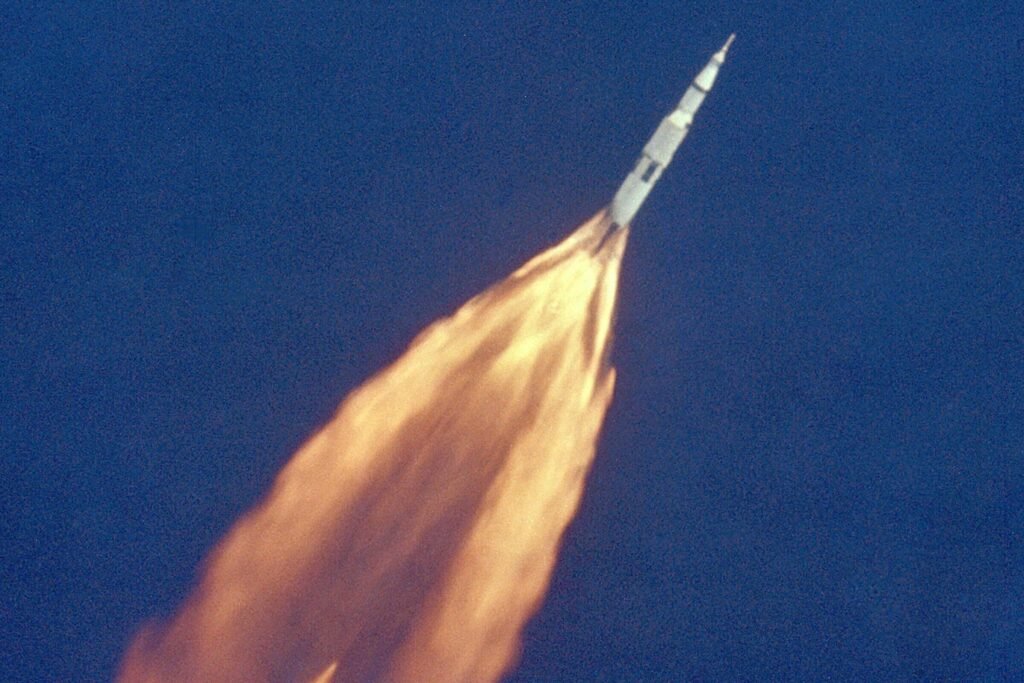
For many years, space travel was limited to government-funded missions. Predictions about space tourism suggested that private citizens would eventually travel beyond Earth. This has begun to happen in recent years. Companies like SpaceX, Blue Origin, and Virgin Galactic have launched private individuals into space or near-space environments. These trips are still expensive and limited, but they are real.
The industry is in its early stages, and widespread accessibility is still a long way off. However, the fundamental prediction has come true. Space is no longer exclusively the domain of professional astronauts. It represents a shift toward a new kind of travel, even if it remains out of reach for most people today.