1. Knotty Pine Walls That Defined the Room
If you walked down into a basement in the ’60s or ’70s, the first thing you probably noticed was the wood paneling, especially knotty pine. It wasn’t just a design choice, it was almost a default. Builders and homeowners liked it because it was relatively affordable and easy to install compared to drywall. It also gave a warm, cabin-like feel that made a basement seem less cold and unfinished. The visible knots and grain patterns made each wall look a little different, which added to the charm. For many families, this was their version of a cozy retreat without leaving home. It turned what could have been a storage space into a place people actually wanted to hang out.
Over time, though, that same paneling became dated. By the ’90s, a lot of homeowners were painting over it or ripping it out entirely. Still, for those who grew up with it, that look is instantly recognizable. It’s tied to memories of card games, birthday parties, and late-night TV. Even today, some people intentionally recreate the look for a nostalgic feel. It’s one of those design trends that never fully disappears, it just cycles in and out of favor.
2. Built-In Bars for Weekend Entertaining
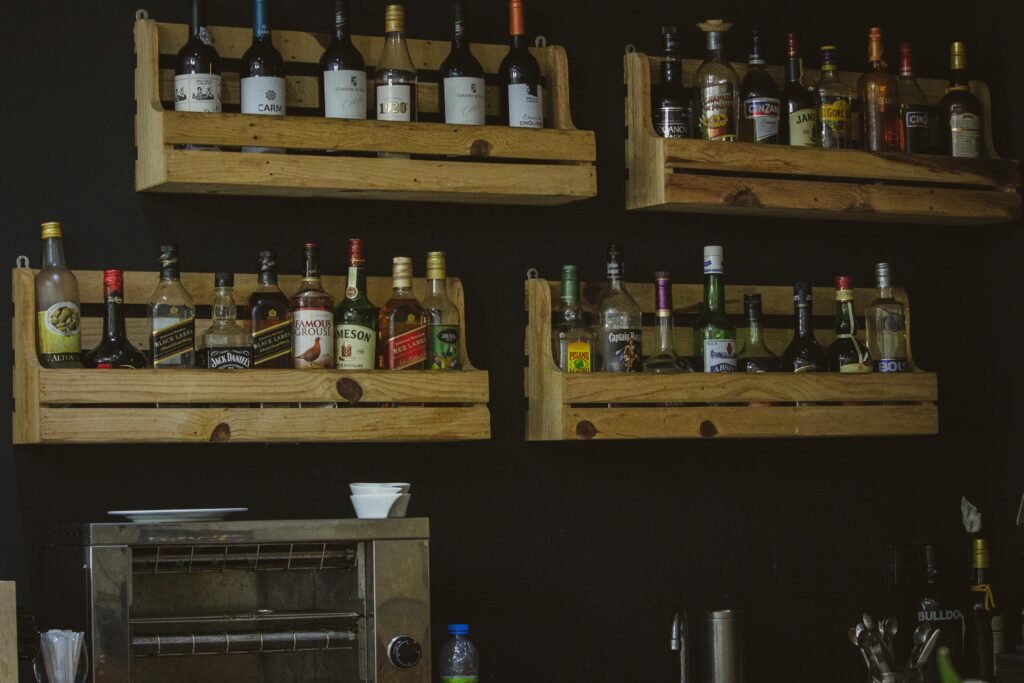
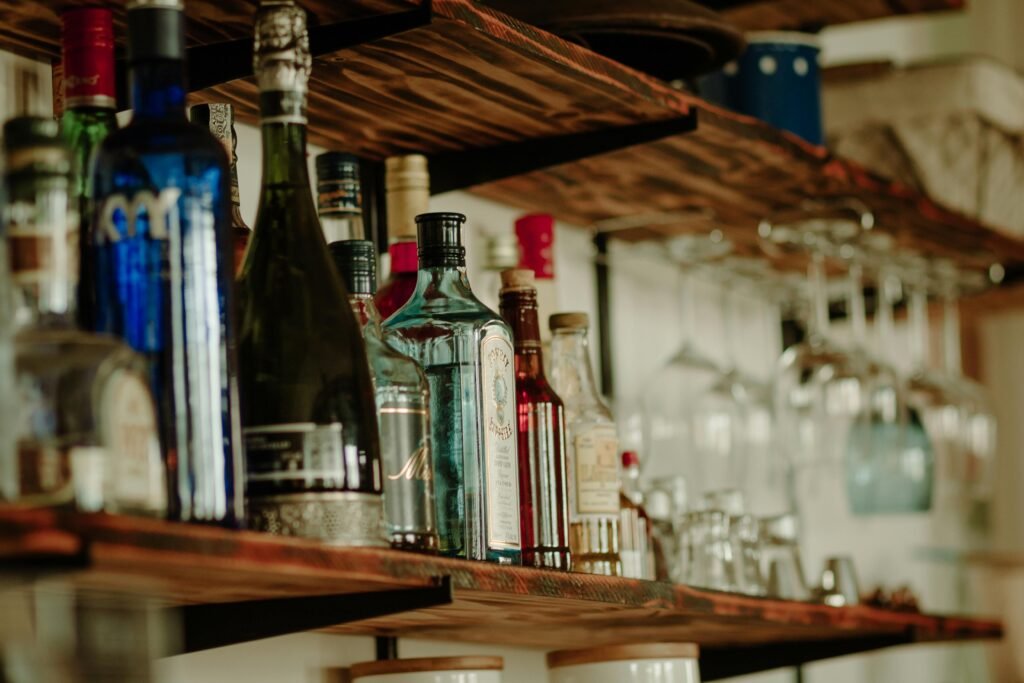
The basement bar was practically a requirement in many mid-century homes. It was often built right into the wall, sometimes with a laminate countertop and a row of stools. For adults, it became the main gathering spot during parties or holidays. Having a bar at home felt a little glamorous, especially during a time when entertaining guests was a regular social activity. Many were stocked with glassware, mixers, and a few reliable bottles of liquor. It gave the basement a clear purpose beyond just extra space.
These bars were also surprisingly creative. Some had mirrored backs, built-in shelves, or even small sinks. Others were more DIY, put together with whatever materials the homeowner had on hand. Either way, they became a focal point of the room. Kids usually knew this was the “grown-up” area, even if they sneaked sips of soda nearby. Today, home bars are making a comeback, but they rarely feel quite the same as those original basement setups.
3. Drop Ceilings with Fluorescent Lights
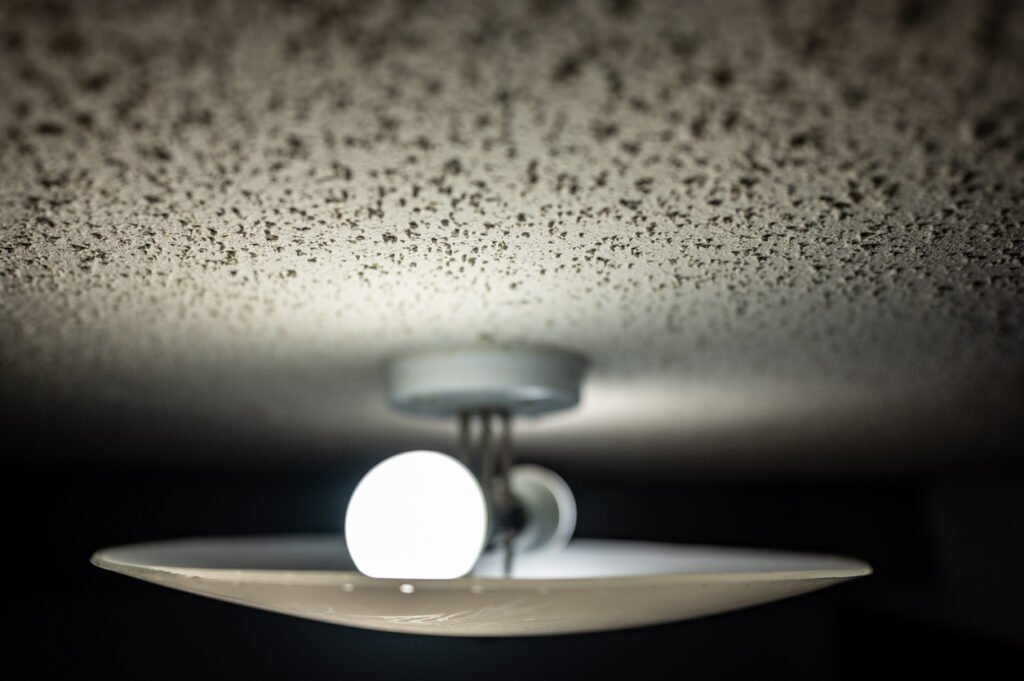
Most finished basements from that era had drop ceilings, also known as suspended ceilings. They were practical because they made it easy to access pipes and wiring above. The ceiling tiles were usually plain white or slightly speckled, and they sat in a visible metal grid. Fluorescent lighting panels were often built right into the ceiling, giving off that bright, slightly harsh glow. It wasn’t the most flattering lighting, but it got the job done. The whole setup was about function over style.
Despite their practicality, drop ceilings became one of the first things people replaced during renovations. The look is now strongly associated with older basements. Still, there’s a certain familiarity to it that many people remember. The hum of the lights and the uniform tiles created a very specific atmosphere. It’s not necessarily missed, but it’s definitely remembered. For better or worse, it was part of the full basement experience.
4. Plush Carpeting in Earth Tones
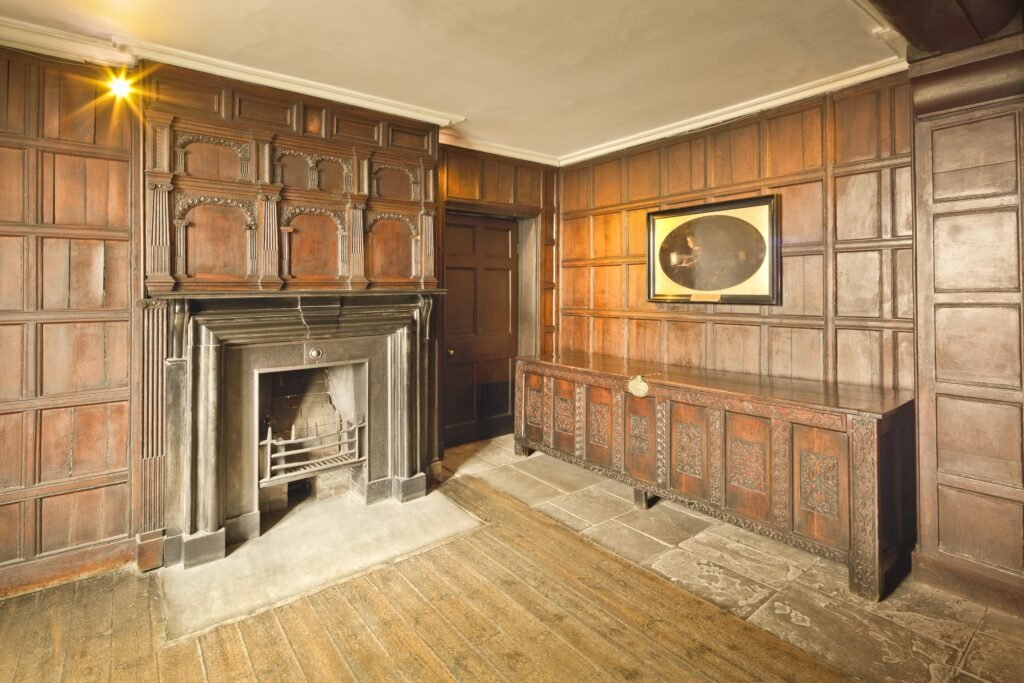
Wall-to-wall carpeting was another common feature, often in shades of brown, gold, or rust. It helped make the basement feel warmer and more comfortable, especially during colder months. Many of these carpets were thick and plush, sometimes with a slightly shaggy texture. They weren’t always the most practical choice for a space prone to moisture, but comfort often won out. Families wanted a place where people could sit on the floor, play games, or just relax. The carpeting made that possible.
Of course, those carpets didn’t always age well. Stains, odors, and wear could build up over time. Still, they were part of what made basements feel lived-in rather than purely functional. Kids would sprawl out to watch TV or play board games for hours. The softness underfoot made it feel different from the rest of the house. Even now, that kind of carpeting instantly signals a certain era. It’s not just decor, it’s part of the memory.
5. Wood Console TVs and Rec Rooms
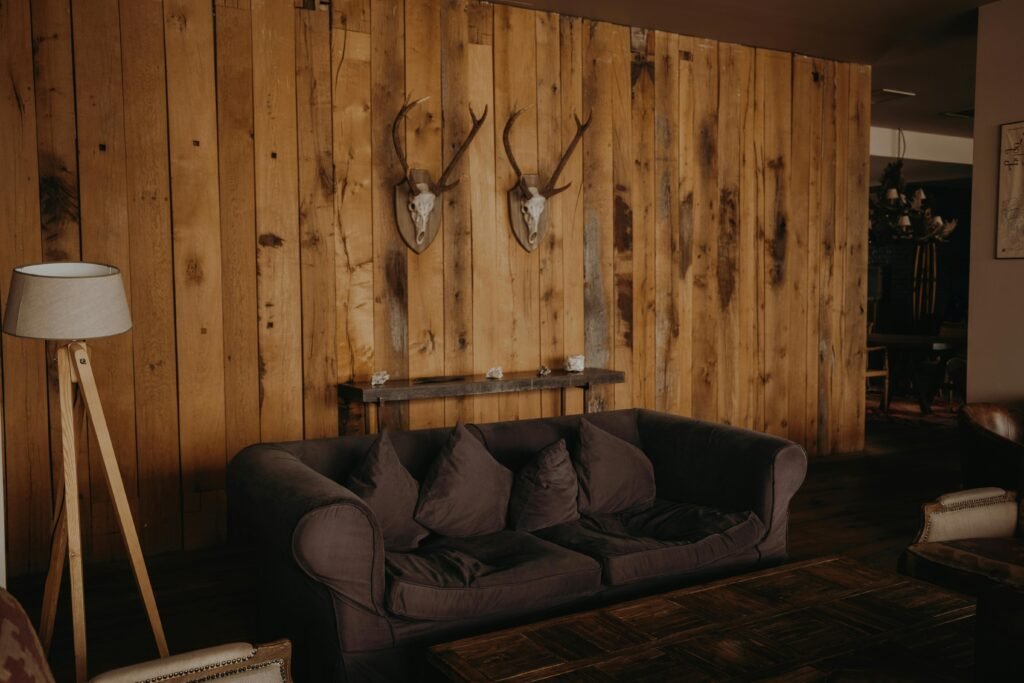
Basements often doubled as rec rooms, and a large wood console TV was usually the centerpiece. These TVs were heavy, furniture-like pieces that blended in with the paneling. Families would gather to watch sports, movies, or popular shows together. It was a shared experience, not something everyone did separately in different rooms. The basement became the go-to spot for casual entertainment. It was a place where you could be a little louder and more relaxed.
These setups encouraged a different kind of social interaction. People talked during commercials, laughed together, and made it a group activity. The TV wasn’t just background noise, it was the main event. Over time, as technology changed, these consoles disappeared. But the idea of a basement rec room stuck around. It just looks a little different now, with flat screens and streaming instead of bulky cabinets.
6. Folding Card Tables and Game Nights

A folding card table was almost always tucked somewhere in the basement. It could be set up quickly for poker games, board games, or puzzles. These tables were practical because they didn’t take up permanent space. When guests came over, they suddenly became the center of activity. Card games like euchre or poker were especially popular in many households. It gave adults a reason to gather regularly.
Kids often used the same tables for crafts or homework. The basement became a shared space where different activities overlapped. You might have a card game on one side and a puzzle on the other. It wasn’t formal, but that was part of the appeal. Everything felt flexible and easy. That kind of setup is less common now, but it was once a staple of basement life.
7. Built-In Shelving for Glassware and Decor

Many basement bars and walls included built-in shelves. These were used to display glassware, bottles, or decorative items. Sometimes you’d see souvenir glasses from vacations or special events lined up neatly. It was a subtle way of showing personality and history. The shelves often matched the wood paneling, creating a cohesive look. It made the space feel more intentional.
These displays were also a conversation starter. Guests might ask about a particular glass or item, leading to stories and memories. It added a personal touch to what could otherwise be a simple room. Over time, styles changed and these shelves were removed or updated. But they once played an important role in how basements were used. They turned storage into something more meaningful.
8. Vinyl or Laminate Flooring Near the Bar
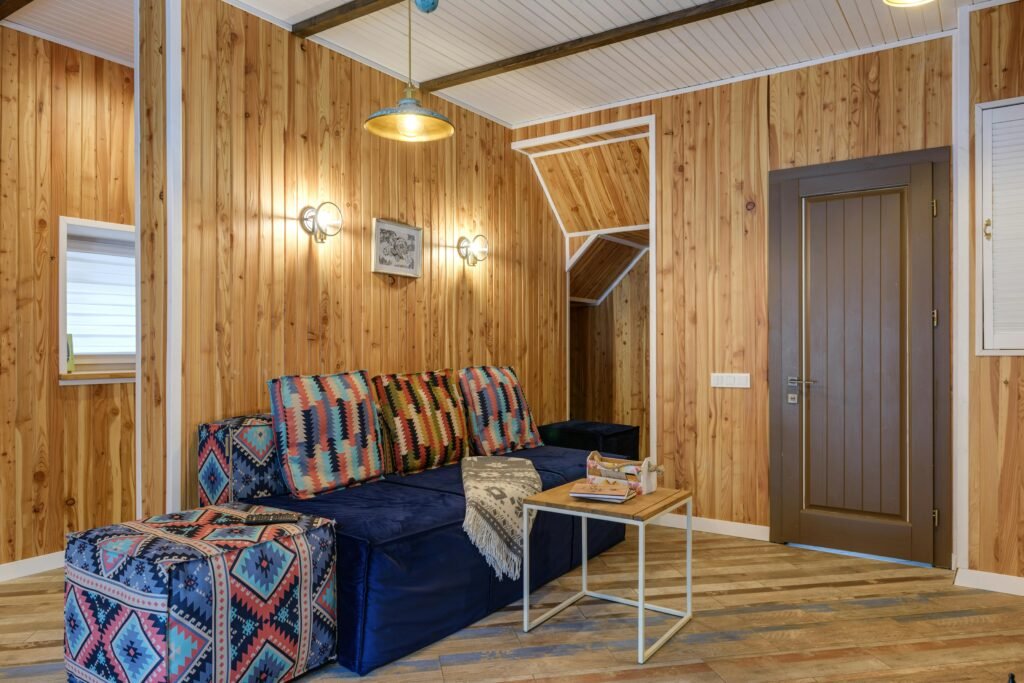
While much of the basement might have been carpeted, the bar area often had vinyl or laminate flooring. This made cleanup easier in case of spills. The designs sometimes mimicked tile or wood, even if the materials were simpler. It created a subtle separation between the bar and the rest of the room. Functionality was the main goal, but there was still an effort to make it look good. It balanced practicality with style.
These materials were also more durable in a space that saw a lot of foot traffic. People gathered around the bar, moved stools, and set down drinks. Having a tougher surface helped everything hold up over time. Today, similar ideas still apply, just with updated materials. But the concept hasn’t changed much. Certain areas need to be more resilient than others.
9. Stereo Systems and Record Collections
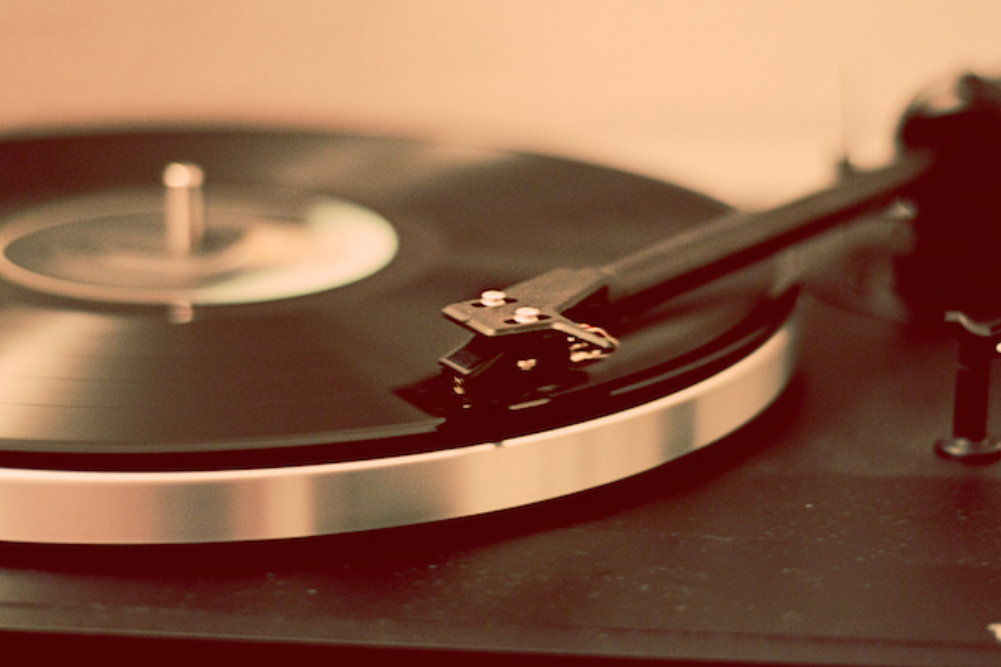
Music played a big role in basement hangouts. Many families had a stereo system set up, sometimes with large speakers. Records were stored nearby, often in crates or cabinets. People would take turns picking what to play during gatherings. It added another layer to the social atmosphere. The basement became a place for both conversation and music.
This setup also reflected personal taste. You could learn a lot about someone by looking at their record collection. It made the space feel more alive and customized. As technology evolved, records gave way to tapes and then digital formats. But the idea of a dedicated music space stuck around. It’s just changed form over the years.
10. Faux Brick and Stone Accents
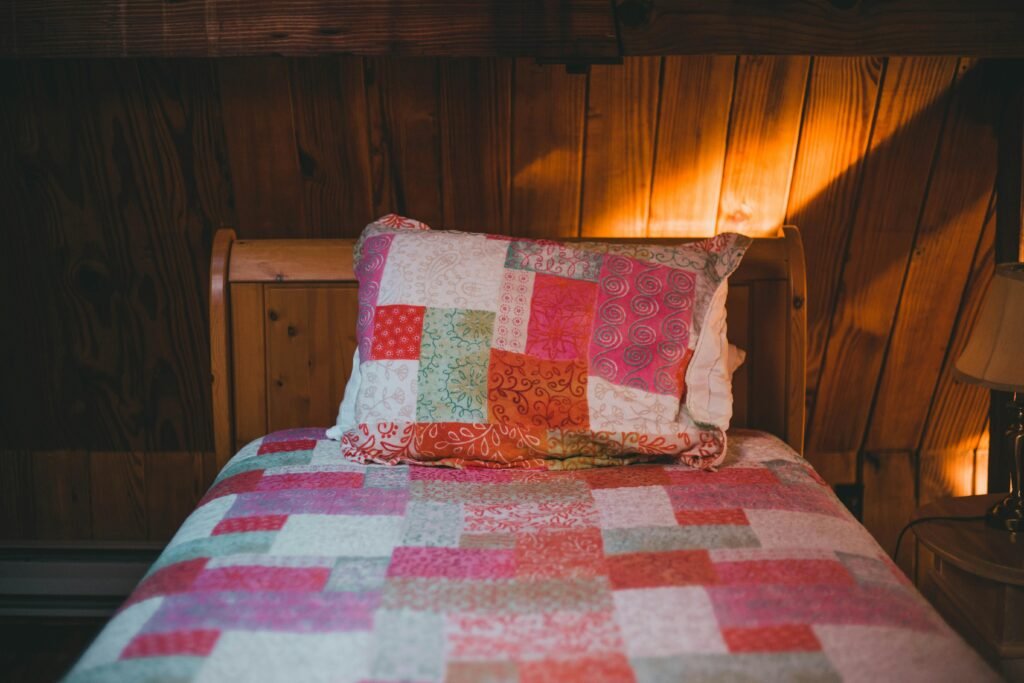
In addition to wood paneling, some basements featured faux brick or stone walls. These were often made from thin panels designed to mimic real materials. They added texture and a slightly more rustic feel to the space. Homeowners liked the idea of creating a unique environment below ground. It made the basement feel less like an afterthought. Instead, it became a styled extension of the home.
These accents were especially common around bars or fireplaces. They helped define specific areas within the room. While not always convincing up close, they still added character. Today, similar looks are achieved with more realistic materials. But the original versions have a certain charm. They represent a time when design was both practical and a little experimental.
11. Recliners and Sectional Seating
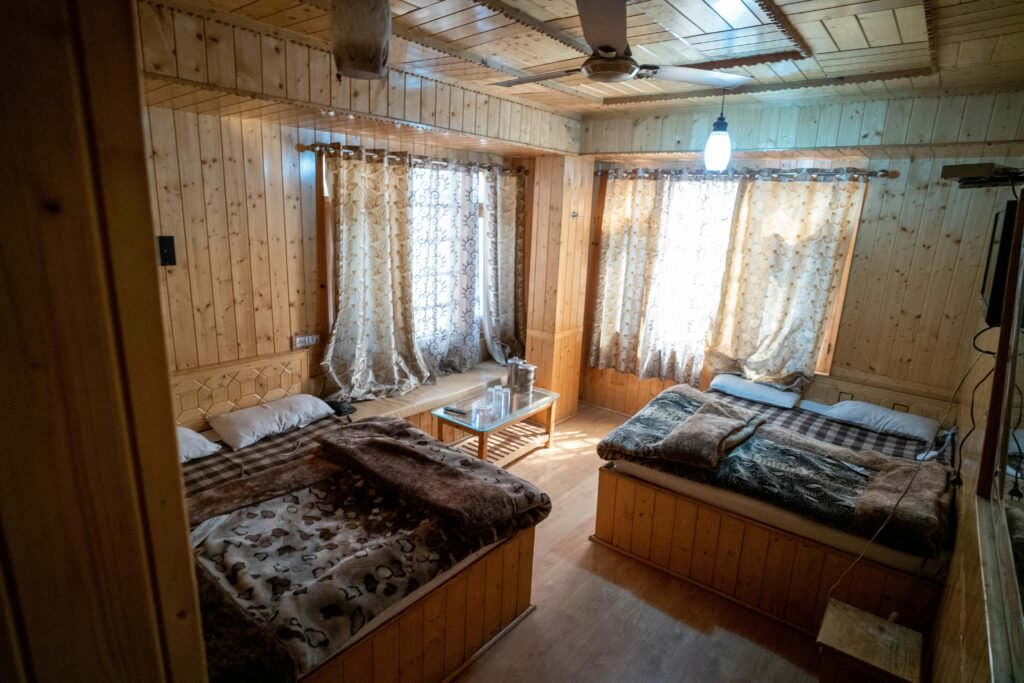
Comfortable seating was essential in these basement setups. Recliners, sofas, and sectionals filled the space, often in durable fabrics. These weren’t always the newest pieces in the house, but they were the most relaxed. The basement was where you could kick back without worrying too much about appearances. It was designed for comfort over formality. That made it ideal for long evenings.
People would settle in to watch TV, talk, or just unwind. The seating arrangement encouraged people to stay a while. It wasn’t unusual for someone to fall asleep in a recliner during a movie. That kind of laid-back atmosphere defined the space. Even now, basements are often designed with comfort in mind. That part hasn’t really changed.
12. A Space That Brought Everyone Together
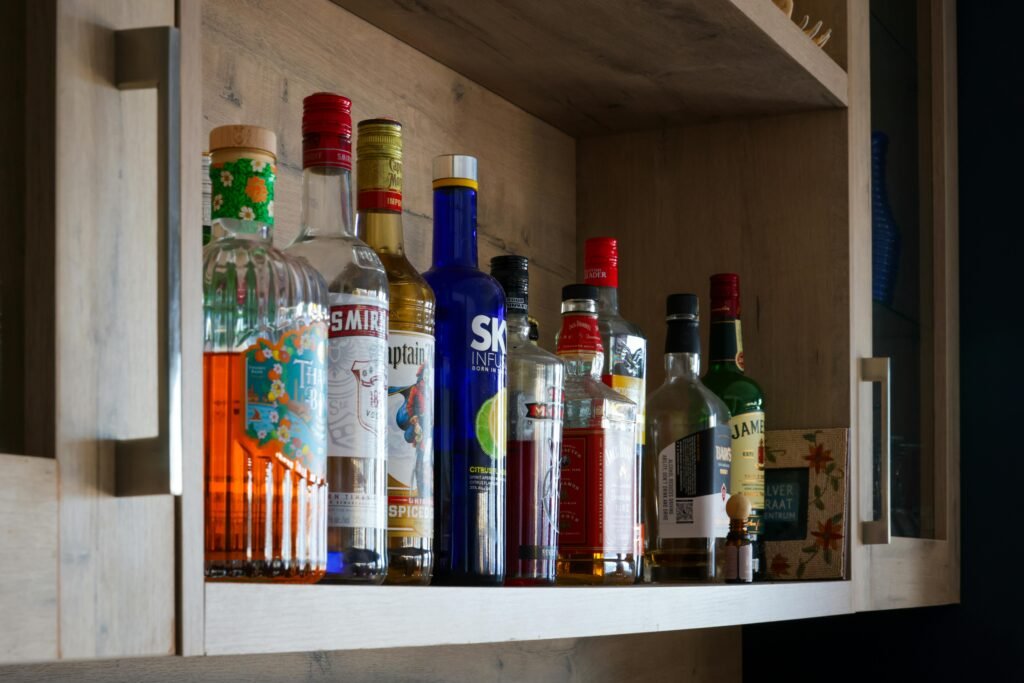
More than any single feature, the basement itself served as a gathering place. It was separate enough from the main living areas to feel like its own world. Adults could entertain while kids played nearby. It allowed for a mix of activities without everything feeling crowded. That flexibility made it one of the most used spaces in the house. It adapted to whatever the family needed.
Over time, design trends shifted and many of these elements disappeared. But the purpose of the basement remained the same. It’s still a place for relaxation, entertainment, and connection. The details may look different now, but the function is familiar. Those wood-paneled rooms and built-in bars left a lasting impression. For many people, they represent a very specific kind of home life that’s hard to replicate today.