
1. They Created a Built-In Social Space
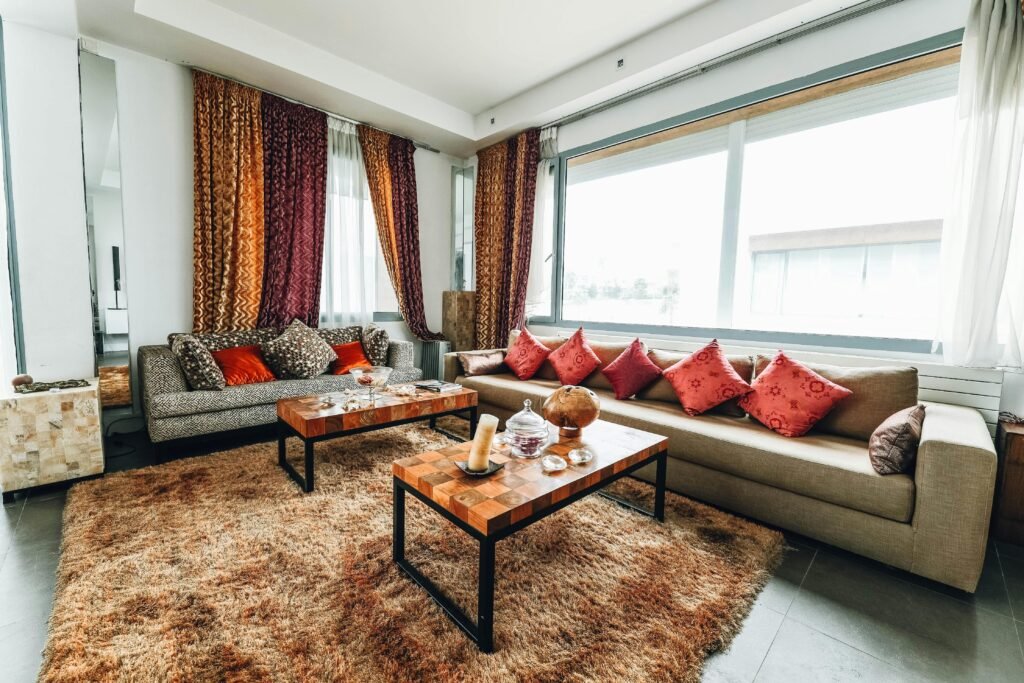
Conversation pits were designed to bring people together in a very literal way. By lowering the seating area into the floor, everyone naturally faced each other instead of a TV or a wall. That made conversations feel more intentional and less distracted. It also eliminated the need for moving chairs around or rearranging furniture for guests.
People often described them as feeling more intimate than a standard living room setup. The sunken design created a sense of enclosure without needing walls. It gave the impression of a private gathering space even in an open-plan home. That combination made them especially appealing for entertaining in the ’70s.
2. They Reflected the Era’s Love of Open Floor Plans
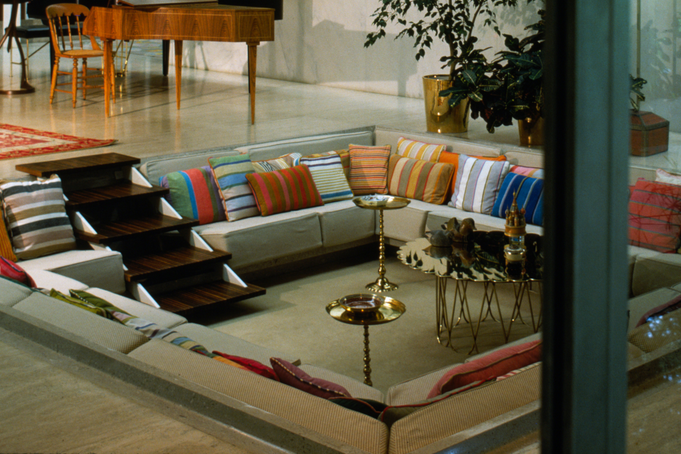
The 1970s saw a shift away from formal, closed-off rooms toward more open living spaces. Conversation pits fit perfectly into that design philosophy. Instead of dividing rooms with walls, architects used level changes to define different areas. The pit became a focal point without interrupting the flow of the house.
This approach made homes feel larger and more connected. You could have a kitchen, dining area, and conversation pit all within view of each other. It encouraged a more casual lifestyle, where people moved freely between spaces. That sense of openness was considered modern and upscale at the time.
3. They Showcased Custom Architecture
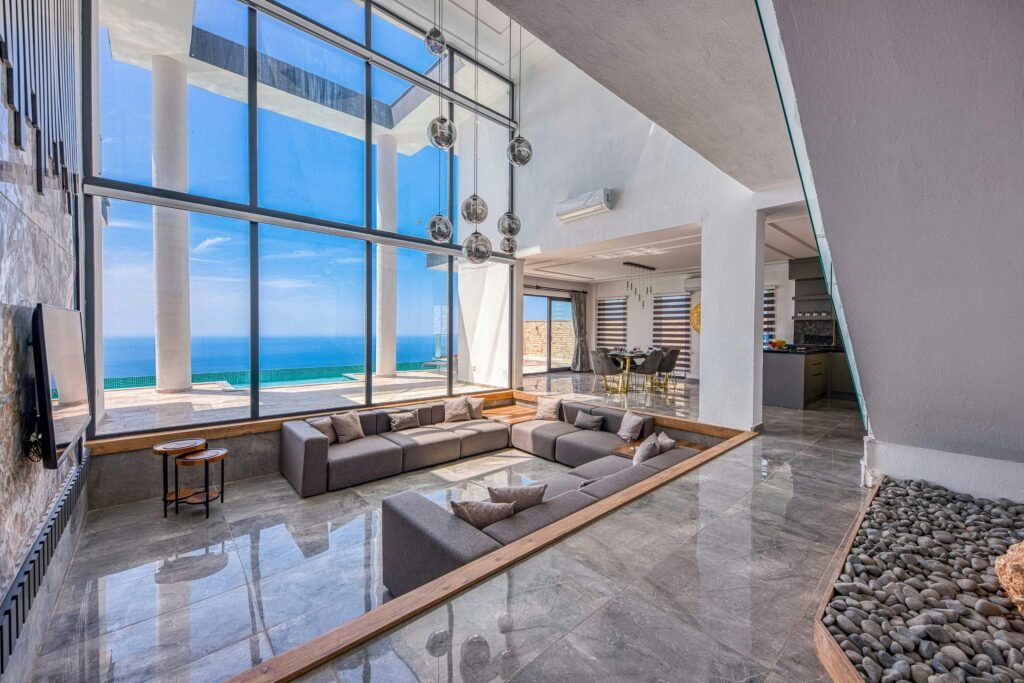
Unlike standard sofas or chairs, conversation pits were built directly into the structure of a home. That made them a clear sign of custom design and higher-end construction. You couldn’t just buy one from a store, it had to be planned during building or a major renovation. That alone made them feel exclusive.
Homeowners often worked with architects to tailor the size, shape, and materials. Some were square, others circular or curved to match the room. The built-in nature meant they were one-of-a-kind features. In an era that valued individuality in home design, that mattered.
4. They Embraced Comfort Over Formality
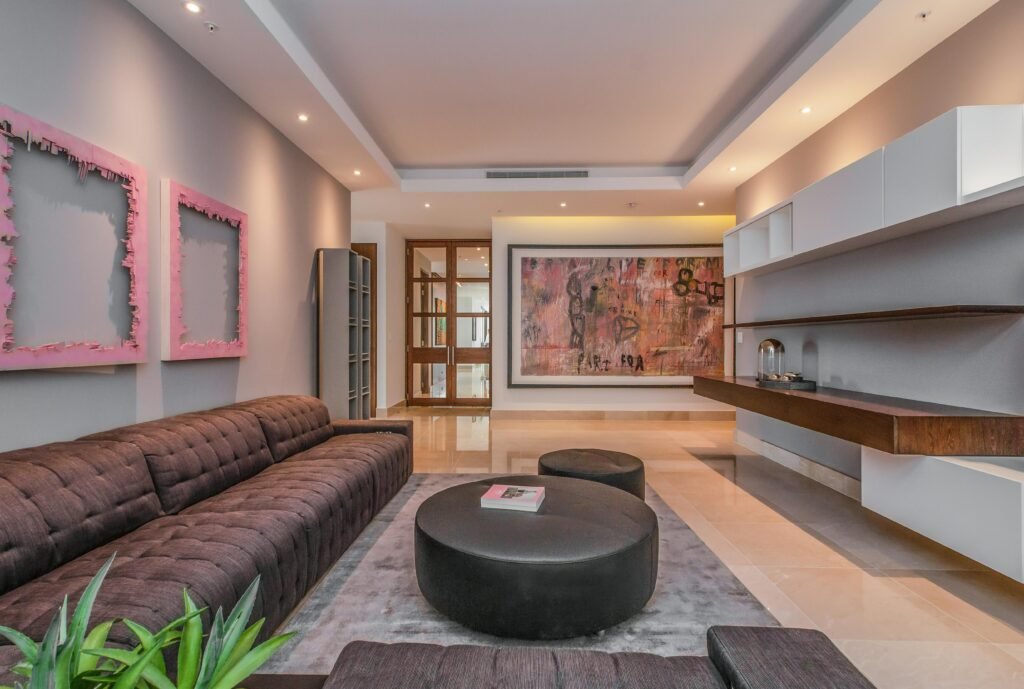
The seating in conversation pits was typically plush and low to the ground. This encouraged people to relax rather than sit upright in a formal posture. It aligned with the broader cultural shift toward casual living. The ’70s favored comfort, and these spaces delivered that in a big way.
People could stretch out, lean back, or even sit cross-legged. It felt less like a formal living room and more like a lounge. That made it especially appealing for long conversations or laid-back gatherings. Comfort became part of the luxury appeal.
5. They Made Entertaining Feel Effortless
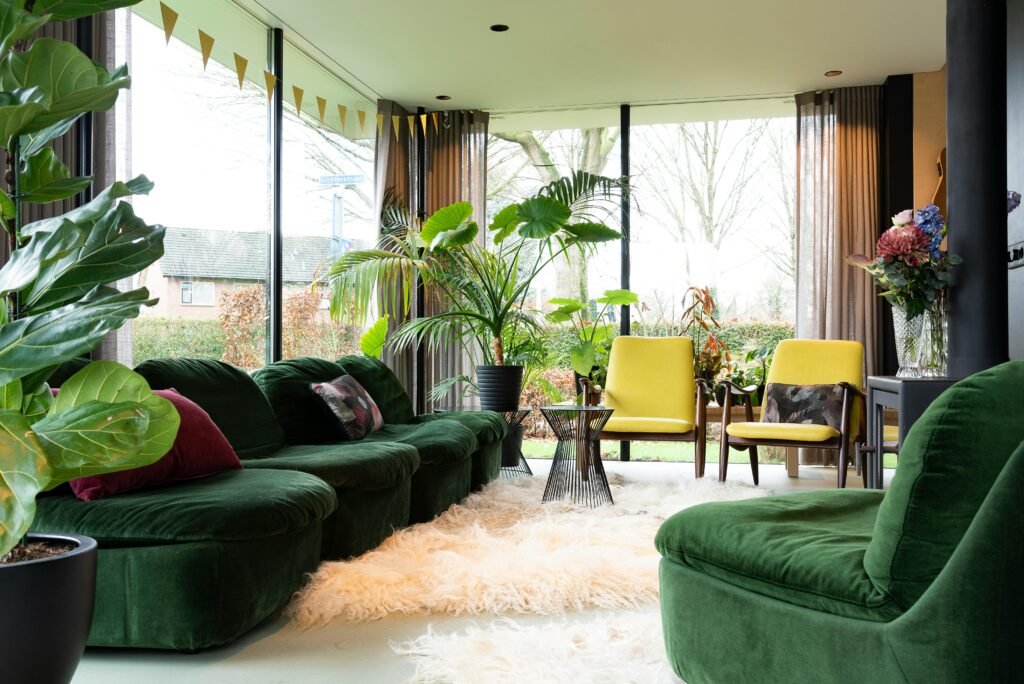
Conversation pits were ideal for hosting guests without much preparation. Because the seating was built in, there was always enough room for a group. Guests naturally gathered there without needing direction. It simplified the flow of a party.
Many pits were designed with a central table or even a fireplace. That gave people a natural focal point while they talked. Drinks and snacks could be placed within easy reach. The entire setup encouraged people to stay and linger.
6. They Often Incorporated Fireplaces
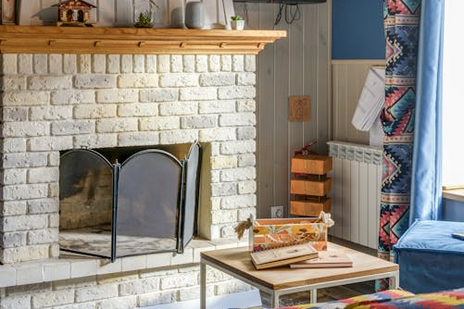
A common feature in many conversation pits was a central or nearby fireplace. This added both warmth and visual interest to the space. Fireplaces had long been associated with gathering and comfort, so pairing them with a pit made sense. It reinforced the idea of a shared, communal area.
The glow of the fire made the space feel even more intimate. It also gave the room a dramatic design element. In colder climates especially, this combination was highly desirable. It turned the pit into a year-round gathering spot.
7. They Highlighted Luxurious Materials
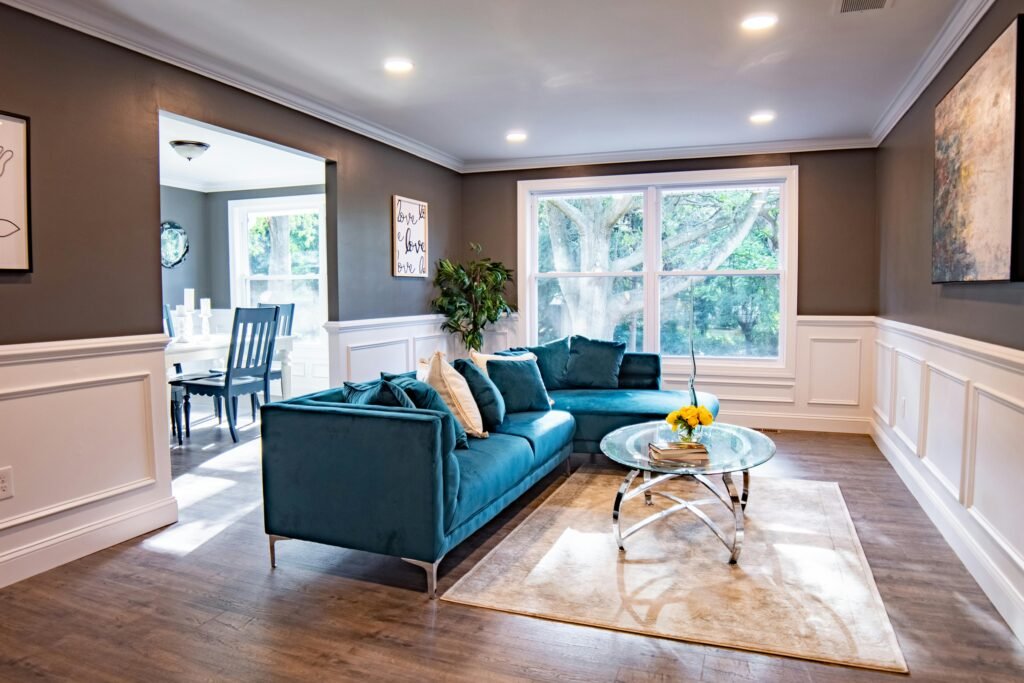
Conversation pits often used materials that felt rich and tactile. Think deep carpeting, velvet upholstery, leather cushions, and wood paneling. These textures added to the overall sense of comfort and style. The materials were chosen to be both durable and visually appealing.
Many designs also incorporated earth tones like browns, oranges, and greens. These colors were popular in ’70s interiors and added warmth to the space. The overall effect was cozy but still stylish. It felt like a step above a typical living room.
8. They Created a Distinct Visual Statement
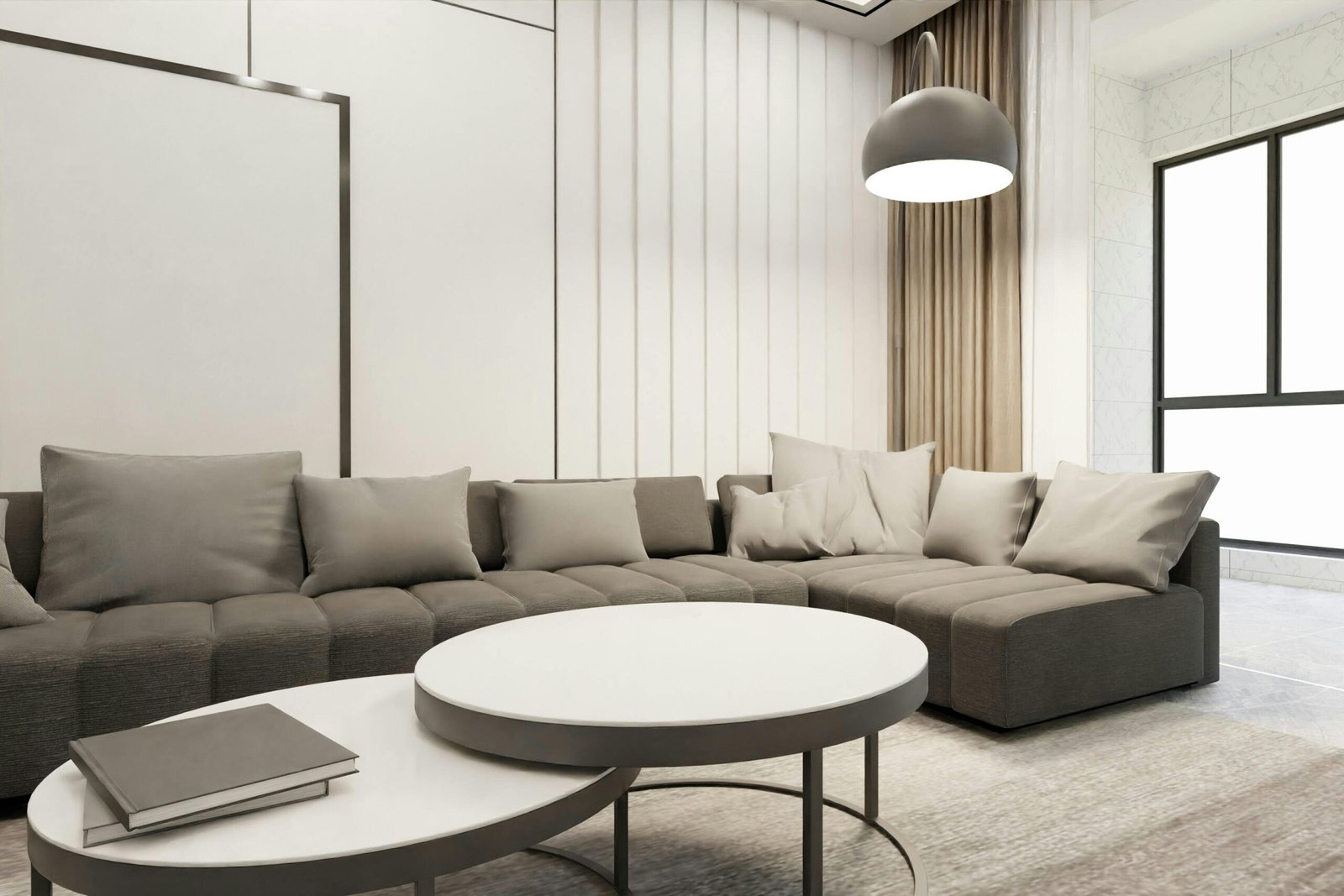
From an architectural standpoint, a sunken seating area immediately drew attention. It broke up the flatness of a room and added depth. Guests walking into a home would notice it right away. That made it a conversation piece in itself.
The contrast between the raised floor and the lowered pit created a layered look. It added visual interest without relying on excessive decor. In many homes, it became the centerpiece of the entire living area. That kind of impact contributed to its luxury status.
9. They Were Inspired by Modernist Design Trends
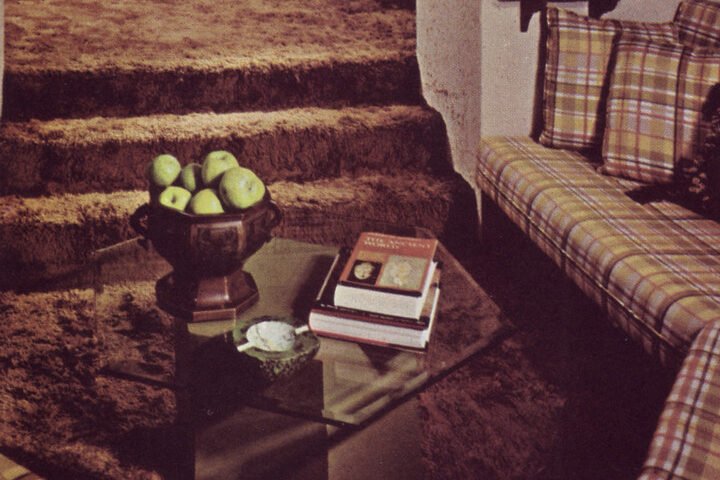
Conversation pits were influenced by mid-century modern architecture. Designers like Bruce Goff and Eero Saarinen experimented with built-in seating and fluid spaces. By the ’70s, those ideas had filtered into more mainstream homes. The pit was a natural extension of that thinking.
The focus was on integrating furniture with architecture. Instead of separate pieces, everything worked together as one design. That approach felt forward-thinking at the time. It gave homeowners a sense that they were part of a modern movement.
10. They Encouraged Face-to-Face Interaction
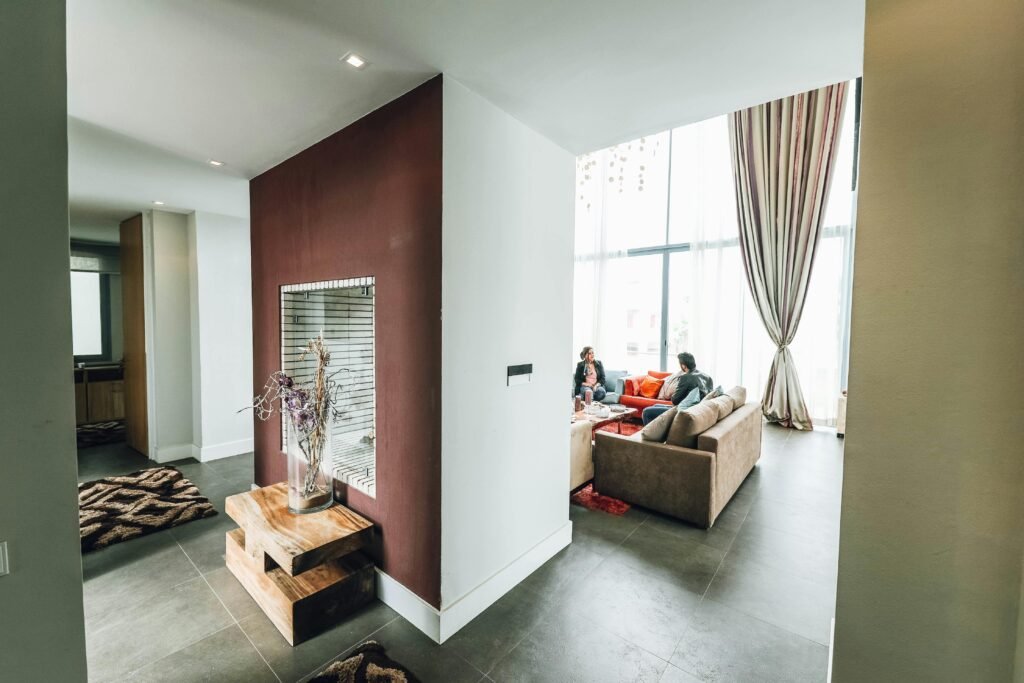
Unlike traditional seating arrangements that might face a television, conversation pits were all about interaction. The layout made it easy to see and talk to everyone at once. That changed how people used their living spaces. It shifted the focus back to conversation rather than passive entertainment.
This design reflected a time before screens dominated the home. Socializing was a central activity, and the pit supported that. It made gatherings feel more personal and engaging. That social element was a key part of its appeal.
11. They Blended Indoor and Outdoor Living Concepts
Some conversation pits were designed near large windows or sliding glass doors. This connected the indoor space with patios or gardens. It created a seamless transition between inside and outside. That was another hallmark of ’70s design.
In warmer months, the pit could feel like an extension of the outdoors. Natural light and views enhanced the experience. Even when indoors, the space felt open and connected to nature. That added to the sense of luxury.
12. They Required Space, Which Signaled Wealth
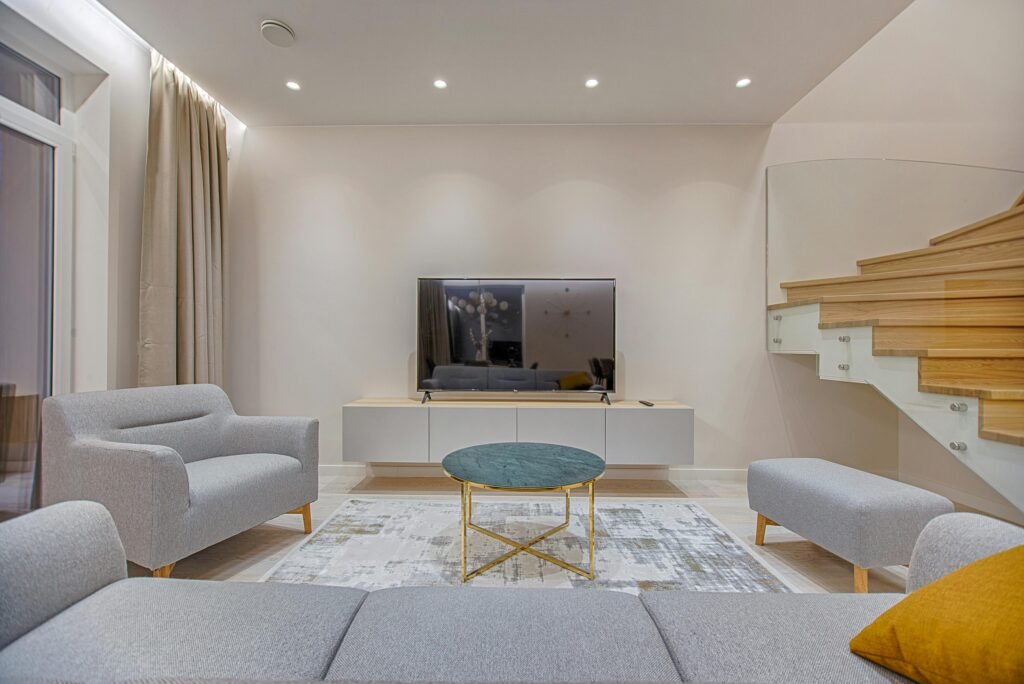
Not every home could accommodate a conversation pit. They required a certain amount of square footage and structural planning. That made them more common in larger, higher-end homes. Simply having one suggested that the homeowner had the space to spare.
In smaller homes, every inch mattered, so a sunken area wasn’t practical. In larger homes, it became a design feature rather than a compromise. That distinction contributed to its status as a luxury. It was as much about what you could afford to dedicate as the feature itself.
13. They Captured the Spirit of the 1970s
Conversation pits weren’t just a design trend, they reflected a broader cultural moment. The ’70s emphasized relaxation, connection, and a break from rigid traditions. These spaces embodied that mindset. They felt informal but still thoughtfully designed.
Over time, tastes shifted and practicality concerns, like safety and maintenance, led to their decline. But during their peak, they represented a specific kind of lifestyle. One that valued comfort, conversation, and a little bit of architectural flair. That combination is what made them feel like the ultimate luxury at the time.


